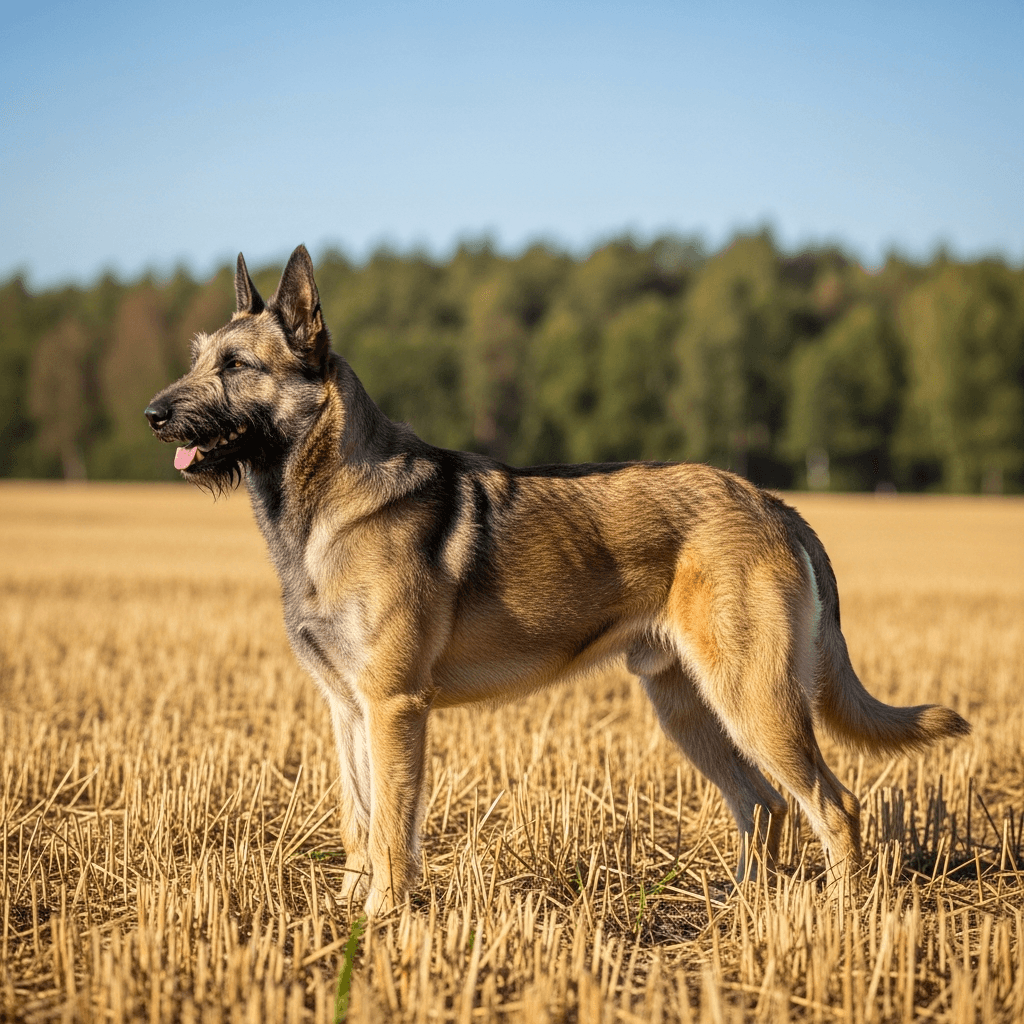
Belgian Shepherd - Laekenois
FCI Group
1• FCI 15B
Size
Medium
Origin Country
BE
Height
58-66 cm
Weight
20-30 kg
Lifespan
10-15 years
Temperament
Overview
The Belgian Laekenois Shepherd is one of the most fascinating dog breeds you can encounter. Originating from Belgium, this dog is one of the four varieties of the Belgian Shepherd. The Laekenois is distinguished by its rough and dense coat, which perfectly protects it from unfavorable weather conditions. The coat color is usually fawn, with a characteristic darker shading on the muzzle and tail.
The Laekenois is a medium-sized dog with a square build, meaning that the length of its body is similar to its height at the withers. Thanks to its strong and muscular body, the Belgian Laekenois Shepherd is extremely agile and fast, making it ideal for work in the field. You can find it in various sports disciplines, such as agility, obedience, or IPO.
The character of the Laekenois is full of energy and liveliness. Intelligence, alertness, and a strong territorial instinct are traits that make it an excellent guardian. As a dog very loyal to its family, the Laekenois is easy to train and eager to cooperate with humans. Its innate protective instinct ensures that it always watches over the safety of its loved ones.
It is important to provide it with regular physical and mental activity, as only then will it maintain emotional balance and full satisfaction with life. Owners must be ready to dedicate time to intense exercise and mental stimulation for their pet to feel fulfilled. Without the right amount of exercise and intellectual challenges, the Laekenois can become restless and develop undesirable behaviors.
The Laekenois excels in the role of a family dog, but also as a service dog. Its versatility and adaptability make it increasingly popular among families, as well as in uniformed services such as the police, military, or border guard. For an active family that enjoys spending time outdoors and engaging in various activities, the Laekenois will be an excellent companion.
In summary, the Belgian Laekenois Shepherd combines beauty, strength, intelligence, and unwavering loyalty, making it an ideal choice for those looking for a faithful and energetic friend. If you are an active person, have time for regular training and play, and can provide the dog with appropriate stimulation, this dog will surely meet your expectations and become an invaluable member of the family.
The Belgian Laekenois is a medium-sized dog with a harmonious and proportional silhouette that combines strength, endurance, and elegance. Its height at the withers ranges from 58 to 62 cm for females and from 60 to 66 cm for males, with a weight oscillating between 20 and 30 kg depending on gender and build. The Laekenois has a square-shaped silhouette, which means that the length of the body is similar to its height at the withers, giving it a compact and harmonious structure.
The head is proportional to the rest of the body, with a well-defined, moderately elongated muzzle and dark, almond-shaped eyes that give it an intelligent, alert, and penetrating expression. The ears are small, triangular, and carried high and erect, adding to its distinctive, alert appearance. The nose is always black, and the jaws are strong with a correct scissor bite.
The most characteristic feature of the Laekenois is its coat – rough, dense, and wavy, about 6 cm long all over the body. The coat is more abundant around the neck, forming a distinctive collar, and on the tail. The coloration is fawn-red in various shades, often with a darker, charcoal overlay on the muzzle, ears, and tail. A small white marking on the chest and toes is permissible.
The body is well-muscled and athletic, with a strong chest, straight back, and muscular loins. The limbs are strong, straight, and parallel, ending in rounded paws with dark nails. The tail is of medium length, strong at the base, hanging down at rest, and arched when in motion, but never curled.
In motion, the Laekenois moves freely, energetically, and flexibly, with a good stride that emphasizes its endurance and physical fitness. Overall, the Belgian Laekenois is a dog that combines rustic, natural beauty with functional build and an exceptional, lively temperament.
The Belgian Laekenois Shepherd is a dog with a unique and complex temperament that combines loyalty, intelligence, alertness, and boundless energy. This breed is extremely alert and always ready for action, making it an excellent guardian, protection dog, and work partner. The Laekenois is deeply devoted to its owner and family, with which it forms strong emotional bonds, making it a wonderful and reliable companion for life.
Dogs of this breed are very social and feel comfortable in the company of familiar people and other animals they grew up with. However, they can be somewhat distrustful and reserved towards strangers, which makes them excellent home guardians. They are not aggressive without reason, but they always watch their surroundings attentively and are ready to react in case of danger. This natural caution towards strangers requires proper socialization from a young age.
The temperament of the Laekenois is full of energy and enthusiasm, which means these dogs need regular, intense physical and mental activity to be happy and balanced. Without adequate physical exertion and intellectual stimulation, they can become hyperactive, anxious, or develop destructive behaviors such as furniture destruction or excessive barking. Therefore, it is crucial to provide them with appropriate stimuli and challenges.
This breed is also known for its exceptional intelligence and quick learning ability, which makes it easy to train, but at the same time requires a consistent, positive, and fair approach from the owner. The Laekenois understands commands well and is eager to perform them if it sees the point and is properly motivated by rewards. The intelligence of this breed also means that it can quickly pick up on inconsistencies in the owner's behavior, so it requires some experience in dog training.
The Belgian Laekenois Shepherd is a dog that easily adapts to various living conditions, but feels best in an active family where it can participate in different forms of play, training, and work. It performs excellently in both homes with gardens and apartments, provided it is given enough exercise. Thanks to its innate territorial instinct, guarding skills, and versatility, the Laekenois is a dog that not only protects its family but also wonderfully accompanies its owner in daily life and all activities.
The Belgian Laekenois Shepherd is generally a healthy and resilient breed, characterized by good health and longevity. With proper care, correct nutrition, and regular physical activity, dogs of this breed can live from 12 to 14 years, and sometimes even longer. However, like any other breed, Laekenois may be prone to certain genetic and acquired conditions, so it is important to provide the dog with regular veterinary visits and appropriate health prevention.
The most common health issues that may occur in this breed include hip and elbow dysplasia. These skeletal developmental defects can lead to chronic pain, limited mobility, and arthritis in later life. Therefore, it is crucial to acquire puppies from responsible breeders who conduct appropriate genetic testing and radiological examinations of the parents before starting breeding. Regularly weighing the dog and avoiding obesity also helps in the prevention of joint problems.
Another issue to pay attention to is eye diseases, including cataracts, progressive retinal atrophy (PRA), or corneal dystrophy. Regular ophthalmic examinations by a veterinary ophthalmologist will help detect these conditions early and implement appropriate treatment. Early diagnosis can significantly improve the prognosis and quality of life for the dog.
Belgian Shepherds may also be prone to idiopathic epilepsy, which manifests as seizures of unknown origin. If you observe seizures, loss of consciousness, or unnatural behaviors in your dog, be sure to consult a veterinarian. Epilepsy requires long-term pharmacological treatment, but with appropriate therapy, most dogs can lead a normal life.
In addition to the aforementioned conditions, as with any breed, it is important to maintain oral hygiene and regularly clean the dog's teeth to prevent periodontal disease, tartar buildup, and tooth loss. It is recommended to brush the teeth several times a week with specialized dog toothpaste and provide dental chews.
It is also important to ensure regular deworming and protection against external parasites (ticks, fleas), as well as to adhere to the vaccination schedule. Health prevention should include annual check-ups with a blood test to detect any potential health problems early.
Overall, with proper health care, correct nutrition, regular physical activity, and attention to mental well-being, the Belgian Laekenois Shepherd can live long, healthily, and actively, enjoying an excellent quality of life for many years.
Grooming a Belgian Laekenois shepherd is an essential part of maintaining its health, appearance, and well-being. The coat of this breed is rough, dense, and wavy, which means it requires regular brushing to avoid tangles, matting, and excessive shedding. It is recommended to brush at least once or twice a week using a stiff brush or a wide-toothed comb that effectively removes dead hair and detangles the wavy coat.
During the shedding period, which occurs twice a year – in spring and autumn – the frequency of brushing should be significantly increased to daily or even several times a day to effectively remove the abundant shedding undercoat. Grooming not only improves the appearance of the coat but also helps remove dead hair, dirt, and dust from the undercoat, which is essential for the dog's skin health and prevents irritation.
Bathing should be done as needed, usually every 2-3 months, depending on the level of activity, weather conditions, and the degree of dirtiness of the dog. Bathing too frequently can dry out the natural protective fatty layer of the skin, so it should not be overdone. It is important to use appropriate, gentle shampoos for dogs with rough coats that will not irritate their sensitive skin. After bathing, the coat should be thoroughly dried to avoid catching a cold.
Regular checking and cleaning of ears is also crucial to prevent the buildup of wax, dirt, and the development of infections. Ears should be checked weekly and cleaned as needed with special ear care products for dogs. The eyes also require regular inspection – any discharge should be removed with a damp cotton ball.
Owners should also take care of nails, which should be trimmed every 3-4 weeks if they do not wear down naturally during walks on hard surfaces. Overgrown nails can cause mobility issues, pain, and deformities in the paws. It is best to use special nail clippers for dogs of the appropriate size for trimming nails.
Oral hygiene is another important aspect of grooming. The teeth of a Laekenois should be regularly cleaned – ideally several times a week – using a toothbrush and toothpaste designed for dogs. This helps prevent the formation of tartar, periodontal disease, and bad breath.
Proper, systematic grooming of the Belgian Laekenois shepherd not only affects its health and appearance but also its quality of life, well-being, and the ability to detect potential health problems early. Regular grooming sessions are also an excellent opportunity to strengthen the bond between the dog and the owner.
The Belgian Laekenois is a dog with a remarkably high level of energy and endurance, which means its physical activity needs are very significant and demanding. This breed requires daily, long, and intense walks – at least 1.5-2 hours a day – as well as varied physical activities to satisfy its movement, mental, and instinctual needs. Simple, calm leash walks are not enough – the Laekenois needs real challenges and opportunities to expend its boundless energy.
They are ideally suited for various forms of activity, such as intense running (also alongside a bicycle), long mountain hikes, swimming, retrieving, and various dog sports, including agility, obedience, IPO (protection sport), flyball, treibball, or dog dancing. The Laekenois also loves practical tasks, such as searching, tracking, or nosework exercises that engage its excellent sense of smell.
In addition to regular, energetic walks, the Laekenois also needs time for free play and intense interaction with its owner to maintain mental and emotional balance. Dogs of this breed enjoy playing with balls, frisbees, tug-of-war, and any activities that allow them to collaborate with humans and utilize their intelligence.
Owners should pay special attention to not limiting activities solely to physical exertion. Belgian Shepherds are extremely intelligent and require equally intense mental stimulation as physical. Therefore, it is worthwhile to introduce various intellectual tasks and exercises, such as hiding toys or treats (scent games), advanced obedience training, learning new commands and tricks, or agility exercises and problem-solving tasks.
The proper, sufficient amount of exercise and stimulation helps avoid serious behavioral problems, such as hyperactivity, nervousness, destructive behaviors (destroying furniture, shoes), excessive barking, digging holes in the garden, or escaping from the property. A dog that does not get enough activity becomes frustrated and seeks alternative ways to release energy, often in undesirable ways.
The Belgian Laekenois feels best in an active, sporty family, where it can participate in various forms of play, training, and outdoor activities. It is an ideal companion for runners, cyclists, mountain hiking enthusiasts, and those involved in dog sports. It requires an owner who has the time, energy, and willingness to engage in intense physical and mental activities daily.
The Belgian Laekenois Shepherd is a breed with exceptionally high intelligence, quick learning ability, and willingness to cooperate, making it an excellent candidate for various forms of training – from basic obedience to advanced sports disciplines and service work. The right approach to training is crucial to fully harness its immense potential and develop its natural abilities.
This breed is very eager to cooperate with humans, but at the same time, it needs a consistent, fair, and positive approach to achieve the best results. Training should be based on positive reinforcement methods – rewards, praise, and motivation – which not only effectively motivates the dog to learn but also strengthens the emotional bond between the dog and the owner and builds mutual trust.
It is extremely important to start training and socialization of the Laekenois at a very young age – from the first weeks of life in a new home. Early socialization should include familiarizing the puppy with various people (adults, children, seniors), other dogs and animals, diverse environments (city, park, forest, shops), sounds (traffic, loud noises), and everyday life situations. A well-socialized Laekenois grows into a confident, balanced, and friendly dog.
Training should include basic obedience commands, such as: Sit, Lie down, Stay, Come, No, Place, Shake, as well as more advanced techniques, such as walking on a loose leash without pulling, recall from a distance, staying in position despite distractions, or calmly responding to environmental stimuli. A well-trained Laekenois is a dog that is not only obedient but also pleasant and safe in everyday life.
Belgian Shepherds are often used in professional service work – in the police (searching for drugs, explosives, tracking), rescue services (searching for missing persons, mountain rescue), property protection, the military, and in dog therapy. This demonstrates their extraordinary versatility, adaptive abilities, and potential for use in various fields of life.
Dogs of this breed also need regular mental and intellectual challenges, which can be achieved through various logic games, educational play, learning new commands and tricks, advanced obedience training, or sports training (agility, obedience, IPO). Laekenois loves to learn and needs continuous intellectual stimulation to be happy and balanced.
It is important for training to be varied, interesting, and engaging, as Laekenois can quickly become bored with monotonous, repetitive exercises. Short (10-15 minutes), but frequent training sessions yield better results than long, exhausting sessions. Ending training with success and a reward reinforces motivation and the desire to continue learning.
With proper, consistent, and positive training, the Laekenois becomes not only a perfectly obedient and well-mannered dog, but above all, a wonderful, intelligent companion in life, capable of adapting to various situations and with whom one can enjoy the fullness of shared activities and adventures.
The diet of the Belgian Laekenois shepherd should be well-balanced, high-quality, and carefully tailored to its age, weight, level of physical activity, and individual health condition. Dogs of this breed have quite high energy needs due to their exceptional activity and high metabolism, so it is worth choosing high-quality foods that contain the appropriate amount of complete animal protein (25-30%), healthy fats (12-18%), and easily digestible carbohydrates.
It is generally recommended to feed high-quality dry food (kibble) from the premium or super-premium segment, which provides all the essential nutrients, vitamins, and minerals. Wet food (canned) can also be introduced into the diet as a variety or supplement to dry food to increase its attractiveness and flavor range. An alternative may be a diet based on fresh, natural feeding (BARF, cooked diet), but it requires proper knowledge and consultation with a veterinary nutritionist to avoid nutrient deficiencies.
It is important to avoid giving the dog food intended for humans, which can be harmful to its health, especially fatty and salty dishes, sweets, chocolate (toxic to dogs!), onions, garlic, grapes, raisins, avocados, or products containing xylitol (artificial sweetener). These products can cause serious poisoning, gastrointestinal disorders, and even threaten the dog's life.
Owners should also strictly control the amount of food given to avoid obesity, which can lead to serious health problems such as joint dysplasia, heart disease, diabetes, or excessive strain on joints and the spine. It is important to follow the manufacturer's feeding recommendations regarding portions, adjusting them to the individual needs of the dog – very active dogs may require larger portions, while less active ones smaller.
Regular meals should be served at set, fixed times of the day – usually twice a day for adult dogs (morning and evening), which helps maintain a healthy digestion rhythm and stable energy levels. Puppies require more frequent feeding – 3-4 times a day, gradually reducing the number of meals as they age.
Fresh, clean water should always be available for the dog in unlimited amounts, regardless of the time of day. In the case of intense training, long walks, dog sports, or high temperatures, additional water and frequent drinking opportunities should be provided to avoid dehydration.
It is also worth considering diet supplementation in consultation with a veterinarian – particularly supplements that support joints (glucosamine, chondroitin), Omega-3 and Omega-6 fatty acids (for healthy skin and coat), probiotics (for healthy gut flora), or vitamins and minerals in case of specific health needs.
Maintaining a proper, balanced, high-quality diet is crucial for the health, vitality, physical condition, and longevity of the Belgian Laekenois shepherd. Proper nutrition translates into a beautiful, shiny coat, healthy teeth and gums, strong bones and joints, a robust immune system, and excellent well-being and quality of life for the dog.
Characteristic Traits
Pros
- Exceptionally intelligent and easy to train
- Agile and fast – perfect for dog sports
- Loyal and deeply devoted to family
- Excellent guard and protection dog
- Versatile – suitable for many tasks.
Cons
- Requires a lot of movement and intense stimulation
- Strong territorial and protective instinct
- May be too energetic for less active families
- Needs an experienced owner
- Rare breed – hard to find.
Behavioral Ratings
Breed History
The Belgian Laekenois Shepherd has a rich and fascinating history that dates back to the late 19th century when dog breeders and canine enthusiasts in Belgium began to strive for the unification and organization of the various types of herding dogs present in the country. At that time, many local varieties of herding dogs were bred in different regions of Belgium, showing significant diversity in terms of build, coat color, and type of fur, which prompted enthusiasts to take systematic actions to create a uniform, recognized breed with specific standards.
Professor A. Reul, regarded as the pioneer and founding father of Belgian Shepherd breeding, organized the first meeting of breeders and presentation of herding dogs in Cureghem (a district of Brussels) in 1891, which allowed for the selection of the best specimens and the establishment of common breeding criteria. As a result of this work, the first official standard for the Belgian Shepherd breed was created between 1891 and 1897, and in 1891, the Belgian Shepherd Club (Club du Chien de Berger Belge) was established to promote, protect, and develop this native Belgian breed.
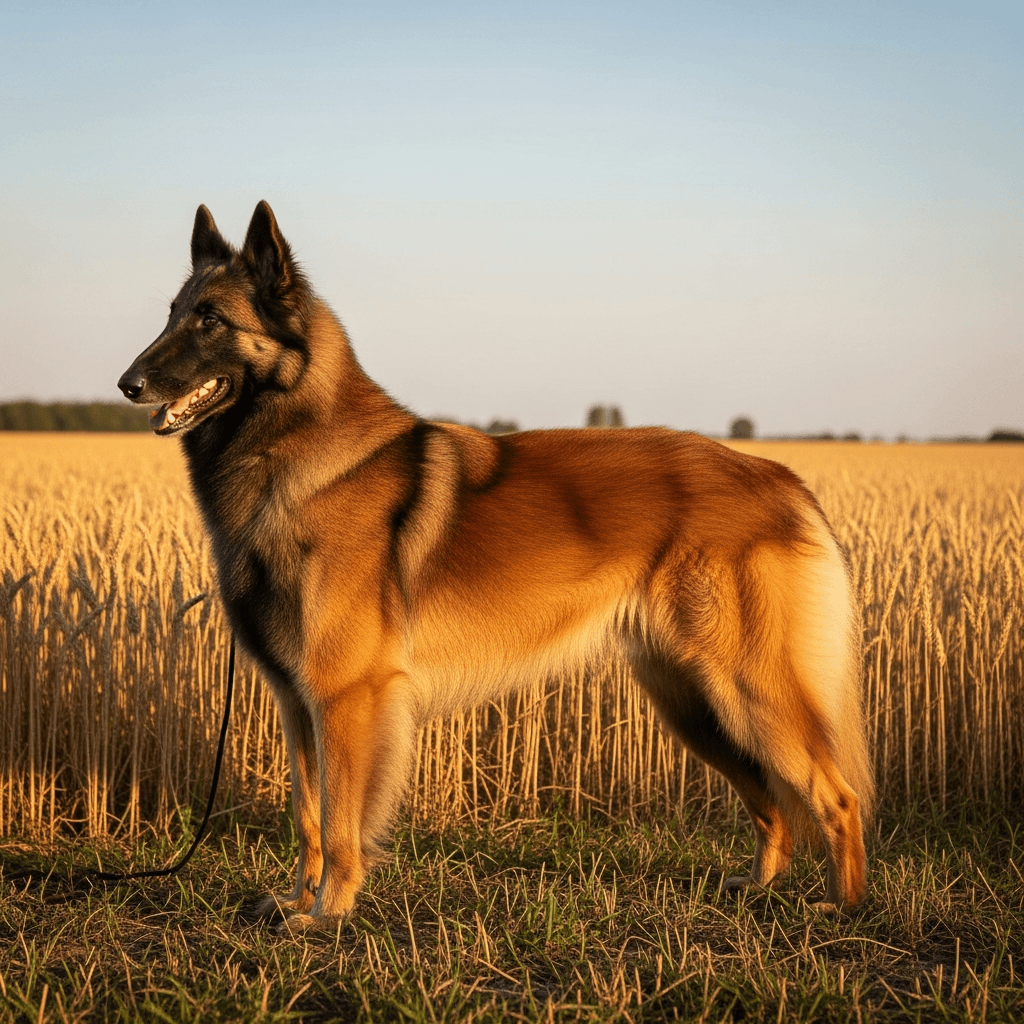
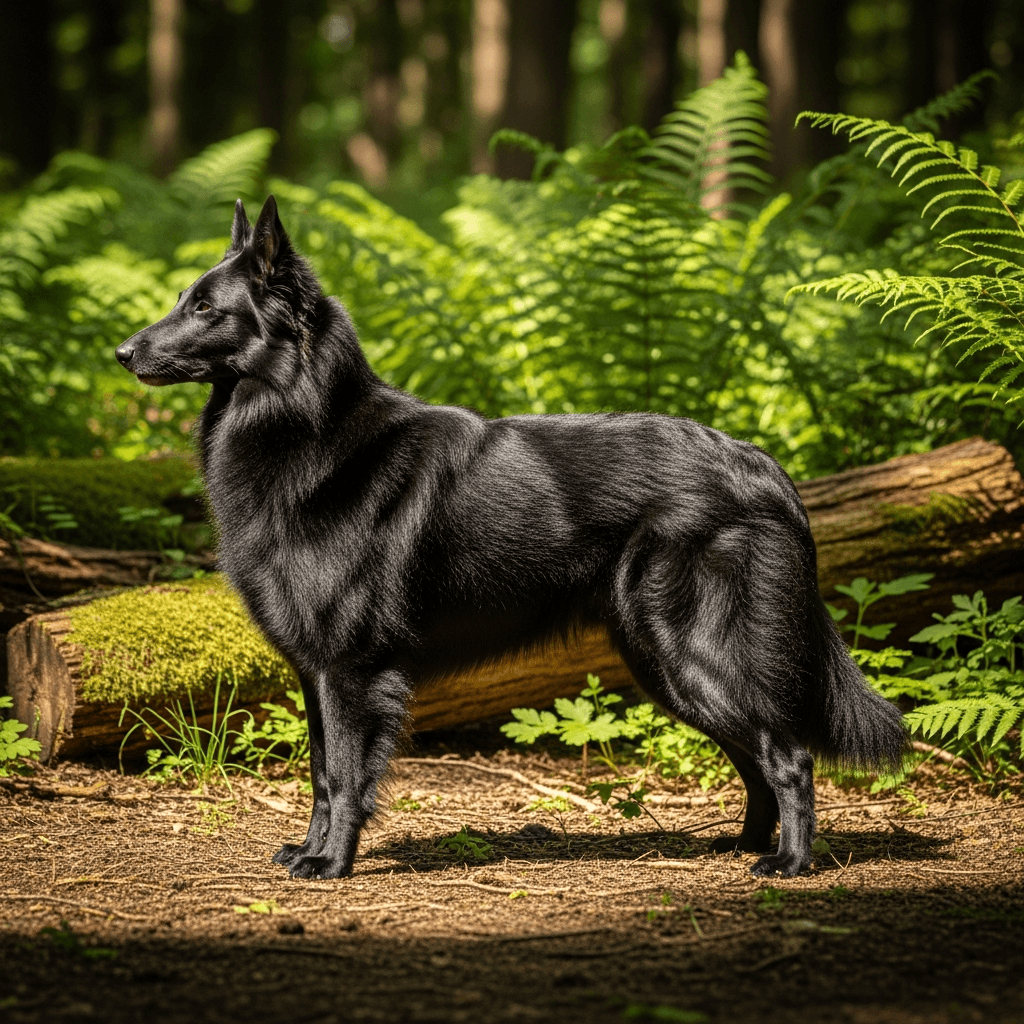
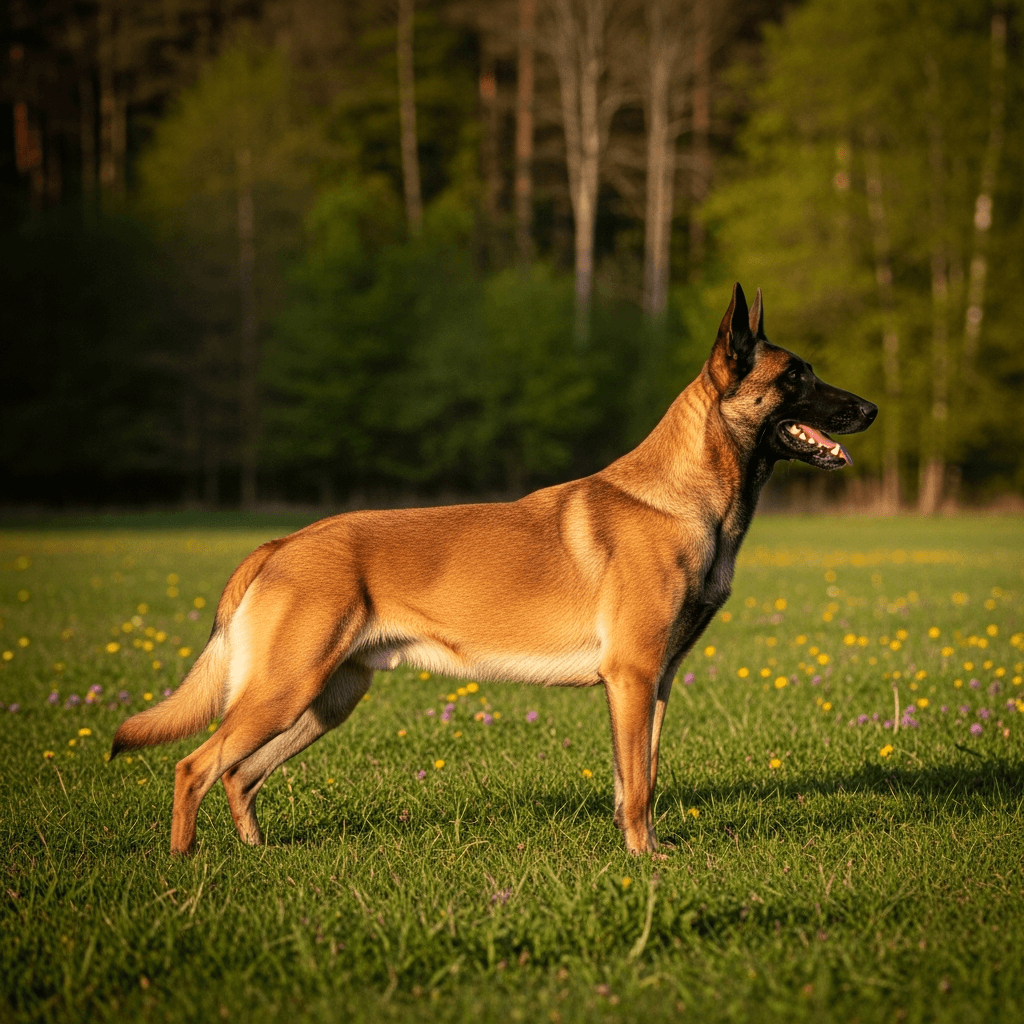
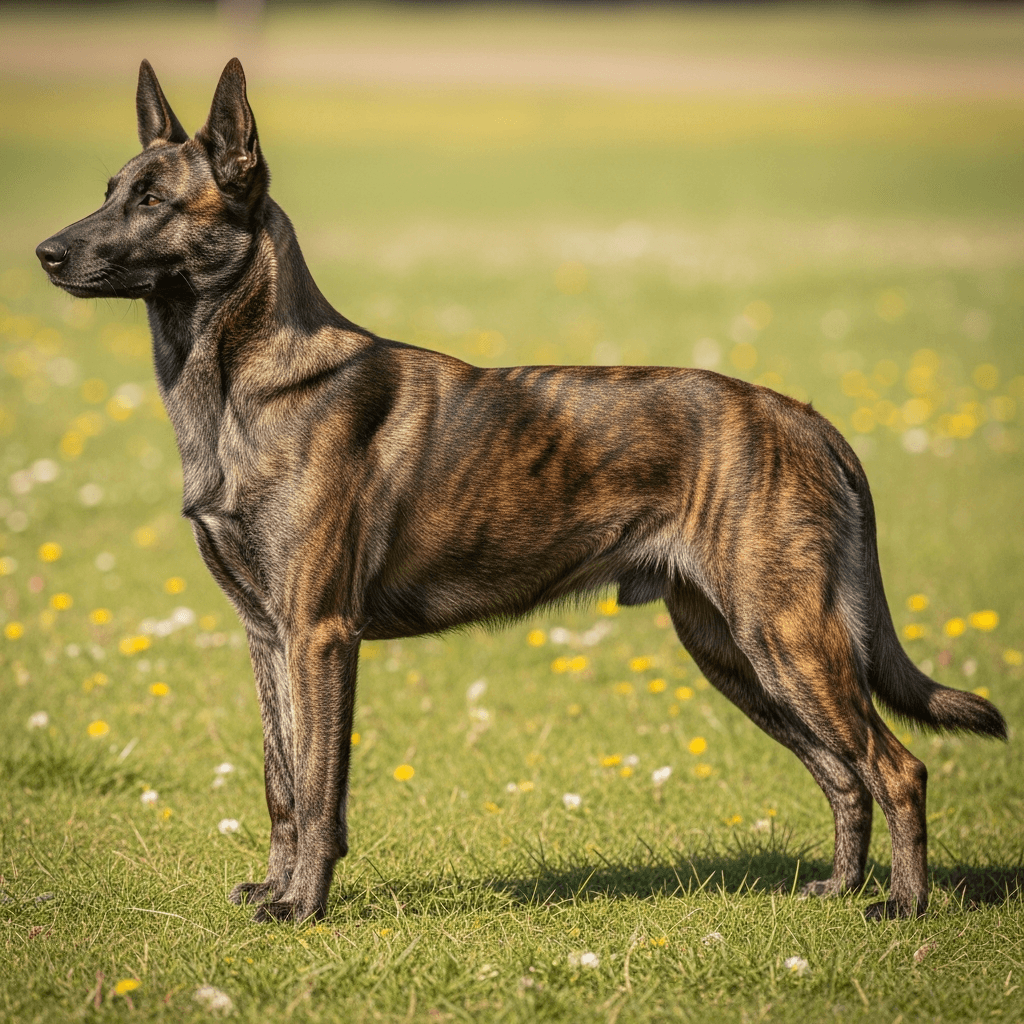
Within the Belgian Shepherd breed, four varieties were distinguished based on the type and color of their fur: Groenendael (long, black fur), Tervuren (long, fawn fur with a black overlay), Malinois (short, fawn fur), and Laekenois (rough, fawn fur). Each of these varieties was named after the locality or area where it was particularly popular.
The name Laekenois comes from Laeken (a district of Brussels), where these dogs were used by shepherds to guard sheep and by flax growers to protect the flax drying in the fields. Laekenois was also the favorite dog of Queen Marie Henriette, the wife of King Leopold II, who resided in the royal castle in Laeken. Thanks to royal patronage, the breed gained prestige and recognition.
During World War I and II, Belgian Shepherds, including Laekenois, played an important role as messenger, sanitary, guard, and patrol dogs, serving in the Belgian, French, and Allied armies. Unfortunately, the wars caused a dramatic decline in the breed's population, and Laekenois found itself on the brink of extinction, being the most endangered of the four Belgian Shepherd varieties.
After the wars, a gradual rebuilding of the population began, but Laekenois remains the rarest variety of Belgian Shepherd to this day, significantly less popular than Malinois or Groenendael. In some countries, including the United States, Laekenois was officially recognized as a separate breed only in 2011 by the American Kennel Club (AKC).
Currently, the Belgian Laekenois Shepherd is valued as a versatile working, service, and sporting dog, used in police work, rescue services, security, and as an excellent family dog for active owners. Although it is still a rare breed, it is gaining increasing recognition among herding dog enthusiasts who appreciate its rustic beauty, intelligence, loyalty, and exceptional working abilities.