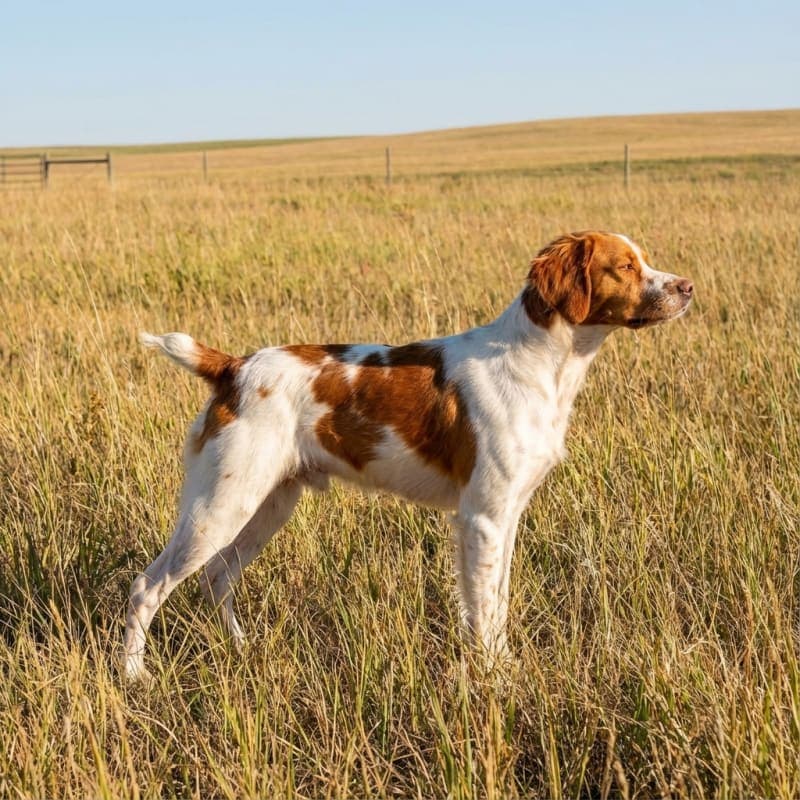
Brittany Spaniel
FCI Group
7• FCI 95
Size
Medium
Origin Country
FR
Height
47-51 cm
Weight
15-20 kg
Lifespan
12-14 years
Temperament
Overview
Epagneul Breton, also known as the Breton spaniel, is a dog breed originating from picturesque Brittany in France, which captivates with its rich history and versatility. One of the oldest breeds among spaniels, it wins the hearts of dog lovers around the world – not only due to its outstanding hunting skills but also because of its unique character and devotion to family.
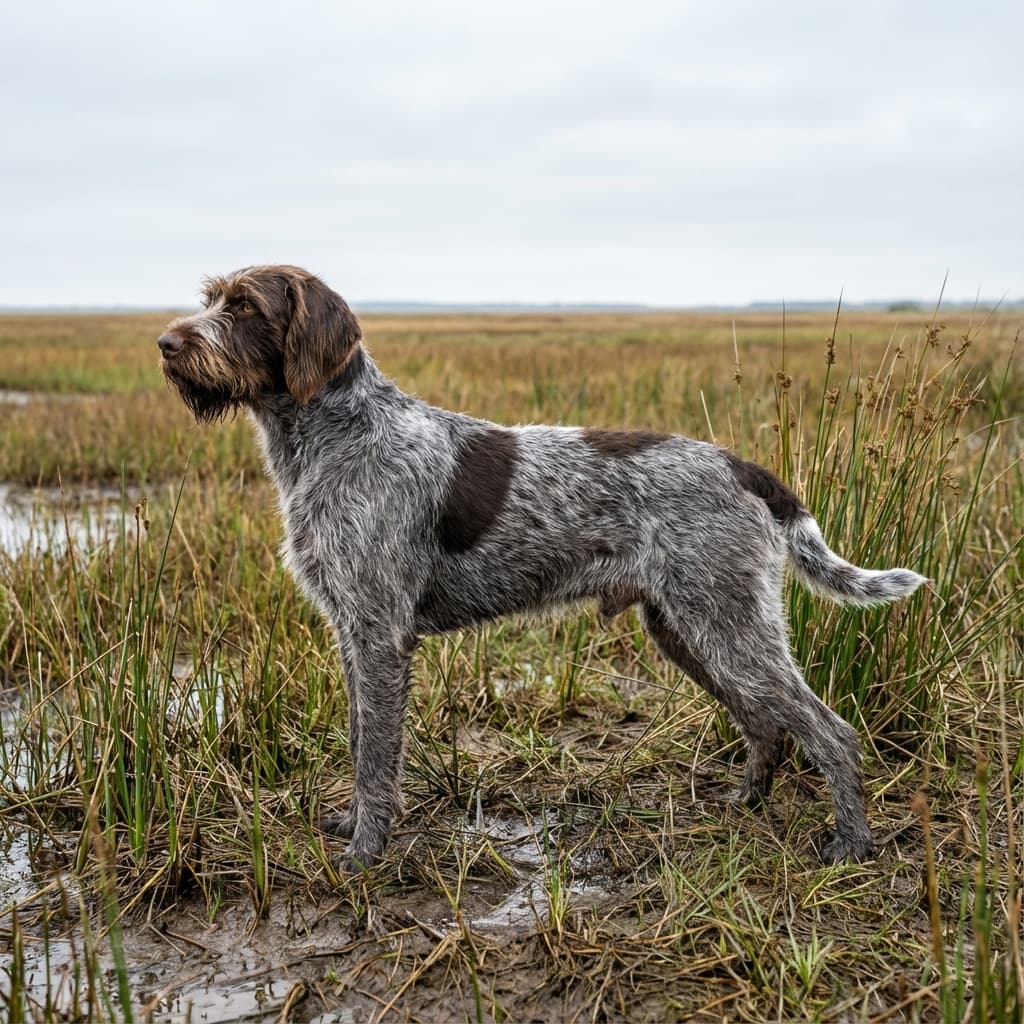
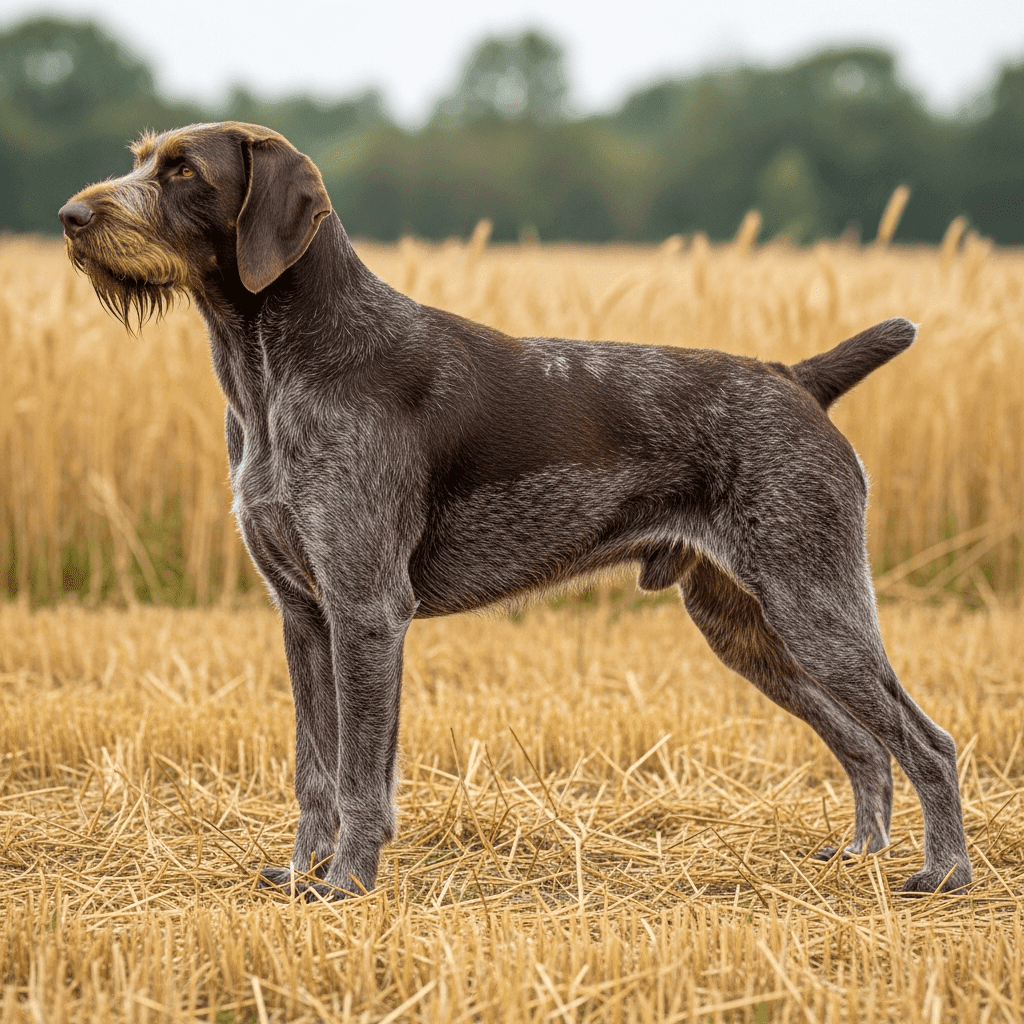
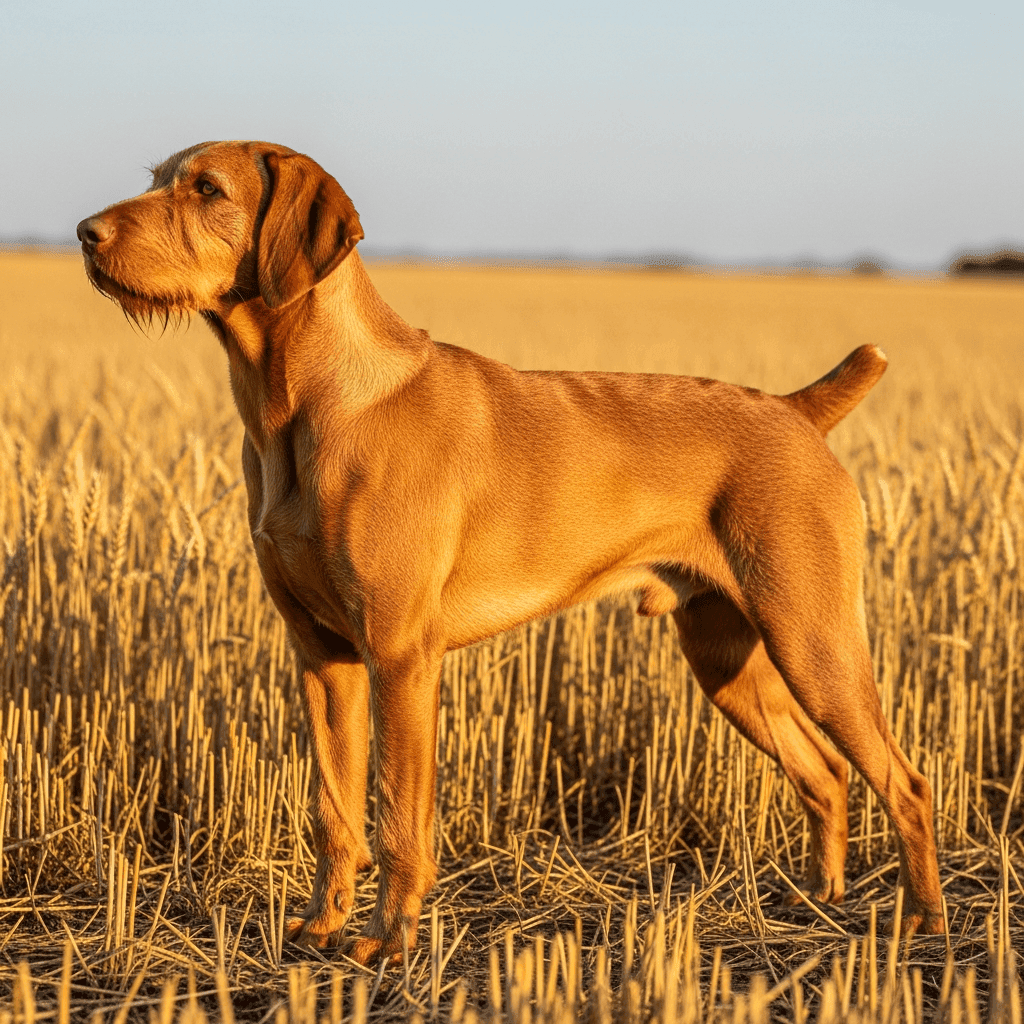
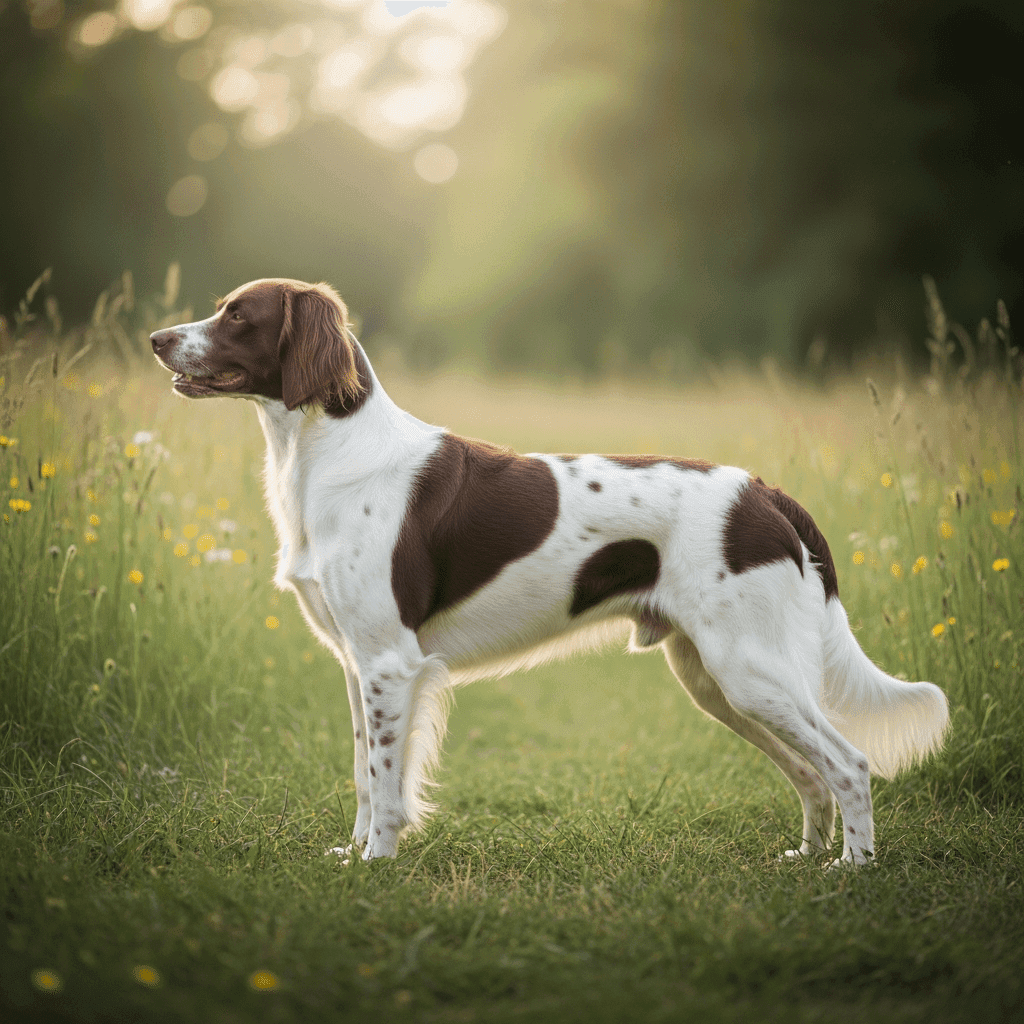
The Epagneul Breton is characterized by its medium size, harmonious musculature, and intelligent, piercing gaze that immediately attracts the attention of any dog enthusiast. Its appearance is incredibly diverse, adding to its charm. Coat colors come in various combinations – white-orange, white-black, white-brown, as well as tricolor with tan markings. The characteristic short tail or its complete absence emphasizes the breed's traits and gives the dog a distinctive look.
The height at the withers for males ranges from 48 to 51 cm, while for females, it is from 47 to 50 cm. The Epagneul Breton is a dog that excels in the field, making it an ideal partner for hunters. Its exceptional sense of smell and retrieving abilities make it indispensable during hunts for various game species.
However, it is not just a dog for hunters. Its balanced temperament, sociability, and high intelligence make it an ideal companion for everyday life. The Epagneul Breton adapts well to different environments – it can adjust to life in the city as well as in the countryside, provided it is given the right amount of activity. Physical activity is crucial for it – daily walks, running, playtime, and training are essential to meet its exercise needs and keep it in excellent physical and mental condition.
In terms of grooming, the Epagneul Breton is relatively low-maintenance. Regular brushing helps keep its short, dense, and slightly wavy coat in good condition, as well as protects it from adverse weather conditions. Regular checks of the ears and teeth are also important to prevent infections and dental problems. A proper diet is fundamental to its health – it should be balanced and tailored to its activity level and age.
Although the Epagneul Breton is generally a hardy breed, it may suffer from conditions such as hip dysplasia or progressive retinal atrophy. Therefore, regular visits to the veterinarian are crucial for early detection and treatment of any potential health issues.
Training and socialization are fundamental for the dog to develop in a balanced way and become a well-mannered companion. All of this makes the Epagneul Breton not only a working dog but also a faithful family friend that brings joy, energy, and an unforgettable atmosphere to the home. We encourage you to explore further information about this exceptional breed in our guide, where you will find many helpful tips regarding health, training, nutrition, and many other aspects of life with this extraordinary canine.
The Breton Spaniel is a dog with a harmonious body structure, distinguished by its elegance and dynamism. Its height at the withers ranges from 48 to 51 cm for males and from 47 to 50 cm for females, making it one of the smallest hunting dogs. This breed is characterized by compact musculature, which makes the dog appear strong, agile, and full of energy.
The head of the Breton Spaniel is proportional to the rest of the body, with a well-defined skull and a slightly rounded braincase. The muzzle is straight, with parallel lateral lines, giving the dog an elegant appearance. The ratio of the length of the muzzle to the skull is balanced, highlighting the harmony of the entire head.
The eyes are slightly slanted, with an intelligent, gentle, and penetrating gaze that reflects the characteristic temperament of this breed. Their iris color harmonizes with the coat, with dark shades – dark brown or hazel – being preferred. The ears are set high, triangular in shape, and partially covered with wavy hair, which adds charm to the dog and emphasizes its breed appearance.
The coat on the body is short to medium length, dense, and close-fitting, with a slightly wavy texture. It also features good water resistance, making the dog resilient to adverse weather conditions while working in the field. On the back of the limbs and under the tail, delicate fringes are visible, adding extra charm to the dog without excessive burden during running.
The tail of the Breton Spaniel is short or may be completely absent (naturally docked), which is a characteristic feature of this breed. Ideally, the dog is born with a naturally short tail not exceeding 10 cm in length. When the dog is in motion, the tail is usually held horizontally or slightly lowered, emphasizing its joyful and balanced temperament.
The coat color can occur in various combinations:
- White-orange
- White-black
- White-brown
- Tricolor with tan (white-black with tan or white-brown with tan)
A characteristic feature is also the irregular patches and speckled (roan) areas that create a unique pattern for each individual.
The Breton Spaniel is a dog that emanates energy and vitality, and its appearance reflects its active lifestyle. With its harmonious body structure, they are extremely agile and fast, making them excellent companions for all outdoor activities – from hunting to dog sports.
The Epagneul Breton is a dog breed with a balanced temperament, combining sociable traits, high intelligence, and great activity. This dog is extremely friendly and open to people, making it an excellent companion for families and active individuals. Their sociable nature means they get along wonderfully with children and other animals, making them an ideal choice for a home with diverse inhabitants.
This breed is known for its high intelligence and ability to learn, which makes the Epagneul Breton willing to work with its owner. Thanks to their eagerness to cooperate, they respond well to training, and positive reward-based teaching methods yield the best results. This dog loves to be the center of attention and spend time with family, so it cannot stand being confined in the house or garden for long periods. Separation from the owner can lead to undesirable behaviors related to separation anxiety.
The Epagneul Breton has a strong natural hunting instinct, which means it may be inclined to follow scents and track game. Therefore, it is important to provide them with suitable conditions for exploration – long walks in the field, playing fetch, or scent training. This dog is also a great swimmer and loves water, making it an ideal companion for vacations by the lake or sea.
Characteristic temperament traits:
- Friendly and gentle towards family
- Energetic and eager to work
- Intelligent and quick to learn
- Affectionate and emotionally sensitive
- Wary of strangers (but not aggressive)
- Excellent hunting instinct
Without adequate physical activity and mental stimulation, the Epagneul Breton may become hyperactive or exhibit behavioral problems – such as destroying furniture, excessive barking, or destructive behaviors. Therefore, it is crucial to provide them with daily doses of exercise and mental challenges.
Their balanced temperament allows them to adapt well to various environments – both urban and rural – but they always need close contact with people to be happy and healthy. The Epagneul Breton is a dog that feels best as a full-fledged family member, participating in all its activities.
The Epagneul Breton, like any breed, has its specific health issues that can arise at various stages of the dog's life. Among the most common conditions affecting this breed is hip dysplasia (HD). This orthopedic condition can lead to pain, difficulty in movement, and in more severe cases, may require surgical intervention. Owners should pay attention to symptoms such as limping, reluctance to stand up, or difficulty with stairs.
Due to their active lifestyle, the Epagneul Breton may be prone to injuries, especially in the joints and muscles. Particularly during intense training or hunting, ligament tears, joint sprains, or muscle injuries may occur. It is important to gradually increase the intensity of training and ensure proper warm-up before exertion.
Eye diseases represent another area requiring attention:
- Progressive retinal atrophy (PRA) – a hereditary condition leading to gradual vision loss
- Cataracts – especially in older individuals
- Retinal dysplasia – developmental disorders of the retina
- Entropion – inward rolling of the eyelid
Owners should regularly monitor the health of their dogs' eyes and conduct ophthalmic examinations with a veterinary specialist to detect any potential problems early.
Other conditions to be aware of include:
- Hypothyroidism – an underactive thyroid affecting metabolism
- Epilepsy – seizure disorders
- Skin problems – allergic dermatitis, skin infections
- Ear infections – due to their hanging, long ears
Health prevention is key to a long and happy life for the Epagneul Breton. Regular veterinary visits are essential to ensure that the dog is healthy and does not suffer from hidden conditions. It is recommended to perform:
- Orthopedic evaluations (HD assessment) – especially before starting reproduction
- Ophthalmic examinations once a year
- Routine blood tests for older dogs
- Regular vaccinations and deworming
- Dental health checks
A proper diet, regular physical activity, and health prevention can significantly contribute to extending the life and improving the quality of life of the Epagneul Breton. The average lifespan of this breed is 12–15 years, with proper care allowing for the possibility of reaching the upper limit of this range.
The care of the Epagneul Breton is not complicated, but it requires regular actions to keep the dog in good condition and healthy appearance. The coat of this breed is short to medium length, dense, and slightly wavy, making it relatively easy to groom compared to other hunting dog breeds.
Coat care:
- Regular brushing – 2-3 times a week to remove dead hair and dirt
- During shedding season – daily brushing becomes necessary to minimize the amount of hair in the house
- Slicker brush or metal comb – the best tools for grooming this type of coat
- Thinning the undercoat – especially before the summer season to prevent overheating
Regular brushing not only keeps the skin and coat healthy but also helps detect ticks, fleas, or skin changes at an early stage.
Ear care (CRUCIAL!):
The Epagneul Breton has specific ear care requirements. Due to their long, hanging ears, they can be prone to fungal and bacterial infections. It is important to regularly check their cleanliness and dryness.
- Ear inspection at least once a week
- Cleaning with special products recommended by a veterinarian
- Drying ears after bathing or swimming
- Paying attention to unpleasant odors or redness
Oral hygiene:
Regular checks of teeth and gums are crucial for preventing dental problems:
- Brushing teeth – at least 2-3 times a week (ideally daily)
- Using dog toothpaste (never human toothpaste!)
- Dental chews that support oral hygiene
- Regular veterinary check-ups – removing tartar if necessary
Bathing:
The Epagneul Breton does not require frequent bathing unless it is dirty or has an unpleasant odor:
- Frequency – once every 6-8 weeks or as needed
- Shampoos – mild, designed for dogs, to avoid irritating the skin
- Water temperature – lukewarm, comfortable for the dog
- Thorough drying – especially the ears, to prevent infections
Nail care:
- Trimming nails every 3-4 weeks or when you hear them clicking on the floor
- Using special clippers or files for dogs
- Careful trimming to avoid damaging the living part of the nail
Additional treatments after outdoor activities:
- Checking paws for wounds, foreign bodies, or thorns
- Inspecting the belly and limbs for ticks (especially in season)
- Removing dirt from the coat with a brush or damp cloth
Regular grooming and hygiene care not only affect the attractive appearance of the dog but also contribute to its health and well-being. Proper grooming prevents many health problems and allows for early detection of any abnormalities.
The Epagneul Breton is a dog breed with a high energy level and significant exercise needs. To ensure their health and well-being, it is essential to provide them with an adequate amount of physical activity and mental stimulation. The daily dose of exercise should include at least 1-2 hours of intense activity, including walks, running, and outdoor play.
Types of physical activity:
- Long walks – at least 2 walks a day, each lasting 30-45 minutes
- Running – accompanying the owner during jogging or cycling
- Fetching – a natural activity that utilizes the hunting instinct
- Swimming – an excellent form of exercise, especially on hot days
- Hiking – ideal for satisfying the need for exploration
- Scent training – working with their nose stimulates the mind and satisfies instincts
This breed loves to run and explore new areas, so long walks and trips to various places will be perfect for them. Monotony in training can lead to boredom, so it's worth varying the walking routes and types of activities.
Dog sports disciplines:
The Epagneul Breton also excels in various dog sports disciplines:
- Agility – an obstacle course requiring agility and cooperation
- Obedience – advanced obedience and working with the owner
- Flyball – a dynamic relay race with obstacles
- Tracking – scent tracking and work
- Hunting trials – hunting tests for working dogs
- Canicross – running in harness with the owner
Thanks to their intelligence and willingness to work, they quickly learn new commands and eagerly participate in activities that require cooperation with the owner. It is important to provide them with variety in training to avoid boredom and maintain their interest.
Safety during activities:
One should not forget about safety aspects during outdoor activities:
- Leash – the Epagneul Breton should always be on a leash in public places
- Fenced area – free play only in a safe, fenced area
- Hunting instinct – may lead the dog to chase after game, so solid recall training is important
- ID collar – in case of getting lost
- Avoiding overheating – on hot days, limit intensity and ensure access to water
Consequences of lack of activity:
Regular physical activity not only keeps the dog in good shape but also positively affects their behavior. Lack of adequate exercise can lead to:
- Hyperactivity and nervousness
- Destructive behaviors (destroying furniture, digging in the garden)
- Excessive barking
- Weight problems and obesity
- Frustration and behavioral issues
The Epagneul Breton is a dog made for work and movement – an appropriate amount of physical and mental activity is the key to a happy and balanced dog that will be a joy for the whole family.
Training the Epagneul Breton is a key element in raising a healthy and well-behaved dog. This breed is known for its high intelligence and eagerness to learn, making them relatively easy to train. Owners should start training from a young age – ideally from the moment the puppy arrives home (around 8-10 weeks of age) – to provide the dog with a solid foundation.
Training methods:
It is essential to use positive methods in training, based on rewards and reinforcing desired behaviors:
- Positive reinforcement – rewarding with treats, praise, play
- Consistency – clear rules and adherence to them by all family members
- Patience – avoiding physical punishment and shouting, which can harm the dog's delicate psyche
- Short training sessions – 5-10 minutes several times a day for puppies, longer for adult dogs
- Play as a reward – utilizing the natural need for activity
Basic commands to teach:
- Sit – basic obedience command
- Lie down – calming and control
- Stay – teaching patience and self-control
- Come – CRITICAL command for safety (recall)
- No – interrupting undesirable behavior
- Give paw – building relationships and play
- Leave it – preventing the ingestion of dangerous objects
Advanced training:
The Epagneul Breton is a dog that loves to cooperate with humans, so training should be enjoyable for them. It is worth introducing a variety of exercises to maintain the dog's interest and encourage learning:
- Hunting training – retrieving, fieldwork, pointing game
- Tricks – spinning, rolling over, give me five
- Scent work – searching for hidden objects, tracking
- Advanced obedience – precise execution of commands at a distance
As training progresses, more advanced commands and exercises can be introduced that develop the dog's skills and stimulate its mind.
Socialization (CRITICAL!):
Socialization is a key aspect of training and should begin as early as possible:
- Contact with other dogs – dog parks, walks, group classes
- Meetings with people – different individuals, children, elderly people
- Different environments – city, forest, crowded places, dog-friendly stores
- Different sounds – traffic, children playing, thunder
- Other animals – cats, birds, farm animals
Owners should take their dogs for walks in parks where they can meet other dogs and participate in group activities, which promotes their social development. A well-socialized Epagneul Breton will be confident and calm in various situations.
Challenges in training:
Although the Epagneul Breton is intelligent and eager to learn, it may present certain challenges:
- Strong hunting instinct – may become distracted during outdoor training
- Sensitivity – reacts poorly to harsh training methods
- Need for activity – can become distracted without adequate exercise
- Selective hearing – when on a scent, may ignore commands
Professional group classes:
It is worth considering participation in professional training classes:
- Puppy kindergarten – from 8-16 weeks of age
- Basic obedience – for young dogs (4-12 months)
- Advanced obedience – for adult dogs
- Sport classes – agility, obedience, tracking
Regular training combined with socialization contributes to the development of a balanced and well-mannered dog, which will be a joyful companion for its family. The Epagneul Breton is a breed that thrives in an environment full of love, patience, and positive reinforcement – investing in proper training pays off multiple times in the form of a loyal, obedient, and happy dog.
Feeding the Epagneul Breton requires special attention to ensure their health and longevity. This breed is active and needs a diet rich in nutrients that support their energy levels and overall condition. Owners should choose high-quality foods that contain animal-based protein, healthy fats, and a complex of vitamins and minerals.
Basic nutritional requirements:
- Protein – a minimum of 22-28% for adult dogs, 28-32% for puppies (preferably from chicken, turkey, fish, beef)
- Fats – 12-18% for adults, 15-20% for puppies (source of energy and omega acids)
- Carbohydrates – a moderate amount from high-quality sources (brown rice, sweet potatoes, oats)
- Vitamins and minerals – a comprehensive set supporting the skeletal, immune, and metabolic systems
- Omega-3 and omega-6 fatty acids – for healthy skin, coat, and cognitive functions
Adjusting the diet to age and activity:
The diet should be balanced and tailored to the dog's age, weight, and activity level:
Puppies (2-12 months):
- Puppy food for medium breeds – higher protein and fat content
- 3-4 meals a day until 6 months of age
- 2-3 meals a day from 6 to 12 months
- Controlled growth rate – avoiding excessive weight gain (risk of dysplasia)
Adult dogs (1-7 years):
- Adult food for medium breeds
- 2 meals a day at regular times
- Adjusting portions to the activity level (working dogs need more calories)
- Average caloric requirement: 900-1200 kcal/day (depending on activity)
Senior dogs (7+ years):
- Senior food with reduced calorie content
- Enriched with glucosamine and chondroitin for joints
- Higher levels of antioxidants
- 2 meals a day, smaller portions
Weight control (IMPORTANT!):
The Epagneul Breton has a tendency to gain weight, especially when activity levels drop, so it is important to monitor their weight and adjust food portions to their needs:
- Regular weighing – once a month to detect weight changes
- Body condition assessment – ribs should be visible with gentle touch, but not at first glance
- Adjusting portions – reduce by 10-15% if gaining weight
- Avoiding table scraps – can lead to obesity and digestive issues
Treats and snacks:
Owners should avoid giving their dog too many treats and leftovers from the table:
- Treats should not exceed 10% of daily caloric intake
- Best treats: dried meat, vegetables (carrots, broccoli), fruits (apples without seeds)
- PROHIBITED: chocolate, grapes, raisins, onions, garlic, avocado, xylitol
Hydration:
Water should be always available to ensure proper hydration for the dog:
- Fresh, clean water available 24/7
- Especially important after intense physical activities
- Providing additional water bowls on hot days
- Monitoring the amount of water consumed – sudden changes may signal health issues
Types of feeding:
- Dry food – convenient, helps clean teeth, stores well
- Wet food – higher water content, tastier, better for dogs with dental problems
- BARF diet – raw meat and bones, requires knowledge and planning
- Homemade meals – cooked meat, vegetables, rice – requires consultation with a veterinary nutritionist
Supplementation:
It is also worth considering consulting a veterinarian to develop a personalized nutrition plan and possible supplementation:
- Glucosamine and chondroitin – for joint health (especially in older or active dogs)
- Omega-3 – for healthy skin and coat
- Probiotics – for digestive health
- Antioxidants – for supporting the immune system
A proper diet contributes to their overall health and also affects the condition of their skin and coat, which is important for this breed. High-quality nutrition is an investment in the long and healthy life of the Epagneul Breton – a dog full of energy and joy of life.
Characteristic Traits
Pros
- Versatility at work and home
- High intelligence and ease of learning
- Balanced and friendly temperament
- Relatively easy maintenance
- Excellent hunting abilities
- Compact size
- Great companion for active families.
Cons
- Requires a lot of physical and mental activity
- Susceptibility to hip dysplasia
- Needs regular socialization
- Can be stubborn during training
- Strong hunting instinct (may chase after game)
- Cannot tolerate prolonged solitude.
Behavioral Ratings
Breed History
The Epagneul Breton, also known as the Brittany spaniel, has a rich history that dates back to the early 20th century, although the breed's roots are much older. This breed originates from France, specifically from the region of Brittany – a picturesque coastal area in northwestern France, where it was initially used as a hunting dog by local hunters and poachers.
Origins of the breed:
Their history begins at a time when local hunting dogs were crossed with other breeds to improve their hunting abilities. The following breeds were likely involved in the crossbreeding:
- Local spaniels from Brittany
- English setters – to enhance game pointing abilities
- Springer spaniels – for agility and energy
- Welsh springer spaniels – for size and build
This breed is recognized as one of the oldest in the continental spaniel group, and its exceptional hunting skills contributed to its popularity among Breton hunters.
Official recognition of the breed:
In 1907, the first breed standard draft was created, which was presented and approved during the first General Assembly of the Brittany Spaniel Club in Loudeac (in the then department of Côtes du Nord, now Côtes d'Armor) on June 7, 1908. This was a historic moment as the first standard of the Brittany Spaniel Club with Naturally Short Tail was established.
This standard defined the characteristics that an ideal representative of the breed should possess:
- Medium size (the smallest of the pointing dogs)
- Naturally short tail or complete absence of tail
- Compact, harmonious body structure
- Excellent hunting abilities
- Versatility in fieldwork
The publication of the standard contributed to the further popularization of the breed among hunters and enthusiasts throughout France.
Development of the breed in the 20th century:
Over the following decades, this breed was further developed through selection and careful crossbreeding, which influenced its appearance and temperament. In the 1920s and 1930s, the Epagneul Breton began to gain popularity outside France:
- 1931 – the first individuals arrive in the USA
- 1934 – the American Brittany Club is established
- 1948 – breed recognition by the AKC (American Kennel Club)
- 1950s-60s – spread of the breed in Europe and North America
Epagneul Breton today:
The Epagneul Breton has become not only an excellent hunting dog but also a wonderful companion for families. Their versatility makes them ideal dogs for various tasks – from hunting to companionship. Today, the Epagneul Breton is one of the most popular hunting dog breeds in France and is gaining popularity in other countries, where their:
- Intelligence and willingness to work
- Friendly disposition and gentleness
- Ability to work in any terrain (field, forest, water)
- Compact size (easier transport than larger hunting breeds)
- Versatility (hunting, dog sports, family companionship)
Contemporary use:
This breed maintains its hunting traditions, and many individuals are used in hunting various species of animals:
- Birds (pheasants, partridges, snipes)
- Game (hares, foxes)
- Water work (ducks, geese)
In addition to their hunting abilities, the Epagneul Breton is also valued for its family and social traits, making it a cherished member of many households. Today, this breed also excels in dog sports such as agility, obedience, and tracking.
International recognition:
The Epagneul Breton is recognized by all major kennel organizations:
- FCI (Fédération Cynologique Internationale) – Group 7, Section 1.2, Standard No. 95
- AKC (American Kennel Club) – Sporting Group
- KC (The Kennel Club UK) – Gundog Group
- CKC (Canadian Kennel Club) – Sporting Dogs
The history of the Epagneul Breton is a story of a breed that evolved from a local hunting dog into an internationally recognized companion and working partner – valuing tradition while adapting to the modern needs of dog owners worldwide.