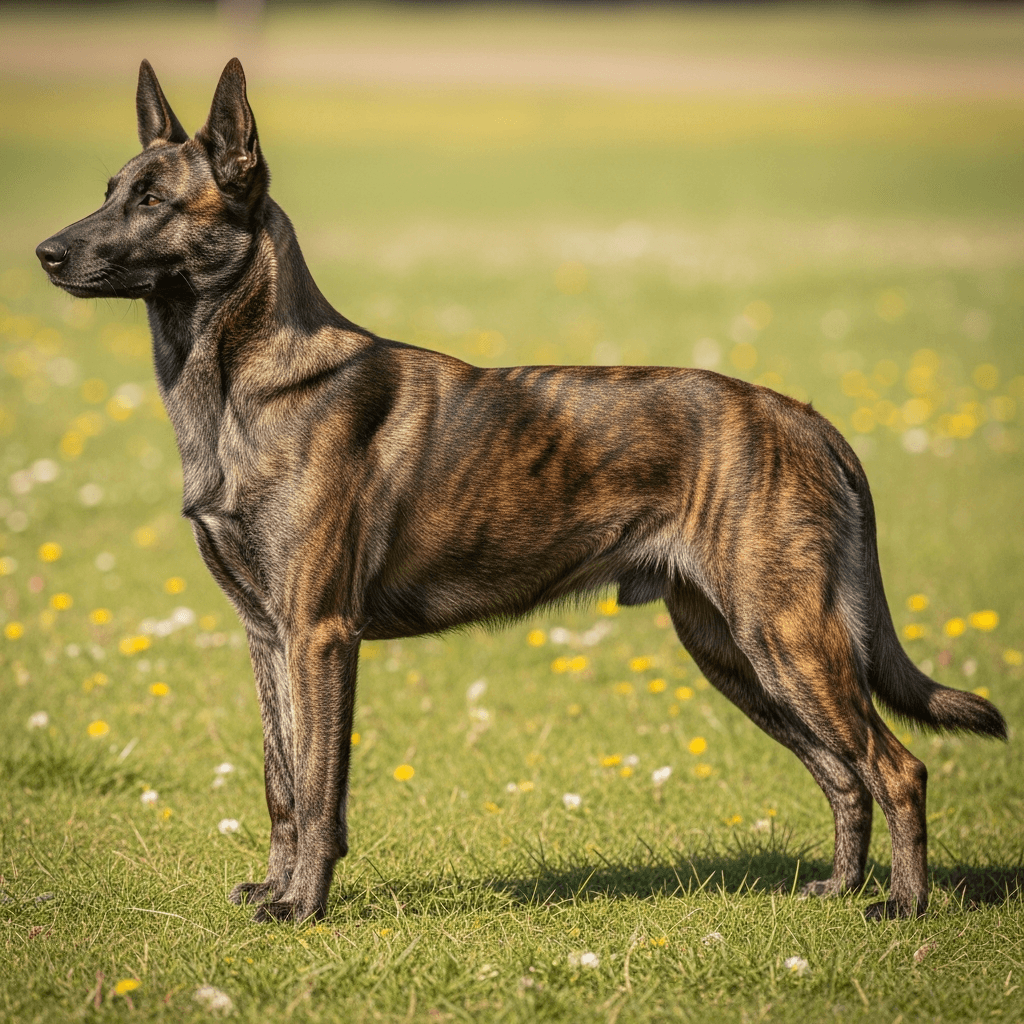
Dutch Shepherd Short-Haired
FCI Group
1• FCI 223B
Size
Medium
Origin Country
NL
Height
55-62 cm
Weight
23-30 kg
Lifespan
10-15 years
Temperament
Overview
The Dutch Shepherd, also known as Hollandse Herder, is a dog breed with deep roots in the Netherlands. This incredibly versatile breed has a rich history as a herding dog, making it an ideal choice for those involved in agriculture, animal husbandry, and law enforcement services.
Dutch Shepherds are medium-sized dogs that stand out with their strong, harmonious body structure and lively, intelligent temperament. Their exceptional loyalty to their owner and natural alertness make them excellent guardians while also being wonderful family companions.
This breed is characterized by three coat varieties: short, long, and rough, which provides diverse options in terms of appearance. The short-haired Dutch Shepherd requires regular physical and mental activity, making it a suitable companion for those leading an active lifestyle. Intelligence and ease of learning make this breed an ideal candidate for training in various fields such as agility, obedience, police work, or sporting obedience.
Their strong herding instinct means they often show a desire to watch over and direct other animals. Moreover, Dutch Shepherds work well with other dogs, which is crucial when working with larger herds. This breed possesses not only stamina but also adaptability to changing conditions, making it extremely versatile.
The Dutch Shepherd is also a dog that has won the affection of many families due to its temperament, intelligence, and dedication. If you are looking for a dog that is active, loyal, and eager to learn, the short-haired Dutch Shepherd will be an excellent choice.
In this comprehensive guide, you will find detailed information about health, grooming, physical activity, training, nutrition, history, appearance, and behavior of this fascinating breed. We invite you to continue exploring the unique traits and advantages of the short-haired Dutch Shepherd.
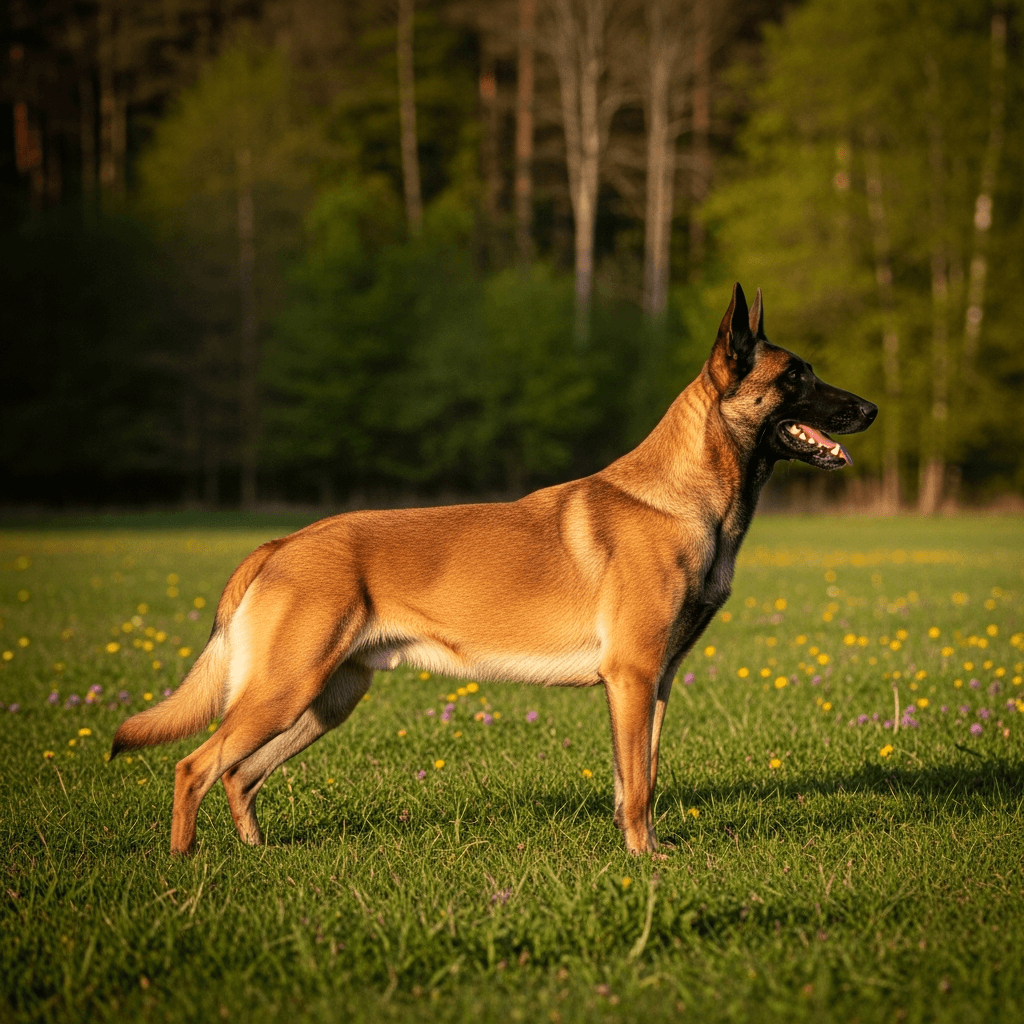
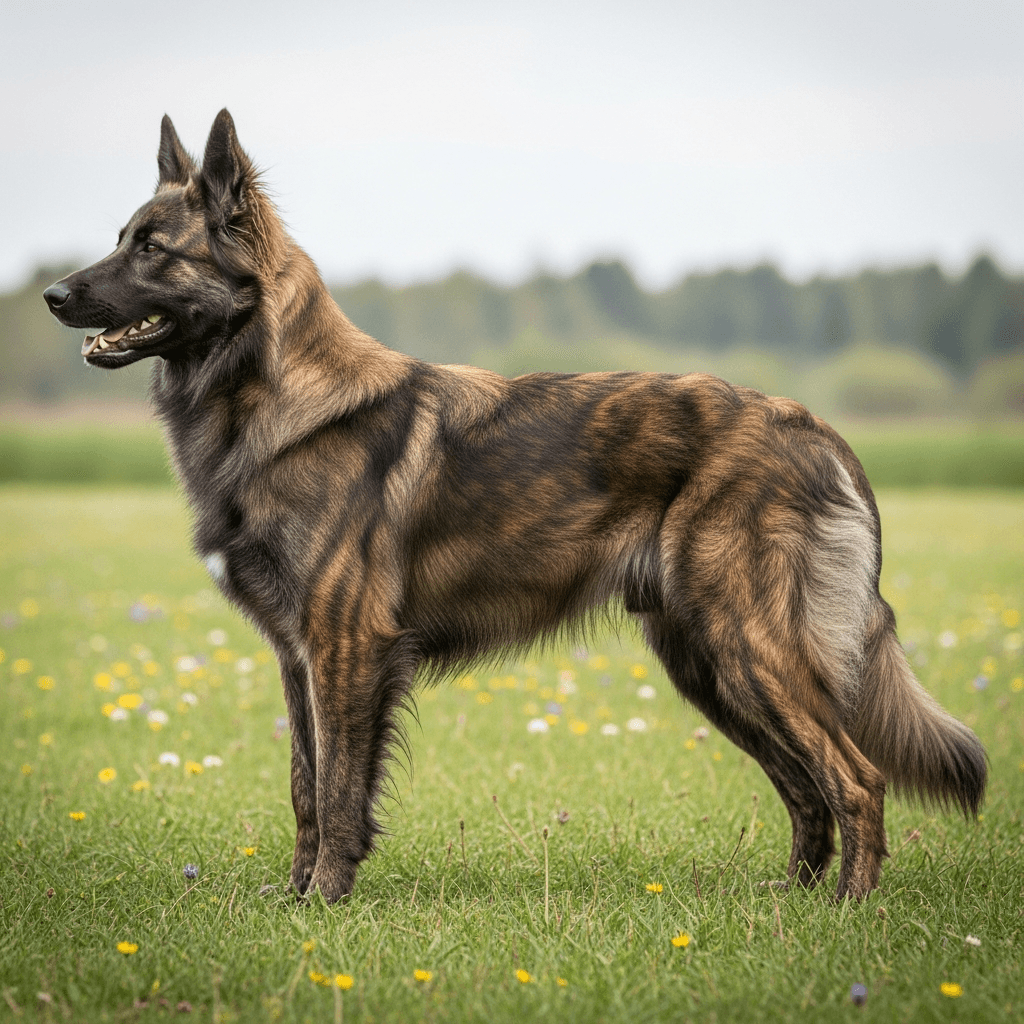
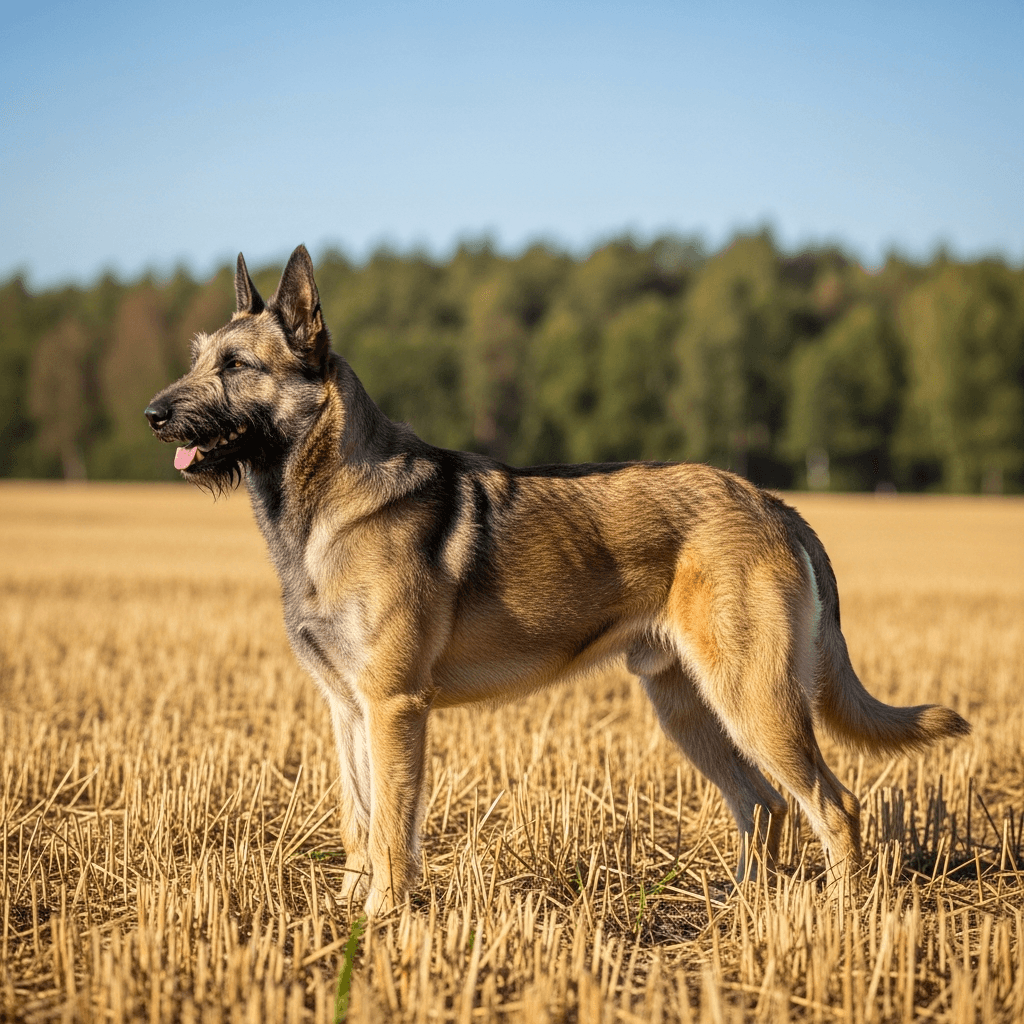
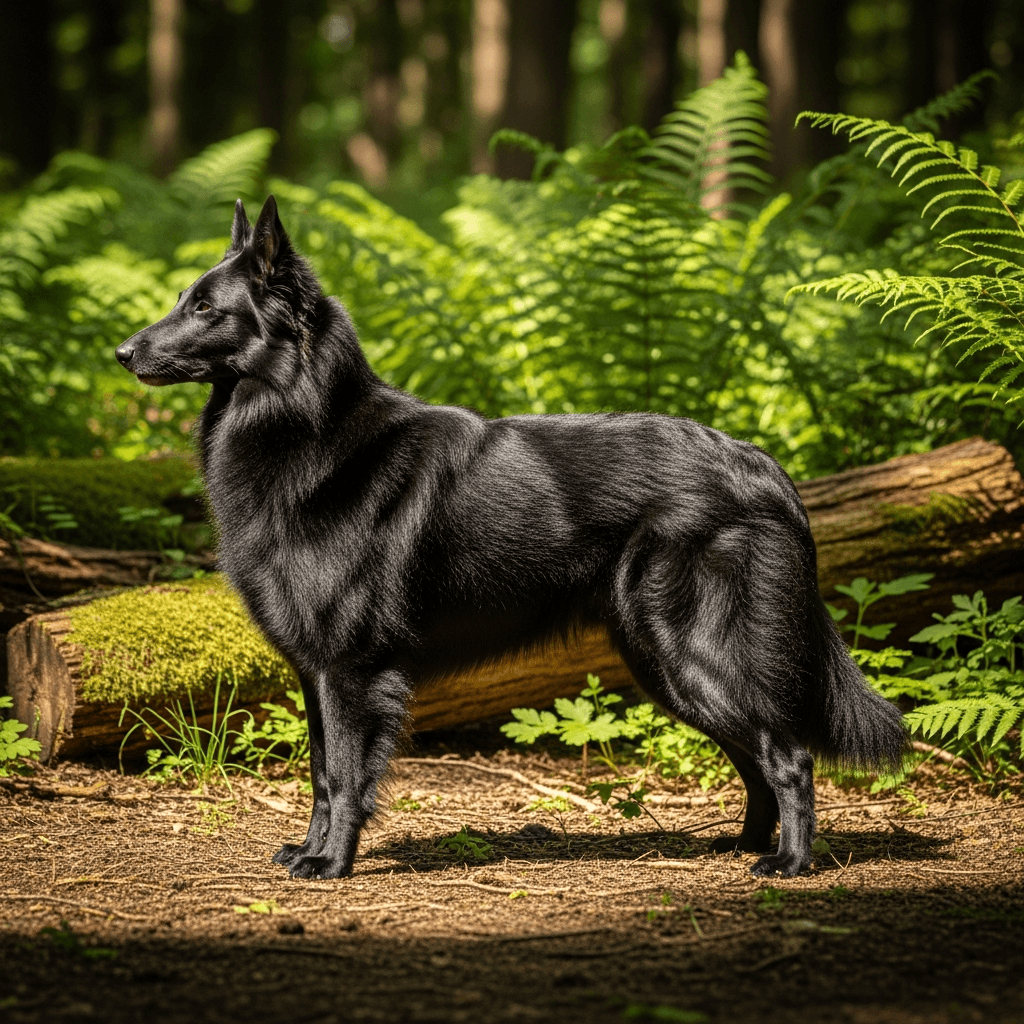
The Dutch Shepherd is a medium-sized dog, with a height at the withers ranging from 55 to 62 cm for females and 57 to 62 cm for males. It is characterized by a strong, harmonious body structure and well-developed musculature, giving it a strong and balanced appearance full of elegance.
The head of the shepherd is proportional to the body, with a flat skull and a distinct stop. The muzzle is slightly longer than the braincase, giving the dog a characteristic, noble expression. The nose is black, and the lips are well-fitting, without sagging.
The eyes are dark, almond-shaped, and slightly slanted, which adds an intelligent, alert look to the dog. The ears are medium-sized, erect and slender, and their position changes depending on the dog's interest - when raised, they indicate alertness and focus.
The coat of the Dutch Shepherd comes in three varieties:
- Short-haired - the hair is hard, dense, and well-fitting to the body
- Long-haired - the coat is straight, fitting, and slightly wavy
- Rough-haired - dense, hard hair with a tousled character
The coloration of the breed is very distinctive - it occurs in shades of brindle, which can have golden, silver, or dark brown tones. The tail is strong and robust, hanging straight at rest, and raised in a gentle arc when in motion, giving the dog an elegant and harmonious appearance.
The Dutch Shepherd is a breed of dog characterized by its exceptional temperament full of energy and devotion. These dogs are extraordinarily loyal to their owners, making them excellent companions in any circumstances.
Their alertness and intelligence make them excellent guardians, and their natural herding instinct often leads them to show a desire to direct other animals and organize the space around them. Dutch Shepherds are active, independent, and persistent, which means they can handle various tasks on their own and make decisions in difficult situations.
When working with a larger herd, these dogs must cooperate with others, which makes them excellent candidates for teamwork. Thanks to their intelligence, Dutch Shepherds are easy to train and eager to work with their owners, making them ideal dogs for various sports and activities such as agility, obedience, tracking, or IPO.
This breed is also known for its balanced nature, but they can sometimes be wary of strangers, making them good guardians without excessive aggression. However, owners should ensure their early socialization to avoid behavioral problems and to provide them with healthy relationships with other animals and people. With proper upbringing, the Dutch Shepherd becomes a well-balanced family dog that excels both as a companion and a working dog.
The Dutch Shepherd is generally a healthy and resilient breed, but like any other, it is prone to certain health issues. Owners should be aware of the potential health problems that may occur in this breed.
The most common health problems in Dutch Shepherds are:
- Hip dysplasia (HD) - can lead to pain and limited mobility
- Elbow dysplasia (ED) - affects the mobility of the front part of the body
- Ophthalmic problems - including cataracts and progressive retinal atrophy (PRA)
Regular veterinary check-ups and a proper diet can help prevent these issues. It is recommended to perform X-rays of the hips and elbows before allowing the dog to breed.
Due to their active lifestyle, Dutch Shepherds can be prone to injuries, especially during intense physical exertion. Therefore, it is important to provide them with appropriate conditions for activity and avoid overloading their bodies, particularly at a young age when bones and joints are still developing.
Proper healthcare, including vaccinations and parasite prevention, is essential to keep the Dutch Shepherd in good condition. Owners should also take care of their dogs' oral health, as oral diseases can affect overall health and lead to serious cardiovascular problems.
The average lifespan of a Dutch Shepherd is 12-15 years, which is a very good result for a dog of this size.
The care of the Dutch Shepherd is relatively simple, but it requires regularity and consistency. Depending on the length of the coat, these dogs may require different types of grooming.
Short-haired Dutch Shepherds have a dense, coarse coat that does not require intensive brushing. Regular brushing every few days is sufficient to remove dead hair and minimize shedding. During the shedding season (in spring and autumn), it is advisable to increase the brushing frequency to daily.
Long-haired Shepherds require more frequent grooming - at least 2-3 times a week - to prevent matting, especially around the ears, paws, and tail. It is recommended to use a slicker brush and a comb with long teeth.
Wire-haired varieties may require hand stripping (pulling out dead hair) 2-3 times a year to keep their coat in good condition and maintain its characteristic texture.
In addition to brushing, it is also important to regularly check:
- Ears - they should be clean and dry to prevent infections. Check weekly and gently clean with veterinary products.
- Eyes - they should be free of discharge; any debris can be removed with a damp gauze.
- Nails - should be regularly trimmed (every 2-4 weeks) to avoid overgrowth and walking problems.
- Teeth - regular brushing (2-3 times a week) prevents tartar buildup.
Baths can be given as needed, but should not be too frequent (maximum once a month) to avoid damaging the skin's natural protective layer. Dog-specific shampoos should be used.
The Dutch Shepherd is a breed that requires a large amount of exercise and physical activity. These dogs are very energetic and need at least 1-2 hours of intense effort daily to remain happy and balanced.
They are ideally suited for various forms of activity:
- Running - an excellent companion for jogging over distances of 5-10 km
- Cycling - can accompany the owner on rides
- Hiking - performs well in mountainous terrain
- Fetch games - satisfy their work instinct
- Swimming - most representatives of the breed love water
Owners should provide them with varied forms of movement to meet their physical and mental needs. It is also worth incorporating interactive exercises into their daily schedule, such as:
- Agility - an excellent discipline for this intelligent and agile breed
- Obedience - competitive obedience, in which Dutch Shepherds excel
- Tracking - scent work utilizing their natural instinct
- IPO/Schutzhund - comprehensive protection work for dogs with the right temperament
- Frisbee - a dynamic game that develops coordination
These activities not only cheer up the dog but also . It is also extremely important for Dutch Shepherds to have the opportunity for socialization with other dogs and people, which will help them develop social skills and prevent behavioral problems.
NOTE: Lack of adequate exercise and mental stimulation can lead to behavioral issues, such as destructive behaviors or excessive barking.
The Dutch Shepherd is a breed that is extremely intelligent and eager to learn, which makes training a pleasure for both the dog and the owner. However, owners should remember that these dogs require consistency and patience during training.
The best results can be achieved through positive reinforcement, such as:
- Treat rewards - favorite snacks as motivation
- Verbal praise - an enthusiastic tone of voice
- Play - a ball or toy as a reward
- Affection - physical contact as positive reinforcement
Dutch Shepherds quickly learn new commands and are capable of mastering a variety of tasks, from basic obedience (Sit, Lie Down, Stay, Come) to more advanced skills such as agility, scent work, or protection tasks.
Key training principles:
- Early start - begin socialization and basic training from 8 weeks of age
- Short sessions - 10-15 minutes, but several times a day
- Variety - introduce new exercises to keep the dog engaged
- Consistency - all family members should use the same commands
- Patience - avoid physical punishment and yelling
- Gradual increase in difficulty - move to more challenging tasks after mastering the basics
It is also worth introducing variety into training by changing training locations (park, forest, city) so that the dog remains engaged in the learning process and learns obedience in different conditions. Training should be conducted in a positive atmosphere, emphasizing fun and interaction, which will help build a strong bond between the dog and its owner.
Due to their strong herding instinct, Dutch Shepherds may try to supervise family members, especially children. This should be curbed through appropriate training to avoid undesirable behaviors.
The diet of a Dutch Shepherd should be balanced and tailored to its age, weight, and activity level. Owners should choose high-quality foods that contain appropriate nutrients.
Basic dietary components:
- Protein (25-30%) - supports muscle development and recovery after exercise, sources: poultry, beef, fish
- Fats (12-18%) - provide energy and support skin and coat health, omega-3 and omega-6 fatty acids
- Carbohydrates - a source of energy, preferably from rice, oats, or potatoes
- Vitamins and minerals - support the immune system and overall health
- Fiber - aids digestion
These dogs are very active, so their diet should be rich in protein to support muscle development and recovery after exercise. An adult Dutch Shepherd typically weighs 23-30 kg and needs about 1400-1800 kcal per day, depending on the activity level.
Feeding schedule:
- Puppies (2-6 months) - 3-4 meals a day
- Young dogs (6-12 months) - 2-3 meals a day
- Adult dogs (12+ months) - 2 meals a day (morning and evening)
It is also important to provide the dog with an adequate amount of fresh water to maintain hydration, especially after intense exercise. A water bowl should always be available.
PROHIBITED PRODUCTS:
- Chocolate - toxic to dogs
- Onion and garlic - damage red blood cells
- Grapes and raisins - cause kidney failure
- Avocado - contains toxic persin
- Poultry bones - risk of choking
- Table scraps - often too fatty and seasoned
Regularly monitoring the dog's weight and adjusting the diet according to needs is crucial to avoid obesity and related health problems, such as joint strain or heart disease.
Characteristic Traits
Pros
- Extremely intelligent and easy to train
- Versatile - suitable for many tasks
- Devoted and loyal to the family
- Excellent guard without excessive aggression
- Resilient and adaptable
- Healthy breed with a long lifespan.
Cons
- Requires a lot of physical and mental activity
- May be overly alert and distrustful of strangers
- Strong herding instinct - may nip at heels
- Not suitable for inactive individuals
- Requires consistent training from puppyhood.
Behavioral Ratings
Breed History
The Dutch Shepherd has a long and rich history that dates back to the 19th century. This dog was originally used as a herding dog in the Netherlands, where it helped farmers guard and lead sheep across vast pastures and polders.
Thanks to its intelligence and ability to work independently, Dutch Shepherds became invaluable assistants on farms. They could watch over flocks all day, guide sheep in the right direction, and protect them from predators—all with minimal human supervision.
With the development of agriculture and the decline in the number of sheep in the Netherlands at the end of the 19th century, these breeds began to be used in other fields:
- Police work - patrolling, tracking, apprehending criminals
- Rescue - searching for missing persons
- Border service - border control and detecting smuggling
- Assistance for the visually impaired - guide dogs
- Military - military dogs during World War I and II
Due to its versatility, the Dutch Shepherd has gained recognition in many countries around the world. This breed is also known for its ability to work well with other dogs, making it an ideal choice for teamwork.
In 1898, the first breed standard was drawn up by the Dutch Shepherd Club, which contributed to its further popularity and development. The first entries into the breeding registry began around the same time, allowing for systematic breeding work.
The breed was nearly endangered after World War II, but thanks to the dedication of breeders, it was successfully rebuilt. Today, Dutch Shepherds are valued both as working dogs and companions, and their popularity continues to grow, especially in the Benelux countries, Germany, and the United States.
In 1960, the breed was officially recognized by the Fédération Cynologique Internationale (FCI) and classified in Group 1 (Sheepdogs and Cattledogs), Section 1 (Sheepdogs).