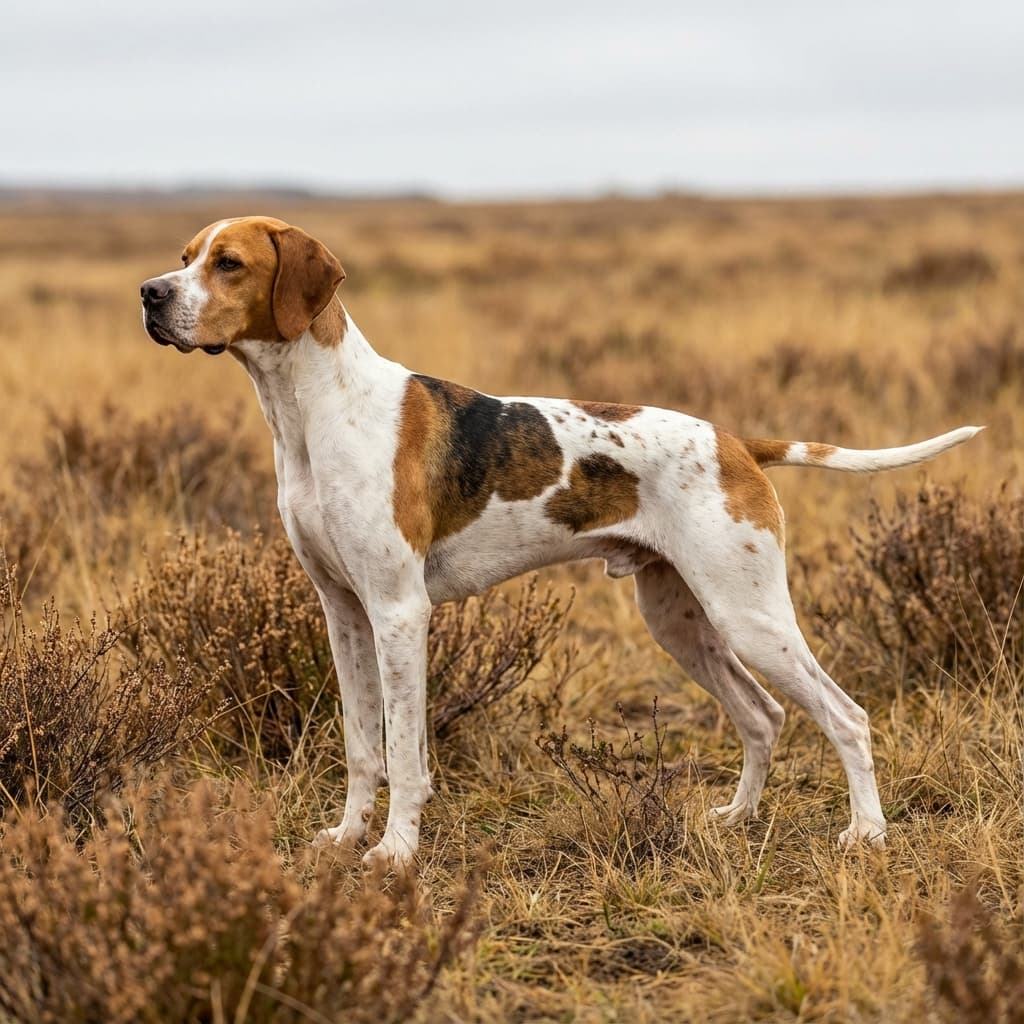
English Pointer
FCI Group
7• FCI 1
Size
Medium
Origin Country
GB
Height
61-69 cm
Weight
20-30 kg
Lifespan
12-14 years
Temperament
Overview
The English Pointer is a dog breed that has gained worldwide recognition thanks to its unique characteristics and versatility. This remarkable dog originates from Great Britain and is valued not only for its excellent hunting abilities but also for its exceptionally friendly character. Its elegant silhouette and harmoniously built body attract the attention of dog lovers around the world, making it one of the most recognizable hunting breeds.
The Pointer stands out primarily for its extraordinary sense of smell, which allows it to detect the presence of birds from great distances – this trait makes it an invaluable companion during hunts. During hunting, the dog suddenly freezes in place, assuming the characteristic pointing position, which is the hallmark of this breed. Thanks to this precision and innate hunting instinct, it is indispensable in the field.
Owners appreciate the Pointer for:
- Exceptional energy and endurance during long hikes
- Intelligence and willingness to cooperate in training
- Gentle and friendly character at home
- Versatility – an excellent hunting dog and family companion
Although the Pointer is primarily a hunting dog, its gentle character also works well as a family dog. It is friendly, composed, and usually gets along excellently with children and other pets. However, it should be remembered that its natural need for movement and activity requires commitment from owners and regular dedication of time to walks and play. Pointers are intelligent and easy to train, but at the same time require consistency and patience in training.
Prospective owners should be aware that although Pointers are a healthy breed, they need proper care and health attention. Regular veterinary visits, a balanced diet, and basic coat care are the key to a long and healthy life for this dog. In the following sections of our guide, you will learn more about health, care, nutritional needs, and the fascinating history of this breed. Discover why the Pointer is not only an outstanding hunter but also a wonderful everyday companion.
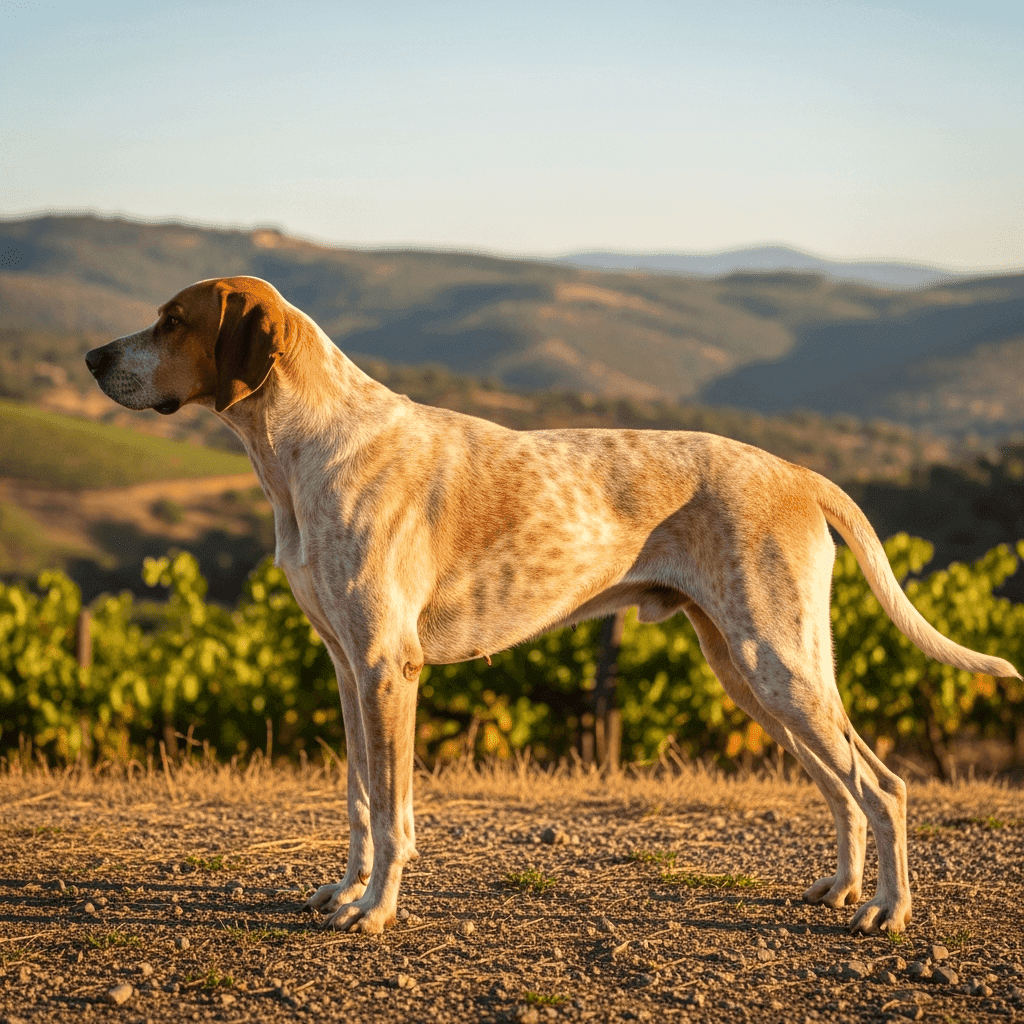
The English Pointer is a medium-sized dog with a characteristic, harmonious silhouette that immediately catches the eye.
Dimensions and build:
- Height at withers: 61-69 cm
- Weight: 20-30 kg
- Build: slender body with well-developed muscles
- Neck: elongated, emphasizing elegance
Characteristic head features: The head has moderate width with a clearly defined stop. Eyes of hazel or brown color give the dog a friendly expression and intelligent gaze, which is characteristic of this breed. Ears are medium-length, drooping, and set at eye level.
Coat and coloring: The Pointer's coat is short, smooth, and glossy, which makes grooming easier. Coloring comes in various attractive variants:
- Lemon and white
- Orange and white
- Liver and white
- Black and white
The Pointer's tail is medium-length and carried at back level, which further emphasizes their excellently built body and elegant, athletic appearance. The entire silhouette exudes strength, speed, and harmony, which are essential in hunting work.
English Pointers are dogs with a friendly and balanced temperament, who value closeness with their owners. They are very sociable and strongly attached to their family, making them excellent everyday companions.
Temperament and personality:
- Within the family: extremely affectionate, devoted, and protective
- Towards strangers: may show some shyness, but not aggression
- With children: patient and gentle, excellent for families
- With other animals: usually tolerant with proper socialization
Activity level: Their high hunting instinct makes them very active and in need of regular physical exercise. However, they can adapt to a calmer lifestyle at home, provided they have an adequate amount of movement and physical activity outdoors.
Training challenges: The challenge may be their tendency to escape in pursuit of interesting scents – their nose always leads them on the trail of game. Therefore, it is important to provide them with:
- A safe, fenced area for play
- Solid fencing at least 1.5 meters high
- Supervision during field walks
- Recall training from the youngest age
Pointers have moderate tolerance for solitude, which means they feel best in the company of active owners who can dedicate a lot of time to joint activities. This is not a breed for people who spend most of their day away from home.
English Pointers are dogs with relatively good health and long lifespan, which ranges from 12 to 14 years. This breed does not suffer from typical genetic diseases, but like any dog breed, they may be susceptible to certain conditions.
Most common health problems:
- Hip dysplasia: joint disorder requiring monitoring
- Epilepsy: neurological disorder occurring sporadically in the breed
- Skin allergies: may require specialized diet and veterinary care
- Ectropion and entropion: eyelid problems (eversion or inversion)
- Chronic ear infections: due to the structure of drooping ears
Activity-related injuries: This breed is quite resistant to various weather conditions, however, it should be remembered that their high activity during hunting or intense play can lead to injuries such as:
- Joint dislocations
- Muscle and tendon strains
- Abrasions and scratches during field work
- Fatigue-related paw injuries
Health prevention: Regular veterinary examinations (at least once a year), parasite prevention, and a healthy, balanced diet can significantly improve the Pointer's quality of life and ensure a long, healthy life. It is also recommended to:
- Joint examinations before starting breeding
- Regular vision checks
- Body weight monitoring
- Protective vaccinations according to schedule
Grooming the English Pointer is relatively simple because their coat is short and smooth. This is one of the advantages of this breed – it doesn't require frequent visits to the groomer or complicated procedures.
Basic coat care:
- Brushing: occasional, 1-2 times per week with a rubber glove or natural bristle brush
- After walks: removing dirt, leaves, and twigs
- Baths: only when necessary, 3-4 times per year or after heavy soiling
Shedding: During shedding periods, which occur twice a year – usually in spring and autumn – the frequency of brushing should be increased to daily, in order to:
- Reduce the amount of hair in the home
- Ensure proper skin ventilation
- Remove dead hair and stimulate coat renewal
- Check the skin for wounds or parasites
Ear care: It is important to regularly check the Pointer's ears (once a week), which due to their drooping shape can accumulate dirt and moisture. This can lead to:
- Bacterial infections
- Fungal infections
- Ear canal inflammation
Additional care:
- Nails: regular trimming every 4-6 weeks or as needed
- Teeth: brushing 2-3 times per week to prevent tartar buildup
- Skin: protection against abrasions during hunting – special protective vests can be used
- Paws: pad inspection after intense running, especially in cold months
Their delicate skin should be protected against abrasions and scratches that may occur during hunting in dense terrain or bushes.
English Pointers are dogs with a very high energy level who need a significant amount of exercise to maintain mental and physical balance. This is a breed created for work – without adequate activity, they will be unhappy.
Minimum activity requirements:
- Time: minimum 2 hours of intense exercise daily
- Walks: 2-3 long walks of 45-60 minutes each
- Running: opportunity for free running in safe terrain
- Play: additionally 30-45 minutes of interactive games
Ideal forms of activity: Pointers require daily, long walks – preferably in forest or field terrain, where they can run freely, explore, and use their natural hunting instinct. They are ideally suited for various dog sports:
- Agility: excellent coordination and speed
- Canicross: running with owner
- Frisbee: utilizing speed and agility
- Scent tracking: nose work, mock hunting
- Dummy training: retrieving for hunting dogs
- Bikejoring: running alongside bicycle
Consequences of lack of activity: Without adequate exercise, the Pointer can develop serious behavioral problems:
- Destructive behaviors (destroying furniture, cushions, shoes)
- Excessive barking and howling
- Nervousness and hyperactivity
- Concentration problems during training
- Escapes and wandering in search of stimulation
- Excessive paw licking (stress)
Mental stimulation: Therefore, owners should provide them with both intense physical exercise and games stimulating their mind, such as:
- Scent games with hiding treats
- Obedience training with new commands
- Problem-solving games with interactive toys
- Trick training
This is a breed for active people who love spending time outdoors, practice sports, or hunt regularly. This is not a dog for people leading a sedentary lifestyle.
English Pointers are extremely intelligent and easy to train, which makes them among the best hunting dogs in the world. Their natural willingness to cooperate with humans makes them excellent students.
When to start training? Training should begin as early as possible – ideally at 8-10 weeks of age (immediately after puppy adoption). An early start gives the best results in shaping desired behaviors.
Training methods: Positive reinforcement methods are key to building trust and bonding between dog and owner:
- Food rewards: favorite treats for correct command execution
- Verbal praise: enthusiastic tone of voice
- Play: favorite toy as reward
- Consistency: same rules always and everywhere
- Short sessions: 10-15 minutes, 3-4 times daily
Training challenges: Pointers are naturally eager to cooperate and like to please their caretakers, however their strong hunting instinct can sometimes pose a challenge:
- They may be more interested in surroundings than commands
- Following scent trails can distract their attention
- They need recall training in distracting environments
- Requires patience when learning "stay" command
Key training elements: Therefore it is important that training be:
- Regular: daily training sessions
- Consistent: same commands and rules
- Varied: different locations and distractors
- Interesting: new challenges maintain attention
- Positive: never physical punishment
Socialization: Owners should also ensure proper socialization of the Pointer from the earliest age. During the 8-16 week period of life, the puppy should experience:
- Different people (children, adults, seniors)
- Other dogs and pets
- Various environmental stimuli (street traffic, noise, crowds)
- Veterinary visits (positive experiences)
- Car travel
Thanks to this, the dog will be confident and balanced in every situation, which is crucial both for a family dog and a hunting dog.
The diet of the English Pointer should be varied, high-quality, and tailored to their activity level and age. Proper nutrition is the foundation of health, fitness, and longevity.
Food selection: Owners should choose premium or super premium foods that contain:
- Protein: min. 25-30% (for active dogs even 30-35%)
- Healthy fats: 12-18% for joint and coat support
- Carbohydrates: energy sources (rice, oats, sweet potatoes)
- Vitamins and minerals: complex supporting immune system
- Glucosamine and chondroitin: for joint health
- Omega-3 and Omega-6: for healthy skin and shiny coat
Calorie amount: Due to their high activity and fast metabolism, it is important to provide them with adequate calories:
- Active dog (hunting, sports): 1800-2200 kcal/day
- Moderately active dog: 1400-1800 kcal/day
- Senior (over 8 years): 1200-1500 kcal/day
- Puppy (4-12 months): specialized food for large breed puppies
Weight management: Overfeeding should be avoided, as Pointers tend to gain weight if:
- Their diet is not controlled
- Physical activity has been reduced (e.g., winter, illness)
- They receive too many treats outside meals
- They have transitioned to senior age without portion adjustment
Feeding schedule:
- Puppies (2-6 months): 3-4 meals daily
- Young dogs (6-12 months): 2-3 meals daily
- Adult dogs: 2 meals daily (morning and evening)
- Water: constant access to fresh water (change 2-3 times daily)
Supplementation: It is also worth considering supplementation if the dog is particularly active or participates in hunting:
- Glucosamine: for cartilage protection
- Salmon oil: for healthy skin and coat
- Probiotics: for gut health
- B vitamins: for energy metabolism support
Regular, established meal times and constant access to fresh water are necessary to ensure their health, well-being, and proper body functioning.
Characteristic Traits
Pros
- Friendly and gentle character
- Excellent sense of smell
- High energy and endurance
- Easy to train
- Ideal companion for active people
- Simple coat care
- Versatility (hunting and family)
Cons
- Requires a lot of exercise and physical activity
- Needs consistent training
- Tendency to escape
- May be shy with strangers
- Not suitable for sedentary people
- Strong hunting instinct
Behavioral Ratings
Breed History
The history of the English Pointer is somewhat unclear, but it is believed that this breed originated in Great Britain as a result of deliberate crossing of various hunting dog breeds in the 17th and 18th centuries.
Probable ancestors: Some researchers and cynologists claim that the Pointer's ancestors may have been:
- Italian Pointer (Bracco Italiano): hunting dog from Italy known for excellent scent
- Braque de Burgos: Spanish pointing dog
- Perdiguero de Burgos: another Spanish hunting breed
- Foxhound: for speed and endurance
- Greyhound: for elegance and speed
- Bloodhound: to strengthen sense of smell
Breed development in England: This breed was perfected over centuries for hunting purposes, and its systematic development took place mainly in England in the 18th century, where:
- They began to be used for hunting field game (partridges, pheasants)
- Breeders selectively crossed individuals with the best pointing instinct
- Their ability to point motionlessly at game was developed
- Cooperation with hunter and other dogs was perfected
Characteristic pointing position: The name "Pointer" comes from the unique characteristic of this breed – these dogs stop and freeze in place, pointing with their head in the direction where game is located. This trait was intensively developed during breeding selection.
Global success: Thanks to their exceptional speed, endurance, and excellent sense of smell, Pointers became extremely valued by hunters worldwide. In the 19th century, the breed reached:
- United States (where it became one of the most popular hunting breeds)
- France and Germany (where it was crossed with local breeds)
- Scandinavia (for hunting forest game)
- Australia and New Zealand (with settlers)
Modern times: Their popularity continues to grow, and the breed enjoys recognition both as a working dog and family companion. Today, the English Pointer is a symbol of elegance, intelligence, and versatility in the world of hunting dogs. The breed is officially recognized by all major cynological organizations, including:
- FCI (Fédération Cynologique Internationale): group 7, section 2.1 (British and Irish pointing dogs)
- AKC (American Kennel Club): sporting group
- The Kennel Club (UK): gundog group
In Poland, the English Pointer is increasingly chosen not only by hunters but also by active families who appreciate its friendly character and versatility.