Porcelain
FCI Group
6• FCI 30
Size
Medium
Origin Country
FR
Height
55-58 cm
Weight
25-28 kg
Lifespan
10-12 years
Temperament
Overview
Porcelaine is one of the most fascinating breeds of hounds, originating from France and valued worldwide for its exceptional working traits and wonderful character. Although it was originally created for hunting small game, its deep attachment to family makes it an excellent companion for active owners.
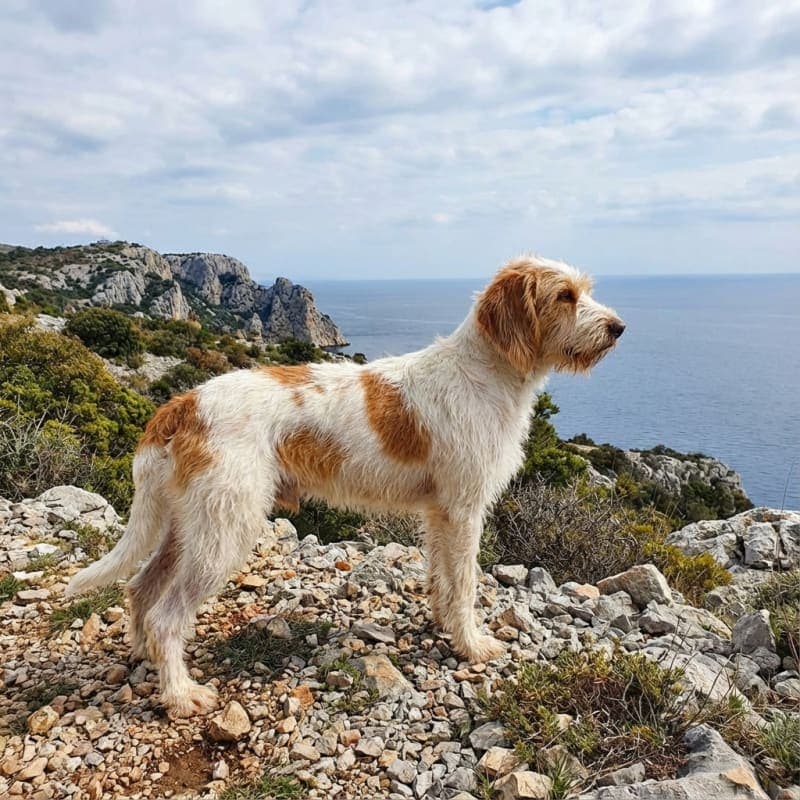
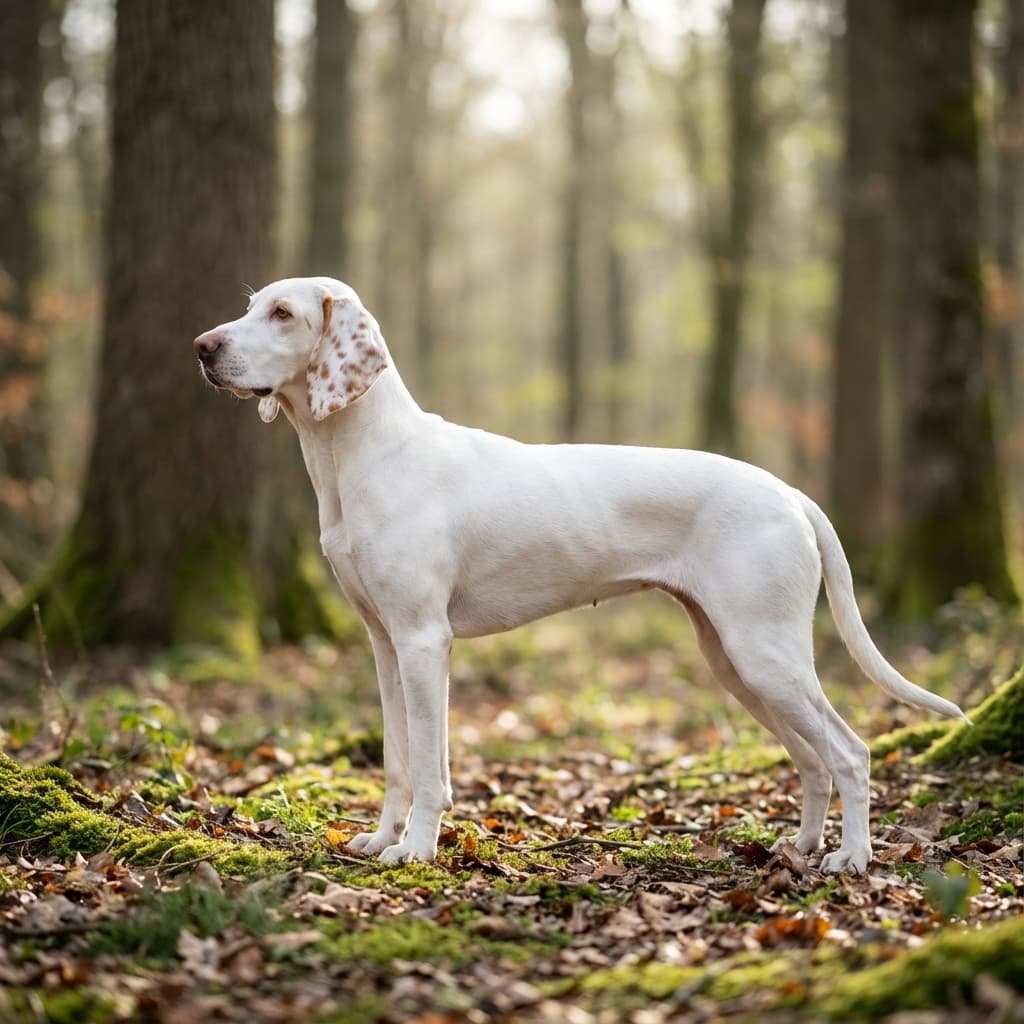
Porcelaine is a medium-sized dog with an incredibly elegant appearance that attracts attention with its unique beauty. Its characteristic smooth coat in pure white with delicate orange spots gives it an unmatched charm – hence the breed's name, which refers to porcelain white. The height at the withers ranges from 55 to 58 cm for males and from 53 to 56 cm for females, making it a dog of balanced growth, combining strength with delicacy.
Its intelligent and gentle expression of dark eyes and long, pointed ears add to its distinguished character. Porcelaine is a dog that enjoys the company of people and other dogs, displaying a friendly and sociable temperament. Its strong hunting instinct means it requires numerous mental and physical stimuli to keep its mind and body in excellent condition.
This breed is known for its high energy level, which means it requires regular and intense exercise and outdoor activity. At home, Porcelaine can be calm and balanced, but only when it receives enough exercise. As a hunting dog, it has a deeply rooted instinct for tracking and searching, which can lead to escapes in pursuit of interesting scents.
Therefore, it is extremely important to provide it with suitable living conditions – ideally a large, fenced yard or regular access to safe spaces where it can run freely and explore its surroundings. This breed is characterized by moderate intelligence and good trainability, although it requires an experienced owner who can meet its specific needs and keep it engaged during training.
Porcelaine is a dog that loves its owners unconditionally and will be a loyal, devoted companion for many years. This makes it an excellent choice for active families seeking a dog with a wonderful character and extraordinary beauty. We encourage you to check out our detailed guide, where you will find comprehensive information on health, grooming, exercise, training, nutrition, and the history of this exceptional breed.
Porcelaine is a dog with an elegant, harmonious silhouette, distinguished by its smooth, shiny coat and characteristic anatomical features typical of French hounds. Its appearance combines hunting functionality with refined aesthetics.
Coat and color:
- Short, smooth, close-fitting, and shiny coat like porcelain
- Color pure white with orange spots (irregular distribution)
- Possible slight speckling on the ears
- Skin thin and elastic
Body structure: Porcelaine is characterized by a medium height – the height at the withers ranges from 55 to 58 cm for males and from 53 to 56 cm for females. The body weight typically ranges between 25 and 28 kg. The back is wide, straight, and strong, with a well-defined withers and strongly muscled loins. The chest is deep, moderately wide, reaching to the elbow joint, which provides adequate lung capacity.
Head and expression: The head is long, gently sculpted, and very typical of the breed. The skull is wide at the highest point between the ears, with a rounded occipital bump. The forehead is flat with a slight median groove. The nose is well-developed, very black with widely open nostrils. The muzzle is of good length, neither square nor pointed – the nasal bridge is initially straight, ending in a very slight arch.
Eyes and ears: The eyes are normally developed, dark with an intelligent and gentle expression, well protected by the supraorbital arches. The ears are thin, well curled inward, ending quite sharply, reaching the end of the muzzle. Set low, never above the eye line.
Neck and tail: The neck is proportionally long, light, with a slight throat that has a taut and slender appearance. The tail is of medium length, well set, tapering towards the end, carried elegantly – never curled or bent.
Movement: Porcelaine moves lively and cheerfully, with a light, tireless gallop. In motion, it looks extremely attractive and elegant, demonstrating harmonious coordination of all body parts. Overall, Porcelaine is a dog that is not only functional in hunting but also aesthetically pleasing to the eye.
Porcelaine is a dog that combines high energy, intelligence, and deep attachment to family in its nature. This French hound breed is known for its strong hunting instinct, which gives it a natural tendency to seek scents, track, and explore its surroundings.
Temperament and character:
- Very sociable – loves spending time with people and other dogs
- Attached to family, loyal, and devoted
- Friendly and patient with children
- Intelligent and eager to cooperate
- Gentle and calm at home (when it gets enough exercise)
Behavioral traits: Porcelaine does not tolerate being left alone for long periods, which can lead to separation anxiety and destructive behaviors such as chewing furniture or excessive barking. At home, it is usually calm and balanced, provided it has the right amount of physical and mental activity.
This breed is known for its moderate intelligence and good trainability – better than many other hound breeds. Porcelaine responds well to positive reinforcement and can quickly learn basic commands. Joint training and games help build a strong bond between the dog and the owner while satisfying the need for mental stimulation.
Voice and communication: It is worth noting that Porcelaine can be quite loud, especially during moments of excitement or while tracking. This characteristic voice of hounds can sometimes be bothersome to neighbors, so it is advisable to work on controlling barking from a young age.
Hunting instinct: Despite its gentle nature, Porcelaine has a very strong tracking instinct, which means it may try to chase after game or interesting scents. Therefore, it is extremely important to always keep it on a leash in unfamiliar areas and provide a properly fenced yard. In a safe, enclosed area, it can freely fulfill its natural exploratory needs.
Ideal owners: This breed, due to its active lifestyle and specific needs, is particularly recommended for experienced, active owners who can meet both the physical and mental needs of this wonderful hound.
Porcelaine is a breed of dogs that generally enjoys good health and resilience, although like most purebred breeds, it has specific predispositions to certain ailments. With proper care, a balanced diet, and regular veterinary check-ups, Porcelaine can enjoy a long and healthy life.
Life expectancy: The average life expectancy of Porcelaine is between 10 to 12 years, although under optimal conditions, some individuals may live up to 13-14 years. This breed is strong, robust, and resilient, which makes it excel in difficult terrain conditions.
Common health issues:
- Hip dysplasia – quite common among medium-sized hounds; requires monitoring and appropriate physical activity
- Ear infections – a typical problem for dogs with long, drooping ears; requires regular inspection and cleaning
- Gastric torsion – an emergency condition requiring immediate veterinary intervention; more common in dogs with deep chests
- Joint problems – arthritis in older age, especially in active individuals
Prevention and care: Owners should regularly check the dog's ears and maintain their cleanliness to prevent bacterial and fungal infections. After bathing or swimming, it is essential to thoroughly dry the ears, as moisture promotes the growth of pathogens.
To prevent gastric torsion, it is recommended to:
- Feed the dog in 2-3 smaller portions daily instead of one large meal
- Avoid intense exercise immediately before and after eating (minimum break of 1-2 hours)
- Use elevated feeding bowls
- Provide a calm, relaxed environment during meals
Condition and weight: Generally speaking, Porcelaine is not particularly prone to obesity, especially with an appropriate level of activity. However, it requires a balanced diet and regular exercise to maintain a healthy weight and condition. Regular veterinary visits (at least once a year) and vaccinations according to the schedule are crucial for maintaining the health of this breed.
Recommended examinations: For breeding, hip joint screenings and periodic cardiological check-ups for older individuals are recommended. Early detection of potential problems significantly increases the effectiveness of treatment and the dog's quality of life.
The grooming of the Porcelaine is relatively simple and does not require much time or specialized equipment, making this breed attractive to owners who prefer low-maintenance short-haired breeds. Their smooth, shiny coat requires regular but uncomplicated care.
Coat care:
- Brushing once a week – sufficient to maintain a healthy appearance and remove dead hair
- During shedding (spring/fall) – increase frequency to 2-3 times a week
- Use a rubber glove or a brush with natural bristles for best results
- The coat does not require trimming or clipping
Bathing: The Porcelaine does not need frequent baths – once every 2-3 months or as needed (e.g., after intense play in the mud). Use gentle shampoos designed for dogs with light coats to maintain porcelain whiteness. After bathing, thoroughly dry the dog, paying special attention to the ears.
Ear care (CRITICAL): The long, drooping ears of the Porcelaine require special attention and are the most demanding aspect of grooming:
- Regularly check and clean the ears at least once a week
- Use special ear cleaning solutions for dogs
- After bathing, swimming, or walks in the rain – thoroughly dry the inner part of the ears
- Check for ticks, especially after hunting or walks in the woods
- Monitor for unpleasant odors or redness – signs of infection
Nail and teeth care: Remember to regularly trim the nails every 3-4 weeks, as they grow quite quickly and can cause discomfort while walking. If you hear the nails clicking on the floor – that’s a sign they are too long. Also, brushing the teeth 2-3 times a week helps prevent tartar buildup and gum disease.
Additional tasks:
- Check and clean the eyes – remove discharge from the corners
- Regularly check the paw pads for wounds or cracks
- Inspect the skin during brushing – watch for rashes or suspicious changes
Overall, the Porcelaine is a breed that requires minimal cosmetic grooming, making it an excellent choice for those who do not want to spend excessive time caring for their pet's coat. The greatest emphasis should be placed on regular ear cleaning – this is a key element of health prevention for this breed.
Porcelaine is a dog with a very high energy level that requires a significant amount of physical activity every day. As a typical hound breed, it was bred for long hours of hunting in challenging terrain, which translates into its modern exercise needs.
Minimum exercise requirements: Porcelaine needs at least 2 hours of intense exercise daily to keep its body in good condition and satisfy its natural instincts. These are not just ordinary walks – the dog requires intense activities that engage both its muscles and mind.
Ideal forms of activity:
- Running and jogging – great for active owners who want to train alongside their dog
- Long hikes and trekking – allow for exploration of new terrains and scents
- Play in the garden – fetching, playing frisbee, searching for hidden objects
- Swimming – excellent full-body exercise, gentle on the joints
- Mantrailing and tracking – activities that utilize the hound's natural abilities
- Canicross or bikejoring – advanced dog sports for very active owners
Exploration and space: Porcelaine loves being outdoors and exploring new areas, where it can wander, track scents, and utilize its natural instincts. The ideal environment is a home with a large, fenced yard where the dog can run freely. In the city, it requires access to parks, forests, or other spaces for intense activity.
Consequences of insufficient exercise: Without the proper amount of exercise, Porcelaine may:
- Become bored and frustrated
- Exhibit destructive behaviors (chewing furniture, getting into trouble)
- Bark or howl excessively
- Attempt to escape in search of adventure
- Develop behavioral problems related to excess energy
Mental stimulation: Just as important as physical activity is mental stimulation. Porcelaine is an intelligent dog that needs mental challenges:
- Scent games and searching for hidden objects/treats
- Puzzles and interactive toys for dogs
- Learning new commands and tricks
- Obedience and agility training
Practical notes: Due to its strong tracking instinct, always keep Porcelaine on a leash in unsecured areas – it can easily run after an interesting scent and get lost. In a safe, fenced area, it can be allowed to play freely, but the fence should be high (at least 150 cm) and sturdy.
It is important for owners to provide their dog with a sufficient amount of varied activity to meet its needs and keep it in excellent mental and physical condition. Porcelaine is a dog for truly active people who view exercise as an integral part of their lifestyle.
Training the Porcelaine is relatively easy compared to other hound breeds, but it requires patience, consistency, and some experience from the owner. This breed combines intelligence and a willingness to cooperate with a strong, independent hunting instinct, which creates both opportunities and training challenges.
Training-friendly traits:
- Intelligence and willingness to learn – Porcelaine quickly absorbs new commands
- Good food motivation – positive reinforcement works very effectively
- Attachment to the owner – desire to please them
- Better obedience than most hound dogs
Training challenges: The main challenge is the strong hunting instinct, which can distract the dog, especially in a scent-rich environment. The Porcelaine can also be somewhat stubborn and independent, requiring flexibility and creativity from the trainer in their approach.
Training methods – what works best: Training should be conducted in a consistent and positive reinforcement-based manner, using rewards, praise, and play. The Porcelaine does not respond well to dominance-based or punishment methods – this leads to a loss of motivation and trust.
Basic training elements:
- Basic obedience – Sit, Stay, Come, Lie down, No, Wait
- Socialization – contact with various people, dogs, environments from puppyhood
- Barking control – teaching the Quiet command for vocal hounds
- Recall – absolutely crucial command for a scent-tracking dog
- Loose leash walking – requires patience due to the desire to sniff
Early start: It is extremely important to start training from a young age (as early as 8-10 weeks old) to teach the dog basic commands and good manners. Early socialization is key – the puppy should be exposed to various environments, sounds, people, and animals.
Who should train the Porcelaine: Due to the strong character and specific needs of the breed, training should be conducted by someone experienced in working with hounds or independent breeds. Beginner owners should consider participating in professional obedience courses or working with a behavior trainer.
Advanced training: The Porcelaine excels in:
- Mantrailing – tracking people by scent
- Nosework – professional scent detection
- Agility – obstacle courses for active dogs
- Obedience – advanced obedience
Regular sessions and bonding: Regular training sessions (15-20 minutes daily, 2-3 times) help build a strong bond between the dog and the owner, while also satisfying the need for mental activity. Joint play and exercises are an excellent way to keep the dog in good mental condition and satisfaction.
Patience and consistency: The key to success in training the Porcelaine is patience, consistency, and a positive approach. With the right training, this intelligent and eager-to-cooperate dog can achieve impressive results in obedience and dog sports.
A proper diet is crucial for maintaining the health, condition, and longevity of the Porcelaine. As a dog with a high level of energy and activity, it requires a balanced diet tailored to its specific physiological needs.
Basic nutrition principles: The Porcelaine's diet should be balanced and rich in high-quality nutrients to ensure optimal health and good condition. Key elements include appropriate levels of protein, healthy fats, and a complex of vitamins and minerals.
Dietary components:
- Protein (min. 22-28%) – primarily from animal sources (chicken, beef, fish, lamb)
- Healthy fats (12-18%) – for energy and a healthy coat (fish oil, flaxseed oil)
- Complex carbohydrates – brown rice, oats, sweet potatoes for steady energy
- Vegetables and fruits – a source of fiber, vitamins, and antioxidants
- Glucosamine and chondroitin – support for the joints of an active dog
Prevention of gastric torsion: The Porcelaine, as a dog with a deep chest, is prone to gastric torsion – a potentially fatal condition. To prevent it:
- Feed the dog in 2-3 smaller meals a day instead of one large meal
- Avoid intense exercise for at least 1-2 hours before and after eating
- Use elevated bowls (at chest height)
- Provide a calm, relaxed environment during feeding
- Avoid fast eating – consider slow-feed bowls
Caloric intake and portions: The daily caloric requirement is typically 1200-1600 kcal for an adult Porcelaine weighing 25-28 kg, depending on activity level. Very active dogs (intensive hunting, dog sports) may need up to 2000 kcal per day. It's important to consider:
- The quality of the food – high-quality foods require smaller portions
- The age of the dog – puppies and seniors have different needs
- The level of activity – adjust calories to exertion
- Body condition – monitor weight and body shape
Snacks and treats: It's important to control the amount of snacks given between meals to avoid contributing to overweight. Treats should make up no more than 10% of daily caloric intake. Healthy options include:
- Pieces of carrot or apple (without seeds)
- Dedicated training treats (low-fat)
- Slices of dried meat (without salt and spices)
- Dried lung or beef trachea
Water: Fresh water should be always available, especially after intense exercise, during hot weather, and after meals. An active Porcelaine may drink 1-2 liters of water per day, depending on temperature and activity.
Types of food: Owners can choose from:
- Dry food (kibble) – convenient, helps with dental hygiene
- Wet food – more palatable, good for picky eaters
- BARF diet (raw meat) – requires knowledge but can be very healthy
- Homemade cooked food – full control over ingredients, time-consuming
Consultation with a veterinarian: It's worth consulting with a veterinarian to establish the best dietary plan for a specific dog, taking into account its age, weight, health status, and activity level. Special needs (allergies, sensitive stomach, joint issues) require a tailored diet.
Condition monitoring: The Porcelaine is generally not prone to obesity, especially with an appropriate level of activity, but regular monitoring of weight and body condition is recommended. Ribs should be visible with light pressure, and the dog should have a noticeable waist when viewed from above.
Characteristic Traits
Pros
- Deep attachment to family
- High energy and endurance
- Excellent trainability like a hound
- Friendly and patient with children
- Elegant appearance and minimal grooming
- Good sense of smell and hunting instinct.
Cons
- Requires a lot of movement and activity
- Needs an experienced owner
- Strong tracking instinct – risk of escapes
- Can be loud (typical hound voice)
- Does not tolerate loneliness
- Requires a large living space.
Behavioral Ratings
Breed History
Porcelaine is one of the oldest and most noble French breeds of hounds, with origins that reach deep into the past. The history of this elegant breed is a fascinating tale of survival, the passion of breeders, and a return from the brink of oblivion.
Origins of the breed: Although the exact origin of Porcelaine remains partially shrouded in mystery, canine historians estimate that the breed was established as early as the 18th century in France, probably in the Franche-Comté region in the east of the country. The name Porcelaine comes from its characteristic porcelain white coat with a delicate, shiny appearance.
Original purpose: Porcelaine was bred as a hound for hunting small and medium game – particularly hares, foxes, and deer. Its exceptional sense of smell, tireless gallop, and distinctive, melodic voice made it a valuable companion for hunters. It worked both independently and in packs, tracking game and flushing it out to waiting hunters.
Golden era: In the 19th century, Porcelaine enjoyed great popularity among the French aristocracy and wealthy hunters. It was particularly valued for its elegant manners, refined appearance, and excellent hunting abilities. Breeding flourished, and the breed was well known throughout France and neighboring countries.
Close to extinction: Unfortunately, both World Wars (especially World War II) brought a dramatic decline in the Porcelaine population. Economic difficulties, war destruction, and a lack of interest in breeding pushed the breed to the brink of extinction. In the 1940s and 50s, the number of purebred Porcelaine was dramatically low, and the breed was virtually unknown outside of France.
Reconstruction and revival: In the 1960s, a group of dedicated breeders and enthusiasts began an ambitious program to rebuild the breed. Utilizing the few preserved bloodlines and careful selection, they systematically worked to restore Porcelaine to its former glory. These efforts included:
- Searching for purebred individuals in remote regions of France
- Carefully planned breeding programs
- Documentation of pedigrees and breed standards
- Promotion of the breed at shows and hunting competitions
International recognition: Thanks to these efforts, Porcelaine was officially registered by the Fédération Cynologique Internationale (FCI) as a hound breed in group 6, section 1.2 (medium-sized hounds). The FCI Standard No. 30 was published on October 19, 1964, and since then the breed has gained international recognition.
Modern times: Today, Porcelaine remains a rare breed, though stable in numbers. It is particularly valued in France, Switzerland, and partially in Belgium. Enthusiasts continue to strive for the breed's revival by organizing shows, hunting competitions, and promoting Porcelaine as an excellent companion dog. The breed combines its historical role as a hunting dog with modern traits of a wonderful, loyal family companion.
Heritage and future: The history of Porcelaine is an inspiring story of survival, the determination of breeders, and love for this unique breed. Today, although few in number, Porcelaine is valued not only for its hunting skills but also for its exceptional character, elegance, and devotion, making it an excellent choice for active families and experienced dog owners. Preserving this historical breed for future generations remains the mission of dedicated breeders around the world.