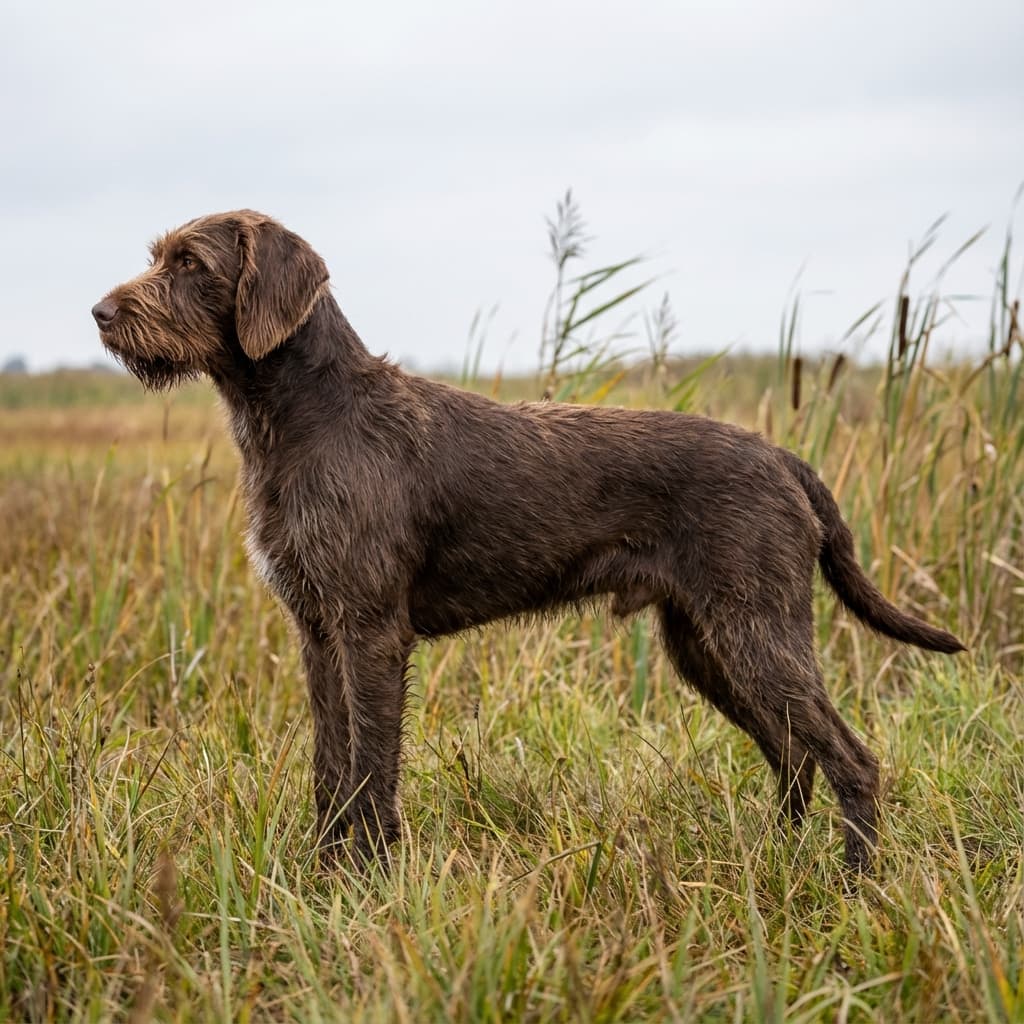
Pudelpointer
FCI Group
7• FCI 216
Size
Medium
Origin Country
DE
Height
55-68 cm
Weight
20-30 kg
Lifespan
12-14 years
Temperament
Overview
The Pudelpointer is an extraordinary dog breed that represents a fascinating combination of traits from the poodle and the English pointer. Bred in Germany in 1881 by Baron Sigismund von Zedlitz, its original purpose was to create the ideal hunting dog, combining the intelligence and love of water of the poodle with the exceptional hunting abilities of the pointer. Today, the Pudelpointer is an excellent choice for both hunters and active families who love spending time outdoors.
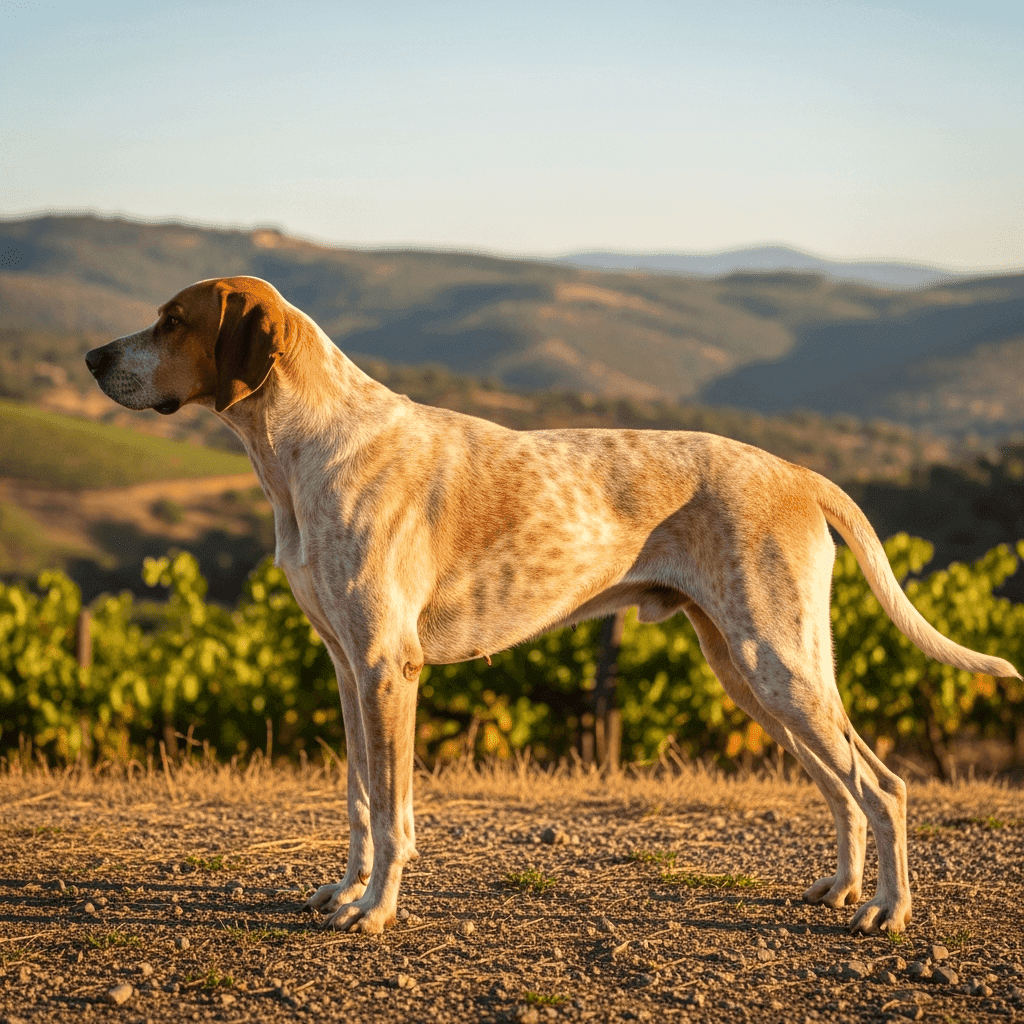
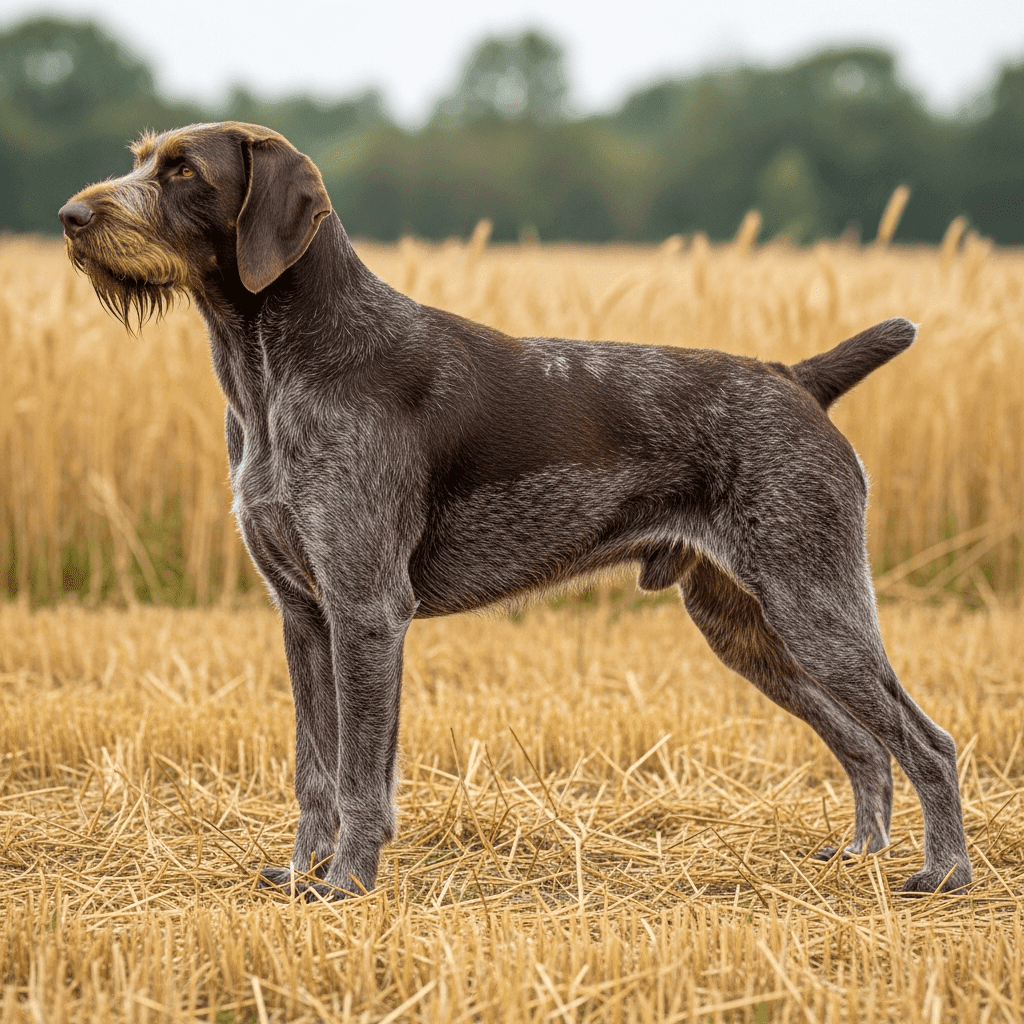
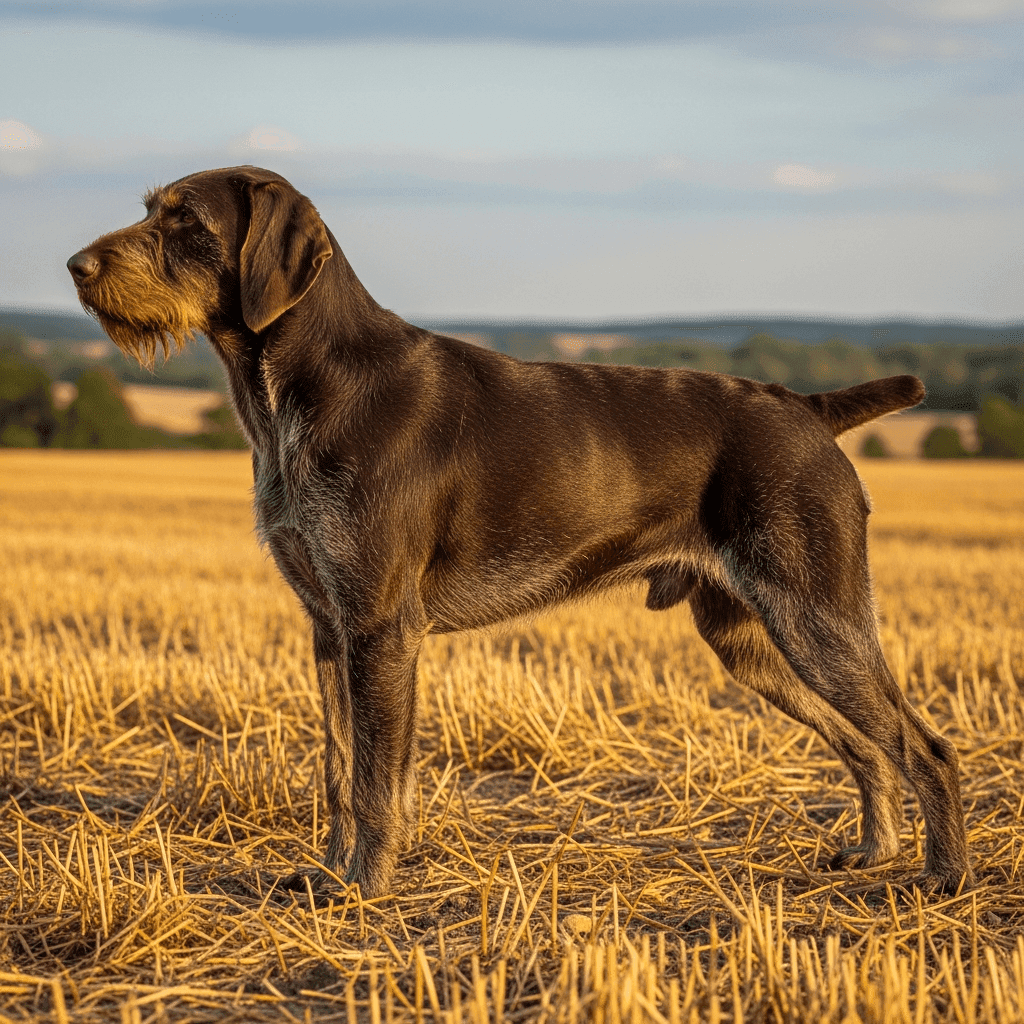
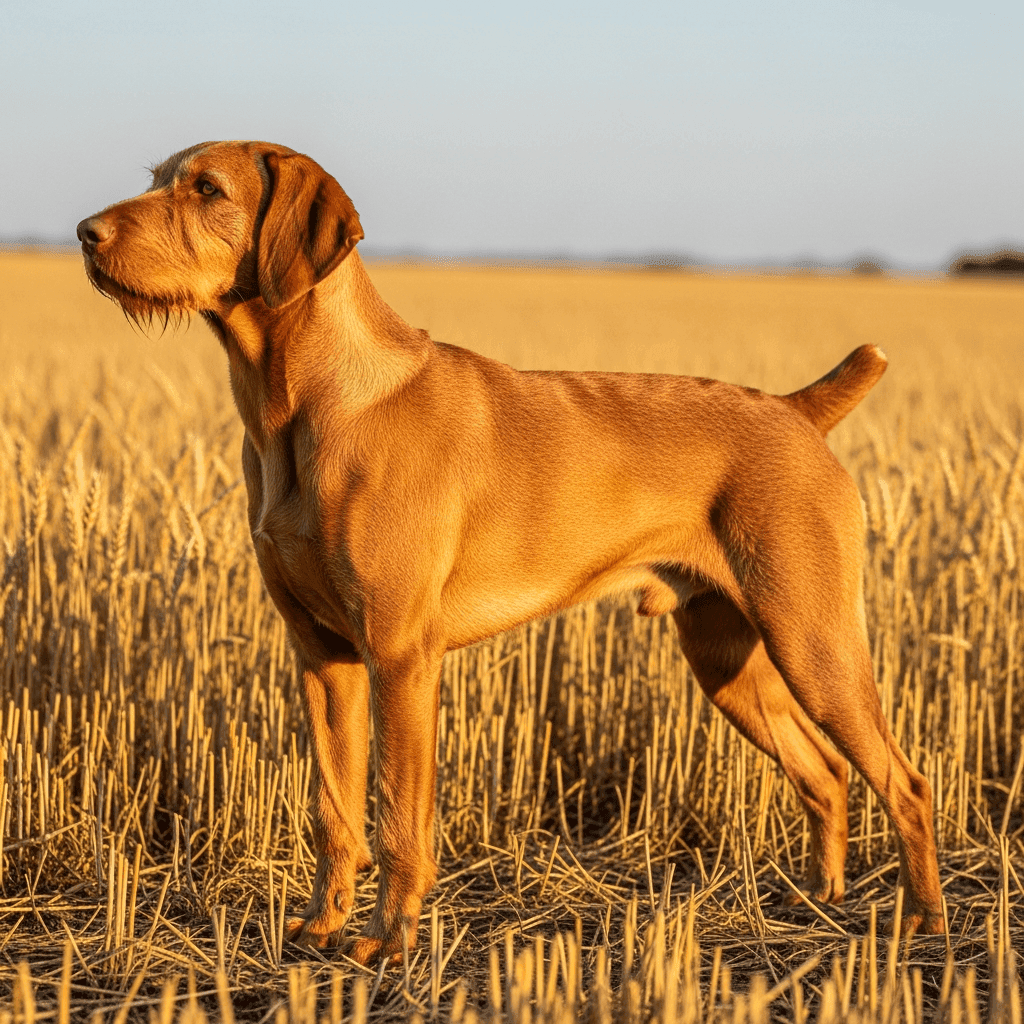
Characteristic of the Pudelpointer is its strong, balanced, and stable character, which harmoniously combines the intelligence of a companion with the reliable effectiveness of a hunter. It has a medium-sized body with a muscular, athletic build, reaching a height of 55 to 68 cm at the withers. Its coat is dense, wiry, and weather-resistant, providing excellent protection while working in the field. The coloration occurs in shades of black, brown, dirty brown, and the color of dry leaves, which emphasizes its natural elegance and aids in camouflage during hunting. White spots are not acceptable according to the breed standard.
An important aspect of life with a Pudelpointer is its very high need for physical activity and mental stimulation. This breed requires at least 1-2 hours of intense exercise daily, ideally even more. It loves water activities and is an excellent swimmer, making it a wonderful companion for nature lovers, hikers, sailors, and water adventurers. After an appropriate dose of physical and mental exertion, it becomes a calm, relaxed, and balanced family dog.
Its high intelligence and willingness to cooperate make it relatively easy to train, although it requires a consistent and patient approach. Positive training methods based on rewards, praise, and play yield the best results. Strong hunting instincts emphasize the importance of professional obedience training from a young age, especially in the context of reliable recall.
The Pudelpointer does well in the company of children and other dogs, provided it receives proper early socialization. However, it does not tolerate prolonged solitude, which means that the best choice for it is active, engaging families or owners who work from home. This dog may exhibit separation anxiety and destructive behaviors if left alone for many hours. Proper socialization and consistent training during the puppy stage help it become a confident, stable dog ready for the various challenges of everyday life.
The Pudelpointer is a unique, versatile companion that will bring much joy, satisfaction, and activity to its owners' lives, encouraging them to lead an active lifestyle, explore nature, and embark on outdoor adventures together.
The Pudelpointer is a medium-sized dog that stands out with its strong, muscular, and harmonious build. The height at the withers is from 60 to 68 cm for males and from 55 to 63 cm for females, with males typically being larger, heavier, and more massive. Its body is proportional, well-balanced, with a deep and well-developed chest and a strong, straight back. The Pudelpointer has a medium-length, muscular neck and a characteristic tail that can be naturally short or docked (in countries where this is allowed), carried at the level of the back or slightly higher.
The coat of the Pudelpointer is dense, wiry, resistant, and functional, which provides excellent protection against various weather conditions, water, thorns, and dense vegetation. The coloration can be black, brown, in shades of dirty brown, or in the color of dry leaves (dead leaf). The hair is of medium length, compact, and requires regular, though not overly labor-intensive, grooming to maintain its healthy, natural appearance. Characteristic features include eyebrows and a slight beard on the muzzle, giving it a distinctive and intelligent look.
The Pudelpointer has large, round or slightly oval dark-colored eyes that give it an intelligent, attentive, and lively expression. Its ears are medium-sized, set wide apart, hanging close to the head, covered with dense fur. The head is proportional to the body, with a distinct stop and a straight nasal bridge. The nose is well-developed, with wide nostrils, usually dark brown or black, depending on the coat color.
The Pudelpointer has strong, well-muscled limbs that provide excellent stability, strength, and agility in movement. Its paws are round, compact, with strong pads and well-curved toes, allowing for a secure and stable gait on various surfaces, from forest trails to wetlands. Overall, the Pudelpointer is a dog with an elegant, harmonious, and functional appearance, combining strength, endurance, and grace, making it an attractive and effective companion for active owners and hunters.
The Pudelpointer is a dog with a balanced, stable, and self-confident temperament, harmoniously combining social traits and outstanding hunting abilities. This breed is very attached to its family, which leads to deep, strong emotional bonds with its members. The Pudelpointer is usually friendly, warm, and devoted to its loved ones, but may be moderately distrustful and cautious of strangers, which requires proper, systematic socialization starting at a young age.
This breed is known for its high energy level, endurance, and intense need for activity, making it an excellent companion for active individuals, hunters, runners, and outdoor enthusiasts. The Pudelpointer loves playtime, training, long walks, and spending time outdoors, so it is absolutely essential to provide it with the right amount of physical activity and mental stimulation. Without adequate exercise and mental work, the Pudelpointer can become impatient, irritable, hyperactive, and exhibit destructive behaviors, so owners must diligently maintain its daily activity routine.
Thanks to its high intelligence and willingness to cooperate, the Pudelpointer is relatively easy to train, but requires a consistent, patient approach and positive reward-based training methods. This breed can be moderately vocal, especially while working or when it detects interesting scents, which is typical for hunting dogs, so owners should be prepared for their natural vocalizations. It is worth noting that the Pudelpointer is also a good, alert guard dog due to its natural distrust of strangers and strong territorial instinct.
The Pudelpointer is a dog that excels as a versatile working dog – both as a hunter and a family companion. It is reliable in retrieving from water and land, has excellent scenting ability, and endurance. It can work in challenging terrain and weather conditions. In a home environment, with appropriate activity, it becomes a calm, relaxed, and affectionate family member. Overall, the Pudelpointer is a dog that combines the traits of a loyal, intelligent companion and a capable, versatile hunter, making it an ideal choice for active families and outdoor sports enthusiasts.
The Pudelpointer is a dog breed that generally enjoys a good, stable health condition, but like any other breed, it may be prone to certain genetic disorders. The average lifespan of a Pudelpointer is between 12 to 14 years, and with proper care, some individuals may live even longer. Proper, balanced nutrition, regular and intense physical activity, and systematic veterinary care are crucial for maintaining the health and good condition of this dog.
One of the most common health issues that Pudelointers may face is hip dysplasia (HD). This is a condition in which the hip joint develops improperly, which can lead to pain, discomfort, and difficulty moving. Responsible breeders conduct screening tests and selective breeding to minimize the occurrence of this ailment. Regular veterinary check-ups, appropriate body weight, and attention to the dog's physical condition can help prevent or alleviate the symptoms of dysplasia.
Additionally, Pudelointers may be prone to ear infections due to their drooping structure, which limits air circulation. Therefore, it is important to regularly clean and check their ears, especially after swimming or being in humid conditions. The breed may also be susceptible to gastric dilatation volvulus (GDV), which is a serious, potentially life-threatening condition requiring immediate veterinary intervention. To minimize the risk, it is recommended to feed smaller portions several times a day and to avoid intense exercise immediately after meals.
Other conditions that may occasionally occur in Pudelointers include eye problems such as cataracts or progressive retinal atrophy (PRA), as well as some skin disorders. It is important to choose puppies from responsible breeders who conduct health tests on the parents and work to eliminate genetic diseases. Regular veterinary visits, vaccinations, deworming, and prevention against external parasites are essential for keeping the dog in excellent health for many years.
The Pudelpointer is a dog breed that does not require too much intensive or time-consuming grooming, which is an advantage for owners with an active lifestyle. Its coat, with a dense, wiry, and functional structure, is relatively easy to maintain. It is recommended to brush regularly at least once or twice a week to remove dead hair, dirty patches, and to distribute the natural skin oils that protect the coat and skin. This way, the Pudelpointer's coat will maintain a healthy, natural appearance, shine, and protective functionality.
The Pudelpointer is often considered a hypoallergenic or low-shedding breed, meaning it produces fewer allergens than many other breeds and sheds relatively small amounts of hair. Despite this, regular cleaning and ear checks are extremely important, especially after swimming, walking in wet areas, or in humid conditions, to prevent infections and dirt buildup. It is recommended to gently clean the ears with specialized products available in pet stores or from a veterinarian.
Brushing teeth is also essential for the overall health of the dog and should be done several times a week, preferably daily, to prevent gum disease, tartar buildup, and bad breath. Remember to regularly trim the nails every few weeks, which will prevent them from overgrowing and causing discomfort, mobility issues, and joint damage.
Bathing should be done relatively rarely, only when necessary, when the dog is very dirty or has an unpleasant odor, to avoid disrupting the natural protective fatty layer of the skin. During bathing, mild shampoos designed for dogs with wiry coats should be used. Grooming a Pudelpointer is not complicated or demanding, but it requires consistency, diligence, and attention to detail to ensure the dog enjoys good health, comfort, and well-being for many years.
The Pudelpointer is a dog with a very high level of energy, endurance, and need for activity, requiring a significant amount of exercise and mental stimulation to remain healthy, happy, and balanced. Due to its hunting background, Pudel pointers have a natural, strong tendency for intense physical activity, which means they are absolutely unsuitable for living in confined, small spaces like apartments, nor for people leading a sedentary lifestyle. Ideally, this dog should have the opportunity for daily walks lasting at least 1-2 hours, as well as additional play sessions, training, and outdoor activities.
Moreover, the Pudelpointer is a natural, excellent swimmer who loves water and all activities related to it, making it a wonderful companion for those who enjoy spending time by lakes, rivers, the sea, or any body of water. It is important to provide them with regular access to water bodies where they can freely play, swim, and retrieve items from the water. This breed responds very well to various forms of activity, such as running, agility training, dog dancing, retrieving, tracking, or simulated hunting. They also excel in hunting sports and working trials.
It is crucial to provide the Pudelpointer with sufficient amounts of both physical activity and mental stimulation, which will not only help maintain excellent physical condition but also prevent serious behavioral problems associated with boredom, frustration, and unspent energy. Without the appropriate amount of effort, the Pudelpointer can become destructive, hyperactive, difficult to manage, and exhibit undesirable behaviors. The ideal Pudelpointer owner is an active person who loves long hikes, outdoor activities, and living close to nature, capable of providing the dog with daily challenges and adventures.
The Pudelpointer is a breed that stands out for its high intelligence, quick learning ability, and strong desire to cooperate, making it relatively easy to train for experienced owners. This dog has a strong, innate instinct for retrieving, tracking, and hunting, which makes it a natural candidate for various forms of work and sports, such as professional hunting, working trials, agility, obedience, tracking, or dog dancing. In training a Pudelpointer, it is crucial to use only positive training methods based on rewards, praise, play, and positive reinforcements that help strengthen desired behaviors and build a strong bond with the dog.
It is also important to focus on early, systematic socialization, starting in the puppy stage, so that the Pudelpointer learns to confidently and calmly handle various situations, environments, and different stimuli, people, and animals. Due to their strong hunting and tracking instincts, it is extremely important to introduce intensive recall and control training so that the dog can reliably return when called by the owner, even in situations of strong distraction, the presence of animals, or exciting scents.
The Pudelpointer is a dog that needs constant mental and physical work, so training should be varied, interesting, engaging, and regular. Repetitive, boring exercises can lead to boredom and loss of motivation. It is worth introducing new challenges, games, and tasks to maintain the dog's interest. Proper, professional training will help it become a confident, well-mannered, obedient, and versatile companion, ready for various tasks and challenges of everyday life and work in the field.
One should avoid physical punishment, yelling, and negative methods, which can discourage the dog, damage the relationship with the owner, and lead to behavioral problems. The Pudelpointer responds best to consistency, patience, clear rules, and positive reinforcements. For the best results, it is recommended to consult a professional trainer or instructor, especially if the owner plans to engage in hunting work or participate in canine sports.
Proper, balanced nutrition is crucial for the health, condition, and longevity of the Pudelpointer. This breed does not have any specific dietary requirements, but it is extremely important to provide it with a high-quality, balanced diet rich in complete animal protein, healthy fats, vitamins, minerals, and appropriate proportions of carbohydrates. Pudelpointer owners should choose premium or super premium dog food that is precisely tailored to the dog's age, body weight, level of physical activity, and individual health needs.
Due to the tendency of some individuals to become obese, especially with insufficient activity, it is important to avoid excessive treats, table scraps, and to maintain proper portion control and meal regularity. It is recommended to feed adult dogs twice a day in smaller portions instead of one large meal, which aids in better digestion and minimizes the risk of gastric dilatation (GDV). After meals, intense exercise should be avoided for at least an hour.
A well-balanced diet will help maintain a healthy body weight, support overall physical condition, the immune system, healthy coat and skin, and proper functioning of the Pudelpointer's digestive system. It is also important to provide the dog with constant, unlimited access to fresh, clean water, especially after intense activity or on hot days, to prevent dehydration. Regular consultations with a veterinarian regarding nutrition will help tailor the diet to the dog's individual needs and current health status.
For active, working, or sporting dogs, it may be necessary to increase the caloric content of the diet or choose food designed for highly active dogs. For puppies, it is recommended to use specialized puppy food for medium breeds, which supports proper growth and development of bones and joints. With appropriate nutritional care and high-quality feed, the Pudelpointer will be able to enjoy a long, healthy, active life, being an energetic and resilient companion to its owners for many years.
Characteristic Traits
Pros
- Very intelligent and easy to train
- Excellent companion for active families
- Versatile hunting dog
- Loves water activities and swimming
- Has a friendly and balanced temperament
- Low-shedding coat
- Healthy and resilient breed.
Cons
- Requires a lot of physical activity
- Not suitable for apartment living
- Does not tolerate long periods of solitude
- May exhibit separation anxiety
- Strong hunting instinct requires control.
Behavioral Ratings
Breed History
The history of the Pudelpointer dates back to 1881, when the German baron Sigismund von Zedlitz decided to create the ideal breed of hunting dog that would combine the best traits of two outstanding breeds. After years of thoughtful experiments and trials, he successfully crossbred the poodle (Poodle) with the English pointer (Pointer), resulting in the creation of the versatile and reliable Pudelpointer breed. The breeders aimed to produce a dog that would combine the intelligence, love of water, and dense coat of the poodle with the exceptional hunting abilities, speed, endurance, and excellent sense of smell of the pointer.
The Pudelpointer quickly gained significant popularity in Germany as a versatile hunting dog, excelling in hunting waterfowl, game birds, and in challenging terrain and weather conditions. Its versatility, intelligence, ease of training, and friendly, balanced nature made the Pudelpointer a valued companion in family homes and farms. This breed was particularly esteemed in hunting circles, and its skills in retrieving from water and land, tracking instinct, and cooperation with the hunter were invaluable during hunts.
The first breeding lines were carefully controlled and selectively developed by the Verein Pudelpointer (Pudelpointer Club), established in 1897, which continues to ensure the purity of the breed, breeding standards, and the elimination of genetic diseases. Thanks to its durability, versatility, stable character, and functionality, the Pudelpointer gained recognition not only in Germany but also gradually in other European countries and North America.
Although it remains a relatively rare breed compared to popular hunting breeds, the Pudelpointer is steadily gaining popularity as a family dog, active companion, and professional working dog. In the United States, the breed was officially recognized by the American Kennel Club (AKC) only in recent years, which increased its international recognition. Today, the Pudelpointer is valued for its distinctive traits, versatility, and ability to be both an effective, reliable hunter and a loyal, loving family companion, ready for outdoor adventures together.