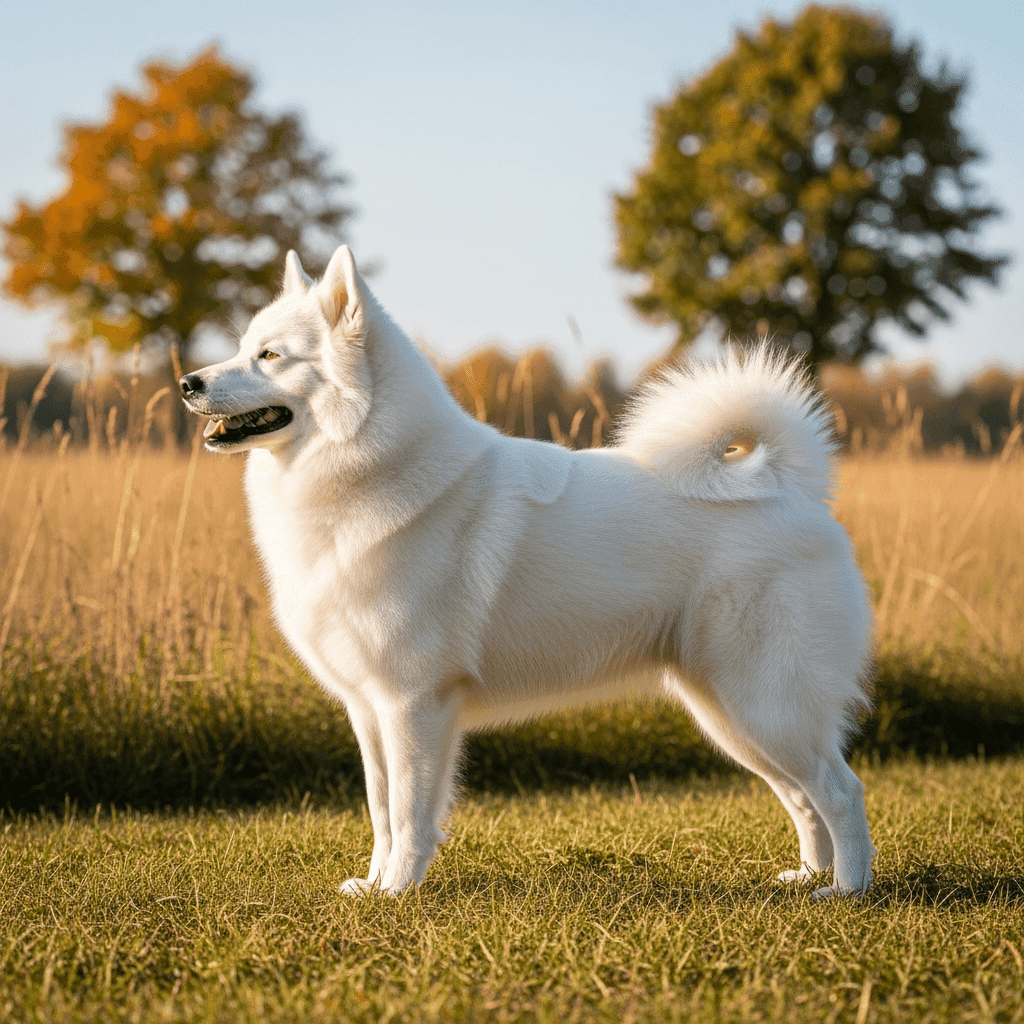
Large Spitz
FCI Group
5• FCI 97E
Size
Large
Origin Country
DE
Height
43-55 cm
Weight
15-25 kg
Lifespan
12-15 years
Temperament
Overview
The large spitz, also known as the wolf spitz or wolfsspitz, is one of the most fascinating dog breeds that we can encounter in Central Europe. Originating from Germany, the large spitz has a rich history that dates back to the times of peat dogs from the Stone Age. This ancient breed stands out not only for its extraordinary beauty but also for its distinctive appearance, which attracts attention and inspires admiration. The adventure with the large spitz begins with discovering its external beauty and unique personality.
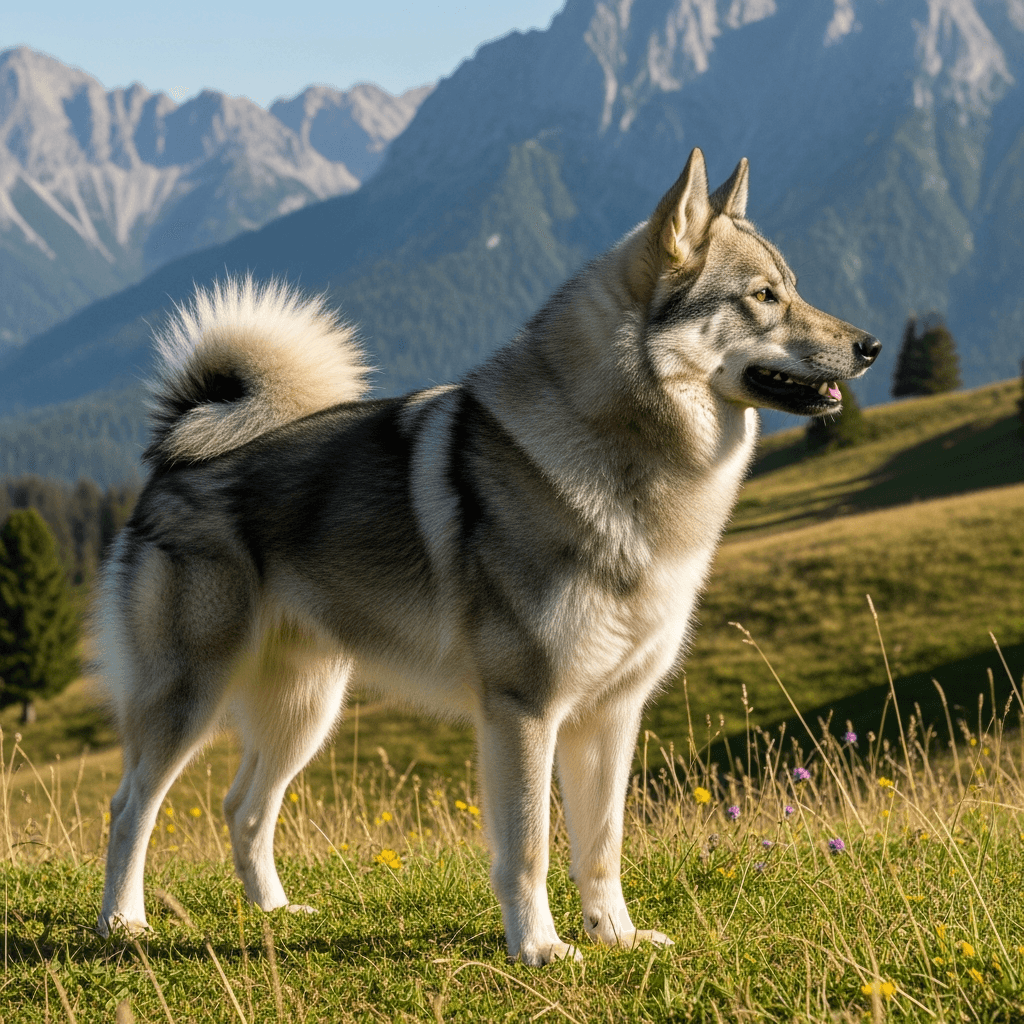
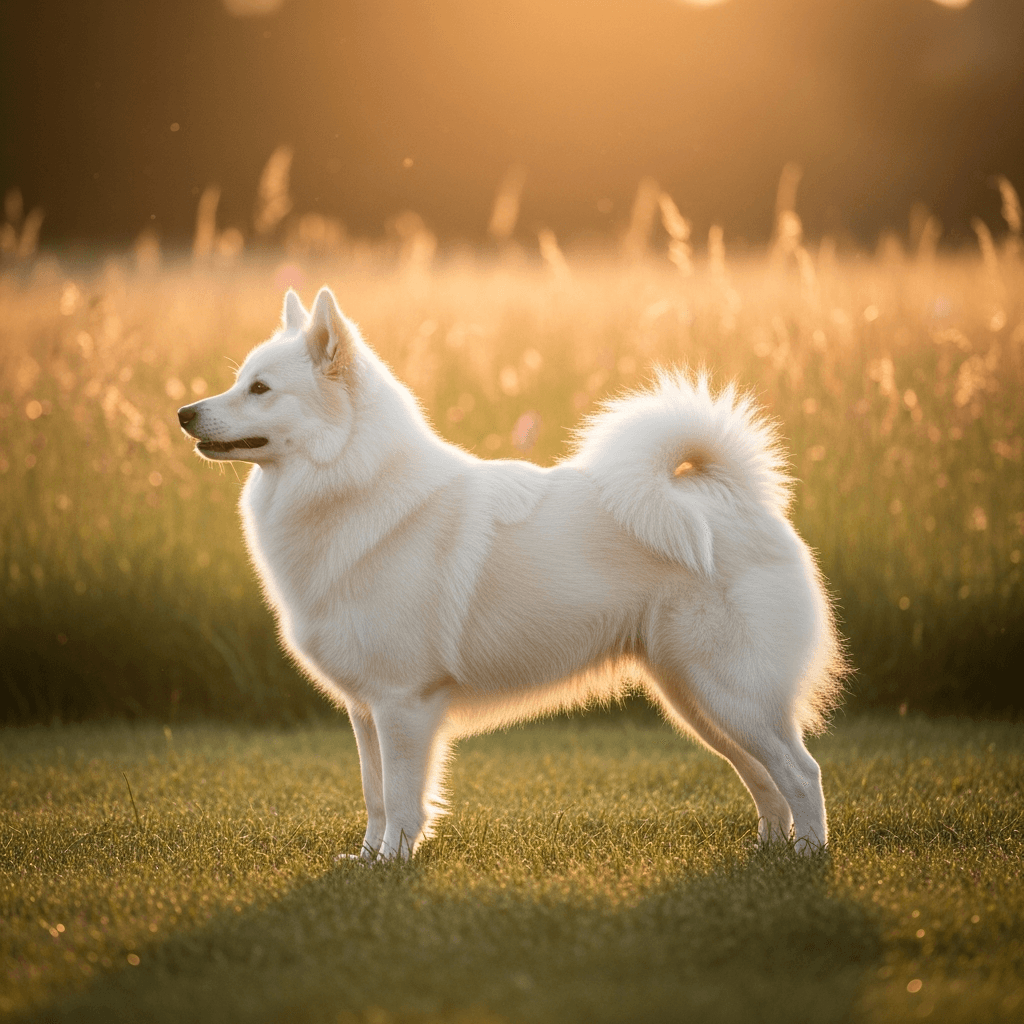
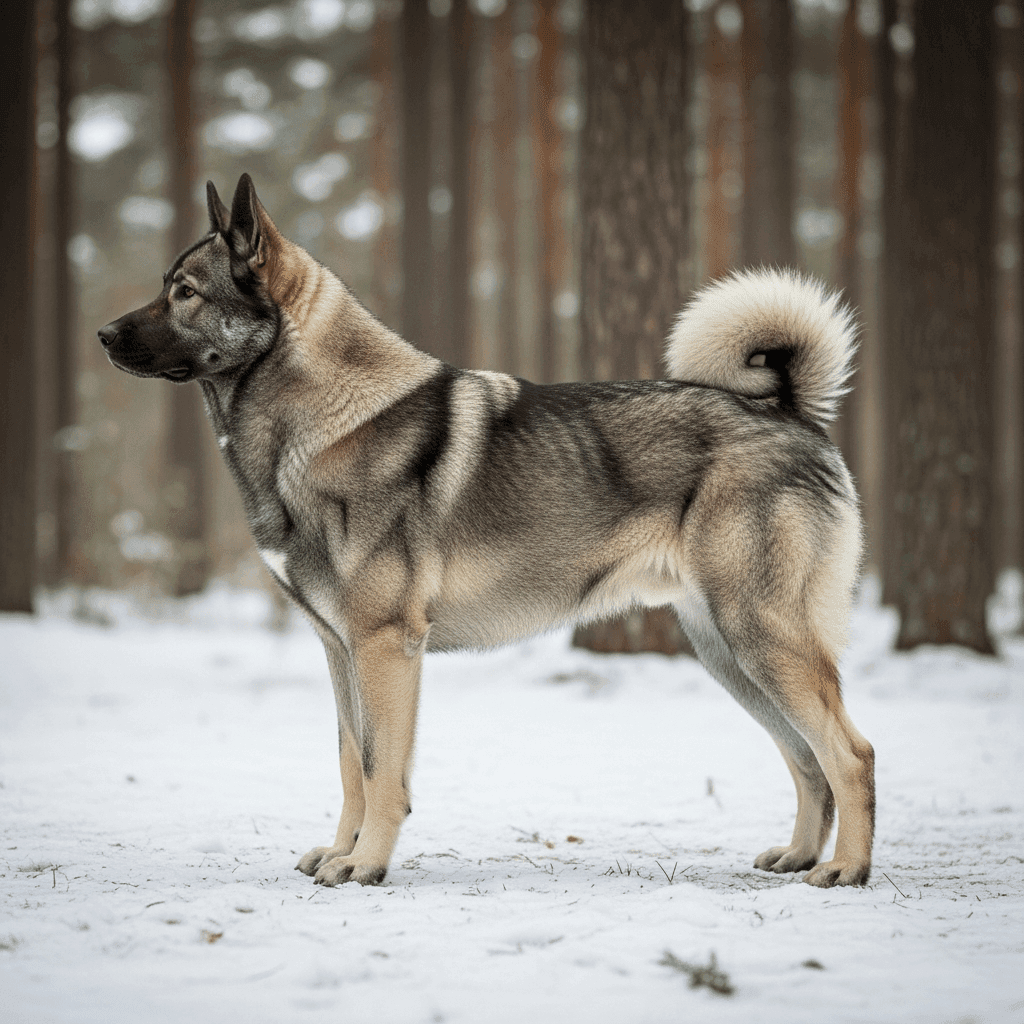
The large spitz is a dog with a harmonious body structure of medium length. Its coat consists of two layers: an outer layer that is straight and dense, and a short, soft undercoat. The hairs on its body are stiff and bristly, which adds to its majestic appearance. The head of the spitz resembles that of a fox, and its alert, intelligent eyes and small, triangular ears emphasize its intelligence and vigilance. A characteristic feature is also the lush collar around its neck, reminiscent of a lion's mane, and the abundantly furred tail, carried proudly over its back. The large spitz is a dog that attracts attention with its appearance, but even more fascinates with its personality.
Owners of large spitzes often emphasize their exceptional intelligence and boundless loyalty. These dogs are extremely devoted to their owners, making them excellent companions for everyday life. Their natural guarding instinct makes them alert and reliable protectors of the home. The large spitz is characterized by a balanced temperament – it is neither fearful nor aggressive, but always ready for action. It is a confident dog that feels perfectly at ease in the company of its family.
Adaptability to various climatic conditions is another advantage of this breed. The large spitz can function perfectly regardless of the weather, making it an ideal companion in both cooler and warmer regions. Its dense, double coat protects it from frost, rain, and heat. This is a breed that requires attention and close contact with people, which is why it thrives in families where it can be the center of attention. The large spitz needs regular walks and physical activity to maintain good shape and satisfaction.
A guide to the large spitz will help understand how to care for this wonderful dog, as well as how to ensure its health and happy life. In the following sections, you will find information about health, grooming, exercise, training, nutrition, history, appearance, and behavior. Anyone who decides to adopt a large spitz gains not only a dog but also a devoted friend for years, who will be a loyal companion in every life situation.
The large German Spitz is a dog with an impressive and majestic appearance, attracting attention with its elegance and dignity. Its medium-sized head has a wedge-shaped structure, with a broad skull that narrows towards the nose. The eyes are dark, almond-shaped, and slightly slanted, giving them a watchful and intelligent expression. The ears are small, triangular, and erect, set high on the head, which enhances the impression of constant alertness.
The neck is strong, of medium length, with a luxurious mane resembling a lion's fur, adding dignity and distinction to the dog. The body is compact and harmonious, with a straight and strong back, and a deep, well-developed chest. The tail is of medium length, carried high and curled over the back, covered with dense, abundant hair that creates an impressive plume.
The coat consists of two layers – a dense, soft undercoat and long, straight guard hairs that are stiff and bristly. This double layer creates the characteristic fluffy furball effect typical of spitzes, making the dog appear larger than it actually is. The coat color can vary, although in the case of the large spitz, shades of gray with black-tipped hairs dominate, also referred to as silvery-gray or wolf-like.
The breed standard specifies that spitzes should not have wavy or curly coats, and their appearance should be natural, without excessive styling. The overall silhouette of the large spitz emanates strength, elegance, and confidence, giving the impression of a harmoniously built dog perfectly adapted to its historical role as a guardian and companion.
The large German Spitz is a dog with a wonderful and balanced temperament, combining alertness, devotion, and liveliness. They are extremely attached to their owners and families, making them ideal companions for everyday life. Spitzes exhibit natural alertness and caution towards strangers, which makes them excellent guard dogs, without tendencies for excessive barking or aggression.
Their temperament is balanced and stable – they are neither fearful nor aggressive, which makes them ideal dogs for families with children. German Spitzes are also very intelligent and easy to train, which means they respond well to various commands and instructions. Their quick learning and willingness to cooperate with their owner make training smooth and effective.
Their balanced character allows them to easily adapt to different situations and environments. Despite their active temperament, they can also be calm and relaxed in the comfort of home, making them great companions for both outdoor activities and lounging on the couch. The large German Spitz requires regular stimulation both physically and mentally to avoid boredom and potential behavioral problems.
Owners should provide them with appropriate conditions for development and the opportunity for socialization with other dogs and people, which will help maintain their positive behavior. Spitzes are social dogs that enjoy contact with their family and do not like to be left alone for long hours. Their natural intelligence and sensitivity allow them to sense their owners' moods and be supportive companions in difficult times.
The large German Spitz is a breed that is generally healthy and resilient, characterized by longevity and good physical condition. Like any breed, it can be prone to certain ailments that are worth keeping in mind. Among the most common health issues these dogs may face are cardiovascular diseases, problems with the musculoskeletal system (including hip dysplasia), and obesity.
It is important to ensure proper nutrition and provide regular physical activity, which will help minimize the risk of these ailments. Weight control is crucial, as being overweight can lead to many health problems, including excessive strain on the joints and spine. Regular veterinary visits, including vaccinations, deworming, and check-ups, are essential for monitoring the dog's health status.
This breed is known for its longevity, with many spitzes living 12-15 years, making it an excellent companion for many years. Additionally, owners should pay special attention to the condition of the teeth, as dental issues such as tartar and gum disease are quite common in dogs of this breed. Regular tooth brushing and the use of dental treats can significantly improve oral hygiene.
General health recommendations for German spitzes also include avoiding excessive strain during their growth period to prevent problems with the skeletal system. Puppies and young dogs should not be subjected to intense exercise or long runs until their bones and joints are fully developed. Proper prevention, a balanced diet, and care for physical fitness are key to long and healthy life of the large spitz.
Grooming a large German Spitz is an essential part of caring for their health and spectacular appearance. Their dense, double coat requires regular brushing, at least 2-3 times a week, to remove dead hair and prevent matting. Regular brushing also helps maintain the natural shine of the coat and distributes natural skin oils throughout the fur.
During the shedding period, which typically occurs twice a year (in spring and autumn), it is recommended to brush daily to help remove excess hair and prevent hair buildup in the home. During intense shedding, special tools such as a furminator or an undercoat comb can be used to effectively remove loose undercoat.
Bathing should only be done when necessary, usually 3-4 times a year, as excessive bathing can lead to the removal of natural oils from the dog's skin, which can cause dryness and dullness of the coat. When bathing, it is advisable to use gentle shampoos designed for dogs with double coats.
It is also important to pay attention to ear, eye, and nail care. Regularly cleaning the ears with special solutions will help avoid infections and wax buildup. Eyes should be gently wiped with a damp gauze to remove discharge. Nail trimming is essential for the comfort and health of the dog – overly long nails can cause discomfort while walking and lead to joint problems.
German Spitzes are also prone to tartar buildup, so it is worthwhile to incorporate regular tooth brushing into their grooming routine (at least 2-3 times a week), use dental treats, and have periodic oral health checks by a veterinarian. Proper dental care can prevent many health issues in the future.
The large German Spitz is a dog with a high energy level that requires regular physical activity to maintain good condition and mental balance. The right amount of exercise is crucial for its physical and mental health and prevents behavioral problems resulting from boredom and frustration.
It is recommended to provide at least 60-90 minutes of activity daily, which can include long walks, running, playing fetch, or obedience training. Spitz dogs are very intelligent and eager to learn new tricks, so it is worth incorporating various mental activities into their daily routine, such as scent games, searching for hidden treats, or trick dog training.
Additionally, they respond well to play with other dogs, which promotes their socialization and allows for a natural release of energy. Owners should avoid monotonous training to prevent discouraging the dog. Diverse forms of activity, such as agility, scent training, obedience, or even water sports, can be an excellent way to meet the exercise needs of the Spitz.
It is also important to adjust the intensity of exercises to the age and condition of the dog. Puppies and young dogs should not be subjected to overly intense training to avoid injuries or problems with their developing musculoskeletal system. Older dogs may require gentler forms of activity, such as calm walks or swimming, which are safe for their joints.
The large Spitz also loves shared activities with the owner, such as hiking in the woods, jogging, or cycling (with proper acclimatization). Regular physical activity not only keeps the dog in good shape but also strengthens the bond between the dog and the owner and improves the overall quality of life for the four-legged friend.
The large German Spitz is a breed that is very intelligent and perceptive, making it easy to train and eager to cooperate. However, owners should remember that these dogs have a strong character and independent disposition, so it is crucial to use positive training methods, such as rewarding good behavior, praise, and play.
Early training and socialization are extremely important to ensure that the Spitz behaves appropriately in various situations. From a young age, it is beneficial to expose the dog to diverse environments, introduce it to other people, dogs, and animals to develop self-confidence and a balanced temperament. Socialization also helps prevent excessive vigilance and distrust of strangers.
Spitzes respond well to various training, including obedience training, agility, obedience, or trick dog training. It is important for training sessions to be short, dynamic, and engaging to maintain their attention and motivation. Monotonous training can quickly bore an intelligent Spitz, so it is worth introducing new elements and challenges.
The large German Spitz is also very social, so it is worthwhile to include it in family activities, which can strengthen the bond between the dog and the owner. Regular intellectual exercises, such as scent games, solving puzzles, or learning new commands, are beneficial for their development and satisfaction. Spitzes love mental challenges and eagerly participate in interactive games.
Training should be conducted with patience, consistency, and positive reinforcement to achieve the best results. Aggressive or punitive methods can lead to a loss of trust and behavioral problems. The Spitz is a dog that learns best in an atmosphere of fun and cooperation, where training is a pleasure for both parties.
A proper diet is a key element in caring for the health and longevity of the large German spitz. Owners should provide their dog with a balanced diet that includes all essential nutrients, including high-quality protein, fats, carbohydrates, vitamins, and minerals.
It is advisable to choose high-quality foods that are tailored to the needs of the breed, age, activity level, and any special health needs of the dog. The diet should include appropriate proportions of animal protein (meat, fish), healthy fats (omega-3 and omega-6 fatty acids), and complex carbohydrates, as well as natural vitamins and minerals from vegetables and fruits.
German spitzes tend to be obese, so it is important to control the amount of food given and avoid overfeeding. Regularly weighing the dog and observing its condition will allow for quick detection of overweight. Owners should also remember to provide regular access to fresh water, especially after meals and during physical activity.
If you wish to introduce treats into the diet, it is worth choosing healthy options such as carrots, apples, pears, or pieces of poultry meat, which are rich in vitamins and do not cause excessive weight gain. Treats should not make up more than 10% of the daily calorie intake.
When establishing a diet for the spitz, it is advisable to consult with a veterinarian to tailor it to the individual needs of the dog. Some spitzes may have special dietary requirements related to allergies, food intolerances, or health conditions. Regular monitoring of the dog's health and condition allows for the optimization of the diet and ensures a long, healthy life.
Characteristic Traits
Pros
- Intelligent and loyal to the family
- Excellent guard dog with natural alertness
- Resilient to various climatic conditions
- Great family companion
- Long-lived and hardy breed.
Cons
- Requires regular physical and mental activity
- Needs close contact with people
- Heavy shedding twice a year
- May be distrustful of strangers.
Behavioral Ratings
Breed History
The large German Spitz has a remarkably rich history, dating back to the Stone Age, when its ancestors were used as bog dogs, known as Torfhunde. This breed evolved from the dogs of the pile dwelling and became one of the oldest dogs in Central Europe, making it a living testament to millennia of cooperation between humans and dogs.
In the past, spitzes were used as guard, herding, and companion dogs. Their alertness and devotion made them excellent protectors of homes and farms, especially in rural areas of Germany, the Netherlands, and Poland. With their thick fur, they were perfectly adapted to the harsh climatic conditions of Northern Europe, where they served both practical and social functions.
Over time, spitzes became popular as companion dogs in families, due to their friendly temperament, liveliness, and unique appearance. Spitzes were also used in various roles, from show dogs to therapy dogs. In the 19th century, the breed gained popularity among the aristocracy and the bourgeoisie, who valued its elegant appearance and intelligence.
In the 20th century, the breed gained international recognition, and its standards and guidelines were established by various canine organizations, including the Fédération Cynologique Internationale (FCI). The German Spitz was divided into several size varieties, including the large spitz (wolfsspitz), medium, miniature, and dwarf spitz. Each of these varieties retained the characteristic features of the breed, differing mainly in size.
Today, the large German Spitz is a valued breed worldwide, known for its exceptional appearance and excellent temperament, making it ideal as a family dog. It is a breed that combines ancient heritage with the modern requirements placed on companion dogs, maintaining its original character as an alert guardian and loyal friend.