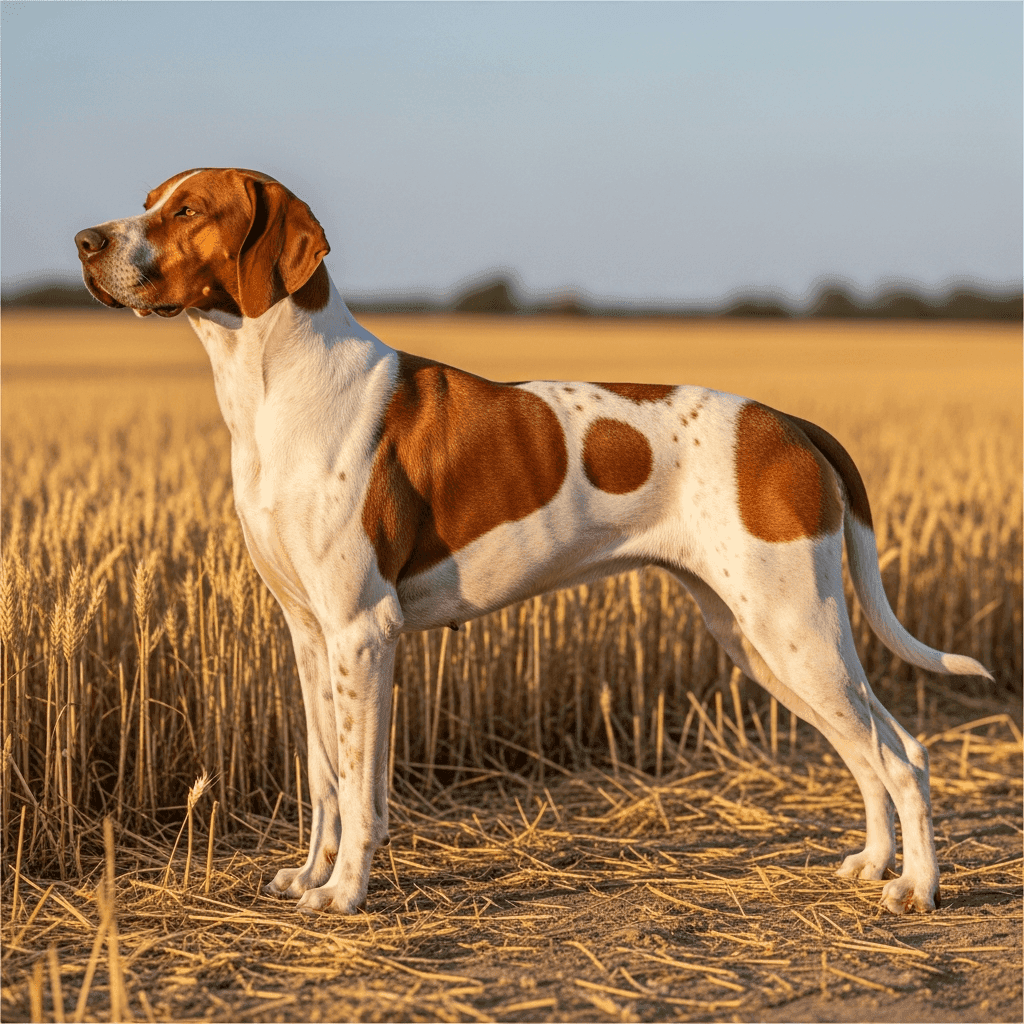
Italian Shorthaired Pointer
FCI Group
7• FCI 202
Size
Large
Origin Country
IT
Height
55-67 cm
Weight
25-40 kg
Lifespan
10-14 years
Temperament
Overview
The Shorthaired Italian Pointer, also known as Bracco Italiano, is a breed of hunting dogs whose history dates back to the Middle Ages in northern Italy. This unique breed has fascinated dog lovers for centuries with its elegance, versatility, and extraordinary hunting abilities. It has been specifically bred for bird hunting, where it excels thanks to its exceptional sense of smell and skills in tracking and retrieving.
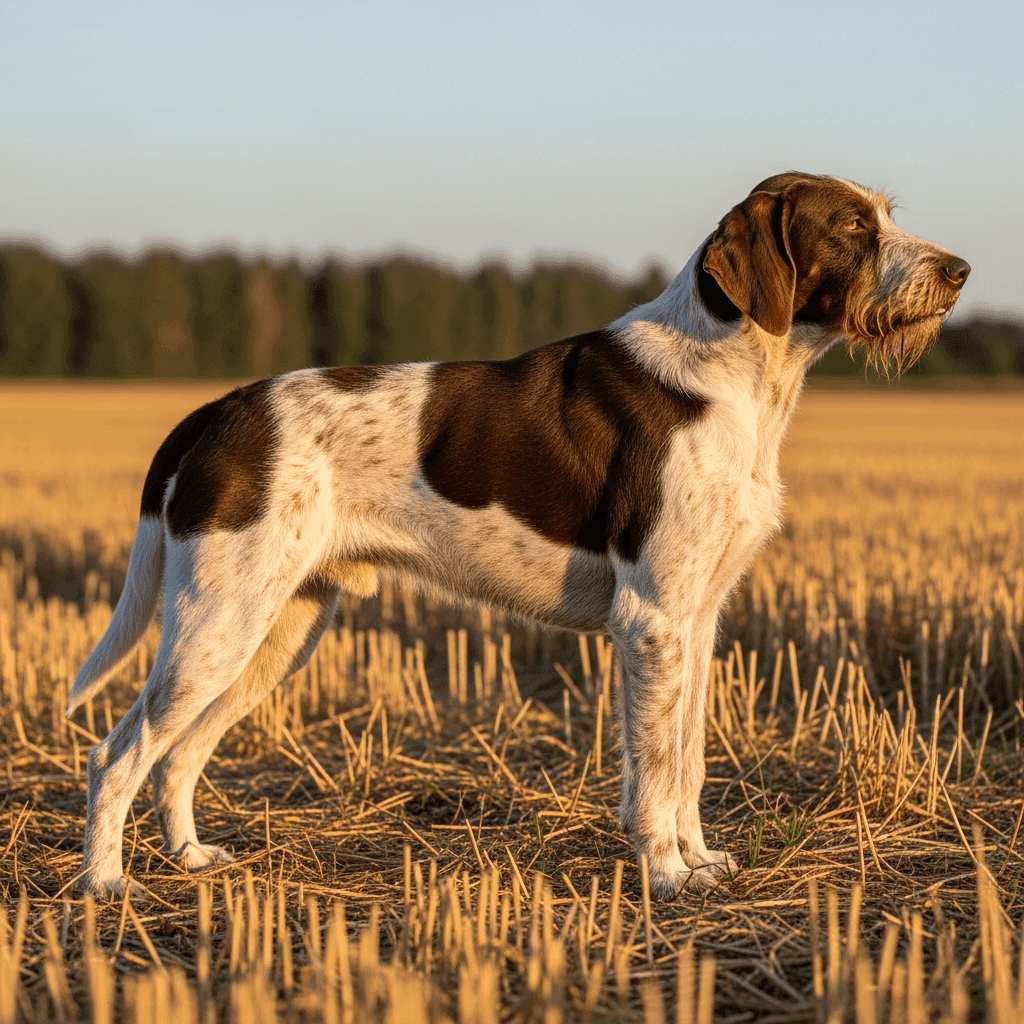
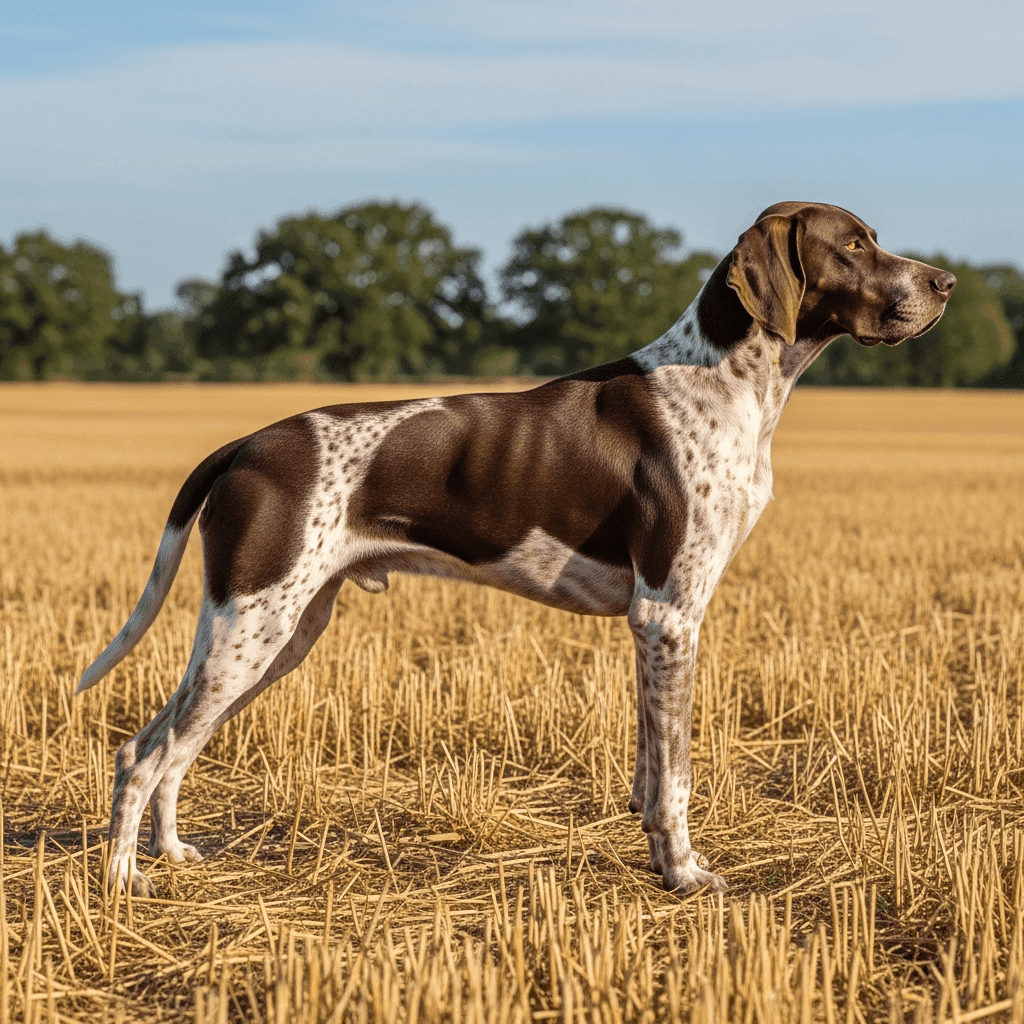
The silhouette of the Shorthaired Italian Pointer attracts attention with its harmony and proportions. The length of the body is similar to the height at the withers, giving the dog a remarkably balanced appearance. Males reach a height of 58 to 67 cm at the withers, while females are slightly smaller – from 55 to 62 cm. The weight of representatives of this breed ranges between 25 and 40 kg. A strong, muscular build combined with an elegant posture makes them not only functional dogs but also incredibly beautiful.
The character of the Bracco Italiano is a combination of energy, intelligence, and gentleness. These dogs are extremely active and require regular exercise and mental stimulation to maintain physical and mental balance. At the same time, their friendly and sociable disposition makes them perfect as family dogs. Italian Pointers are sensitive to the moods of their owners and build a strong emotional bond with them. Their intelligence and eagerness to learn make them receptive to training, which is a significant advantage for owners wishing to spend active time with their pet.
The Shorthaired Italian Pointer is a breed that delights not only with its rich history but also with versatility, elegance, and exceptional character. Its unique hunting traits and adaptability make it an ideal choice for both hunters and active individuals seeking a loyal companion. In the following chapters of our guide, you will find detailed information regarding health, grooming, training, nutrition, and many other aspects of life with this fascinating dog.
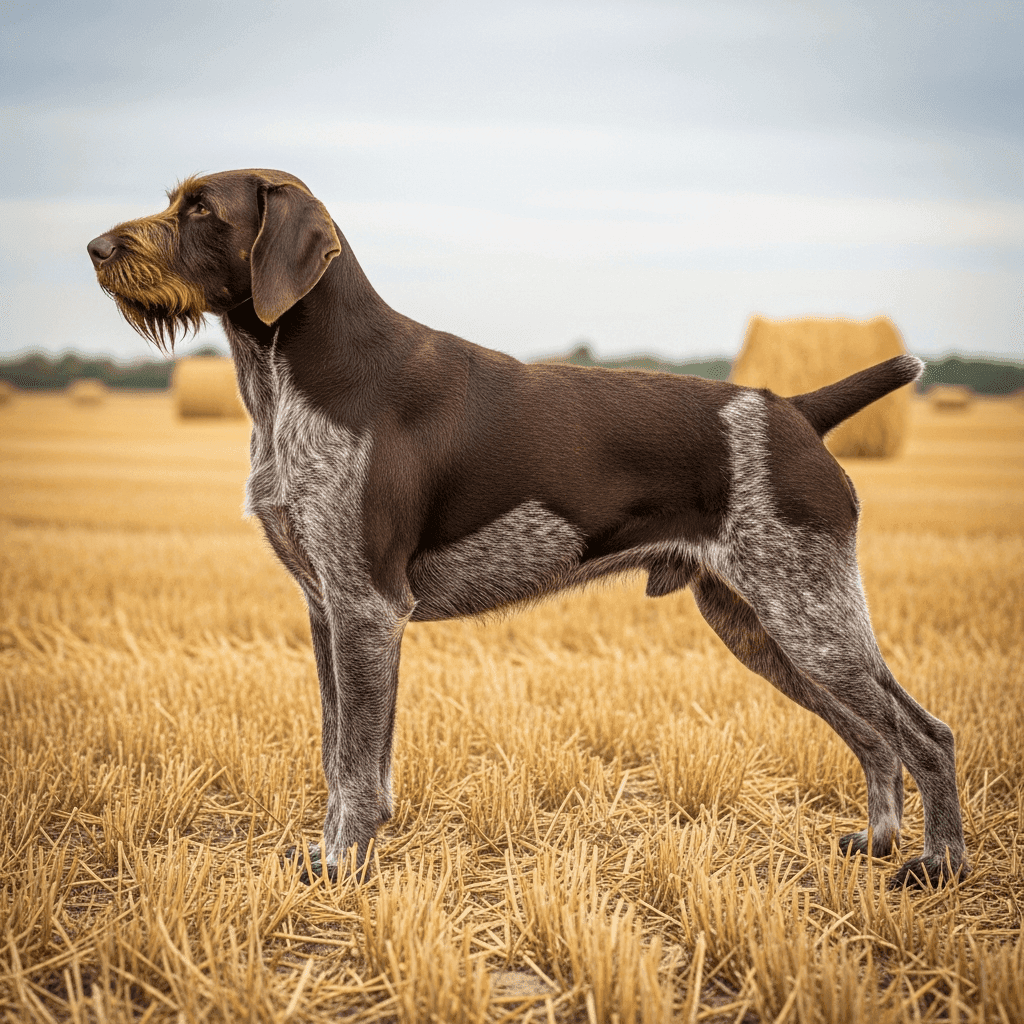
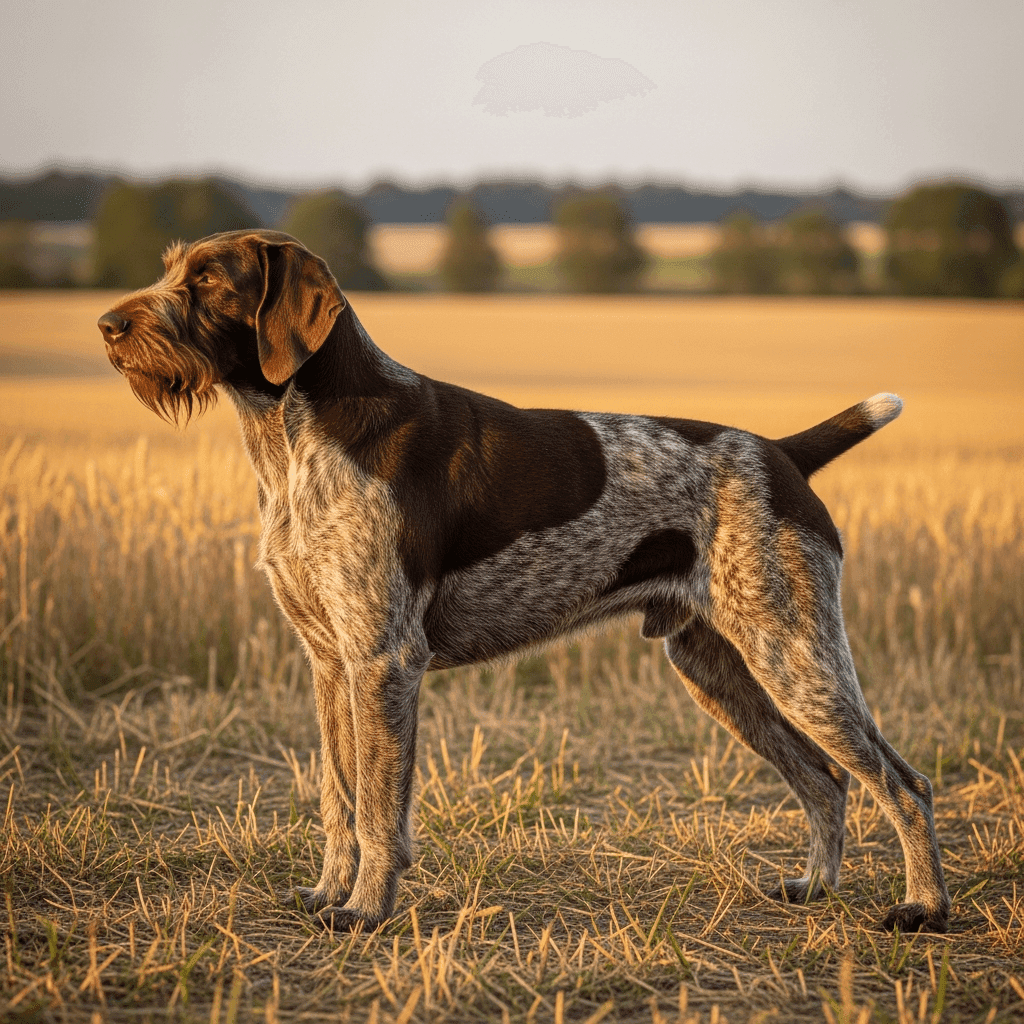
The Bracco Italiano is a dog with a strong and harmonious build, which attracts attention at first glance. A characteristic feature of the breed is its proportional silhouette, where the length of the body is similar to or slightly greater than the height at the withers. The height at the withers for males ranges from 58 to 67 cm, and for females from 55 to 62 cm. The weight of representatives of this breed ranges from 25 to 40 kg, which, along with their muscular build, gives them a durable yet elegant appearance.
The head of the Italian Pointer is distinctive and well-defined, with clearly outlined eye sockets and a long muzzle. The length of the head is about 4/10 of the height at the withers, and the muzzle and skull have a similar length. The width of the head measured at the level of the zygomatic arches is less than half its length. The eyes have a warm, brown or ochre color, which gives the dog an intelligent and gentle expression. The ears are long, drooping, and set low, which is one of the most recognizable features of this breed's appearance.
The coat of the Bracco Italiano is short, dense, and shiny, giving the dog an elegant and well-groomed look. It feels pleasant and smooth to the touch. The coloration can occur in several variations:
- White with orange spots
- White with brown spots
- White with orange ticking (orange roan)
- White with brown ticking (brown roan)
The tail is strong, straight, and carried horizontally during movement, which adds to the dog's confidence. The overall silhouette gives an impression of strength combined with the aristocratic elegance characteristic of Italian hunting breeds.
Bracco Italiano is a dog with a balanced and gentle temperament, combining the energy of a hunter with the delicacy of a family companion. They are extremely social and friendly towards familiar people, building strong emotional bonds with their caregivers. In interactions with strangers, they may initially be somewhat distrustful, but after socialization, they usually behave calmly and politely.
A characteristic feature of the Italian Pointer is its sensitivity to the moods of its owners. These dogs are excellent at sensing their caregivers' emotions and react to changes in the home atmosphere. Their gentle nature means they require a patient and positive approach to training – harsh punishments can be overwhelming for them. At the same time, intelligence and willingness to cooperate make them excellent learners when training is conducted with empathy and consistency.
The Bracco Italiano gets along well with children and other dogs, especially if properly socialized from a young age. Their gentle character makes them patient playmates for younger family members. However, it is important to remember that due to their strong hunting instincts, they may show interest in smaller animals, such as cats or rodents. Proper socialization and training can help manage these natural behaviors.
Dogs of this breed require regular mental and physical stimulation to avoid boredom, which can lead to behavioral problems such as excessive barking or destruction of objects. Due to their hunting roots, they may be inclined to follow interesting scents, so a secure fence and training to come when called are extremely important. Providing them with the right amount of activity and mentally engaging tasks will ensure they are happy and well-balanced companions.
Bracco Italiano is generally a healthy and resilient breed, characterized by good genetic condition. The average lifespan of these dogs ranges from 10 to 14 years, although with proper care and a healthy lifestyle, some individuals may live even longer. This breed does not have serious predispositions to many genetic diseases that often affect other breeds of similar size.
One of the main health issues to pay attention to is the tendency to obesity. Italian Greyhounds have a good appetite and enjoy eating, which, combined with insufficient physical activity, can lead to overweight. Obesity, in turn, increases the risk of joint, heart, and diabetes problems. Regular weight monitoring and adjusting food portions to the dog's activity level are crucial for maintaining health.
Due to their body structure and active lifestyle, it is important to monitor the condition of the joints and musculoskeletal system. Although Bracco Italiano is not particularly prone to hip or elbow dysplasia, regular movement on appropriately soft surfaces and avoiding excessive loads at a young age can help maintain healthy joints throughout their life.
The long, drooping ears of this breed can be prone to ear infections, especially if they are not regularly checked and cleaned. Moisture and dirt accumulating in the ear canals create an excellent environment for the development of bacteria and fungi. Owners should regularly check their dog's ears and maintain their hygiene.
During the summer, it is important to avoid excessive physical exertion during heat, as Bracco Italiano may be sensitive to high temperatures. Providing access to shade and fresh water and avoiding intense exercise during the middle of the day will help prevent overheating. Regular veterinary visits, vaccinations, and parasite prevention are recommended to maintain the optimal health of these wonderful dogs.
The care of Bracco Italiano is relatively simple and uncomplicated, making this breed convenient for owners who do not have much time for time-consuming grooming procedures. The short, dense coat does not require frequent trimming or professional visits to a groomer, but regular attention to basic hygiene needs is crucial for the dog's health and comfort.
Brushing the coat should be done regularly, at least once a week, to remove dead hair and keep the coat in good condition. During shedding periods, which most often occur in spring and autumn, it is advisable to increase the brushing frequency to 2-3 times a week. A rubber glove or soft brush can be used for this purpose, which gently massages the skin and removes loose hair. Regular brushing not only keeps the coat in good condition but also strengthens the bond between the dog and the owner.
Bathing should not be too frequent – once every 2-3 months or as needed (e.g., when the dog gets dirty). Washing too often can strip the skin of its natural protective oils, leading to dryness and irritation. Mild shampoos specifically designed for dogs should be used, which do not disrupt the skin's natural protective barrier.
Particular attention should be paid to the ears of the Bracco Italiano. Due to their length and drooping structure, they can accumulate dirt, moisture, and debris, creating ideal conditions for infection development. It is necessary to regularly check and clean the ears – at least once a week – using special ear cleaning solutions for dogs. If you notice an unpleasant odor, redness, or excessive discharge, you should consult a veterinarian immediately.
Other aspects of care include:
- Nail trimming – every 3-4 weeks or when they can be heard on a hard surface
- Oral hygiene – regular tooth brushing 2-3 times a week prevents tartar buildup
- Eye check – gently wiping with a damp cotton pad as needed
Attention to the basic hygiene needs of the Shorthaired Italian Pointer is important not only for its appearance but primarily for the health, comfort, and well-being of the dog.
Bracco Italiano is a breed with a high energy level that requires regular and intense physical activity to maintain physical health and mental balance. These dogs were bred to work in the field as hunters, which means they have a natural need for movement and exploration. A lack of adequate exercise can lead to boredom, frustration, and behavioral problems such as excessive barking or destroying household items.
The ideal environment for the Italian Pointer is open spaces where it can run freely and explore its surroundings. They excel at:
- Long walks – a minimum of 60-90 minutes a day, divided into 2-3 outings
- Running – accompanying the owner during jogging or cycling
- Dog trekking – hiking on forest paths and more challenging terrain
- Swimming – an excellent form of exercise that does not strain the joints
- Agility – a dog sport that combines physical activity with mental stimulation
- Hunting training – for hunting owners, a natural use of the breed's instincts
Bracco Italiano loves scent-engaging tasks, such as games involving searching for hidden objects or tracking exercises. These forms of activity not only provide physical movement but also mental stimulation, which is equally important for this intelligent breed. One can utilize the dog's natural abilities by organizing games that involve scent tracking or retrieving.
It is important to remember that young dogs, especially puppies and juniors up to 12-18 months of age, should not be subjected to excessive exertion. Intense exercise, jumping from heights, or long runs on hard surfaces can negatively affect developing joints and bones. During this period, it is better to focus on moderate activity and play suitable for their age.
Bracco Italiano thrives best with active owners who can provide the right amount of movement and stimulation. This breed is not suitable for people who prefer a less active lifestyle. A daily dose of physical and mental exercise is crucial for the happiness and balanced behavior of this wonderful dog.
Training a Bracco Italiano can be challenging, but with the right approach and consistency, it is entirely achievable. These dogs are intelligent and eager to learn, but their sensitive nature and sometimes stubborn traits require patience and empathy from the owner. The key to success is the use of positive training methods based on rewards and praise, which increase motivation and build trust between the dog and the owner.
Basic principles of effective training for the Italian Shorthaired Pointer:
- Positive reinforcement – rewards in the form of treats, toys, and praise
- Consistency – clear rules and regular training sessions
- Diversity – varied exercises to maintain the dog's interest
- Patience – avoiding harsh punishments that can discourage a sensitive dog
- Short sessions – 10-15 minutes several times a day instead of long, exhausting training
Due to its hunting background, the Bracco Italiano has strong tracking and retrieving instincts that can be utilized in training. Scent-based exercises, such as searching for hidden objects or tracking scents, will not only be effective but also very satisfying for the dog. The natural abilities of this breed can be developed through hunting training, nose work, or field trial sports.
Socialization from a young age is extremely important for the development of a balanced character. Puppies should be systematically exposed to various situations, people, animals, and environments. This way, the adult dog will be confident and well-adjusted to life in different conditions. It is worth enrolling in group classes for puppies that combine learning basic commands with socialization.
Basic commands worth teaching a Bracco Italiano:
- Sit – a basic stabilizing command
- Stay – useful in situations requiring calmness
- Come – crucial for the dog's safety during walks
- Lie down – a relaxation command
- Leave it – important for avoiding dangerous situations
Due to their intelligence and need for mental stimulation, Bracco Italiano excels in various activities and dog sports, such as agility, obedience, or dog dancing. Regular training sessions not only develop skills but also strengthen the bond between the dog and the owner, which is the foundation of a happy and harmonious relationship.
The Bracco Italiano diet should be well-balanced and tailored to the dog's level of activity, age, weight, and individual health needs. Dogs of this breed are known for their good appetite and may be prone to overeating, which can easily lead to obesity with insufficient physical activity. Portion control and regular weight monitoring are key to maintaining health.
Owners should choose high-quality food rich in complete animal protein, which is the foundation of a proper diet for the dog. The food should contain:
- Protein (minimum 22-26%) – meat, fish, poultry as the main source
- Fats (12-16%) – for energy and healthy skin and coat
- Carbohydrates – rice, oats, potatoes as an energy source
- Vitamins and minerals – for overall health and immunity
- Omega-3 and Omega-6 fatty acids – for healthy skin and shiny coat
Meals should be divided into 2-3 portions per day for adult dogs, which helps avoid overloading the digestive system and reduces the risk of bloating. Puppies require more frequent feeding – 3-4 times a day – adjusted to their rapid growth rate and high energy needs.
It is important to avoid overfeeding and not to give in to the dog's pleading looks for extra treats. Overweight can lead to serious health problems, such as joint diseases, heart issues, and diabetes. If treats are used during training, their calories should be included in the daily energy balance and should not exceed 10% of the total caloric requirement.
Ensuring adequate hydration is just as important as a proper diet. The Bracco Italiano should have constant access to fresh, clean water, especially after intense physical activity and on warm days. Active dogs of this type can be prone to dehydration, so it is worth regularly checking that the water bowl is full.
For older dogs, nursing dogs, or those with health issues (food allergies, sensitive digestive systems), it is advisable to consult a veterinarian to adjust the diet to individual needs. Regular consultations can help optimize nutrition and prevent health problems resulting from an improper diet.
Characteristic Traits
Pros
- Wonderful talent for hunting and retrieving
- Elegant and harmonious appearance
- Friendly and sociable character
- Gentle and sensitive to the needs of the family
- Easy to care for.
Cons
- Requires a lot of movement and physical activity
- Needs consistent training
- Can be stubborn in training
- Long ears require regular grooming.
Behavioral Ratings
Breed History
The Bracco Italiano has a long and fascinating history that dates back to the Middle Ages. This breed was developed in Italy and has been valued for centuries as an exceptional hunting dog, specializing in bird hunting. The first mentions of the Bracco Italiano date back to the 13th century, when the famous Italian writer and scholar Brunetto Latini described this breed as a dog with a characteristic orange and white coat, used for hunting in northern Italy.
During the Renaissance, the Italian Pointer gained immense popularity among Italian aristocracy and princely families. Frescoes and paintings from the 14th and 15th centuries depict dogs with characteristics typical of the Bracco Italiano, which is evidence of their long-standing presence and significance in Italian culture. The breed was particularly valued by the Medici and Gonzaga families, who bred these dogs on their estates and used them during hunts.
As time passed, the Bracco Italiano evolved and adapted to changing hunting methods. Originally, these dogs were used for hunting with nets (a hunting method called alla rete), where their task was to find and hold the birds, over which nets were then thrown. With the development of firearms, the role of the Italian Pointer changed – it became a retrieving dog that would track, point, and retrieve the hunted birds.
In the 19th century, the breed went through a difficult period when its popularity began to decline in favor of other hunting breeds, particularly English pointers and setters. The breeding of Bracco Italiano was on the brink of extinction. Fortunately, a group of enthusiasts, including Ferdinando Delor de Ferrabouc, undertook efforts to revive the breed. Their work bore fruit in the 20th century when they managed to stabilize the type and rebuild the population of these magnificent dogs.
The Bracco Italiano was officially recognized by the FCI (Fédération Cynologique Internationale) in 1956, which was an important step in the international recognition of the breed. The breed standard was published and has been updated several times since then – the current version dates from 2015. Thanks to its versatility, elegance, and exceptional hunting abilities, the Bracco Italiano has gained recognition not only in Italy but also in other European countries and North America.
Today, the short-haired Italian Pointer is a popular breed among both hunters and family dog lovers. Its gentle nature, intelligence, and elegant appearance make it increasingly sought after worldwide. This breed remains a symbol of Italian hunting tradition and a pride of national cynology, preserving its unique traits and abilities for centuries.