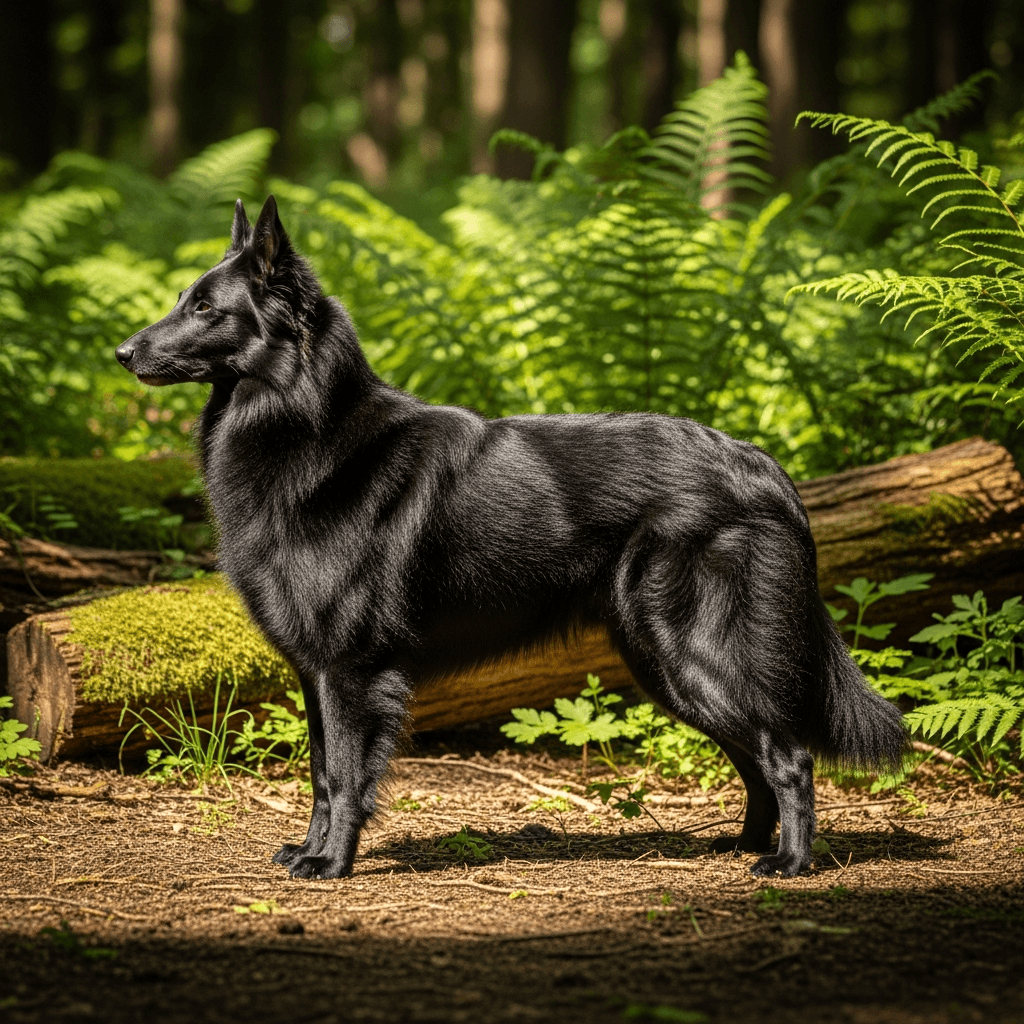
Belgian Shepherd - Groenendael
FCI Group
1• FCI 15A
Size
Medium
Origin Country
BE
Height
56-66 cm
Weight
20-30 kg
Lifespan
10-14 years
Temperament
Overview
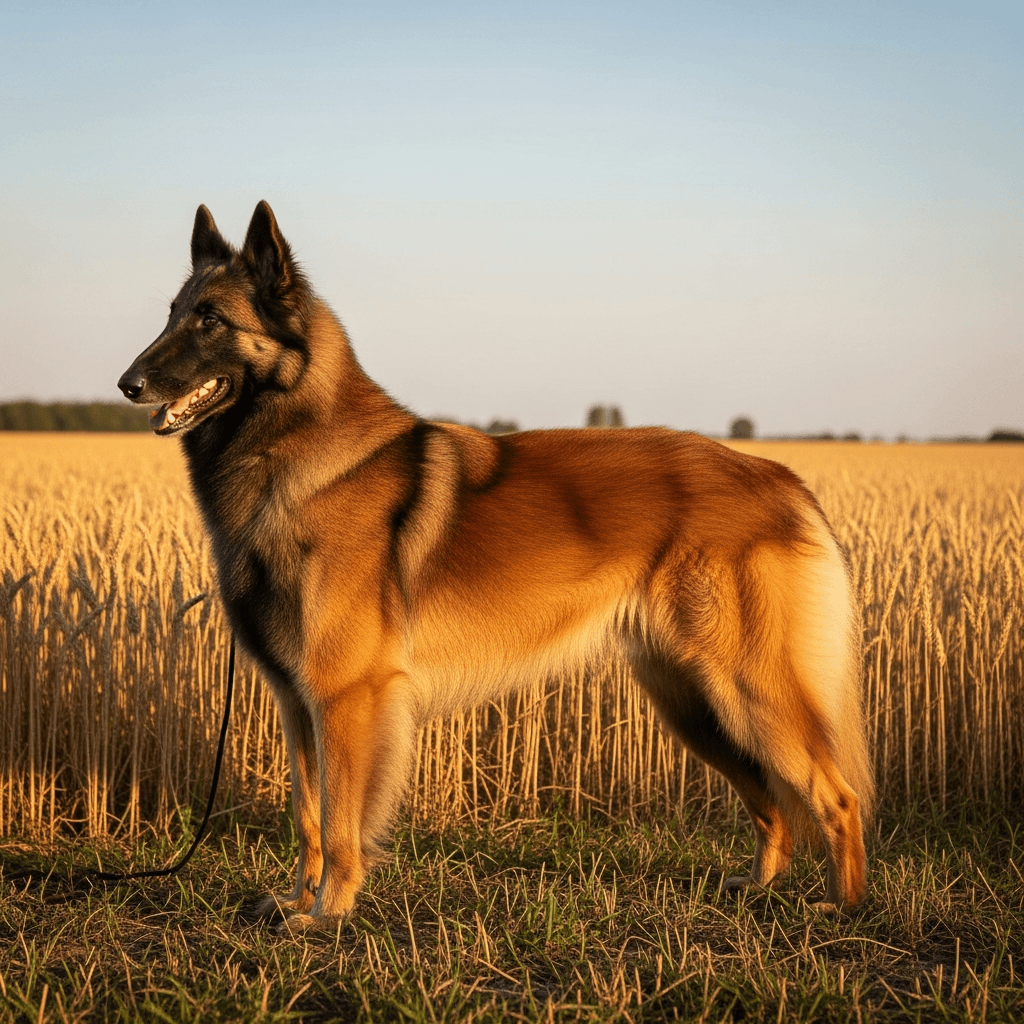
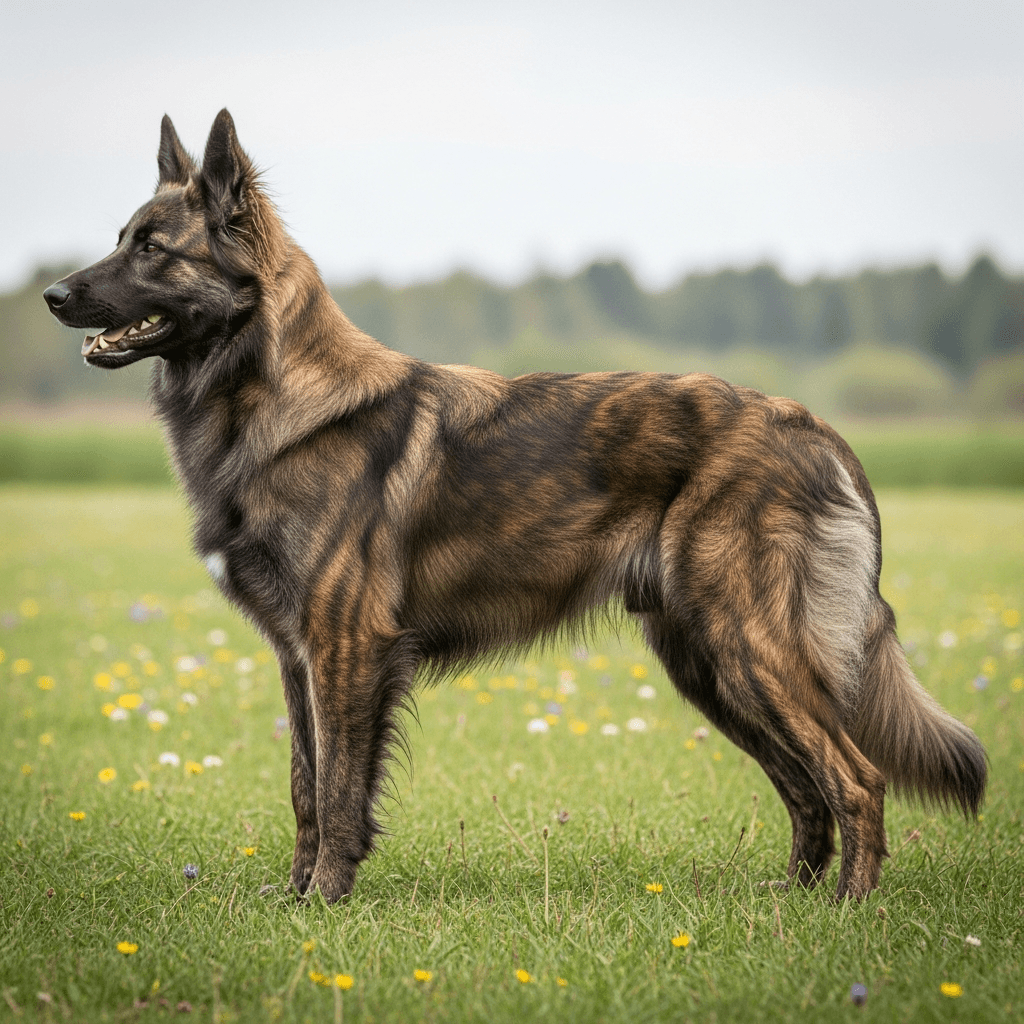
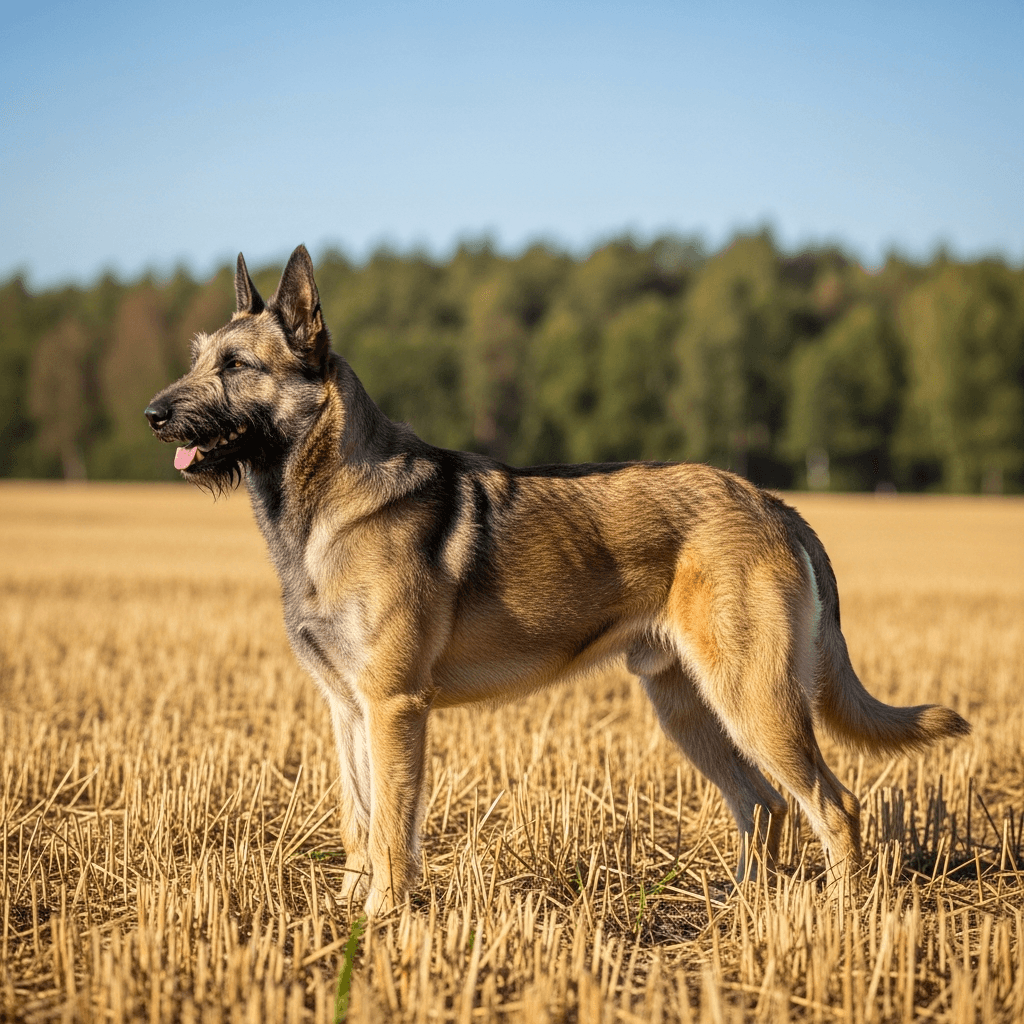
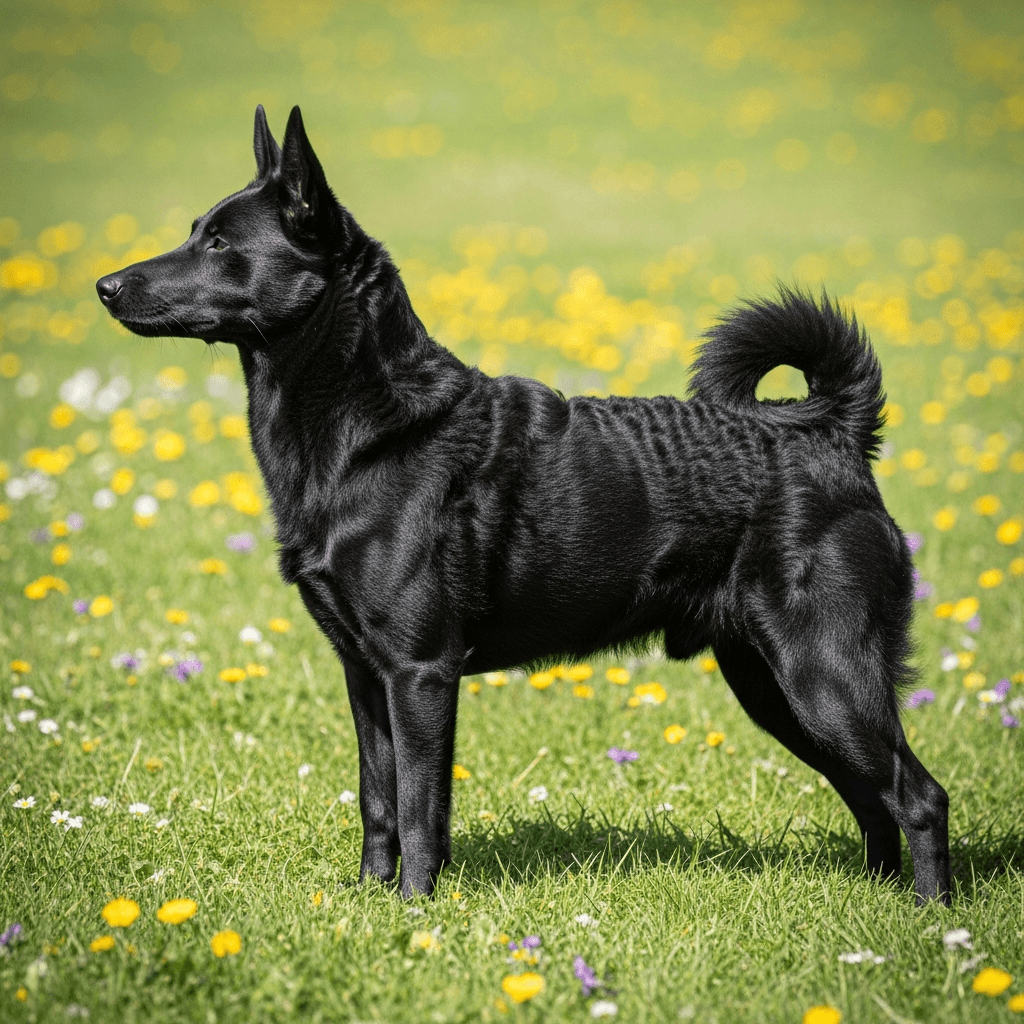
The Belgian Shepherd - Groenendael, also known as Chien de Berger Belge, is an exceptional dog breed originating from Belgium. It is characterized by extraordinary intelligence and versatility, making it an ideal companion both in work and everyday life. This variety is distinguished by its thick, close-lying coat with a distinctive black color that attracts attention with its elegant appearance and shine.
This medium-sized dog features a strong yet elegant silhouette that perfectly combines strength and agility. Its excellent sense of smell makes it often used in law enforcement, herding work, and as a rescue dog. The Groenendael combines alertness, energy, and uncompromising devotion, making them excellent guard dogs, working dogs, and wonderful family companions.
Thanks to their high intelligence, Belgian Shepherds quickly learn new commands and tasks, showing enthusiasm and commitment. Owners should adopt a consistent and positive approach to their training, based on positive reinforcement. They require regular and intense physical activity, as lack of exercise can lead to serious behavioral problems. For this reason, it is important to provide them with appropriate stimulation both physically and mentally, avoiding boredom that can result in destructive behavior.
Belgian Shepherds - Groenendael are known for their stamina and generally good health, although they may be prone to certain genetic diseases, such as hip or elbow dysplasia. A proper diet, rich in high-quality protein and nutrients, supports their active lifestyle and helps maintain optimal condition. This breed is a combination of beauty, strength, intelligence, and reliability, making it an ideal choice for active families and individuals looking for a versatile, loyal companion.
The following sections of our guide will provide you with details about health, grooming, exercise, training, nutrition, and many other aspects related to this fascinating breed, so you can provide your Groenendael with the best possible care.
The Belgian Shepherd - Groenendael is a medium-sized dog characterized by a harmonious silhouette and an elegant, dignified appearance. Its height at the withers ranges from 56 to 66 cm, with males typically being larger than females. The weight varies between 25 and 30 kg for males and 20 and 25 kg for females. The silhouette is close to square, meaning that the body length is almost equal to the height at the withers. This proportional build provides excellent balance and agility.
Belgian Shepherds have a strong, well-muscled build, making them excellent working dogs capable of enduring long periods of exertion. Their head is proportional to the body, with a well-defined forehead and a moderate stop. The nose is always black, and the jaws are strong and well-developed. The eyes are brown, slightly almond-shaped, giving the dog a vigilant, intelligent, and lively expression. The ears are small, triangular, and erect, set high, emphasizing their constant alertness and readiness to act.
The most distinguishing feature of the Groenendael is its long, thick, and shiny black coat, which gives it a unique, elegant appearance. The coat is covered with a dense undercoat that protects the dog from changing weather conditions - both cold and rain. A characteristic lush mane forms around the neck, particularly noticeable in males. The coat on the body is long and straight, and the legs are also abundant, creating distinctive feathering on the hind legs.
The limbs are strong, straight, and well-muscled, with a strong bone structure, providing great endurance, agility, and resilience during work. The paws are round, compact, with strong, black claws. The tail is of medium length, wide at the base, carried with a slightly curved tip, hanging down at rest, and raised during movement, but never curled over the back.
The Belgian Shepherd - Groenendael is a dog of exceptional beauty, attracting attention with its elegance, strength, and harmonious build, giving the impression of a noble dog, full of dignity and ready for action.
The Belgian Shepherd - Groenendael is a dog with a unique temperament that combines energy, intelligence, alertness, and deep devotion. This breed is known for its natural tendency to guard its owner, family, and property. Belgian Shepherds are very attached to their families, and their uncompromising loyalty makes them excellent guard dogs, always alert and ready to protect.
Their sensitivity and intelligence mean that they do not tolerate harsh, severe training methods. They need a consistent, yet gentle and positive approach to training, based on positive reinforcement and building a bond with the owner. In interactions with strangers, Belgian Shepherds can be distrustful and reserved, which is a reflection of their natural protective instinct. However, with proper socialization from a young age, they become more friendly and sociable, although they always maintain a degree of vigilance.
Their lively and energetic temperament makes them very active and in need of a lot of exercise and mental stimulation. Without adequate physical activity and tasks to perform, they can become restless, unhappy, and exhibit destructive behaviors, such as destroying furniture or excessive barking. Groenendael is a dog that loves to work and perform tasks - it is ideally suited for canine sports, herding work, law enforcement, or rescue operations.
In relationships with children, Belgian Shepherds are usually patient, caring, and gentle, but it is important for children to learn to respect the dog and not treat it like a toy. Due to their herding instincts, they may try to nip at children's heels during play, which requires appropriate correction. Well-socialized Groenendaels can coexist wonderfully with other dogs and household pets.
This breed is not recommended for older individuals, novice owners, or those who cannot dedicate enough time to physical activity and training of the dog. Their needs for activity, mental stimulation, and consistent training may be too demanding for inexperienced caregivers. The Belgian Shepherd - Groenendael is a dog that combines the qualities of an excellent companion, guardian, working dog, and loyal family friend - provided that it is given the right living conditions.
The Belgian Shepherd - Groenendael typically enjoys good health and longevity, with a life expectancy of 12 to 14 years. This breed is known for its robustness and endurance, meaning that with proper care, it is less prone to serious health issues than many other breeds of similar size. However, like most purebred dogs, Belgian Shepherds can be susceptible to certain genetic conditions.
Some of the most common health problems that may occur in this breed include hip and elbow dysplasia - a congenital developmental defect of the joints that can lead to pain, lameness, and mobility issues, especially in older age. For this reason, responsible breeders perform X-ray examinations of the joints in breeding dogs to minimize the risk of passing this defect to offspring.
Additionally, Belgian Shepherds may be prone to thyroid problems, such as hypothyroidism, which manifests as lethargy, weight gain, skin issues, and hair loss. Eye diseases, including progressive retinal atrophy (PRA) and cataracts, may also occur in this breed, so regular eye examinations are recommended.
Some lines of Groenendaels may show a tendency towards epilepsy - a neurological disorder causing recurrent seizures, which require ongoing veterinary monitoring and pharmacological treatment. Less commonly, there may also be heart problems or gastric torsion - a life-threatening emergency that requires immediate veterinary intervention.
It is important to regularly monitor the dog's health with a veterinarian - check-ups are recommended at least once a year, and for older dogs, even more frequently. It is essential to follow vaccination guidelines, deworming, and preventive measures against external parasites (ticks, fleas) and to maintain oral hygiene to prevent periodontal disease.
Although Belgian Shepherds are very active dogs, well adapted to various weather conditions due to their dense undercoat, they should be protected from extreme conditions. On hot days, they should have access to drinking water and shade to avoid overheating and heatstroke. Their thick undercoat provides excellent protection against the cold, but in extreme conditions (below -15°C), they should not be left outside for long periods.
A proper diet, regular physical activity, appropriate grooming, and preventive veterinary care significantly contribute to maintaining the health and quality of life of a Groenendael for many years.
The Belgian Shepherd - Groenendael requires regular and careful grooming to maintain the health, beauty, and aesthetics of its characteristic black coat. Their thick, long fur may require more attention compared to the short-haired varieties of Belgian Shepherds, but proper grooming is not particularly difficult or time-consuming if done regularly.
It is recommended that Groenendaels be brushed at least 2-3 times a week using a brush with metal pins and a comb with long teeth to remove dead hair, prevent matting, and keep the coat in good condition. Special attention should be paid to areas where mats are most likely to form: behind the ears, around the groin, on the hind legs, and on the belly.
During the intense shedding period, which occurs twice a year (in spring and autumn), grooming should be significantly more frequent - ideally daily. During this time, Belgian Shepherds lose their undercoat, which can lead to a large amount of hair falling out in the home. Regular brushing during the shedding period will help minimize this problem and speed up the coat change process. It may also be worth considering using special tools for removing undercoat, such as a furminator.
Regular baths are important to keep the coat clean and fresh, but dogs should not be bathed too often - once every 6-8 weeks is sufficient or as needed if the dog gets dirty. Bathing too frequently can lead to dry skin and the removal of natural oils that protect the coat. During baths, high-quality shampoos designed for long-haired dogs should be used, and after washing, the coat should be thoroughly rinsed and dried with a towel or a dryer (on a low setting).
It is also important to pay special attention to ear, teeth, and nail care to ensure the overall health of the dog. Ears should be checked regularly (at least once a week) for dirt, excess wax, and signs of infection, such as unpleasant odor, redness, or discharge. If necessary, ears should be gently cleaned with special products designed for dogs.
Teeth cleaning should be done at least 2-3 times a week using a toothbrush and toothpaste for dogs to prevent tartar buildup, gum disease, and bad breath. Trimming nails is essential - they should be trimmed every 3-4 weeks or as needed to avoid discomfort while walking and issues with proper paw placement.
Proper and regular grooming not only contributes to the dog's beautiful appearance but also to its health, comfort, and well-being, and strengthens the bond between the dog and the owner during the time spent together.
The Belgian Shepherd - Groenendael is a breed with very high physical activity requirements, needing a large amount of movement and stimulation to maintain health, mental balance, and well-being. These exceptionally energetic dogs require at least 1.5-2 hours of intense exercise every day, and for young, very active individuals, even more.
Groenendaels are perfectly suited for various forms of activity: long, brisk walks, running alongside a bike, mountain trekking, as well as advanced canine sports such as agility, obedience, flyball, frisbee, nose work, or dog dancing. These dogs love to work and perform tasks, which is why they also excel in IPO (Schutzhund) training, herding work, or as rescue dogs.
Regular walks are absolutely essential, but they are not sufficient on their own - Belgian Shepherds need intense physical exertion that allows them to fully utilize their energy and athletic abilities. Moreover, these intelligent dogs enjoy various forms of mental activity, which is just as important as physical exercise. It is worth introducing activities such as scent games (searching for hidden objects or treats), interactive puzzle toys, trick training, or obedience exercises.
Groenendaels happily participate in water games, swimming, chasing balls, retrieving, or playing frisbee. They are also excellent companions for active individuals who jog, bike, or practice Nordic walking. It is important to diversify forms of activity, as routine can lead to boredom, and a bored Groenendael may become destructive.
It is worth remembering that lack of appropriate physical and mental exertion can lead to serious behavioral problems, such as excessive energy, destructive behavior (destroying furniture, digging holes in the garden), excessive barking, separation anxiety, or even aggression. A Groenendael that does not have the opportunity to release its energy becomes restless, frustrated, and unhappy.
Therefore, if owners cannot dedicate the appropriate amount of time to intense physical and mental activity, they should seriously consider choosing a different, calmer breed. Alternatively, they can consider utilizing services at dog kindergartens, dog sports clubs, or professional dog walkers who can provide the dog with an additional dose of activity.
Joint activities with the owner not only provide the dog with the necessary amount of movement and stimulation but also strengthen the bond between the dog and the caregiver, build trust, and allow for better mutual understanding. A Groenendael that receives sufficient physical and mental activity is a happy, balanced, and wonderful companion.
The Belgian Shepherd - Groenendael is a dog with exceptionally high intelligence and learning abilities, which learns new commands, tasks, and tricks quickly; often just a few repetitions are enough for it to master a new command. However, it requires a consistent, patient, and positive approach to training to fully develop its potential and avoid behavioral problems.
Due to its sensitivity and intelligence, harsh, brutal training methods should not be used, as they can lead to fear, insecurity, loss of trust in the owner, and even defensive aggression. Positive training methods, based on rewards (clicker training, positive reinforcement), work best, motivating the dog to follow commands and making training enjoyable for both the dog and the owner.
Training should begin as early as possible - ideally from 8-10 weeks of the puppy's life. Owners should start with basic commands such as Sit, Lie Down, Stay, Come, No, and then gradually move on to more advanced tasks and tricks. It is important that training is regular (preferably daily for 10-15 minutes several times a day), varied, and conducted in a playful manner to maintain the dog's interest.
As important as obedience training is socialization - the process of introducing the puppy to various people, dogs, animals, places, sounds, and situations. A properly socialized Groenendael will be more self-confident, less anxious about new situations, and friendlier towards strangers. Socialization should be conducted from the earliest weeks of life and continued throughout the dog's first year.
It is a good idea to enroll the dog in a puppy school or group training classes, where it will have the opportunity to socialize with other dogs and people, as well as learn obedience under the guidance of an experienced instructor. Belgian Shepherds excel in advanced training forms and canine sports such as agility, obedience, IPO, nose work, or rescue work.
Groenendaels are also great candidates for work in uniformed services - in the police, border guard, military, or as rescue and therapy dogs - due to their natural predispositions for guarding, defense, searching, and their boundless willingness to work. Their high motivation to cooperate with humans makes them easily master even very advanced and complex tasks.
Training should be regular, consistent, and varied to maintain the dog's interest and meet its intellectual needs. It is worth introducing various forms of mental activity, such as scent games (searching for hidden objects or treats), interactive games and puzzles, learning new tricks, or memory exercises. A Groenendael that receives sufficient mental stimulation is happier, more balanced, and less prone to behavioral problems.
It is also important to establish clear rules and boundaries from the beginning, to be consistent in enforcing them, and not to allow the puppy to engage in behaviors that will be undesirable in an adult dog. A Groenendael needs a confident, calm leader who will provide it with a sense of security and a structure in which it can function.
The Belgian Shepherd - Groenendael's diet should be carefully tailored to his active lifestyle, age, weight, and level of physical activity. Proper nutrition is crucial for maintaining health, physical condition, beautiful coat, and overall well-being of the dog for many years.
It is best to choose high-quality dog food - both dry (kibble) and wet (cans) - that contains the appropriate proportions of animal protein, fat, carbohydrates, vitamins, and minerals. It is recommended to feed food based on meat as the first ingredient (chicken, beef, turkey, fish), as animal protein is essential for building and repairing muscles, maintaining a healthy coat, and proper body function.
The protein content in food for active Groenendaels should be at least 22-28% for adult dogs and 28-32% for puppies and young dogs during the growth period. Fat should make up about 12-18% of the food, providing energy and aiding in the absorption of fat-soluble vitamins. Omega-3 and omega-6 fatty acids are also important, supporting skin health and coat beauty.
It is worth introducing fresh vegetables and fruits (carrots, broccoli, spinach, apples, berries) into the diet, which provide essential vitamins, minerals, antioxidants, and support the immune system and digestion. They can be given as healthy snacks or added to meals. However, toxic foods for dogs, such as grapes, raisins, onions, garlic, avocados, or chocolate, should be avoided.
Despite their activity, Belgian Shepherds can be prone to overweight, so it is important to control portion sizes, avoid overfeeding, and regularly monitor the dog's weight. The amount of food should be adjusted to the level of activity - very active, working, or sporting dogs require more calories than dogs with average activity.
It is recommended to provide regular meals, divided into two or three smaller portions daily, which helps maintain a stable energy level, prevents overeating, and reduces the risk of gastric torsion - a life-threatening condition that can occur in large breed dogs, especially when they eat a large portion of food at once and then move around vigorously.
Fresh drinking water should be always available, especially after intense physical exertion, on hot days, or when feeding dry food, to ensure proper hydration. An adult Groenendael should drink about 50-70 ml of water per kilogram of body weight daily.
Owners should avoid giving human food that may be harmful or inappropriate for dogs, such as chocolate, onions, garlic, grapes, raisins, salty snacks, sweets, cooked bones (which can splinter and damage the digestive tract), or fatty table scraps. If we want to reward the dog with treats, they should make up no more than 10% of the daily caloric intake.
It is also worth considering supplementation - especially for older, very active dogs or those with health issues - with preparations supporting joints (glucosamine, chondroitin, omega-3 fatty acids), skin and coat health, or overall immune system support. Before introducing supplements, consult with a veterinarian.
Groenendael puppies require special puppy food for medium breeds that supports the proper development of bones, joints, and muscles. Transitioning to adult dog food should occur around 12-15 months of age, gradually mixing the new food with the old over a period of about a week to avoid digestive problems.
Characteristic Traits
Pros
- Exceptionally intelligent and easy to train
- Excellent guard and working dog
- Durable and generally healthy
- Uncompromisingly devoted and loyal to the family
- Versatile in applications.
Cons
- Requires a lot of movement and activity
- Can get bored and be destructive without stimulation
- Prone to certain genetic diseases
- Not suitable for beginner owners
- Distrustful of strangers without socialization.
Behavioral Ratings
Breed History
The Belgian Shepherd - Groenendael has a rich and fascinating history, with roots dating back to the late 19th century. In Belgium, there have been many different types of herding dogs for centuries, varying in size, build, and coat type, but all were primarily used for guarding sheep and cattle herds and protecting farms.
To unify these diverse types of herding dogs into one breed, in 1891, Professor Adolphe Reul from the Veterinary School in Cureghem (near Brussels) organized the first meeting of Belgian herding dog breeders. This meeting led to the creation of the Belgian Shepherd Club (Club du Chien de Berger Belge), aimed at establishing breed standards, selecting the best individuals, and promoting the breed internationally.
The club undertook systematic research and classification of herding dogs, conducting numerous field studies and phenotypic analyses. In 1892, the first breed standard was established, which stated that the Belgian Shepherd is one breed with three different coat types: long-haired, short-haired, and rough-haired. Additionally, within each type, various colorations were distinguished.
Over the following years, breeders focused on unifying the breed, eliminating faults, and solidifying desirable traits. It was during this period that four distinct varieties of the Belgian Shepherd began to emerge, named after the localities where they were particularly popular or after their creators:
- Groenendael - long-haired, black, named after the locality of Groenendael near Brussels, where breeder Nicolas Rose developed this variety
- Tervueren - long-haired, fawn with a black overlay, named after the locality of Tervueren
- Malinois - short-haired, fawn with a black mask, named after the city of Malines (Mechelen)
- Laekenois - rough-haired, fawn, named after the Laeken Castle, the royal residence in Belgium
In 1901, all varieties of the Belgian Shepherd were officially registered for the first time in the Stud Book of the Royal Society of Saint Hubert (Livre des Origines Saint-Hubert - LOSH), the Belgian equivalent of a kennel club. From that moment on, the breed began to gain popularity not only in Belgium but also in other European countries.
Belgian Shepherds were primarily used as herding dogs, guarding sheep and cattle herds, but quickly gained recognition as guard, police, and military dogs. During World War I, Belgian Shepherds served in the Belgian army as messenger, sanitary, guard, and mine detection dogs, earning a reputation as extremely brave, intelligent, and reliable military dogs.
After the war, the breed was intensively developed and exported to many countries, including the United States, France, Netherlands, and the United Kingdom. In the United States, all four varieties were initially recognized as one breed, but over time some organizations, such as the American Kennel Club (AKC), began to treat them as separate breeds.
In Europe, according to the standard of the International Canine Federation (FCI), all four varieties are still recognized as one breed - the Belgian Shepherd - with four different varieties differing in coat type and color. Groenendael stands out as the long-haired variety with a characteristic, elegant black coat.
Today, Belgian Shepherds - Groenendael are valued worldwide both as working dogs (police, rescue, therapy, herding, sports) and as wonderful companion dogs for active families. Their high intelligence, devotion, versatility, willingness to work, and beautiful appearance make them still very popular among dog lovers around the world. This breed is a living testament to how systematic breeding work, based on the selection of the best traits, can create a versatile, reliable, and beautiful dog.