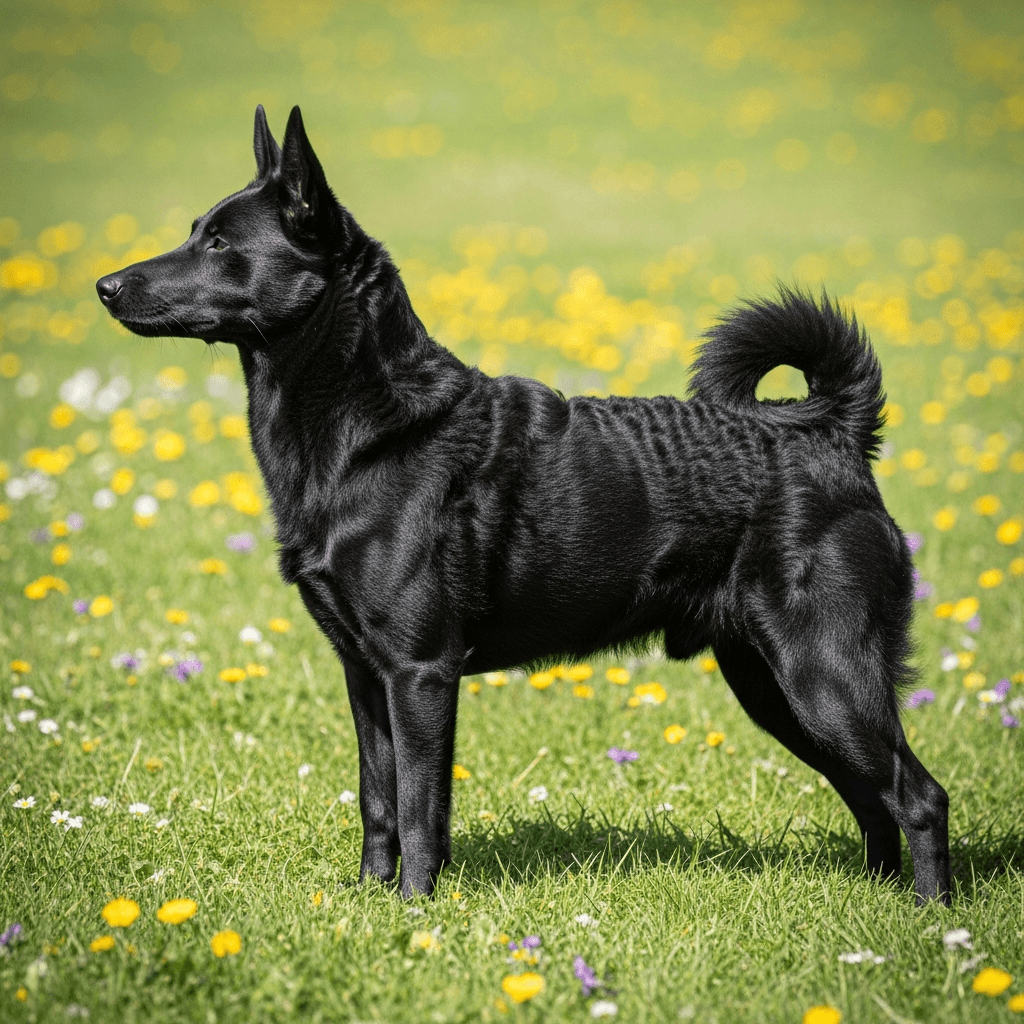
Mudi
FCI Group
1• FCI 238
Size
Medium
Origin Country
HU
Height
38-47 cm
Weight
8-13 kg
Lifespan
12-14 years
Temperament
Overview
Mudi is a unique Hungarian herding dog breed that stands out for its extraordinary intelligence, tireless energy, and deep loyalty to its family. These medium-sized dogs, with their distinctive wedge-shaped heads, upright V-shaped ears, and dense, wavy coats, are true versatile specialists. They come in beautiful colors – black, chocolate, brindle, fawn, and white. The history of this fascinating breed dates back to the 18th and 19th centuries when it was created through careful crossbreeding of Hungarian herding dogs with German breeds of similar purpose.
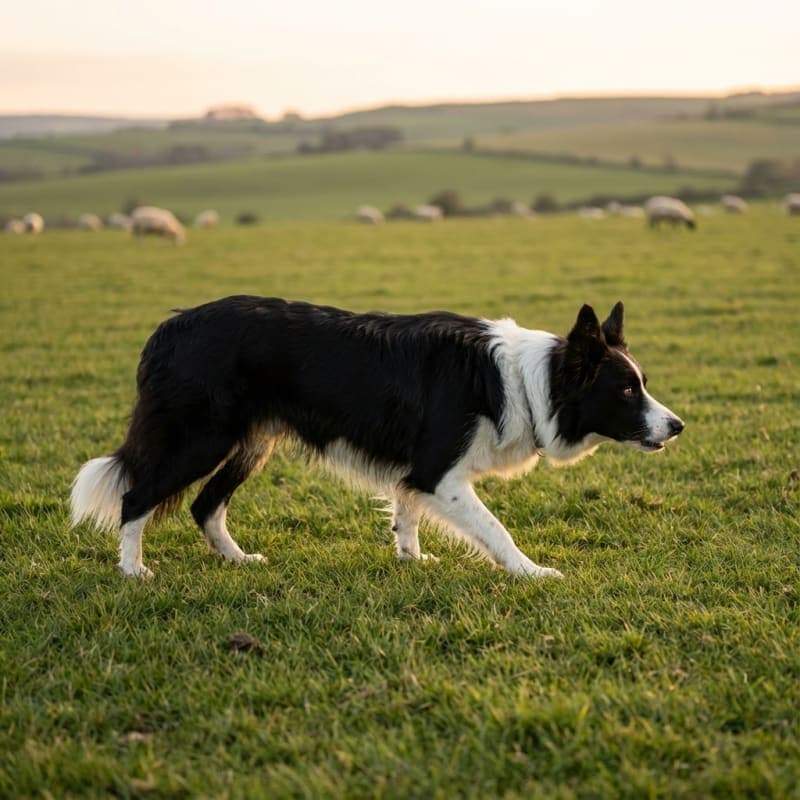
Mudi is a dog that excels in many roles – as a guardian, a farm worker, and a devoted companion. Its courage is legendary among Hungarian shepherds, who value Mudi's skills in working with difficult-to-manage animals such as sheep or cattle. Moreover, these extraordinary dogs are even used in wild boar hunting, which attests to their versatility and fearlessness. High activity and a constant need for mental stimulation make Mudi an ideal companion for those leading a dynamic, active lifestyle. Its temperament is full of energy and enthusiasm, requiring the owner to be significantly engaged in providing the right amount of exercise and mental challenges.
A keen guarding instinct makes Mudi an exceptionally alert guardian. It is always on standby, carefully observing its surroundings and immediately notifying its owners of any suspicious situations or unexpected sounds. The outstanding intelligence of this breed means that Mudi quickly learns new commands and eagerly submits to training. These dogs absolutely require regular mental stimulation – without it, they may develop destructive behaviors stemming from boredom. However, their strong emotional bond with humans presents a challenge – Mudi does not tolerate long periods of solitude well, which can lead to the development of separation anxiety and related behavioral issues.
Mudi is a breed with an extraordinary ability to adapt to various living conditions. It is an excellent choice for both active families with children and singles leading a sporty lifestyle. Although they may be somewhat wary and reserved towards strangers – which is a typical trait of herding dogs – they are incredibly friendly, affectionate, and devoted to their owners, to whom they cling wholeheartedly. This breed is a wonderful choice for those who can dedicate the appropriate amount of time to their upbringing, training, and providing daily doses of intense exercise and mental challenges. An adventure with Mudi guarantees a life full of energy, joy, and active companionship for many years to come.
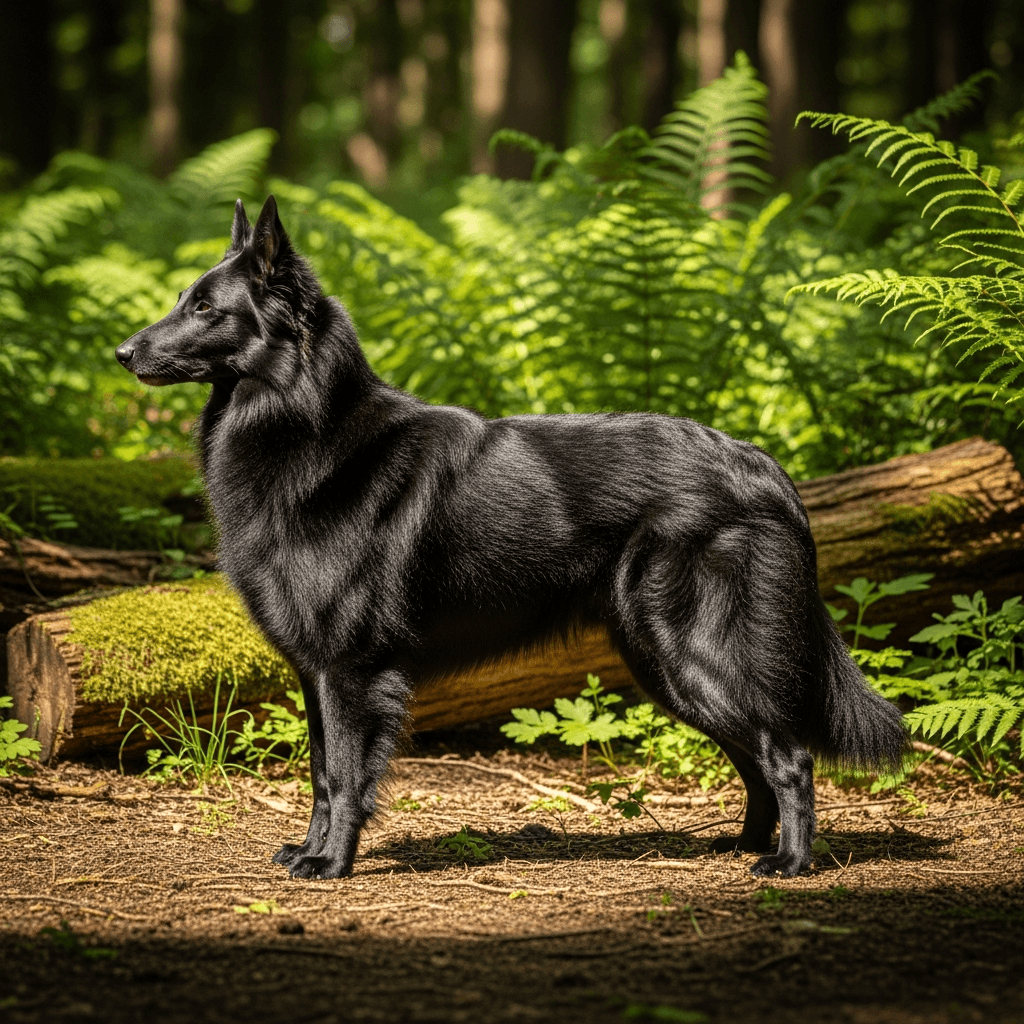
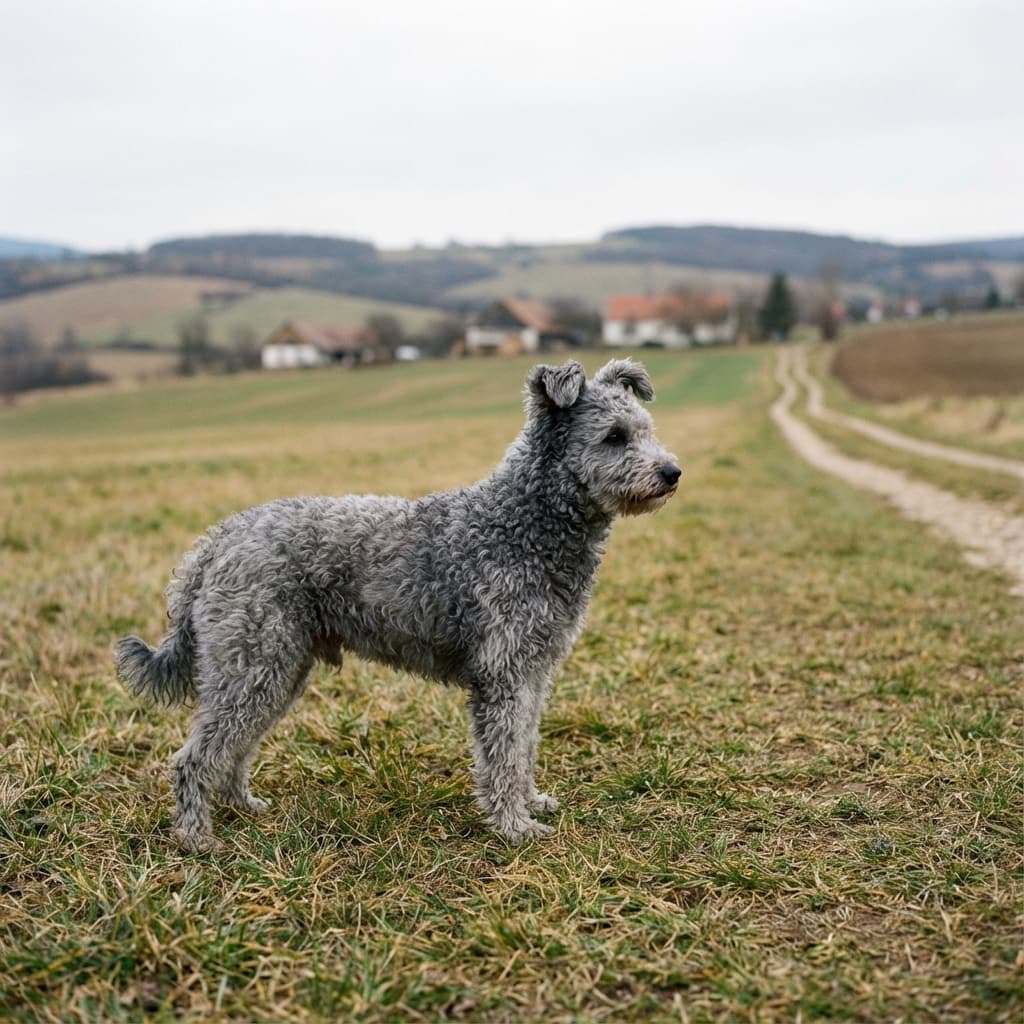
The Mudi is a medium-sized dog with a strong, harmonious body structure and a distinctive, extraordinary appearance. The height at the withers ranges from 38 to 47 cm, with males typically being slightly taller than females. The weight falls between 8 to 13 kg, depending on gender and individual build. The most characteristic feature of the Mudi is its wedge-shaped head, which gradually narrows towards the nose, giving the dog an exceptionally intelligent and sharp expression. The wide, dark, almond-shaped eyes are full of alertness and express the lively intelligence of this breed.
The ears are high-set and erect, taking the shape of an inverted V, which gives the Mudi a constantly alert and energetic appearance. The Mudi's coat is dense, wavy to slightly curly, with a length ranging from 3 to 7 cm on the body. Notably, the head and front parts of the limbs are covered with short, smooth fur, while the rest of the body has longer, more wavy guard hair. These dogs come in several beautiful colors:
- Black – the most popular
- Chocolate – a warm brown shade
- Merle (blue merle) – a patchy pattern in shades of gray
- Fawn – light, sandy
- White – rarer, but equally striking
Their coat is naturally resistant to dirt and moisture, which is a practical advantage in daily grooming. Mudis have strong, muscular limbs with excellent proportions that allow them to move quickly and agilely and perform tasks related to herding efficiently. Their tail is medium-length, hanging naturally at rest, but raised above the line of the back when in motion or excited, sometimes forming a slight crescent. Overall, the Mudi is a dog with a unique, distinctive appearance that harmoniously combines strength, agility, elegance, and intelligence.
The Mudi is a breed of dog with an exceptionally lively and energetic temperament, combining both social traits and distinctly marked protective instincts. These dogs are characterized by very high intelligence, which allows them to learn new commands quickly, eagerly and enthusiastically cooperate with their owners, and understand complex instructions perfectly. Mudis are filled with constant energy and absolutely require a large amount of daily exercise and varied mental stimulation to be fully happy and balanced.
Their deeply rooted herding instincts make Mudis extremely alert and attentive – they will immediately inform their owners of any suspicious sounds, movements, or the presence of strangers near the home. Mudis are usually very friendly, affectionate, and devoted to their owners and family children, forming strong emotional bonds with them. At the same time, they can be somewhat distrustful and reserved towards unfamiliar people, which is a natural trait of herding breeds and makes them excellent guard dogs.
Mudi owners should be aware that these dogs do not handle long periods of solitude well. Leaving them alone for many hours can lead to the development of separation anxiety, which manifests as destructive behaviors, excessive barking, or restlessness. Well-socialized from a puppy age, Mudis can coexist excellently with other dogs and cats living in the same household. However, it should be noted that their strong hunting and herding instincts may prompt them to chase smaller animals, such as rodents, rabbits, or birds.
This breed of dogs is exceptionally social and needs close, daily contact with people, making them excellent companions for active families who can dedicate the appropriate amount of time and attention to them. Mudi owners should be prepared to devote a significant amount of time to regular training, intense play, and shared sports activities to ensure the dog has a healthy, happy, and challenge-filled lifestyle. A well-occupied and stimulated Mudi is a wonderful, loyal, and joyful companion for life.
The Mudi is a breed that generally enjoys very good health and shows considerable resistance to many ailments. The average lifespan of a Mudi ranges from 12 to 14 years, although with proper care, a balanced diet, and regular physical activity, many individuals live even longer. Due to their herding background and natural selection, these dogs are typically strong, resilient, and hardy, making them less susceptible to certain genetic diseases compared to more specialized breeds.
However, as with most medium-sized dog breeds, there are certain conditions to which Mudis may be prone. The most common health issues include:
- Hip dysplasia – a developmental defect leading to mobility problems
- Elbow dysplasia – abnormal development of the elbow joint
- Ophthalmic problems – cataracts, progressive retinal atrophy (PRA)
- Obesity – especially in older dogs with reduced activity
It is extremely important for owners to regularly check their dog's health with a veterinarian – check-ups are recommended at least once a year, and for older dogs, every six months. Health prevention should include regular orthopedic examinations (especially in young dogs during their growth period) and ophthalmic checks. An appropriate diet tailored to age, activity level, and any special needs, combined with daily physical activity, will help maintain optimal health throughout the dog's life.
Dogs of this breed are particularly prone to weight problems in later life, especially if their level of physical activity decreases. Therefore, it is crucial to systematically monitor their weight and appropriately adjust the quantity and caloric content of their food. Owners should also pay attention to the dental health of their Mudi and brush their teeth regularly to prevent periodontal disease. Overall, the Mudi is a healthy and resilient breed, and responsible owners who ensure regular veterinary check-ups, a proper diet, and adequate exercise can enjoy their companion's company for many happy years.
The care of the Mudi is relatively simple and low-maintenance, making it an ideal choice for people who do not want or cannot devote excessive time to complicated grooming procedures. Their thick, wavy coat has a natural ability to repel dirt and moisture, which means it does not require frequent baths. In fact, washing too often can lead to the removal of natural protective oils from the skin and coat, which can cause irritation.
Owners should, however, regularly brush their Mudi's coat at least once a week, using a brush with metal teeth or a comb. Brushing serves several purposes:
- Removes dead hair and prevents tangles
- Distributes natural oils throughout the length of the coat
- Helps maintain the shine and healthy appearance of the fur
- Provides an excellent opportunity to check the skin for irritations, parasites, or changes
During periods of heavy shedding (usually in spring and autumn), it may be necessary to increase the brushing frequency to 2-3 times a week to minimize the amount of hair falling out in the house and to ensure better comfort for the dog. Mudis also do not require professional grooming, which makes their care even easier and less costly.
Owners should keep in mind other important aspects of grooming:
- Regularly checking and cleaning the ears – at least once a week to prevent infections
- Brushing the teeth – ideally daily, at least 2-3 times a week, to maintain oral health
- Trimming the nails – every 3-4 weeks or when the nails can be heard clicking on the floor
- Checking the paw pads – especially after walks in rough terrain
If the dog spends time swimming in salty seawater or a lake, it is advisable to rinse its coat thoroughly with fresh, clean water to avoid skin irritation caused by salt or microorganisms. Thus, grooming a Mudi is a simple, low-maintenance process that can be easily adapted to the individual needs of the dog and the owner's lifestyle.
The Mudi is a breed with very high physical activity requirements, which must be taken into account by potential owners. Dogs of this breed need at least one long, intense walk each day lasting at least 60 minutes, and ideally several shorter walks (30-45 minutes each) combined with energetic play and exercise. Without adequate, sufficient movement and activity, Mudis can quickly become destructive, hyperactive, nervous, and difficult to control. Their unused energy will manifest in undesirable behaviors such as excessive barking, chewing furniture, or destroying objects.
Mudis are perfectly suited for active dog sports that allow them to fully utilize their natural skills, intelligence, and tireless energy:
- Agility – an obstacle course that stimulates both body and mind
- Frisbee – catching a flying disc requires precision and agility
- Retrieving – a traditional game that utilizes the instinct to fetch
- Flyball – a dynamic team sport combining running and retrieving
- Obedience – advanced obedience training
- Herding trials – herding trials for dogs with retained instincts
Mudis are also excellent companions for running, Nordic walking, or cycling. Their exceptional endurance and stamina allow them to easily keep up with even the most active and sporty owners, covering distances of several kilometers each day. These are dogs that truly love to work and exercise alongside their humans.
Owners should also ensure maximum variety in activities to satisfy not only the need for physical exertion but also the equally important need for mental stimulation. Mudis love all kinds of intellectual challenges, so games involving searching for hidden treats (nosework), obedience training with new, increasingly complex commands, interactive puzzle toys, or hide-and-seek games will be excellent ways for them to spend time and maintain mental balance.
It is also important to remember that Mudis are dogs that need space to run freely. If possible, regular visits to a dog park, a fenced area, or a safe meadow where the dog can run off-leash and let off steam will be invaluable experiences for them. Ensuring an adequate, sufficient amount of movement, varied exercises, and mental stimulation is absolutely crucial for the happiness, mental and physical health, and overall quality of life of a Mudi.
Mudi are widely known for their exceptional intelligence and great eagerness to learn, which makes them one of the easiest dog breeds to train. These dogs are extremely willing to cooperate with their owner and genuinely enjoy performing various tasks, making training a true pleasure for both the dog and the handler. This breed is characterized by the ability to learn and remember even complex sequences of commands very quickly.
It is extremely important to start training as early as possible, preferably during the puppy stage (8-12 weeks of age), as young Mudi are most receptive to learning, more easily and quickly assimilate new commands, and are more willing to accept the rules of coexistence. Early socialization with the world, other dogs, people, and various situations is absolutely crucial for the development of a balanced, confident adult dog.
Training should consistently be based on positive reinforcement methods, which means systematically rewarding the dog for correctly following commands. The most effective forms of reward are:
- Training treats (small, low-calorie bites)
- Verbal praise (enthusiastic, cheerful tone of voice)
- Petting and affection
- Favorite toy as a form of reward
- Playing together as a sign of approval
Mudi may exhibit some stubbornness as they grow up, especially during the adolescent period (6-18 months), so it is extremely important to be absolutely consistent, patient, and persistent throughout the entire training process. Owners should absolutely avoid punishing, yelling, or using any form of physical violence against the dog, as this can lead to the development of fear, reluctance to learn, loss of trust in the handler, and in extreme cases, even defensive aggression.
In addition to the basic obedience course covering commands such as: Sit, Lie Down, Stay, Come, Leave it, or Place, Mudi excel in advanced dog sports:
- Agility – an obstacle course requiring precision and cooperation
- Obedience – advanced obedience with difficult exercises
- Rally obedience – a combination of obedience with a task trail
- Tricks – learning tricks and stunts
- Herding – herding trials for dogs with retained instincts
These types of activities allow Mudi to fully utilize their outstanding intelligence, natural agility, and tireless energy, while significantly strengthening the bond between the dog and the owner. Regular, daily, and maximally varied training not only helps maintain the dog's excellent physical condition but also provides essential mental stimulation, reduces the risk of behavioral problems, and builds a deep, trust-based relationship rooted in mutual respect between the dog and its handler.
A proper, balanced diet is absolutely crucial for the health, physical condition, and overall well-being of the Mudi. Dogs of this breed have moderate nutritional requirements; however, their diet should be precisely tailored to their age, level of daily physical activity, health status, and individual metabolic needs. Active working dogs or those engaged in intense sports will require more calories than older dogs with limited activity.
Young Mudi puppies during their period of rapid growth (up to about 12 months of age) should be fed high-quality puppy food formulated for medium breeds, which will provide them with all the essential nutrients for proper development of bones, muscles, joints, and the immune system. Puppy food should contain:
- High-quality animal protein (minimum 25-30%)
- Appropriate ratios of calcium and phosphorus for proper bone development
- Omega-3 and omega-6 fatty acids for skin and coat health
- Vitamins and minerals that support the development of the nervous system
- DHA that supports brain development
Adult Mudis (after 12 months of age) should receive a balanced high-quality diet, rich in complete animal protein (meat, fish, poultry), healthy fats, and complex carbohydrates that provide energy. The food should also contain all necessary vitamins, minerals, antioxidants, and dietary fiber that support proper digestive function.
It is extremely important to avoid low-quality food that contains artificial colors, preservatives, unspecified meat and bone meal fillers, or excessive grains. Such food can lead to serious health problems, such as:
- Obesity and metabolic issues
- Food allergies and intolerances
- Skin problems (itching, hair loss)
- Digestive disorders
- Weakened immune system
Owners should regularly monitor their dog's weight (ideally every 2-4 weeks), observe their physical condition, and adjust the amount of food given according to the level of daily activity, the season, and any changes in metabolism. It is important for the dog to have a visible waist and palpable ribs under a slight layer of fat – this is a sign of proper condition.
Basic feeding guidelines for Mudis:
- Feeding at regular times (2 meals a day for adult dogs)
- Access to fresh, clean water at all times
- Avoid feeding immediately before or after intense physical activity
- Complete prohibition on giving table scraps that may be harmful
- Avoiding dog-toxic products: chocolate, onions, garlic, grapes, raisins, xylitol
Older dogs (over 7-8 years) may require a senior diet tailored to their changing bodily needs – food with reduced calories, enriched with ingredients that support joint health (glucosamine, chondroitin) and antioxidants. Regular check-ups with the veterinarian, periodic blood tests, and careful monitoring of health will help maintain an appropriate diet and health for the Mudi throughout its life, ensuring long, happy, and active years.
Characteristic Traits
Pros
- Exceptional intelligence and ease of training
- tireless energy and high activity
- deep loyalty to the family
- excellent guarding skills
- versatility in various tasks.
Cons
- Very high physical activity requirements
- Do not tolerate long periods of solitude
- May be distrustful of strangers
- Require a lot of time for training and stimulation.
Behavioral Ratings
Breed History
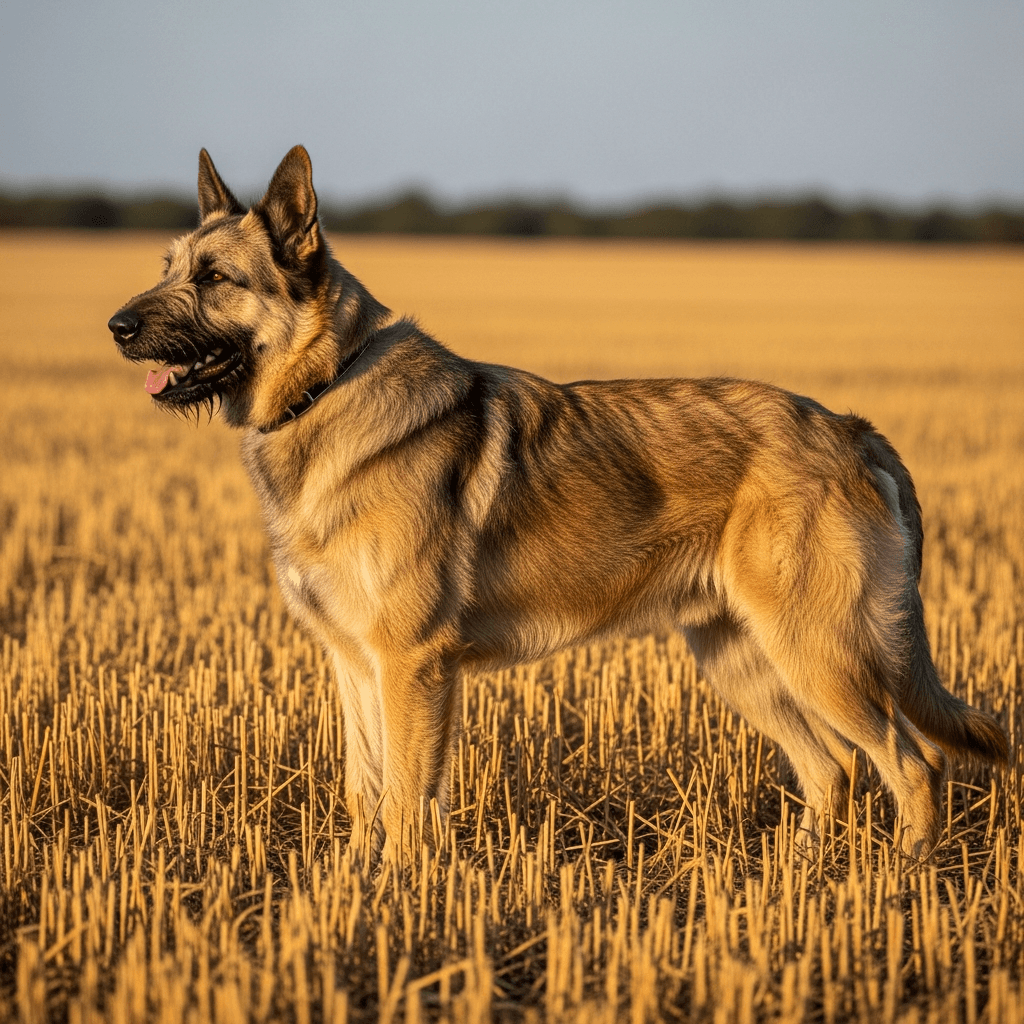
Mudi is a breed with a rich and fascinating history, deeply rooted in Hungary, that emerged during the 18th and 19th centuries. This breed most likely originated from carefully planned crossbreeding of traditional Hungarian herding dogs (such as Puli and Pumi) with various German breeds of herding dogs with erect ears, which arrived in Hungary with German settlers and shepherds. This crossbreeding process resulted in the creation of a unique breed that combines the best traits of its ancestors – intelligence, energy, courage, and versatility.
Mudi were extensively used by Hungarian shepherds from the 18th century for working with sheep, goats, cattle, and other livestock. Their outstanding skills in herding, grazing, directing flocks, and separating selected individuals made them absolutely invaluable helpers on Hungarian farms and in mountain pastures. Moreover, Mudi also excelled in hunting – they were successfully used to flush and hunt wild boars, foxes, and other forest animals, demonstrating their remarkable versatility and courage.
By the late 19th and early 20th centuries, Mudi began to gain recognition and popularity beyond traditional pastoral environments. Their distinctive appearance – wedge-shaped head, erect ears, wavy coat – along with their extraordinary intelligence and ease of training attracted the attention of breed enthusiasts, cynologists, and dog lovers. The official recognition of the breed occurred in 1936, when the first breed standard for Mudi was approved, marking a milestone in the history of this breed.
Unfortunately, due to the dramatic events of World War II, the Mudi population was nearly completely destroyed. Warfare, bombings, famine, and the chaos of war led to a drastic decline in the breed's population to just a few dozen individuals, putting the Mudi on the brink of extinction. The breed faced critical danger, and its future seemed uncertain.
However, thanks to the determination and dedication of a group of passionate breeders after the war, the Mudi population was saved and slowly rebuilt. The process of reconstructing the breed was lengthy and required immense commitment, careful breeding selection, and international cooperation. In the 1960s and 70s, the breed gradually regained its numbers, and in the 1980s and 90s, it began to gain increasing recognition beyond the borders of Hungary.
Today, Mudi is gaining international popularity, both in its homeland – Hungary, where it still fulfills its traditional role as a herding dog – and around the world, particularly in Western Europe, North America, and Australia. Modern Mudi are not only working dogs on farms but also valued partners in dog sports (agility, obedience, herding trials), therapy dogs, rescue dogs, and above all, loving, devoted family companions. This breed continues to retain its unique traits – intelligence, versatility, energy, and a deep bond with humans – that have made it cherished by generations of Hungarian shepherds. The history of the Mudi is a fascinating tale of survival, determination, and the triumph of passion over adversity.