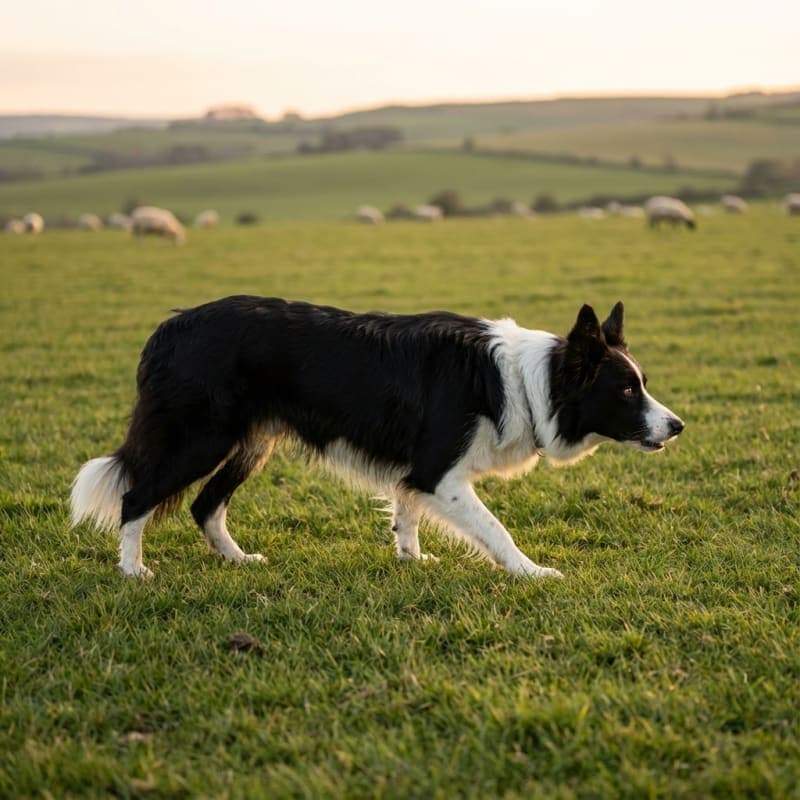
Border Collie
FCI Group
1• FCI 297
Size
Medium
Origin Country
GB
Height
N/A
Weight
N/A
Lifespan
13-16 years
Temperament
Overview
The Border Collie is one of the most fascinating dog breeds, valued worldwide for its extraordinary intelligence and exceptional working abilities. Originating from the picturesque borderlands of Scotland and England, the Border Collie originally served as a herding dog, helping to manage flocks of sheep in challenging mountainous conditions. Its tireless energy and natural willingness to cooperate make it an excellent companion for those leading an active and dynamic lifestyle.
The Border Collie is distinguished by its harmonious body structure with elegant lines, which perfectly reflects the breed standard FCI No. 297. It is a dog of exceptional stamina and extraordinary ability to work intensively, capable of working for many hours without fatigue. Owners particularly appreciate its lightning-fast ease of learning and immediate response to commands, making the Border Collie an ideal partner in various canine sports, such as agility, obedience, flyball, or frisbee.
However, despite its versatile talents, the Border Collie requires a sufficiently large dose of regular physical and mental stimulation. Failure to adequately meet these deep needs can lead to serious behavioral problems, including destructive behavior and obsessive habits. Therefore, prospective owners should consciously prepare to provide the dog with daily, appropriately large doses of intense exercise and engaging intellectual tasks that will effectively stimulate its exceptionally agile mind.
The Border Collie is also distinguished by its characteristic and very attractive appearance. It can come in a wide range of coat colors, but according to the breed standard, white should not dominate. Its coat can be short or medium-length, which further emphasizes the unique charm of this breed. Owners must absolutely ensure that it has enough space for free play and versatile exploration, as this is definitely not a breed that feels comfortable in tight, small apartments without access to a garden.
In summary, the Border Collie is a truly exceptional dog that requires a fully engaged owner ready for very active and creative time together. Its phenomenal intelligence, natural cooperation with humans, and constant desire to learn new skills make it an ideal life companion for the right person. With proper, regular healthcare and daily, intense physical activity, the Border Collie can enjoy a long, energetic, and healthy life, living up to 16 years. Discover much more detailed information about health, grooming, effective training, and the rich history of this absolutely amazing breed in the following detailed sections of our comprehensive guide.
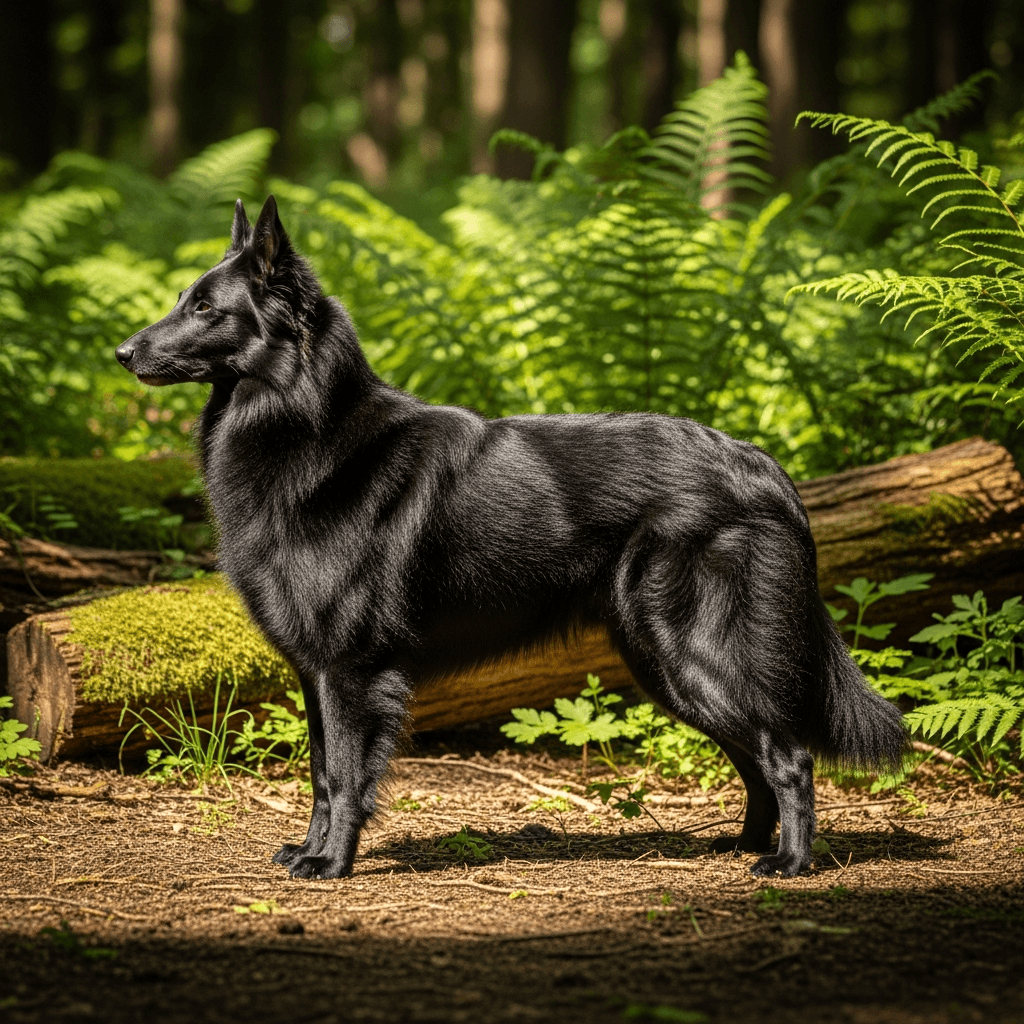
The Border Collie is a dog with an exceptionally harmonious and proportional body structure, combining elegance of form with full functionality. According to the FCI standard, the average height at the withers is about 53 cm for males, while females are usually slightly smaller and more delicate. This dog is characterized by a strong, well-muscled neck and a distinctly shaped head, with a fairly wide skull and a very pronounced stop.
The muzzle and braincase have a similar length, giving the entire head a characteristic, recognizable appearance typical of this breed. The eyes of the Border Collie are medium-sized, oval in shape, and are placed relatively wide apart, usually brown in color. However, individuals with a merle coat can have blue eyes or heterochromia – each eye a different color. The ears are medium-sized, set quite wide on the head, and can be either fully erect or partially folded forward, giving the dog a vigilant and attentive expression.
The tail of the Border Collie is relatively long, covered with rich and dense fur, and its tip characteristically curls slightly upwards, creating a nice and harmonious finish to the entire silhouette. The coat of the Border Collie comes in two basic lengths: medium-long and short. The outer coat is dense, of medium hardness, and perfectly protects the dog from adverse weather conditions, while the undercoat is soft, thick, and provides additional thermal insulation.
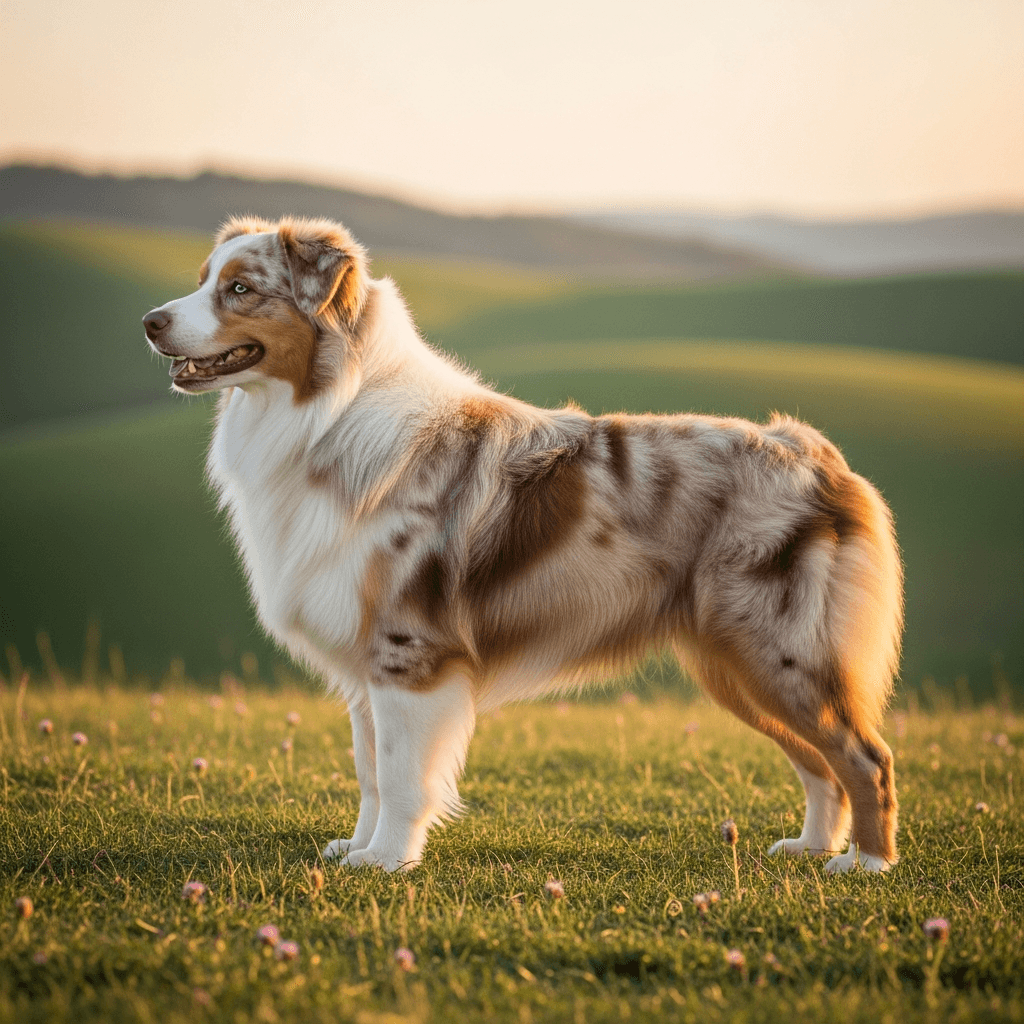
The coloration of this breed is very diverse and allows for a wide range of colors; however, according to the FCI standard, white should never dominate. The most commonly seen dogs have a classic black and white coat, but individuals in shades of blue merle, red merle, chocolate, or tricolor with additional tan markings are also frequently encountered.
The limbs of the Border Collie are strong and well-muscled, ending in strong, compact paws with an oval shape, providing the dog with excellent physical endurance and exceptional agility. Movements are free and fluid, covering a lot of ground, which allows for quick reactions during intense herding work. The Border Collie is a dog that not only delights with its harmonious and elegant appearance but also genuinely impresses with its strength, endurance, and extraordinary agility, making it absolutely ideal for both professional herding work and advanced canine sports.
The Border Collie is a breed of dog that stands out with its absolutely unique temperament and very specific behavior stemming from its herding heritage. They are extremely loyal dogs, deeply devoted to their owner, which often leads to the formation of an incredibly strong and lasting emotional bond with humans. Their phenomenal intelligence – the Border Collie is widely regarded as one of the most intelligent dog breeds in the world – along with their natural, innate desire to cooperate, makes them very easy to train at an advanced level, but only when the training fully aligns with their deep needs and lively interests.
Border Collies are incredibly energetic and constantly active dogs that absolutely require a large amount of regular exercise and intense mental stimulation to feel truly happy and fulfilled. Without a sufficiently large dose of daily activity, they can quickly become destructive or exhibit serious behavioral problems, such as obsessive, excessive barking, destroying items in the house, chasing lights or shadows, and even compulsively chewing their own paws.
Additionally, due to their natural sensitivity and strong protective instinct, Border Collies may initially be distrustful and distant towards unfamiliar people, which means they require very careful and systematic socialization from the earliest weeks of the puppy's life. Border Collies also have an extremely strong, innate herding instinct, which in practice can lead to natural attempts to actively circle, control, and direct the movement of people, especially small children, or other household pets.
Owners of these demanding dogs should be fully prepared for consistent yet positive upbringing and must ensure the dog has the appropriate, stimulating living conditions to effectively avoid serious behavioral problems. Border Collies are also commonly known for their moderate but sometimes intrusive tendency to bark, which is completely natural behavior for all herding dogs, but their intense barking can easily become very bothersome if not properly controlled and directed early on.
This breed generally thrives in families with slightly older children, absolutely provided that the children are systematically taught how to properly and respectfully interact with the dog and understand its specific needs. The Border Collie is definitely a dog that absolutely requires a fully active and deeply engaged owner who consciously dedicates enough time and energy to allow the Border Collie to fully realize its immense potential and become a wonderful, reliable companion for many years.
Border Collie is a breed of dogs that enjoys relatively good health and has an average lifespan of 13 to even 16 years. Although they are generally healthy, strong, and resilient dogs, they can be prone to various health issues closely related to their specific breed genetics. Among the most common conditions that Border Collies may face throughout their lives is hip dysplasia (HD), a hereditary condition that leads to improper joint development, which can cause chronic pain and significant difficulties in moving freely, especially in older individuals.
Additionally, dogs of this breed are genetically susceptible to various eye problems, such as progressive retinal atrophy (PRA), which can lead to gradual, irreversible vision loss, and ultimately even total blindness. Another very serious and potentially life-threatening condition is gastric dilation and volvulus (GDV), a sudden state requiring immediate veterinary intervention, which particularly affects large, deep-chested active dogs like Border Collies.
Idiopathic epilepsy is another significant neurological health issue that these dogs may suffer from, characterized by recurring seizures of varying severity. Border Collie owners should also be required to conduct specialized genetic tests for the presence of the MDR1 gene (multidrug resistance gene mutation), as dogs with this mutation exhibit a life-threatening hypersensitivity to many commonly used veterinary medications, including popular antiparasitic agents that can be highly toxic to them.
Furthermore, Border Collies may be at risk for collie eye anomaly (CEA), a congenital developmental defect of the eye with varying degrees of severity, as well as hereditary cataracts. It is essential to responsibly provide dogs with regular and comprehensive veterinary care, systematic annual check-ups and preventive measures, as well as a balanced and high-quality diet to effectively minimize the risk of these serious conditions. An appropriately high level of daily physical activity and regular mental stimulation is also absolutely crucial for maintaining the long-term health of this incredibly active dog throughout its life.
Grooming a Border Collie largely depends on the length and type of their coat, which can be medium-length or relatively short. Some dogs of this breed have a dense and medium-hard outer coat, while their undercoat is soft, extremely thick, and provides excellent protection against various adverse weather conditions, such as rain, wind, or cold. Dogs with shorter coats require regular brushing at least once a week to effectively remove dead hair and consistently keep their coat in really good condition and attractive appearance.
For Border Collies with longer, medium-length hair, regular and thorough brushing at least 2-3 times a week is absolutely essential to effectively prevent the formation of stubborn mats and significantly tangled fur, especially in areas prone to friction, such as around the ears, behind the elbows, or near the tail. In spring and autumn, during intense seasonal shedding, these dogs lose really significant amounts of loose hair, which absolutely requires special, increased attention from responsible owners and more frequent, even daily brushing with specialized tools for removing undercoat.
Proper, systematic grooming not only significantly improves the overall appearance of the dog and the aesthetics of its coat but also directly affects its quality of life, skin health, and overall well-being. It is worth regularly taking care of thorough cleaning and checking of the ears to prevent bacterial and fungal infections, systematically monitoring the condition of teeth and gums, brushing teeth to prevent tartar buildup, and regularly trimming nails every 3-4 weeks to ensure the dog’s overall health, proper posture, and truly good well-being.
Owners should be fully prepared for the fact that Border Collies may require significantly more time and dedicated attention for comprehensive grooming during periods of particularly intense seasonal shedding, but careful care of their rich coat is absolutely crucial for their long-term overall health, thermal comfort, and prevention of skin problems and external parasites.
The Border Collie is a breed of dog that absolutely requires a truly significant, even impressive amount of regular physical activity and intense mental stimulation to remain fully healthy, mentally balanced, and genuinely happy. As a typical herding dog with strong working instincts, the Border Collie has a deep, innate, and irresistible need for constant movement and versatile stimulation. Responsible owners should absolutely ensure that their dog gets at least 1.5 to 2 hours of intense exercise daily, and ideally even more, which can include long, vigorous walks, fast running, dynamic games of active fetching, as well as various advanced canine sports such as agility, obedience, flyball, or frisbee.
Dogs of this breed absolutely excel in specialized activities directly related to their strong, innate herding instinct, such as professional herding (working with sheep), treibball (herding balls), or mountain rescue. Additionally, regular mental challenges are just as important as physical activity, so it is highly beneficial to systematically use advanced interactive toys, complex dog puzzles, scent games, and extensive obedience and trick training that effectively engage their exceptionally agile and lively minds.
Border Collies are definitely dogs that absolutely do not tolerate boredom, monotony, and inactivity, and a chronic lack of adequate daily activity almost always leads to very serious behavioral problems, such as destructive destruction of household items, obsessive barking, compulsive chasing of lights and shadows, and even self-destructive behaviors like chewing on their paws. It is extremely important to clearly remember that these demanding dogs are absolutely unsuitable for living in small, cramped apartments without constant access to a garden or large yard, as they absolutely need sufficient space to run freely, play intensely, and explore their surroundings comprehensively.
Owners should be fully aware and internally motivated to lead a truly active, dynamic lifestyle, which naturally includes daily, multi-hour walks and various outdoor play in all weather conditions, to fully and effectively meet the deep, ongoing needs of their energetic companion and ensure them a genuinely high quality of life for many years.
Training a Border Collie can be both a fascinating intellectual challenge and a huge, satisfying pleasure for the engaged owner. Their widely recognized, phenomenal intelligence – Border Collies regularly rank first in lists of the most intelligent dog breeds in the world – and their natural, innate desire to closely cooperate with humans make them quick and eager learners of new, even very complicated commands, tricks, and advanced sequences of behaviors.
However, due to their extraordinary, exceptionally high intelligence and analytical abilities, Border Collies can quickly become deeply bored and demotivated if the training is too monotonous, repetitive, predictable, or intellectually uninteresting for their agile minds. It is absolutely crucial that the training is as varied, creatively engaging, and precisely tailored to the individual needs, skill level, and unique personality of the specific dog.
Owners should consistently use only positive training methods based on rewards, such as high-value treats, enthusiastic verbal praise, favorite toys, or short play sessions, which will effectively help strengthen the deep emotional bond between the dog and the owner and increase motivation to learn. Border Collies often also require regular, intense mental stimulation beyond standard obedience training, so it is extremely worthwhile to systematically introduce a variety of logic games, scent tasks, advanced tricks, and elements of dog dancing that fully engage their analytical thinking and creativity.
Training should be absolutely consistent in rules and expectations, while also being dynamic and fun in form, so that the dog never loses its natural motivation and enthusiasm for learning. It is highly advisable to consider investing in professional group classes with an experienced herding dog trainer or actively participating in specialized agility, obedience, or other canine sports courses to provide the dog with optimal conditions for comprehensive learning, versatile skill development, and essential socialization with other dogs.
Owners should be patient, consistent, and deeply understanding, as even an intelligent dog like a Border Collie may require appropriate time and many repetitions to fully grasp very complex commands or precisely master advanced sequences of behaviors. Ultimately, a well-trained, professionally trained Border Collie will not only become an absolutely loyal and devoted life companion but also a wonderful, reliable partner in a wide variety of demanding sports activities and competitions at the highest level.
A proper, carefully selected diet is absolutely crucial for the long-term health, vitality, and overall well-being of Border Collies. Due to their incredibly active, energetic lifestyle and high level of daily physical activity, dogs of this demanding breed should be regularly fed only high-quality, balanced food that provides all the essential nutrients in the right proportions. It is highly advisable to consciously choose premium or super-premium professional dog foods rich in high-quality animal protein (minimum 25-30%), which effectively supports their developed muscle mass and provides sufficient energy necessary for intense daily physical and mental activities.
It is often strongly recommended to feed adult dogs twice a day with appropriately divided portions to effectively maintain a stable energy level throughout the day while also preventing dangerous obesity and reducing the risk of serious gastric dilatation and torsion. Responsible owners should very precisely adjust the total daily food amount to the individual activity level of the specific dog, its age, health status, and systematically monitor its current weight and body condition to effectively avoid harmful overweight or malnutrition.
It is also extremely important to ensure that the dog has constant, round-the-clock access to ample amounts of fresh, clean drinking water, especially after intense training sessions or on hot summer days. For Border Collies, which may exhibit genetic sensitivity to certain specific food ingredients or food allergies, it is particularly worthwhile to pay close attention to the exact composition of the food provided and to systematically avoid products containing artificial additives, chemical preservatives, colorings, or cheap fillers like corn or wheat.
Occasional, controlled supplementation of the daily diet with fresh, raw fruits and vegetables, such as carrots, green apples, broccoli, or blueberries, can be definitely beneficial for health and provide valuable vitamins and antioxidants, but this should only be done in moderate, reasonable amounts and avoid toxic products for dogs such as grapes, raisins, onions, or chocolate. Proper, thoughtful nutrition with high-quality food and regular, systematic veterinary check-ups are absolutely crucial for ensuring the longevity, optimal health, and high quality of life for Border Collies throughout all the years of their active life.
Characteristic Traits
Pros
- Phenomenal intelligence
- Extraordinary ease of training
- Exceptional physical endurance
- Excellent in canine sports
- Strong bond with the owner.
Cons
- Very high demand for daily activity
- significant risk of behavioral issues in the absence of stimulation
- completely unsuitable for small apartments
- strong herding instinct requiring supervision.
Behavioral Ratings
Breed History
The history of the Border Collie is one of the most fascinating, rich, and complex in the diverse world of dogs. This breed originates directly from the picturesque landscapes of Great Britain and has deep historical roots dating back to the 18th century when specialized herding dogs were commonly used to effectively manage large flocks of sheep in the challenging, hilly border regions of Scotland and northern England. The characteristic name Collie generally refers to all traditional Scottish herding dogs and may derive from the Old English word col meaning black color, while the term border clearly indicates their geographical origin from the border areas between Scotland and England.
However, the Border Collie was not consciously, deliberately, or systematically bred by breeders; local shepherds simply selected and bred only those dogs that performed best and most effectively in the demanding daily work of herding sheep, which naturally led to gradual, multi-generational functional selection based on utility rather than aesthetics or external appearance. This breed has been widely known and highly valued for centuries for its phenomenal intelligence, natural ability to think independently, and unique skill of hypnotically controlling the flock with its gaze – the famous border collie eye.
A turning point in the breed's history was the international sheepdog trials in 1873, where a dog named Hemp – now recognized as the official progenitor of the modern Border Collie – showcased a revolutionary, quiet style of working with sheep based on intense eye contact and precise, controlled movements, completely different from the earlier loud barking and aggressive chasing of animals.
The official international recognition of the Border Collie as a distinct breed by the FCI (Fédération Cynologique Internationale) occurred relatively late, only in 1982, making it one of the newest officially recognized breeds in the FCI classification, despite its authentic, documented history and working tradition dating back several hundred years. Over the long decades, the Border Collie has gradually become not only an absolutely excellent, irreplaceable herding dog with phenomenal working abilities but also an extremely popular, valued companion in active families around the world, and their exceptional versatility and adaptability have earned them widespread recognition and numerous successes in a variety of canine sports, rescue, and therapy fields.
This breed consistently retains its original, authentic working traits to this day, such as an unwavering desire for intense work, a strong bond with the owner, and exceptional intelligence, making it an absolutely unique, irreplaceable companion for active, engaged people who value true cooperation with a dog at the highest level for many shared years.