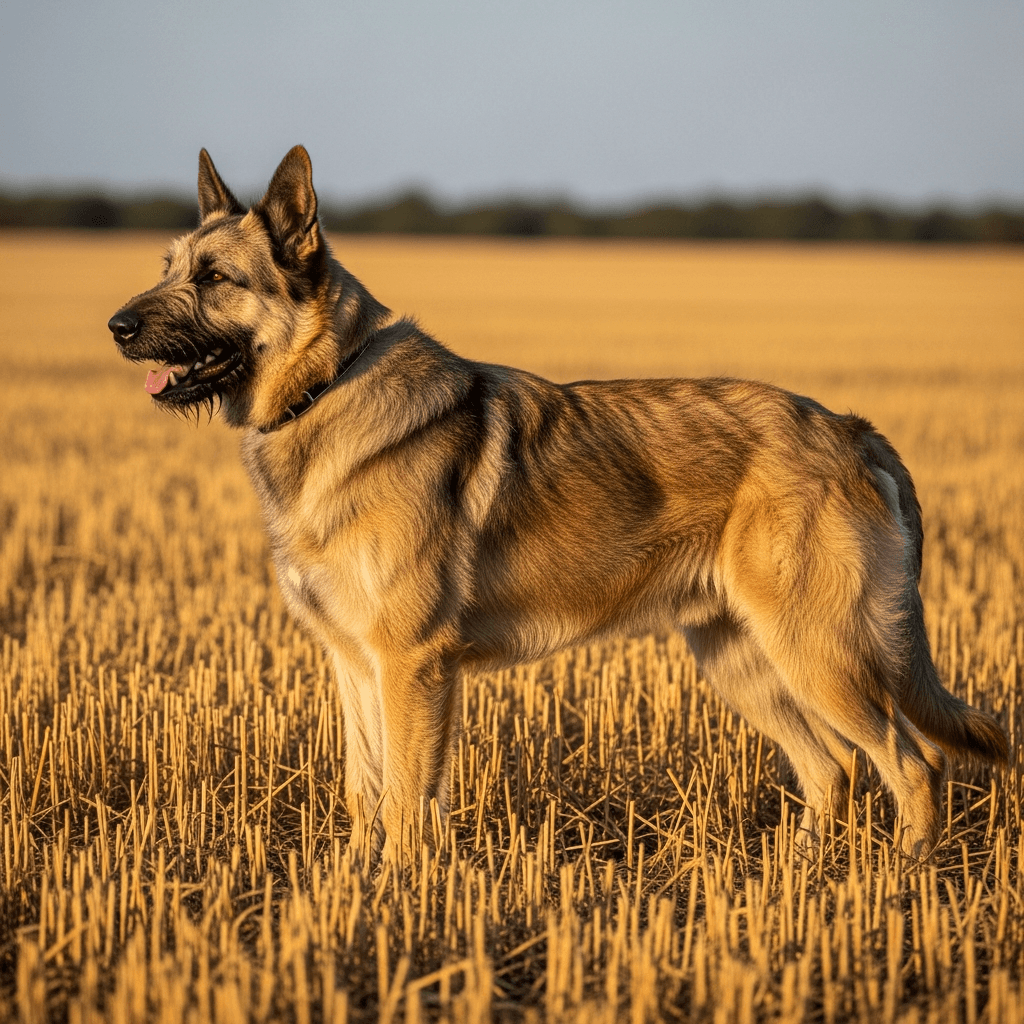
Picardy Shepherd Dog
FCI Group
1• FCI 176
Size
Medium
Origin Country
FR
Height
55-65 cm
Weight
20-30 kg
Lifespan
12-14 years
Temperament
Overview
Picardy Shepherd, also known as Berger de Picardie, is an extraordinary herding dog breed with a fascinating history dating back to the 8th century. Originating from the picturesque region of Picardy in France, this medium-sized dog was ultimately shaped into a distinct breed in the 19th century.
The Picardy Shepherd shares many common traits with other European herding breeds, such as German Shepherd, bearded collie, and Belgian Shepherd. It is primarily distinguished by its exceptional intelligence, boundless energy, and unwavering loyalty to its family.
Despite its growing popularity worldwide, the Picardy Shepherd remains a rarity even in its homeland. The number of registered individuals in France does not exceed 4,000 specimens. Its strong, perfectly muscled physique and characteristic long, rough coat give it a unique appearance. Official recognition as an independent breed in 1925 highlights its uniqueness in the world of herding dogs.
As a superb herding dog, the Picardy Shepherd excels equally well as a guardian and family companion. Its balanced temperament, free from excessive aggression or nervousness, makes it an ideal choice for active families. However, this incredibly intelligent dog requires proper training and constant mental stimulation to avoid boredom and related destructive behaviors.
The Picardy Shepherd forms incredibly strong emotional bonds with its owners, showing them unconditional love and devotion. Its natural herding abilities require a significant amount of exercise and outdoor activity, which is key to its happiness and health. It also possesses a well-developed guarding instinct, making it an excellent dog for property protection.
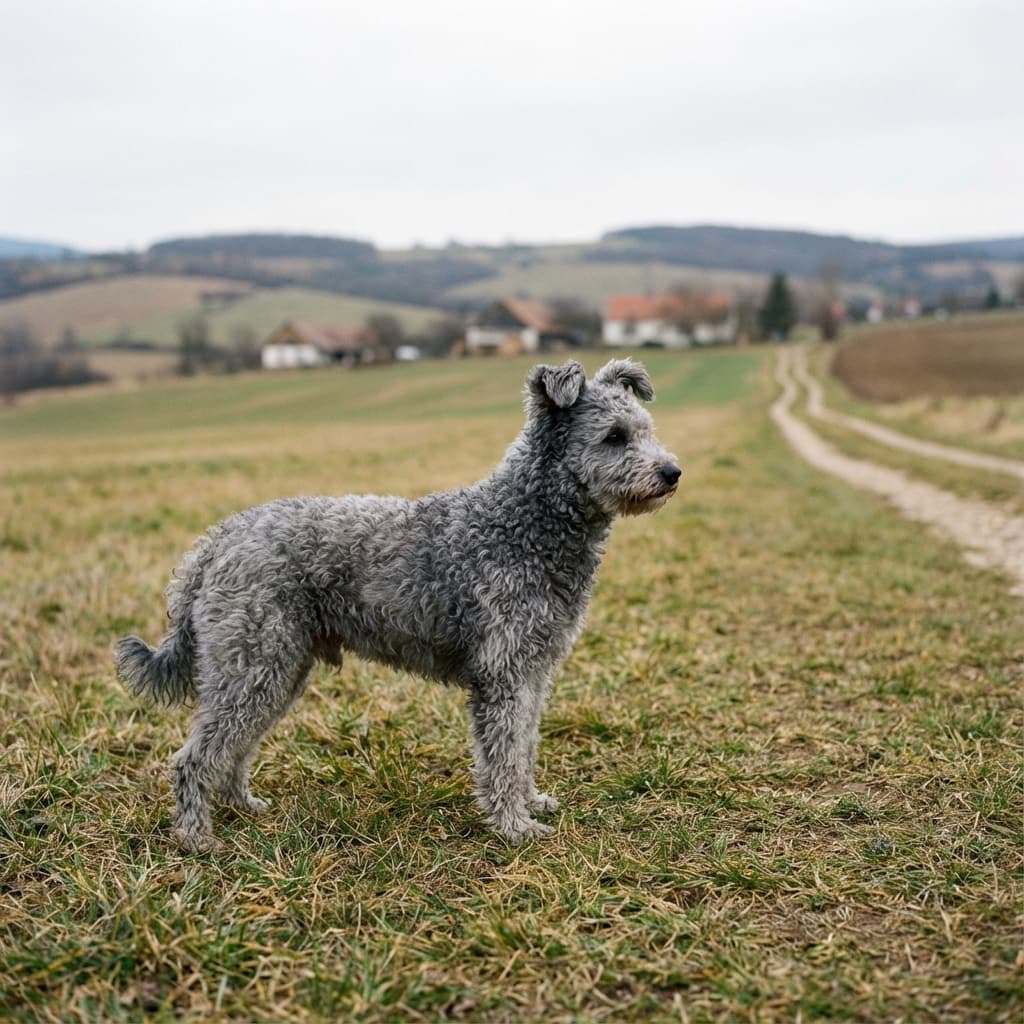
The distinctive appearance of the Picardy Shepherd attracts the attention of dog lovers worldwide. Its long, rough coat with a dense, insulating undercoat and coloring in noble shades of fawn, brindle, or gray make it unmistakable among other breeds. Standing between 55 to 65 cm at the withers, depending on gender, it has a proportional, harmonious silhouette. Its balanced character makes it a wonderful companion for families with children; however, its high energy and inherent herding needs require consistent training and appropriate stimulation to avoid behavioral issues.
Picardy Shepherd is a medium-sized dog with a strong, harmonious, and athletic build. The height at the withers is from 55 to 60 cm for females and from 60 to 65 cm for males, with a weight ranging from 20 to 30 kg. This proportional build provides both strength and agility necessary for herding work.
The most characteristic feature of this breed is its long, rough coat, which is dense, waterproof, and perfectly protects the dog from adverse weather conditions. The fur creates a natural protective layer, ideal for a dog working in the field. The coat color comes in noble shades:
- Fawn in various tones
- Brindle with a distinctive pattern
- Gray in shades from light to dark
- Small white spots are permissible on the chest or toes
The head of the Picardy Shepherd is proportional to the rest of the body, with prominent, bushy eyebrows giving it a vigilant, intelligent expression. The nose is large and black, while the eyes are oval, dark, full of expression and intelligence. The characteristic erect ears are medium-sized, with slightly rounded tips, giving the dog a vigilant and attentive appearance.
The neck is strong and well-muscled, harmoniously transitioning into a straight, strong back. The tail is long, densely covered with fur, and carried naturally at the level of the hock, rising slightly during movement. The movement of the Picardy Shepherd is free, flexible, and graceful, giving the impression of being both elegant and an indefatigable worker.
Picardy Shepherd is characterized by a balanced temperament that combines loyalty, intelligence, and boundless energy. This breed is extremely strongly attached to its owners, creating deep, lasting family bonds based on mutual trust and devotion.
As a natural guardian, the Picardy Shepherd excels in the role of a dog for protecting property and family. It has an innate instinct for vigilance, which makes it always alert and aware of its surroundings. Although it is extremely friendly, gentle, and patient with children and other family members, it may show some reserve towards strangers. This is a natural herding trait, not a sign of aggression.
Early socialization is a key element in raising Picardy Shepherds to become confident, balanced, and well-adjusted dogs that feel comfortable in various social situations. These dogs can be slightly stubborn and independent, which is a remnant of their history as decision-making herding dogs.
This breed requires constant physical and mental stimulation to avoid boredom, which can lead to undesirable behaviors. Picardy Shepherds are dogs that need:
- Regular, intense physical activity
- Tasks that engage the mind and natural instincts
- Close contact with the family
- Clear, consistent rules
Owners should provide their pets with an adequate amount of exercise, play, and intellectual challenges to keep them happy, balanced, and healthy. Overall, the Picardy Shepherd is an exceptional dog that excels in the roles of family companion, herding dog, and vigilant guardian.
Picardy Shepherd enjoys a reputation as a strong and resilient breed, generally in good health. The average lifespan is between 12 to 14 years, which is typical for medium-sized dogs. Proper care, regular veterinary check-ups, and a healthy lifestyle can significantly contribute to the longevity of these dogs.
Like many medium and large-sized herding breeds, the Picardy Shepherd may be prone to certain hereditary and acquired conditions. The most common health issues include:
- Hip dysplasia – a developmental disorder of the hip joint
- Elbow dysplasia – abnormal development of the elbow joint
- Cataracts – clouding of the eye's lens
- Arthritis – degenerative changes in the joints
- Gastric bloat – a dangerous condition requiring immediate veterinary intervention
Owners should be aware that Picardy Shepherds may also have a tendency to gain weight, especially if they do not receive adequate exercise. Therefore, it is extremely important to monitor their diet and ensure regular, vigorous physical activity.
The long, thick coat with an undercoat provides excellent protection for the Picardy Shepherd against cold and moisture, but in hot climates, the dog may be at risk of overheating. Owners living in warm regions should provide access to shade, fresh water, and avoid intense exercise during the hottest parts of the day.
Regular veterinary visits, a proper, balanced diet, parasite prevention, and vaccinations can significantly contribute to maintaining the health and good condition of this wonderful dog for many years.
Picardy Shepherd, despite its long and rough coat, does not require overly complicated grooming. Its fur has natural self-cleaning properties, which makes it much easier to keep the dog clean.
Owners should regularly brush the coat at least once a week, using an appropriate brush with stiff bristles to:
- Remove dead hair and loose undercoat
- Prevent the formation of mats and tangles
- Distribute natural skin oils
- Maintain a healthy appearance of the coat
The Picardy Shepherd's coat has a low oil content, which means it rarely gets dirty and does not emit the typical dog smell. Baths should only be given when necessary, as these dogs tend to self-clean and maintain their coat in good condition. Too frequent bathing can strip the coat of its natural protective oils.
During the spring and autumn, there are periods of more intense shedding when dogs lose their undercoat. In these months, more frequent brushing may be necessary – even 2-3 times a week – to remove excess fallen hair and keep the coat in good condition.
In addition to coat care, owners should regularly:
- Check and clean the ears – especially after walks in the field
- Maintain dental hygiene – regularly brush teeth or use dental treats
- Trim the nails – when they do not wear down naturally during activities
- Monitor the condition of the eyes – remove any discharge
Proper, regular grooming not only helps keep the dog clean and healthy but also strengthens the bond between the dog and its owner, serving as a pleasant ritual for both parties.
Picardy Shepherd is a breed with high physical activity requirements. These energetic herding dogs need a significant amount of exercise to maintain their physical health and mental balance.
Owners should provide their dogs with at least two hours of intense physical activity every day. Picardy Shepherds prefer shorter, more intense activity sessions rather than long, leisurely walks. They are ideally suited for various forms of outdoor activities:
- Running – an excellent way to burn off excess energy
- Fetch games – engage their instincts and body
- Agility – combines physical effort with mental challenges
- Obedience training – stimulates the mind and body
- Herding activities – utilize natural instincts
- Frisbee and other dog sports – great fun and training
Due to their innate herding skills, Picardy Shepherds derive immense joy from activities involving herding sheep, ducks, or other animals. Such activities allow them to utilize their natural instincts in a constructive way.
It is extremely important for these dogs to have the opportunity to run freely in large, safe, open spaces, allowing them to explore their surroundings and satisfy their natural need for movement. Regular trips to parks, forests, or open areas are essential for their well-being.
Lack of sufficient exercise can lead to serious behavioral problems, such as:
- Destructive behaviors (destroying furniture, digging holes)
- Excessive barking
- Nervousness and anxiety
- Obedience issues
Therefore, it is crucial for owners to provide their Picardy Shepherds with an appropriate amount of physical and mental activity every day to keep them happy, healthy, and balanced.
Picardy Shepherd is an extremely intelligent dog that requires consistent training and constant mental stimulation. Its high level of intelligence means it learns new commands quickly, but it can also exhibit some independence and stubbornness, which can be a challenge for less experienced dog owners.
The key to success in training a Picardy Shepherd is:
- Consistency – clear and unchanging rules
- Patience – understanding the breed's natural independence
- Positive reinforcement – praise, treats, and play
- Early start – beginning training from a puppy age
- Diversity – avoiding monotony in exercises
Early socialization is absolutely crucial in raising a Picardy Shepherd. It should begin in puppyhood and include:
- Exposure to various environments and situations
- Contact with different people, children, and animals
- Experiencing various sounds and stimuli
- Positive experiences in different places
Thanks to this, dogs become confident, balanced, and well-adjusted to life in diverse social situations.
Obedience training and herding activities are particularly beneficial as they utilize the natural instincts and abilities of the shepherd. Basic commands such as Sit, Stay, Come, Lie Down, and No should be mastered to perfection. Advanced training may include:
- Agility training
- Herding classes
- Tracking training
- Dog sports
Due to their strong bond with their owner, Picardy Shepherds respond excellently to positive reinforcement. Praise, treats, and play are much more effective than methods based on punishment or dominance.
Owners should be aware that these dogs need varied mental activities to avoid boredom and related behavioral issues. Regular mental exercises such as:
- Scent games and tracking
- Puzzles and interactive toys
- Learning new tricks and commands
- Obedience training with increasing difficulty
These types of activities are extremely beneficial for their mental development and overall well-being, making the Picardy Shepherd a wonderful, obedient, and happy companion.
The Picardy Shepherd's diet should be carefully balanced and tailored to its individual needs, taking into account age, weight, health status, and level of physical activity. These active herding dogs have specific nutritional requirements that must be met to maintain optimal health and condition.
As relatively active dogs, Picardy Shepherds require an adequate amount of high-quality protein, which is essential for muscle building and repair. The diet should also include:
- High-quality protein (25-30% of dry matter) – from meat, fish, or poultry
- Healthy fats (12-18%) – for energy and healthy skin and coat
- Complex carbohydrates – for long-lasting energy
- Vitamins and minerals – for proper body function
- Omega-3 and Omega-6 fatty acids – for healthy skin and shiny coat
Owners should choose high-quality premium dog food that contains natural ingredients and is specifically tailored to the needs of medium-sized herding dogs. Foods with excessive artificial fillers, preservatives, or colorants should be avoided.
Regular meals should be served at consistent times – usually twice a day for adult dogs (puppies require more frequent feeding – 3-4 times a day). This schedule helps with:
- Maintaining stable energy levels
- Preventing stomach bloating
- Controlling appetite
- Maintaining a healthy body weight
Owners should particularly avoid overfeeding, as Picardy Shepherds can have a tendency to gain weight, especially if they do not receive enough exercise. Obesity leads to serious health problems, including joint strain, heart disease, and diabetes.
It is extremely important to have constant access to fresh, clean water, especially after intense physical activity, to ensure proper hydration. Active dogs need more water than those that are less active.
For Picardy Shepherds with a very high level of activity (working or sporting dogs), it may be necessary to adjust portions or choose food with higher caloric content to meet increased energy demands. Regular monitoring of weight and body condition will allow for appropriate dietary adjustments.
If there are any doubts regarding nutrition, it is advisable to consult a veterinarian or veterinary nutritionist, who can help develop an optimal feeding plan tailored to the individual needs of the dog.
Characteristic Traits
Pros
- Exceptional intelligence and ease of training
- Strong emotional bonds with owners
- Balanced and gentle temperament
- Excellent guardian and herding dog
- Healthy and resilient breed.
Cons
- Requires a lot of movement and activity
- Can be destructive without proper stimulation
- Rarity and difficulty in finding breeders
- Can be stubborn during training
- Requires an experienced owner.
Behavioral Ratings
Breed History
Picardy Shepherd is a breed with a long, fascinating history dating back to the 8th century AD. Although the exact origin of this breed remains a subject of debate among canine historians, many sources indicate that herding dogs with similar characteristics began to appear in France during the 8th and 9th centuries, likely alongside Celtic and Germanic tribes migrating through Europe.
The breed's name comes from the Picardy region in northern France, where these rough-coated herding dogs were particularly widespread and valued by local shepherds. However, some historians suggest that similar herding dogs were common throughout northwestern Europe, and Picardy became merely a major center for their breeding and development.
The modern version of the Picardy Shepherd was ultimately shaped and documented in the mid-19th century. The first public presentation of the breed took place at the prestigious dog show in Paris in 1863, where Picardy Shepherds were initially shown alongside Beaucerons and Briards as representatives of French herding dogs.
In 1898, experts began to recognize that the Picardy Shepherd constituted a distinct breed deserving of its own standard. Paul Mégnin, a prominent French canine expert, developed the first official breed standard in 1922. Ultimately, in 1925, the Picardy Shepherd received official recognition as an independent breed by French canine organizations.
Unfortunately, World War II nearly led the breed to complete extinction. War destruction, chaos, and scarcity in occupied France caused the number of Picardy Shepherds to dramatically decline. After the war, the breed was on the brink of being forgotten, and its future seemed uncertain.
However, thanks to the unyielding efforts of a group of dedicated enthusiasts and dog breeders, the breed began to gradually regain its position in the 1940s and 50s. In 1955, Robert Montenot, a notable dog specialist, founded the club Les Amis du Berger Picard (Friends of the Picardy Shepherd), which played a key role in saving and promoting the breed. The club received official recognition in 1959, and a new, improved breed standard was approved.
Today, Picardy Shepherds are valued worldwide for their exceptional herding skills as well as for being wonderful companion dogs with remarkable character. Their history is inextricably linked to French rural culture and herding tradition. Despite the growing interest in the breed on the international stage, the Picardy Shepherd remains relatively rare even in France, which only emphasizes its uniqueness and value for lovers of authentic, traditional herding dog breeds.
The breed gained additional popularity in the 21st century due to appearances in films and media; however, true breed enthusiasts appreciate it primarily for its exceptional character, intelligence, and incredible working abilities, which have remained unchanged over the centuries.