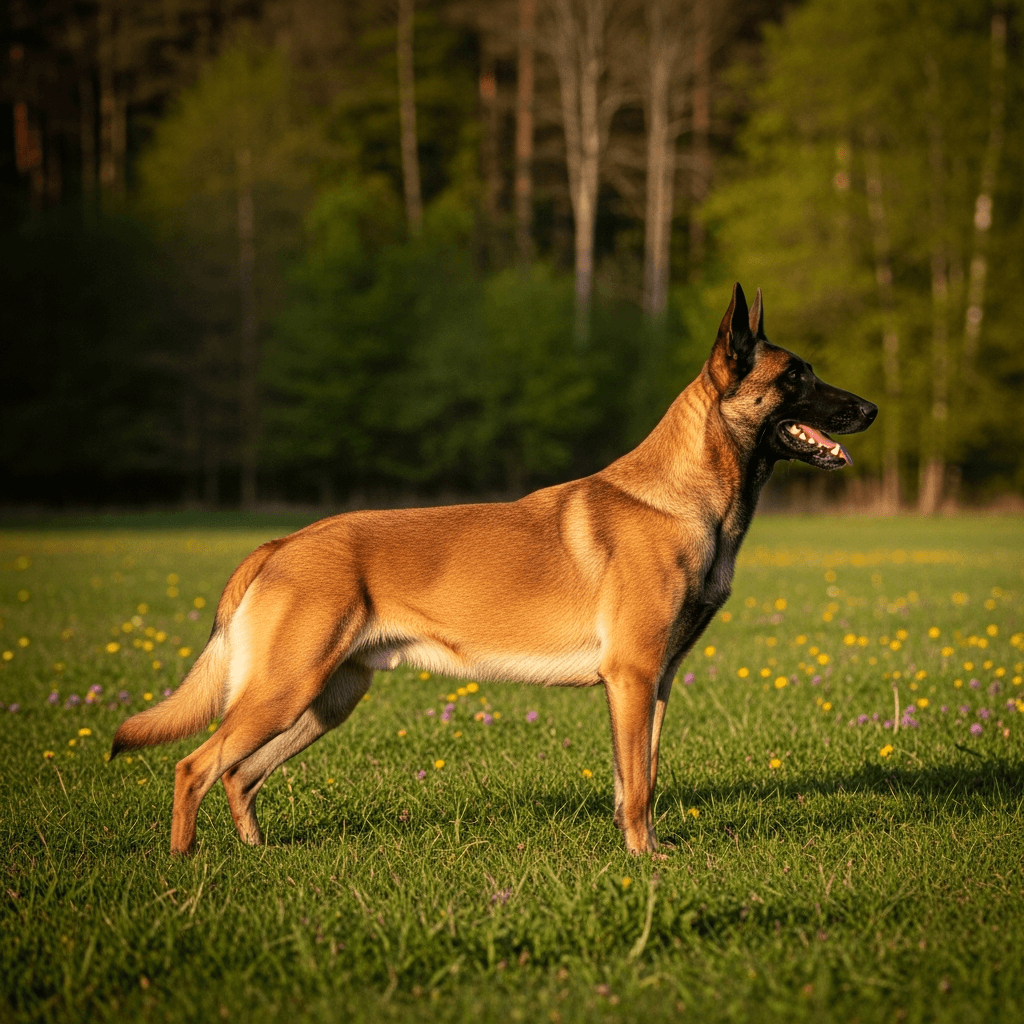
Belgian Shepherd - Malinois
FCI Group
1• FCI 15C
Size
Medium
Origin Country
BE
Height
56-66 cm
Weight
20-30 kg
Lifespan
10-14 years
Temperament
Overview
The Belgian Malinois is a unique breed, known for its intelligence and versatility, with roots in Belgium. Initially used as a herding dog, it quickly found its place in various fields of life – from law enforcement to rescue operations.
Intelligence and the ability to learn quickly make the Malinois an ideal working dog, but also a wonderful family companion. This breed gained formal recognition in the late 19th century, which initiated the harmonization of herding dog types in Belgium.
Malinois are dogs with a balanced character and active temperament, who need close contact with humans. Their energy and need for activity make them excellent companions for people leading an active lifestyle. However, they require proper training and socialization to function correctly in society.
Owners must pay attention to the needs of the Malinois, providing them with sufficient exercise and mental stimulation. This breed forms strong attachments to its caregivers and is always ready for action. With traits such as alertness, courage, and loyalty, Malinois make excellent guard dogs and protectors.
Their elegant silhouette and short, dense coat not only make grooming easier but also add to their charm. This breed excels in sports such as agility and obedience, making it an ideal partner for physical activities.
However, it is important to remember the specific health needs of Belgian Malinois. Regular health check-ups, a proper diet, and physical activity are essential to avoid health problems. The Belgian Malinois is a dog that requires commitment but offers unmatched support and friendship in return. Understanding the requirements of this breed is key to many years of satisfaction with its presence.
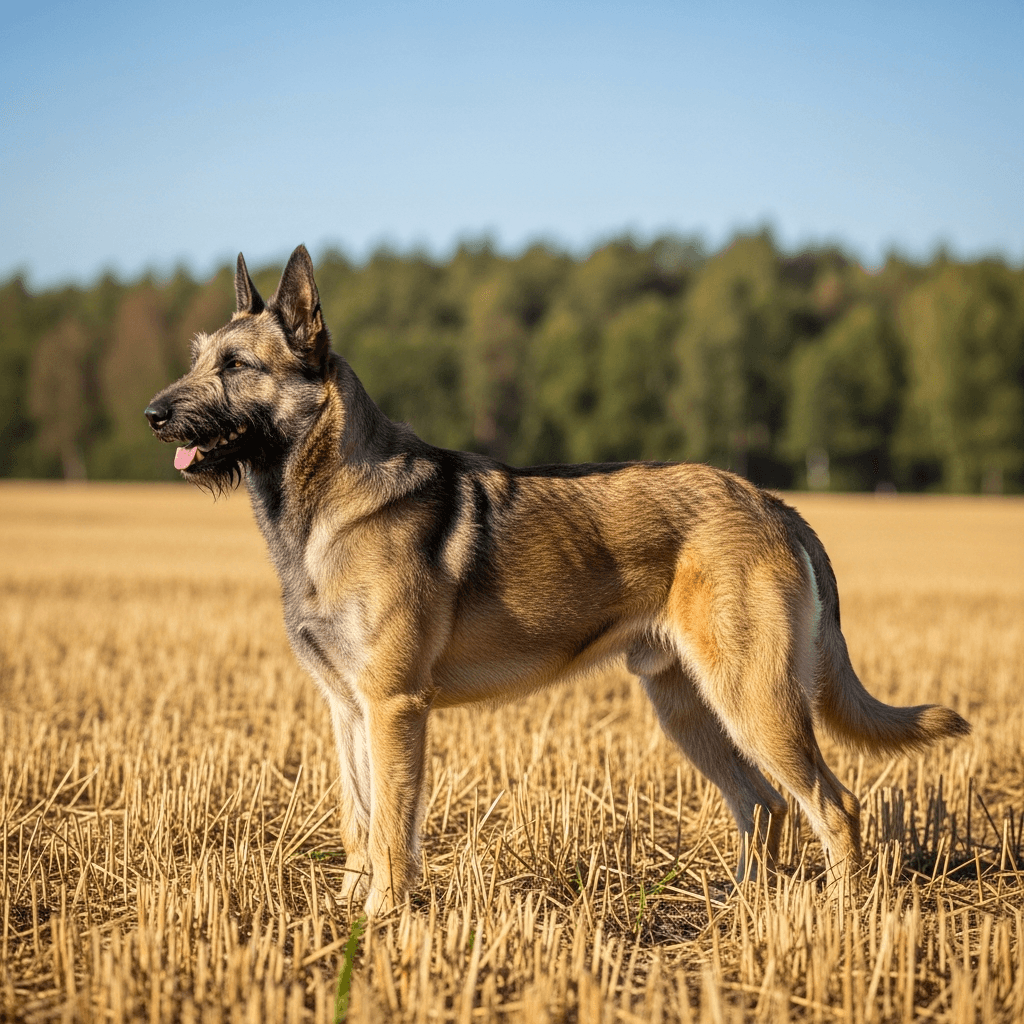
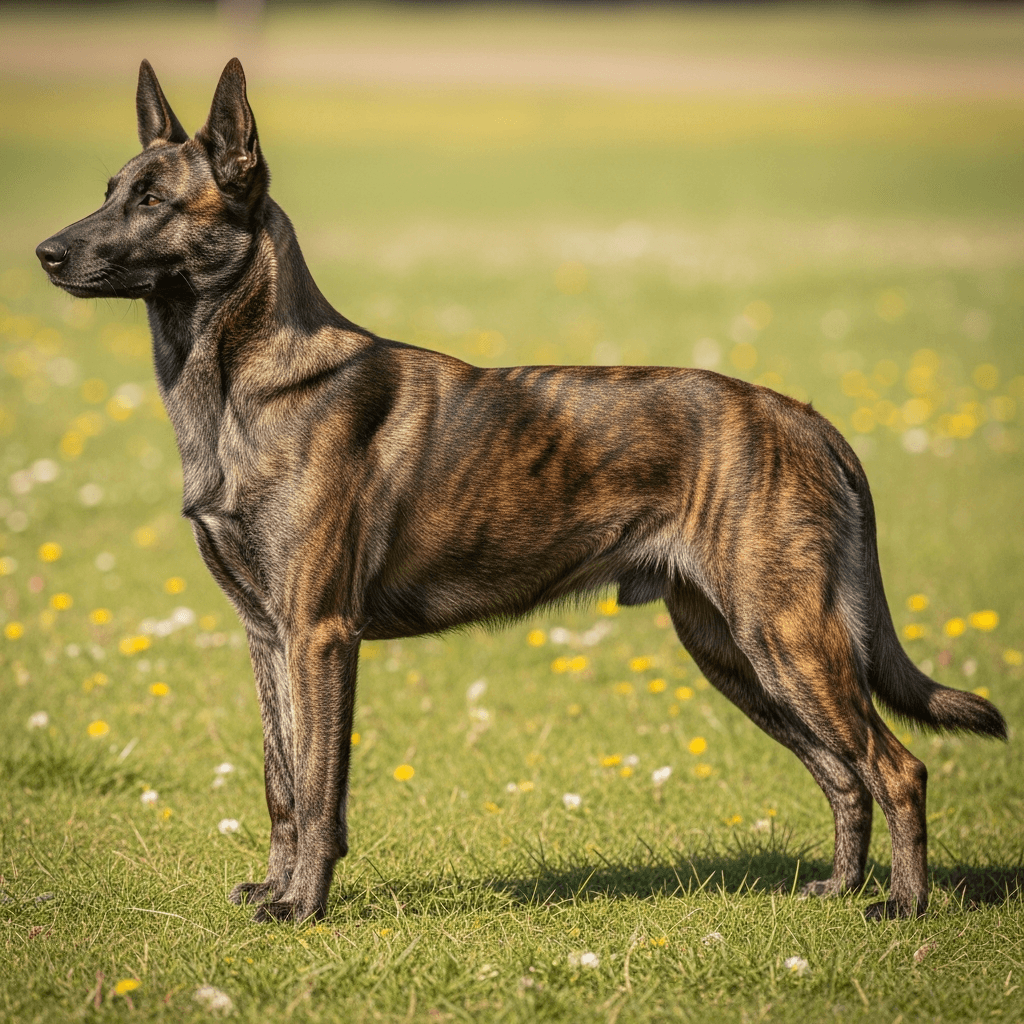
The Belgian Malinois is a medium-sized dog that stands out with its elegant, strong build. Its body is proportional, and its posture is harmonious, making it not only strong but also exceptionally agile.
The ideal height at the withers for males is about 62 cm, and for females, it is 58 cm, which makes them dogs with excellent proportions. The Malinois has a well-muscled chest that reaches to the elbows, and its back is straight and strong.
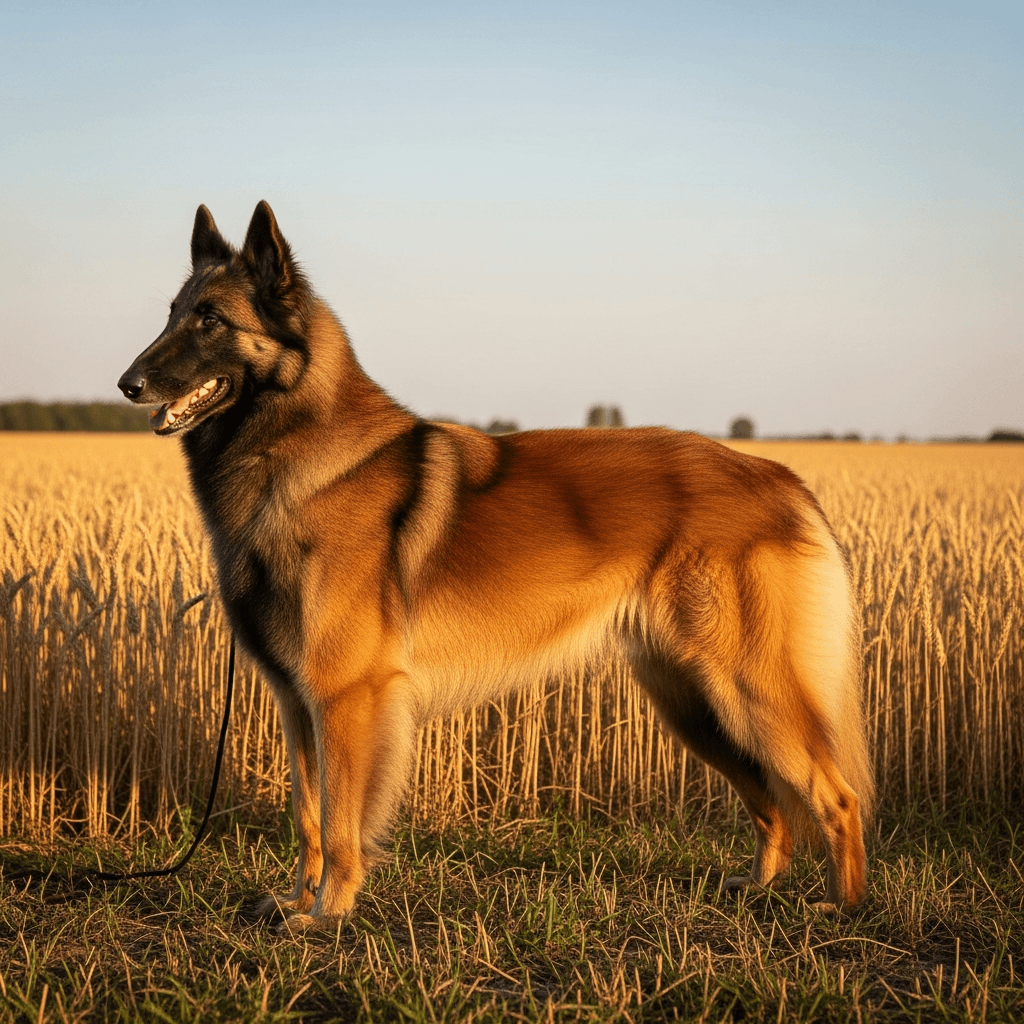
The head is well-shaped, with an equal ratio of the length of the muzzle to the skull. The eyes are medium-sized, with an intelligent and lively expression, and the ears are triangular, erect, and carried straight. The coat of the Malinois is short and dense, which significantly eases grooming, and its coloration is most often fawn with a black mask and a black overlay on the body.
Their tail is well-muscled, of medium length, carried low at rest, and raised upwards in motion. Overall, it gives the impression of a dog in excellent health and condition, ready to act at any moment. The Malinois is a dog that easily attracts attention with its agility and elegance, making it an excellent companion for active people.
The Belgian Malinois is characterized by its lively temperament and high intelligence. It is a dog that is always ready for action and is very eager to cooperate with humans in various tasks.
Their vigilance makes them excellent guardians, and their innate courage makes them reliable defenders. The Malinois is a very sociable dog that bonds closely with its family and shows deep loyalty to its owner.
In interactions with other dogs and people, the Malinois can be somewhat reserved, so early socialization is important to teach it appropriate social interactions. This breed is very sensitive to its owner's emotions, so it is crucial that training takes place in an atmosphere of trust and positive reinforcement.
The Malinois can also be prone to boredom, so engaging it in various forms of physical and mental activity is key to its well-being. With proper upbringing, the Malinois becomes a wonderful family companion that can be both an energetic friend and a responsible guardian.
Their eagerness to learn and need for activity make them ideal candidates for various canine sports, which makes them incredibly versatile dogs in every area of life.
The Belgian Malinois is generally a healthy breed of dog, but like any other, it can be prone to certain genetic diseases that may arise from improper breeding.
Some of the most common health issues that can affect this breed include hip and elbow dysplasia – joint deformities that lead to pain and difficulty in movement. Regular veterinary check-ups can help in the early detection of these problems, significantly increasing the chances of effective treatment.
Additionally, like many active breeds, the Malinois may be susceptible to injuries related to its intense physical activity. Owners should be aware that a proper diet and supplementation can help maintain their pet's health and strengthen its joints and skeletal system.
Regular veterinary examinations, vaccinations, and parasite prevention are crucial for ensuring a long and healthy life for Belgian Malinois dogs. It is also important to monitor the dog's weight to avoid obesity, which can further strain the joints.
Grooming a Belgian Malinois is relatively simple, making this breed ideal for people who do not have the time or experience for complicated dog grooming.
Their coat is short, dense, and strong, which makes it easy to keep clean. Regular brushing at least once a week is sufficient to remove dead hair and dirt. During the shedding period, which usually occurs twice a year (in spring and autumn), more frequent brushing is recommended – even daily – to minimize the amount of hair in the home.
In addition, it is also important to regularly wash the dog to remove dirt and odors. It is advisable to use gentle shampoos specifically designed for dogs to avoid irritating their skin. Baths should be given as needed – usually once every 6-8 weeks.
It is also worth paying attention to ears and teeth – regular teeth cleaning (preferably 2-3 times a week) and checking the condition of the ears will help avoid health problems such as gum disease or ear infections. Although the Malinois does not require too many grooming procedures, regular care for its appearance and health is crucial for ensuring a long and happy life.
The Belgian Malinois is a breed that requires a large amount of physical activity and is definitely not suitable for living in a small apartment without access to a garden.
This is an extremely energetic dog that needs at least 1-2 hours of intense exercise daily to maintain its physical and mental health. Regular walks, running, and playing with other dogs are excellent ways to meet their exercise needs.
Malinois loves to be active and constantly seeks new challenges, making it an ideal companion for active people who engage in sports, running, or cycling. In addition to regular walks, it's worth getting involved in various forms of canine sports, such as agility, obedience, frisbee, flyball, or nose work. This not only satisfies their need for movement but also allows the dog to develop its skills and abilities.
Remember that a lack of adequate exercise can lead to serious behavioral problems, such as hyperactivity, separation anxiety, or destructive behavior (like destroying furniture or constant barking). Therefore, if you plan to welcome a Malinois into your home, you must be prepared to dedicate a significant amount of time to physical and intellectual activity every day.
Training a Belgian Malinois shepherd is crucial for the proper development of this breed and should start as early as possible – ideally from the 8th week of life.
Malinois is a dog with high intelligence and learning ability, which means that training should be systematic, consistent, and well-planned. Early socialization is extremely important for the dog to learn proper interactions with other dogs and people in various situations.
Owners should use positive training methods, such as rewards, praise, and treats, to motivate their pet to learn. Malinois responds well to commands and quickly absorbs new skills, so it is worth investing time in their education from a young age.
Training should include basic commands (such as Sit, Stay, Come, Lie Down, No), as well as more advanced skills, such as retrieving or performing various tricks. Regular mental exercise is just as important as physical exercise to prevent boredom and frustration in the dog.
This breed excels in various fields, such as sports, rescue, therapy, or work in uniformed services (police, military, border guard). Therefore, it is worth considering enrolling your Malinois in obedience courses or a professional dog school so that they can develop their natural skills under the guidance of an experienced trainer.
A proper diet is a key element of the health of the Belgian Malinois shepherd and directly affects its condition, energy, and lifespan.
It should receive high-quality food that provides all the essential nutrients, vitamins, and minerals. The diet should be tailored to the dog's age, weight, and activity level – puppies, adult dogs, and seniors have different nutritional needs.
It is worth choosing foods rich in protein (at least 25-30% for active dogs), which support muscle development and provide the energy needed for daily intense activities. The Malinois, being an active breed, also requires an appropriate amount of fat (15-20%) and carbohydrates, which will provide energy during training and work.
One should also remember about regular hydration – a bowl of fresh water should always be available for the dog, especially after intense exercise. Additionally, it is advisable to consult with a veterinarian to determine the best diet for our pet and to introduce any supplements that may support joint health, coat condition, and the immune system (e.g., glucosamine, chondroitin, omega-3 fatty acids).
Proper nutrition for the Belgian Malinois shepherd is crucial for its health, condition, and overall well-being. Avoid feeding table scraps and products harmful to dogs, such as chocolate, onions, garlic, or grapes.
Characteristic Traits
Pros
- High intelligence and ability to learn quickly
- Ideal companion for active individuals
- Excels in uniformed services and sports
- Loyal and faithful to owners
- Easy coat care.
Cons
- Requires a lot of exercise and mental stimulation
- Necessity of proper socialization and upbringing
- May be too energetic for some people
- Not suitable for living in a small apartment.
Behavioral Ratings
Breed History
The history of the Belgian Malinois dates back to the late 19th century when Belgium began to strive for the unification of various types of herding dogs that were popular in the region.
In 1891, the Belgian Shepherd Club (Club du Chien de Berger Belge) was established with the aim of promoting and developing this breed. During the selection process, breeders focused on introducing uniform standards and improving the characteristics typical of herding dogs – such as intelligence, agility, and endurance.
In 1892, a detailed breed standard was developed, which stated that the Belgian Shepherd is one breed with different types of coats. It was then that four varieties of the Belgian Shepherd began to be distinguished: Groenendael (long-haired black), Tervuren (long-haired fawn), Malinois (short-haired fawn), and Laekenois (rough-haired fawn). Each of these varieties had its unique traits that were tailored to the different needs of breeders and users.
The name Malinois comes from the Belgian city of Malines (Mechelen), where this variety of the breed was particularly intensively developed. Over the years, the Malinois gained recognition not only as a herding dog but also as an excellent working dog in services.
In the 20th century, this breed began to be used in uniformed services, such as the police and military, where their abilities in guarding, drug detection, tracking, and defensive work were utilized. Thanks to their intelligence, loyalty, and agility, the Malinois became one of the most popular working dogs in the world.
Today, this breed enjoys immense recognition not only in Europe but also in the United States and other parts of the world, where they often participate in various dog shows and competitions. Malinois are also used by elite military units, such as the Navy SEALs and counter-terrorism units.