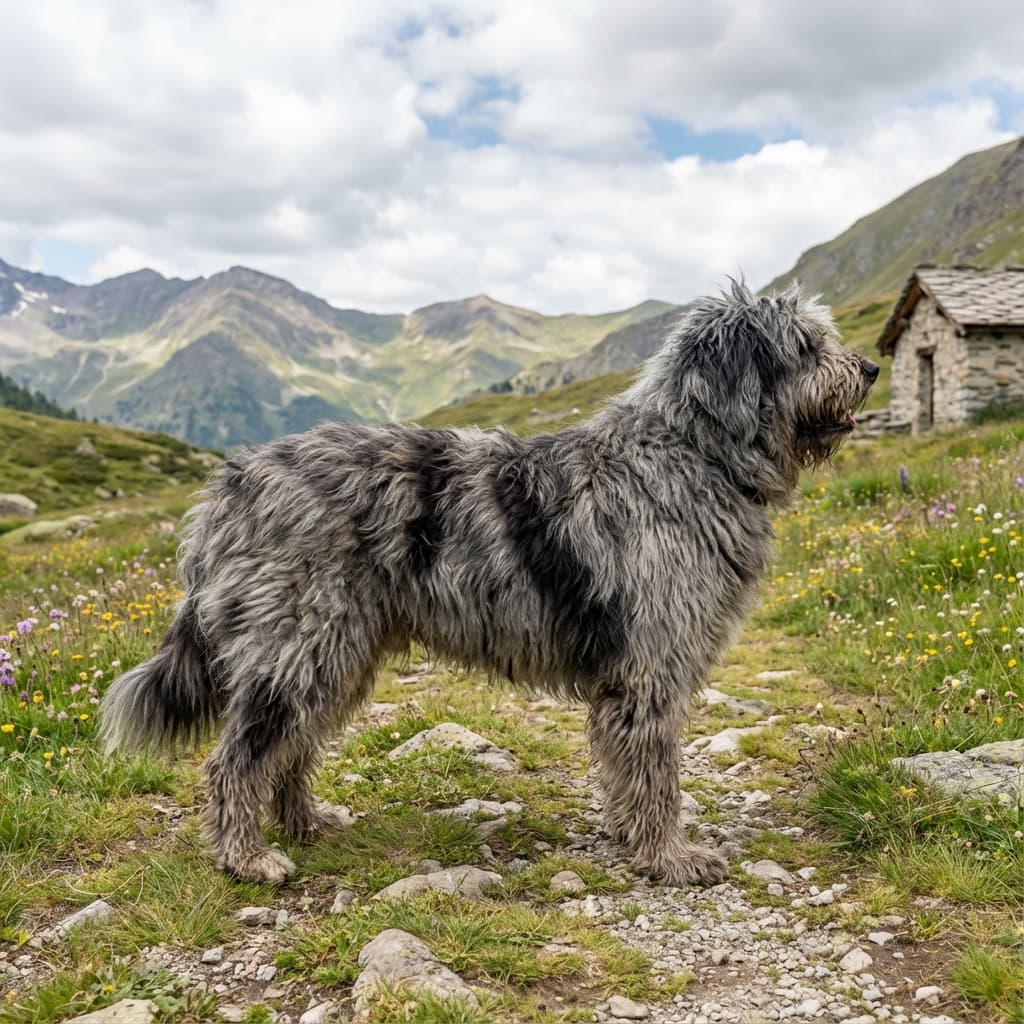
Bergamasco
FCI Group
1• FCI 194
Size
Large
Origin Country
IT
Height
56-62 cm
Weight
26-38 kg
Lifespan
13-15 years
Temperament
Overview
Discover the fascinating world of Bergamasco, a dog breed that attracts attention with its unique history and extraordinary appearance. The Bergamasco, also known as Cane da Pastore Bergamasco, is a true treasure among herding breeds. Its roots trace back to the picturesque Italian Alps, where for centuries it served as an invaluable guardian of sheep.
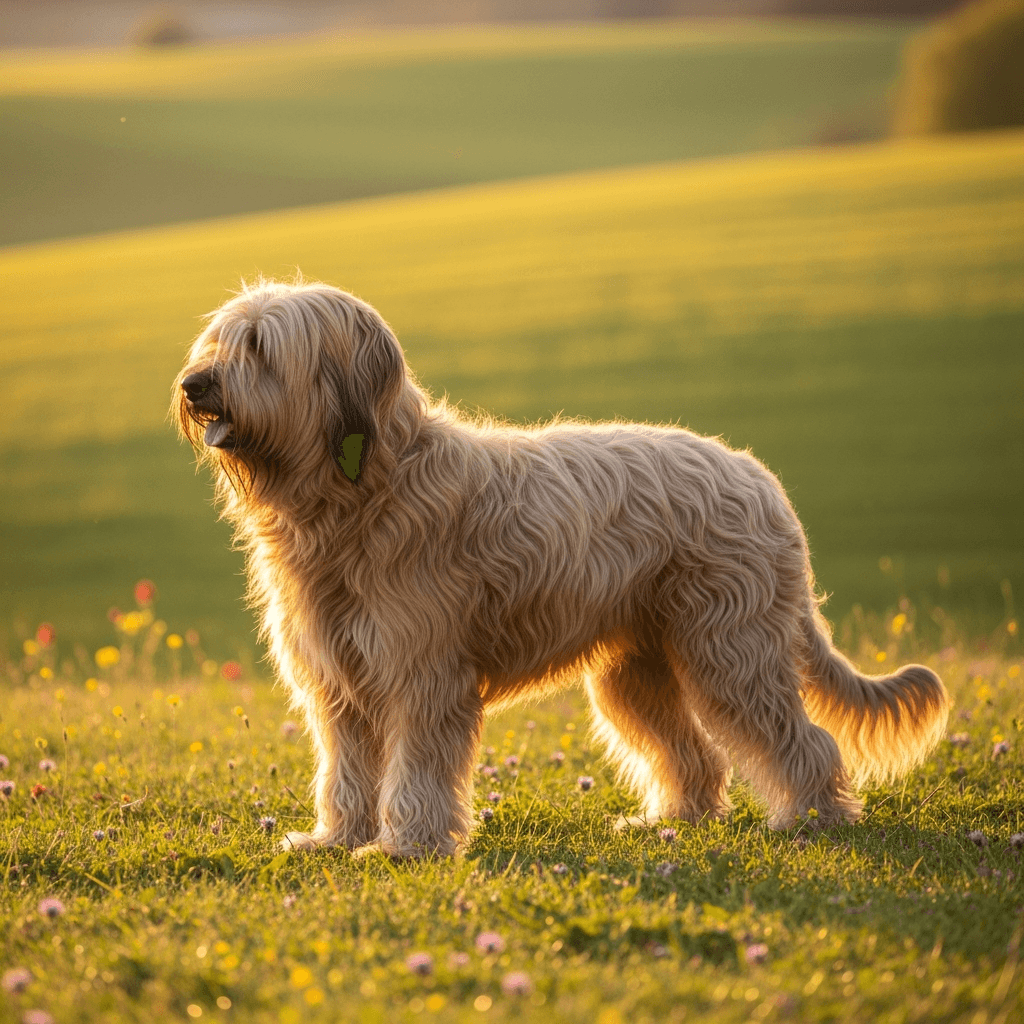
This medium-sized dog combines strength, intelligence, and alertness, making it an excellent companion and protector. Its unique appearance is unmistakable compared to any other breed. It features long, dense fur that not only serves a protective function against adverse weather conditions but also gives it a distinctive, rustic character.
The fur of the Bergamasco consists of three types of hair that naturally form characteristic strands, also known as curls. Moreover, this unique coat is self-cleaning, which significantly eases daily grooming. Bergamascos are dogs that love the company of their family, with whom they form incredibly strong emotional bonds.
With a balanced temperament and innate alertness, the Bergamasco excels as a guardian of the home. These dogs are naturally calm and composed, yet they can be extremely attentive and protective of their loved ones, which attracts the attention of herding breed enthusiasts.
Their history is as interesting as their appearance. The breed's origins date back to the 16th century when they were commonly used to guard flocks in alpine pastures and during seasonal migrations between mountain meadows and the plains of the Po Valley. In 1891, the Bergamasco was officially registered in the Italian pedigree book, contributing to its further development as a recognized breed. The FCI approved the breed standard in 2020, which only emphasizes its utility and aesthetic qualities.
Bergamasco is also known for its intelligence and independence, making it an interesting dog to train, although it requires patience, consistency, and leadership skills from the owner. Dogs of this breed often successfully engage in various dog sports, such as agility or herding trials, allowing them to showcase their agility, cleverness, and natural instincts.
Physical activity is crucial for the health and well-being of this breed. Long walks, running, and various games are essential to keep them in excellent physical and mental condition. While the Bergamasco can tolerate short periods of solitude, prolonged isolation can lead to frustration and behavioral problems.
We invite you to continue exploring all aspects of this exceptional breed, from health details to its rich history, as well as daily grooming, dietary requirements, and training methods.
The Bergamasco Shepherd Dog is a medium-sized dog characterized by a strong, proportional silhouette and a rustic appearance. Its body structure is harmoniously balanced and solid, giving it a natural, robust character typical of herding dogs.
The height at the withers ranges from 56 to 60 cm for females and from 58 to 62 cm for males, with a weight oscillating between 26 and 38 kg, depending on gender and body structure. The length of the body from the shoulder joint to the ischial tuberosities is equal to the height at the withers, which means that the silhouette has a square shape.
The Bergamasco has a large, massive head with parallel lines of the skull and muzzle profile, a well-developed cranium, and a distinct stop. The eyes are quite large, chestnut-colored, giving them a gentle yet alert expression. The ears are triangular, set high, and partially drooping.
The most characteristic feature of the Bergamasco is its exceptionally thick and long coat, which covers all parts of the body and forms distinctive strands, also known as curls or dreadlocks. This coat has a varied structure, consisting of three types of hair: soft undercoat, rough outer hairs, and long, goat-like hairs.
On the front part of the body, the hairs are more goat-like and rough, while on the back and sides, they form the characteristic strands. The coat color of the Bergamasco is usually uniformly gray in various shades, from light gray to dark gray, with possible white or fawn patches, but black color is undesirable.
The tail is thick at the base, tapering towards the end, and its length reaches the hock joint. At rest, the tail hangs down, while in motion, it rises in a sabre shape. The Bergamasco is a dog that attracts attention with its original, unique appearance and impressive presence.
The Bergamasco is a dog with a balanced and composed temperament, combining strong protective traits, loyalty to family, and intelligence. It is a vigilant and attentive animal that can perfectly read its owner's emotions and respond to their needs.
The Bergamasco is extremely attached to its household members and forms strong, lasting emotional bonds with them. It is a family dog that loves to spend time with its loved ones and participate in the daily life of the home. However, due to its herding and protective instinct, it may show natural reserve towards strangers, making it an excellent guardian and defender of its territory.
This breed has a moderate tolerance for solitude. The Bergamasco can tolerate short periods of being left alone at home, but it does not like prolonged isolation from its family. Too much solitude can lead to frustration, boredom, and potential behavioral problems.
The Bergamasco tends to be independent and self-confident, which means it needs a consistent and assertive leader who will establish clear rules and boundaries. Without proper leadership, the dog may try to take control of the home. It is also worth noting that the Bergamasco may exhibit typical herding behaviors, which means they might try to herd children, other pets, or even adult family members, sometimes showing this through gentle nudges or touching with their snout.
This breed is known for its high intelligence and ability to learn, but it can also be stubborn and independent in its thinking. It requires a patient and consistent approach in training to meet its physical activity and mental stimulation needs. The Bergamasco is an excellent choice for experienced owners who value an intelligent, loyal, and independent companion.
Bergamasco is a breed that generally enjoys good health and longevity, typically reaching an age of 13 to 15 years. This breed has been bred for centuries in harsh alpine conditions to maintain maximum resilience, endurance, and health, making it one of the toughest and most durable herding dog breeds.
Despite its overall resilience, like any other breed, the Bergamasco can be prone to certain genetic and acquired conditions. One of the most common health issues is hip dysplasia, which can lead to pain, stiffness, and difficulty moving, especially in older dogs. Responsible breeders conduct hip testing on breeding dogs to minimize the risk of passing this condition to future generations.
Other potential health issues that may occur in Bergamasco include eye conditions, such as cataracts or progressive retinal atrophy, as well as the risk of obesity if the dog does not receive enough exercise or is overfed. A particularly dangerous condition is gastric torsion, also known as bloat, which is a sudden and life-threatening condition requiring immediate veterinary intervention.
It is important for Bergamasco owners to regularly monitor their dogs' health through annual veterinary check-ups, providing a proper diet tailored to their age and activity level, and ensuring regular physical activity to keep the dog in good shape. Taking care of dental health through regular brushing and oral examinations also contributes to a longer and healthier life.
Owners should also monitor their dog's weight and adjust food portions as needed to prevent obesity, which can lead to additional health problems. With proper care and health prevention, a Bergamasco can enjoy a long, active, and healthy life.
The care of the Cane da Pastore Bergamasco is relatively simple and low-maintenance due to their unique coat, which has natural self-cleaning properties. It is one of the few breeds that does not require regular brushing or intensive grooming, which is a significant advantage for owners.
Dogs of this breed have long, dense fur that consists of three types of hair: soft undercoat, coarse outer hair, and long, goat-like hair. These different types of hair naturally combine to form characteristic strands or curls that develop as the dog matures, usually from the first to the third year of life.
Owners should regularly check their dog's coat, especially around the ears, chin, muzzle, and between the toes, to ensure that there are no excessive dirt, matting, or foreign objects, such as plant debris or thorns. Do not brush the already formed strands, as this can destroy their natural structure.
In the case of larger dirt, such as mud or sand, you can gently rinse the soiled area with water or wash the dog, but it is recommended that full baths occur no more than once or twice a year to avoid damaging the natural structure and properties of the coat. After bathing, it is important to thoroughly dry the coat to prevent the development of mold or unpleasant odors.
It is worth remembering that too frequent trimming, brushing, or excessive interference with the natural structure of the coat can lead to skin irritation, dermatological issues, and the destruction of the breed's characteristic appearance. In addition to coat care, owners should regularly clean their dog's ears to prevent infections and brush their teeth at least a few times a week to ensure proper oral hygiene and prevent periodontal disease.
Regular nail trimming is also important, especially if the dog does not naturally wear them down while walking on hard surfaces. Overall, the grooming of the Bergamasco is less demanding than that of most long-haired breeds, making this breed practical for people who do not have time for intensive daily grooming.
The Cane da Pastore Bergamasco is a breed of dog that requires a large amount of exercise and physical activity to remain healthy, happy, and mentally balanced. Due to their historical purpose as herding dogs, Bergamascos have been accustomed for centuries to long-lasting, intense movement across large mountainous areas and guarding sheep flocks in challenging terrain conditions.
Owners should provide their dogs with at least one or two long walking sessions each day, each lasting a minimum of 45-60 minutes, as well as additional time for play, interaction with other dogs, and mental stimulation. Long walks, running, hiking, and various dog sports such as agility, herding trials, or flyball will be extremely beneficial for their physical and mental health.
Bergamascos are very active and hardworking dogs that need regular opportunities to utilize their natural energy and herding instincts. They love tasks that require both physical effort and thinking, making them well-suited for various sports and training activities.
Without sufficient exercise and stimulation, Bergamascos can become restless, bored, and may exhibit behavioral problems such as excessive barking, digging, destructive behaviors, or attempts to escape. It is also important to remember that these dogs have a strong exploratory instinct and enjoy investigating their surroundings, so having a fenced yard or access to safe, spacious areas for running and playing is a significant advantage.
Mental activity is just as important as physical activity. Bergamascos need intellectual challenges such as search games, dog puzzles, obedience training, or learning new tricks to keep their intelligent minds in good shape. This breed is ideal for active families, sports enthusiasts, or owners who can provide daily, varied activities.
Training a Bergamasco Shepherd can be both a challenge and an incredibly rewarding experience for an experienced owner. This breed is known for its high intelligence and ability to learn quickly, which means they can absorb new commands and skills very efficiently. At the same time, the Bergamasco is an independent and sometimes stubborn dog that can make decisions on its own.
Bergamasco owners should approach training with patience, consistency, and firmness, as these dogs require strong but fair leadership. The Bergamasco quickly senses uncertainty or inconsistency in commands and may try to take the initiative if it does not see a confident leader in its owner.
It is worth introducing a variety of training methods based on positive reinforcement, such as rewarding with treats, praise, or play, to keep the dog engaged and encourage learning. Bergamascos are quite independent and have strong personalities, which means they may sometimes show resistance to repetitive or boring commands.
Therefore, it is crucial that training is regular, varied, and that sessions are short but intense (10-15 minutes several times a day), which will help maintain their engagement and motivation. Long, monotonous training sessions can cause the dog to lose interest and become disobedient.
Early socialization is extremely important for the Bergamasco. Puppies should be exposed to a variety of stimuli, people, animals, sounds, and environments from the earliest weeks of life to ensure that the adult dog behaves well in various social situations and does not become overly distrustful or defensive.
The Bergamasco responds well to training based on play, herding activities, agility, and problem-solving tasks, which allows them to utilize their natural instincts and intelligence. Basic obedience commands, such as Sit, Stay, Come, Lie Down, or Leave It, should be introduced from the first weeks and regularly reinforced throughout the dog's life.
It is also important that training is a positive experience for both the dog and the owner. Avoiding physical punishment or excessive harshness is crucial, as the Bergamasco is sensitive to unfair treatment and may become distrustful or defensive towards an owner who uses overly harsh methods.
The Cane da Pastore Bergamasco diet should be carefully tailored to their individual needs, age, weight, and activity level to ensure optimal health, energy, and longevity. This medium-sized, active breed requires a balanced diet rich in high-quality nutrients.
The Bergamasco is prone to obesity, especially if it does not get enough exercise or is overfed, so it is important to monitor the amount of food consumed and the quality of the diet. Owners should feed their dogs high-quality dog food for medium breeds that is appropriate for their life stage: puppy, adult, or senior.
It is generally recommended to feed the Bergamasco food with a high content of animal protein (minimum 22-26% for adult dogs, 28-32% for puppies), which supports their physical activity, maintains muscle mass, and aids tissue recovery. Healthy fats, such as omega-3 and omega-6 fatty acids, are important for maintaining healthy skin and coat and support cognitive functions.
Owners should avoid giving their dog human food that can be harmful to their health, such as chocolate, onions, garlic, grapes, raisins, poultry bones, or excessively fatty or spicy dishes. Also, an excess of treats or snacks can lead to overweight, so they should make up no more than 10% of daily calories.
It is also important to provide the dog with constant access to fresh, clean water, especially on hot days, after intense physical activity, or when feeding dry food. Regular weight checks (at least once a month) and adjusting portions and diet composition as needed will help keep the dog in good physical condition.
Adult Bergamascos are usually fed twice a day (morning and evening) to prevent digestive issues and reduce the risk of bloat. Puppies require more frequent feeding: 3-4 times a day, to support their rapid growth and development. Consulting with a veterinarian or a dog nutrition specialist can help develop an optimal feeding plan tailored to the individual needs of each dog.
Characteristic Traits
Pros
- Extremely intelligent and quick to learn
- Excellent at guarding due to natural alertness
- Forms strong bonds with family
- Self-cleaning coat requires minimal grooming
- Durable and resistant to harsh conditions.
Cons
- Requires a lot of movement and physical activity
- Can be stubborn and independent in training
- Cannot stand prolonged loneliness
- Needs an experienced owner with leadership skills
- Reserved towards strangers.
Behavioral Ratings
Breed History
The history of the Cane da Pastore Bergamasco dates back many centuries, with its roots deeply embedded in the pastoral traditions of northern Italy. This breed originated in the Italian Alps, particularly in the picturesque region of Bergamo in Lombardy, where it has served as an invaluable helper and companion to shepherds for time immemorial.
Bergamasco were essential for leading and protecting sheep herds during seasonal migrations between high mountain pastures and the fertile plains of the Po Valley. These migrations, known as transhumance, required the dogs to possess exceptional endurance, intelligence, independence, and the ability to work in difficult, changing weather and terrain conditions.
Their skills in defending the flock from predators, ability to make independent decisions, and capacity to work long hours in the harsh alpine climate made them extremely valued among shepherds and sheep breeders. These dogs had to be not only physically resilient but also intelligent and loyal to effectively cooperate with the shepherds.
The first documented mentions of the Bergamasco date back to the 16th century. A painting by a famous artist depicting a dog with a coat characteristic of the Bergamasco, dated to this period, confirms their presence and significance at that time. In 1891, the first dog of this breed was officially registered in the Italian studbook, marking an important step in the recognition and formalization of the Bergamasco as a distinct breed.
This breed has been cultivated for centuries with the aim of preserving its unique working traits, such as endurance, intelligence, independence, and the characteristic coat that protects against frost, snow, and rain. In the 20th century, with changes in agriculture and the decline of traditional shepherding, the number of Bergamasco decreased, and the breed was on the brink of extinction.
Thanks to the efforts of dedicated breeders and enthusiasts in Italy, the population of Bergamasco was preserved and rebuilt. In 2015, the breed was officially recognized by the American Kennel Club, which increased its popularity beyond Europe. The Fédération Cynologique Internationale (FCI) approved the current breed standard in September 2020, classifying it in Group 1, Section 1 as a herding dog with working trials.
Today, the Bergamasco is valued not only as a herding dog but also as a loyal family companion, guardian, and participant in various dog sports. Its rich history and unique traits attract lovers of rare and working breeds worldwide.