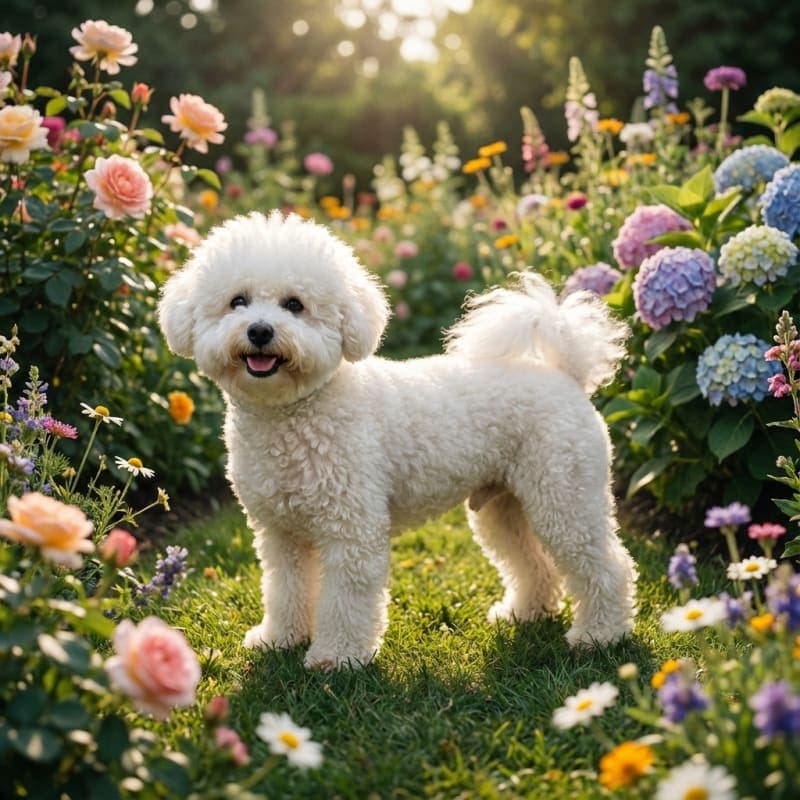
Bichon Frise
FCI Group
9• FCI 215
Size
Small
Origin Country
XX
Height
23-30 cm
Weight
4-7 kg
Lifespan
12-14 years
Temperament
Overview
Bichon Frise is one of the most charming companion dog breeds, with roots tracing back to Belgium and France. These small, energetic pups were once favorites of the French aristocracy and continue to delight with their unique appearance and character.
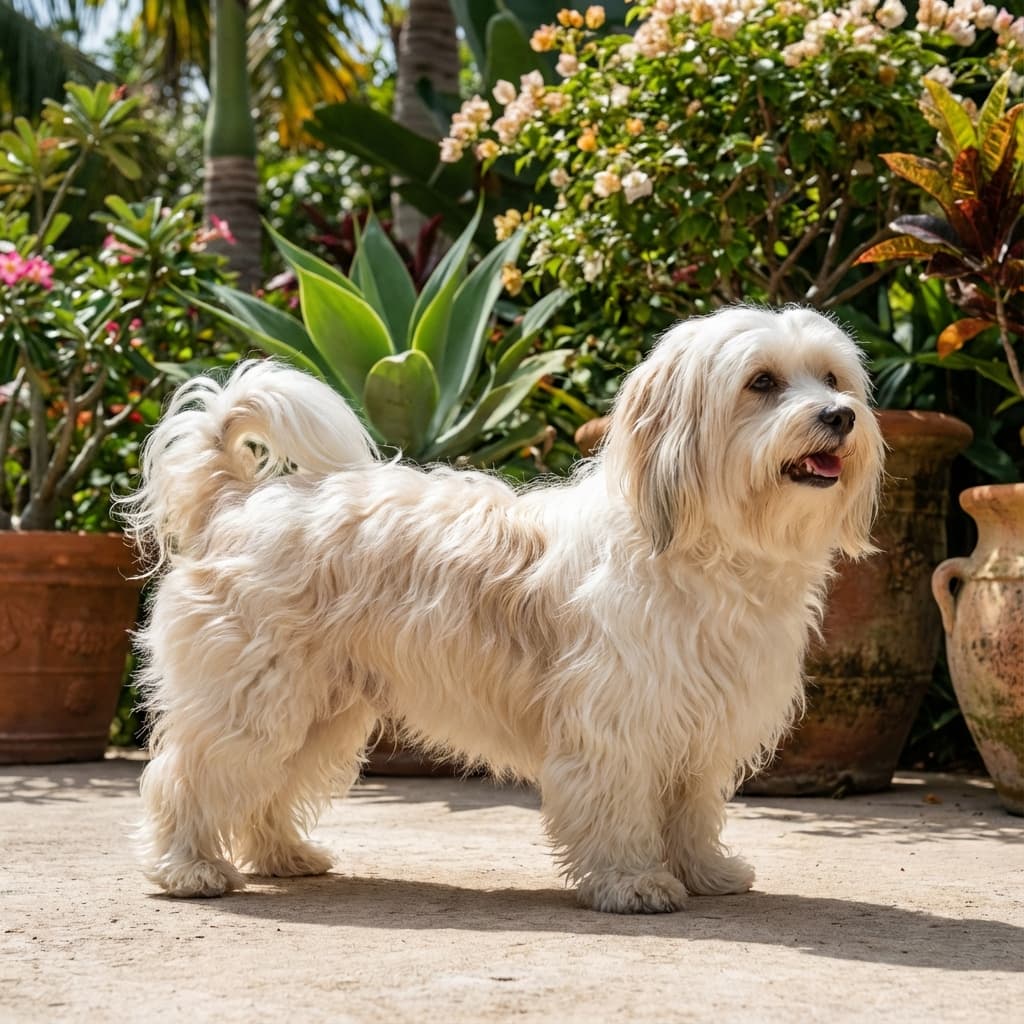
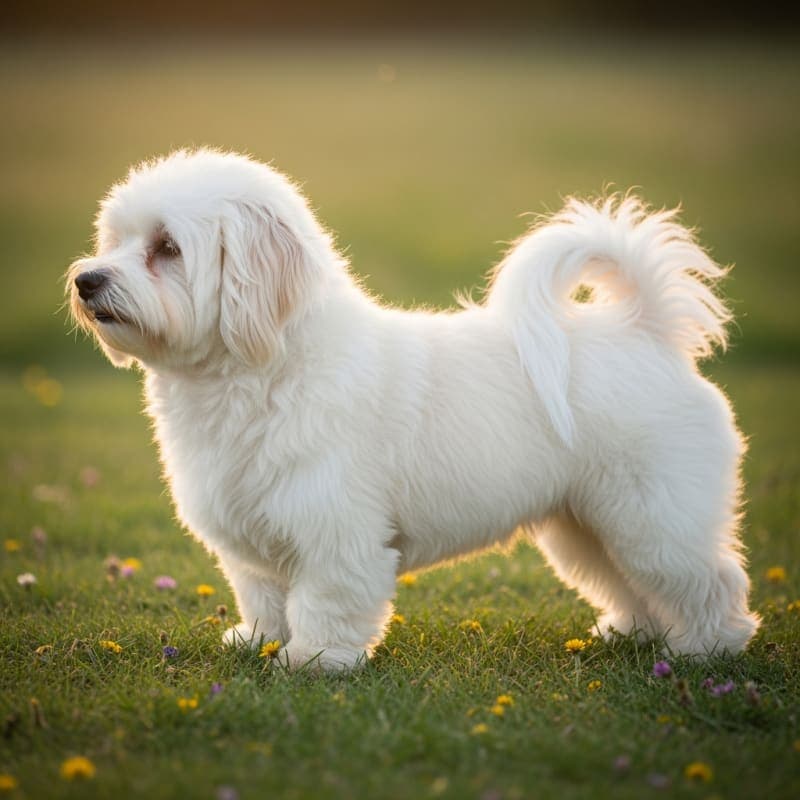
Bichon Frise is distinguished by its cheerful disposition and high intelligence, making it an ideal companion for families, seniors, and city dwellers. Its exceptional coat, resembling fluffy clouds, adds undeniable charm. Expressive, dark eyes full of life and joy attract the attention of everyone who meets them.
This breed forms strong bonds with family and loves the company of people—loneliness is hard for it to bear. Its cheerful nature makes it an excellent choice for families with children and for those seeking a loyal and devoted friend.
Bichon Frise thrives in apartments, reaching a height of up to 30 cm and weighing between 5 to 10 kg. Its dense coat protects it from the cold, although it prefers warmer climates. Moreover, this breed is allergy-friendly due to low allergen production, which is an additional advantage.
Grooming requires regular brushing and trimming to keep the coat healthy and beautiful. Owners should also be vigilant about the tendency to gain weight, ensuring a proper diet and regular physical activity. Bichon Frise, full of energy and friendliness, is an excellent companion for anyone looking for a joyful and loving dog in their life.
The Bichon Frise is a small dog with a harmonious silhouette, reaching a height of up to 30 cm and weighing between 5 to 10 kg. Its build is balanced, with a well-muscled body and a proudly held head that gives it an aristocratic appearance.
Key appearance features:
- Coat: long, dense, and curly, resembling the texture of Mongolian goat fur. It should be pure white, which emphasizes the elegance of this breed.
- Eyes: dark, round, and expressive, giving it a cheerful and lively look.
- Ears: drooping, abundantly covered with long fur, adding charm.
- Tail: set slightly below the line of the back, carried high and gracefully curved.
- Chest: well-developed and deep.
- Limbs: strong and proportional, supporting agile and light movement.
The Bichon Frise attracts attention with its extraordinary beauty and cheerful disposition, making it a favorite among dog lovers worldwide. Its fluffy appearance resembles a living plush toy that instantly evokes affection.
Bichon Frise is a dog with a friendly and cheerful disposition that loves to spend time with people. This breed is known for its sociability, making it an ideal companion for families and elderly individuals.
Characteristic behavioral traits:
- Very cheerful and lively temperament, often seen as playful dogs
- Easily forms relationships with children and other animals
- Intelligent and eager to learn
- Does not tolerate prolonged solitude – this can lead to behavioral issues such as separation anxiety
- Can be quite vocal, which may be bothersome for some owners
Bichon Frise needs the constant presence of its owners to feel happy and emotionally balanced. Their intelligence and willingness to cooperate make them relatively easy to train, but harsh training methods should be avoided as they can lead to stress and anxiety.
Owners should focus on early socialization to help their Bichon Frise adapt well to various situations and other animals. With the right approach, Bichon Frise will not only become an excellent companion but also a loyal friend for life.
Bichon Frise, despite its small size, is a relatively healthy breed that can live on average from 12 to 14 years, with some individuals reaching even 20 years. However, like any breed, it has predispositions to certain health issues.
Most common health problems:
- Hip dysplasia
- Epilepsy
- Liver diseases
- Dental problems – crowded teeth, typical for small breeds
- Endocrine disorders: Cushing's disease, diabetes
- Risk of heatstroke on hot days due to dense fur
Owners should regularly check the dental condition of their pet and maintain its oral hygiene. It is also important to be aware of the symptoms of endocrine disorders and to regularly schedule check-ups with the veterinarian.
Due to their dense fur, long walks in high temperatures should be avoided to prevent overheating. Owners should also ensure a proper diet to avoid weight problems, which can lead to other health issues and shorten the dog's life.
Prevention, regular veterinary check-ups, and proper care allow you to enjoy the companionship of a healthy and happy Bichon for many years.
Grooming a Bichon Frise is one of the key elements ensuring their health, well-being, and beautiful appearance. Due to their dense, curly coat, it requires special attention and regular care.
Grooming plan:
- Brushing: daily, to prevent matting and remove dead hair
- Clipping: regularly every 4-6 weeks, either professionally or at home
- Bathing: every few weeks, using gentle dog shampoos
- Ears: regular cleaning to avoid infections
- Eyes: checking and cleaning to prevent tearing and deposits
- Nails: trimming as needed
- Teeth: regular cleaning to prevent dental issues
Owners may choose professional grooming, which is especially recommended for show dogs, but they can also take care of their pet's appearance at home after proper training.
Proper grooming not only affects the dog's attractive appearance but also their health, comfort, and prevents skin problems. A Bichon Frise with well-groomed fur looks like a fluffy white cloud and is an ornament to any home.
Bichon Frise is a dog with moderate exercise needs, making it an ideal companion for both active individuals and those who prefer a calmer lifestyle. Although it is a small dog, it requires daily physical activity to maintain good condition and health.
Recommended physical activity:
- At least one walk per day lasting 20 to 30 minutes
- Interactive games such as fetch or hide and seek
- Playing with toys at home for mental stimulation
- Joint walks or activities with other dogs
Regular walks not only help maintain a healthy weight but also stimulate the dog's mind and allow it to explore its surroundings and satisfy natural needs. Bichon Frise loves to play, so owners should dedicate time to various activities.
This dog also does well at home, where it can play with its toys, but it is important to provide it with an adequate amount of stimulation, both physical and mental. Bichon Frise does not tolerate prolonged loneliness, so it is worth considering joint activities that will strengthen the bond with the owner.
An appropriate amount of exercise prevents behavioral problems such as destroying objects or excessive barking, and keeps the dog in excellent physical and mental shape.
The Bichon Frise is a smart and eager to learn dog, which makes it relatively easy to train. However, as with many small breeds, it is important for owners to use consistent training methods to avoid issues with dominance and the so-called small dog syndrome.
Training basics:
- Starting training as early as possible, preferably from puppy age
- Teaching basic commands: Sit, Lie down, Come, Stay
- Housebreaking and hygiene training
- Early socialization with people, children, and other animals
The Bichon Frise usually responds excellently to positive reinforcement, such as treats and praise, making training enjoyable for both the dog and its owner. However, it is worth remembering that the Bichon Frise can be quite stubborn, so patience and consistency are key.
Owners should avoid harsh punishments, as this can lead to stress, anxiety, and a deterioration of the relationship with the dog. Instead, the focus should be on rewards and positively reinforcing desired behaviors.
Training should be positive, interactive, and fun to keep the dog's interest. Owners should also work on their communication skills with the dog to create a strong bond based on trust and mutual understanding. A well-trained Bichon Frise is a joy and pride for the whole family.
Bichon Frise, as a small dog, has specific dietary requirements that should be tailored to its size, age, and activity level. A proper diet is crucial for health, longevity, and overall well-being.
Feeding Guidelines:
- Choosing high-quality food suited to the needs of small breeds
- Food rich in protein, vitamins, and minerals
- Avoiding low-quality foods with artificial additives and preservatives
- Regular meals divided into 2-3 smaller portions per day
- Monitoring the amount of food given due to the tendency to gain weight
- Avoiding unhealthy treats and table scraps
Bichon Frise has a tendency to be overweight, so it is essential to strictly control portions and avoid overfeeding. Maintaining an appropriate diet is necessary for the dog's health and to prevent obesity-related issues such as diabetes or joint problems.
In addition to dry food, Bichon Frise can also benefit from supplements like safe vegetables (carrots, broccoli) or fruits (apples, blueberries), but it is always important to ensure that they are safe for dogs and given in moderation.
Providing fresh water should be regular to ensure proper hydration, especially on hot days and after physical activity. A healthy diet is the foundation of a long and happy life for a Bichon Frise.
Characteristic Traits
Pros
- Allergy-friendly
- Ideal for families with children
- Easy to adapt to apartment living
- Loyal and devoted companion
- Intelligent and easy to train.
Cons
- Requires regular and costly coat care
- Cannot stand loneliness
- Tendency to gain weight
- Can be noisy.
Behavioral Ratings
Breed History
The history of the Bichon Frise breed dates back to the 13th century, when these dogs were known as companions of Spanish sailors who took them on their ships. This breed is likely a descendant of poodles and water spaniels, combining traits from both breeds.
The popularity of the Bichon Frise significantly increased in the 16th century, when they became favorites of the French aristocracy. At that time, the Bichon Frise was often seen at royal courts, where it served as a companion dog, entertaining the nobility with its cheerful disposition and charming appearance.
Unfortunately, during the French Revolution, this breed lost popularity, and many individuals found themselves on the streets. There, they began to appear in circuses and as pets of street performers, earning a living with their charm and ability to learn tricks.
During World War I, the Bichon Frise was close to extinction. However, thanks to the determination and passion of breeders from France and Belgium, who decided to save this breed, it was successfully rebuilt. In 1933, the breed was officially recognized by the Société Centrale Canine in France.
Today, the Bichon Frise is a valued companion dog worldwide, known for its joyful temperament, friendly nature, and extraordinary charm. This breed is also often showcased at dog shows, where it presents its beautiful, fluffy coat and cheerful personality, delighting judges and audiences alike.