Cavalier King Charles Spaniel
FCI Group
9• FCI 136
Size
Small
Origin Country
GB
Height
25-33 cm
Weight
5.4-8 kg
Lifespan
12-14 years
Temperament
Overview
Cavalier King Charles Spaniel, commonly known simply as the Cavalier, is one of the most charming and valued companion dog breeds in the world. Although its roots are deeply embedded in the British aristocracy of the 17th century, today it enjoys immense popularity in many countries as the ideal family dog. Its small size, elegant silhouette, and graceful movements make the Cavalier captivating at first glance.
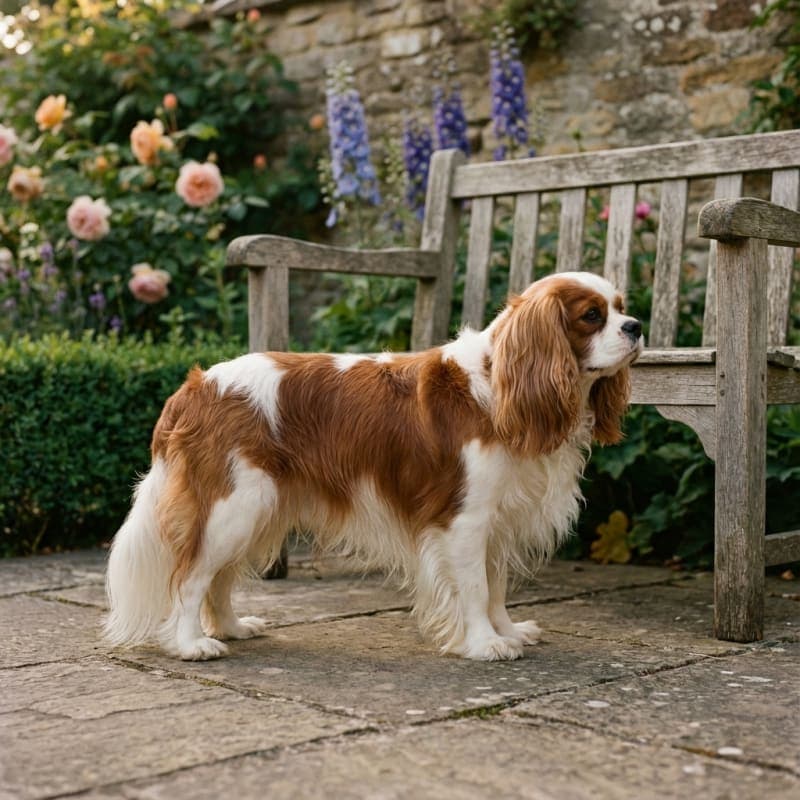
The breed is characterized by a proportional, harmonious build, long, richly feathered ears, and a silky, shiny coat that comes in four recognized color variations: black and tan, ruby (solid chestnut), blenheim (white with chestnut markings), and tricolor (black, white, and tan). Large, dark eyes with a gentle expression draw attention and reflect the friendly nature of this breed.
The Cavalier is a dog with a unique, empathetic temperament that easily wins people's hearts. Its greatest need is the closeness of humans - it loves to accompany its owners in all daily activities. Good-natured, cheerful, and sociable, it makes an excellent companion for families with children, couples, and elderly people. The Cavalier is also intelligent and easy to train, which further enhances its versatility as a household pet.
However, the breed requires proper, consistent care. Regular grooming prevents tangles, and attention to health - especially heart health - is crucial due to genetic predispositions. Despite these challenges, the charm, devotion, and zest for life of the Cavalier make it an irreplaceable companion in thousands of homes around the world.
The Cavalier King Charles Spaniel is a dog with an elegant, harmonious, and proportional silhouette. The height at the withers is about 30-33 cm, and the weight ranges from 5.4 to 8 kg according to the FCI standard. Its long, silky coat is one of the most characteristic features of the breed - it should not be curly, although a slight wave is acceptable. The coat is particularly abundant on the ears, chest, legs, and tail, giving the dog a unique, aristocratic appearance.
Characteristic morphological features:
- Head - proportional, with a nearly flat skull between the ears and a shallow stop
- Eyes - large, dark, round but not bulging, widely spaced, expressing gentleness
- Ears - long, high-set, richly feathered, hanging alongside the cheeks
- Muzzle - length from the stop to the tip of the nose about 3.8 cm, well tapering, with a black nose and well-developed nostrils
- Teeth - strong jaws with a perfect, regular scissor bite
- Neck - of moderate length, slightly arched
- Body - straight back, short loins, well-arched chest
- Tail - proportional to the body, carried cheerfully, never significantly above the line of the back
The Cavalier comes in four officially recognized colorings: Black and Tan, Ruby, Blenheim, and Tricolour. Each variant is equally valued and beautiful, which enhances the visual appeal of this breed.
The Cavalier King Charles Spaniel is a dog with a remarkably gentle, friendly, and empathetic temperament. They are extremely sociable dogs that love to be in close physical contact with people. Their natural need for closeness makes them excellent companion dogs for families, seniors, and individuals in need of emotional support. Cavaliers are known for their gentle disposition, complete lack of aggression, and cheerful, open character.
The breed is distinguished by its exceptional empathy and emotional sensitivity. Cavaliers can intuitively sense the mood of their owners and often serve as comforters in difficult times, making them excellent therapy dogs. Their deep loyalty and devotion mean they constantly seek the company of their loved ones - a Cavalier is a dog that does not like to be alone.
In relationships with children, Cavaliers are patient, gentle, and nurturing. They usually get along well with other dogs and pets, especially if they have been properly socialized in their youth. They are also very intelligent and eager to learn, which makes training a relatively easy and enjoyable experience.
Owners should remember that a lack of proper socialization and training can lead to issues such as separation anxiety, excessive shyness, or barking. Starting training early and having regular interactions with various people, dogs, and situations will help shape a balanced, confident Cavalier.
The Cavalier King Charles Spaniel, despite its charm and vitality, is a breed prone to certain genetic disorders that require awareness and proactive care from owners. The most important health issues that need special attention include:
- Mitral Valve Disease (MVD) - the most common heart condition in this breed, leading to heart failure; regular cardiology check-ups are crucial
- Syringomyelia (SM) - a neurological condition related to the flow of cerebrospinal fluid; it can cause pain and discomfort
- Eye diseases - cataracts, dry eye syndrome, progressive retinal atrophy
- Hip dysplasia - although rarer than in larger breeds, it can occur
- Ear problems - due to long, floppy ears that are prone to infections
- Obesity - Cavaliers tend to gain weight, which exacerbates other conditions
Health prevention is key to a long, happy life for a Cavalier. Owners should ensure regular veterinary visits (at least once every six months), vaccinations, deworming, and parasite control. Acquiring puppies from responsible breeders who conduct genetic testing on the parents significantly reduces the risk of hereditary conditions.
With proper care, awareness of health issues, and regular check-ups, a Cavalier can enjoy a life of 9-14 years, remaining an active and joyful companion for most of its life.
Taking care of a long, silky coat of a Cavalier requires regular, systematic attention to keep it healthy and beautiful. This coat is one of the most characteristic features of the breed and requires a proper investment of time.
Practical grooming tips:
- Brushing - at least 3-4 times a week, preferably daily, to prevent tangles and remove dead hair; special attention should be paid to the ears, chest, and legs
- Bathing - every 3-4 weeks or as needed, using gentle shampoos for long-haired dogs
- Ears - regular checking and cleaning at least once a week; long, hanging ears are prone to moisture buildup and infections
- Eyes - daily wiping of the corners of the eyes with a gentle, damp cotton pad
- Nails - trimming every 3-4 weeks or when they become too long
- Teeth - regular cleaning (ideally daily) and periodic check-ups at the vet
- Trimming - optional trimming of the hair between the paw pads for hygiene
Regular grooming is not just a matter of aesthetics - it is also a great opportunity to check the dog's health, detect any skin issues, parasites, or changes that require veterinary attention. Additionally, the grooming routine strengthens the bond between the owner and the dog.
The Cavalier King Charles Spaniel is a breed with moderate exercise needs, combining the energy of hunting spaniels with the temperament of a companion dog. It does not require extremely intense training but needs regular physical activity to maintain health, fitness, and mental balance.
Recommended forms of activity:
- Daily walks - 30-60 minutes a day, divided into 2-3 sessions
- Play in the garden or park - fetch, chasing games, frisbee
- Social interactions - walks with other dogs, visits to dog parks
- Mental games - hiding treats, dog puzzles, learning tricks
- Swimming - if the dog enjoys water (under supervision)
Cavaliers love to accompany their owners in various activities - whether it's a walk in the park, jogging, or simply relaxing on the couch. Their versatility allows them to adapt to the family's lifestyle, as long as they are provided with the right amount of exercise.
Owners should keep in mind a few important safety considerations:
- Cavaliers are prone to overheating - avoid intense activities on hot days
- Provide access to shade and fresh water during outdoor play
- Due to their delicate build, avoid rough play with larger dogs
- Cavaliers have a chasing instinct - always use a leash in unfenced areas
The Cavalier King Charles Spaniel is a smart and eager-to-learn breed that typically responds very well to training. Their natural need for closeness to humans and desire to please their owner make them excellent students. Starting training and socialization early - during the puppy stage - is crucial for shaping a balanced, confident adult dog.
Effective training methods for Cavaliers:
- Positive reinforcement - rewards (treats, toys, praise) are much more effective than punishment
- Short, frequent sessions - 5-10 minutes several times a day to maintain interest
- Consistency - all family members should use the same commands and rules
- Socialization - regular interactions with different people, dogs, sounds, and situations
- Basic commands - Sit, Lie down, Stay, Come, Leave it
- Educational games - learning tricks as a form of mental stimulation
Cavaliers excel in various disciplines: obedience, agility (at the appropriate level), animal therapy, beauty contests. Their empathetic nature makes them ideal therapy dogs, visiting hospitals, nursing homes, and schools.
Owners should remember that Cavaliers can be emotionally sensitive - harsh training methods or punishments can lead to anxiety and behavioral problems. Patience, gentleness, and a positive approach yield the best results with this breed.
Proper nutrition is key to the health and longevity of the Cavalier King Charles Spaniel. This breed tends to be overweight, so portion control and the quality of food are particularly important. A balanced diet tailored to the dog's age, weight, and activity level is the foundation of good health.
Feeding recommendations:
- High-quality food - choose premium foods with meat as the first ingredient
- Appropriate portions - usually 40-60g of dry food per kilogram of body weight per day, divided into 2 meals
- Protein - a minimum of 20-25% for adult dogs, 25-30% for puppies
- Fats - healthy omega-3 and omega-6 support coat, skin, and heart functions
- Vitamins and minerals - particularly important for heart health (taurine, L-carnitine)
- Hydration - constant access to fresh water
Products prohibited for Cavaliers (harmful to dogs):
- Chocolate, coffee, tea (theobromine, caffeine)
- Onion, garlic (toxic to dogs)
- Grapes, raisins (kidney damage)
- Xylitol (artificial sweetener - deadly dangerous)
- Fatty table scraps (digestive issues, pancreatitis)
Owners should regularly monitor their dog's weight and adjust portions as needed. Cavaliers are masters of pleading looks, but giving in to them can lead to obesity, which worsens heart and joint problems. Consultations with a veterinarian will help establish an optimal feeding plan tailored to the individual needs of the dog.
Characteristic Traits
Pros
- Exceptionally friendly and gentle temperament
- Excellent family dog and great for children
- Easy to train and eager to learn
- Ideal for apartments and small homes
- Beautiful elegant coat
- Versatile - good for both active and less active owners.
Cons
- Requires regular coat care
- Prone to serious genetic diseases (heart
- syringomyelia)
- Tendency to overweight - requires diet control
- May suffer from separation anxiety
- Long ears susceptible to infections.
Behavioral Ratings
Breed History
The Cavalier King Charles Spaniel has a rich, fascinating history deeply rooted in British aristocracy and court culture. This breed descends from small companion spaniels that were extremely popular in England and Scotland as early as the 16th and 17th centuries. The breed's name comes from King Charles II Stuart (1630-1685), who was so enamored with these small dogs that he rarely appeared in public without their company.
King Charles II even issued a decree allowing these dogs entry into all public places, including Parliament – a privilege unprecedented at that time. These dogs were a constant presence in court life, immortalized in countless portraits of aristocratic families by masters of painting such as Van Dyck, Gainsborough, and Reynolds. Their presence in paintings was a symbol of status, elegance, and good taste.
In the 18th and 19th centuries, with changing fashions in companion dogs, the original type of King Charles spaniel underwent significant modification. Crossbreeding with oriental breeds (such as the Pekingese and Japanese Chin) led to the creation of a dog with a shorter muzzle and a flatter face – the modern King Charles Spaniel.
In the 1920s, a group of enthusiasts, led by Roswell Eldridge (an American breeder), decided to recreate the original type of spaniel from the 17th century seen in old portraits. Eldridge offered a substantial cash prize for the best examples of dogs resembling historical images. These efforts led to the revival of the breed, which was named the Cavalier King Charles Spaniel to distinguish it from the King Charles Spaniel.
The breed was officially recognized by the Kennel Club in 1945 and by the FCI in 1955 (standard updated in 2009). Since then, the Cavalier has gained immense popularity worldwide, becoming one of the most popular companion dogs in English-speaking countries and beyond. Today, Cavaliers are valued not only for their historical charm but primarily for their exceptional, gentle temperament, making them ideal companions for families, seniors, and in animal therapy.