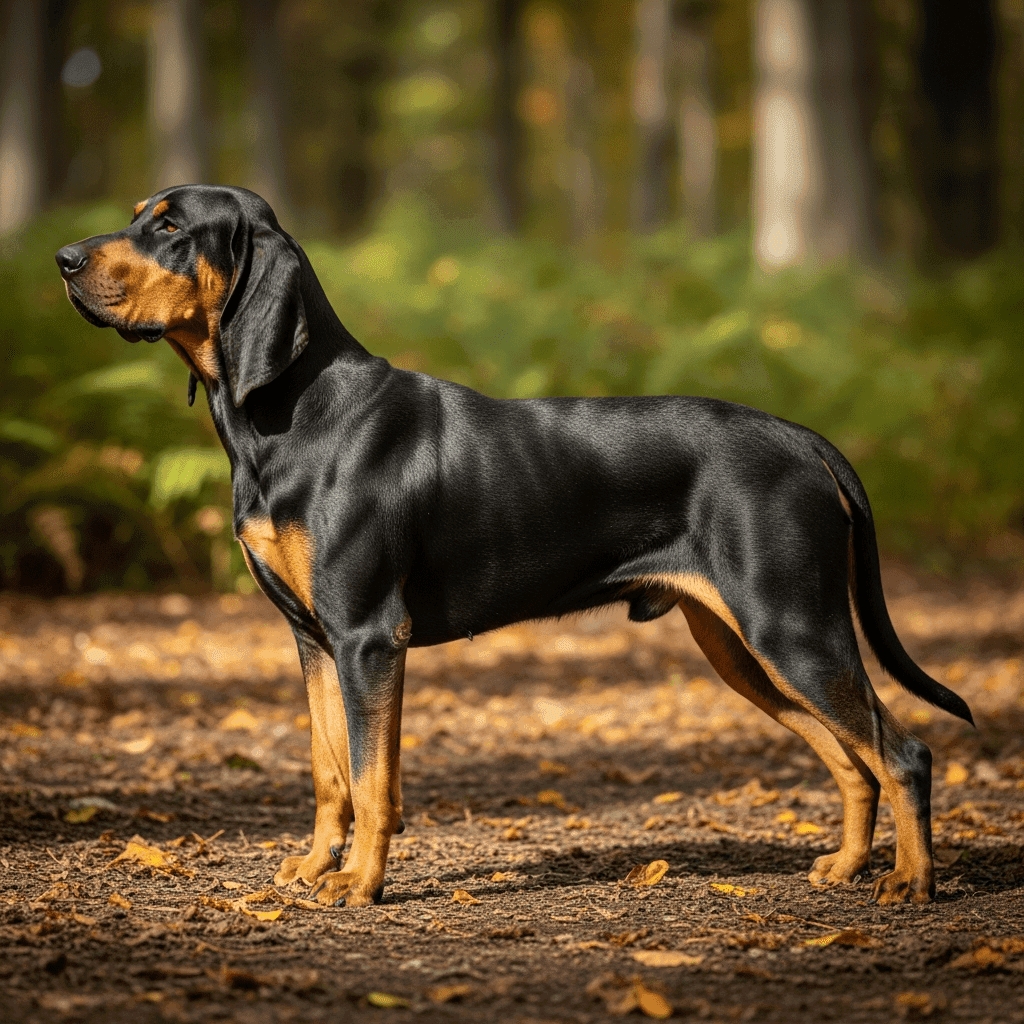
Black and Tan Coonhound
FCI Group
6• FCI 300
Size
Large
Origin Country
XX
Height
58-68 cm
Weight
29-35 kg
Lifespan
10-12 years
Temperament
Overview
Black and Tan Coonhound is a breed of hound with American origins, originating from the southern United States. These dogs are distinguished by their exceptional tracking abilities, and their wonderful sense of smell is primarily used in hunting raccoons and other animals. They were developed from crosses between English hunting dogs and local breeds, which gave them unique traits that are now appreciated by both hunters and families.
The character of the Black and Tan Coonhound combines courage and agility, making them excellent companions in challenging terrain. Their balanced, open, and friendly temperament makes them wonderful companions for both children and adults. Moreover, they are very loyal to their owners, which makes them ideal family dogs.
However, their strong hunting instinct means they can be quite noisy and may show dislike for cats and other small animals. Therefore, it is important to understand their needs and approach training appropriately.
Black and Tan Coonhounds require regular physical activity to maintain their health and well-being. Their average lifespan is between 10 to 12 years, which is standard for dogs of this size. Their short, dense, and shiny coat does not require intensive grooming, making them easier to maintain. However, they tend to gain weight, so diet control is essential.
In the following sections of the guide, you will find detailed information about the health, grooming, activity, training, nutrition, history, appearance, and behaviors of this fascinating breed. Get to know the Black and Tan Coonhound better and discover why they are appreciated by both hunters and families.
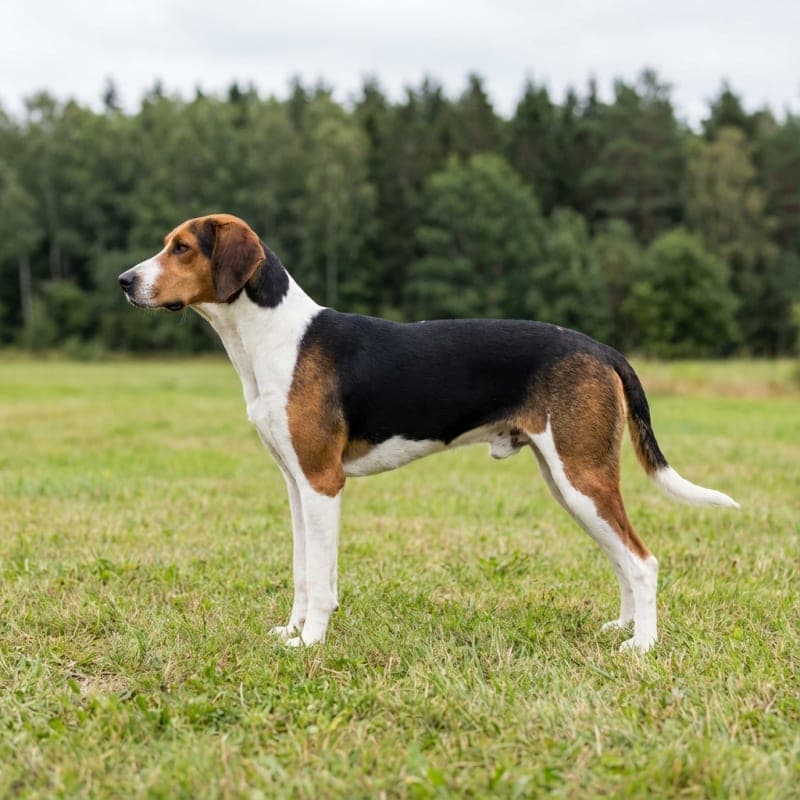
The Black and Tan Coonhound is a large dog with a strong and agile build that immediately catches the eye with its elegance and power. The height at the withers ranges from 58 to 68 cm, and the weight oscillates between 29 and 35 kg, with males typically being larger and heavier than females.
The most characteristic feature of this breed is their short, dense, and shiny coat, which is always colored black with distinct brown markings. The brown (tan) markings occur in specific places:
- Above the eyes (characteristic eyebrows)
- On the sides of the muzzle
- On the chest
- On the limbs
- On the hindquarters and under the tail
The Coonhound's head is smoothly shaped with a noble expression. The eyes are amber or dark brown, full of intelligence and gentleness. The ears are one of the most distinctive features of the breed - they are long, drooping, set low, and covered with soft fur. The muzzle is well-developed with a broad nose and wide nostrils, providing excellent scenting ability.
The body is strong and athletic, with a level back and a well-developed, deep chest. The limbs are strong, straight, with well-angled joints, which ensures efficient and tireless movement. The movement of the Black and Tan Coonhound is harmonious, fluid, with good balance and confidence, making them excellent companions both during hunting and on daily walks.
The Black and Tan Coonhound is a breed of dog characterized by a balanced temperament and friendly disposition. They are sociable dogs that enjoy being in close contact with people and other dogs. Their calm nature makes them excellent companions for both children and adults.
Coonhounds are generally open to new acquaintances and usually greet strangers with joy, though without excessive excitement. Their balanced approach to life means they are not overly nervous or aggressive. At the same time, they are alert and attentive, making them good guard dogs that will alert their owner to uninvited guests.
However, due to their strong hunting instinct, they may show reluctance towards smaller animals, such as cats or rodents. Coonhounds tend to be quite vocal - their distinctive, deep voice is a result of selective breeding aimed at communication with hunters over long distances. Their barking and howling is usually related to their tracking instinct and the desire to notify about a found trail.
These are dogs that need challenges both physically and mentally to avoid boredom and destructive behavior. The Black and Tan Coonhound can be independent and sometimes stubbornly pursues its goals, especially when on a scent. Therefore, it is important for owners to be firm and consistent in training while maintaining patience and a positive attitude.
Overall, the Black and Tan Coonhound is a wonderful, loving companion that will be loyal and devoted to its family. With proper socialization and training, they become balanced, friendly household dogs that combine the traits of a working dog and a family companion.
The Black and Tan Coonhound is considered a healthy and resilient dog breed, characterized by an average lifespan of 10 to 12 years. This breed is not known for numerous specific genetic diseases, making it relatively easy to maintain in terms of health.
However, owners should be aware of a few potential health issues that may arise:
- Ear infections - due to their long, drooping ears that restrict air circulation, Coonhounds are prone to ear infections. Regular cleaning and inspection of the ears are crucial to prevent these problems.
- Hip dysplasia - a condition involving improper development of the hip joints, which can lead to pain and limping in older age.
- Eye diseases - including corneal ulcers, cataracts, and progressive retinal atrophy (PRA), which can affect the dog's vision.
- Overweight and obesity - the Black and Tan Coonhound tends to gain weight, especially with insufficient physical activity.
The Black and Tan Coonhound is an active dog that needs regular physical activity to avoid overweight, which is one of the most common health issues in this breed. Owners should provide their dog with a proper diet and regular exercise to keep them in good shape.
It is also advisable to regularly check the dog's health with a veterinarian - annual preventive check-ups, vaccinations, and examinations of the eyes and joints are recommended, especially for older dogs. Early detection of potential health issues significantly increases the chances of effective treatment.
The grooming of the Black and Tan Coonhound is relatively simple, as their coat is short, dense, and shiny. Nevertheless, regular grooming is essential to keep the dog in good condition and prevent health problems.
Coat care: These dogs shed moderately throughout the year, with increased shedding during two main shedding periods (spring and autumn). During shedding periods, it is advisable to brush the dog regularly - ideally 2-3 times a week - to remove dead hair and minimize the amount of fur in the house. Using a grooming glove or a brush with natural bristles will help maintain the coat in good condition and give it a healthy shine.
Ear hygiene: This is a key aspect of grooming for the Black and Tan Coonhound. Due to their long, drooping ears that restrict airflow, these dogs are prone to ear infections. Ears should be checked regularly (at least once a week) and cleaned using a special dog ear cleaning solution. Watch for signs of infection: unpleasant odor, redness, excessive wax, or frequent scratching of the ears.
Oral hygiene: Teeth should be brushed regularly - ideally 2-3 times a week - to prevent tartar buildup and gum disease. Use toothpaste designed for dogs.
Nail care: Nails should be trimmed every 3-4 weeks if they do not wear down naturally during walks. Too long nails can cause discomfort and walking problems.
Bathing: The Black and Tan Coonhound does not require frequent baths - a bath every 6-8 weeks or when the dog is particularly dirty is sufficient. Bathing too often can strip the coat of its natural oils and cause dry skin.
Overall, the Black and Tan Coonhound does not require complicated grooming, but regular grooming activities will help maintain their health, beauty, and comfort.
The Black and Tan Coonhound is a breed that requires regular and intense physical activity to maintain health, well-being, and balanced behavior. These dogs are energetic and need at least 60-90 minutes of exercise each day.
Types of activities: Black and Tan Coonhounds are perfect for long walks, running, hiking in the mountains, as well as playing fetch. With their strong hunting instinct, they love to run in open spaces and follow scent trails. They also excel in dog sports such as:
- Mantrailing (tracking people)
- Nosework (scent work)
- Agility (obstacle courses)
- Canicross (running with a dog)
Important safety rules: Owners should be aware that these dogs have a strong tendency to escape if they catch an interesting scent. When a Black and Tan Coonhound gets on a trail, it may completely ignore the owner's calls. Therefore, it is very important to:
- Keep the dog on a leash during walks in unsecured areas
- Provide safe, fenced areas for free play
- Work on the recall command from a puppy age
- Consider using a long training line (10-15 m) for more freedom while maintaining control
Mental stimulation: In addition to physical activity, Black and Tan Coonhounds also need mental challenges. Scent tracking games, hiding treats, interactive toys, and obedience training will help satisfy their intelligence and prevent boredom.
Regular physical activity is key to preventing obesity, which is particularly important for this breed. Insufficient exercise can lead not only to weight problems but also to destructive behavior, excessive barking, and frustration.
Remember that young puppies should not be overexerted - their bones and joints are still developing. Intense exercise should be introduced gradually, after reaching adulthood (around 12-18 months).
The Black and Tan Coonhound training requires consistency, patience, and confidence from the owner. This breed is intelligent but also quite independent and stubborn, which can make the training process a challenge, especially for inexperienced owners.
Training methods: Owners should use only positive training methods based on rewards and praise. The Black and Tan Coonhound does not respond well to harsh or punitive methods - instead of improving behavior, they can lead to distrust or stubbornness. The most effective methods include:
- Treat rewards (small, low-calorie treats)
- Verbal praise and petting
- Play as a reward (especially with a favorite toy)
- Clicker training
Training challenges: Coonhounds are prone to distractions, especially when they catch an interesting scent. Therefore, it is very important that training takes place in a calm environment, free from unnecessary stimuli, at least in the initial stages of learning. Regular, short training sessions (10-15 minutes) are more effective than long, exhausting lessons that can lead to boredom and frustration.
Basic commands: Training should include basic obedience commands such as:
- Sit
- Lie down
- Stay
- Come (recall - especially important!)
- Leave it
- Don't pull (loose leash)
Socialization: Early and extensive socialization is absolutely crucial for the Black and Tan Coonhound. Puppies should be exposed to a variety of stimuli: people of different ages, other dogs, various environments, sounds, and situations. A well-socialized Coonhound will be more confident and balanced in adult life.
Specialized training: Owners can also develop the natural abilities of this breed through mantrailing or nosework activities, which allow the Coonhound to utilize its instincts in a controlled manner.
Joint activities, such as hiking or agility training, can also help build the bond between the dog and the owner and improve training skills. Remember that variety is the key to success - Coonhounds need challenges to stay engaged in the learning process.
The diet of a Black and Tan Coonhound should be carefully tailored to their age, weight, and activity level. As large, active dogs, they require a balanced diet rich in high-quality protein, healthy fats, and appropriate amounts of vitamins and minerals.
Choosing food: Owners should select high-quality dog food for large breeds that meets the nutritional requirements of this breed. Look for foods that contain:
- High-quality animal protein as the first ingredient (chicken, beef, fish)
- Healthy fats (omega-3 and omega-6 for healthy skin and coat)
- A complex of vitamins and minerals
- Glucosamine and chondroitin for healthy joints
- No artificial colors or preservatives
Portion control: The Black and Tan Coonhound has a tendency to gain weight, so regular monitoring of food portions is crucial. The manufacturer's feeding guidelines are just a starting point - actual needs may vary depending on the dog's activity level. An adult dog should receive 2-3 meals a day instead of one large meal, which helps prevent bloating and digestive issues.
Foods to avoid: It's important to avoid feeding dogs human food, as many products can be harmful to dogs:
- Chocolate and caffeine
- Onions and garlic
- Grapes and raisins
- Avocado
- Xylitol (sweetener)
- Fatty table scraps
Treats: Excessive high-fat treats can quickly lead to obesity. Treats should make up no more than 10% of the daily calorie intake. Healthy alternatives include: carrots, apples (without seeds), fresh vegetables, or special low-calorie dog treats.
Homemade diet: Preparing food at home can also be an option, but owners should consult with a veterinarian or veterinary nutritionist to ensure that the diet is properly balanced and provides all necessary nutrients.
Hydration: Remember that fresh water should always be available for the dog to ensure proper hydration, especially after intense physical activity.
Regular weighing of the dog (monthly) and veterinary check-ups will help monitor body condition and adjust the diet as needed.
Characteristic Traits
Pros
- Exceptional tracking abilities
- Friendly and balanced temperament
- Loyalty to the owner
- Minimal coat maintenance
- Good with children.
Cons
- Strong hunting instinct
- They can be very noisy
- Tendency to gain weight
- Inclination to escape in pursuit of a scent.
Behavioral Ratings
Breed History
The history of the Black and Tan Coonhound dates back to colonial times in North America. Their ancestors arrived from England in the 17th century with settlers who brought hunting dogs used for hunting game. Among these dogs were Foxhounds and Bloodhounds.
As time went on, these European dogs were crossed with local breeds and other hounds, leading to the creation of a unique breed that was perfectly suited to the specific conditions of the American terrain and the types of animals being hunted. Breeders aimed to create a dog that was resilient, had an excellent sense of smell, could work in difficult terrain (forests, swamps, mountains), and exhibited extraordinary determination in tracking.
In the 18th and 19th centuries, the Black and Tan Coonhound gained immense popularity as hunting dogs specializing in raccoon hunting (hence the name Coonhound) and other animals such as bears, deer, and cougars. Their tracking skills were appreciated by hunters across the United States, and their distinctive, deep voice allowed for communication with the hunter even from a great distance.
This breed was particularly popular in the southern USA, where it was used for night hunting. The Black and Tan Coonhound could track a scent for hours and then tree the game, barking until the hunter arrived.
Official breed recognition: The American Kennel Club (AKC) officially recognized the Black and Tan Coonhound breed in 1945, making it the first of six Coonhound breeds to receive this recognition. In 1996, the breed was also recognized by the Fédération Cynologique Internationale (FCI) in Group 6 (hounds and related breeds).
Over the years, the Black and Tan Coonhound has also become a popular companion dog, although it is still primarily viewed as a hunting and working dog. Today, despite hunting with dogs becoming an increasingly restricted practice in many areas, Coonhounds are gaining recognition as wonderful family companions that combine the traits of a working dog with a gentle, friendly nature.
This breed remains a symbol of American hunting heritage and is valued for both its historical significance and its contemporary qualities as a family dog.