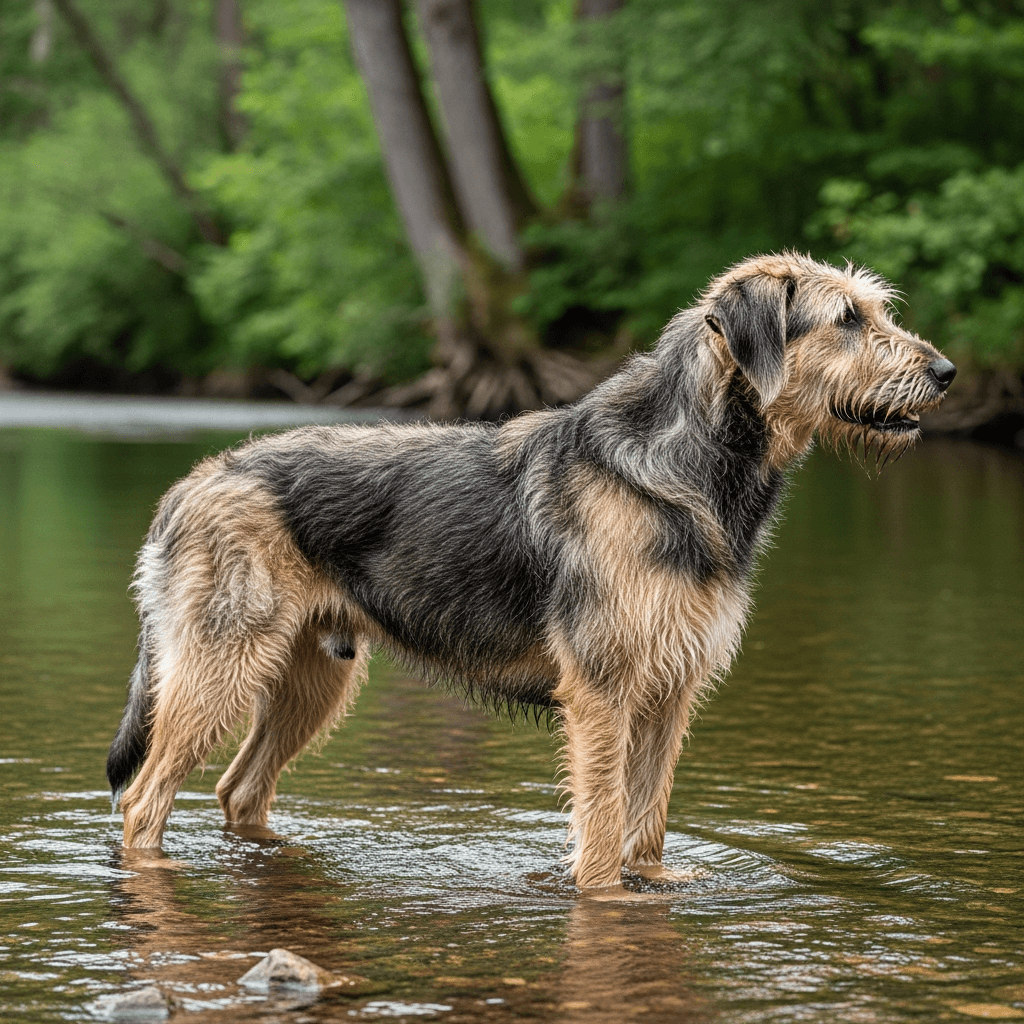
Otterhound
FCI Group
6• FCI 294
Size
Large
Origin Country
GB
Height
60-69 cm
Weight
30-52 kg
Lifespan
10-12 years
Temperament
Overview
The Otterhound is a fascinating and extremely rare breed of dog that attracts attention with its rich history and exceptional hunting abilities. These large, lively dogs were bred in the United Kingdom specifically for hunting otters – a task that requires not only excellent scenting ability but also remarkable endurance in water. Their natural hunting instinct, combined with extraordinary swimming skills, made them indispensable companions for hunters. Today, although hunting otters is prohibited, Otterhounds retain their unique traits that set them apart from other breeds.
One of the most distinctive features of the Otterhound is its thick, oily, and completely waterproof coat. Thanks to this natural insulation, these dogs can swim for hours even in cold water, which is truly an impressive skill. Their strong, muscular bodies and long, sturdy legs allow them to move freely both in the current of a river and on difficult, mountainous terrain. Additionally, they have webbed paws that act like natural fins, greatly facilitating swimming. This makes them energetic dogs that require a lot of daily physical activity.
Owners of Otterhounds should be prepared for regular, long walks and intense play in the water to help these dogs expend their excess energy. Although Otterhounds are naturally friendly, gentle, and sociable, they can also be independent and sometimes stubborn. Therefore, proper training from a young age is crucial for raising a well-socialized and obedient pet. Their long, drooping ears covered with thick fur and their distinctive, majestic head are features that distinguish them from other hound breeds.
Otterhounds are also known for their funny, playful, and friendly character, making them wonderful family companions. Despite their impressive size, they are gentle with children and get along well with other animals if properly socialized. However, it is worth noting that this breed is not very popular – their numbers worldwide are drastically limited (it is estimated that fewer than 1,000 individuals live), making them a true rarity. The average lifespan of these magnificent dogs is between 10 to 12 years. If you are looking for a dog that will bring a lot of joy, energy, and unique character into your life, and you are willing to dedicate time to training, physical activity, and proper grooming, the Otterhound may be the perfect choice.
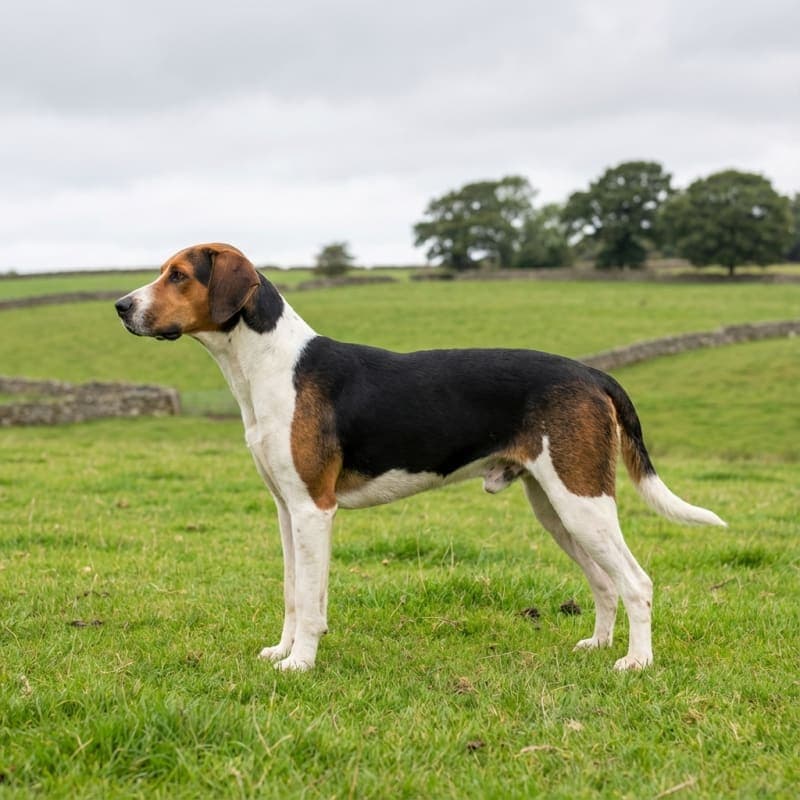
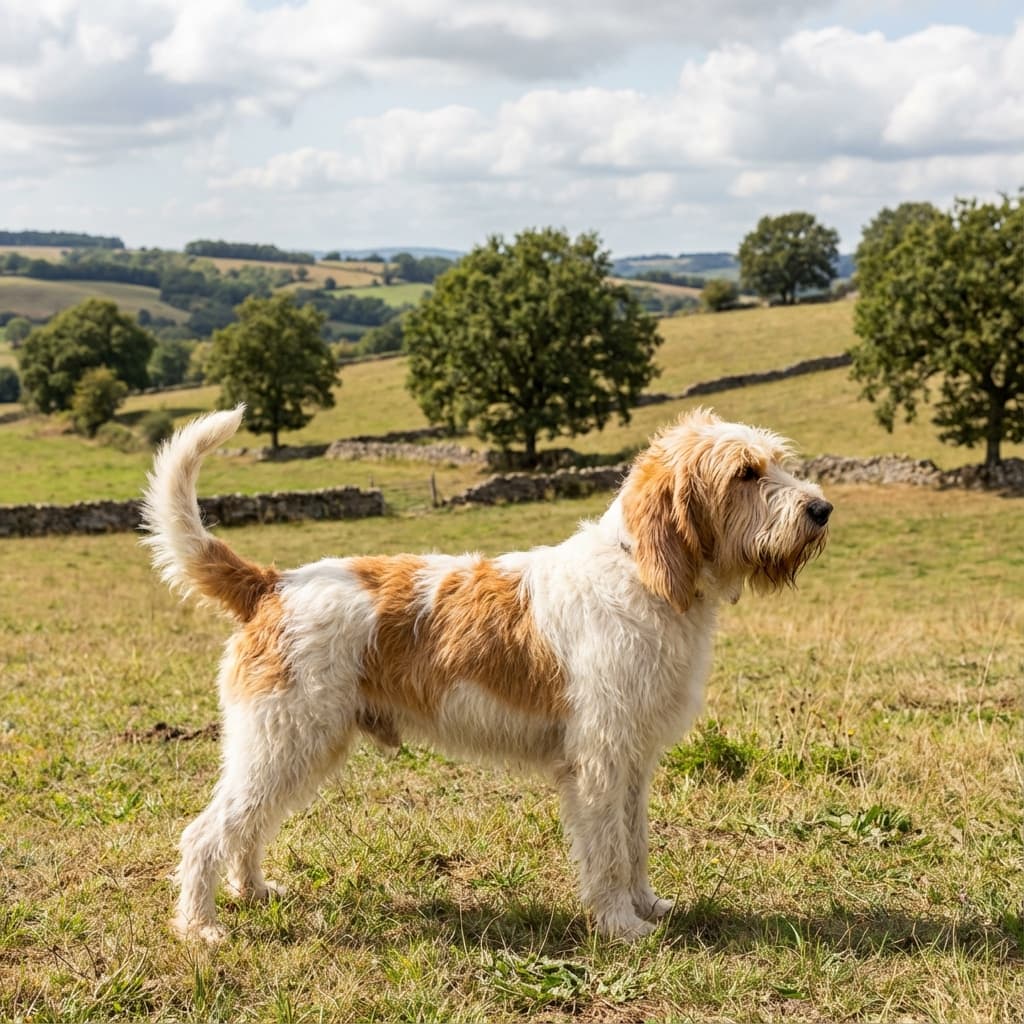
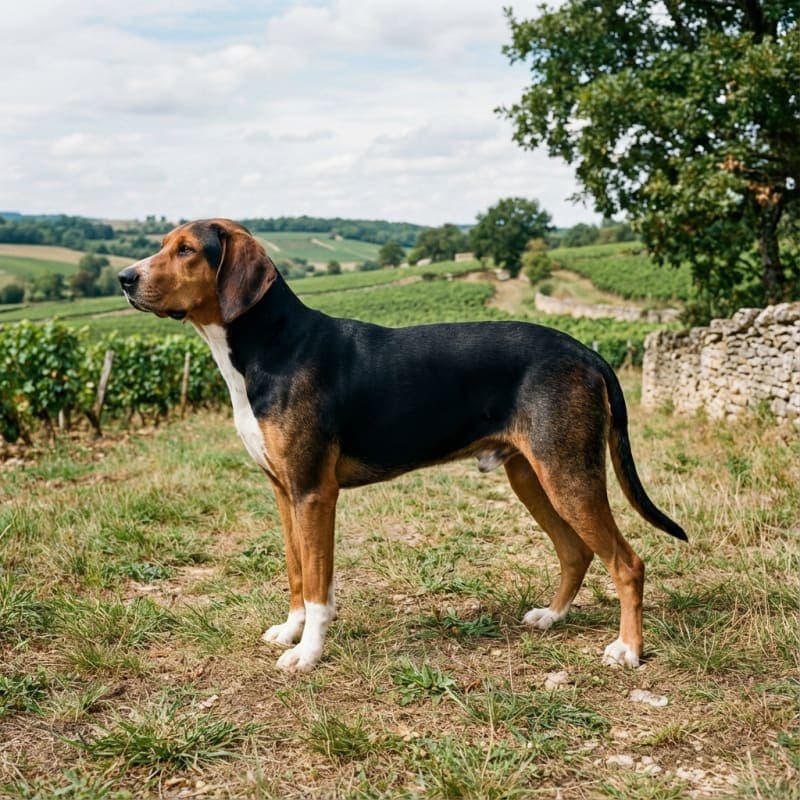
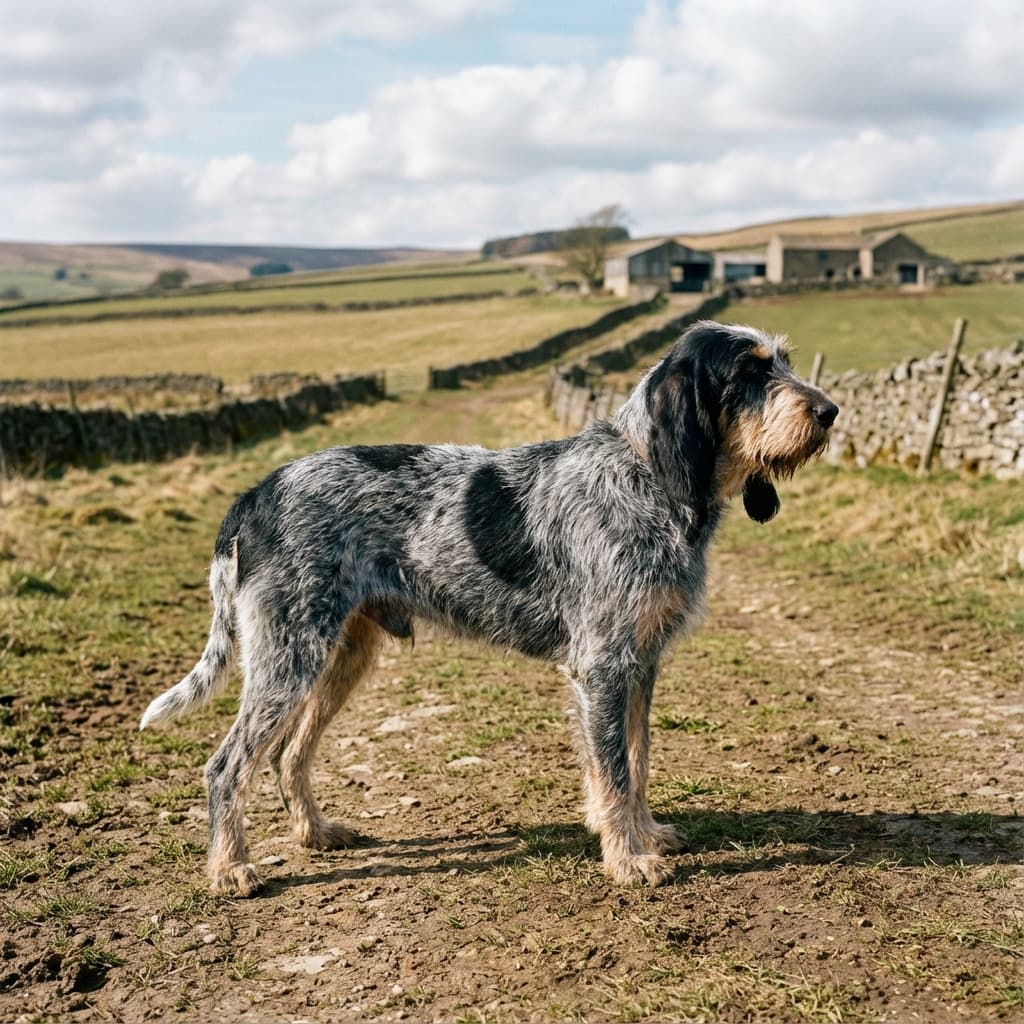
The Otterhound is a large, massive dog with a strong and solid build, distinguished by its rough, dense, and characteristically tousled coat. The length of the outer coat ranges from 4 to 8 cm and is hard, waterproof, and resistant to the worst weather conditions, making these dogs ideal for work in water. Beneath the rough outer layer lies a thick, oily undercoat that provides excellent thermal insulation and protects against chilling during long dives in cold water.
Otterhounds have distinctive, long, drooping ears that are folded, covered with abundant hair, and nearly reach the nose. Their head is large, majestic, and expressive, with a strong, well-developed muzzle and a broad nose with large nostrils that allow for excellent scent detection. The eyes of Otterhounds are intelligent, lively, and moderately deep-set, and their color can vary depending on the coat pattern – from dark brown to hazel.
The body of the Otterhound is strong, well-muscled, and built for endurance work, with a wide, straight back and a deep, spacious chest that provides a large lung capacity. The tail is set high, thick at the base, and carried joyfully in action, tapering towards the end. The height at the withers is about 69 cm for males and about 61 cm for females, although according to the FCI standard, the minimum height is 67 cm and 60 cm, respectively.
The coat color of Otterhounds can be extremely diverse – all colors found in hounds are accepted, including black, red, blue, fawn, wheaten, and any combinations of these colors with or without tan markings. A particularly characteristic feature is their strong, athletic build and webbed feet (with webbing between the toes), which allow them to move freely and efficiently both in water and on land. Their gait is loose, long, and relaxed, with a characteristic sway typical of the breed.
Otterhounds are dogs with a balanced, gentle, and friendly temperament, characterized by their kindness towards both people and other animals. They are social dogs that love to be around family and actively participate in the daily lives of their household members. Although they may be a bit shy or cautious towards strangers at first meeting, with proper socialization, they become open, friendly, and eager to make new acquaintances.
Their high hunting instinct means they may be prone to following interesting scents or running off in pursuit of potential prey. Therefore, it is important for them to have adequate space to run safely – ideally a fenced area where they can move freely without the risk of escaping. This breed is known for its funny, playful, and humorous disposition, making them great companions for families with children. Otterhounds are patient and gentle with the youngest, although due to their size, they may accidentally knock over small children during play.
Otterhounds are moderately intelligent, but they can show some stubbornness and independence, which makes training require patience, consistency, and positive reinforcement. Owners should take the time to teach basic commands and proper socialization to ensure the dog has confidence and appropriate behavior in various situations. Although they are relatively independent dogs, they enjoy the company of people and other animals, provided they have been properly accustomed to their presence from a young age.
Otterhounds can be somewhat noisy – their characteristic deep and loud barking (known as baying) is typical of hounds and can be heard from afar. However, they are not known for excessive barking without reason. Their moderate tolerance for being left alone means they should be regularly stimulated both physically and mentally to avoid boredom, frustration, and potentially destructive behavior. They are dogs that need an active owner ready to provide them with daily challenges and companionship.
Otterhounds are generally a healthy and resilient breed, however, like many large dogs, they can be prone to certain genetic conditions and health issues typical for their body structure. One of the most common problems is hip and elbow dysplasia, which can lead to pain, stiffness, and limited mobility, especially in older age. Regular X-rays and weight monitoring can help minimize the risk and detect these conditions early.
Additionally, this breed may suffer from gastrointestinal issues, such as gastric dilatation and volvulus (bloat) – a serious and life-threatening condition that requires immediate veterinary intervention. To reduce the risk, it is recommended to feed Otterhounds smaller meals several times a day and to avoid intense activity immediately before and after eating.
Owners should also be vigilant for skin allergies and sebaceous cysts, which can occur in this breed and cause itching, irritation, and skin infections. The long, droopy ears of Otterhounds are prone to ear infections due to limited air circulation and moisture accumulation, so regular checking and cleaning of the ears is extremely important.
Regular veterinary visits, an appropriate diet tailored to age and activity level, and attention to proper physical condition can help keep an Otterhound in good health for many years. It is also important to provide the dog with adequate physical activity, which can help prevent obesity – another health issue that can lead to additional strain on joints and internal organs. Otterhounds are resistant to cold due to their thick coat, but in hot conditions, they may have difficulty with thermoregulation, so they should be provided with a cool place and access to fresh water on hot days.
Grooming Otterhounds requires regular brushing at least two to three times a week to prevent tangles in the coat and the formation of painful mats. Their dense, coarse outer coat and oily undercoat can easily become tangled, especially around the ears, paws, and belly, where the hair is softer and more delicate.
Although their coat is naturally resistant to dirt and water, the beard and muzzle area can easily become dirty after eating and drinking, so it's a good idea to regularly clean these areas with a damp cloth to remove food debris and saliva. Otterhounds do not require frequent bathing – bathing is only recommended when truly necessary (e.g., when the dog is very dirty or has an unpleasant odor), as excessive washing can strip the coat of its natural protective oils.
Particular attention should also be paid to the ears, which due to their length, drooping shape, and abundant hair can easily accumulate dirt, moisture, and wax, creating ideal conditions for the development of bacterial and fungal infections. Regularly checking and cleaning the ears at least once a week using a special veterinary product is crucial for the health of the Otterhound.
Additionally, owners should regularly check and trim the nails to prevent overgrowth, which can cause pain, discomfort, and walking problems. If the nails are clicking on the floor while walking, it means they are too long and need to be shortened. It's also important to check the teeth and brush them regularly (preferably several times a week) to prevent the buildup of tartar and gum disease.
Proper grooming not only affects the dog's attractive appearance but, most importantly, its overall well-being, comfort, and health. Regular grooming routines also allow for the early detection of potential health issues, such as tumors, wounds, or skin irritations.
Otterhounds are a breed with very high exercise needs and require at least two hours of intense physical activity daily. With their natural energy, endurance, and athletic build, they are ideally suited for running, long hikes, fetch games, and – most importantly – swimming. Owners should provide them with a variety of activities to satisfy their natural hunting instincts and need for exploration and movement.
Swimming is particularly beneficial and recommended for this breed, as Otterhounds love water and are excellent, enduring swimmers. With their waterproof coats and webbed feet, they can spend many hours in the water without getting tired. Regular swimming not only meets their natural needs but also provides an excellent form of low-impact exercise, which is especially important for large breeds.
It is also worth introducing mentally engaging games for the dog, such as searching for hidden toys or treats, scent tracking training, or learning new tricks and commands. Otterhounds have an excellent sense of smell and love tasks that allow them to utilize this natural talent. Participation in dog sports, such as mantrailing or water work trials, can also be considered.
It is important for Otterhounds to have the opportunity for free running in a safe, well-fenced area, as their strong hunting instinct may cause them to spontaneously follow an interesting scent or prey, ignoring their owner's calls. For this reason, walks in public places should be conducted on a leash or in secure, designated dog parks.
Insufficient exercise and mental stimulation can lead to serious behavioral problems, such as destruction of property, excessive barking, digging, and general anxiety and frustration. Otterhounds are a breed for active owners who can provide them with daily, engaging physical and mental challenges.
Training Otterhounds can be a certain challenge because they are naturally independent dogs, sometimes stubborn, and have strong hunting instincts that can distract them during training sessions. Owners should start training as early as possible – from puppy age – to help the dog learn basic commands, good manners, and appropriate social behaviors.
Training sessions should be short, dynamic, fun, and full of positive motivation to keep the dog's attention and prevent boredom. Otterhounds respond best to methods based on positive reinforcement, such as rewarding with treats, toys, or enthusiastic praise for correctly following commands. Punishments, harsh methods, or yelling can be counterproductive and lead to a loss of trust or stubbornness.
It is also worth using clicker training, which can be very effective in learning new skills and precisely marking desired behaviors. With a clear sound signal, the dog understands more quickly what exactly it is being rewarded for.
Socialization is absolutely crucial to help the Otterhound become a confident, balanced, and well-adjusted dog. Owners should regularly take their puppies and young dogs to various places to get them accustomed to new sounds, smells, sights, people, and other animals. The more positive experiences the dog gathers at a young age, the more balanced and friendly it will be in adult life.
It is important to remember that Otterhounds have a very strong hunting instinct, so special care should be taken during walks, keeping the dog on a strong leash, especially near wildlife, traffic, or open spaces. Teaching a reliable recall (commands Stay or Come) is extremely important, although it can be difficult to master due to the breed's tendency to follow scents. Patience, consistency, and regular, positive training are the keys to success when working with this wonderful but demanding breed.
The nutrition of Otterhounds should be carefully tailored to their large size, high level of physical activity, and individual health needs. A proper diet is crucial for ensuring them a long life, good well-being, and optimal physical condition.
It is important to choose high-quality food – dry, wet, or mixed – that is rich in complete animal protein, healthy fats, vitamins, minerals, and nutrients that support joint health (such as glucosamine and chondroitin). Foods dedicated to large breeds are usually the best choice, as they are appropriately balanced for caloric and nutritional needs.
Two meals a day are generally sufficient for an adult Otterhound, but it is worth adjusting the amount and frequency of feeding to the dog's activity level, age, and health status. Puppies require more frequent meals (3-4 times a day) to support their rapid growth and development. Owners should avoid overfeeding to prevent obesity, which can lead to serious health problems such as diabetes, heart disease, and excessive joint strain.
Due to the risk of gastric dilation and volvulus (bloat), it is very important not to feed the Otterhound large portions at once and to avoid intense physical activity immediately before and after meals (a break of at least 1-2 hours is recommended). It is also worth considering feeding from slow-feeding bowls, which slow down the eating pace and reduce the amount of swallowed air.
Fresh water should always be available, especially after intense physical exertion, long walks, or swimming, to ensure proper hydration. Some Otterhounds may be sensitive to food allergies or intolerances, so it is important to observe the dog's reactions to different foods and ingredients and adjust the diet if symptoms such as skin itching, digestive issues, or hair loss occur.
Regular veterinary visits will help monitor the dog's health, control weight, and adjust the diet to changing needs related to age, activity, and any health conditions. Healthy nutrition is the foundation of a long and happy life for an Otterhound.
Characteristic Traits
Pros
- Exceptional swimming abilities and waterproof coat
- Friendly and gentle character
- Fun and playful disposition
- Excellent sense of smell and hunting instinct
- Rarity and uniqueness of the breed.
Cons
- Requires a lot of daily physical activity
- Can be independent and difficult to train
- Drastically limited number of individuals in the world
- Susceptibility to joint dysplasia and gastric torsion
- Requires regular grooming of fur and ears.
Behavioral Ratings
Breed History
The Otterhound has a long and fascinating history, dating back at least to the 13th century, when King John owned a whole pack of these extraordinary dogs specially trained for hunting otters. This breed gained particular popularity in medieval England, and Edward II was known as the first official Master of the Royal Otterhounds, highlighting the royal roots and prestige of this breed.
During that time, Otterhounds were primarily used for controlling otter populations, which were seen as pests threatening fishing and fish farms. Their exceptional abilities – excellent sense of smell, endurance in water, webbed feet, and waterproof coat – made them ideal for this task. Otterhounds could track otters both on land (the so-called drag – scent trail) and in water (wash), sometimes for many hours continuously.
The breed reached the peak of its popularity in the 19th century, when hunting with Otterhounds became an exclusive sport of the aristocracy. There were many packs spread throughout Great Britain at that time. However, the situation dramatically changed in 1978, when a ban on otter hunting was introduced due to a drastic decline in their population and the threat of extinction of the species. This ban, although necessary for the protection of otters, had catastrophic consequences for the Otterhound breed.
As a result of losing its original function, the number of Otterhounds drastically declined. Many packs were dissolved, and breeding nearly ceased. It is now estimated that there are fewer than 1000 Otterhounds worldwide, making this breed one of the most endangered dog breeds – even more so than many wild species. In Great Britain, the Otterhound is recognized as a vulnerable native breed at risk of extinction (Vulnerable Native Breed).
The breed is currently kept alive by a small group of dedicated enthusiasts and breeders who strive to preserve its unique traits, temperament, and genetic heritage. Otterhounds are now more popular as companion and family dogs, although some still participate in shows, working trials, or dog sports. Their rich history and unique character are still appreciated by dog lovers around the world, and efforts to preserve the breed continue unabated.