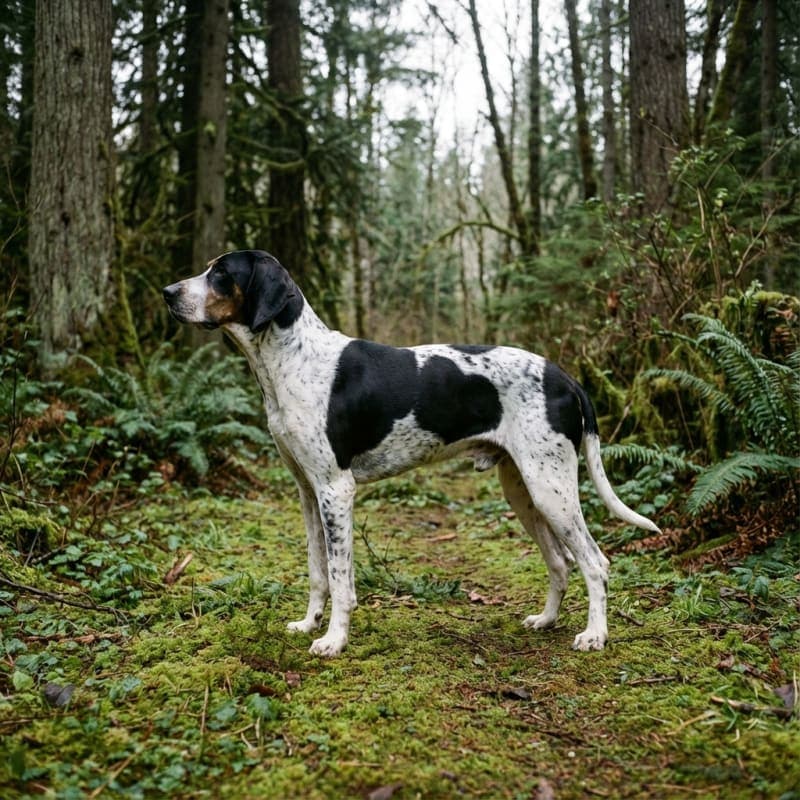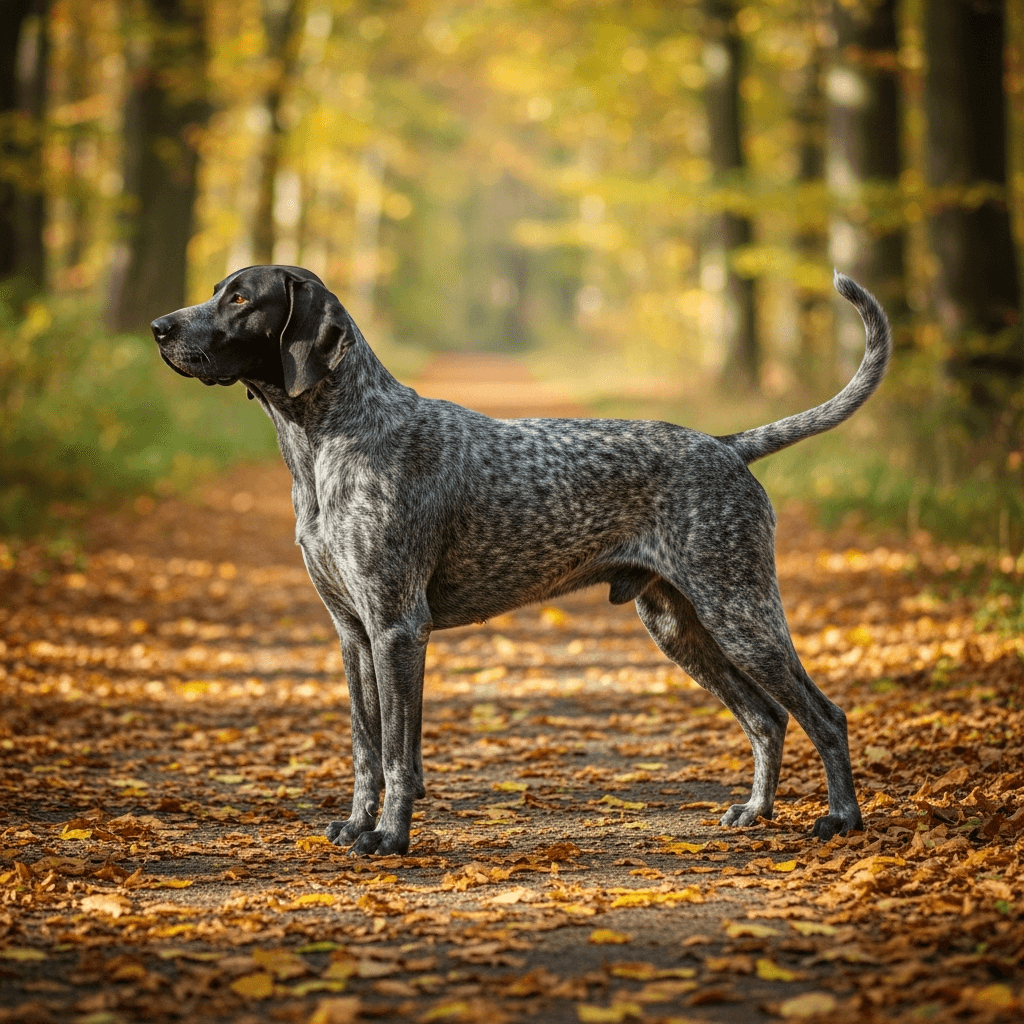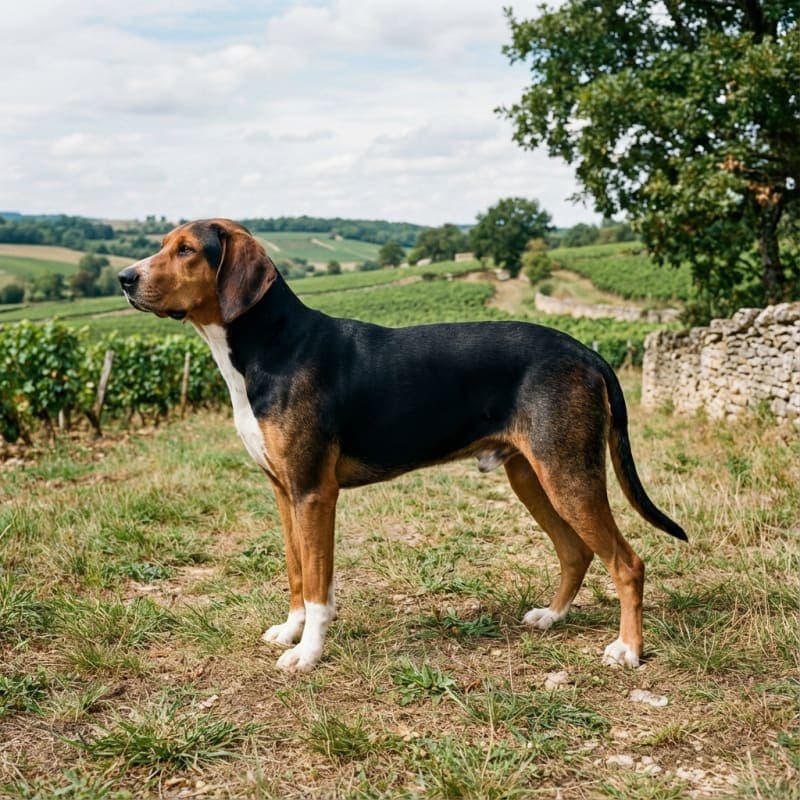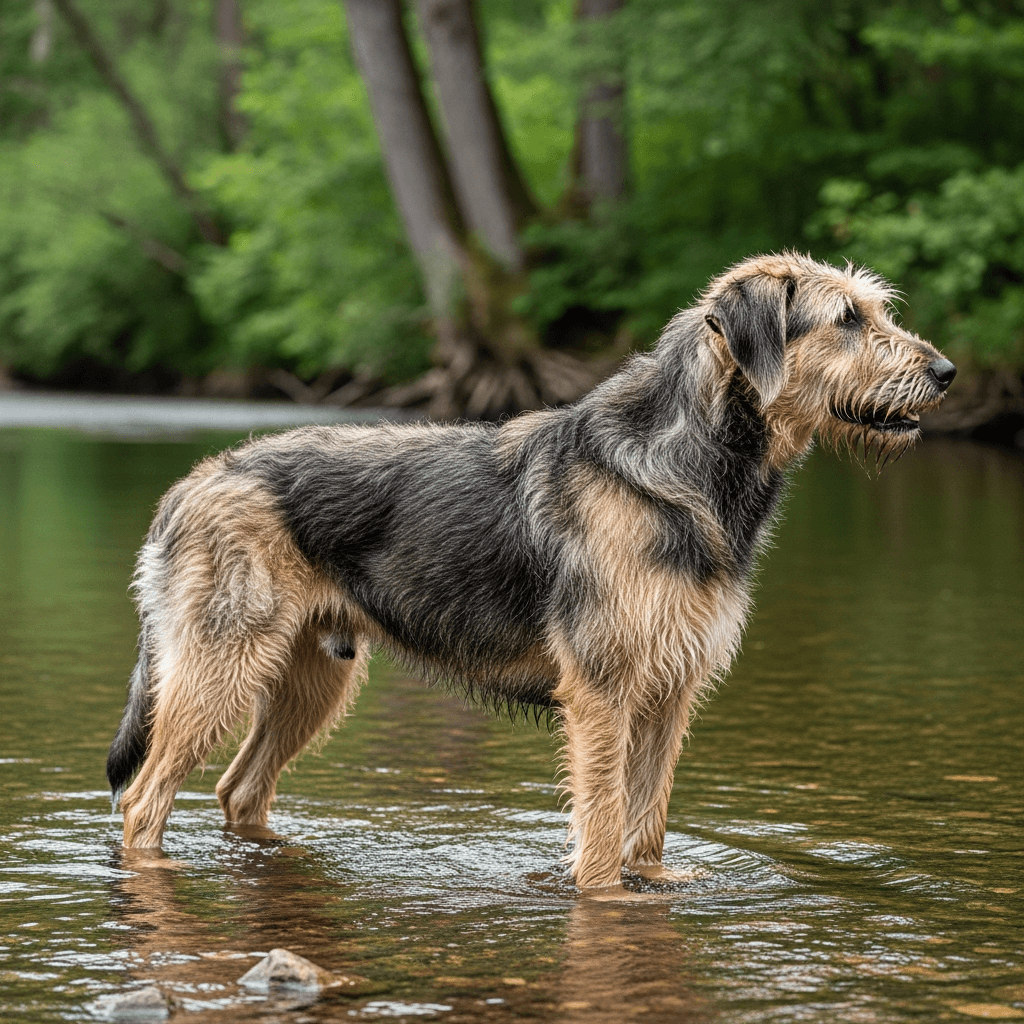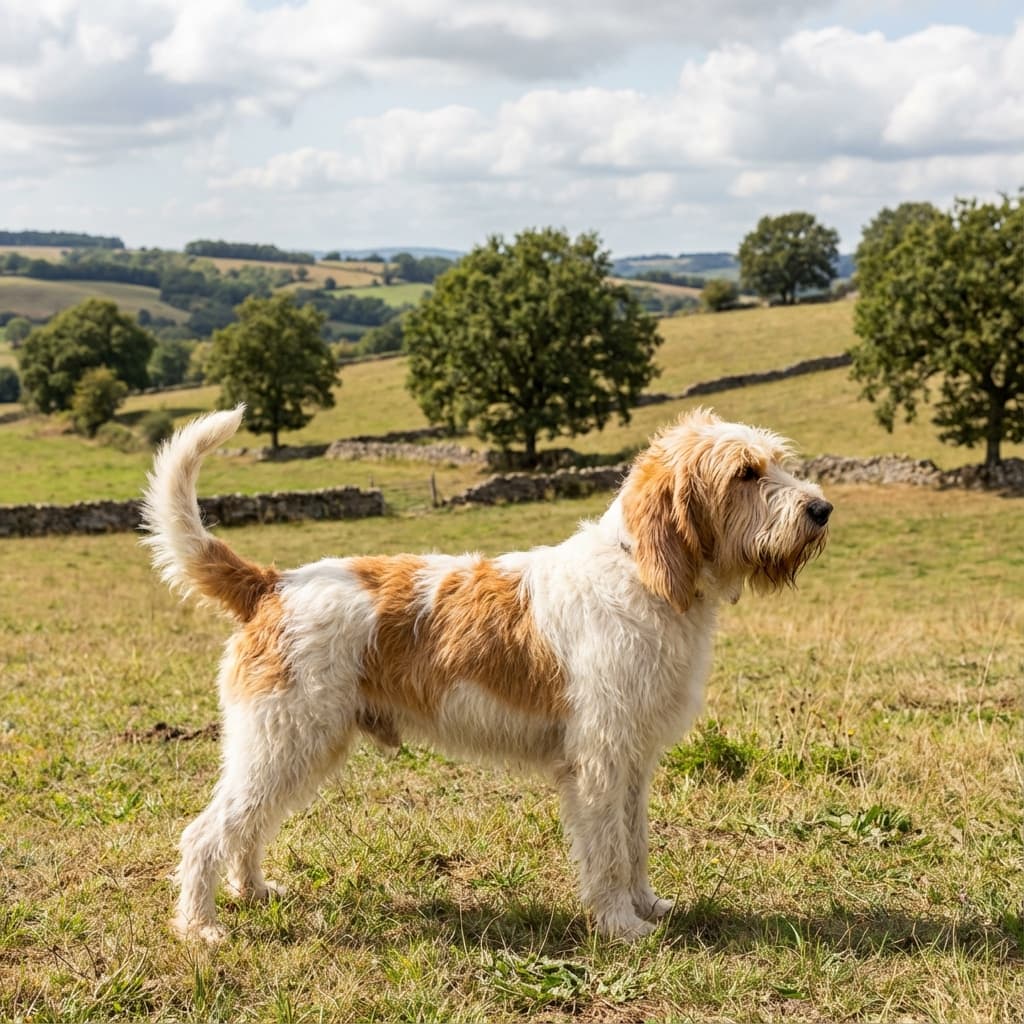
Grand Vendéen Griffon
FCI Group
6• FCI 282
Size
Large
Origin Country
FR
Height
60-65 cm
Weight
30-35 kg
Lifespan
11-13 years
Temperament
Overview
The Grand Griffon Vendéen is one of the most recognizable breeds of hounds, originating from the picturesque region of Vendée in France. This impressive dog, distinguished by its long and dignified silhouette, combines elegance with strength. Its intelligence and confidence make it an excellent companion for active families looking for a dog that is not only beautiful but also functional.
It is characterized by a strong build, evident in its well-muscled back and broad chest. The head is elongated, and the slightly convex skull gives it a noble expression. The broad jaw equipped with a strong nose is another feature that attracts attention. The ears of this breed are flexible, surrounded by long hair, which adds charm and a distinctive appearance. The height at the withers ranges from 60 to 65 cm, and the weight oscillates between 30 and 35 kg.
The coat of the Grand Griffon Vendéen is varied: from fawn, through white-orange, white-gray, to tricolor. Its long, hard, and dense fur effectively protects against adverse weather conditions, which is extremely important for dogs with high outdoor activity. It is thanks to this that the Grand Griffon Vendéen can enjoy walks regardless of the weather, exploring both forests and wetlands.
This breed, embodying strength and elegance, encourages further exploration of its extraordinary traits. In the following sections of our guide, you will discover fascinating information about the health, grooming, physical activity, training, nutrition, history, appearance, and behavior of the Grand Griffon Vendéen. Its natural curiosity about the world and inexhaustible energy make it not only a companion dog but also a wonderful partner for various outdoor activities.
If you are looking for a dog that combines the tradition of French hunting with a modern lifestyle, the Grand Griffon Vendéen will certainly meet your expectations. Its unique character traits and charismatic appearance make it impossible to pass by without noticing. We invite you to delve into the knowledge about this extraordinary breed in our detailed guide.
The Grand Griffon Vendéen is a dog with a characteristic long silhouette, distinguished by a strong yet not heavy body structure. The height at the withers ranges from 60 to 65 cm, and the weight hovers around 30-35 kg. Its head is elongated, and the skull is slightly convex, giving it a dignified and noble appearance.
Large, dark eyes with a lively, penetrating gaze add to its unique charm and expression. The coat of the Grand Griffon Vendéen is very diverse and can include colors such as fawn, white-orange, white-gray, and tricolor, making each individual have its unique look.
The coat is long, hard, and dense, which protects the dog from adverse weather conditions such as rain, wind, or cold. The ears are flexible, narrow, and covered with long hair, giving the dog a distinctive, rustic appearance. The tail is set high and carried in a saber shape, emphasizing its elegant and proud look while in motion.
The overall silhouette of the Grand Griffon Vendéen emanates strength, endurance, and nobility, being an excellent reflection of its hunting heritage and functional purpose.
The Grand Griffon Vendéen is a dog with a varied temperament that combines friendly, confident, and independent traits. It is a sociable dog that enjoys interactions with people and other dogs, but it also has a certain independence of character typical of hunting breeds.
This breed has a strong hunting instinct, which means it can be somewhat dominant towards smaller animals. Therefore, it is not particularly recommended for homes with cats or other small pets. The Grand Griffon Vendéen can be somewhat distrustful of strangers, so it is crucial to introduce it to new people and situations from an early age to avoid fear or defensive aggression.
At home, it can be cheerful, energetic, and devoted to the family, but it requires structure and consistency in training so that its strong character does not turn into behavioral problems. This is a dog that feels best in the company of active owners who will provide it with both physical stimulation and mental challenges.
With proper training, socialization, and ensuring it has the right amount of exercise and tasks, the Grand Griffon Vendéen will become a wonderful, loyal family companion that will enjoy every moment spent outdoors together.
Grand Griffon Vendéen is a dog breed that generally enjoys good health and longevity, with an average lifespan of 11 to 13 years. However, like any breed, there may be certain health issues that owners should pay special attention to.
The most common conditions include:
- Hip and elbow dysplasia - orthopedic conditions that can lead to pain and limited mobility
- Gastric torsion (bloat) - a serious life-threatening condition requiring immediate veterinary intervention
- Ear problems - due to their long, drooping ears, this breed is prone to ear infections, so regular ear care is essential
Grand Griffon Vendéen, with its dense coat and body structure, is resistant to cold weather, but it is important not to expose them to extreme weather conditions during heat. Due to their natural tendency to gain weight, it is particularly important to provide them with a proper diet and regular, vigorous physical activity.
Regular veterinary visits, preventive check-ups, and ensuring an appropriate level of physical activity will help maintain the health and condition of the Grand Griffon Vendéen at the highest level for many years.
Grooming the Grand Griffon Vendéen is a key aspect of ensuring its health, comfort, and proper appearance. Their coat, although long and dense, is not too difficult to maintain, but requires regular brushing, preferably 2-3 times a week, to prevent tangling and matting.
The hair of the Grand Griffon Vendéen tends to collect dirt, leaves, and debris during walks in the field, so it is advisable to wash them from time to time, especially after long outings in the woods or fields. Usually, a bath every 2-3 months is sufficient, unless the dog gets very dirty or starts to smell unpleasant.
Particular attention should be paid to:
- Ears - regular checking and cleaning of the ears is essential to avoid bacterial and fungal infections
- Nails - should be trimmed regularly to avoid discomfort while walking and joint problems
- Abdomen and inner thighs - during brushing, special attention should be paid to these areas where the coat may be thicker and more prone to tangling
Regular grooming not only keeps the dog in good condition but also provides an excellent opportunity to build a bond with the owner and to detect any potential health problems early.
Grand Griffon Vendéen is a dog with very high energy needs, requiring at least an hour of intense physical activity daily. This breed was created for long-lasting hunts for large game, which means it has a natural need to run, explore, and perform tasks.
The ideal solutions are:
- Long walks in the field, preferably in the woods or open spaces
- Running alongside a bicycle or while jogging with the owner
- Outdoor games - retrieving, searching for hidden objects
- Dog sports - agility, frisbee, tracking, which engage both body and mind
Owners should ensure appropriate conditions for their pet to run, preferably in a closed, fenced area to avoid uncontrolled chases after game. Due to its strong hunting instinct, the Grand Griffon Vendéen may tend to follow a scent and ignore the owner's call.
Unmet exercise needs can lead to serious behavioral problems, such as hyperactivity, destructive behaviors, excessive barking, or frustration. Therefore, this breed is best suited for active families living in a house with a garden, who can provide it with the right amount of exercise and stimulation.
The training of the Grand Griffon Vendéen can be a challenge, as they are intelligent, but also independent and stubborn. They require a consistent, patient, and positive approach from the owner, who should be prepared for a long-term education process.
Key training principles:
- Early start - training should begin at an early age when the puppy is most receptive to learning
- Positive reinforcement - using treats, praise, and play yields much better results than punishment or coercion
- Consistency - rules must be clear and applied by all family members
- Regularity - short but frequent training sessions are more effective than long, exhausting training
This breed can be somewhat stubborn, so the key to success is patience and the ability to motivate the dog. Training should include basic commands such as Sit, Stay, Come, Lie Down, as well as intensive socialization with other dogs and people to avoid fear of strangers or aggression towards other animals.
Owners should be prepared for a long-term process that requires commitment and perseverance, but will yield results in the form of a well-behaved, obedient dog. Well-conducted training will not only improve the relationship between the dog and the owner but also allow for safe and enjoyable time spent together.
The Grand Griffon Vendéen diet should be balanced and tailored to their high energy needs. This breed, due to its large size and high physical activity, requires high-quality food that provides all the essential nutrients.
Feeding recommendations:
- High-quality dry food - rich in animal protein (minimum 25-30%) and with an appropriate amount of fat (12-18%)
- Regular meals - the daily portion should be divided into two or three smaller meals to reduce the risk of gastric torsion
- Portion control - it is important not to overfeed the dog, as they may have a tendency to gain weight
- Access to fresh water - throughout the day, especially after intense physical activity
Dogs of this breed may be sensitive to certain ingredients in food, so it is advisable to monitor how they react to different types of food, and in case of food allergies, digestive issues, or skin problems, consult a veterinarian and adjust the diet.
Due to the risk of gastric torsion, it is advisable to avoid intense physical activity immediately before and after feeding - it is best to wait at least an hour before walks or playtime. An appropriate diet, tailored to age, activity level, and health status, is crucial for a long and healthy life for the Grand Griffon Vendéen.
Characteristic Traits
Pros
- Intelligent and self-confident
- an excellent companion for active families
- durable in all weather conditions
- distinctive and elegant appearance
- strong hunting instinct.
Cons
- Requires a lot of exercise and stimulation
- Coat care can be time-consuming
- Not suitable for living in a small apartment
- Can be stubborn in training
- Tendency to follow a scent.
Behavioral Ratings
Breed History
The Grand Griffon Vendéen has a rich and fascinating history, dating back to ancient times when it was used as a hunting dog for large game. This breed descends from the hunting dogs of the Gauls, known as Canis Segusius, which were bred and refined in the Vendée region of France in the 16th century.
The Grand Griffon Vendéen is the largest representative of the Vendéen griffon group, and its ancestors were used to hunt wolves, deer, and wild boars - a task requiring extraordinary courage, endurance, and strength. This breed was valued by the French aristocracy for its outstanding tracking abilities, fearless character, and capacity to work in difficult terrain.
In the 18th and 19th centuries, the Grand Griffon Vendéen was at the height of its popularity among French hunters, but its numbers drastically declined during World War I and II, when traditional hunting nearly vanished. The breed was on the brink of extinction, but thanks to dedicated breeders and dog enthusiasts who took intensive actions after the war, it was successfully revived.
Today, the Grand Griffon Vendéen is less commonly seen, as traditional hunting for large game is becoming increasingly unpopular. Despite this, the breed is gaining new popularity as a companion dog among active families who appreciate its elegance, intelligence, and wonderful character. In France, it still participates in hunting shows and field trials, where it can showcase its natural abilities.