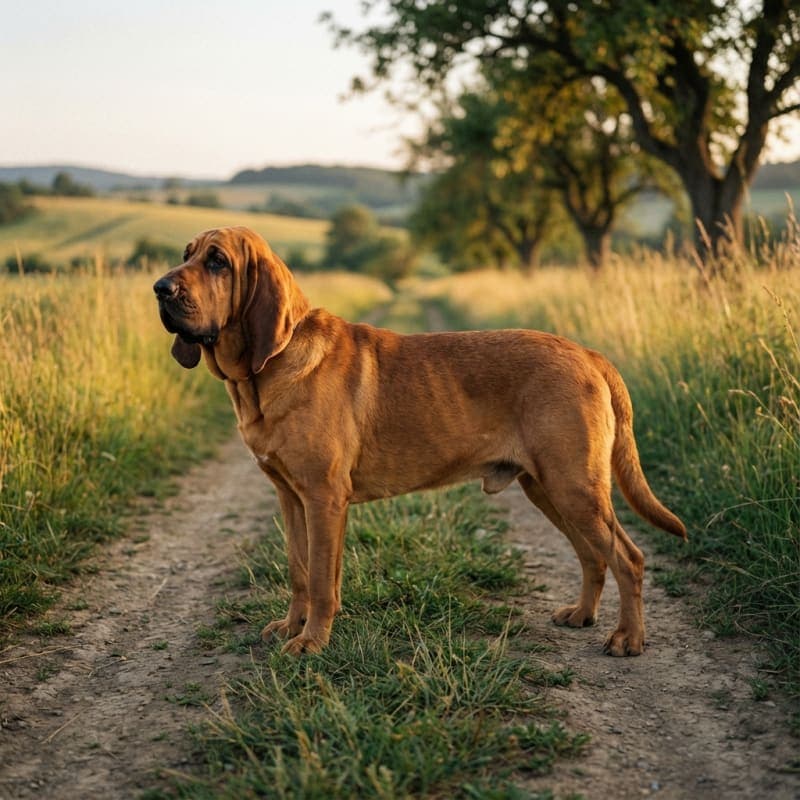
Bloodhound
FCI Group
6• FCI 84
Size
Large
Origin Country
BE
Height
62-68 cm
Weight
46-54 kg
Lifespan
10-12 years
Temperament
Overview
Bloodhound, also known as Chien de Saint-Hubert, is one of the most fascinating dog breeds originating from Belgium. Its exceptional sense of smell and outstanding tracking abilities have made it a legend among hounds.
The history of this breed dates back to the Middle Ages when monks from the Abbey of Saint Hubert in the Ardennes began breeding these dogs for hunting game. Through careful selection of dogs with black and tan coats, they produced animals with incredible tracking abilities, which became indispensable not only in hunting but also in searching for missing persons.
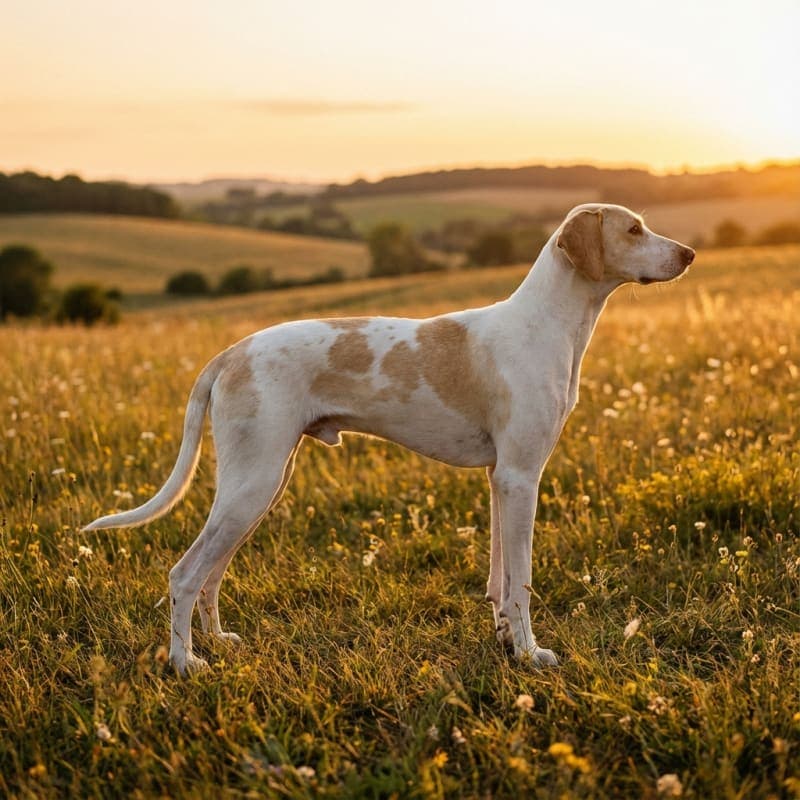
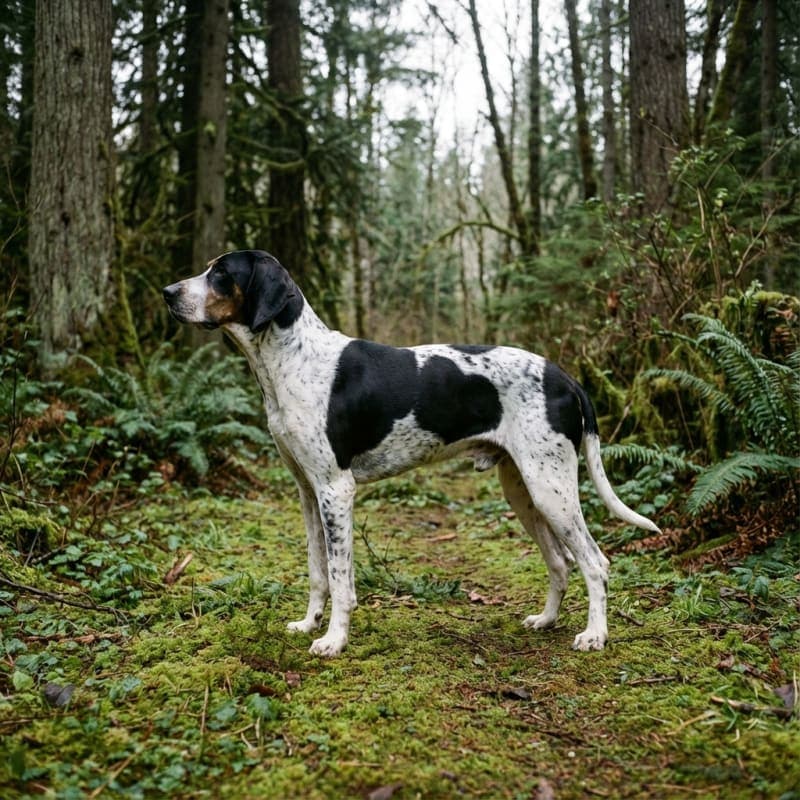
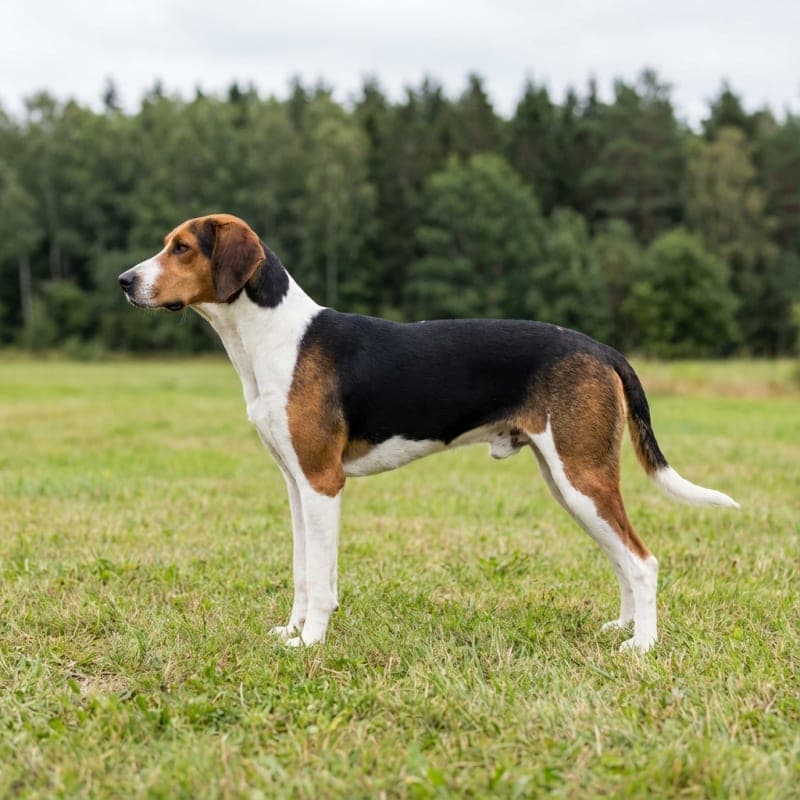
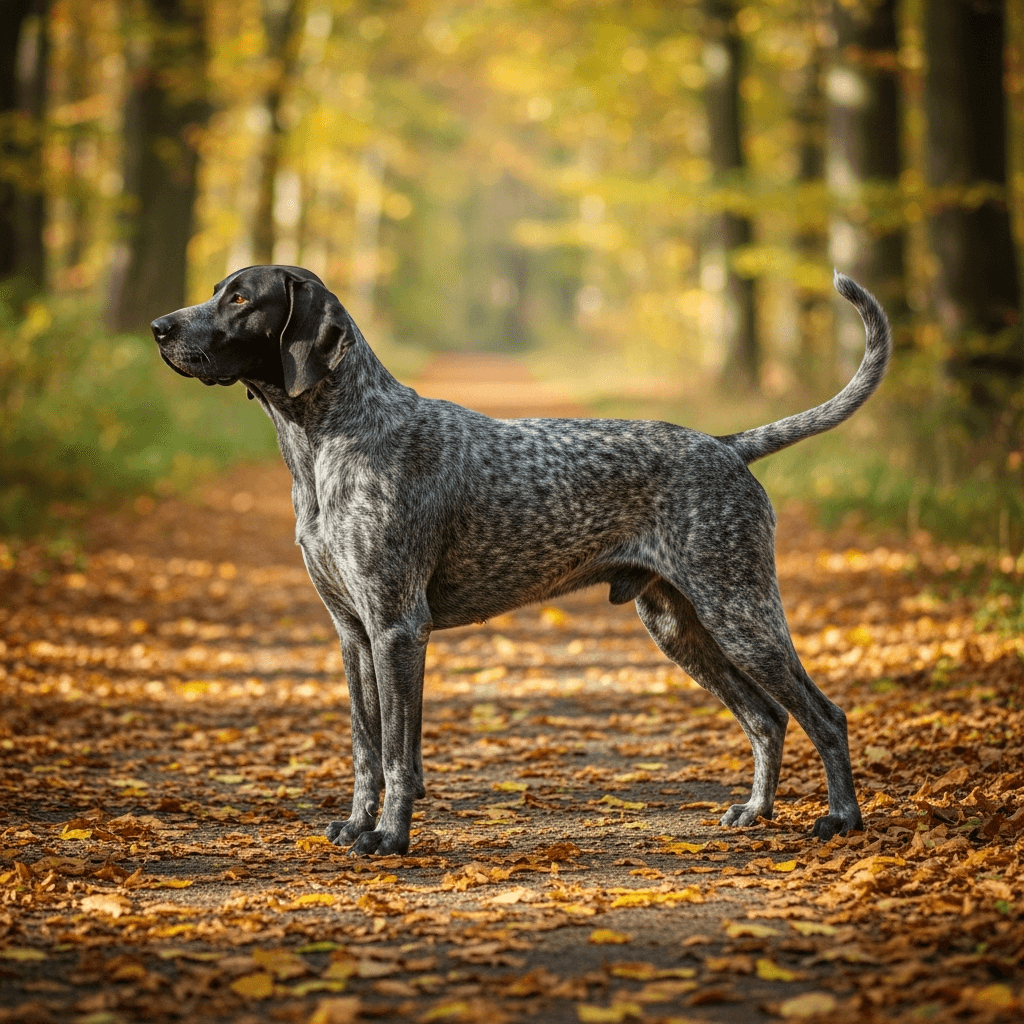
Bloodhounds are impressive in appearance. Their majestic silhouette draws attention with its noble head shape, broad nose, and long, drooping ears. The soft skin creates characteristic folds on the head and neck, adding to their charm and uniqueness. A massive bone structure and well-developed musculature make them strong and durable animals, ideal for long hikes and outdoor activities.
Bloodhounds are known for their . These dogs are extremely attached to their owners and get along well with children, making them ideal companions for families. Their exceptional nose makes them invaluable in police work and rescue services, where their tracking skills are priceless. Despite their majestic appearance, they are characterized by gentleness and friendliness.
However, Bloodhounds have specific needs. Ear and skin fold care is crucial to prevent bacterial and fungal infections. Regular exercise and mental stimulation are essential to maintain their health and well-being. We encourage you to continue exploring our guide, where you will find more information about the health, grooming, exercise, training, nutrition, history, appearance, and behavior of the Bloodhound.
Bloodhound is a large, powerful hound that impresses with its harmonious build and long proportions. The head is large and majestic, with a long nose that is crucial for their tracking ability. Bloodhounds have oval eyes, dark brown or amber in color, giving them an expression of gentleness and intelligence.
The ears are long, soft, and drooping, reaching at least beyond the tip of the nose. The neck is long and strong, with distinct folds of skin that create a characteristic dewlap.
The body of the Bloodhound is broad, strong, and well-muscled, providing them with great strength and endurance. The chest is deep and oval, and the front limbs are strong, straight, and perfectly parallel. The tail is long, thick, and carried in a sabre shape.
The coat of the Bloodhound is short, dense, and close-fitting, available in various colorations:
- Black and tan (the most common)
- Liver and tan
- Red (solid)
Their appearance is not only striking but also functional, making them one of the most powerful hounds with unmatched endurance in fieldwork.
Bloodhounds are known for their exceptional temperament, which makes them ideal companions for families. They are extremely gentle, friendly, and very attached to their owners. These dogs are tolerant of children and other pets, and their calm and affectionate nature makes them excellent companions for families with children.
Despite their gentle temperament, Bloodhounds can be stubborn and independent, which sometimes requires a firm but friendly approach to training. Their strong hunting instinct means they may be prone to following scents, which makes it necessary for them to be trained in recall and obedience.
Bloodhounds also tend to make loud noises – their distinctive voice can be heard from afar. They can be very sensitive to the sounds of their environment. Without proper mental and physical stimulation, they may become destructive or unhappy.
It is also worth mentioning that Bloodhounds are very sensitive to their owners' emotions, which makes them excellent companions for individuals who need emotional support. Their high demand for physical activity makes them ideal dogs for active families who can dedicate enough time and attention to them.
Bloodhounds have an average lifespan of 10 to 12 years. They are strong and resilient dogs, but like any breed, they can be prone to certain health issues.
The most common conditions seen in Bloodhounds:
- Gastric torsion (GDV) – a serious condition requiring immediate veterinary intervention
- Cancers, especially lymphomas
- Orthopedic diseases, including hip and elbow dysplasia
- Ear infections (due to their long, droopy ears)
- Hyperthyroidism
- Heart problems (dilated cardiomyopathy)
- Skin fold inflammations (dermatoses)
Additionally, Bloodhounds are prone to obesity, which means their diet must be carefully monitored to avoid overweight that could negatively impact their health, particularly their joints and heart.
It is also important to note their sensitivity to extreme weather conditions – although they tolerate cold better than heat, on hot days they should be provided with appropriate conditions, shade, and access to water to avoid overheating.
Regular veterinary visits, vaccinations, deworming, and a proper diet will help maintain a Bloodhound's health for many happy years.
Grooming a Bloodhound is relatively simple, although it requires regularity due to their distinctive skin folds. Their coat is short, dense, and close-lying, which means they only require occasional brushing – usually once or twice a week.
Cleaning the skin folds is crucial. It is important to regularly clean their face after meals, as well as maintain the cleanliness of the skin folds, since they can accumulate moisture, mucus, and dirt, increasing the risk of bacterial and fungal infections. Using a damp cloth to clean these areas a few times a week will help keep them clean. After washing, the folds should be thoroughly dried.
Ear care is particularly important, as Bloodhounds are prone to ear infections due to their long, drooping ears that restrict air circulation. Regularly checking and cleaning the ears will help prevent the buildup of dirt and wax.
Nails should be trimmed every 3-4 weeks if they do not wear down naturally during walks. Teeth should be brushed regularly (ideally daily or at least 2-3 times a week) to prevent dental issues and tartar buildup.
Overall, grooming a Bloodhound is not complicated, but it requires attention to the specific needs of this breed, especially regarding the maintenance of clean folds and ears.
Bloodhounds are high-energy dogs that require regular and moderately intense physical activity. They should have at least 1-2 hours of activity each day to maintain their physical and mental health.
The best forms of activity for a Bloodhound:
- Walks (long, leisurely hikes)
- Running (moderate pace)
- Playing with balls or frisbees
- Scent tracking (favorite activity!)
- Scent trails and nosework games
Bloodhounds love to sniff, so you can organize scent tracking games for them, which also stimulates their minds and satisfies their natural instincts. They are ideal candidates for dog sports such as mantrailing (tracking people) or nosework.
It is important to remember that these dogs tend to exhibit destructive behaviors when they are bored or do not get enough exercise. Therefore, it is essential to provide them with a variety of activities – both physical and mental.
These dogs are also very attached to their owners, so walks and playtime together will not only be a form of exercise for them but also a way to strengthen bonds with the family. Bloodhounds love spending time with their people, making every walk an unforgettable experience.
Training a Bloodhound can be a challenge, as this breed has a strong character and can often be stubborn. They require an experienced owner who can utilize positive reinforcement in training – rewarding desired behaviors with treats, praise, and play.
The key to success is patience, consistency, and regular practice. Bloodhounds are intelligent and learn quickly, but their independent temperament may lead them to avoid commands they don't like or that seem boring.
Basic training principles:
- Start training as early as possible (from puppyhood)
- Establish clear rules and routines
- Use short, positive training sessions (10-15 minutes)
- Introduce basic commands: Sit, Stay, Come, Lie down
- Teach the dog to walk on a loose leash (important due to the breed's strength)
- Socialize the puppy with various people, animals, and situations
Training should include not only basic commands but also more advanced techniques such as tracking and mantrailing. Joint activities like obedience courses or agility can also be beneficial, as they engage both the dog's mind and body.
Bloodhounds have a strong hunting instinct, so it is important to teach them how to respond to recall commands to keep them safe during walks. Using a long training leash (5-10 meters) can help practice recall in controlled conditions.
The Bloodhound's diet should be carefully balanced to provide them with the right amount of energy and nutrients essential for their health. Due to their large body mass (46-54 kg) and tendency to obesity, it is important to control portion sizes and avoid overfeeding treats.
Feeding recommendations:
- Choose high-quality food tailored to large breeds and activity levels
- Feed the dog twice a day (instead of one large meal) – this helps prevent gastric torsion
- Ensure constant access to fresh, clean water
- Avoid intense exercise immediately before and after meals (minimum 1-2 hours break)
- Monitor the amount of treats – they should not make up more than 10% of daily caloric intake
It is important to avoid giving human food that may be fatty, processed, or toxic to dogs (chocolate, onions, grapes, xylitol). Due to their susceptibility to health issues such as overweight and gastric torsion, proper diet is crucial.
Regular consultations with a veterinarian will help tailor the diet to the individual needs of the dog, including its age, activity level, and health status, which will impact their long-term health and quality of life.
Characteristic Traits
Pros
- Exceptional sense of smell and tracking abilities
- Gentle and friendly temperament
- Strong bond with the owner
- Excellent for families with children
- Devoted and loyal companion.
Cons
- Requires regular ear and skin fold care
- Needs plenty of exercise and mental stimulation
- Can be stubborn during training
- Prone to bloat
- Noisy and prone to howling.
Behavioral Ratings
Breed History
Bloodhound, also known as Chien de Saint-Hubert, has a long and fascinating history that dates back to the Middle Ages. This breed was created by monks at the Abbey of Saint Hubert in the Ardennes of Belgium, where they were bred for tracking game.
They owe their name to Saint Hubert (c. 656-727), who was the patron saint of hunters. According to legend, Hubert was a passionate hunter until the moment he saw a deer with a cross between its antlers during a hunt – this vision prompted him to abandon worldly life and become a monk, and later a bishop.
Bloodhounds were valued for their excellent tracking skills and exceptional sense of smell, making them indispensable companions for hunters. In the 11th century, William the Conqueror brought these dogs to England after the Norman conquest (1066), where they gained immense popularity among the English aristocracy.
Over time, through careful selection and breeding, Bloodhounds became even more versatile and earned a reputation as excellent search dogs for people. In the 19th century, this breed was widely used in police work for tracking criminals and missing persons – especially in the United States and the United Kingdom.
Bloodhounds are one of the few dogs whose tracking can be used as evidence in court, as their skills are so reliable. It is estimated that a Bloodhound can follow a scent trail that is several days old, covering dozens of kilometers.
Today, Bloodhounds are popular as family dogs, but they still retain their tracking abilities, making them valued members of rescue services, police forces, and search and rescue organizations around the world. Their legacy as legendary trackers lives on.