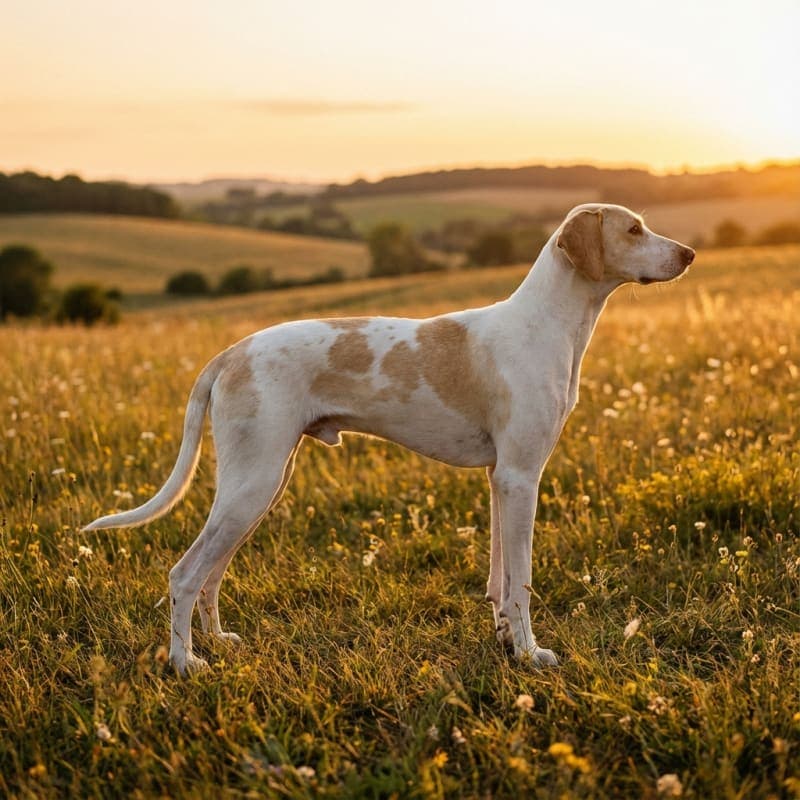
Billy
FCI Group
6• FCI 25
Size
Large
Origin Country
FR
Height
58-70 cm
Weight
33-35 kg
Lifespan
10-12 years
Temperament
Overview
Billy is a unique breed of hound originating from picturesque France, captivating with its elegant appearance and unique character. The history of this extraordinary breed dates back to the 19th century, and its official FCI standard was published on December 28, 1973. Assigned to group 6 according to the FCI classification, which includes hounds and bloodhounds, Billy is a dog that, after years of being forgotten, is regaining popularity among dog lovers worldwide.
This is a breed of large dogs, where males reach a height of 60 to 70 cm at the withers, and females from 58 to 62 cm. During World War II, Billy nearly became extinct – only two individuals survived, making this breed one of the rarest in the world. Thanks to the determination and passion of breeders, Billy has been saved from complete extinction, and modern individuals are the result of careful breeding programs.
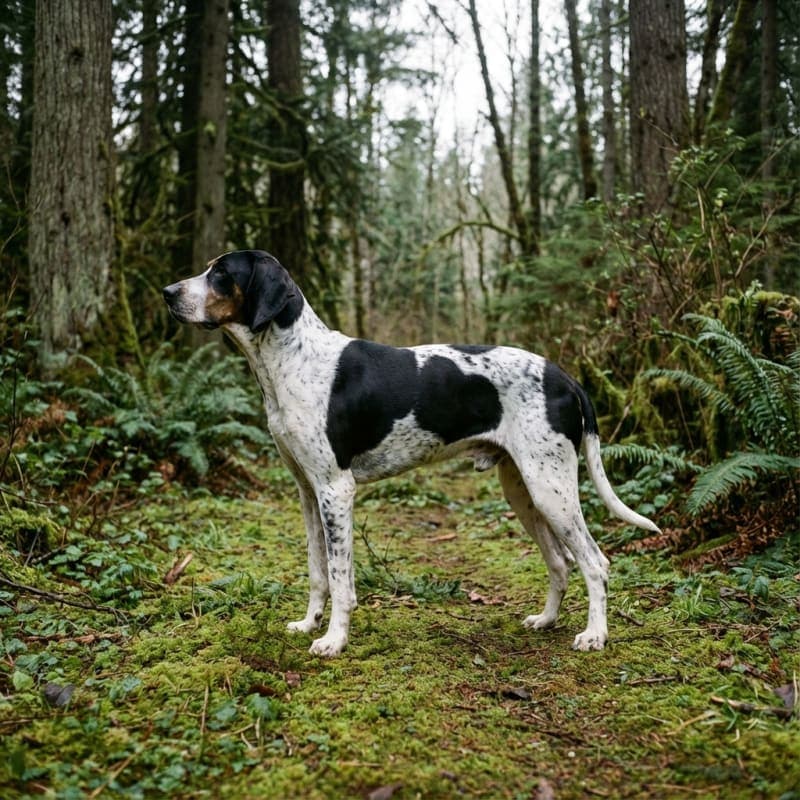
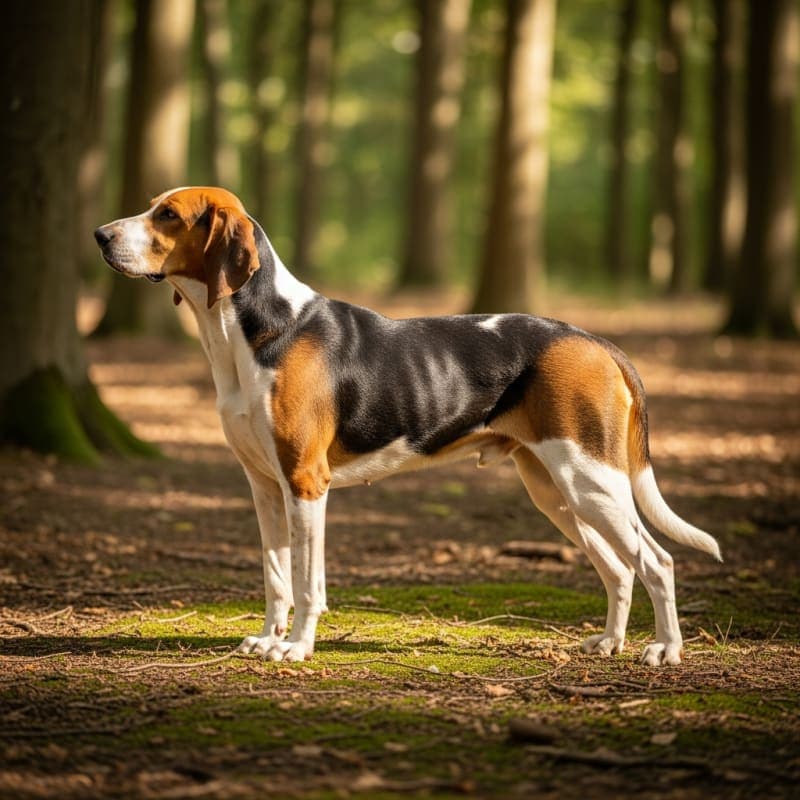
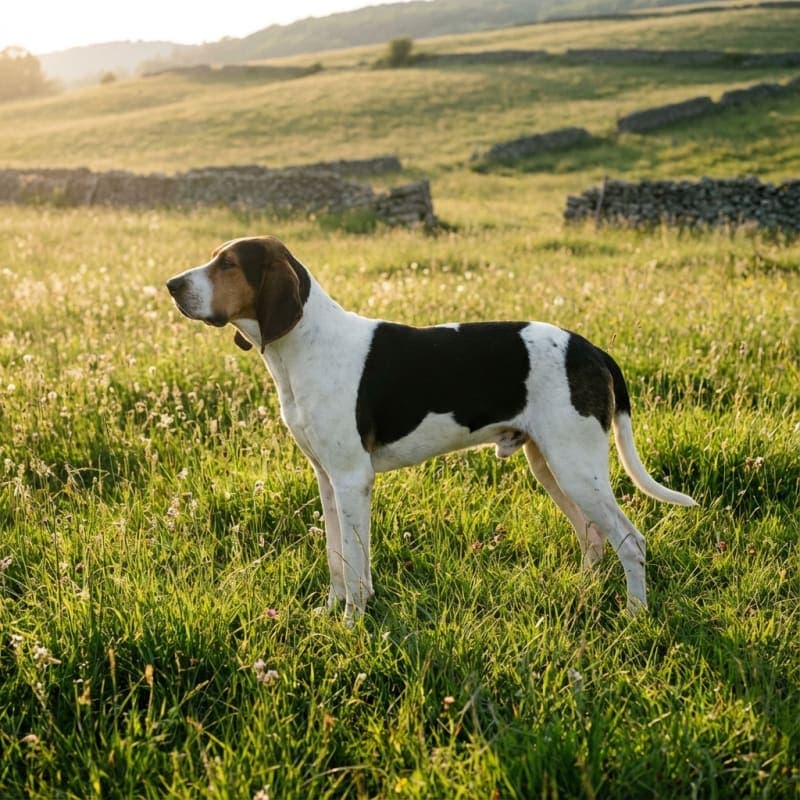
Billy is distinguished by its delicate, slender head and strong yet incredibly agile physique. Its short, rough coat with a characteristic white coloration is often adorned with dark brown patches or beautiful shades of "coffee with milk." Long, strong legs and a deep chest make it an ideal companion for hunting wild game such as deer and boars – in its native France, it still successfully fulfills this role.
The temperament of this dog is full of fascinating contrasts. Despite its heritage as a reliable hunting dog, Billy can be an incredibly gentle and loving family member. It is intelligent and eager to learn, yet it also possesses a strong hunting instinct, which can pose a challenge during training. Consistent socialization and systematic training are necessary to ensure that its natural hunting instincts do not dominate daily life.
Billy is a perfect companion for active families who can provide it with the right amount of exercise and mental stimulation. However, it is important to remember that Billy absolutely does not tolerate prolonged solitude – left alone for too long, it can become destructive. It loves the company of both people and other dogs. It is known for its friendly nature towards strangers, and its desire to play and interact makes it get along wonderfully with children of all ages.
This is a patient and joyful companion, although it is not the best guard dog due to its hospitality towards strangers. We encourage you to continue exploring knowledge about this exceptional dog by discovering further sections of this guide, which will detail aspects of Billy's health, grooming, physical activity, training, nutrition, history, appearance, and behavior.
Billy is a dog of large dimensions and a perfectly built body that combines strength and agility. The height at the withers ranges from 60 to 70 cm for males and from 58 to 62 cm for females, while the weight oscillates between 33 and 35 kg. This proportional build makes Billy equally effective in the field and elegant in appearance.
Billy's head is quite delicate and of medium length, with a slightly arched skull and a well-defined occipital protuberance. The nose is well-developed, black or red-brown, while the muzzle has a rather square shape with a characteristic slightly arched nasal bridge. The lips are small, with the upper lip covering the lower without excessive fleshiness.
Billy's eyes are large, alert, and dark, surrounded by a black or brown rim, giving him an exceptionally expressive and intelligent gaze. The ears are of medium size, set relatively high for French hounds, flat, with a characteristic slight twist at the lower part.
The neck is of medium length, slightly rounded and strong, with a permissible small dewlap. Billy's torso is wide and strong, with a slightly arched back and a wide, also slightly arched loin. The chest is very deep, though quite narrow, with flat ribs.
The tail is long and strong, sometimes with a slight "feather" at the end. His coat is short and rough to the touch, and the coloration occurs in shades of pure white, often with beautiful patches in lemon or orange color. Billy is a dog that attracts attention with his aristocratic appearance and athletic build – a true representative of French hounds.
Billy is a dog with a complex and fascinating behavior, who harmoniously combines hunting traits with a friendly, family-oriented disposition. His intelligence allows him to master many commands and tricks, but he also has a natural tendency to get easily distracted, especially when he picks up an interesting scent.
This is a dog that loves the company of people and other dogs – his cheerful, lively temperament makes him an excellent companion for children. Billy shows remarkable patience towards the youngest family members and eagerly participates in their games. He is a typical pack dog, who naturally hunts in a group, which is why he feels great in a crowd.
Billy absolutely cannot tolerate prolonged solitude and may become destructive if left alone for too long. His high hunting instinct can lead to issues with other smaller pets, so early and consistent socialization is crucial.
Billy is known for being very vocal and loves to bark – his loud, melodic voice is characteristic of hounds, but it can be a challenge in densely populated areas. On the other hand, his friendly attitude towards strangers makes him a welcome guest in any home, although it also makes him an ineffective guard dog.
Billy needs lots of exercise and intense stimulation both physically and mentally to avoid boredom and behavioral problems. Owners should provide him with daily long walks, opportunities to run in open spaces, and various activities that satisfy his natural hunting needs. A happy Billy is a dog tired after a whole day full of adventures and activities.
Billy is a breed that is generally healthy and resilient, with an average lifespan of 10 to 12 years. His active lifestyle and strong build make him not particularly prone to injuries or frequent ailments that affect some other dog breeds.
However, as with many large breeds, Billy may be prone to certain specific conditions. The most common health issues include:
- Gastric torsion – a serious condition requiring immediate veterinary intervention, especially in dogs with deep chests
- Hip dysplasia – a hereditary joint condition that can lead to mobility problems
- Kidney diseases – requiring regular monitoring of kidney function
It is important for Billy's owners to pay special attention to his diet and physical activity, as this dog tends to gain weight if not properly exercised. Too little exercise can lead to obesity, which in turn causes a range of serious health problems, including joint strain and cardiovascular diseases.
This breed tolerates a variety of weather conditions well – both high and low temperatures, making it flexible and resilient in different climates. Regular veterinary check-ups, a proper diet, and attention to physical fitness are the keys to a long and healthy life for Billy.
The grooming of Billy is relatively simple and low-maintenance, which is an additional advantage of this breed. Billy has short hair that is coarse to the touch, and keeping it in good condition does not require much time or specialized treatments.
It is recommended to brush Billy once a week to effectively remove dead hair and any dirt. It is best to use a grooming glove or a stiff brush made of natural bristles, which work perfectly for short, coarse hair. Regular brushing not only keeps the coat clean but also stimulates blood circulation in the skin and strengthens the bond with the dog.
Bathing should only be done when absolutely necessary, which means there is no need for frequent washing of the dog – usually, a few baths a year are sufficient. Too frequent bathing can dry out the skin's natural protective layer and lead to dermatological problems.
In addition to coat care, it is essential to take care of the ears, nails, and teeth:
- Ears – regular checking and cleaning, especially after hunting or long walks in the field
- Nails – trimming as needed, usually every 3-4 weeks
- Teeth – brushing 2-3 times a week to prevent tartar buildup
Regular veterinary check-ups will help in early detection of any health issues, which is crucial for keeping Billy in excellent condition for many years.
Billy is a dog that requires lots of exercise and intense physical activity – this is not a breed for people who lead a sedentary lifestyle. His energy and strong hunting instinct make daily short walks around the block absolutely insufficient to meet his needs.
Billy is perfect for long runs, extensive hikes, and all forms of outdoor activities. Due to his large size and strong build, Billy needs intense daily training to burn off excess energy and maintain excellent physical condition.
Regular, varied exercises are absolutely essential to prevent behavioral problems such as destructiveness, hyperactivity, or excessive barking. A bored Billy is an unhappy Billy who will find something to do – often not what the owners would expect.
In addition to running, it is worth providing Billy with varied forms of play and activity:
- Fetching – utilizes his natural instinct to retrieve
- Exercises with interactive toys – stimulate the mind and satisfy the need to track
- Scent training – makes excellent use of his exceptional sense of smell
- Swimming – a great form of exercise, especially on warm days
Billy can also be a great companion for dog sports such as agility, obedience, or canicross. These activities not only provide him with the necessary exercise but also allow for quality time together and building a strong bond with the owner. Remember – a tired Billy is a happy Billy!
Billy's training can be a true challenge, as this breed often exhibits a short attention span and a natural tendency to become easily distracted. Billy is intelligent and eager to learn, but his strong hunting instinct can interfere with command comprehension, especially when he catches an interesting scent.
Owners should be extremely patient and consistent in their training approach. The key to success is regular, systematic practice and the use of positive reinforcement methods. A good way to motivate Billy is to use high-value treats, which can help attract his attention and encourage him to follow commands.
Important rules for effective training of Billy:
- Training should be varied and fun to keep the dog's interest
- Training sessions should be short but intense (10-15 minutes) to avoid boredom and frustration
- Monotony should be avoided – Billy quickly loses interest in repetitive exercises
- Early socialization is key to teach the dog to interact with other dogs and people
Owners absolutely should avoid harsh training methods that can discourage Billy from learning and harm his natural enthusiasm. Physical punishment or yelling is completely contraindicated – instead, positive reinforcement and rewarding good behavior should be the foundation of training.
Due to his strong hunting instinct, recall training is absolutely crucial for Billy's safety. Special attention should be given to teaching the commands Come and Stay, preferably in a safe, enclosed area, before allowing the dog to run freely in open spaces.
Billy's nutrition is a key element in maintaining his health and excellent physical condition. Due to his high activity level, this dog requires a diet rich in high-quality protein and comprehensive nutrients that support his energy, endurance, and overall body condition.
Owners should choose high-quality food that is specifically tailored to the dog's size, activity level, and age. For active Billy, the best options are large breed foods with a high content of animal protein (at least 25-30%) and an appropriate ratio of fats (12-18%).
Important feeding guidelines for Billy:
- Avoiding overfeeding – Billy has a tendency to gain weight, which can lead to serious health problems, including joint strain and metabolic diseases
- Regular meals – ideally twice a day at consistent times, which helps maintain a healthy weight and proper metabolism
- Portion control – adjusting the amount of food to the actual activity level of the dog
- Avoid feeding right before or after intense exercise – due to the risk of gastric torsion
Additionally, owners should ensure the dog has constant access to fresh water, especially after intense physical activity or during warm days. As an active dog, Billy needs proper hydration for his body to function correctly.
Regular monitoring of Billy's weight and condition is crucial – we should be able to feel the dog's ribs under a slight layer of fat, and his silhouette should have a clearly defined waist when viewed from above. If we notice any overweight, it is advisable to consult a veterinarian regarding an appropriate weight reduction diet.
Characteristic Traits
Pros
- Friendly and gentle with children
- Great companion for active families
- Intelligent and eager to learn
- Loving and devoted to owners
- Excellent sense of smell and hunting instinct.
Cons
- Requires a lot of exercise and mental stimulation
- Absolutely does not tolerate loneliness
- Difficult to train due to a strong hunting instinct
- Loud and barks a lot
- Can be problematic with other animals.
Behavioral Ratings
Breed History
The history of the Billy breed dates back to the early 19th century, when it was first bred in the picturesque region of Poitou in western France. The breed's name comes from the famous Château de Billy, where breeder Gaston Hublot de Rivault began his ambitious breeding project.
De Rivault had a vision of creating the ideal hunting dog – he combined local, traditional hunting dog breeds from Poitou, including the now-extinct Céris, Montemboeuf, and Larye breeds, to create a dog with a distinctive, light coat and exceptional hunting abilities. His efforts resulted in the creation of the Billy – an elegant, fast, and enduring dog with unmatched hunting instincts.
Unfortunately, World War II nearly completely destroyed this breed. Due to the war efforts and harsh conditions, only two Billy individuals survived, making this breed one of the rarest hunting dogs in the world. This dramatic population decline required heroic efforts from breed enthusiasts.
Modern Billys are the result of careful breeding programs conducted since the 1950s, aimed at restoring this magnificent breed to its former glory. Breeders had to plan pairings very carefully to maintain the breed's characteristic traits while ensuring an adequate gene pool.
Despite its rarity, the Billy is highly valued for its hunting skills – particularly for hunting deer and wild boar. This breed is still used for hunting in its native regions of France, where its abilities are appreciated by demanding hunters. Billys typically hunt in packs (meute), utilizing their excellent sense of smell and distinctive, melodic voice.
Today, the Billy is also increasingly recognized as a family and companion dog, which excels in homes with active owners and children. Although it remains a rare breed, the number of its enthusiasts is steadily growing, both in France and beyond its borders.