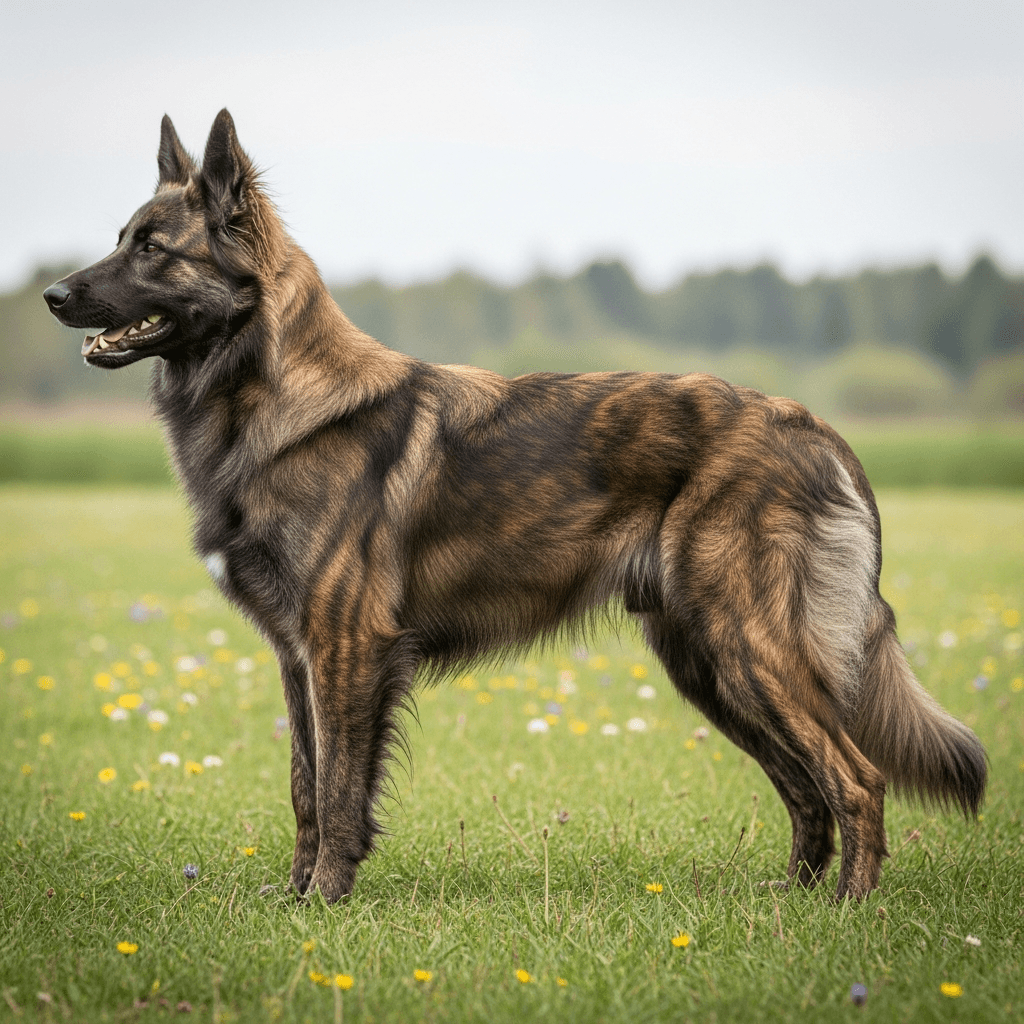
Long-haired Dutch Shepherd
FCI Group
1• FCI 223A
Size
Medium
Origin Country
NL
Height
55-62 cm
Weight
23-30 kg
Lifespan
12-14 years
Temperament
Overview
The long-haired Dutch Shepherd, also known as Hollandse Herdershond, is a dog breed that fascinates with its versatility and unwavering devotion. Originating from the Netherlands, this dog originally served as an indispensable helper on farms, taking care of sheep and other livestock. Over time, as societal needs changed, the long-haired Dutch Shepherd gained recognition as an excellent companion dog, as well as a working dog in law enforcement.
What distinguishes this breed? First and foremost, its medium size, strong and harmoniously built physique, which delights every dog lover. Their intelligent gaze and lively temperament make them unique in their own right. The Dutch Shepherd comes in three coat varieties: short-haired, long-haired, and rough-haired, allowing owners to choose a dog according to their aesthetic and practical preferences. Their coat is hard and dense with a woolly undercoat, providing excellent resistance to various weather conditions.
Intelligence is another trait that sets the long-haired Dutch Shepherd apart. They are easy to train but require a consistent and positive approach from their owners. Their herding roots make them extremely alert and loyal, which makes them excellent guardians. The long-haired Dutch Shepherd needs close contact with people and an appropriate amount of exercise and mental stimulation to be a happy and balanced companion.
This breed tends to form strong emotional bonds with the family, which can lead to separation anxiety if left alone for extended periods. Dutch Shepherds are friendly towards children, but their sensitivity requires supervision during interactions with the youngest family members. In the right conditions, they can become excellent friends and guardians for children.
The history of this breed dates back to the end of the 19th century, when the first standard was officially established in 1898. Despite many changes that the long-haired Dutch Shepherd has undergone over the years, its traits such as intelligence, devotion, and versatility have remained unchanged. These dogs combine beauty, intelligence, and loyalty, making them ideal companions for active families who can appreciate their unique qualities and meet their needs.
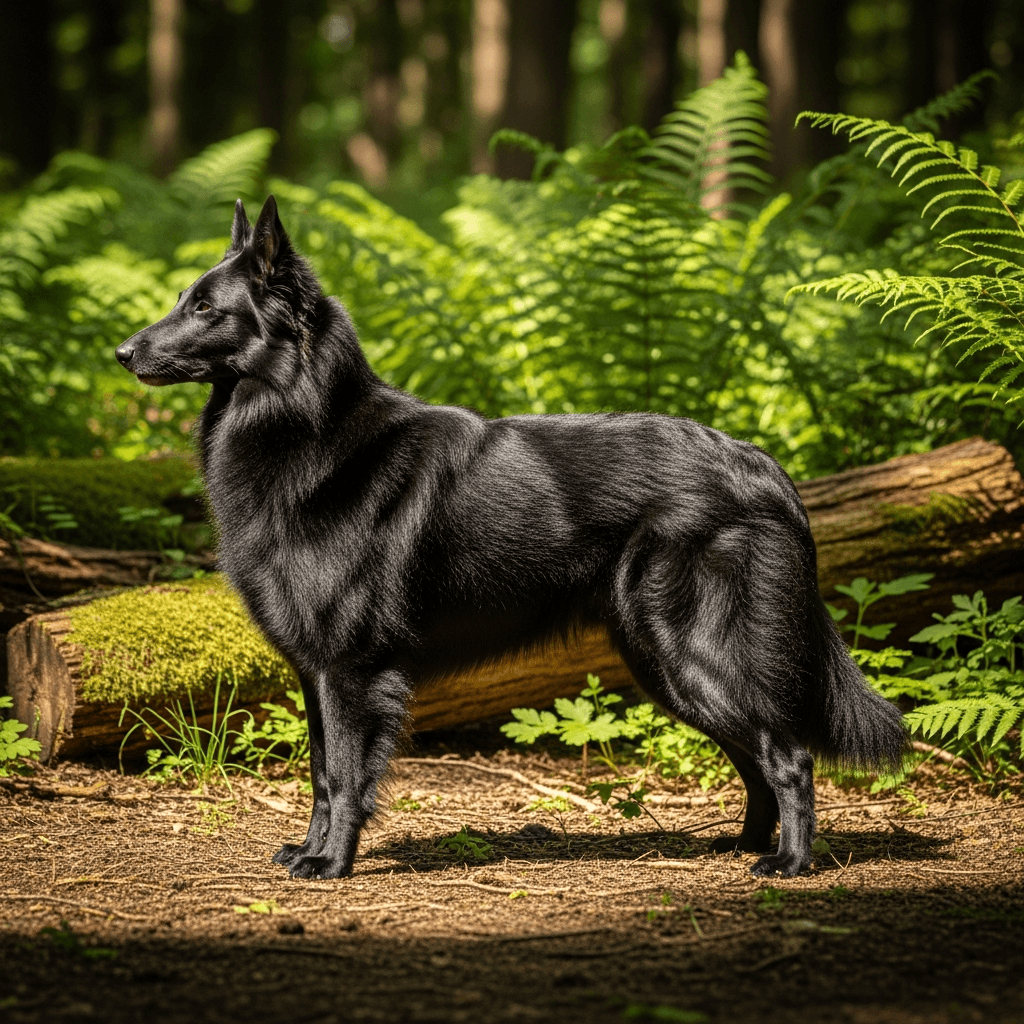
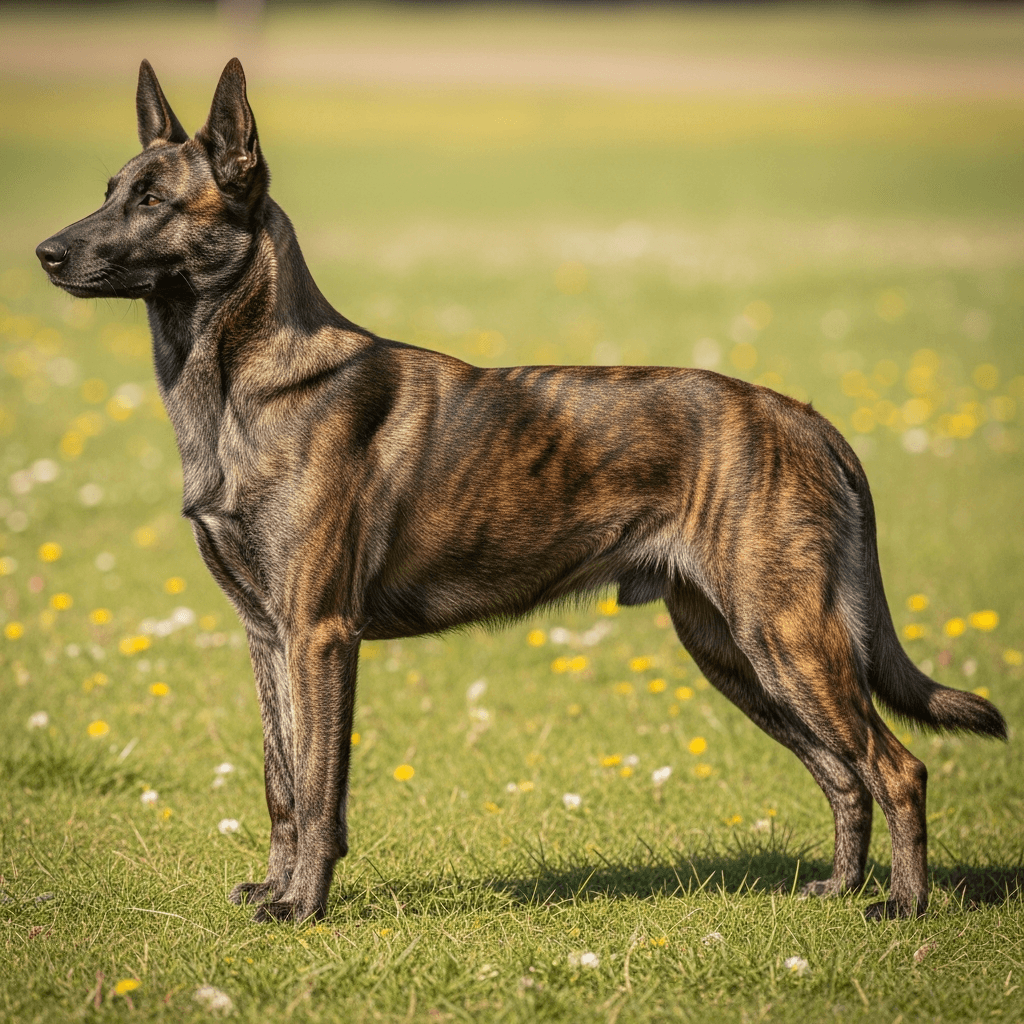
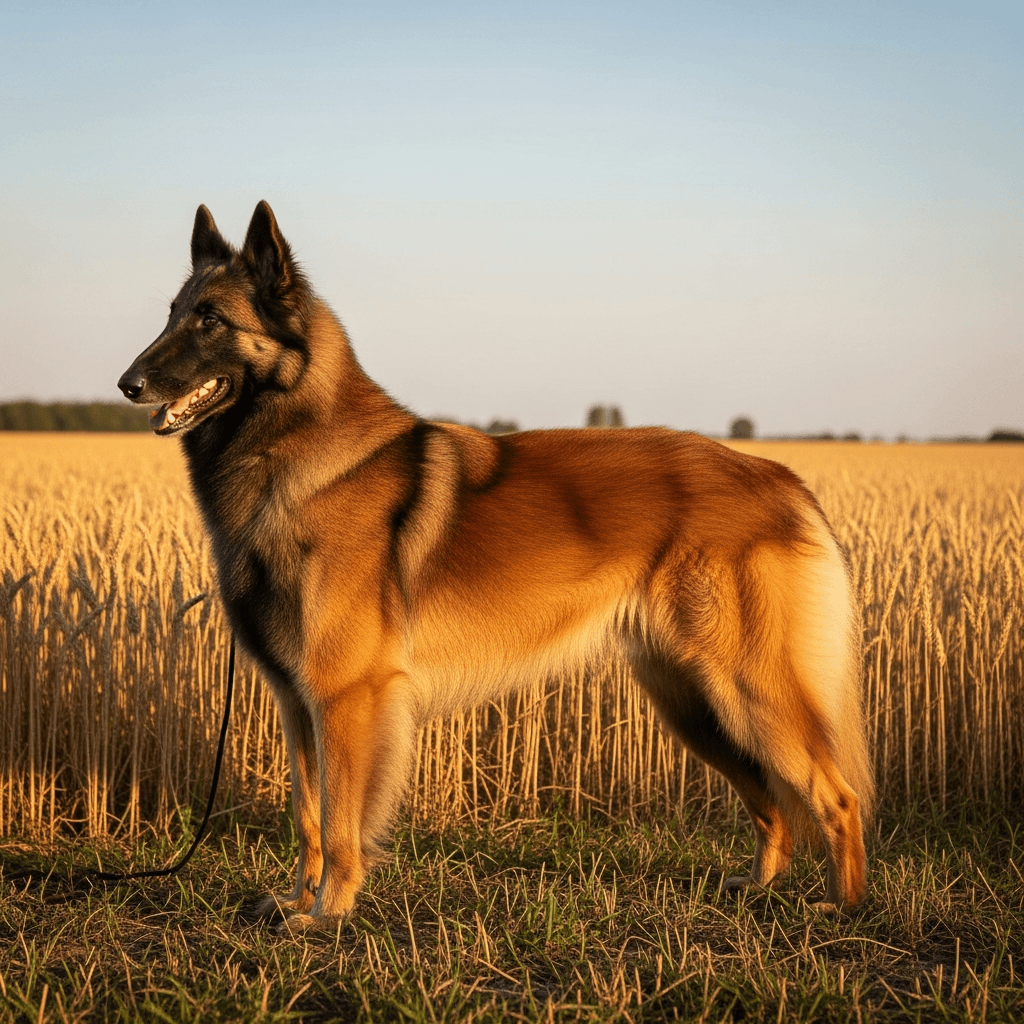
The long-haired Dutch Shepherd is a dog of medium size, with a strong and proportional body structure. Dogs of this breed have a well-muscled torso, which gives them a strong and harmonious appearance, characteristic of herding dogs. The height at the withers for males ranges from 57 to 62 cm, and for females from 55 to 60 cm.
The head is proportional to the body, with a flat skull and a slight stop. The muzzle is long, slightly longer than the braincase, with a straight profile. The eyes are medium-sized, dark-colored, almond-shaped, giving the dog an intelligent and alert expression. The ears are medium-sized, erect, especially when the dog is interested in its surroundings.
The coat of the long-haired Dutch Shepherd is long, straight, and close-fitting to the body, with a dense woolly undercoat. The most common colors are various shades of on a golden or silver background, which gives the dog a distinctive and attractive appearance. The tail is heavily furred, hanging straight when at rest, but elegantly raised when in motion.
Dutch Shepherds have strong, well-muscled limbs that allow them to move freely and efficiently for long hours. Overall, this creates the image of a dog that is both elegant and dignified, making it an attractive animal both as a working dog and a companion.
The long-haired Dutch Shepherd is a dog with an exceptional temperament, combining loyalty, intelligence, and alertness. This breed is known for being extremely loyal to its owners, making it an excellent companion for the whole family. Dutch Shepherds are naturally active and full of energy, which means they require regular stimulation both physically and mentally.
Their natural curiosity makes them inclined to explore their surroundings and perform various tasks assigned to them. For this reason, Dutch Shepherds are often used as police dogs, rescue dogs, and guides for the visually impaired. Their versatility and intelligence make them ideal candidates for service in various fields.
Despite their high intelligence, Dutch Shepherds can be sensitive to their owners' emotions, which means their training should take place in an atmosphere of calm and mutual respect. In threatening situations, they can become very alert and protective of strangers, making them excellent guardians of home and family.
Dutch Shepherds get along well with children, but their sensitivity requires that interactions be supervised, especially with small children, to avoid unpleasant situations. Their strong emotional bond with the family means they do not tolerate prolonged periods of solitude, which can lead to behavioral problems such as destruction of objects or excessive barking.
Overall, the long-haired Dutch Shepherd is a devoted, intelligent, and alert dog that requires proper upbringing, socialization, and stimulation to be a happy and healthy family member. In good hands, it becomes an irreplaceable companion.
The long-haired Dutch Shepherd generally enjoys very good health, with an average lifespan of 12 to 14 years. This breed is known for its resilience and strength, which allows it to adapt to various weather and environmental conditions.
However, Dutch Shepherds are prone to several common health issues that can occur in medium-sized dogs. One of the most frequent is hip dysplasia, which can lead to pain and limited mobility. It is important for owners to monitor their dogs' health and regularly consult with a veterinarian to ensure proper prevention and early diagnosis.
Additionally, due to their active lifestyle, Dutch Shepherds may have a tendency to overweight if they do not receive adequate exercise and a balanced diet. Proper nutrition and regular physical activity are crucial for maintaining the dog's health and condition.
It is also important to pay attention to their grooming needs to avoid skin problems and ensure a healthy coat. Regular checks of the ears, eyes, and teeth will help prevent infections and other ailments.
Overall, the long-haired Dutch Shepherd is a healthy and resilient breed, provided it receives appropriate veterinary care, a balanced diet, and regular physical activity from its owners.
Grooming a long-haired Dutch Shepherd is relatively simple, but it requires regularity and consistency to keep the coat in excellent condition. Depending on the variety, grooming may vary.
Short-haired shepherds only require regular brushing once a week to remove dead hair and minimize shedding. Long-haired varieties require more intensive grooming to prevent matting and tangling of the coat. It is recommended to brush at least once a week, and during shedding periods (spring and autumn) daily to remove excess hair and maintain a healthy appearance.
The rough-haired coat requires hand stripping twice a year to maintain its proper structure and appearance. Regular stripping ensures that the coat remains appropriately thick and protects the dog's skin.
It is also important to care for the cleanliness of the ears, eyes, and teeth to prevent infections and health problems. Regular visits to a groomer can also help keep the dog's coat in good condition, especially if the owner lacks grooming experience.
Bathing should only be done when necessary to avoid removing natural oils from the skin. Grooming a Dutch Shepherd is therefore a key element in ensuring their health, comfort, and beautiful appearance.
The long-haired Dutch Shepherd is a breed that requires a lot of exercise and stimulation to be happy and healthy. As herding dogs, they are naturally active and energetic, which means they need daily walks as well as time for play and work.
It is recommended that Dutch Shepherds have at least 1 to 2 hours of physical activity per day. Walking, running, and various games such as fetching or playing frisbee are excellent ways to meet their energy needs.
It is also worth introducing various forms of activity into their daily routine, such as:
- Agility - an obstacle course that develops agility and coordination
- Obedience - advanced obedience training
- Nosework - scent work that stimulates the natural tracking instinct
- Tracking - following trails, ideal for herding dogs
Regular exercise not only helps maintain a healthy weight but also contributes to the dog's mental well-being. Dutch Shepherds that do not get enough exercise can become restless and show tendencies toward destructive behavior, such as destroying furniture or excessive barking.
Therefore, it is important for owners to dedicate time to activities with their pets to ensure they have a healthy and balanced lifestyle. The Dutch Shepherd is an excellent partner for running, hiking, or biking.
Training a long-haired Dutch Shepherd can be a rewarding experience, but it requires consistency, patience, and a positive attitude from the owner. This breed is known for its high intelligence, making it relatively easy to train, but it is crucial that the training is conducted in a positive and respectful manner.
Dutch Shepherds quickly learn new commands and tasks; however, their training should be varied to maintain their interest and motivation. Regular training sessions that are short (15-20 minutes) but intense will help keep the dog focused and prevent boredom.
It is important to reward the dog for well-executed tasks through:
- Treats (training snacks)
- Verbal praise with an enthusiastic tone of voice
- Play with a favorite toy
- Joint physical activity
Training should include not only basic commands (Sit, Stay, Come, Lie down, No) but also various obedience exercises that will develop the dog's skills and strengthen the bond with the owner.
Dutch Shepherds are also very sensitive to their owners' emotions, so it is important that training takes place in an atmosphere of calm and trust. Yelling or physical punishment is completely unacceptable and can lead to behavioral problems and loss of trust.
Owners should be aware that a lack of consistency in training can lead to behavioral issues, so it is important to use one training method and stick to it. Early socialization (from 8-12 weeks of age) is crucial for developing a balanced character.
In the right hands, a long-haired Dutch Shepherd will become a wonderful, obedient, and devoted companion who will happily perform a variety of tasks.
The nutrition of the long-haired Dutch Shepherd is crucial for its health and condition. This breed has moderate dietary requirements but needs a high-quality diet to meet its energy needs resulting from an active lifestyle.
Owners should choose food tailored to the dog's age, weight, and activity level. It is generally recommended that the diet consists of high-quality protein (25-30% for adult dogs), which is essential for maintaining healthy muscles and energy. The best sources of protein are:
- Chicken
- Beef
- Fish (salmon, cod)
- Turkey
- Lamb
Additionally, it is important to provide the dog with an adequate amount of fat (15-20%), which supplies energy and supports healthy coat and skin. Omega-3 and omega-6 fatty acids are particularly important for skin and coat health.
It is also beneficial to enrich the diet with fruits and vegetables that provide essential vitamins and minerals. Good additions include: carrots, broccoli, apples (without seeds), blueberries, and pumpkin.
One should avoid giving the dog table scraps, as many human foods can be harmful to dogs (chocolate, onions, garlic, grapes, avocados). Owners should also remember to provide fresh water throughout the day and regular meals (2-3 times a day for adult dogs), which will help maintain stable energy levels.
It is advisable to consult with a veterinarian to determine the best diet for the Dutch Shepherd and to monitor its weight and overall health. Proper nutrition is key to keeping the Dutch Shepherd in excellent condition for many years.
Characteristic Traits
Pros
- High intelligence
- Dedication to family
- Versatility at work
- Ease in training
- Excellent guardian.
Cons
- Separation anxiety
- Requires a lot of movement and stimulation
- Sensitivity to prolonged solitude
- Need for consistent training.
Behavioral Ratings
Breed History
The long-haired Dutch Shepherd has a rich history, dating back to the times when it was used as a herding dog in Holland. This breed was created to guard sheep and other livestock, as well as to perform versatile work on farms.
In Holland, where agricultural culture has been developed for centuries, Dutch Shepherds played a key role in the daily lives of farmers. Their ability to herd sheep and protect them from dangers (such as wolves or thieves) made them extremely valued by the local community.
As the number of sheep began to decline in the 20th century due to industrialization and changes in agriculture, many Dutch Shepherds were trained as:
- Police dogs - for tracking and detecting drugs
- Rescue dogs - for searching for missing persons
- Guide dogs for the blind - due to their intelligence and loyalty
- Guard dogs - for protecting properties
In this way, the breed has adapted well to the changing needs of society while still retaining its original herding traits.
The first breed standard was officially established in 1898, making the Dutch Shepherd one of the more recognized breeds in Europe. This breed has undergone many changes over the years, but its characteristic traits, such as intelligence, loyalty, and teamwork ability, have remained unchanged.
Today, the long-haired Dutch Shepherd is known not only as a herding dog but also as an excellent companion that excels in many roles, including as a guard dog and family companion. Their history and versatility make them unique and valued dogs around the world, especially in the Benelux countries and the United States.