Eurasier
FCI Group
5• FCI 291
Size
Medium
Origin Country
DE
Height
48-60 cm
Weight
18-30 kg
Lifespan
11-13 years
Temperament
Overview
Eurasier is a fascinating dog breed that combines the best traits of three wonderful breeds: the wolf spitz, chow-chow, and Samoyed. It was developed in the 1960s in Germany, where Julius Wipfel had a vision of creating a dog with a balanced temperament and a strong attachment to family. This unique breed quickly gained popularity due to its extraordinary beauty and sociable nature.
The Eurasier is distinguished by its harmonious silhouette and medium-length, dense coat, which can come in various colors – except for pure white and piebald. Characteristic erect ears add to their alertness and intelligence, while their well-muscled body reflects their physical strength. Despite this athletic build, Eurasiers are incredibly gentle and calm. Their balanced temperament makes them excellent companions for both families with children and elderly individuals.
Moreover, Eurasiers are characterized by their exceptional loyalty and attachment to their guardians, making them inseparable family members. They get along well with other animals, which is an additional advantage for pet lovers. Despite their sociable nature, they are also independent, meaning they require a consistent yet gentle approach in training. Their intelligence allows for quick learning, although they may sometimes display a bit of stubbornness.
Eurasier is also a breed that is not overly noisy but always alert to its surroundings. These dogs need close contact with people, so they are not suited for outdoor living or solitude. Regular walks and physical activity are essential to keep them in good physical and mental condition. Although this breed is still relatively rare, it is gaining popularity in Europe due to its numerous advantages.
This guide will provide you with detailed information about the health, grooming, exercise, training, nutrition, history, appearance, and behavior of the Eurasier. We encourage you to explore these topics to fully understand and appreciate this wonderful breed.
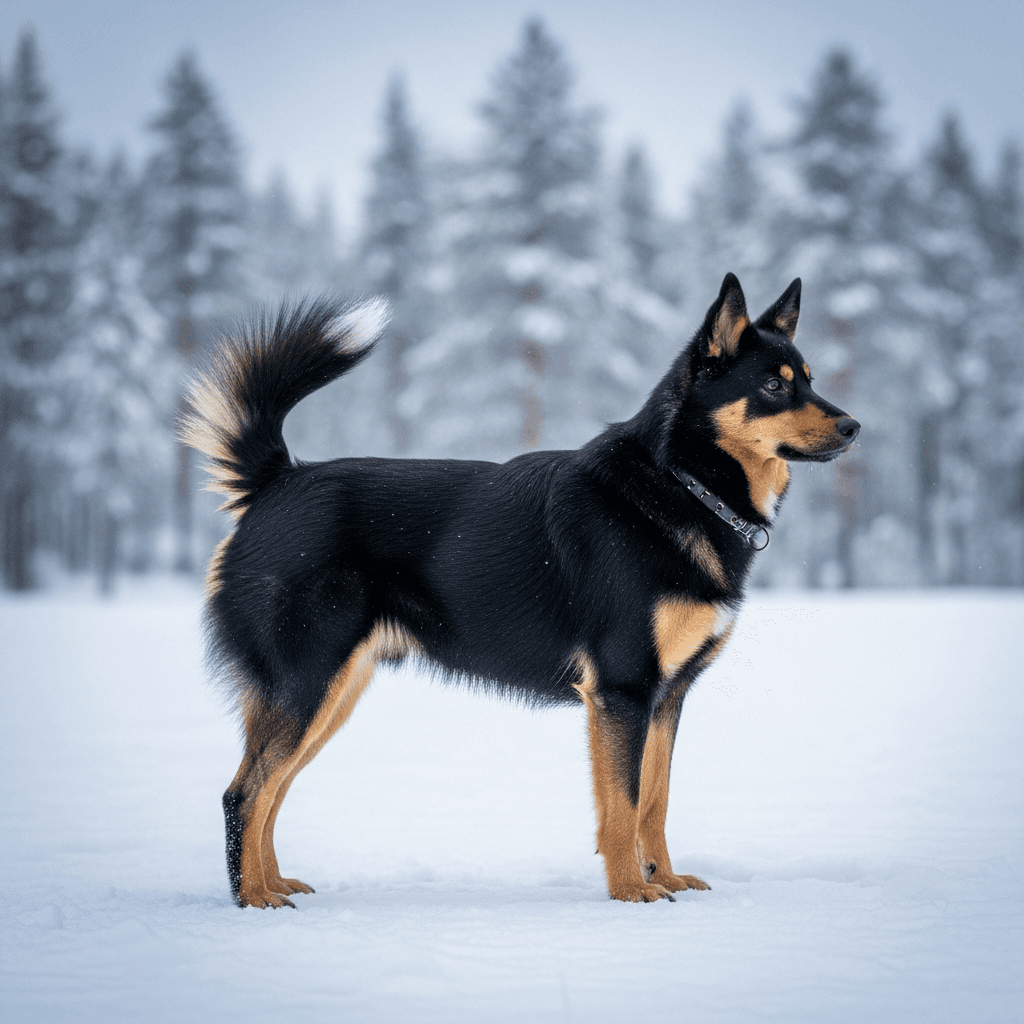
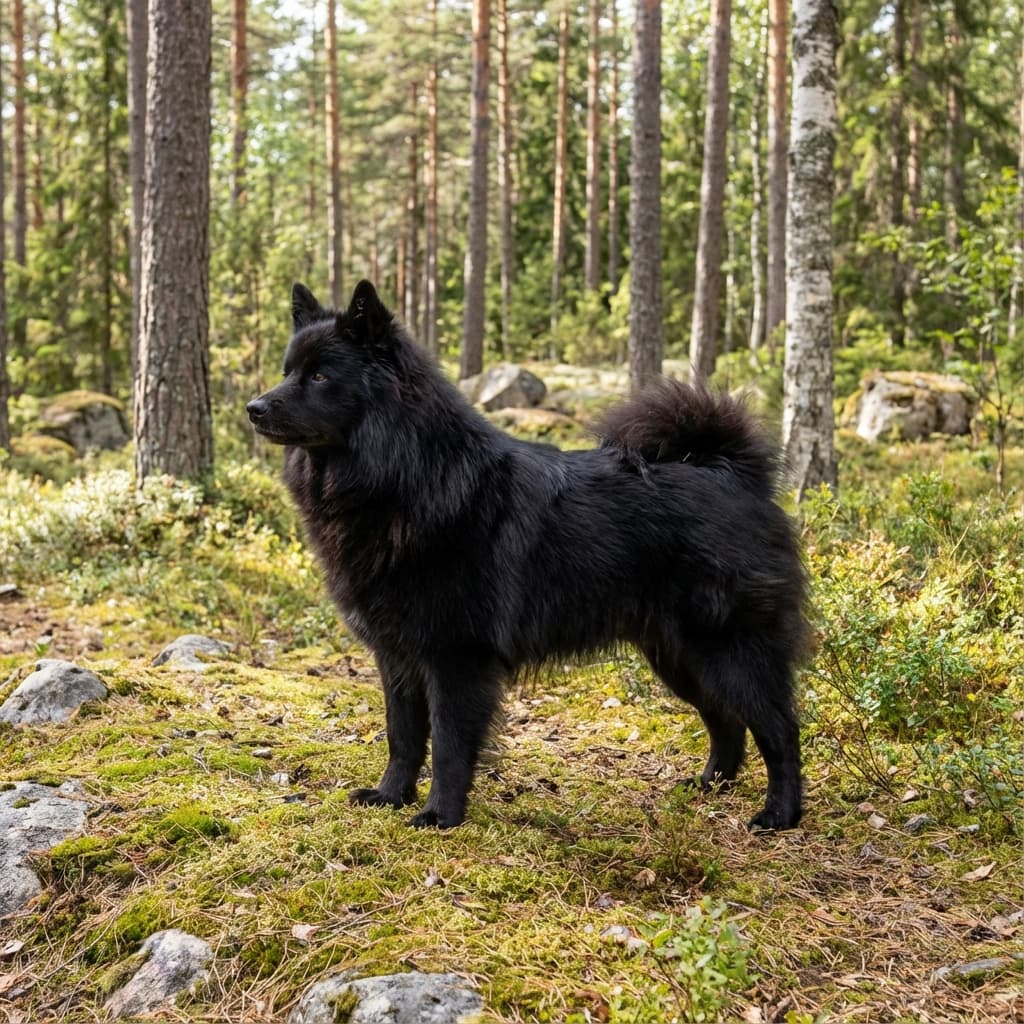
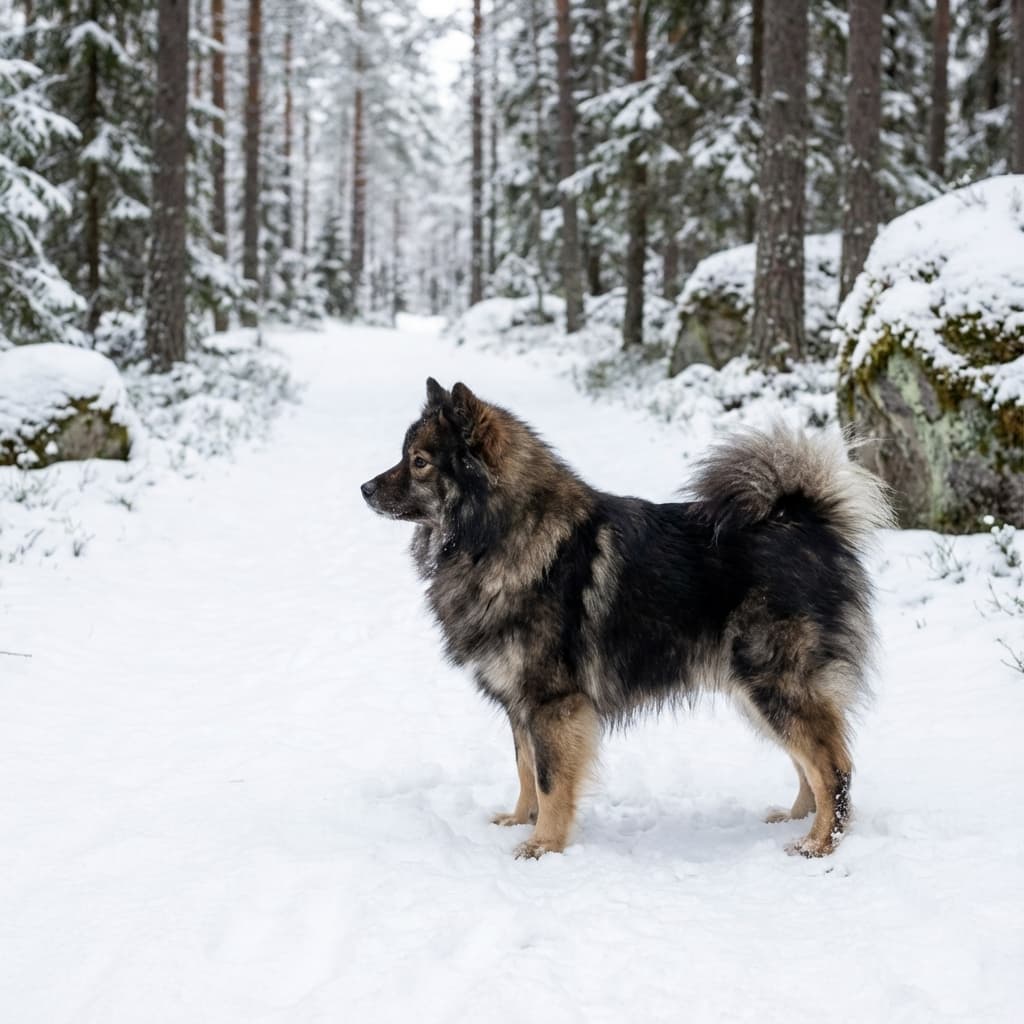
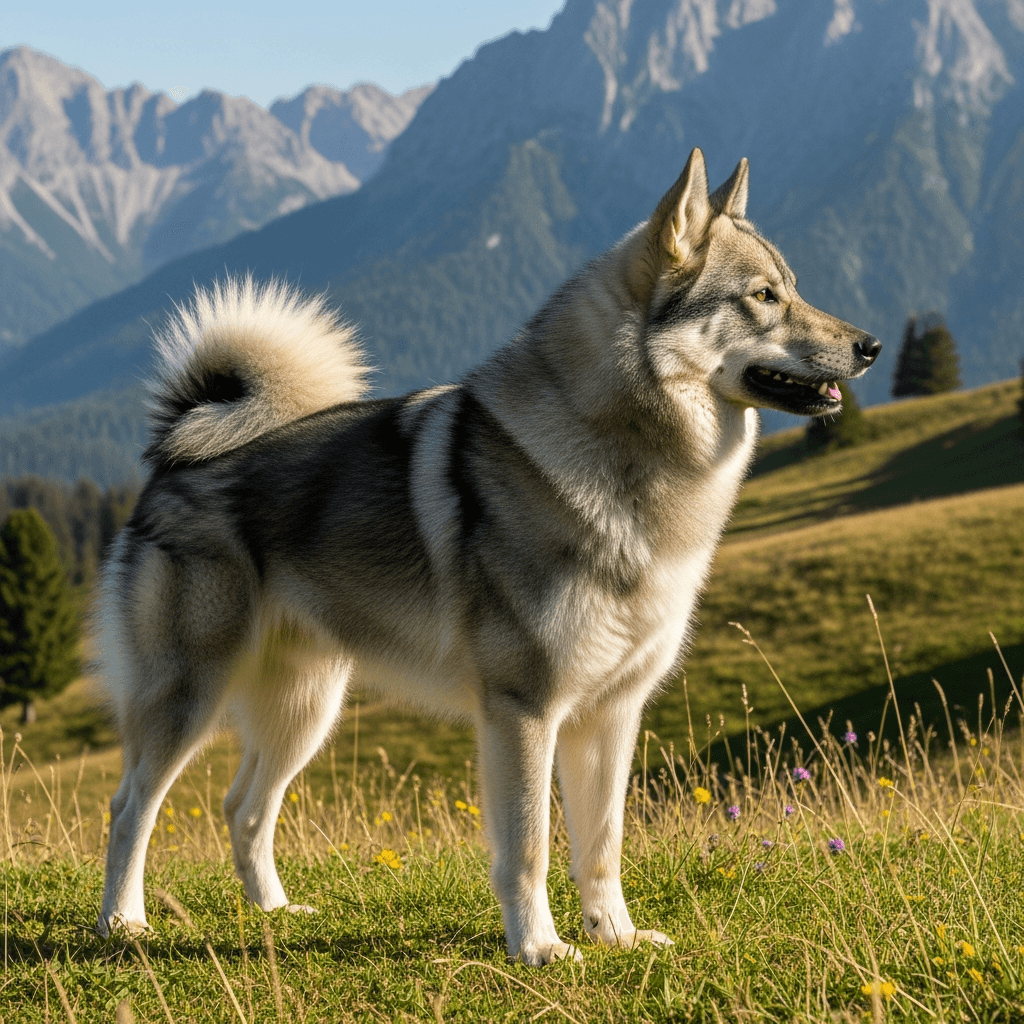
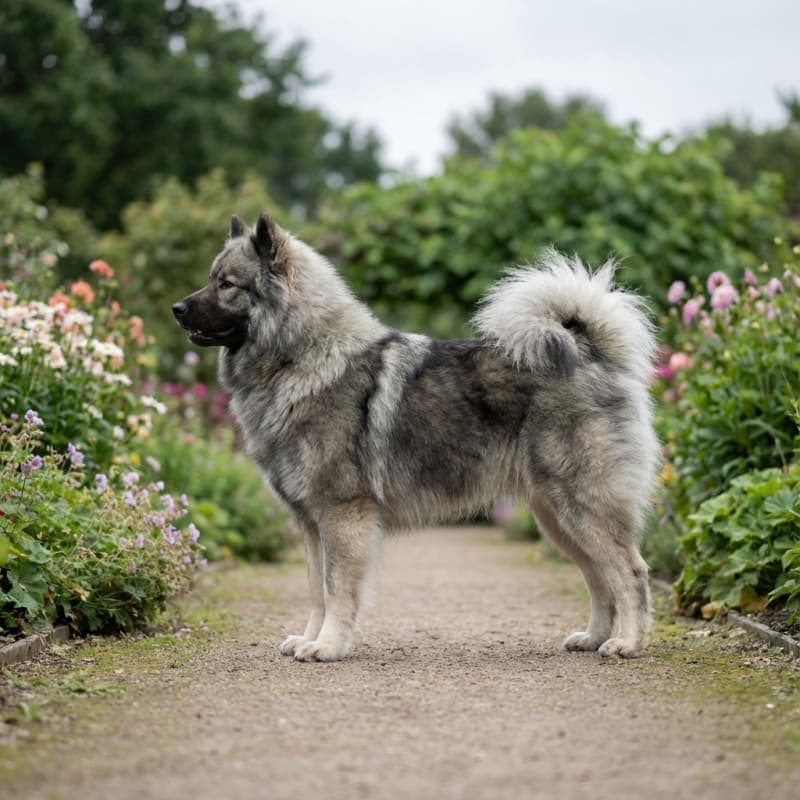
The Eurasier is a dog with a harmonious body structure, medium size, with a well-muscled body and strong bones. Height at the withers ranges from 48 to 60 cm depending on the gender (males: 52-60 cm, females: 48-56 cm), and weight fluctuates between 18 and 30 kg. Their coat is dense, of medium length, with a thick undercoat, which makes them look majestic and well protected against adverse weather conditions.
The coat color of the Eurasier can be diverse, except for pure white and piebald. All shades from fawn, through red, gray, black, to wolf-gray and black-and-tan are acceptable. These dogs have characteristic erect ears, which are medium-sized and triangular. The eyes are dark, of medium size, with a slightly slanted eyelid opening, giving them an oriental appearance reminiscent of a chow-chow.
The muzzle is proportional, neither too short nor too long, with a straight nose bridge. The ratio of the length of the muzzle to the length of the skull is nearly equal. The tail is round, strong, and well-furred, carried slightly curled over the back or to the side, which is typical for spitz-type dogs. The movement of the Eurasier is spacious, harmonious, and free, emphasizing their elegant appearance.
Overall, the Eurasier presents itself as a balanced and strong dog, which is both beautiful and functional. The length of the coat should be such that the proportions of the body are still visible, and the musculature is average – not too massive, but distinct.
Eurasiers are known for their balanced temperament and deep attachment to family. They are confident, calm, and composed dogs that can be alert but not noisy. Their intelligence makes them sensitive to the needs of their owners, which facilitates communication and the building of a strong bond based on mutual understanding.
Although eurasiers are friendly towards household members, they can be reserved towards strangers, which makes them good guard dogs, although they do not show tendencies towards aggression. Their natural alertness allows them to quickly notice any irregularities in their surroundings, but they respond calmly and thoughtfully. Their need for closeness with family means they do not cope well with prolonged periods of being left alone – they may then exhibit undesirable behaviors such as excessive barking or destruction of objects.
In interaction with children, eurasiers are patient and gentle, but it is important for children to learn appropriate behavior towards the dog. Despite their independent nature, they require regular socialization from puppyhood to function properly in the society of dogs and humans. Eurasiers are also moderately tolerant of other pets, including cats, making them versatile companions for multi-species families.
For the full development of these wonderful traits, an eurasier requires constant, close home contact with the family and understanding, but consistent training. This is not a dog for someone who does not have time to build relationships and engage in daily interactions.
The Eurasier is a breed that generally enjoys good health and longevity, with an average lifespan of 11 to 13 years. These dogs are robust and rarely suffer from serious illnesses, which is a result of their diverse genetic background and the responsible work of breeders. However, like any breed, they are susceptible to certain conditions.
The most commonly encountered health issues are:
- Hip dysplasia (HD) – can lead to pain, lameness, and arthritis if not properly diagnosed and treated
- Eye diseases – such as primary glaucoma, entropion (inward rolling of the eyelid), ectropion (outward rolling of the eyelid), or progressive retinal atrophy (PRA)
- Distichiasis – a developmental defect of the hair follicle, where eyelashes grow in the wrong place and irritate the cornea
- Hypothyroidism – can lead to metabolic issues, weight gain, and changes in coat appearance
To ensure the health of an Eurasier, it is important to regularly visit the veterinarian for preventive care and to maintain a proper diet and physical activity, which will help in maintaining a healthy weight and condition. These dogs can also be sensitive to extreme temperatures – during heat or cold, they should have access to cool or warm places and fresh water.
Responsible breeders conduct genetic testing of the parents before breeding, which significantly reduces the risk of hereditary diseases in the offspring.
Eurasier, despite having a thick, double coat, does not require overly complicated grooming. However, owners should be prepared for regular brushing, especially during the shedding season, which mainly occurs in spring and autumn. During this time, these dogs lose a lot of fur, which requires daily brushing to remove dead hair and prevent matting.
During the rest of the year, weekly brushing is sufficient to keep the coat in good condition and distribute natural skin oils. It is best to use a brush with metal pins and a comb with wide teeth that can effectively reach the undercoat. For Eurasier dogs, baths should be limited to two or three times a year unless the dog is very dirty or has skin issues. Too frequent bathing can dry out the skin and strip the coat of its natural protection.
Regular checks should also be made for:
- Ears – check once a week for redness, discharge, or unpleasant odor
- Teeth – brush 2-3 times a week to prevent tartar buildup and periodontal disease
- Nails – trim once a month if they do not wear down naturally during walks
- Eyes – wipe with a damp gauze if discharge appears
The Eurasier is a clean breed and free of the typical dog odor, which is an additional advantage for owners who value cleanliness in their home.
Eurasiers are dogs that need moderate amounts of exercise. They are not typical sporting dogs like border collies or huskies, but their physical activity needs are important for their health and well-being. Regular walks are essential, and it would be best if they occurred at least twice a day, each lasting 30-45 minutes.
These dogs enjoy long walks in open spaces where they can explore their surroundings, sniff, and play. However, it is advisable to avoid intense exercise until the dog reaches full maturity (around 12-18 months) to prevent stressing their developing joints and bones. Excessive strain at a young age can lead to orthopedic problems in the future.
Eurasiers can also enjoy participating in various activities such as:
- Hiking – ideal for this breed, which loves to explore new terrains
- Swimming – a great exercise that does not strain the joints
- Agility – for dogs that enjoy mental and physical challenges
- Fetch games – frisbee or ball, but in moderation
It is important to provide them with variety in activities to avoid boredom and keep their minds in good condition. The Eurasier is a dog that needs both physical and mental stimulation – a bored Eurasier can become destructive or exhibit undesirable behaviors.
Eurasian dogs are intelligent and eager to learn, which makes the training process relatively simple for experienced owners. They have a natural ability to quickly absorb commands and skills. However, it is important that training starts from puppyhood, when the dog best assimilates new experiences and behaviors.
Socialization is a key element in raising an Eurasian, as it allows them to interact properly with other dogs, people, and various environmental stimuli. The puppy should be exposed to different sounds, smells, surfaces, and situations in a safe and controlled manner.
During training, it is important to use positive reinforcement methods, such as:
- High-value treats as rewards
- Verbal praise and petting
- Play as a form of reward
- Clicker training for precise reinforcement of behaviors
It is also important to be consistent yet gentle in your approach to the dog to avoid inducing fear or anxiety. Eurasian dogs are sensitive to their environment and emotional needs, so it is crucial that training is enjoyable rather than stressful. Physical punishment or yelling is completely inappropriate and can damage the bond with the dog.
One should not forget that the Eurasian can also be independent and self-reliant, so it is important to establish clear boundaries and rules that the dog should follow. Consistency in enforcing rules is key – if we allow the dog to do something once and not another time, the dog will be confused and harder to train.
Basic commands such as Sit, Lie down, Stay, Come, and Leave it should be taught first. The Eurasian also does well with more advanced training if the owner is patient and creative.
Eurasiers, like most dogs, need a well-balanced diet to ensure their health and longevity. Proper nutrition is crucial for maintaining a healthy weight, which is particularly important for this breed that can gain weight quickly if not fed appropriately and not receiving enough exercise.
It is best to feed an Eurasier with high-quality food that contains:
- Animal protein (chicken, turkey, beef, fish) as the first ingredient – at least 20-25% for adult dogs
- Healthy fats (fish oil, flaxseed oil) – for healthy skin and a shiny coat
- Complex carbohydrates (brown rice, oats, sweet potatoes) – for energy
- Fiber – for proper digestion
- Vitamins and minerals – for overall health
It is also worth enriching the diet with fresh vegetables and fruits (carrots, broccoli, apples, berries), which will provide additional vitamins and antioxidants. One might consider feeding a BARF diet (Biologically Appropriate Raw Food) or a homemade diet, but always under the supervision of a veterinarian or a dog nutrition specialist.
These dogs should be fed at regular intervals – ideally twice a day for adult dogs, to prevent overeating and digestive issues such as bloat. Puppies require more frequent meals – 3-4 times a day. One should also not forget to provide constant access to fresh water.
Products to avoid:
- Chocolate, coffee, caffeine
- Onion, garlic, chives
- Grapes and raisins
- Avocado
- Xylitol (artificial sweetener)
If in doubt about the diet, it is best to consult a veterinarian, who can help determine the best feeding plan for the Eurasier, taking into account the dog's age, weight, activity level, and health condition.
Characteristic Traits
Pros
- Loyalty to family
- Balanced and calm temperament
- Good adaptation with children and animals
- Intelligence that facilitates training
- Absence of typical dog odor.
Cons
- They need close contact with people
- They poorly tolerate loneliness
- They require regular physical activity
- They are not suited for outdoor life
- Seasonal shedding requires frequent brushing.
Behavioral Ratings
Breed History
Eurasier is a breed that originated in Germany in the 1960s. Its creator was Julius Wipfel, who decided to combine the traits of the chow-chow and the wolf spitz to create a companion dog with a balanced temperament and a strong attachment to family. Initially, this breed was called wolf-chow, but after introducing the Samoyed into the breeding in 1972, its name was changed to eurasier – from the word Eurasia, the continent encompassing Europe and Asia.
The breed quickly gained popularity in Germany, and in 1973 it was officially recognized by the International Canine Federation (FCI). The history of the eurasier is closely linked to the work of the renowned ethologist Konrad Lorenz, a Nobel Prize laureate, who collaborated with Wipfel and aimed to recreate the traits of an ancient, extinct type of northern dog – the Nenets Herding Laika. Lorenz believed that the combination of these three breeds would produce the ideal family dog – beautiful, intelligent, and loyal.
The process of creating the breed was carefully planned:
- 1960 – the first crossbreeding of the wolf spitz with the chow-chow
- 1972 – introduction of Samoyed blood to soften the character and improve health
- 1973 – recognition by the FCI under standard number 291
- 1980s – spread of the breed across Europe
Although the eurasier has gained recognition in many European countries, its popularity has never reached the level of other breeds, such as the golden retriever or labrador. This may be due to its emotional requirements – the eurasier is not a dog for everyone; it requires an engaged and present owner. This breed is not suitable for commercial breeding or living in isolation.
Today, eurasier dogs are valued for their friendly disposition and balanced character, and their popularity is increasing, especially in Western Europe and Scandinavia, where they are becoming more sought-after companion dogs for conscious owners. In Poland, the breed is still rare, but it is slowly gaining recognition among dog lovers.