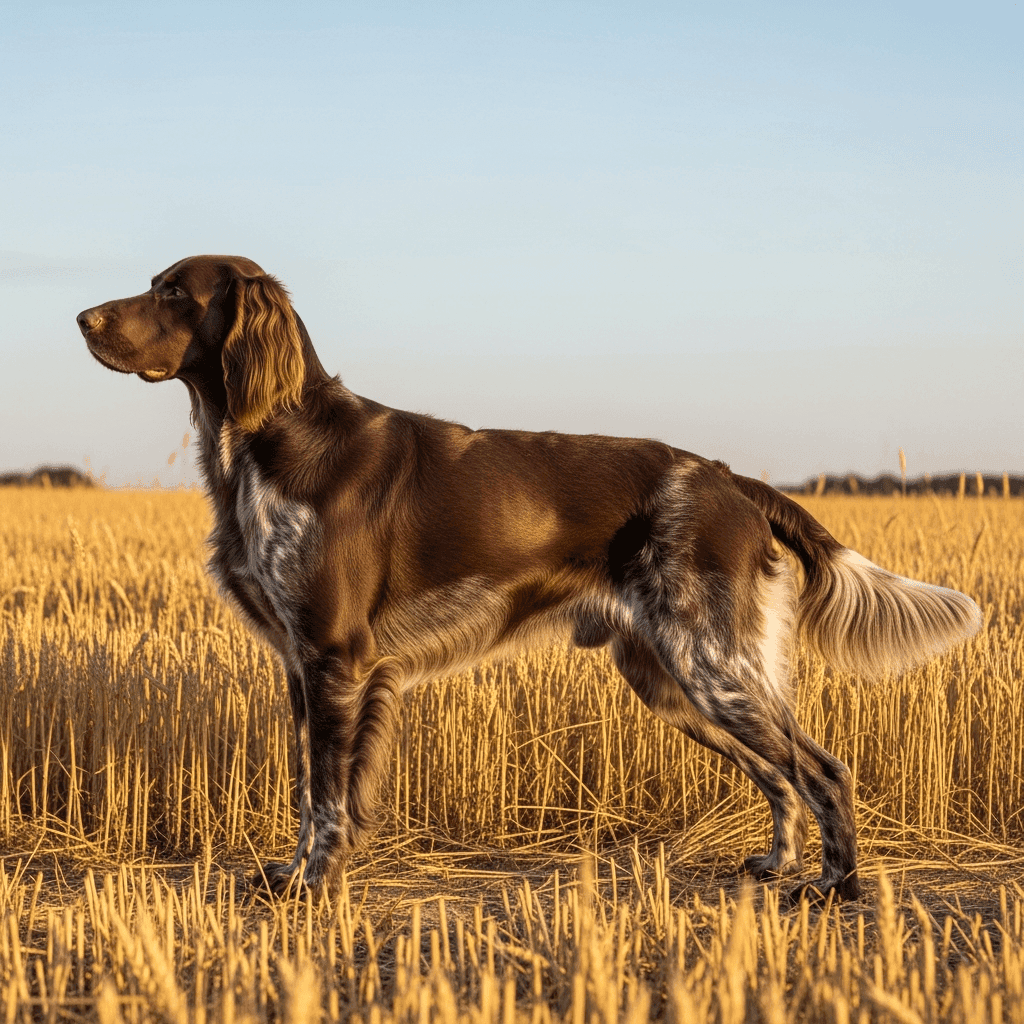
German Longhaired Pointer
FCI Group
7• FCI 117
Size
Medium
Origin Country
DE
Height
60-66 cm
Weight
25-35 kg
Lifespan
11-13 years
Temperament
Overview
The German Longhaired Pointer, known in its home country as Deutsch Langhaar, is an extraordinary hunting breed that has won the hearts of many dog lovers not only in Germany but throughout Europe and increasingly beyond since the 19th century. This versatile hunting breed was developed from a combination of blood from bird dogs, hawk dogs, water dogs, and scent hounds, making it an exceptionally universal tool in the hands of an experienced hunter. Since the beginning of pure breeding in 1879, this pointer has become synonymous with versatility, reliability, and elegance in the field.
Its veins carry the heritage of many hunting breeds, which translates into unmatched capabilities in work before and after the shot. The German Longhaired Pointer performs equally well in tracking in the woods, working in water, and in open fields. This multitasking ability has made this breed one of the best-kept secrets in the world of hunting dogs - less popular than the short-haired version but equally, if not more, capable.
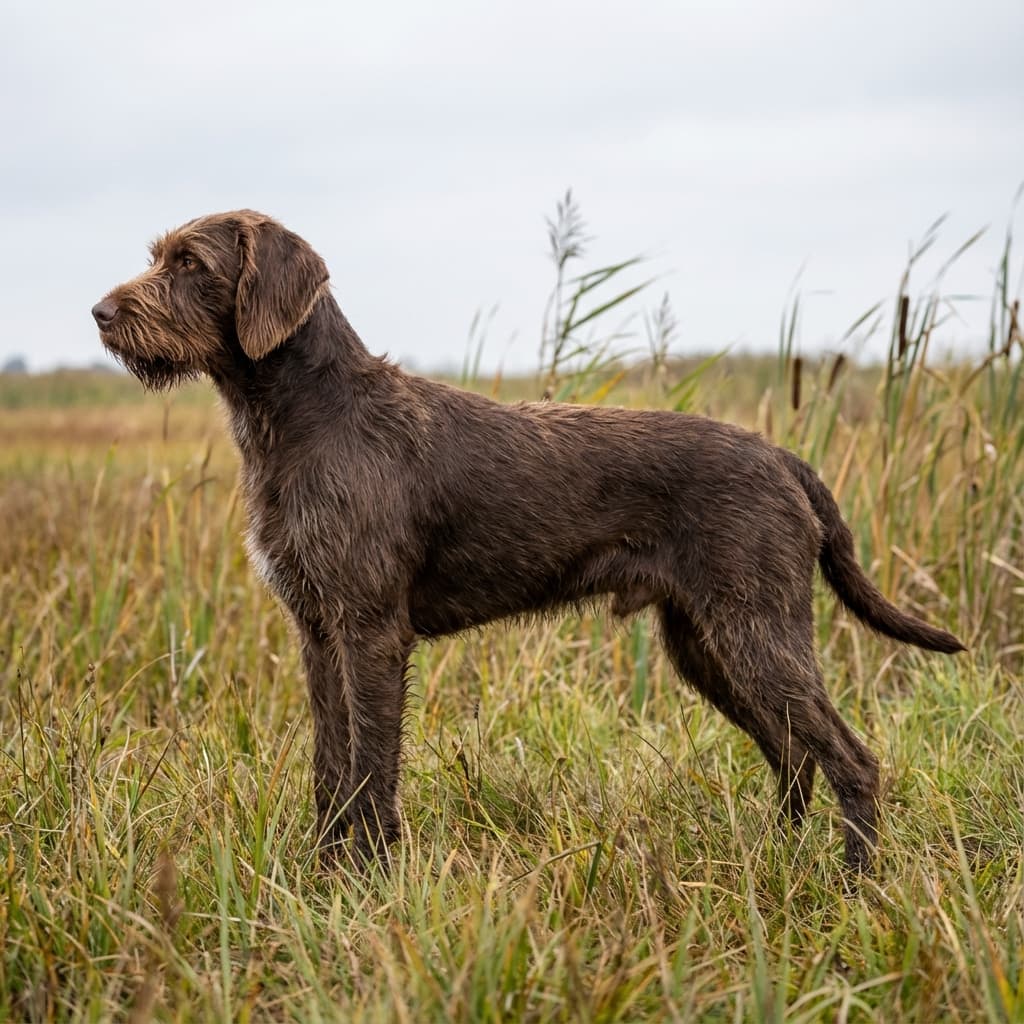
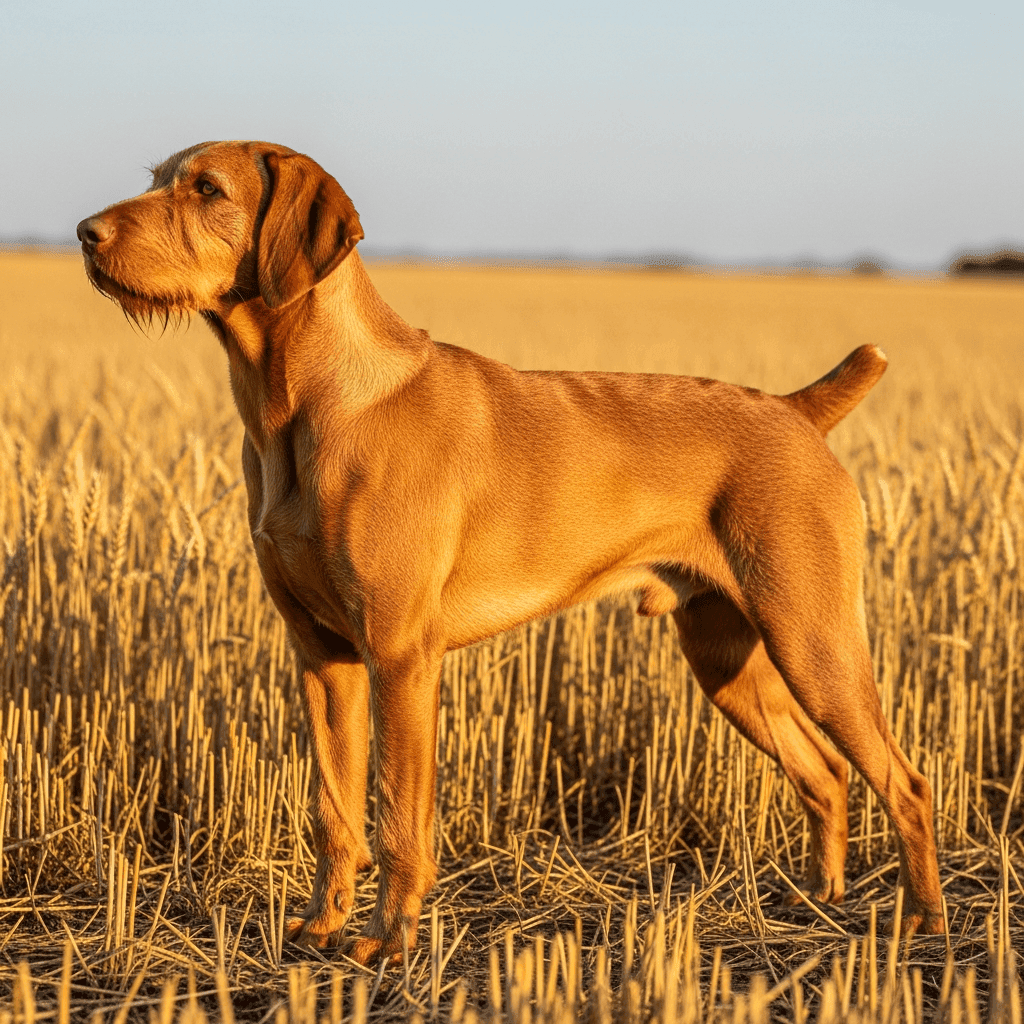
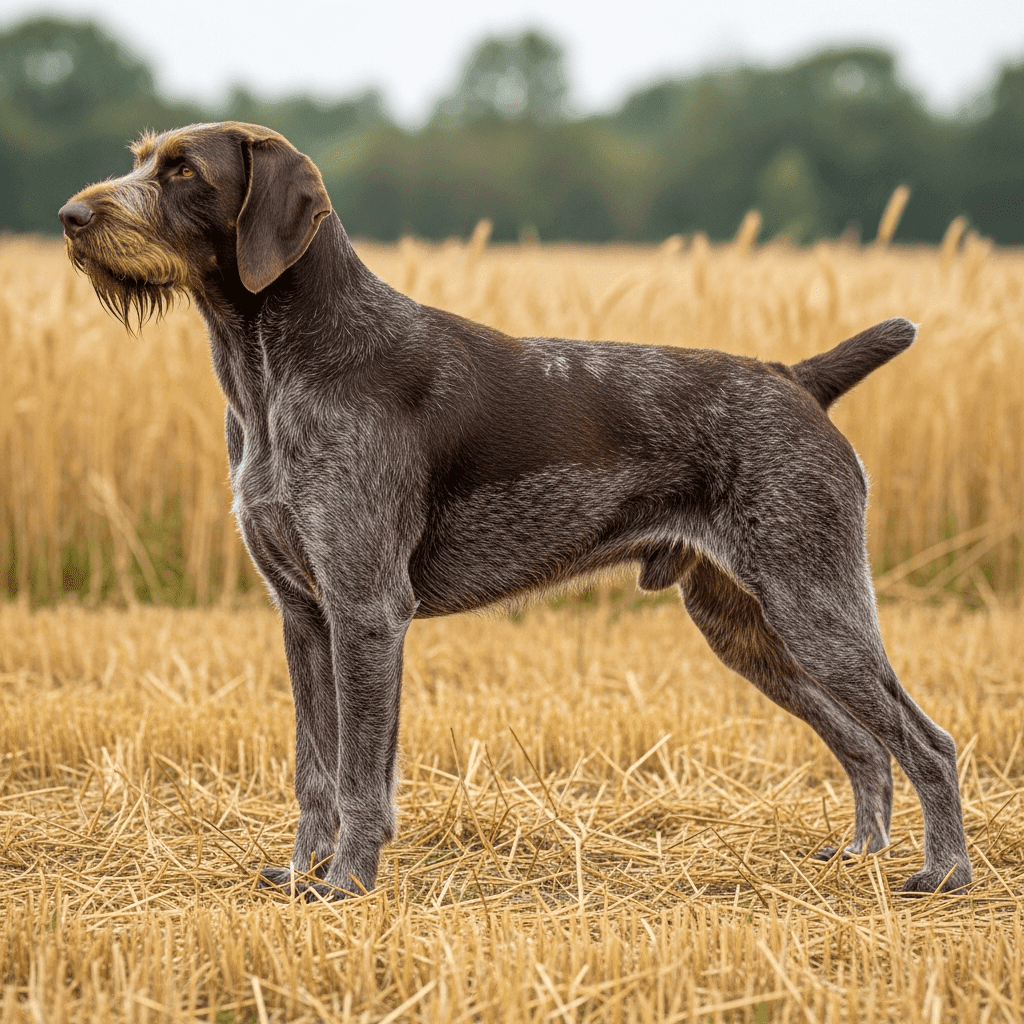
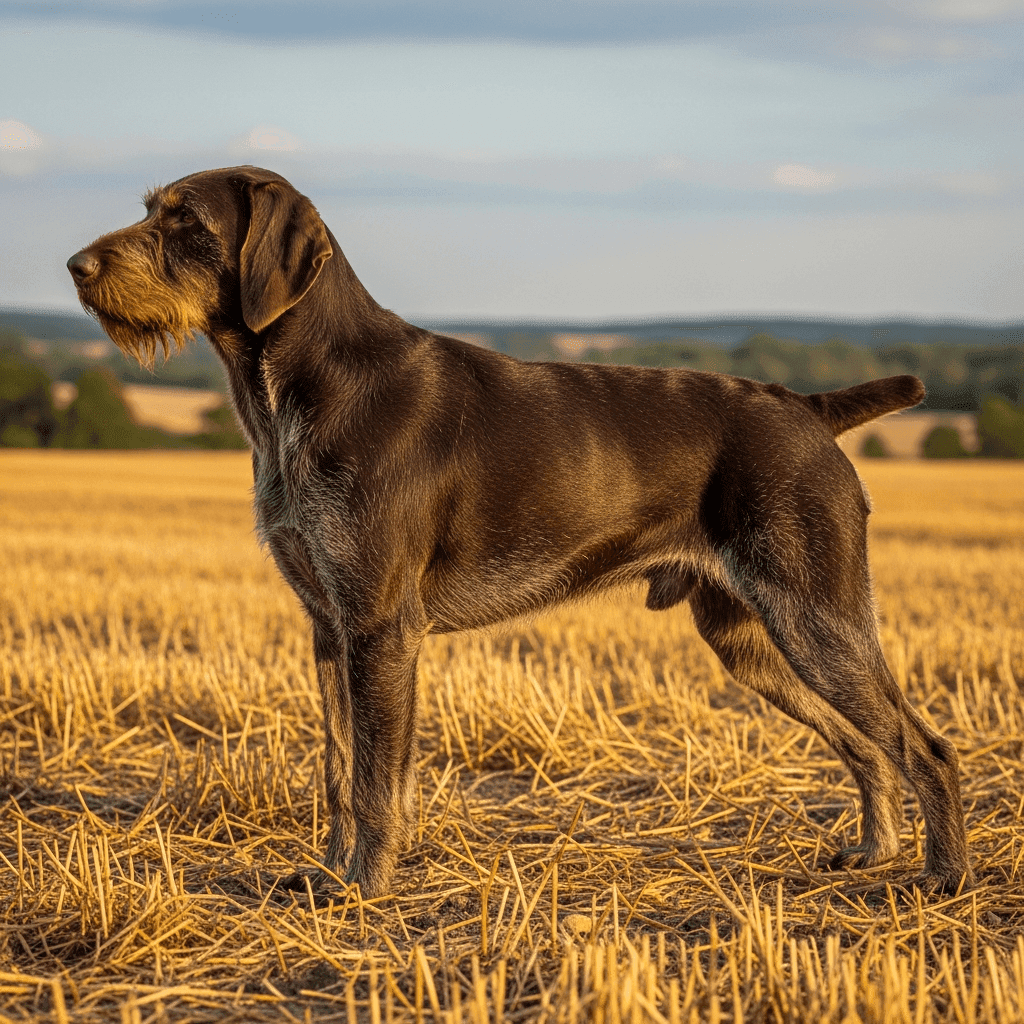
Characteristic features of the German Longhaired Pointer include a elegant yet strong silhouette, long, silky fur with a beautiful sheen, and a solid, muscular body structure. These traits ensure that this dog not only excels during intense hunts in diverse terrain but also attracts attention with its noble appearance. The height at the withers ranges between 60 and 70 cm (males are usually taller), and the weight hovers around 25-35 kg, making it a medium to large-sized dog with an impressive yet harmonious presence. Its long coat is no accident - it provides excellent protection against thorny bushes, water, and changing weather conditions.
Thanks to its balanced and calm temperament, the German Longhaired Pointer is friendly, loyal, and intelligent, making it an excellent companion for both experienced hunters and active families. Baron von Schorlemer, who wrote the first breed standard in 1897, laid the foundations for today's pure breeding, which consistently preserves the most important traits: versatility, gentle disposition, and ease of training.
Although the German Longhaired Pointer is a dog with a calm temperament, one must not forget its intense need for human companionship and high physical activity. This is not a dog that tolerates loneliness or long hours of confinement well - its nature requires regular contact with its owner and constant engagement. It thrives in the company of people and other animals with whom it shares its life. Its high need for movement and mental stimulation makes it a perfect fit for an active lifestyle. It loves spending time outdoors, exploring new terrains, tracking scents, and engaging in various tasks, making it an indispensable companion for those who enjoy adventures, long hikes, and working with a dog in a natural environment.
This breed is extremely easy to train due to its high intelligence, willingness to cooperate with humans, and natural predisposition for work. However, to prevent the German Longhaired Pointer from becoming bored or frustrated, it requires a consistent, varied, and positive approach to training. Its versatility allows it to excel in various tasks - from classic bird and game hunting to working in water (retrieving from water, tracking wounded birds), to modern sports disciplines and assisting in daily family life.
The long, silky coat of this breed, while beautiful, requires regular and systematic grooming to maintain its health, shine, and avoid matting. Brushing at least once a week (more often during shedding) is an absolute minimum. The German Longhaired Pointer brings a tremendous amount of joy, energy, and satisfaction from work to its owners' lives, but it also requires commitment, consistency, and responsibility. For the right owner - active, patient, and willing to dedicate time to training and shared activities - it becomes a wonderful, loyal partner for many years.
The German Longhaired Pointer is a dog with a elegant yet strong and solid physique, which is highly regarded among connoisseurs for its noble appearance and harmonious build. It is a dog with low-set and flowing lines, meaning that the silhouette should not be square but slightly elongated. The height at the withers is:
- Males: 63-66 cm (ideally around 65 cm)
- Females: 60-63 cm (ideally around 62 cm)
The body weight hovers around 25-35 kg, with males typically being heavier. Its body structure is solid and well-muscled, making it a dog with a strong and balanced posture, but not heavy or massive. Smaller individuals must have plenty of substance, while overly massive and clumsy ones are undesirable.
Important proportions: The muzzle and the brain part of the skull should be of equal length. The dog should not be overbuilt, but it can be slightly taller at the withers than at the hindquarters. This structure provides optimal movement capabilities in the field.
The head of the pointer is long and harmonious, with a slightly rounded skull and a gently rising stop (not deep or sharp). The nose is brown, which may be slightly speckled, a characteristic of this breed. The muzzle is strong and should not be too narrow or too short. The lips are well-fitting, not hanging.
The eyes are dark brown, with an expressive, intelligent gaze. They are moderately set (not protruding, not deeply set), giving the dog an attentive and friendly expression. These eyes reflect the balanced character of the breed - calm yet alert.
The ears are set slightly below the eye line, wide at the base, hanging flat against the head and slightly turned forward. The ears are covered with wavy, long hair, which is one of the breed's characteristic features. The length of the ears is moderate - they should reach approximately to the corner of the muzzle.
The neck is strong, elegant, and well-muscled, with a noble line that emphasizes the dog's harmonious silhouette. It should not be too short or too long - it should harmonize with the overall build. The back is straight and strong, and the loins are strongly muscled, providing strength during work in the field. The chest is wide and deep, reaching to the elbows, which ensures the dog has adequate lung capacity and endurance during prolonged work.
The tail is carried horizontally in motion or slightly raised at the end. In the past, tails were docked, but nowadays they are increasingly left at their natural length. The tail is abundantly feathered with long hair.
The coat of the German Longhaired Pointer is long, dense, and silky, with a well-developed undercoat, providing excellent protection against water and changing weather conditions. The hair on the back, sides, and thighs is long (3-5 cm), lying smoothly or slightly wavy. On the underside of the neck, chest, belly, back of the legs, and tail, the hair is even longer and forms a characteristic feathering. On the head and ears, the hair is shorter, soft, and dense.
The coloration is diverse, and the following variations are accepted:
- Solid brown (dark brown, brown, light brown)
- Brown with white or speckled markings on the chest and toes
- Brown roan (brown base coat with white hairs)
- Dark roan (a mix of brown and white hairs)
- White with brown spots on the head, spots on the body, and brown roan
- White with a brown head, coat, or spots
This type of coat and coloration make the German Longhaired Pointer not only look elegant and noble but also perfectly adapted for work in various weather conditions - from cold water to thorny underbrush.
The German Longhaired Pointer is a dog with a balanced, calm temperament, which is friendly, loyal, and extremely intelligent. According to the FCI standard, this breed should be balanced, calm temperament, good-natured, easily trained - these traits are the foundation of its character and the key to its versatility. This breed is known for its strong bond with the owner and deep need to cooperate with humans, making German Longhaired Pointers excellent companions both in work and family life.
These dogs are very sociable and get along well with both children (especially if socialized from puppyhood) and other pets. Their gentle and patient disposition makes them capable of being gentle playmates for children, as long as the children treat them with respect. The German Longhaired Pointer has a natural patience and tolerance, which makes it a good choice for families with small children, but interactions between the dog and the youngest family members should always be supervised.
However, due to their high activity level and intense need for movement, they require constant physical and mental stimulation to avoid boredom, which can lead to destructive behavior. A bored German Longhaired Pointer may start to bark excessively, dig holes in the garden, chew on furniture, or exhibit other undesirable behaviors. Regular exercise and engaging tasks are key to a happy and balanced dog of this breed.
The German Longhaired Pointer has a high hunting and tracking instinct, which means it may be prone to chasing smaller animals (cats, rabbits, birds) if not properly trained and socialized from puppyhood. Owners should be aware of this aspect and work on controlled recall and socialization with other animals. Early socialization is crucial - puppies should be exposed to a variety of stimuli, people, animals, and environments to grow into confident and balanced adult dogs.
These dogs are quite intelligent and eager to learn, making them easy to train, but their high sensitivity and strong need for closeness with people mean that they should not be left alone for extended periods. The German Longhaired Pointer is a dog that needs to be part of the family and participate in its daily activities. Long periods of solitude can lead to separation anxiety, symptoms of depression, and destructive behaviors.
The German Longhaired Pointer is usually friendly towards strangers, but may be a bit wary or cautious towards unknown people at first contact. It is not an aggressive or overly territorial breed, but it has a natural observational instinct. However, after a short while, once they feel comfortable and realize that the person poses no threat, they quickly overcome their caution and become friendly. This is not a typical guard dog - it may alert with barking to the arrival of strangers, but it does not have an aggressive defensive instinct.
Since these are dogs with a strong hunting instinct and high energy, they require an adequate amount of physical exercise and mental stimulation to be happy, healthy, and mentally balanced. Hunting, long hikes, tracking training, dummy work, water retrieving, dog sports (agility, rally obedience) - all of these perfectly meet the needs of this breed.
Proper upbringing, consistent training based on positive reinforcement, and appropriate socialization will allow for the development of a balanced, obedient, and happy dog, which will be an excellent companion for its family for many years. The German Longhaired Pointer is a dog that provides its owner with immense satisfaction from work and shared time, but it requires commitment, patience, and consistency.
The German Longhaired Pointer is a breed that generally enjoys good health and has an average lifespan of 12 to 14 years, which is quite a long time for a dog of this size. These dogs are known for their endurance, solid build, and resilience, making them relatively resistant to many health issues. However, like any breed, they can be prone to certain health problems that potential owners should be aware of.
Hip Dysplasia (HD) is one of the most common orthopedic problems that can affect German Longhaired Pointers. It is a hereditary condition that can lead to pain, lameness, and limited mobility. Responsible breeders conduct hip X-rays of the parents before allowing them to breed, which significantly reduces the risk of this issue in the offspring. When buying a puppy, it is always worth asking about the HD test results of the parents.
Elbow Dysplasia (ED) is another orthopedic condition that can occur in medium and large breeds. Like HD, it is partially hereditary and can cause pain and mobility issues. X-rays of the parents' elbows are an important part of responsible breeding.
Gastric Dilatation-Volvulus (GDV) is a potentially life-threatening condition that large dogs with deep chests are prone to. Bloat occurs when the stomach fills with gas and can twist, cutting off blood supply. Owners should be vigilant for signs of gastric discomfort, such as:
- Restlessness, pacing
- Enlarged, hard abdomen
- Attempts to vomit without success
- Heavy breathing, drooling
To minimize the risk of bloat, it is advisable to avoid feeding large amounts of food in a short period - it is better to divide the daily meal into 2-3 smaller portions. It is also wise to avoid intense exercise immediately before and after meals (wait at least an hour).
Skin and food allergies can also affect German Longhaired Pointers. They may manifest as itching, redness of the skin, excessive hair loss, ear infections, or digestive problems. The causes can vary - from food allergies (e.g., chicken, beef, grains) to environmental allergies (pollen, dust mites) to contact allergies. Regular veterinary visits and a properly balanced diet can help identify and treat allergies.
Ear infections are quite a common problem in dogs with long, floppy ears that restrict airflow. Moisture and heat in the ear canal promote the growth of bacteria and fungi. Owners should regularly check and clean their dog's ears (especially after swimming or hunting in wet conditions) using appropriate veterinary products.
Entropion (inward rolling of the eyelids) can sometimes occur in the breed. It leads to irritation of the cornea by the eyelashes and requires surgical correction.
Hypothyroidism is a hormonal condition that can sometimes affect German Longhaired Pointers. Symptoms include: weight gain, lethargy, skin problems, hair loss. It is a condition that is easy to diagnose (blood test) and treat (regular hormone supplementation).
It is important to provide the dog with a sufficient amount of exercise, which not only improves physical condition but also supports mental health and maintains a healthy body weight. Proper nutrition and avoiding obesity are crucial, as being overweight can lead to further health problems (joint strain, cardiovascular issues, diabetes). Regular veterinary visits (at least once a year, twice a year for older dogs), vaccinations, deworming, and prevention against external parasites (ticks, fleas) are the foundation of maintaining health.
For German Longhaired Pointers, their solid build, good genes, and history of selection make them one of the more resilient breeds that, with proper care, appropriate nutrition, and regular exercise, can enjoy a long, healthy, and active life alongside their owners.
The care of the German Longhaired Pointer is a key element in maintaining the health, comfort, and beautiful appearance of this dog. Their long, silky coat, while beautiful and functional, requires regular and systematic grooming to avoid matting, tangling, and skin problems. Compared to the short-haired version, the longhaired German Pointer requires significantly more time and attention devoted to coat care.
Brushing is absolutely essential for grooming this breed. It is recommended to brush the dog at least 2-3 times a week, using a pin brush and a comb with wide teeth. During the heavy shedding season, which mainly occurs in spring and autumn, this frequency should be increased to daily brushing. Special attention should be paid to:
- Fur on the ears - the coat here easily tangles
- Fur under the armpits and in the groin - areas prone to chafing and mats
- Fur on the belly and chest - longer fur requires thorough detangling
- Back of the legs - the fur can collect leaves, thorns, and other debris
- Tail - the abundant fur easily mats
Bathing should be done as needed, usually every 6-8 weeks or more often if the dog works intensively outdoors and gets dirty. A high-quality shampoo for longhaired dogs should be used, which will not dry out the skin or coat. After bathing, it is advisable to apply a conditioner to facilitate detangling and add shine to the coat. It is very important to thoroughly rinse out all products, as residues can cause skin irritation.
However, too frequent washing should be avoided, as it can lead to drying out the skin and coat and disrupt the natural lipid barrier. If the dog is slightly muddy, it is often sufficient to wait for the mud to dry and then brush it out.
After each bath and after swimming, it is necessary to thoroughly dry the dog, especially the ears and the fur underneath. Moisture that promotes the growth of bacteria and fungi can lead to ear infections, which are a common problem in dogs with long, drooping ears.
Ears require special attention. They should be checked regularly (at least once a week) and cleaned as needed using veterinary ear cleaning solutions. Symptoms of ear problems include:
- Unpleasant odor
- Redness and swelling
- Excessive wax production
- The dog frequently shakes its head or scratches its ears
After any swimming or hunting in wet conditions, it is essential to clean and dry the ears to prevent infections.
Nails should be regularly trimmed, usually every 3-4 weeks, to prevent them from becoming too long. Overgrown nails can cause discomfort while walking, posture problems, and pain. If you can hear the nails clicking on the floor while walking, it means they are too long. It is advisable to get the dog used to nail trimming from a puppy age so that it treats this as a normal part of grooming.
Dental hygiene is also important to prevent dental problems (tartar, gum disease, cavities). It is recommended to brush the dog's teeth 2-3 times a week using toothpaste formulated for dogs. Dental chews and cleaning toys can also be used as a supplement.
Trimming is usually not necessary, but some owners choose to lightly trim the fur between the paw pads to prevent mud and ice accumulation (in winter). The fur around the ears and under the tail can also be lightly trimmed for hygiene purposes.
After hunting or long walks in the field, it is important to thoroughly check the entire body of the dog, especially the ears, paws, and coat, for ticks, thorns, grass seeds (foxtails), minor wounds, or abrasions. Long fur can collect various debris that may cause discomfort or health issues.
Maintaining a good condition of the coat and skin not only improves the dog's appearance and makes it pleasant to pet, but also positively impacts its health and well-being. Regular grooming is also an excellent opportunity to check the dog's overall health - during brushing, lumps, wounds, skin changes, or other concerning symptoms can be detected.
Thus, caring for the German Longhaired Pointer is an important aspect of responsible ownership of this breed, which requires regularity and consistency, but in return provides a beautiful, healthy, and well-groomed companion.
The German Longhaired Pointer is a dog with high energy and intense exercise needs, requiring a significant amount of physical effort and mental stimulation to remain healthy, happy, and mentally balanced. This breed is not suitable for people leading a sedentary lifestyle or preferring short walks around the block. The German Longhaired Pointer is a full-blooded working dog bred for intensive, multi-hour work in diverse terrains.
It is recommended to provide the dog with at least 2 hours of intense physical activity daily, but in reality, many German Longhaired Pointers need significantly more. Ideally, the exercise should include:
- Long walks (minimum 1-1.5 hours daily, divided into 2-3 outings)
- Running - jogging with the owner or running alongside a bicycle works great
- Free running in a safe, fenced area or on a meadow where the dog can be let off the leash
- Swimming - an excellent exercise engaging the whole body without stressing the joints
- Fetch games - ball, frisbee, dummy
- Climbing on uneven terrain - forests, hills, mountains
German Longhaired Pointers are natural hunters, which is why they love to explore new areas, sniff around, and chase various scents. The ideal environment for this breed is access to open spaces - forests, fields, meadows, where the dog can fully utilize its natural instincts. Regular outings into nature (weekend hikes, trips to the mountains) are a great enrichment for their lives.
However, physical exercise alone is not enough - mental stimulation is equally important. The German Longhaired Pointer is intelligent and was bred to make independent decisions while hunting. Without appropriate mental challenges, it can quickly become bored. Therefore, it is worth incorporating into the daily routine:
- Obedience training - regular training sessions (10-15 minutes, 2-3 times a day)
- Tracking and scenting - hiding treats or toys that the dog must find
- Water retrieving - if there is access to a safe body of water
- Dummy work - training with game dummies
- Interactive games - dog puzzles, Kong toys filled with treats
- Learning new commands - pointers love to learn new things
- Dog sports - agility, rally obedience, nosework, dock diving
Regular exercise is extremely important to prevent boredom, which can lead to destructive behavior. A bored German Longhaired Pointer may:
- Bark or howl excessively
- Dig holes in the garden
- Chew on furniture, shoes, and other items
- Try to escape from the yard
- Exhibit separation anxiety
- Become hyperactive or nervous
Due to their focus on working with people and social disposition, German Longhaired Pointers feel best during shared activities with their owner. It is not enough to let the dog out in the yard and expect it to tire itself out - the dog needs interaction, owner engagement, and teamwork.
Activities that engage their natural hunting instinct are also ideal, such as:
- Hunting - for dogs from hunting homes
- Hunting training - even if we do not hunt, we can train with dummies
- Field trials - competitions for hunting dogs
- Mock hunting - simulated hunts
Important notes regarding exercise:
- Puppies and young dogs (up to 12-18 months) should not be subjected to too intense exercise - their joints and bones are still developing. Shorter, more frequent sessions are better than long, exhausting walks
- On hot days, it is advisable to avoid intense exercise during the hottest part of the day - it is better to walk in the morning and evening
- In winter, the dog may need additional protection (a coat) if the temperature drops below -10°C and there are long walks
- After a meal, it is advisable to wait at least an hour before intense exercise to reduce the risk of bloat
Properly meeting the physical and mental needs of this dog not only improves its physical condition and health but also strengthens the bond with the owner and makes the dog happy, balanced, and pleasant in daily life. A tired German Longhaired Pointer is a calm, well-behaved companion at home - but to achieve this, the owner must be ready to dedicate several hours a day to activities with the dog.
Training a German Longhaired Pointer is a key element in its upbringing, development, and building a balanced, obedient dog. These dogs are intelligent, eager to learn, and willing to cooperate with humans, which makes them relatively easy to train with the right approach. However, their high intelligence, independence, and natural hunting instincts can also pose a challenge for inexperienced owners who cannot provide sufficient stimulation and consistency.
Starting training from puppyhood is absolutely crucial. The earlier we begin training and socialization, the better results we will achieve. German Longhaired Pointer puppies should be:
- Socialized from 8-16 weeks of age - exposed to various stimuli, people, animals, environments, and sounds
- Taught basic commands - sit, lie down, come, stay, no
- Accustomed to leashes, collars, muzzles
- Trained in cleanliness - regular outdoor outings
- Taught appropriate boundaries - what is allowed and what is not
Training methods should be based on positive reinforcement, which means rewarding desired behaviors rather than punishing unwanted ones. German Longhaired Pointers are sensitive and respond well to:
- Treats - as an immediate reward for following a command
- Verbal praise - enthusiastic, cheerful tone of voice
- Play - favorite toy or game as a reward
- Petting - physical contact as a sign of approval
It is important to avoid harsh punishments, yelling, or physical violence, as they can destroy the dog's trust, cause fear, and make the dog insecure, frightened, or even aggressive. German Longhaired Pointers are sensitive and want to cooperate - they do not need a heavy hand, but rather consistency, clarity, and patience.
Regular training sessions, which are short (10-15 minutes), but intense and engaging, will be more effective than long, monotonous exercises. Pointers quickly get bored if training is repetitive and dull. Therefore, it is worth:
- Diversifying training - changing locations, commands, rewards
- Ending on a success - always finish the session on a positive note
- Maintaining enthusiasm - the dog responds to our energy and mood
- Training daily - short, regular sessions are better than occasional long ones
The German Longhaired Pointer is a dog that loves to work with people, so it is worth including it in daily activities and treating various situations as opportunities for training. Walks, feeding, playing - all of this can be used to teach obedience and good manners.
Specialized training for German Longhaired Pointers may include:
- Hunting training - pointing, retrieving, water work, tracking
- Dummy work - working with game dummies
- Advanced obedience training - preparation for obedience competitions
- Agility - obstacle course, agility, speed
- Rally obedience - a combination of obedience and fun
- Nosework - scent training, searching for scents
- Dock diving - jumping into water for distance
Key commands that every German Longhaired Pointer should know perfectly:
- Come (recall) - absolutely crucial command for a dog with a strong hunting instinct
- Stay - self-control, waiting
- Sit - basic control command
- Stay - remaining in place until released
- No - interrupting unwanted behavior
- Leave it - dropping an item or stopping interaction
- Heel - walking at the heel without pulling
It is important to remember that German Longhaired Pointers need regular mental stimulation to avoid frustration and destructive behaviors. Just walking is not enough - the dog needs tasks to perform, problems to solve, and new things to learn. Without this, it can become bored, hyperactive, and difficult to manage.
Training should continue throughout the dog's life to maintain its skills and obedience at a high level. Even a well-trained adult dog needs regular refresher sessions and new challenges to remain engaged and obedient.
For owners who lack experience in training hunting dogs or simply want professional support, consider enrolling in an obedience course or working with a behavior trainer. A professional trainer can help with:
- Assessing the temperament of the puppy/dog
- Adapting training methods to the individual character
- Resolving behavioral issues
- Preparing for specialized tasks (hunting, competitions)
Proper training of a German Longhaired Pointer is an investment in a long-lasting, harmonious relationship with the dog. A well-trained German Longhaired Pointer is a obedient, balanced, and reliable companion that brings immense satisfaction and joy from the time spent together, both in work and family life.
The German Longhaired Pointer requires a balanced, high-quality diet that supports its health, high energy, physical condition, and maintenance of beautiful, long fur. As active hunting dogs with intense exercise needs, they require appropriately tailored nutrition that provides all essential nutrients.
The foundation of the diet should be based on high-quality animal protein, which is crucial for muscle building and regeneration, especially in working or very active dogs. Ideal sources of protein include:
- Meat - poultry (chicken, turkey), beef, lamb, game
- Fish - salmon, mackerel, herring (rich in omega-3 fatty acids)
- Eggs - an excellent source of complete protein
The protein content in the food should be at least 22-28% for active adult dogs, and 28-32% for puppies, working dogs, or pregnant/nursing bitches.
Healthy fats are equally important - they provide energy and aid in the absorption of fat-soluble vitamins (A, D, E, K). The fat content should be 15-20% for active adult dogs. Particularly valuable are:
- Omega-3 and omega-6 fatty acids - support skin, coat, brain, and joint health
- Salmon oil - a natural omega-3 supplement
- Coconut oil - aids digestion and skin health
Carbohydrates should come from high-quality sources, such as:
- Sweet potatoes - slow-releasing energy
- Brown rice - easily digestible
- Oats - rich in fiber
- Vegetables - carrots, broccoli, spinach (sources of vitamins and minerals)
It is important to avoid foods with excessive grains (corn, wheat, soy), fillers, and artificial additives that can cause allergies and do not provide nutritional value.
It is advisable to choose foods designed for active or working dogs that contain appropriate nutrients tailored to their energy needs. It is also beneficial to include natural supplements in the diet:
- Glucosamine and chondroitin - support joint health (important for active dogs)
- Salmon oil or krill oil - omega-3 for skin, coat, and joints
- Probiotics - support digestive health
- Antioxidants - vitamins C and E to support the immune system
The amount of food depends on many factors: age, weight, activity level, metabolism, and type of food (dry vs. wet). General guidelines for an adult German Longhaired Pointer (25-35 kg) with high activity:
- Dry food: about 300-450 g per day (divided into 2 meals)
- Wet food: about 800-1200 g per day (divided into 2 meals)
Always adjust the amount of food to the individual needs of the dog - if the dog is gaining weight, reduce portions; if losing weight, increase them.
Regular meals at fixed times (preferably 2 meals a day for adult dogs) help maintain a healthy metabolism and reduce the risk of bloating. Puppies should be fed more frequently:
- 2-3 months: 4 meals a day
- 3-6 months: 3 meals a day
- 6-12 months: 2-3 meals a day
- 12 months+: 2 meals a day
Important feeding rules:
- Avoid feeding before intense exercise - wait at least 1 hour after a meal before engaging in intense activity to reduce the risk of bloating
- Do not give one large meal - it is better to divide the daily meal into 2 smaller portions
- Avoid table scraps - they can be unhealthy, containing fat, spices, or ingredients toxic to dogs (onion, garlic, chocolate, xylitol)
- Monitor body weight - regularly weigh the dog and observe its condition (ribs should be felt under a thin layer of fat, but not visible)
- Fresh water always available - especially after intense exercise, swimming, or on hot days
B.A.R.F. (Biologically Appropriate Raw Food) diet or cooking homemade food are alternatives to commercial foods. If the owner decides on this option, consultation with a veterinarian or veterinary nutritionist is necessary to ensure the diet is complete and balanced.
TOXIC products for dogs (NEVER feed):
- Chocolate
- Onion, garlic, leeks
- Grapes, raisins
- Xylitol (artificial sweetener)
- Avocado
- Alcohol
- Caffeine
- Raw yeast dough
- Pits/stems of fruits (contain cyanide)
In the case of food allergies (itching, skin problems, digestive issues), an elimination diet under veterinary supervision may be necessary to identify allergens. The most common allergens are: chicken, beef, wheat, corn, soy, dairy.
Older dogs (over 7-8 years) may require a tailored diet - lower in calories (if activity decreases), with added supplements for joint health and cognitive function (omega-3, antioxidants).
If there are any doubts regarding diet, sudden changes in body weight, digestive problems, or suspected allergies, it is advisable to consult a veterinarian who can help determine the optimal feeding plan for the German Longhaired Pointer, considering its age, health status, activity level, and individual needs.
Proper nutrition is the foundation of health, energy, and longevity for the German Longhaired Pointer - a well-nourished dog has a beautiful coat, strong muscles, healthy joints, and plenty of energy for work and play.
Characteristic Traits
Pros
- An incredibly versatile hunting dog
- Friendly and loyal to the family
- Easy to train and eager to cooperate
- An excellent companion for active people and families
- Intelligent and independent in work
- Good with children with proper socialization
- Beautiful long coat with a noble appearance
- Excels in various tasks and disciplines.
Cons
- Requires a lot of exercise and intense mental stimulation
- Cannot stand long periods of solitude
- Strong hunting instinct (may chase small animals)
- Requires regular and time-consuming grooming of long fur
- Not suitable for living in a small apartment without access to open spaces
- Can be stubborn if not consistently trained
- Rare breed - difficult to find a responsible breeder.
Behavioral Ratings
Breed History
The history of the German Longhaired Pointer dates back to the mid- 19th century, when this breed was developed in Germany with the aim of creating a versatile hunting dog that combines the traits of many specialized breeds. The ancestors of the German Longhaired Pointer are various hunting dogs, which has resulted in this breed being characterized by exceptional versatility and ability to work in diverse conditions.
The German Longhaired Pointer was created by combining bloodlines from:
- Bird dogs - dogs specialized in pointing birds (standing)
- Hawk dogs - dogs working with hawks during hunts
- Water dogs - specialists in working in water and retrieving from bodies of water
- Scenthounds - tracking dogs with excellent scenting ability
This extraordinary mix of different specializations has made the German Longhaired Pointer a dog with immense capabilities - it can work in fields, forests, and water, before and after the shot, making it an ideal companion for a hunter seeking one versatile dog.
The pure breeding of the German Longhaired Pointer officially began in 1879, when a group of German breeders decided to preserve the main characteristics of the breed and create a cohesive standard. In 1878, the first breeding club was established - Verein Deutsch-Langhaar, which began systematic work on the breed.
In 1897, Baron von Schorlemer, a well-known and respected breeder and hunter, wrote the first official breed standard for the German Longhaired Pointer, thus laying the foundations for today’s pure breeding. This standard defined the desired physical traits, temperament, and working abilities that should characterize the breed. Baron von Schorlemer emphasized the importance of:
- Versatility - the dog must be useful in every hunting situation
- Gentle temperament - the dog must be easy to train and cooperate with
- Endurance - the dog must be able to work for long hours
- Intelligence - the dog must be able to make independent decisions in the field
The German Longhaired Pointer quickly gained recognition as a superb hunting dog that combined the traits of a pointer (standing on birds), a tracker (following wounded game), and a retriever (retrieving from water and land). This breed is characterized by exceptional intelligence, loyalty, and a strong desire to work with humans, making it an ideal companion for experienced hunters.
In the early 20th century, the breed was very popular in Germany and gradually spread to other European countries. However, World War I and II dramatically affected the population - many breeding lines were lost, and the breed's numbers fell to critically low levels. After World War II, thanks to the efforts of a small group of dedicated breeders, it was possible to rebuild the population and continue breeding.
In the 1950s and 1960s, the German Longhaired Pointer began to regain popularity, mainly in Germany, Austria, and other German-speaking countries. This breed was particularly valued by hunters hunting in varied terrain, who needed one versatile dog instead of several specialized ones.
Although the German Longhaired Pointer is relatively unpopular compared to other hunting breeds, such as the Labrador Retriever, Golden Retriever, or the short-haired version of the German Pointer, it is gaining increasing recognition worldwide among experts and enthusiasts of working dogs. In many countries, dogs of this breed participate in hunting dog competitions (field trials, working tests), where they regularly prove their exceptional abilities.
Today, German Longhaired Pointers are not only used in traditional bird and big game hunting but also as:
- Companion dogs for active families
- Sport dogs - agility, rally obedience, dock diving
- Therapy dogs - due to their gentle temperament
- Rescue dogs - tracking missing persons
The breed has retained its original working traits and is still primarily bred for work, which means it is not a breed for everyone - it requires an active owner who can provide it with the right amount of exercise, training, and mental stimulation.
In Poland, the German Longhaired Pointer is a relatively rare breed - most owners are hunters or people actively involved in dog sports. The breed has its group of dedicated fans who appreciate its versatility, intelligence, and beautiful appearance.
The German Longhaired Pointer remains one of the best-kept secrets of the hunting dog world - less popular than many other breeds, but equally, if not more, capable and versatile. For the right owner - patient, active, and willing to devote time to training - it becomes a wonderful, loyal partner for many years.