Croatian Hound
FCI Group
6• FCI 154
Size
Medium
Origin Country
XX
Height
46-58 cm
Weight
20-25 kg
Lifespan
11-13 years
Temperament
Overview
The Croatian Hound, also known as Posavski Gonic, is a fascinating breed of hunting dogs from Croatia that attracts attention with its extraordinary strength, endurance, and harmonious build. Registered with the FCI in 1955, this medium-sized breed was originally created for hunting small game such as hares, foxes, and wild boars. With an excellent sense of smell and tireless stamina, the Croatian Hound excels as a hound, making it a valuable partner for hunters.
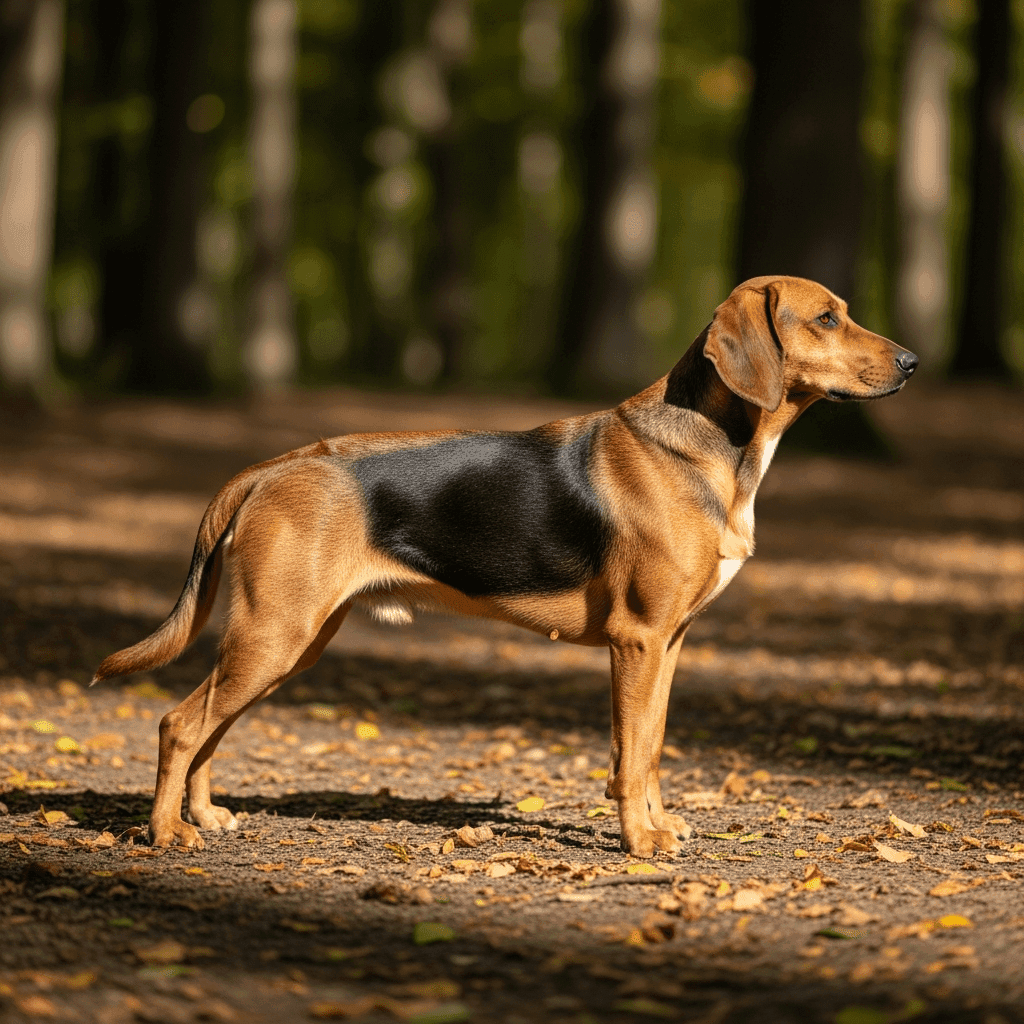
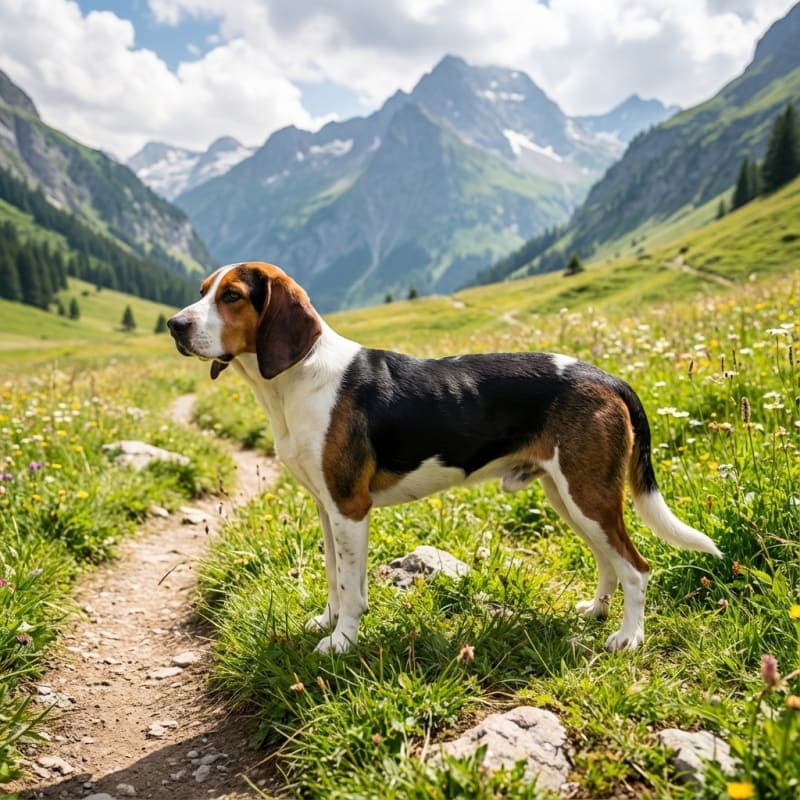
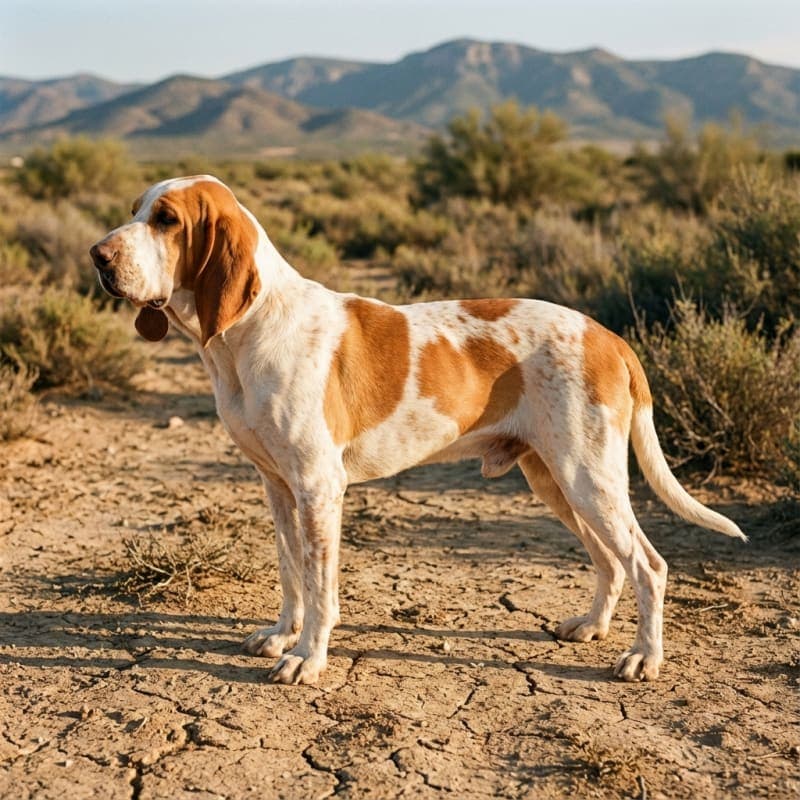
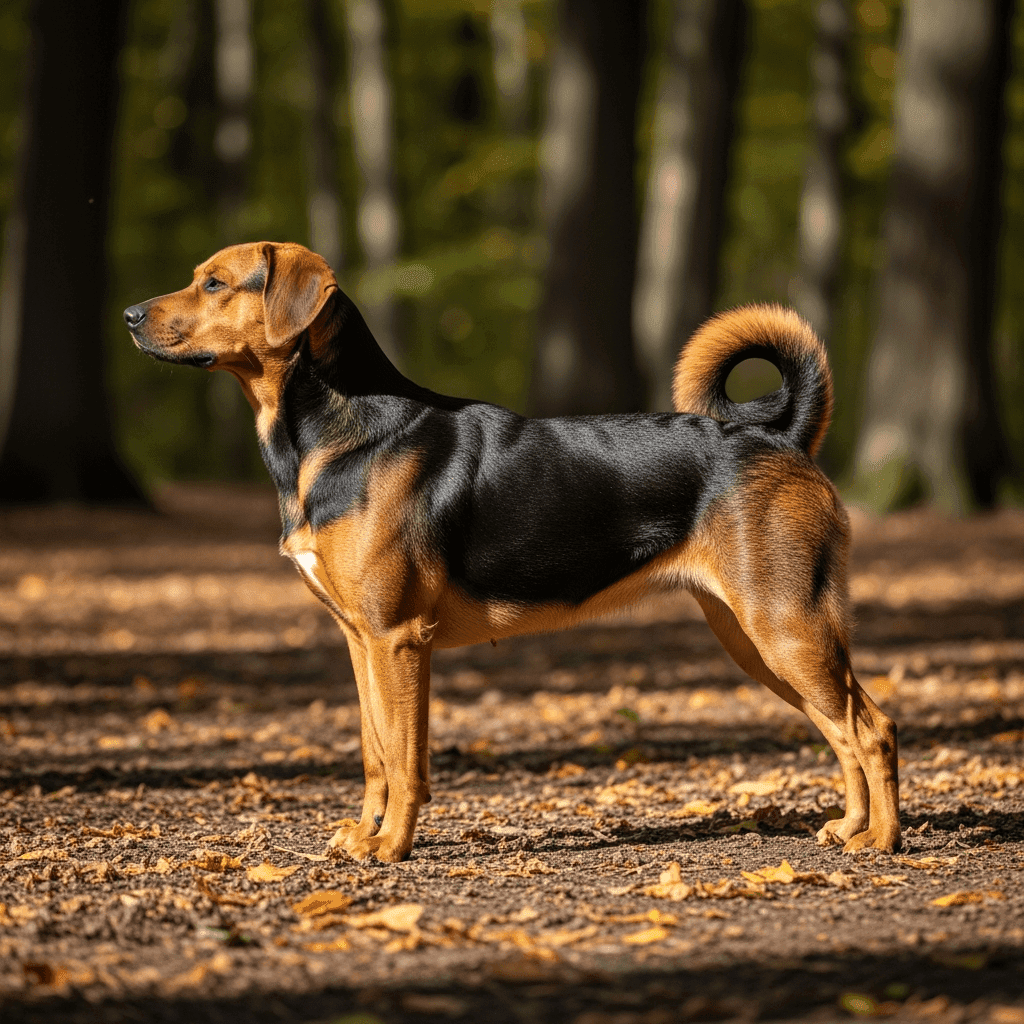
The characteristic appearance of the Croatian Hound includes a long, narrow muzzle, a large head with a lively expression, and delicate ears that lie close to the cheeks. The coat is usually red, wheat-colored, or yellow with distinctive white markings on the head, neck, forechest, and tip of the tail. This coloration makes it even more unique and easy to recognize in the field.
The Croatian Hound is distinguished by its moderate and balanced temperament. It is a lively yet calm dog, energetic, while also gentle in interactions with family. This breed is extremely sociable and attached to its owners, making it an excellent companion not only as a hunting dog but also as a loyal household pet. It loves activity, spending time outdoors, and requires regular contact with people and other dogs. This is a dog that values human presence and requires an active lifestyle to remain happy and healthy.
The Croatian Hound is a trainable dog. Its intelligence, willingness to cooperate, and natural hunting instinct make learning basic commands and advanced skills relatively smooth with the right approach. However, this requires consistency, patience, and positive reinforcement. Due to its high hunting instinct, socialization and obedience training from a young age are crucial for the proper development of the dog. The Croatian Hound thrives in an active family and needs plenty of exercise to maintain good physical and mental condition. Its average lifespan is between 11 to 13 years, and health largely depends on a proper diet, regular physical activity, and veterinary preventive care. We encourage you to further explore this extraordinary breed through detailed sections on health, grooming, exercise, training, nutrition, history, appearance, and behavior that you will find in our comprehensive guide.
The Croatian Hound is a dog of medium size and harmonious, strong build, which provides it with agility, speed, and endurance necessary for hunting. The breed's dimensions range from 46 to 58 cm in height at the withers, with the ideal height for males being around 50 cm and for females about 48 cm. This breed exudes strength and balance, making it extremely functional in fieldwork.
The head of the Croatian Hound is long and narrow, with a slightly convex forehead and well-defined stop. The eyes are large, dark, and full of life, giving the dog an intelligent and penetrating appearance. The ears are symmetrical, delicate, and closely adhere to the cheeks, emphasizing its aesthetic look. The muzzle is long and narrow, perfectly adapted for tracking game.
The coat of the Croatian Hound is short, stiff, and dense, with a length of 2 to 3 cm. The coloration of this breed is usually red, wheaten, or yellow, with distinctive white markings on the head, neck, chest, and tip of the tail. The tail is strong at the base, of medium length, with a saber-like curve, which adds a characteristic and elegant look to the dog in motion.
In general, the Croatian Hound is a harmoniously built dog that perfectly combines aesthetics with hunting functionality.
The Croatian Hound is a dog with a moderate and balanced temperament, very sociable and strongly attached to its family. This breed is known for its fidelity, devotion, and loyalty, making it an excellent companion for both experienced owners and families with children. The Croatian Hound is usually gentle, patient, and friendly, which makes it great with the youngest members of the family.
This dog enjoys spending time with people and other dogs, but it may show some independence, which requires consistency and regularity in training. Due to its strong hunting instincts, the Croatian Hound has a high prey drive, which means it may be prone to escapes, especially when it catches the scent of another animal. Owners should therefore provide the dog with appropriate conditions, a secure fence, and enough space for activity and play.
This breed is also quite vocal, which is typical for hounds that signal their presence with characteristic barking while tracking. For this reason, the Croatian Hound may not be the best choice for people living close to others or in crowded urban spaces. The Croatian Hound is also intelligent and eager to learn, but it requires a consistent approach and positive reinforcement to become a well-mannered dog. With proper socialization, regular training, and physical activity, the Croatian Hound can become a wonderful family companion that brings joy, energy, and devotion to any home.
The Croatian Hound is a breed that enjoys relatively good health, but like any breed, it can have its specific health issues. The average lifespan of this breed is between 11 to 13 years. It is important for owners to be aware of several potential health problems that may occur in the Croatian Hound.
Common health issues include ear infections, which can result from long, drooping ears that trap moisture and dirt. Regular cleaning and checking of the ears can help prevent these infections. This breed may also suffer from patellar luxation, a condition where the kneecap moves out of its normal position, causing discomfort and limping.
Other health problems that may occur include congenital heart defects (CHD), hypothyroidism, and neurological issues such as epilepsy. Additionally, the Croatian Hound may have a tendency to gain weight, so it is important to provide it with a balanced diet and adequate exercise to avoid obesity.
Proper nutrition, regular veterinary visits, vaccinations, and parasite prevention are crucial to keeping the Croatian Hound in good shape and preventing serious health problems. Regular health checks allow for early detection of potential conditions and prompt veterinary intervention.
Caring for the Croatian Hound is relatively easy and low-maintenance, as its coat is short, smooth, and does not require advanced grooming. This breed sheds moderately, which means the amount of hair lost is moderate. Regular brushing, at least once a week, will help remove dead hair, minimize the amount of fur in the home, and keep the coat in good condition.
Bathing should be done as needed, especially after a day spent hunting, running in the woods, or playing in the mud. Too frequent baths can dry out the skin's natural protective layer, so it is recommended to bathe only when the dog is actually dirty or starts to smell unpleasant. Gentle shampoos designed for dogs should be used.
You should regularly check the ears of the Croatian Hound to prevent infections. The long, drooping ears of this breed can trap moisture and dirt, which encourages the growth of bacteria and fungi. Cleaning the ears every few days with specialized veterinary solutions is recommended. It is also important to take care of the nails by trimming them regularly to prevent overgrowth and discomfort while walking.
An additional grooming concern is taking care of the teeth. Regular tooth brushing or providing special dental chews will help maintain oral hygiene and prevent gum problems and tartar buildup.
The Croatian Hound is a breed that requires a lot of exercise and physical activity. As a hunting dog, it was created for work in the field and hunting, which means it has a natural need to run, track, and explore. It is essential to provide the Croatian Hound with at least two long walks each day, each lasting at least 45–60 minutes, as well as the opportunity to run freely in a safe, fenced area.
Additional activities such as cycling, jogging, trekking, or playing fetch are ideal for this breed, as they allow the dog to burn off excess energy and maintain good physical condition. The Croatian Hound is also very social, so activities with other dogs, such as playing together in a dog park, will be beneficial and socially stimulating for it.
It is important to remember that dogs of this breed can be very lively and energetic and need both physical and mental stimulation to avoid boredom. Boredom can lead to destructive behavior, such as destroying furniture, excessive barking, or attempts to escape. Allowing the Croatian Hound regular exercise, play, and tasks that engage its mind will not only improve its physical condition but also positively impact its mental and emotional well-being.
The ideal environment for a Croatian Hound is a home with a large, fenced garden, where the dog can run freely and explore. This breed is not suitable for people leading a sedentary lifestyle or living in small apartments without regular access to walking areas.
The training of the Croatian hound is a key element of its upbringing and proper development. This breed is intelligent, eager to cooperate, and has a natural desire to please its owner, which makes it receptive to training. However, it is important to remember that the Croatian hound can be somewhat stubborn and independent, so it is essential that training is conducted in a consistent, systematic, and positive manner.
The best results will be achieved by using positive reinforcement, such as treats, verbal praise, and play. The Croatian hound responds very well to food motivation, which can be helpful when learning new commands. It is recommended to start training at a young age to help the dog develop obedience skills, socialization, and control over its natural hunting instincts.
Due to its strong hunting instinct, the Croatian hound may be prone to running off after scents, so it is particularly important to teach it the come when called command. Regular training sessions should be short but intense (about 10–15 minutes) to maintain the dog's attention and avoid boredom. Training should be varied and engaging, covering both basic commands like Sit, Stay, Come, Lie Down, as well as more advanced exercises.
Training in the company of other dogs and group activities will be beneficial for social development and will help the dog learn appropriate behaviors in various situations. Engaging the mind of the Croatian hound through scent games, obstacle courses, or tracking exercises will provide excellent mental and physical stimulation.
With the right approach, patience, and consistency, the Croatian hound can become a well-trained, obedient, and balanced dog that will be an excellent companion both in hunting and family life.
The nutrition of the Croatian Hound is a key element of its health and well-being. This breed is active, energetic, and has a healthy appetite, so it is important to provide a balanced, high-quality diet that is tailored to the dog's level of activity, as well as its age, weight, and health status.
Owners should choose high-quality foods that contain the appropriate proportions of protein, fats, carbohydrates, vitamins, and minerals. It is recommended that the diet be rich in protein, which is essential for building and maintaining muscle mass, as well as healthy fats, which provide the energy necessary for daily activities. Omega-3 and omega-6 fats support skin and coat health, as well as the immune system.
It is also worth including vegetables and fruits in the diet, which provide essential vitamins, minerals, and fiber that support proper digestion. Attention should be paid to the amount of food given to avoid obesity, which is a common problem in dogs that do not get enough exercise or are overfed. Obesity can lead to serious health issues such as diabetes, heart disease, or joint problems.
Water should always be available, and meals should be served at regular intervals, preferably twice a day at consistent times. Avoiding overfeeding and controlling portions will help keep the Croatian Hound at an optimal weight and condition. If there are any doubts regarding the diet, it is advisable to consult a veterinarian or an animal nutrition specialist to tailor the food to the individual needs of the dog.
Characteristic Traits
Pros
- Easy to train
- Friendly and sociable
- Energetic and resilient
- Strong hunting instinct
- Healthy breed
- Loyal and devoted
Cons
- Requires a lot of exercise
- High hunting instinct can be a challenge
- Needs socialization from a young age
- Quite loud
- Not suitable for apartments.
Behavioral Ratings
Breed History
The Croatian Hound, also known as Posavski Gonic, has a long and rich history that dates back deep into the past. This breed originates from the Sava River valley region in Croatia and is considered one of the oldest hound breeds in Europe. Over the centuries, the Croatian Hound has primarily been used for hunting small game, such as hares, foxes, and also wild boars.
The first historical mentions of dogs resembling the Croatian Hound date back to the 15th century. In 1474, a fresco depicting a dark, wheaten dog with drooping ears was discovered in a cemetery chapel near the village of Beram in Istria, which is considered one of the earliest known representations of the Croatian Hound. Further images of this breed can be found in 16th-century frescoes in the Church of Our Lady of Angels in Veli Losinj, where an ancestor of today's Croatian Hound is depicted.
In the 19th century, Croatian bishop Petar Bakić mentioned the breeding of these dogs in his manuscript from 1719, which was already well-known in the 14th century. In 1854, Franjo Bertic described the Croatian Hound, emphasizing its hunting traits and appearance. This breed was traditionally bred by hunters in the Posavina region, from which its name derives.
The Croatian Hound was officially registered with the FCI (Fédération Cynologique Internationale) on April 8, 1955, and its breed standard has undergone many revisions and updates since then, including in 2014. This breed is still rarely found outside Croatia, and its breeding is mainly limited to this country, where it is highly regarded among hunters for its excellent tracking skills and endurance.
Although the Croatian Hound remains primarily a working dog, it is also gaining popularity as a companion dog. It has strong bonds with its family and is known for being a loyal, devoted, and gentle companion that excels both in work and home life.