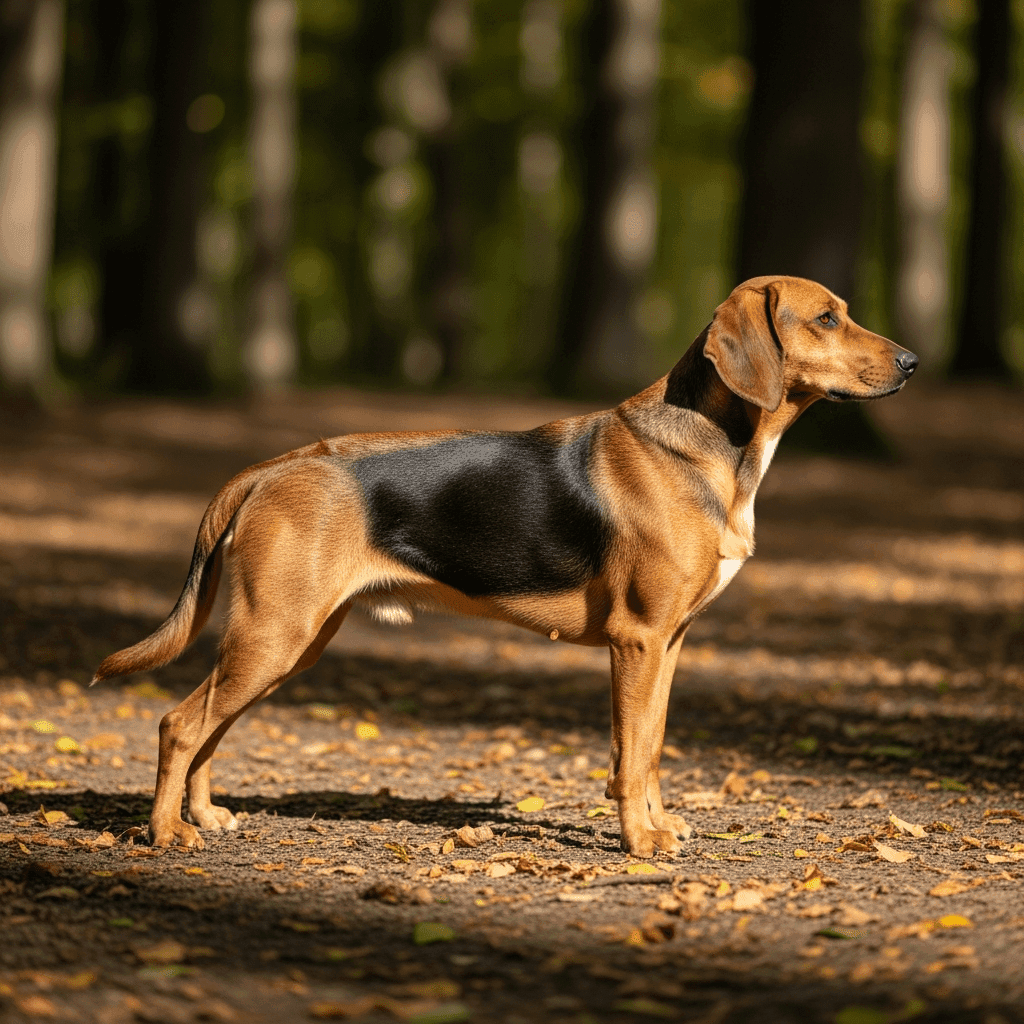
Schiller's Hound
FCI Group
6• FCI 131
Size
Medium
Origin Country
SE
Height
49-61 cm
Weight
18-25 kg
Lifespan
12-14 years
Temperament
Overview
Schiller Hound is an extraordinary breed of hunting dogs, whose roots trace back to the picturesque landscapes of Sweden. This medium-sized breed with a muscular build and harmoniously proportioned body has gained international recognition as an agile and effective hunter specializing in hunting hares and foxes.
Its lively temperament, boundless energy, and remarkable endurance make it an ideal companion for active owners who value shared adventures in the great outdoors. Schiller Hound is often mistakenly perceived solely as a hunting dog, while it also possesses many traits that make it a wonderful family member.
Although it is not a typical house dog requiring minimal activity, its deep attachment to its owner, unwavering loyalty, and devotion are truly admirable. Furthermore, its natural distrust of strangers makes it an excellent guard dog that always watches over the safety of its home.
With a strong hunting instinct and exceptional tracking abilities, it excels in hunting hares and foxes. Interestingly, unlike most other hound breeds, Schiller Hound hunts alone, highlighting its independence, self-sufficiency, and strong character.
The breed standard was first recognized by the Swedish Kennel Club in 1907, and since then it has gained international recognition and popularity. This breed is known as one of the fastest and most enduring in Scandinavia, capable of working in the most challenging terrain and climatic conditions.
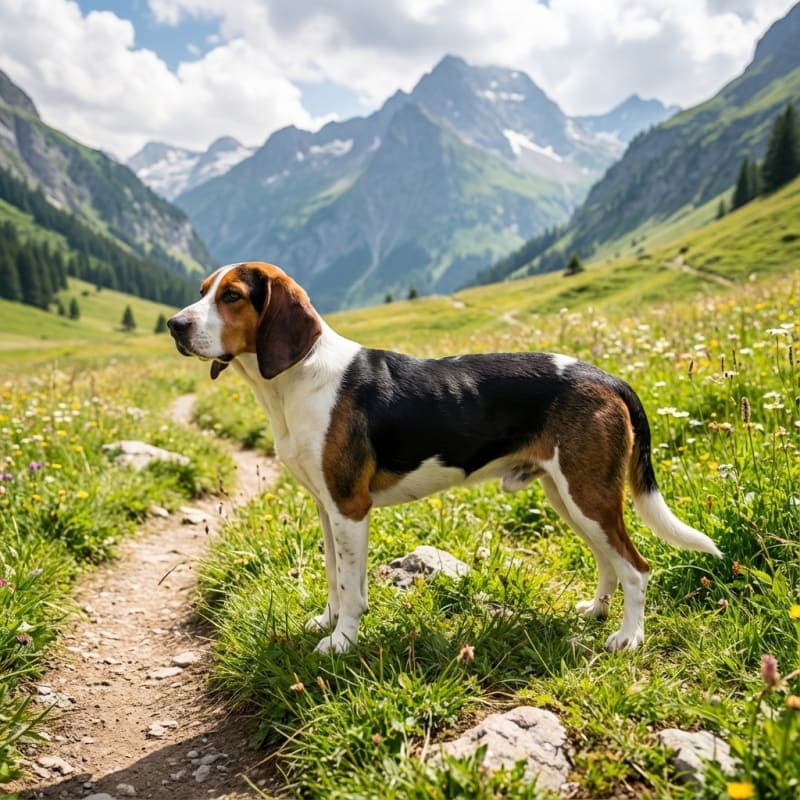
Its short, dense, and shiny coat provides excellent protection against harsh weather conditions, and its distinctive coloration - fawn with a black coat on the back - makes it easily recognizable. It requires a significant amount of exercise and physical activity, making it an ideal companion for sports enthusiasts, runners, and outdoor adventurers.
This breed guide contains detailed information about health, grooming, exercise requirements, training methods, nutrition guidelines, fascinating history, appearance, and temperament, which will help you better understand this unique breed and its specific needs. We encourage you to continue reading to discover the wealth of knowledge about Schiller Hound and see if this breed fits your lifestyle.
Schiller Hound is a medium-sized dog, with an ideal height at the withers ranging from 53 to 61 cm for males and from 49 to 57 cm for females. This breed is characterized by a muscular, athletic body and harmoniously proportional silhouettes that exude strength and agility.
Head structure: The head of the Schiller Hound is rather elongated and noble, with a well-developed skull and a clear transition from the forehead to the muzzle. The muzzle is long, with harmonious proportions, featuring a black, well-developed nose.
Ears and eyes: The ears are set high, long and hanging, of medium thickness, freely falling along the cheeks. The eyes are dark brown, with a lively, attentive expression, indicating the intelligence and alertness of this breed.
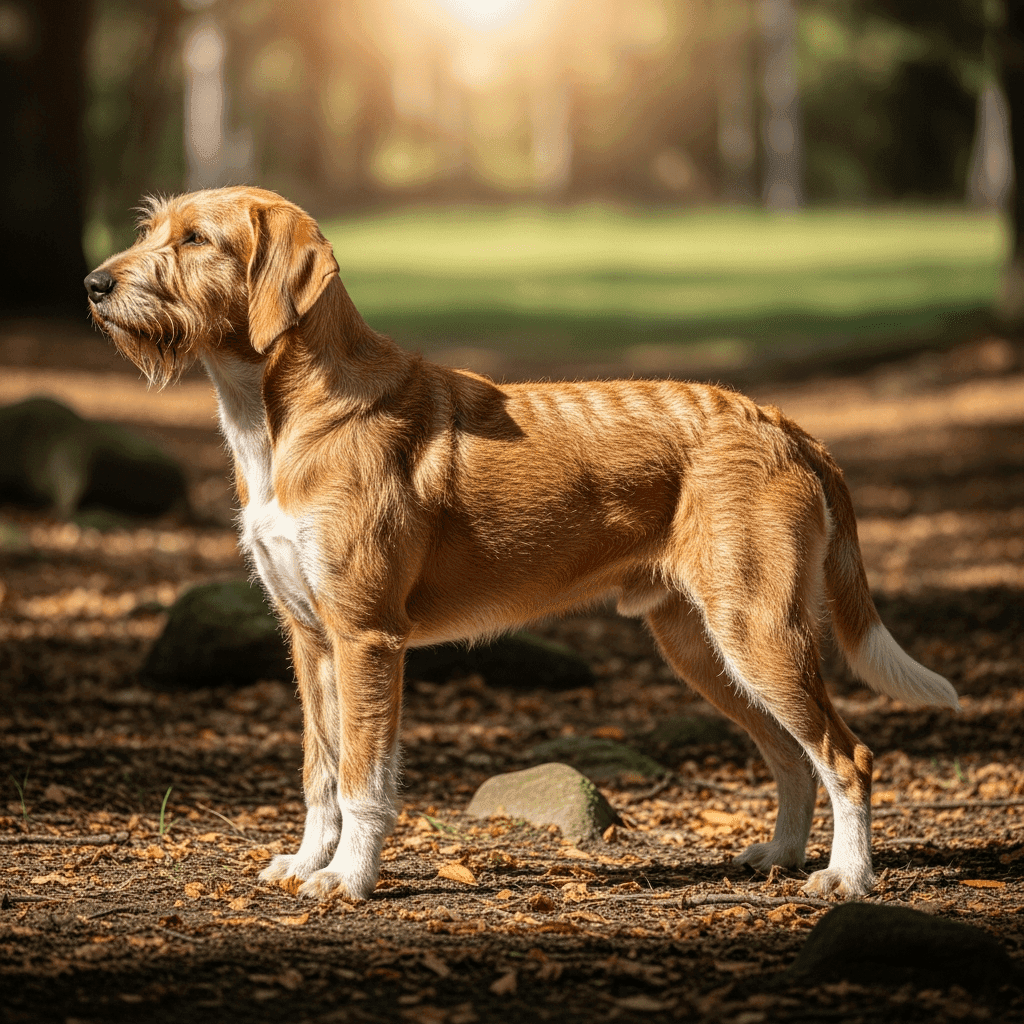
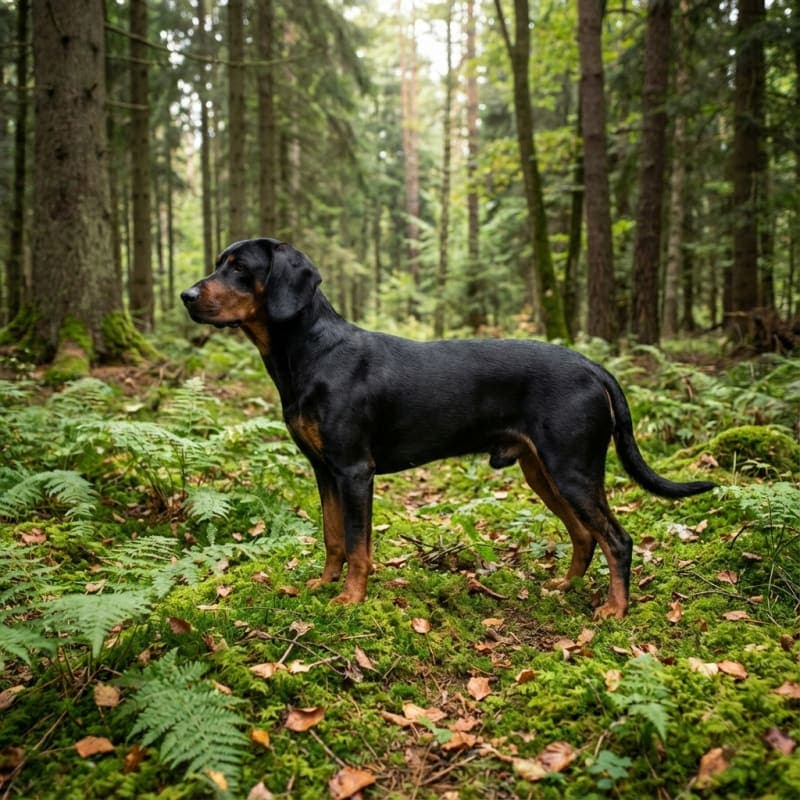
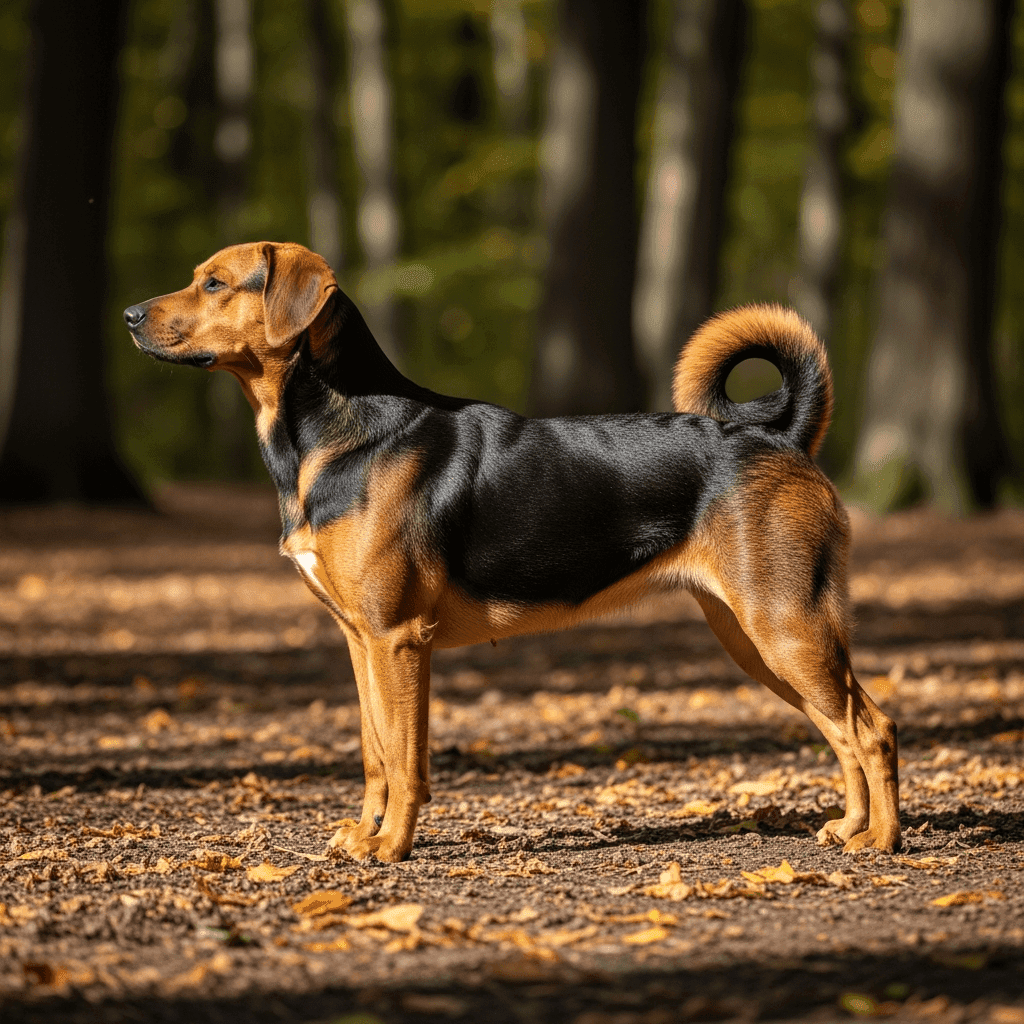
Coat and coloration: The coat is short, dense, shiny, and well-fitting to the body, making the dog resistant to harsh weather conditions and moisture. The characteristic coloration of the Schiller Hound occurs in shades of fawn with a black coat on the back, which is a typical hallmark of this breed. Additionally, white markings may appear on the body, which are allowed according to the standard, especially on the chest, neck, toes, and tip of the tail.
Body structure: The body is slightly elongated, strong, and muscular, with a deep chest providing a large lung capacity necessary for prolonged exertion. The back is straight and strong, and the loins are short and muscular.
Tail: The tail is long, set on the line of the back, straight or slightly curved in a sabre shape. Its movements are energetic and harmonious, reflecting the dog's mood and level of excitement.
Overall, the Schiller Hound gives the impression of a strong, agile, and harmoniously built dog that excels in challenging terrain conditions. Its appearance exudes strength, energy, and unwavering determination, making it an ideal companion for active owners who value the harmony of form and function.
Schiller Hound is characterized by a lively, energetic, and friendly temperament towards its close ones. This breed is extremely attached to its owner and family, often showing deep loyalty and devotion that are rarely found in other breeds.
Family relationships: Within the family, the Schiller Hound is affectionate, gentle, and patient, creating strong emotional bonds with its caregiver. However, it shows some caution and reserve towards strangers, making it an excellent guard dog that always watches over the safety of its home.
Socialization: The Schiller Hound is a sociable dog that usually feels comfortable in the company of other dogs, especially if properly socialized from a puppy. However, it may show distrust towards unfamiliar people and animals, so early socialization is crucial.
Hunting instinct: Its high, innate hunting instinct makes it prone to intensely chasing small animals such as cats, rabbits, or squirrels. Therefore, it is important to keep it on a leash in potentially dangerous situations or in areas where small animals may be present.
Communicativeness: This breed is also known for being quite vocal and eager to express its emotions through barking and howling, which can be bothersome for some owners living in densely populated urban areas.
Behavior at home: At home, the Schiller Hound is usually calm and relaxed, especially if it is provided with the right amount of exercise and mental stimulation. After intense physical activity, it happily rests at its owner's feet, enjoying their company.
Character and training: Owners should be aware that the Schiller Hound has a strong, independent character and requires a consistent, patient approach to training as well as clear leadership. Proper socialization from a young age will help shape a balanced dog that will adapt well to living with family and other pets.
Schiller Hound is a generally healthy and resilient breed that, with proper care, can enjoy a long life. However, like any breed, it may be prone to certain specific conditions that require the owner's attention.
Life expectancy: The average lifespan of this breed is between 12 to 14 years, which is typical for medium-sized dogs. With a proper diet, regular veterinary check-ups, and an active lifestyle, many individuals can exceed this age.
Hip dysplasia: Among the most common health issues is hip dysplasia, which can lead to pain, discomfort, and difficulty moving. Regular orthopedic examinations and maintaining a healthy weight can help minimize this risk.
Ear problems: Due to its long, drooping ears, the Schiller Hound is susceptible to ear infections that require regular cleaning and monitoring. Moisture and dirt accumulating in the ear canals can lead to inflammation, so owners should regularly check and clean their dog's ears.
Bloat: This breed may show a tendency towards gastric bloat, a serious condition that requires immediate veterinary intervention. To minimize the risk, it is recommended to feed the dog several smaller meals throughout the day instead of one large meal and to avoid intense exercise immediately after eating.
Cardiological issues: Additionally, due to its body structure and active lifestyle, heart problems may also occur, requiring regular cardiological examinations, especially in older individuals.
Eye diseases: Some individuals may be prone to eye diseases such as glaucoma or cherry eye, which require prompt diagnosis and treatment.
Resistance to climatic conditions: The Schiller Hound tolerates cold conditions well due to its dense coat, but it is important to ensure it does not overheat on hot, sunny days. Always provide access to shade and fresh water.
Prevention: Regular veterinary visits, a nutrient-rich diet, adequate exercise, and attention to hygiene are crucial for maintaining the health of this breed. This dog tends to gain weight with insufficient activity, so it is important to provide it with enough physical exercise, which will help maintain a healthy weight and condition.
Hunting injuries: Owners should be aware that any injuries related to hunting or intense activity can be problematic and should be treated as soon as possible to avoid complications.
The care of the Schiller Hound is relatively easy and uncomplicated, making it a breed suitable for many owners, including those with less experience. Their coat is short, dense, shiny, and well-adhering to the body, which means they require only minimal routine grooming.
Brushing: It is recommended to brush the coat 1-2 times a week using a natural bristle brush or grooming glove to remove dead hair, dirt, and stimulate the natural production of skin oils that give the coat a healthy shine. During the spring and autumn shedding periods, it may be necessary to increase the brushing frequency to 3-4 times a week.
Ear care: It is also important to regularly check the ears and eyes to prevent infections and health problems. The ears of the Schiller Hound are particularly prone to issues due to their long, drooping structure, so they should be cleaned 2-3 times a month using special veterinary products. Gently clean the visible part of the ear, avoiding inserting cotton swabs deep into the ear canal.
Nail care: Nails should be trimmed every 3-4 weeks or more often if the dog does not naturally wear them down while walking on hard surfaces. Overly long nails can cause discomfort, walking problems, and joint damage.
Bathing: Washing the dog is recommended only when truly necessary, for example, when the coat is very dirty or emits an unpleasant odor, as excessive bathing can lead to dry skin and loss of natural protective oils. Typically, 3-4 baths a year are sufficient unless the dog frequently participates in hunting or outdoor activities.
Oral hygiene: Taking care of the teeth by regularly brushing them 2-3 times a week with dog toothpaste is also essential for the dog's health and preventing periodontal disease, tartar buildup, and bad breath.
Skin check: During grooming, it is also worth checking the skin for ticks, fleas, wounds, irritations, or abnormalities, especially if the dog often spends time outdoors.
Proper, regular grooming not only positively affects the dog's health but also its appearance and comfort, which is important for many owners who care about their pet's well-being.
Schiller Hound is a dog with high, sometimes very high, requirements for physical activity and mental stimulation. As a hunting breed developed for long-term tracking in difficult terrain, it needs at least 1.5-2 hours of intense physical exercise every day, preferably even more.
Types of activities: It responds well to various, diverse forms of movement, including long-distance running, mountain hiking, swimming, agility sports, flyball, frisbee, and specialized tracking and hunting training. The more varied the activities, the more satisfied and balanced the dog is.
Preventing behavioral problems: Regular, intense exercise is absolutely crucial to prevent boredom, frustration, and destructive behaviors such as furniture destruction, excessive barking, digging, or escaping. This dog is extremely energetic and needs significant space to move freely.
Ideal environment: It feels best in homes with large, securely fenced yards or plots where it can run and explore freely. It is not suitable for life in small urban apartments without access to green areas.
Outdoor activities: Outdoor activities in the forest, fields, or mountainous areas are particularly important for it, as they allow it to utilize its natural hunting, tracking, and exploratory instincts. It excels during trekking, running trails, or organized searches.
Consequences of lack of exercise: Owners should be fully aware that a lack of adequate movement and activity can lead to serious behavioral problems such as excessive barking, hyperactivity, aggression, separation anxiety, or attempts to escape.
Socialization through activity: Additionally, the Schiller Hound usually feels good in the company of other dogs with a similar energy level, making joint walks, playtime in dog parks, or group activities beneficial for it both physically and socially.
Mental stimulation: Besides physical activity, mental stimulation is equally important through interactive toys, scent games, obedience training, or learning new tricks, which help keep the dog in excellent mental shape and prevent boredom.
Training the Schiller Hound can be an interesting challenge that requires patience and consistency, but it is also extremely rewarding for an owner who knows how to approach this intelligent and independent breed.
Intelligence and independence: This breed is very intelligent and sharp, which means it quickly learns new commands, tricks, and behaviors. However, its distinctly independent and sometimes stubborn character can make it resistant to commands at times or prefer to act on its own accord, especially when it senses an interesting scent.
Early socialization: Owners should start training and socialization as early as possible, preferably during the puppy stage (8-12 weeks), to help the dog learn appropriate social behaviors, become accustomed to various stimuli, and build confidence in different situations.
Positive methods: It is crucial to use only positive training methods based on positive reinforcement, such as treats, rewards, praise, and play, to motivate the dog to cooperate willingly. Harsh or punitive training methods can destroy trust and the bond with the dog.
Consistency and experience: Training should be absolutely consistent, predictable, and ideally conducted by an experienced person who can handle the strong character of this breed and understands the specifics of hunting dogs.
Basic commands: Basic obedience commands, such as Sit, Lie down, Stay, Come, and Leave it, are absolutely essential and should be practiced regularly in various places and situations to ensure the dog's safety.
Recall training: It is particularly important to solidly train the recall command Come, as the strong hunting instinct may lead the dog to chase game, ignoring the owner. Recall should be practiced in controlled conditions, gradually increasing distractions.
Playful form: The Schiller Hound responds excellently to training in the form of play, reward games, or scent games, so it is worthwhile to incorporate elements of games, fun, and positive interactions into daily training to keep the dog engaged.
Mental stimulation: Regular mental exercises, such as playing with interactive toys, dog puzzles, sniff mats, or learning complex sequences of tricks, also help keep the dog in good mental shape and prevent boredom.
Specialized training: For owners interested in utilizing the breed's natural skills, specialized tracking training, mantrailing, or other forms of scent work that perfectly match the Schiller Hound's predispositions are recommended.
Nutrition for the Schiller Hound is a key element in caring for its health, physical condition, and well-being. Due to its very active lifestyle and high energy levels, this dog requires high-quality food that provides all the essential nutrients in the right proportions.
High-protein diet: Owners should choose foods with a high content of animal protein (at least 25-30%), which support the development and maintenance of strong muscle mass and the overall health of an active hunting dog. Protein sources should come from high-quality meats such as chicken, beef, turkey, lamb, or fish.
Avoiding low-quality food: It is crucial to strictly avoid low-quality foods containing fillers, artificial colors, preservatives, or excessive grains, which can lead to health problems such as food allergies, digestive issues, or obesity.
Portion control: Regular meals should be appropriately measured according to the manufacturer's recommendations and adjusted to the dog's age, weight, and activity level to prevent overweight and ensure the dog has the right amount of energy for daily, intense physical activities.
Preventing bloating: Due to the risk of stomach bloating, it is recommended to feed the dog 2-3 smaller meals a day instead of one large meal and to avoid intense exercise immediately before and after eating (at least 1 hour break).
Hydration: Clean, fresh water should always be available around the clock so that the dog can stay properly hydrated, especially after intense physical exertion, on hot days, or during field training. Dehydration can lead to serious health problems.
Age adaptation: It is also important to adjust the diet to the dog's age - puppies need puppy food rich in calcium and phosphorus for proper bone development, adult dogs require food for active dogs, and seniors need easily digestible food with added joint-supporting ingredients.
Activity level: The diet should also be tailored to the level of activity - working dogs or those participating in hunts need significantly more calories than companion dogs.
Health monitoring: Regularly monitor the dog's weight and condition, any health issues requiring a special diet (allergies, digestive problems, metabolic diseases), and reactions to food.
Consultation with a veterinarian: In case of any doubts regarding nutrition, sudden changes in appetite, digestive issues, or choosing the right food, it is always recommended to consult a veterinarian or an animal nutrition specialist to determine the best, individually tailored diet for the Schiller Hound.
Supplements: In some cases, dietary supplements supporting joint health (glucosamine, chondroitin), coat health (omega-3 and omega-6 oils), or overall condition may be recommended, especially for older or heavily working dogs.
Characteristic Traits
Pros
- Energetic and extremely resilient
- Loyal and deeply devoted to its owner
- Excellent hunter and vigilant guard
- Independent and self-sufficient in work
- Relatively easy to care for.
Cons
- Requires a lot of movement and activity
- Distrustful and cautious of strangers
- Not a typical house dog for lazy owners
- Strong hunting instinct
- Can be loud and barky.
Behavioral Ratings
Breed History
The history of the Schiller Hound dates back to the second half of the 19th century and is closely linked to the picturesque landscapes of Sweden and the development of hunting in Scandinavian countries.
Origins of the breed: The breed was developed in Sweden by a farmer and hunting enthusiast, Per Schiller, from whom it takes its name. The main goal of the breeding was to create the ideal, versatile hunting dog that would be able to work effectively in the harsh, rugged climatic and terrain conditions characteristic of Scandinavia.
Crossbreeding: The breed was created through planned crossbreeding of several outstanding lines of hunting dogs, including the English foxhound known for its speed and endurance, the English harrier valued for its excellent sense of smell, and native Swedish hound breeds adapted to local conditions. This thoughtful combination of different bloodlines allowed for the creation of a dog with exceptional working traits.
First exhibitions: As early as 1886, at the first dog show in Sweden, 189 hounds were presented, among which were the first individuals belonging to Per Schiller - siblings Tamburini and Ralla, which came from famous breeding lines from the Kaflås estate. These dogs became the foundation for the development of the breed.
Characteristics of early individuals: Early individuals were relatively small, in fawn shades with black coats and small white markings, likely originating from southern Germany. Over time, the breed was further improved through the infusion of Swiss hound blood and a significant infusion of British hunting breeds, mainly harriers.
Homogenization of the breed: Thanks to systematic breeding work, the breed quickly became homogeneous, with a clear predominance of the continental type. The Schiller Hound was officially recognized as a separate breed by the Swedish Kennel Club in 1907, marking a milestone in its history.
Development of popularity: Over the years and decades, the Schiller Hound gained increasing popularity not only in Sweden but also in other Scandinavian countries such as Norway and Finland. This breed was primarily used for hunting hares and foxes, where its exceptional sense of smell, speed, and endurance proved invaluable.
Specialization: Unlike other hound breeds that often work in packs or pairs, the Schiller Hound was bred as a solitary tracker, highlighting its independence, intelligence, and ability to make decisions independently in the field.
Modern times: Over time, it also gained recognition as a companion dog among active lifestyle enthusiasts who appreciate its loyalty, energy, and versatility. With its unique temperament, impressive hunting skills, and harmonious appearance, the Schiller Hound has become one of the most valued and recognizable hound breeds in Scandinavia.
International recognition: The breed has been recognized by the International Canine Federation (FCI) and is classified in Group 6 (Scenthounds and related breeds), Section 1.2 (Medium-sized Hounds). Its popularity continues to grow, especially in Scandinavian countries, where it is valued both as a working dog and a family companion.