Slovak Hound
FCI Group
6• FCI 244
Size
Medium
Origin Country
SK
Height
40-50 cm
Weight
15-20 kg
Lifespan
11-13 years
Temperament
Overview
Slovak Hound, also known as Slovenský Kopov, is a fascinating breed of hunting dogs originating from Slovakia. Its extraordinary tracking skills and persistence in following trails for hours make it an ideal companion for hunters. This breed was specifically created for hunting wild boars and predators, demonstrating exceptional courage and determination.
Persistence and courage of the Slovak Hound are widely appreciated by hunting enthusiasts around the world. It is a medium-sized dog with a strong build, reaching a height of 40 to 50 cm at the withers. Its distinctive coat – black with intense brown markings – gives it an elegant and recognizable appearance. The breed is characterized by a rectangular silhouette and a light yet solid bone structure.
The Slovak Hound stands out for its strength, agility, and great endurance, making it an excellent companion in challenging terrain and during long hours of hunting. It is known for its lively temperament and exceptionally developed sense of direction, which requires owners to provide regular exercise and mental stimulation. These dogs are very social and love spending time with their family, making them great companion dogs, provided they have enough space to run and play.
The Slovak Hound is also a dog that does not shy away from challenges. It is intelligent but can sometimes be a bit independent and stubborn, which requires consistent yet positive training. Proper socialization and early training are crucial to ensure that the dog becomes a balanced companion for the family. Due to its strong hunting instincts and tendency to follow scents with loud barking, the Slovak Hound may be prone to chasing smaller animals.
Therefore, it is important that it is kept on a leash in unfamiliar terrain. Additionally, its loud, booming voice and tendency to bark while tracking can be both an asset during hunts and a challenge in urban settings. Owners of the Slovak Hound should be prepared for their dog to need plenty of physical activity as well as mental games to satisfy its hunting instincts.
The Slovak Hound is also a dog that thrives in colder climates. Its short but dense coat provides adequate protection against cold and rain. This breed requires an active owner, preferably with experience working with hunting dogs, who can provide the right amount of exercise and work. We invite you to continue reading to learn more about the health, grooming, exercise, training, nutrition, history, appearance, and behavior of this exceptional breed.
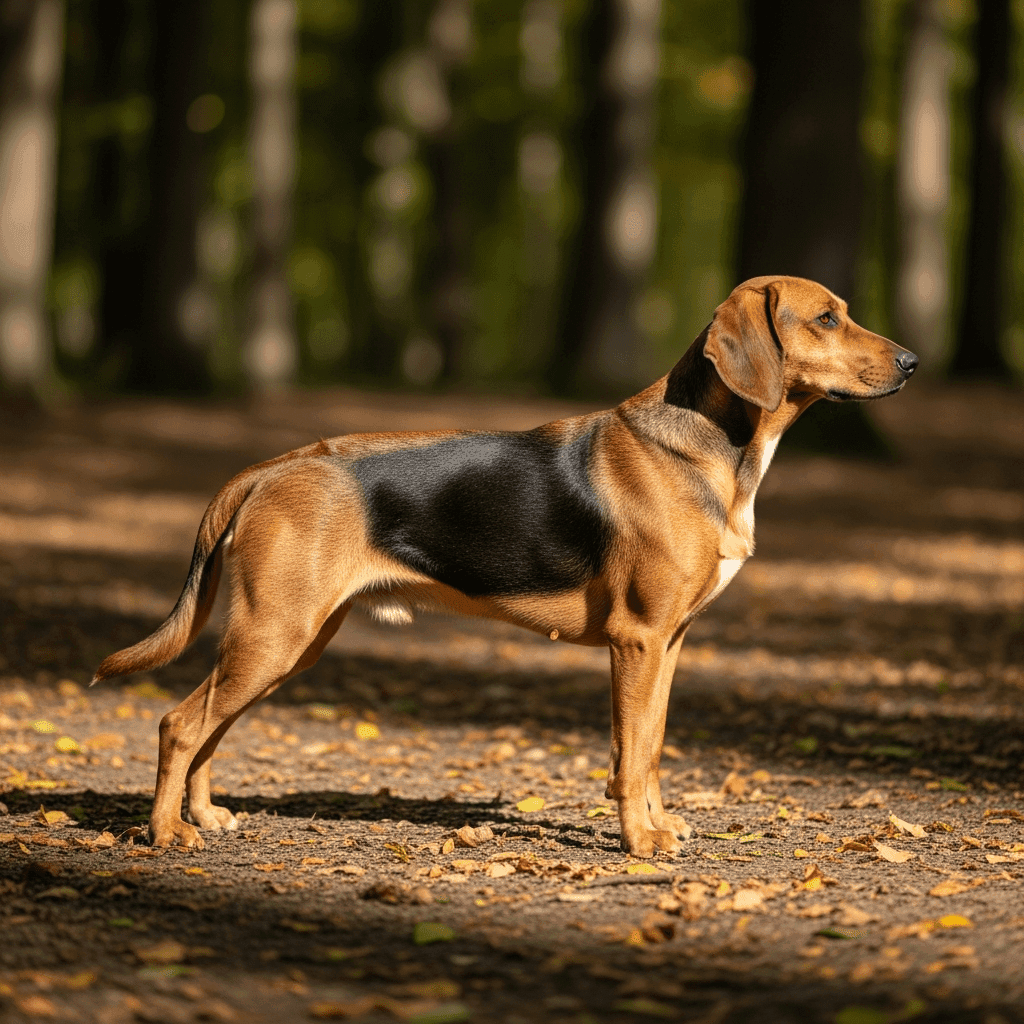
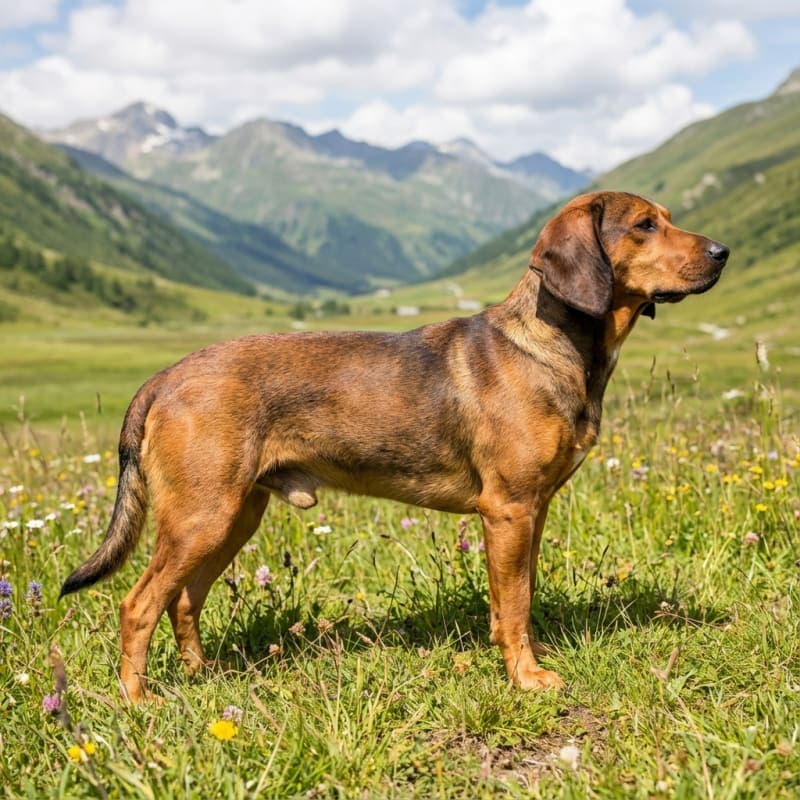
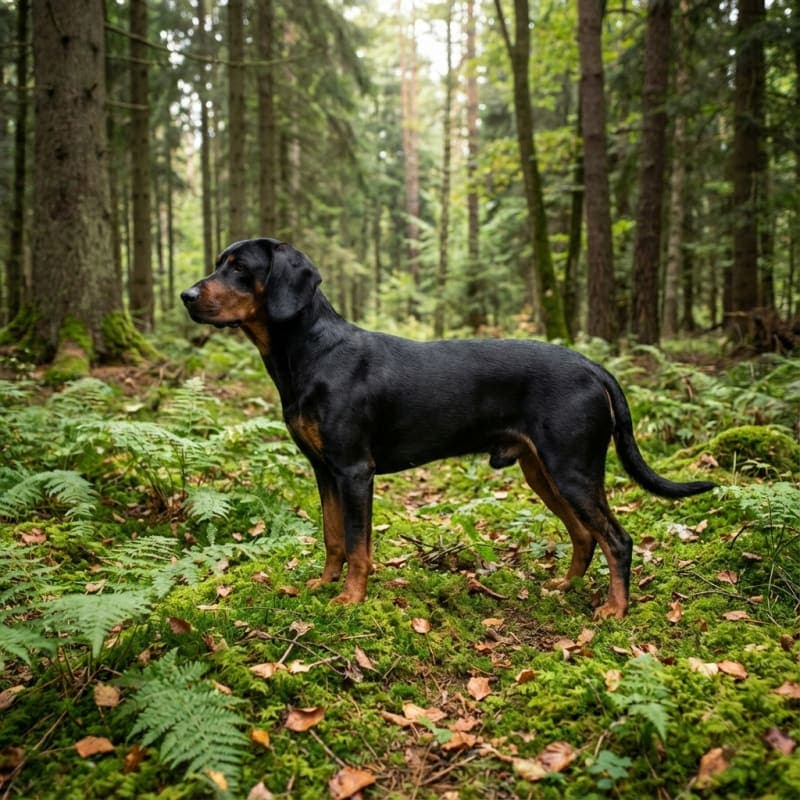
The Slovak Hound is a medium-sized dog with a strong and well-built physique. Its height at the withers ranges from 40 to 50 cm, and its weight from 15 to 20 kg. Its body is proportional, with a characteristic long, rectangular torso, indicating a light yet solid type of build. The entire structure of the dog exudes endurance and agility, essential for long hours of hunting.
The head is massive and has an elongated rectangular shape, with a flat dome-shaped skull. The brow ridges and frontal groove are distinctly marked, while the occipital protuberance is barely visible. The stop forms a clear angle of about 45 degrees. The nose is always black, relatively large, and moderately tapering, with moderately open nostrils.
The eyes of the Slovak Hound are dark, shiny, and deeply set, giving it an expressive and intelligent look. The ears are long and hang down along the head, which is typical for hound breeds. Their length reaches up to 3/4 of the length of the muzzle.
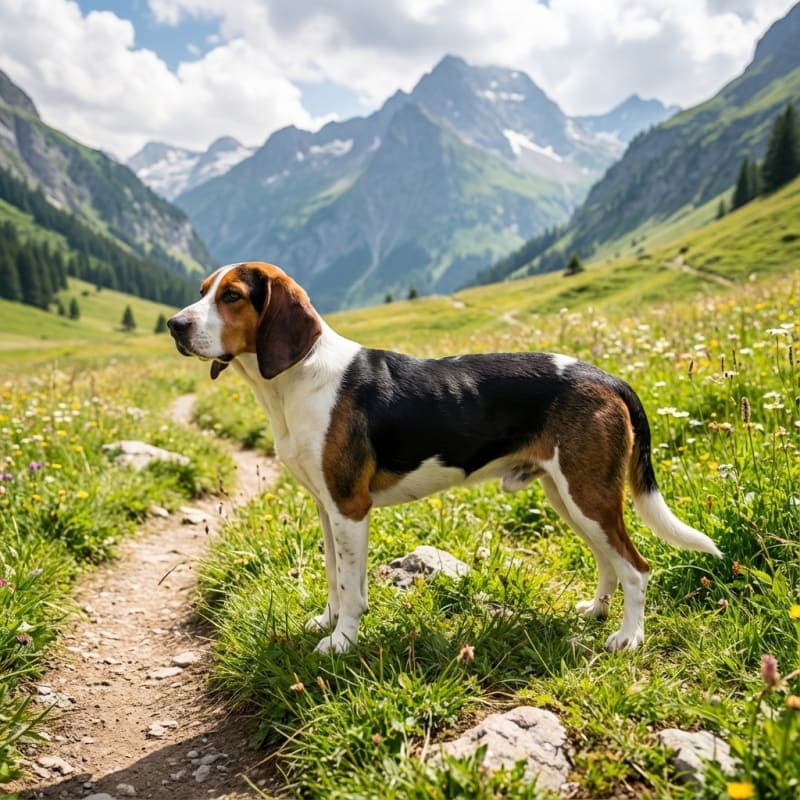
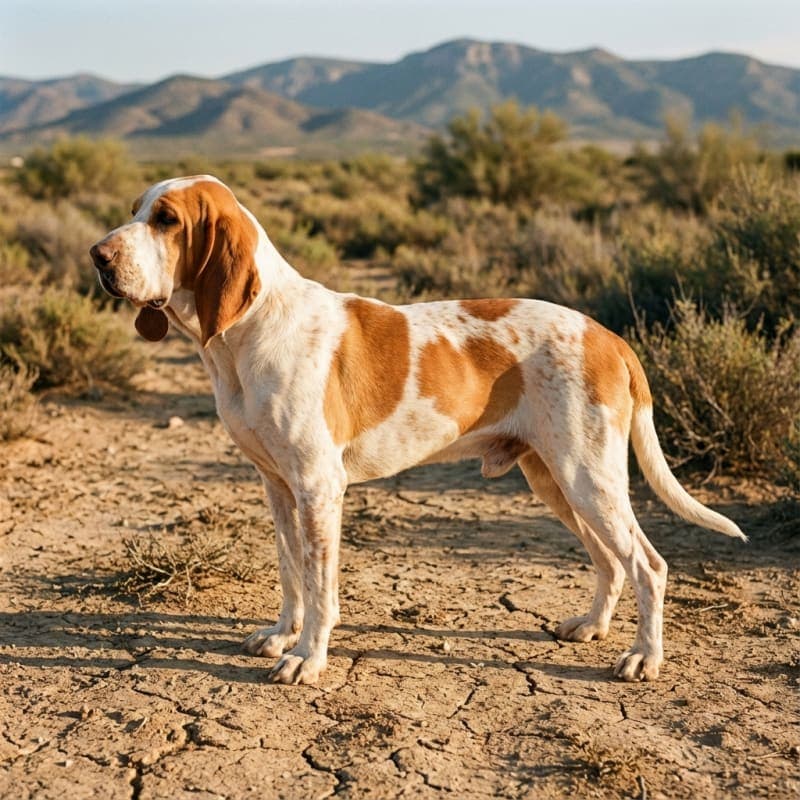
The coat is short (1.5-2 cm long), dense, and lies close to the body, making the dog resistant to adverse weather conditions. The coloration is always black with tan markings in mahogany or red-brown color. The tan markings are located above the eyes, on the muzzle, on the lower parts of the limbs, under the base of the tail, as well as on the chest and inner thighs.
The tail is long, strong, and set moderately low. At rest, it is carried low, but during movement, it rises slightly higher, forming a gentle arc. The limbs are strong and well-muscled, with a solid bone structure, allowing for quick movement across difficult terrain. The paws are well-formed, with tightly packed toes.
Overall, the Slovak Hound is a dog with a strong build that exudes energy, endurance, and confidence. Its appearance combines elegance with functionality – every element of its body structure has been shaped over centuries of selection for hunting efficiency.
The Slovak Hound is a dog with a very lively temperament and a lot of energy. It exhibits an exceptionally developed sense of orientation, making it an exceptionally effective tracker. It coexists well with the family and shows loyalty to its caregivers, but requires a lot of interaction and physical activity.
This breed loves to play and can often be quite exuberant, which may lead to situations where it might accidentally knock over a small child during enthusiastic play. For this reason, interactions with the youngest family members should be supervised, and they should be taught how to properly handle the dog.
A strong hunting instinct is the dominant characteristic of the Slovak Hound. This dog was bred for hours of tracking a warm scent with loud barking, which means it has a natural tendency to follow scents and chase small animals. Its enthusiasm and determination while tracking are unmatched, making it an excellent working dog, but it requires special caution in environments with free-ranging animals.
For this reason, early socialization from a young age is absolutely crucial. The dog must be taught appropriate behaviors, boundaries, and impulse control. This breed is generally friendly and sociable with familiar people, but can be somewhat wary and cautious of strangers, which is typical for hunting dogs.
Owners should be prepared for their dog to require a lot of exercise and mental stimulation to avoid boredom, which can lead to destructive behaviors such as destroying objects, excessive barking, or attempts to escape. The Slovak Hound can be very loud – its boisterous, melodic voice while tracking is a desirable trait in hunting work, but it can be a challenge in urban settings or densely populated areas.
Proper training, consistency, and positive reinforcement methods are key to ensuring that the dog becomes a balanced and obedient companion. The Slovak Hound needs an owner who understands its hunting nature and can provide appropriate activities for its natural instincts.
The Slovak Hound, like many other hunting dog breeds, has its specific health issues, although it is generally considered a healthy and resilient breed. The average lifespan of this breed ranges from 12 to 14 years, which is typical for medium-sized dogs and indicates good genetic health.
This breed is generally robust; however, it may be prone to several orthopedic diseases, including hip dysplasia and patellar luxation. Due to its active lifestyle and intense strain during hunts, it is important to regularly monitor joint health, especially in older or heavily working dogs.
In addition to orthopedic issues, there may be eye problems – although they are not common, it is advisable to conduct regular eye examinations. Ear infections are typical for dogs with long, drooping ears, such as the Slovak Hound. Owners should regularly check and clean their ears, especially after hunting or long walks in damp areas.
It is important for owners to regularly monitor their dogs' health by providing proper diet, regular exercise, and routine veterinary visits. Annual preventive check-ups are recommended, especially after the dog reaches the age of 7-8 years, along with vaccinations according to the schedule recommended by the veterinarian.
The Slovak Hound is a dog that prefers a cooler climate – its dense coat provides good protection against the cold, but on hot days, it is essential to provide shade, a cool surface to lie on, and constant access to fresh water. Intense exertion should be avoided during the hottest parts of the day.
It is also important to remember that this breed has a tendency to gain weight, especially if it is not active or receives too large portions of food. Obesity can lead to additional health problems, including worsening joint conditions and heart diseases. A proper diet and regular exercise are crucial for maintaining the health and fitness of this dog throughout its life.
The Slovak Hound has a short, dense coat that is 1.5-2 cm long, which significantly eases grooming compared to long-haired breeds. Owners of this breed should regularly brush their dogs to remove dead hair and dirt – brushing 1-2 times a week with a natural bristle brush or rubber glove is sufficient.
Although the Slovak Hound does not require much grooming for most of the year, during shedding periods (in spring and autumn), they may shed more fur, which requires more frequent brushing – even daily. Regular brushing not only removes dead hair but also stimulates the skin and distributes natural oils along the length of the hair.
Bathing is recommended only when absolutely necessary – when the dog is very dirty or has an unpleasant odor. Too frequent bathing can remove the natural protective oils from the coat, which protect the dog's skin from moisture and dirt. Bathing the dog 3-4 times a year is sufficient unless its lifestyle requires more frequent treatments. A shampoo specifically designed for dogs should be used.
Owners should pay special attention to the condition of the ears, which are sensitive to infections due to their length and drooping shape. Ears should be checked regularly – at least once a week – and cleaned with a special ear cleaning solution for dogs. It is particularly important to check the ears after hunting or walks in tall grass, where dirt or parasites may enter.
Eyes also require regular inspection. Any discharge from the corners of the eyes should be removed with a soft, damp cloth. If signs of redness, excessive tearing, or discharge appear, a veterinarian should be consulted.
Nails should be trimmed regularly when they become too long and start to click on the floor while walking. In active dogs that run a lot on hard surfaces, nails often wear down naturally, but they still require periodic checks. Overly long nails can cause discomfort while walking and lead to posture problems.
Oral hygiene is often neglected but is very important. Regular tooth brushing (2-3 times a week) prevents the buildup of tartar and gum disease. Special dental treats or chew toys can also be used.
Overall, grooming a Slovak Hound is relatively simple and not very time-consuming, but it requires regularity and commitment from the owner. Systematic performance of basic grooming tasks not only keeps the dog in good condition but also allows for early detection of potential health problems.
The Slovak Hound is a dog with a high energy level that requires a lot of movement and physical activity. This breed was created for long, multi-hour hunts, so it needs significant space to run and explore. It is not a breed suitable for people leading a sedentary lifestyle or living in small apartments without access to green areas.
Owners should provide their dogs with at least 90-120 minutes of intense exercise every day. This minimum is not enough for actively working dogs, which may require several hours of activity. Excellent forms of activity include long walks on varied terrain, running alongside a bike, mountain hiking, playing with a ball, and obedience training.
The Slovak Hound also loves swimming, so if possible, it is worth regularly taking it to the water. Swimming is an excellent form of exercise that engages all muscle groups while not putting stress on the joints. It is especially recommended for older dogs or those with orthopedic problems.
Nose work is a natural need for the Slovak Hound. This dog was bred for hours of tracking a warm scent, so games and exercises that engage the sense of smell are extremely satisfying for it. You can organize games to search for hidden objects, mantrailing training, or tracking exercises. These activities not only provide physical exertion but also mental stimulation.
It is worth remembering that these dogs have a strong hunting instinct and may focus solely on the scent while tracking, ignoring their owner's calls. Therefore, they should be kept on a leash in unfamiliar terrain or in areas where wild animals may be present, to prevent them from straying too far and chasing game. In safe, fenced areas, they can be allowed to run freely.
Without sufficient exercise, the Slovak Hound may become destructive and exhibit undesirable behaviors such as destroying furniture, excessive barking, digging holes in the garden, or attempting to escape. Bored hunting dogs can be very creative in finding ways to occupy themselves – unfortunately, often in ways that are undesirable to their owners.
Regular physical activity not only improves the physical condition of the dog but also its well-being and mental health. A tired dog is a happy dog – the right amount of exercise makes the Slovak Hound calmer at home, sleep better, and exhibit fewer behavioral problems. Owners should consider daily exercise an absolutely essential part of caring for this breed.
Training a Slovak Hound can be challenging due to its independent nature and strong hunting instincts. Although this breed is intelligent and can learn quickly, it can also be stubborn and often requires a consistent, patient approach during training. This is not a breed for novice dog owners.
Owners should start training as early as possible – ideally at 8-10 weeks of age. Early socialization and training of basic commands are crucial for developing a balanced, obedient dog. Young puppies are more receptive to learning and their habits are easier to shape.
It is advisable to use positive training methods, such as rewarding good behavior. The Slovak Hound responds well to praise, treats, and play as rewards. Methods based on punishment or dominance are ineffective and can lead to behavioral problems, such as anxiety, aggression, or complete breakdown of the bond with the owner.
Basic commands that every Slovak Hound should know include: Sit, Stay, Come, Lie down, and Leave it. The command Come is particularly important, as it can be life-saving when the dog starts tracking and moves away from the owner. However, due to its strong hunting instinct, even a well-trained Slovak Hound may have difficulty returning when it is on a scent.
The Slovak Hound has a high need for mental stimulation, so it is worthwhile to introduce a variety of exercises and games that engage its mind. Monotony and repetition quickly bore it. Canine sports such as tracking, mantrailing, nose work, or rally obedience are excellent solutions that combine physical effort with mental engagement.
As training progresses, the dog should be regularly socialized with other dogs and people, which will help build confidence and minimize fear or aggression towards strangers. Exposure to different environments, sounds, smells, and situations should occur gradually and positively.
Owners should be patient, consistent, and flexible in their training approach to adapt methods to the individual needs of their pet. It is important for training sessions to be short (10-15 minutes) but frequent – several times a day. Long, exhausting sessions lead to frustration for both the dog and the owner.
It is also worth considering working with a professional trainer, especially if planning to use the dog for hunting work. A trainer with experience working with hounds will help develop the dog's natural abilities and teach the owner how to communicate effectively with this independent hunter.
The diet of the Slovak Hound should be carefully balanced to provide all the essential nutrients that support its active lifestyle. Due to its high energy requirements, this dog needs high-quality food that delivers the right amount of calories, protein, and healthy fats.
Owners should choose food designed for active and sporting dogs that contains an increased amount of protein (at least 25-30%) and fats (15-20%). High-quality protein from meat, fish, or poultry supports muscle recovery and helps maintain a lean body mass. It is important to avoid foods with a high amount of grain fillers, which have low nutritional value.
A good idea is to split the daily food portion into 2-3 smaller meals, which will help maintain a stable energy level throughout the day and reduce the risk of gastric torsion—a problem that can affect medium and large dogs. Dogs should never be fed directly before or immediately after intense exercise.
It is also important to ensure that the dog has constant access to fresh water, especially after exercise and on warm days. Hydration is crucial for the proper functioning of the body, and active dogs can quickly lose fluids during intense exertion.
It is worth paying attention to the dog's weight and avoiding overfeeding, as this breed tends to gain weight, especially when not active or during the fall and winter months when activity may be limited by weather conditions. Obesity is a serious health issue that can lead to joint, heart, and diabetes diseases.
Owners should regularly monitor the dog's body condition—ideally, the ribs should be felt under a thin layer of fat, and the dog should have a visible waist when viewed from above. If the ribs are difficult to feel or the waist disappears, food portions should be reduced, and activity should be increased.
Supplementation may be indicated for actively working or older dogs. Glucosamine and chondroitin support joint health, omega-3 fatty acids from fish oil improve skin and coat condition and reduce inflammation, while probiotics support digestive health. Before introducing any supplements, it is advisable to consult a veterinarian.
Regular consultations with a veterinarian can help tailor the diet to the individual needs of the dog, taking into account its age, activity level, health status, and any food allergies. Puppies, actively working adult dogs, and senior dogs have different nutritional requirements and need appropriately adjusted food.
Characteristic Traits
Pros
- Excellent tracking and orientation skills
- Persistent and resilient at work
- Brave and determined
- Friendly towards family
- Well-suited to cold climates
- Healthy and hardy breed.
Cons
- Requires a lot of exercise and work
- Strong hunting instinct
- Can be stubborn and independent
- Loud and prone to barking while tracking
- Not suitable for apartment living.
Behavioral Ratings
Breed History
The history of the Slovak hound goes deep into the past, although the exact origin of this breed is not entirely clear. However, it is known that these dogs have been used for centuries in the Carpathians for hunting wild boar and other wild animals. Their ancestors were probably local hunting dogs that were crossbred to produce dogs with exceptional tracking abilities and endurance.
This breed was largely unknown outside the area of Slovakia and neighboring countries for a long time. Local hunters valued these dogs for their invaluable skills in working in difficult mountainous and forested terrain, but it was only after World War II that systematic breeding work began aimed at standardizing the type and characteristics of the breed.
In the 1960s, an official breeding program was initiated, which contributed to the establishment of breed standards. Slovak breeders worked to preserve the best working traits – endurance, sense of direction, voice, and eagerness to work – while also focusing on standardizing the external appearance. The goal was to create a hound that would excel in hunting wild boar and predators in challenging mountainous terrain.
In 1963, the Slovak hound was officially recognized by the Fédération Cynologique Internationale (FCI) as a separate breed under standard number 244, belonging to group 6 (hounds), section 1.2 (medium-sized hounds). This international recognition was an important step in promoting the breed beyond the borders of Slovakia.
The breed standard has been updated several times, with the latest official version coming from April 16, 1963. The standard precisely defines the appearance, structure, character, and working abilities of the Slovak hound, ensuring the preservation of the authentic breed type.
This breed is still relatively rare outside Slovakia, although it is slowly gaining popularity among hunting dog enthusiasts worldwide, especially in Central and Eastern European countries. In its native country, the Slovak hound is valued not only as a hunting dog but also as a symbol of national hunting tradition.
Today, the Slovak hound is mainly used for hunting wild boar, deer, and foxes. Its ability to track for hours on a warm scent with loud barking makes it an indispensable assistant to the hunter. Increasingly, these dogs are also kept as companion dogs, although this requires owners to provide an adequate amount of exercise and substitute work to satisfy their natural instincts.
The Slovak hound remains a living testament to the rich hunting tradition of Slovakia and a testament to the effective breeding work that has preserved the unique characteristics of this breed for future generations.