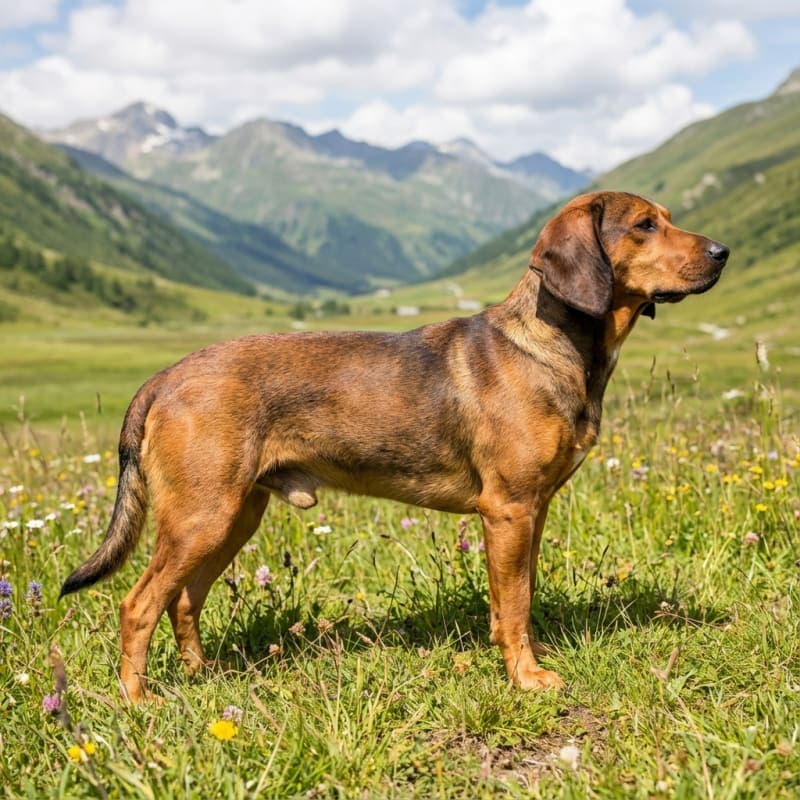
Tyrolean Hound
FCI Group
6• FCI 68
Size
Medium
Origin Country
AT
Height
42-50 cm
Weight
15-22 kg
Lifespan
11-13 years
Temperament
Overview
Tyrolean Hound (Tiroler Bracke) is a remarkable hunting dog with a rich history that has fascinated dog lovers around the world for centuries. It originates from picturesque Austria, specifically from the Tyrol region, where it successfully hunted hares, foxes, and tracked injured game in challenging mountainous terrain. Its fascinating history dates back to the 16th century, when Emperor Maximilian I personally appreciated its outstanding hunting skills and mentioned these dogs in his hunting diaries.
The Tyrolean Hound is distinguished by its harmonious build: a long, strong body with a rectangular shape and well-developed musculature provide it with the strength, endurance, and agility necessary for work in difficult mountainous terrain. Its dense, double coat effectively protects against harsh weather conditions, cold, and moisture, making it an ideal dog for work in any weather.
It is a dog with a broad head, characterized by a slightly convex forehead and large, dark, intelligent eyes. Long, rounded ears and a black nose are typical features of this breed, giving it a recognizable, noble appearance.
The Tyrolean Hound is a dog full of energy, vitality, and enthusiasm, both during hunts and in everyday family life. Its balanced, calm temperament makes it sociable and loyal to the family, although it can sometimes be a bit wary of strangers – which is a natural trait of a guarding and hunting dog.
Despite its deeply rooted hunting heritage, the Tyrolean Hound also excels in the role of a family dog. It loves spending time with children and other animals, provided it has been properly socialized from a young age. Its high intelligence and eagerness to work make it capable of learning quickly, although it requires consistency, patience, and experience in training.
Proper upbringing, regular physical activity, and mental stimulation are absolutely crucial for its mental and physical health and happiness. This is not a breed for those who prefer a quiet lifestyle – the Tyrolean Hound needs an active owner who will provide it with plenty of exercise and tasks to perform.
If you are considering owning a Tyrolean Hound, prepare for full commitment, numerous adventures, and a wonderful relationship with an incredibly loyal and capable dog. In the following sections of our detailed guide, you will discover everything about the health, grooming, training, nutrition, and other aspects of this fascinating Austrian hunting breed.
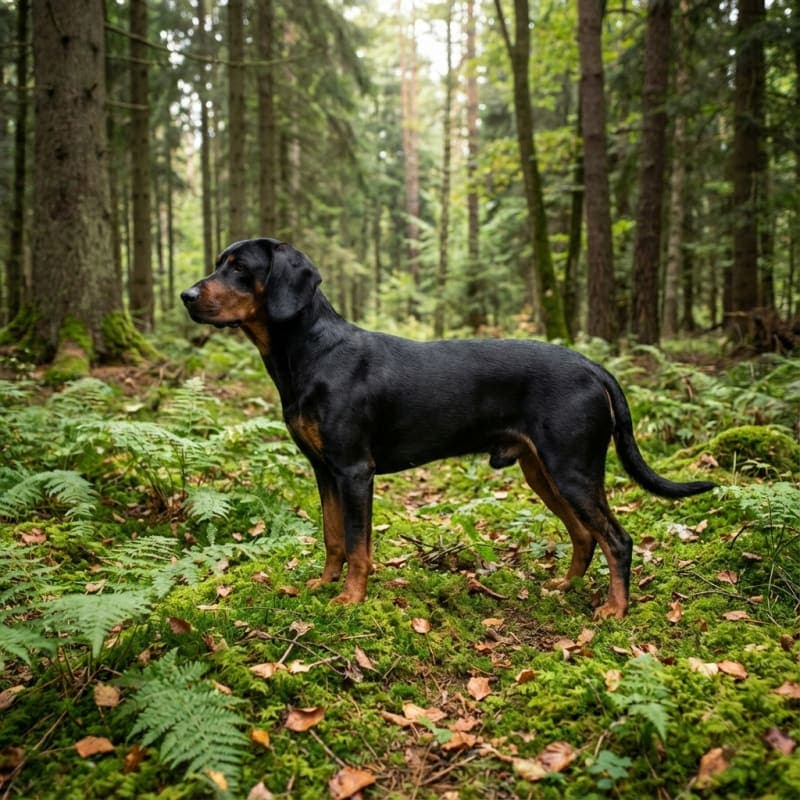
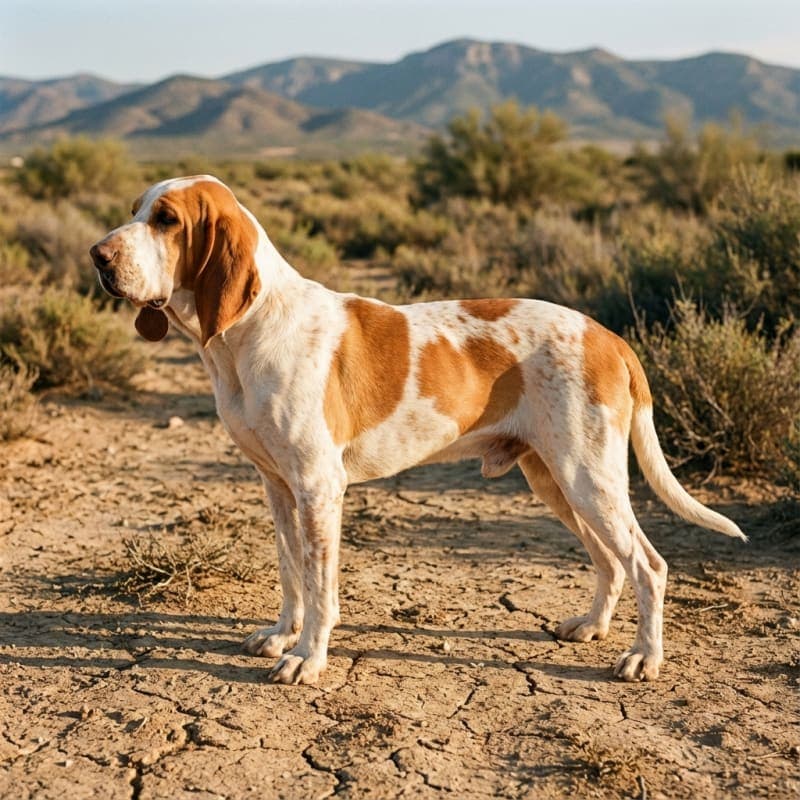
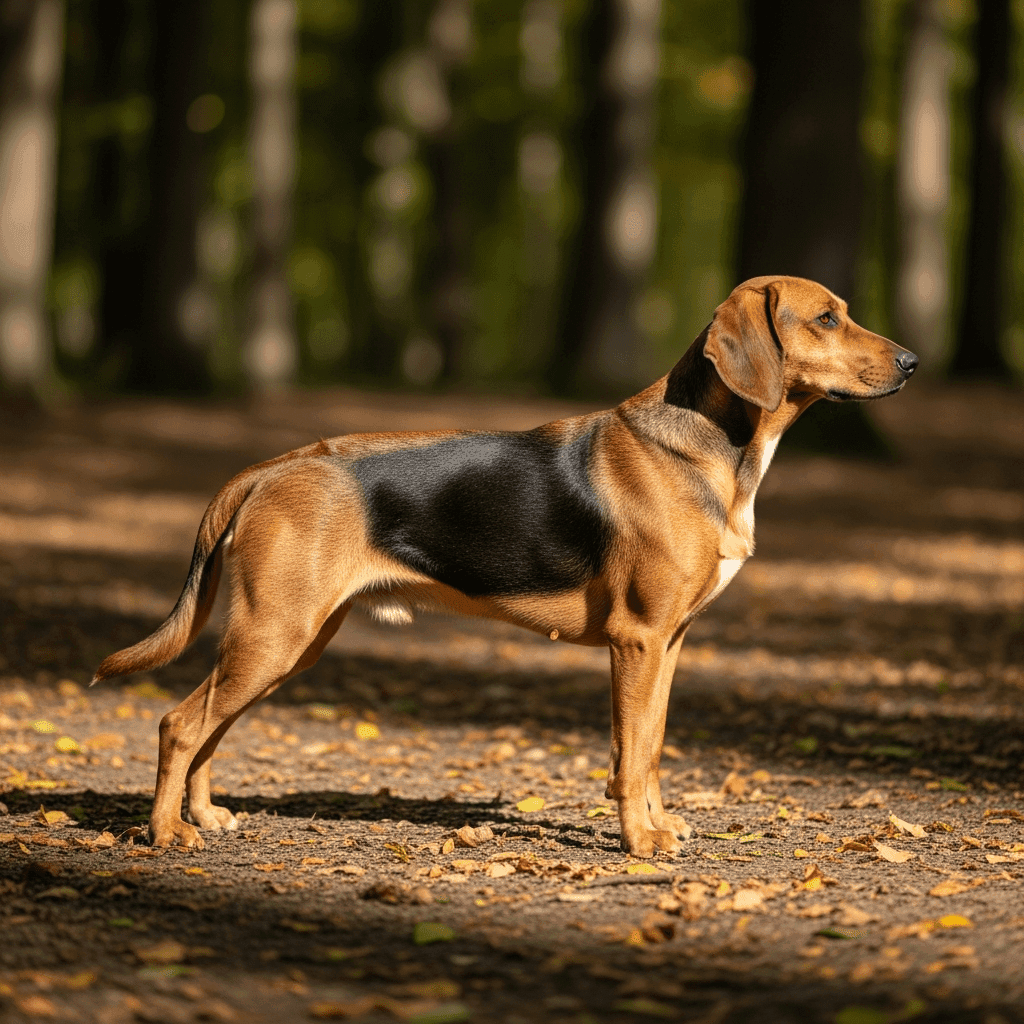
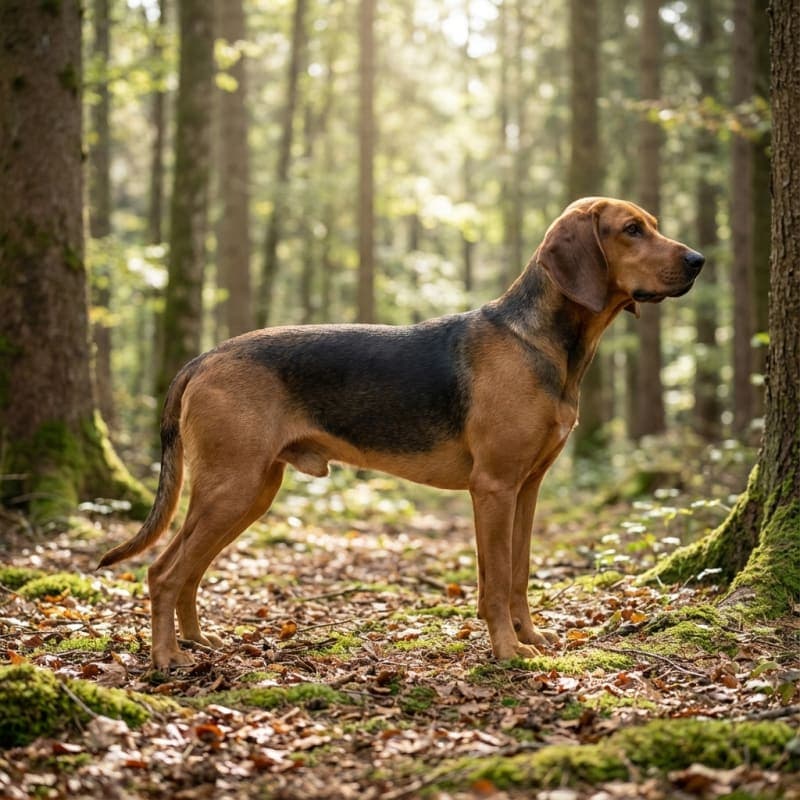
The Tyrolean Hound is a medium-sized dog, with a well-built, strong, muscular body that is proportional, harmonious, and indicative of its origin as a working dog. According to the FCI standard, its height at the withers is from 42 to 50 cm (for both males and females), and its weight ranges between 15 and 22 kg – a weight adjusted to its size and body structure.
Body shape and structure:
It has a long, straight, rectangular silhouette – the body length exceeds the height at the withers, giving it an elongated, elegant profile. The bones are medium strong, the musculature is well developed, and the muscle definition is clear but not excessive. Overall, it gives the impression of a durable, agile dog capable of long work in difficult terrain.
Head and face:
The head is wide, proportional to the body, with a slightly convex forehead. The stop (the transition from forehead to muzzle) is clearly marked. The muzzle is strong, straight, with a large, black nose with wide-open nostrils – typical for a hunting dog with excellent scenting ability.
The eyes are large, dark brown, round, full of intelligence and liveliness. The gaze of the Tyrolean Hound is attentive, alert, and expresses great determination – an essential trait for a tracking dog.
The ears are long, wide, rounded at the tips, set high and close to the head. They are covered with smooth fur and give the dog a distinctive, noble appearance.
Coat – dense, double protection:
The coat of the Tyrolean Hound is short to medium length, dense, hard to the touch, and double, providing excellent protection against rain, snow, cold, and moisture. The undercoat is soft and dense, especially in winter.
Coat colors according to the FCI standard:
- Red or red-yellow (the most common color) – from light to deep, warm shades
- Black with tan (black and tan) – black saddle with brown markings on the legs, muzzle, and chest
- Tricolor – black with tan and white markings (less commonly seen)
White markings may appear on the chest, paws, and tip of the tail – they are acceptable but should not dominate.
Tail:
The tail is medium length, strong at the base, tapering towards the end, carried high in an upright position or slightly curved over the back, especially when the dog is excited or in motion. Covered with dense fur, it adds dynamism to its movements.
Limbs and paws:
The front and hind limbs are straight, strong, well-muscled, providing stability and strength. The paws are compact, rounded, with thick pads and strong claws – ideal for moving over difficult, rocky mountainous terrain.
Movement:
Thanks to its harmonious build, the Tyrolean Hound is capable of moving quickly, smoothly, and gracefully in both flat and mountainous terrain. Its movement is energetic, persistent, with a long stride – typical for a hound capable of long tracking.
Overall impression:
The Tyrolean Hound presents itself as a strong, agile, durable, and energetic dog. Its appearance reflects its function – it is a working dog that must be capable of hours of work in challenging mountain conditions. Every element of its body structure serves this purpose.
The Tyrolean Hound is a dog with a balanced, stable temperament, which is also full of energy, vitality, and enthusiasm for work. According to the FCI standard, its character is described as steady, passionate about hunting, with an excellent sense of smell and voice.
Relationships with family:
Its natural hunting instinct makes it very active and full of vigor, but at the same time, it can be calm, balanced, and gentle when at home with the family. This is a dog that is friendly, loyal, and devoted to its owner, getting along well with children and other pets, provided they have been properly socialized from a young age.
The Tyrolean Hound is patient with children, tolerating their play and happily participating in family activities. However, due to its size and energy, interactions with very small children should be supervised.
Independence and ability to work alone:
The Tyrolean Hound is independent and capable of working alone, making it an excellent hunting dog able to track wounded game without constant supervision from a hunter. This trait is both an advantage (independence in work) and a challenge (it can be stubborn in training).
During hunts, it shows great determination, perseverance, and concentration – it can track for many hours without getting discouraged by difficult terrain or weather. Its excellent sense of smell and voice (barking while tracking) are its most valuable tools.
Character towards strangers:
It can also be a caring and alert guardian, enjoying interactions with close ones but remaining suspicious, reserved, and cautious towards strangers. This is a natural trait of a hunting and guarding dog – it is not aggressive but keeps its distance and observes unfamiliar people with vigilance.
Intelligence and learning abilities:
Its high intelligence enables it to quickly learn commands, tasks, and desired behaviors, but at the same time, its independent character and stubbornness can pose a challenge in training. It requires a patient, consistent, and experienced owner who can combine firmness with positive reinforcement.
Voice and barking:
The Tyrolean Hound has a tendency to be loud, which is a natural behavior for hounds – while tracking, it barks (gives voice) to inform the hunter of its progress. In home conditions, this can be troublesome if it is not taught to control its barking. It requires training on the command "Quiet" and sufficient stimulation to prevent barking out of boredom or frustration.
Need for activity and stimulation:
This is a dog that needs a lot of movement, physical activity, and mental stimulation. Without the right amount of exercise and activities, it can become restless, destructive, excessively noisy, or develop other behavioral problems.
Relationships with other dogs and animals:
A well-socialized Tyrolean Hound accepts other dogs, especially if it grew up with them. It can hunt in a pack, which requires the ability to cooperate with other dogs. However, its hunting instinct means it may chase small animals (cats, rabbits, rodents) if it has not been accustomed to them from a young age.
Key character traits:
- Balanced, stable temperament
- Loyal and devoted to family
- Independent and self-sufficient in work
- Intelligent but sometimes stubborn
- Full of energy and passion for work
- Suspicious of strangers (alert guardian)
- Friendly towards children (with proper socialization)
- Vocal (barks while tracking and at home)
Socialization and upbringing:
Proper upbringing, early and extensive socialization, and consistent training are absolutely crucial to ensure the dog exhibits positive behaviors in various life situations. A Tyrolean Hound that has not been properly socialized may be overly suspicious, fearful, or reactive towards unfamiliar people, dogs, or new situations.
The Tyrolean Hound is generally a healthy, resilient, and durable breed, which is a result of selective breeding focused on working abilities and physical condition. The average lifespan is between 12 to 14 years, which is typical for medium-sized dogs.
Common health issues in the breed:
1. Hip Dysplasia (HD):
Like many medium and large breeds, the Tyrolean Hound can be prone to hip dysplasia – a developmental disorder of the hip joint leading to pain, limping, and osteoarthritis. Although it is not a particularly common disease in this breed, responsible breeders perform X-ray examinations of the joints before allowing dogs to breed.
Prevention:
- Buy puppies from breeders who test parents for dysplasia
- Avoid overloading joints in puppies (moderate exercise, no jumping from heights)
- Maintain a healthy weight – overweight worsens dysplasia symptoms
- Supplementing with glucosamine and chondroitin may support joints
2. Osteoarthritis (degenerative joint disease):
Due to intense physical activity, especially during hunting in difficult, rocky mountainous terrain, the Tyrolean Hound may develop osteoarthritis in older age. It manifests as stiffness, limping, reluctance to move, and pain when rising.
Prevention:
- Moderate, regular exercise without extreme loads
- Weight control
- Joint-supporting supplements (omega-3, glucosamine)
- Early detection and treatment (anti-inflammatory medications, physiotherapy)
3. Ear infections (otitis externa):
Due to long, floppy ears, the Tyrolean Hound can be prone to ear infections, especially if they are not regularly checked and cleaned. Moisture, dirt, and wax accumulate in the ear canal, creating an ideal environment for bacteria and fungi.
Prevention:
- Regularly check ears (at least once a week) – look for redness, unpleasant odor, excess wax
- Clean ears with a special ear solution for dogs
- Dry ears after walks in wet conditions
- At the first signs of infection (scratching, shaking head, unpleasant smell) – visit the veterinarian
4. Activity-related injuries:
Like any hunting dog working intensively in difficult terrain, the Tyrolean Hound may be prone to injuries:
- Muscle and tendon tears
- Cut paws (cuts from sharp stones, glass, thorns)
- Insect and snake bites
- Bone fractures (falls, jumps from heights)
- Exhaustion, dehydration
Prevention:
- Gradually prepare the dog for intense work (conditioning)
- Check paws after walks/hunts
- Provide access to water during long activities
- Quick response to signs of injury (limping, pain, swelling)
5. Tendency to gain weight (obesity):
Although the Tyrolean Hound is active during hunts and walks, it has a tendency to gain weight if it does not get enough exercise or is overfed. Obesity leads to joint problems, heart issues, diabetes, and a shortened lifespan.
Prevention:
- Control food portions – adjust to activity level
- Avoid overfeeding and feeding from the table
- Ensure regular, daily exercise
- Weigh the dog monthly – respond to weight gain
- Ribs should be felt under a thin layer of fat, but not visible
6. Other potential issues:
- Skin allergies (rare, but possible)
- Eye problems (inflammations, injuries)
- Dental diseases (tartar, periodontitis – require regular hygiene)
Preventive care – crucial for health:
- Regular veterinary visits (at least once a year, for older dogs – every 6 months)
- Vaccinations according to schedule (rabies, distemper, parvovirus, etc.)
- Worming every 3-6 months
- Protection against external parasites (ticks, fleas) – especially important for dogs working in the field
- Dental checks – regular brushing, tartar removal
- Blood tests for older dogs (after 8 years) – early detection of problems
Diet and condition:
It is important to provide this dog with a proper diet rich in protein and essential nutrients to keep it in good physical condition. The food should be adjusted to the activity level – working dogs need more calories than house dogs.
Weather resistance:
Although it is resistant to various weather conditions due to its dense, double coat, activity should be adjusted and appropriate shelter provided on extremely cold or hot days.
Summary:
The Tyrolean Hound is a healthy, resilient breed that, with proper care, a balanced diet, and regular activity, can enjoy a long, active life. It is crucial to prevent problems through preventive measures and to respond quickly to the first signs of illness.
The care of the Tyrolean Hound is relatively simple and low-maintenance, thanks to its short to medium-length, dense coat that does not require intensive, time-consuming grooming. This breed is ideal for people who prefer easy-to-maintain dogs.
1. Coat brushing – once or twice a week:
It is recommended to brush once or twice a week using a natural bristle brush or a rubber glove to remove dead hair. Regular brushing:
- Removes dead hair and stimulates blood circulation in the skin
- Makes the coat look healthy, shiny, and clean
- Allows for early detection of parasites (ticks, fleas), wounds, lumps, or other skin problems
- Is a great opportunity to bond with your dog
2. Shedding – increased grooming in spring and autumn:
During the intense shedding period (spring and autumn), when the dog sheds its undercoat, it may be necessary to brush more frequently – daily or every other day. This will help remove loose hair and prevent it from accumulating in the home.
3. Ears – check and clean at least once a week:
Regularly checking and cleaning the ears is crucial for preventing infections. The long, drooping ears of the Tyrolean Hound can promote the accumulation of dirt, wax, and moisture:
- Check the ears at least once a week – look for redness, unpleasant odor, excess wax, discharge
- Clean the ears with a special ear solution for dogs (available at the vet or pet stores) – pour the solution in, massage the base of the ear, let the dog shake its head, wipe away excess with gauze
- Never insert cotton swabs deep into the ear canal – you could damage the eardrum
- After walks in wet conditions (rain, snow, wading in water) – gently wipe the ears
- At the first signs of infection (scratching, shaking the head, redness, unpleasant odor) – go to the vet immediately
4. Teeth – regular brushing for oral health:
Oral hygiene is extremely important for preventing gum disease, tartar, and tooth loss:
- Brush the teeth 2-3 times a week (ideal: daily) using a dog toothbrush and dog toothpaste (never use human toothpaste – it is toxic to dogs!)
- Give special dental treats (Dentastix, dental chews)
- Raw meaty bones (not cooked!) help mechanically clean the teeth
- Regularly check the condition of the teeth at the vet
- If necessary – professional tartar cleaning under anesthesia (every 1-3 years, depending on the condition of the teeth)
5. Nails – trimming every 3-4 weeks:
- Regularly check the length of the nails – if you hear them clicking on the floor while walking, it’s time to trim them
- Use a special guillotine or clippers for dogs
- Trim small sections of the nail, avoiding cutting the quick (the pink area in the middle of the nail)
- If the dog has dark nails and you can't see the quick – trim carefully, in small portions
- After trimming, you can use a file to smooth sharp edges
- If you don’t feel confident – ask a vet or groomer for help
6. Paws – check after walks and hunts:
After long walks, mountain hikes, or hunts, always check the paws:
- Look for cuts, wounds, foreign bodies (stones, thorns, splinters)
- Check the pads for cracks, abrasions
- In winter, after walks, wash the paws with warm water to remove road salt (it is corrosive to the skin)
- Trim the hair between the paw pads to prevent snow, mud, and stones from accumulating
7. Bathing – only when necessary:
Bathing is recommended only when the dog gets dirty, for example, after hunting, getting stuck in mud, or rolling in smelly substances:
- Use a mild dog shampoo (preferably for short-haired breeds)
- Brush the coat thoroughly before bathing
- Rinse the shampoo thoroughly – residues can cause skin irritation
- Dry the dog with a towel and, if possible, use a hairdryer on a low setting
- Make sure the dog is completely dry before going outside on cold days
Frequent bathing is not recommended – it can dry out the skin and destroy the natural protective layer of the coat. The Tyrolean Hound does not tend to have an unpleasant odor, so bathing 2-4 times a year is usually sufficient.
8. Skin and coat check:
During brushing, regularly check the skin for:
- Ticks (especially important after walks in the woods, meadows)
- Fleas and their droppings (black specks in the coat)
- Skin changes (redness, rashes, hair loss, lumps)
- Wounds, scratches, bites
9. Eye check:
- Regularly check the eyes for discharge, redness, swelling
- Gently wipe around the eyes with a damp gauze if discharge accumulates
- At signs of infection (excessive tearing, redness, squinting) – visit the vet
Summary:
Thanks to its short, dense coat, the Tyrolean Hound does not require particularly complicated grooming, but regular attention and checks will help maintain its health and well-being. Key elements include: brushing 1-2 times a week, checking ears, dental hygiene, and checking paws after activity. It is a practical and easy-to-maintain dog – ideal for active people who do not have time for complicated grooming.
The Tyrolean Hound is a dog with a very high energy level that requires a lot of movement, physical activity, and mental stimulation to maintain physical health, mental balance, and well-being. This is not a breed for those who prefer a calm, sedentary lifestyle – the Tyrolean Hound needs an active owner ready for daily movement challenges.
Minimum exercise requirements:
- At least 1.5-2 hours of intense physical activity daily
- Long walks, hikes, running in the field
- Ideally divided into 2-3 sessions daily (morning, afternoon, evening)
- Activity should be varied – not only leash walks but also free runs, play, training
Ideal activities for the Tyrolean Hound:
1. Long walks and mountain hikes:
Perfectly suited for long walks in forests, meadows, and mountains – this is the natural terrain for a hunting dog. It loves to explore new areas, sniff, and track scents. Walks should last at least 30-60 minutes each, at a brisk pace.
2. Running and jogging:
The Tyrolean Hound is an excellent running partner – it has the endurance and fitness to run for many kilometers. After reaching 12-18 months (when the skeleton is fully developed), it can accompany its owner during jogging, running, or cycling (on safe, calm routes).
3. Hiking in mountains and rough terrain:
Thanks to its hunting instinct, the Tyrolean Hound needs a daily dose of physical activity that allows it to utilize its natural abilities – tracking, sniffing, moving in difficult terrain. Mountain hikes are the ideal activity that combines movement with mental stimulation.
4. Hunting and hunting training:
For dogs working as hunting hounds, hunting is the best form of activity – it utilizes all the dog's natural instincts, skills, and energy. Regular tracking, obedience training in the field, and nose work provide excellent stimulation.
5. Fetch games:
Fetching balls, frisbees, and toys is a great way to burn energy. The Tyrolean Hound loves to chase thrown objects, although its tracking instinct (following scents) may be stronger than its retrieving instinct (bringing back).
6. Canine sports:
The Tyrolean Hound performs well in dog sports that combine physical activity with mental stimulation:
- Mantrailing – tracking people by scent (ideal for a hound!)
- Nosework – searching for scents
- Agility – obstacle course (requires good obedience training)
- Obedience – advanced obedience
- Hunting training – tracking, nose work
7. Play with other dogs:
A well-socialized Tyrolean Hound loves playing with other dogs – running, chasing, wrestling. Regular visits to the dog park or meetings with dog friends are an excellent form of social and physical activity.
8. Swimming:
Many Tyrolean Hounds enjoy swimming – it's a great form of exercise, gentle on the joints, but very effective for fitness. If you have access to a safe body of water (lake, river, dog pool), encourage your dog to swim.
Consequences of lack of exercise:
Without regular exercise, the Tyrolean Hound may:
- Become restless, nervous, destructive
- Develop behavioral problems – excessive barking, digging, chewing furniture, escaping
- Gain weight, leading to health issues
- Exhibit frustration, depression, apathy
- Have difficulty sleeping – too much energy, lack of fatigue
Exercise requirements by age:
Puppies (up to 12 months):
- Shorter, more frequent walks (3-4 times a day for 15-20 minutes)
- Lots of play in the garden, park
- Avoid intense, long runs (protect developing joints and bones)
- Avoid jumping from heights
Young dogs (12 months – 7 years):
- Full activity – 1.5-2 hours daily
- Long walks, hikes, running
- Hunting training, canine sports
- Maximum energy and endurance
Seniors (over 7-8 years):
- Adjust activity to the dog's condition – may need shorter, calmer walks
- Avoid intense runs and jumps (joint issues)
- Maintain regularity – movement is important for maintaining fitness and joint health
- Watch for signs of fatigue, pain, stiffness
Mental stimulation – just as important as exercise:
The Tyrolean Hound is a smart dog that needs not only movement but also mental stimulation:
- Learning new commands and tricks
- Dog puzzles (interactive toys with hidden treats)
- Snuffle mats – the dog searches for hidden treats
- Obedience training in various conditions
- Scent games – hiding toys, treats
- Mantrailing – tracking people
Safety during activities:
- Always supervise your dog in the field – the hunting instinct may lead it to chase wildlife (hares, deer, boars)
- In areas with wildlife or traffic – use a long training leash (10-20 m), do not let loose if the dog does not have perfect recall
- Carry water and a bowl – especially on hot days
- After long walks/hunts, check paws and body for injuries, ticks
- Avoid intense exercise in full sun – risk of overheating
Activity in different seasons:
- Summer: Walks early in the morning or evening (avoid heat), access to water, swimming opportunities
- Winter: The Tyrolean Hound tolerates cold well due to its double coat – can be active year-round
- Rain: Rain does not bother it – the thick coat protects against moisture (but it's good to dry the ears after returning)
Summary:
The Tyrolean Hound is a dog for very active owners, ready for daily, multi-hour outdoor activities. This is not a breed for people living in small apartments without access to walking areas, nor for those with a sedentary lifestyle. If you are ready for an active lifestyle, mountain hikes, hunting, or canine sports – the Tyrolean Hound will be an excellent, durable, and loyal companion.
Training a Tyrolean Hound can be challenging, as this breed has a tendency to be independent, self-reliant, and sometimes stubborn. However, with the right approach, patience, and experience, it is a dog that can quickly learn new commands and skills, becoming an obedient and reliable companion.
Learning Characteristics:
The Tyrolean Hound is intelligent and capable of learning, but its independent hunting nature means it requires a different approach than highly obedient breeds (like shepherds, retrievers). It was bred to work independently in the field, tracking without constant supervision from a hunter – this trait means it can make its own decisions, which in training may manifest as stubbornness or ignoring commands.
Key Training Principles for the Tyrolean Hound:
1. Start training early – from 8 weeks of age:
The earlier you start, the better results you will achieve. Tyrolean Hound puppies are like sponges – they quickly absorb knowledge but also bad habits if not properly guided.
- Socialization is absolutely essential – from a young age, expose the puppy to various stimuli: people (children, adults, seniors), dogs (small and large), sounds (cars, vacuum cleaners, fireworks), environments (city, park, forest, crowds)
- Basic commands: Sit, Lie down, Stay, Come, No, Leave it
- House training – consistently taking it to designated spots, immediate praise for going outside
2. Positive reinforcement – ALWAYS:
It is crucial that training is consistent, positive, and reward-based. The Tyrolean Hound responds best to positive reinforcement, such as praise, treats, and play, making training enjoyable for both the dog and the owner.
- Reward immediately (within 1-2 seconds) for correct behavior – the dog must understand what it is being rewarded for
- Use high-value treats (chicken, cheese, meat pieces) for difficult commands or in high-distraction areas
- Enthusiastic vocal praise – high, cheerful tone
- Play with a favorite toy as a reward
- Avoid physical punishment, yelling, or pulling on the leash – these lead to fear, loss of trust, and deterioration of the relationship
3. Consistency and patience:
- Rules must be clear and followed by all family members
- Do not allow certain behaviors sometimes and not others – the dog will be confused
- Regular, short training sessions (10-15 minutes, 2-3 times a day) – better than long, exhausting training
- Patience – the Tyrolean Hound can be stubborn and needs more repetitions than more obedient breeds
4. The Come command (recall) – ABSOLUTE PRIORITY:
This is the most important command for the Tyrolean Hound, which has a strong hunting instinct and may chase game. Perfect recall can save the dog's life.
- Practice recall daily, in different places, with various distractions
- Always reward generously for coming – even if the dog returns after a long time of ignoring
- Never punish a dog that comes when called – even if it did something wrong earlier (coming = reward)
- Use a long training leash (10-20 m) to practice recall in the field
- Gradually increase distance and distracting stimuli
5. Basic obedience training:
It is worth starting with basic commands and then moving on to more advanced techniques:
- Sit – easy to teach, basic command
- Lie down – used to calm the dog, wait
- Stay – the dog remains in place until given a movement command
- Come – recall (KEY!)
- Heel – walking at heel without pulling on the leash
- Leave it – preventing the dog from eating dangerous things, chasing game
- Quiet – controlling barking
6. Hunting training (for working dogs):
If you plan to use the Tyrolean Hound for hunting, specialized hunting training is necessary:
- Tracking training – learning to follow the scent of game
- Working with the nose – developing the natural sense of smell
- Giving voice (barking while tracking) – controlled, on command
- Field obedience – recall, stopping the track on command
- Cooperation with the hunter – communication, trust
- It is best to train under the guidance of an experienced hunting trainer or in a hound club
7. Control of hunting instinct:
The Tyrolean Hound has a very strong hunting instinct – it will want to chase rabbits, hares, deer, cats, and squirrels. It is crucial to teach it control:
- Command Leave it – when the dog notices game
- Strong recall – the ability to call the dog off a chase
- Training with a long line in areas with wild game
- Rewarding for ignoring distracting stimuli (hares, birds)
- Never let it off-leash in areas with traffic or a lot of game if recall is not perfect
8. Control of barking:
The Tyrolean Hound has a natural tendency to bark while tracking (giving voice), but in home conditions, this can be bothersome. Teach the dog the command Quiet:
- When the dog starts barking, let it bark 2-3 times, then say: Quiet
- When it stops barking (even for 2 seconds), reward immediately
- Gradually increase the required silence time for a reward
- Never yell at a barking dog – it will think you are joining in
- Ensure sufficient activity – a tired dog barks less
9. Enriching training activities:
Training should also be enriched with physical activities to meet its physical and mental needs:
- Mantrailing – tracking people by scent (ideal for hounds!)
- Nosework – searching for scents
- Agility – obstacle course (requires good obedience)
- Obedience – advanced obedience
- Long hikes with tasks (searching, retrieving)
10. Building bonds:
Regular training sessions will help build a strong bond between the dog and its owner, as well as prevent behavioral problems that may arise when the dog lacks sufficient mental and physical stimulation.
Typical training challenges:
- Stubbornness and independence – the Tyrolean Hound may ignore commands if it does not see the point; solution: motivate with high-value rewards, short sessions, variety
- Distraction in the field – scents and game divert attention; solution: training in a controlled environment, gradually increasing stimuli
- Excessive barking – natural for the breed; solution: training the Quiet command, ensuring activity
- Chasing game – strong instinct; solution: recall training, control in the field with a long line
Professional trainer – consider support:
Due to the specific nature of the breed (independence, hunting instinct), it is worth considering consulting a professional trainer specializing in hunting or hound breeds. A trainer can help with:
- Developing an individual training plan
- Resolving behavioral issues
- Hunting training (if you plan to hunt)
- Teaching advanced commands
Summary:
The Tyrolean Hound is a smart but independent dog that requires a patient, consistent, and experienced owner. Training based on positive reinforcement, regular training sessions, and physical activity are key to developing an obedient, balanced, and happy dog. It is not a breed for novice dog owners – it requires knowledge, experience, and commitment. However, for someone ready for the challenge, the Tyrolean Hound can become a wonderful, loyal, and capable companion.
The diet of the Tyrolean Hound should be carefully balanced to meet its high energy needs resulting from intense physical activity. Due to their very active lifestyle, they require food rich in protein, healthy fats, and nutrients that support muscles, joints, overall condition, and endurance.
Basic nutrition principles for the Tyrolean Hound:
1. High-quality food with a high protein content:
The food should contain:
- Animal protein (minimum 25-30% for adult dogs, 28-32% for puppies and working dogs) – from meat, poultry, fish as the first ingredient
- Healthy fats (12-18%) – a source of energy and essential omega-3 and omega-6 fatty acids (for healthy skin, coat, joints)
- Carbohydrates – from easily digestible sources like rice, oats, sweet potatoes (providing long-lasting energy)
- Vitamins and minerals – a comprehensive set for bone, joint, coat, and immune system health
Ingredients to avoid:
- Foods with corn, wheat, soy as main ingredients (low nutritional value, fillers)
- Low-quality meat meals, by-products
- Artificial colors, preservatives (BHA, BHT), flavors
- Excess grains and simple carbohydrates
2. Adjusting the diet to the activity level:
Depending on the activity level, the Tyrolean Hound may need different amounts of food:
Working dogs (hunting, intensive training):
- Higher calorie intake (up to 2x more than a pet dog)
- More protein and fat for energy and recovery
- Food for active or sporting dogs
- More frequent feeding (2-3 meals a day)
Pet dogs (walks, moderate activity):
- Standard calorie intake for medium breeds
- Portion control to avoid overweight
- 2 meals a day
Senior dogs (seniors over 7-8 years):
- Senior food with reduced calorie content
- Additives supporting joints (glucosamine, chondroitin)
- Easily digestible ingredients
3. Portion size:
For an adult Tyrolean Hound (weight 15-22 kg), the daily requirement is usually:
- Less active dogs: about 250-350 g of dry food per day
- Moderately active dogs: about 350-450 g of dry food per day
- Very active/working dogs: about 450-600 g (or more, depending on work intensity)
Always follow the manufacturer's recommendations on the food packaging and adjust the portion according to the dog's condition – if gaining weight, reduce; if losing, increase.
4. Feeding frequency:
- Puppies (2-6 months): 3-4 meals a day, puppy food for medium breeds
- Young dogs (6-12 months): 2-3 meals a day
- Adult dogs (from 12 months): 2 meals a day (morning and evening, at fixed times)
- Seniors (from 7-8 years): 2 meals a day, senior food
5. Weight control – KEY:
Additionally, it is important to avoid overfeeding, as this breed tends to gain weight, especially if not sufficiently active:
- Weigh the dog monthly – respond to weight gain
- Ribs should be felt under a thin layer of fat but not visible to the naked eye
- The dog should have a clear waist seen from above
- If the dog is gaining weight – reduce the portion by 10-15%, increase activity
6. Hydration – access to water ALWAYS:
- Fresh, clean water available 24/7
- Change the water at least twice a day
- Clean the bowl daily
- On hot days and after intense activity – provide extra water
- Average requirement: about 50 ml of water per kilogram of body weight per day (for a 20 kg dog = about 1 liter)
7. Types of feeding:
Dry food (kibble):
- Convenient, easy to store
- Helps clean teeth (mechanical action)
- Good value for money (in the case of premium foods)
Wet food (cans, pouches):
- Higher moisture content
- More appetizing for picky eaters
- More expensive per serving
BARF diet (raw meat, bones, vegetables):
- Natural, high-protein nutrition
- Requires careful balancing of ingredients
- Consultation with a veterinarian or animal nutritionist
- Risk of bacteria in raw meat (salmonella, E. coli)
Cooked diet (home-made):
- Full control over ingredients
- Requires knowledge of dog nutrition
- Time-consuming
8. Treats – use wisely:
- Treats should not make up more than 10% of the daily caloric intake
- Healthy options: dried meat, pieces of vegetables (carrots, broccoli), special training treats
- Avoid: sweets, chocolate, cookies, table scraps
- Count calories from treats against the main food portion
9. TOXIC products for dogs – NEVER give:
- Chocolate – theobromine is toxic to dogs, can cause death
- Onions and garlic – destroy red blood cells, cause anemia
- Grapes and raisins – damage kidneys
- Avocado – contains persin, toxic to dogs
- Xylitol (sweetener) – sudden drop in blood sugar, liver failure
- Alcohol, coffee, tea – toxic to the nervous system
- Cooked bones – splinter, can pierce the digestive tract
- Macadamia – causes limb paralysis
10. Special dietary needs:
- Food allergies: hypoallergenic food with a single protein source
- Digestive problems: food for dogs with sensitive stomachs
- Overweight: light food, portion control, more exercise
- Joint problems: supplementation with glucosamine, chondroitin, omega-3
11. Nutrition before and after intense activity:
- Before hunting/training: light meal 2-3 hours earlier (to avoid stomach twisting)
- After intense activity: wait 30-60 minutes before feeding (allow the dog to calm down)
- Provide water immediately after exertion (small portions, frequently)
12. Changing food – gradually over 7-10 days:
- Day 1-2: 75% old food + 25% new
- Day 3-4: 50% old + 50% new
- Day 5-6: 25% old + 75% new
- Day 7: 100% new food
13. Supplementation:
If the dog eats high-quality, balanced food, supplementation is usually not necessary. However, in some cases, a veterinarian may recommend:
- Omega-3 (salmon oil) – for healthy skin, coat, joints
- Glucosamine and chondroitin – joint support (especially for working dogs, seniors)
- Probiotics – gut health (after antibiotics, with digestive issues)
Never give supplements without consulting a veterinarian – excess can be harmful.
Summary:
Regular meals, preferably given at fixed times, will help maintain a healthy weight and good condition. Owners should pay attention to the quality of the food, choosing those with natural ingredients, high animal protein content, and avoiding artificial additives. A well-fed Tyrolean Hound is a dog full of energy, vitality, and health, ready for any adventure!
Characteristic Traits
Pros
- High intelligence and learning abilities
- Excellent hunting and tracking skills
- Sociable and loyal character towards the family
- Good family dog with proper socialization
- Resilient and resistant to harsh conditions
- Dense coat protecting against cold and moisture.
Cons
- May be distrustful and reserved towards strangers
- Requires a lot of exercise and physical activity
- Needs consistent
- experienced training
- Strong hunting instinct – may chase game
- Tendency to bark loudly
- Not suitable for first-time dog owners.
Behavioral Ratings
Breed History
The Tyrolean Hound has a rich and fascinating history that dates back to Celtic times, making it one of the older hound breeds in Europe. Its roots are deeply embedded in the alpine region of Tyrol (Austria), where it has served as an indispensable companion to hunters in challenging mountainous terrain for centuries.
Ancient Roots – Keltenbracke (Celtic Hound):
The Tyrolean Hound is believed to be a descendant of the ancient Celtic dog known as the Keltenbracke (Celtic Hound). These ancient hunting dogs were widely distributed in Central Europe even before Roman times and were valued for their excellent sense of smell, endurance, and ability to work in difficult terrain.
With its dense, double coat, the Tyrolean Hound represents the purest type of hounds used for hunting in mountains and forests. This feature – a thick, water-resistant coat – was crucial for survival and effectiveness in harsh alpine conditions.
16th Century – Emperor Maximilian I and the Rise to Fame:
As early as around 1500, Emperor Maximilian I (1459-1519), a known lover of hunting and cynology, used these noble Tyrolean hounds for hunting in Tyrol. In his hunting diaries, the emperor mentioned that he took his leading dogs (limiers) from the Tyrolean hounds, which attests to their outstanding tracking abilities and reliability.
Emperor Maximilian I was one of the first rulers to appreciate and promote the breed, contributing to its popularity among the aristocracy and hunters throughout the alpine region.
19th Century – Systematic Breeding and Standardization:
In 1860, pure, systematic breeding of the Tyrolean Hound began from specific lines in Tyrol. Breeders aimed to unify the breed's characteristics, preserve its unique hunting abilities, and eliminate undesirable traits.
Of the many types and varieties of hounds native to Tyrol, only two color varieties have survived to modern times:
- Red (or red-yellow) – the most common color
- Black and tan (black-and-tan)
Other varieties gradually disappeared or were absorbed by the main breeding lines.
1896 – First Breed Standard:
In 1896, the first written breed standard was developed, detailing the desired physical traits, temperament, and working abilities of the Tyrolean Hound. This was a key moment in the breed's history – a formal definition and protection of its distinctive characteristics.
1908 – Official Breed Recognition:
In 1908, the Tyrolean Hound was officially recognized as a breed by cynological organizations. Since then, the breed has enjoyed significant recognition, especially in Austria, where it continues to be widely used as a hunting dog in challenging mountainous terrain.
1994 – Removal of the Short-Legged Variety:
In 1994, the short-legged variety was removed from the official breed standard (the short-legged version of the Tyrolean Hound, somewhat resembling a basset). Since then, only the standard, long-legged version is recognized and bred.
Modern Times – A Hunting and Companion Breed:
Today, the Tyrolean Hound is primarily known in Austria, Germany, Italy (South Tyrol region), and other alpine countries, where it is appreciated for:
- Excellent tracking abilities – one of the best trackers in difficult terrain
- Independence and self-sufficiency – capable of tracking wounded game for hours without constant supervision
- Endurance and resilience – able to work in any weather conditions and terrain
- Vocalization (barking while tracking) – informs the hunter of progress
Although this breed is particularly popular in Austria as a working dog for hunters, it is beginning to gain recognition in other European countries, where it is valued not only for its hunting skills but also for its friendly temperament and ability to be a loyal, active family dog.
International Recognition:
The Tyrolean Hound is recognized by the Fédération Cynologique Internationale (FCI) under number 68, in group 6 (Hounds), section 1.2 (Medium-sized Hounds). The FCI standard has been in effect since 1996 and serves as the basis for breeding worldwide.
Characteristic Historical Features:
- One of the oldest hound breeds in Europe (Celtic roots)
- Favorite breed of Emperor Maximilian I (16th century)
- Specialization: hunting in mountains, forests, tracking wounded game
- Dense, double coat – adaptation to harsh alpine conditions
- Independence and self-sufficiency – traits selected over centuries of work in difficult terrain
Summary:
The Tyrolean Hound is a breed with deep historical roots that has served hunters in the most challenging mountain conditions for centuries. Its history reflects the evolution from ancient Celtic dogs, through the favorite hound of Emperor Maximilian I, to the modern, versatile hunting and family dog. The breed has retained its unique traits – excellent sense of smell, endurance, independence – which make it an indispensable companion for hunters and active owners worldwide. It is a living heritage of alpine hunting culture that has survived for centuries and continues to fascinate dog lovers.