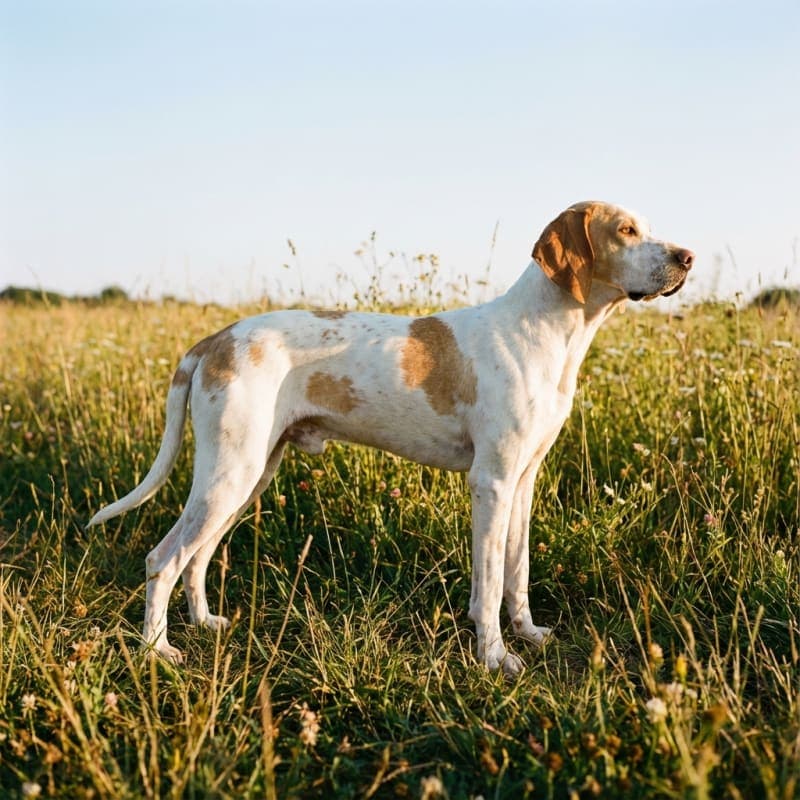
French White and Orange Hound
FCI Group
6• FCI 316
Size
Large
Origin Country
FR
Height
62-70 cm
Weight
25-35 kg
Lifespan
10-12 years
Temperament
Overview
French White and Orange Hound, also known as Français blanc et orange, is one of the oldest hunting dog breeds originating from France. This noble breed of hunting dogs was originally used for hunting game such as hares, deer, and wild boars. The first mentions of this breed date back to the Middle Ages, which attests to its long history and proven reliability in the field.
This breed belongs to the Group 6 FCI, which includes hounds, bloodhounds, and related breeds. The FCI standard no. 316 was officially published on February 1, 1982, which formally established the standards for this breed and solidified its position in the world of cynology. The French White and Orange Hound is distinguished by its noble, rustic appearance and confident character, making it both an excellent hunting dog and a wonderful family companion for active owners.
One of the most important traits of this breed is its intelligence and strong hunting instinct. These dogs require appropriate physical and mental stimulation to maintain emotional balance and happiness. Their strong bond with the owner and openness to new experiences make them relatively easy to train, although they require a consistent and patient approach. Regular training sessions and shared activities are key to their good upbringing and development.
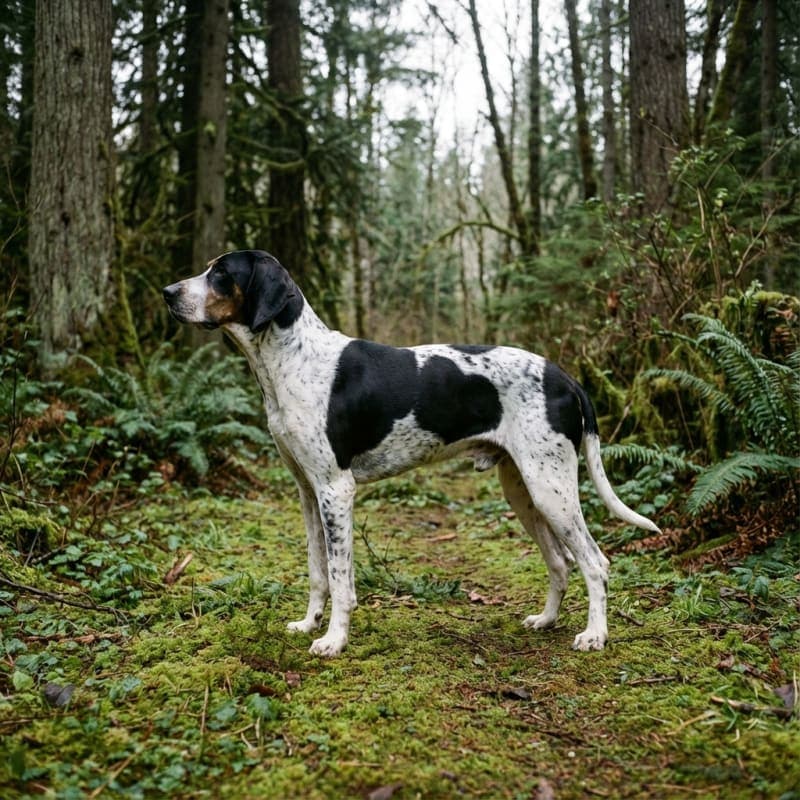
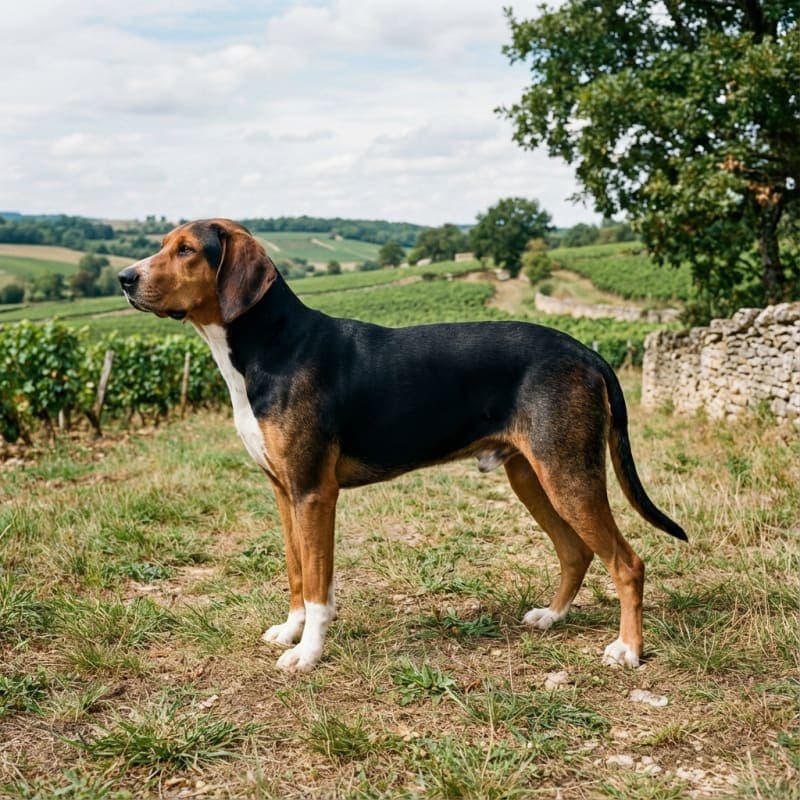
In terms of appearance, the French White and Orange Hound is a medium to large-sized dog, with a height at the withers ranging from 62 to 70 cm. Its coat is short, smooth, and soft to the touch, while the characteristic white and orange or white and lemon coloring gives it an elegant and recognizable look. These dogs are very sociable and friendly, thriving in families with children, provided they receive the appropriate amount of exercise and activity.
In the following chapters of the guide, you will find detailed information about the health, grooming, exercise requirements, training, nutrition, history, appearance, and behavior of this fascinating breed. We invite you to discover the secrets of this unique hunting breed and learn about its unique traits that make it so distinctive and valued by hunters and hound enthusiasts around the world.
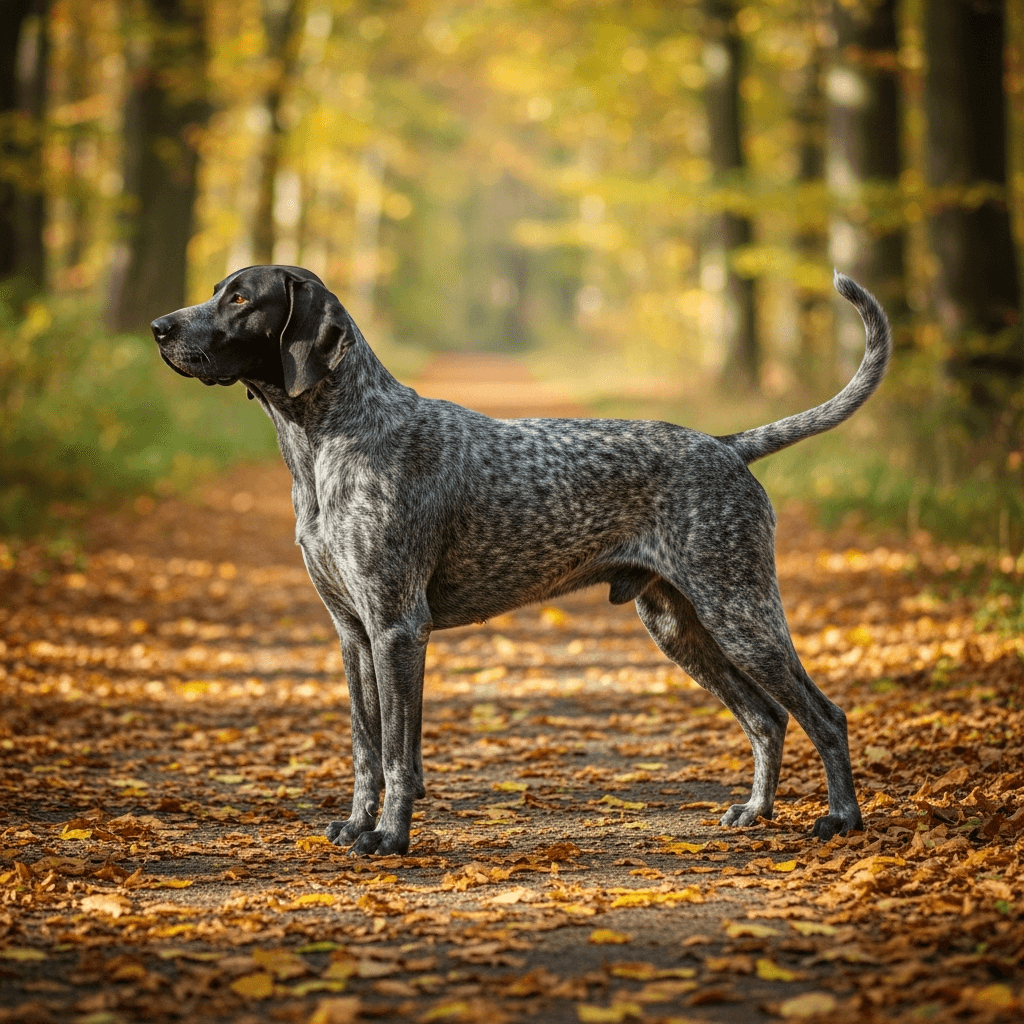
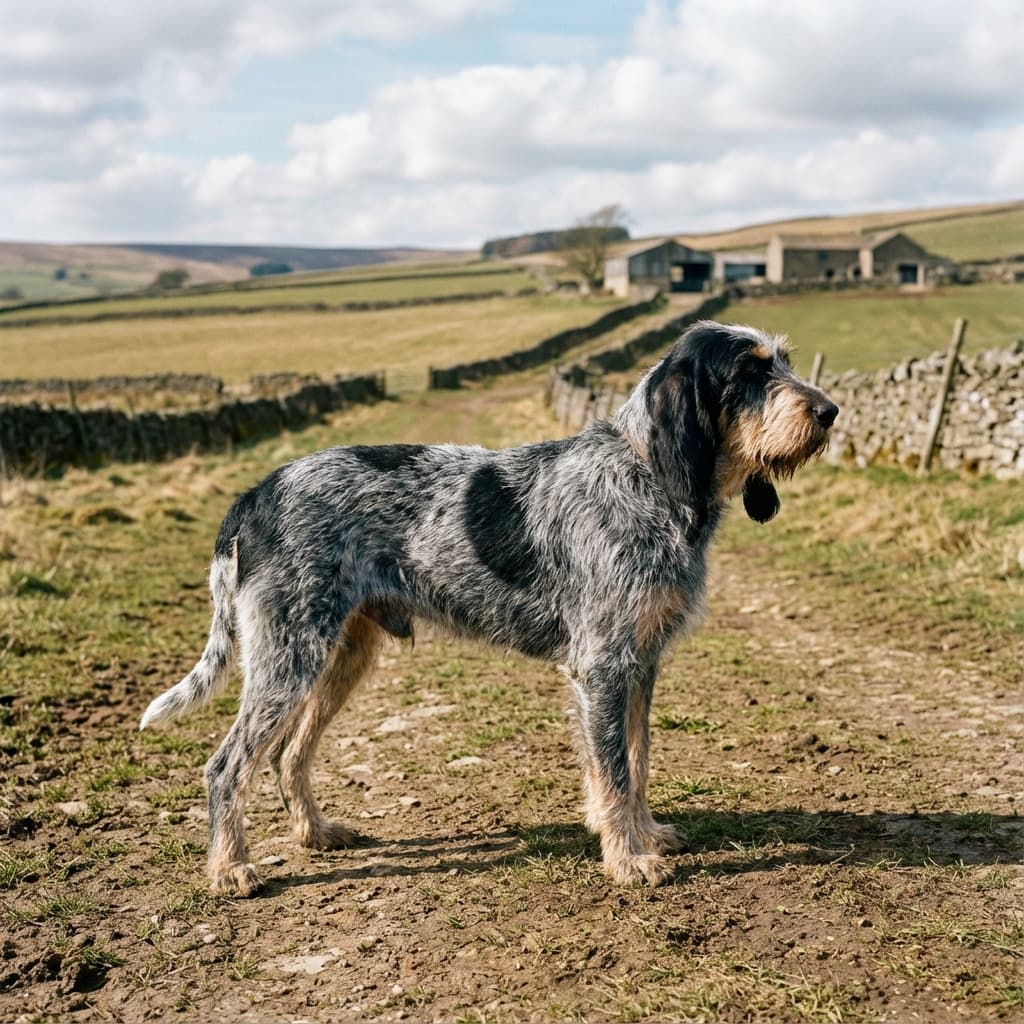
French White and Orange Hound is a dog with an elegant, proportional, and simultaneously rustic silhouette that conveys an impression of strength combined with grace. Its height at the withers ranges from 62 to 70 cm, and its weight typically reaches from 25 to 35 kg, making it a medium to large-sized dog.
Head and muzzle: It features a fairly large, moderately elongated head that is proportional to the rest of the body. The skull is slightly arched, with a barely noticeable occipital crest and non-prominent brow ridges. The stop is clearly defined, giving the dog's face a distinctive appearance. The nose is well-developed, black or orange-brown, and the muzzle is almost the same length as the skull, giving it a square appearance due to fairly pronounced lips.
Eyes and ears: The eyes are large, dark brown in color, which gives the dog an expressive and intelligent look. The ears are long, flexible, thin, and slightly twisted, set a bit below the eye line. They reach about two fingers from the base of the nose, adding charm to the dog and emphasizing its hound character.
Neck and body: The neck is straight, fairly long, with a slight dewlap. The back is wide and straight, the loins are normally arched, and the croup is rounded without drooping. The chest is wide, with well-arched ribs, providing the dog with excellent lung capacity necessary for long hunts.
Coat and coloration: The coat of the French White and Orange Hound is short, smooth, and soft to the touch. The characteristic white and orange or white and lemon coloration makes this dog look very aesthetic and elegant, being easily recognizable in the field.
Tail and limbs: The tail is long and carried gracefully. The front limbs are strong and wide, with sloping, well-muscled shoulders. The hind limbs have very muscular thighs, and the hock joints are close to the ground and slightly bent. Both front and hind paws have a hare-like shape, allowing for agile and efficient movement in any terrain.
French White and Orange Hound is a dog with a very friendly, sociable temperament, who loves the company of people and other animals. Their open and gentle nature makes them great companions in families with children, where they can be wonderful playmates and engage in outdoor activities.
They are extremely intelligent dogs that can form strong emotional bonds with their owners. Their loyalty and natural willingness to cooperate make them excellent pets for experienced owners. However, their strong hunting instinct can lead to situations where they may try to chase small animals, birds, or cats, so it is important for them to be properly socialized from a young age, preferably during the puppy stage.
The French White and Orange Hound is a very active dog that needs a lot of exercise, mental stimulation, and various tasks to prevent boredom and potential behavioral problems. Without the right amount of activity, they can become hyperactive, anxious, or destructive. By nature, they are friendly and trusting dogs, but due to their impulsive character and independence typical of hounds, training and consistency in upbringing are absolutely crucial.
In a hunting environment, the French White and Orange Hound usually works in a pack, which makes it feel comfortable in the company of other dogs. They have an excellent sense of smell and great endurance, able to work for long hours in various terrains. Upon returning home, they transform into a calm, balanced companion who values relaxation and closeness with the family.
It is worth emphasizing that this breed is not suitable for living in a small urban apartment without access to a garden or running areas. They require space and regular, long walks or training sessions to maintain harmonious coexistence within the family and to preserve a healthy mental balance.
French White and Orange Hound, like many medium and large breeds, may be prone to certain health issues, although it is generally considered a breed with good health and endurance. The most common conditions include hip dysplasia and elbow dysplasia, which can lead to pain, lameness, and limited mobility in later years.
Additionally, as with many breeds with long ears, ear infections may occur, so regular checking and cleaning of the ears are very important. Eye diseases, such as cataracts or progressive retinal atrophy (PRA), can also happen, although they are not particularly common in this breed.
Regular veterinary visits are crucial in monitoring the dog's health and early detection of potential ailments. Besides genetic predispositions to diseases, it is extremely important for owners to ensure a proper diet and adequate physical activity for their pets, which can significantly affect their overall condition and lifespan.
Proper nutrition and avoiding obesity are especially important, as being overweight can lead to many health problems, including heart disease, diabetes, and strain on the musculoskeletal system. Working dogs should be regularly checked for joint, muscle, or tendon injuries.
Therefore, regular veterinary check-ups, vaccinations, deworming, a diet appropriate for age and activity level, and sufficient physical activity are key to the health of the French White and Orange Hound, allowing it to enjoy a long, healthy, and happy life alongside its owner.
The average lifespan of this breed is typically between 12 to 14 years, which is typical for dogs of this size. With proper care and a healthy lifestyle, many individuals can live even longer, maintaining good condition into their later years.
French White and Orange Hound has a short, smooth, and delicate coat that requires relatively little grooming, making it a breed that is quite easy to maintain in terms of grooming. Regular brushing, at least once a week, will help remove dead hair and dirt, as well as keep the coat in good condition, giving it a healthy shine.
This breed does not require special trimming or clipping, but it is advisable to ensure regular baths, especially after intense walks, hunting, or playing in the mud. When bathing, it is important to use specialized dog shampoos with a gentle pH that will not irritate their delicate skin or damage the natural protective layer of the coat.
In addition to coat care, it is extremely important to take care of ear hygiene, as their length and drooping shape make them susceptible to infections. Ears should be regularly checked and cleaned with special ear cleaning solutions to prevent the buildup of moisture, bacteria, and yeast.
Eyes also require regular checks, especially after walks in dense underbrush or tall grass, where dirt can get into them. Teeth should be brushed at least 2-3 times a week with a dog toothbrush and toothpaste, which will help prevent periodontal disease, tartar buildup, and unpleasant breath.
Nails should be regularly checked and trimmed if they do not wear down naturally during walks. Overly long nails can cause discomfort, walking problems, and even joint deformities.
Taking care of the appearance and health of the French White and Orange Hound is crucial for them to enjoy a full life, health, and comfort. Regular grooming is also an excellent opportunity to check for ticks, wounds, irritations, or other concerning changes on the dog's body, allowing for early intervention if necessary.
French White and Orange Hound is a dog with a high energy level and a very large need for movement, which stems from its history as a hunting dog. Due to its strong hunting instinct and endurance, it requires a daily dose of intense activity to remain in good mental and physical condition.
They are ideally suited for long walks, intense running, hiking in the woods, as well as activities such as frisbee, retrieving, or agility. Owners should provide the dog with at least 60-90 minutes of intense exercise daily, and preferably more, especially if the dog is young and full of energy.
This breed excels in canine sports such as canicross, competitive obedience, tracking, or mantrailing, which allows for even better satisfaction of their movement needs and the utilization of their natural tracking instincts. These types of activities not only provide physical exertion for the dog but also mental stimulation, which is equally important for its well-being.
A dog that does not have enough movement and stimulation can become hyperactive, nervous, and overexcited, leading to destructive behaviors, such as destroying furniture, digging holes in the garden, or excessive barking. Therefore, it is crucial for owners of the French White and Orange Hound to be aware of its needs and to have the time and energy for daily, long activities.
It is also important to remember that the French White and Orange Hound has a very strong hunting instinct, so during walks, it should be kept on a leash or let loose only in a safe, enclosed area to avoid situations where it might wander off in search of game or scents.
Providing the right amount of exercise is not only a matter of physical health but also of building a strong bond between the dog and the owner. Shared outdoor activities are an excellent opportunity for learning, fun, and strengthening relationships, which translates into harmonious coexistence at home.
The training of the French White and Orange Hound requires consistency, patience, and a good understanding of the specifics of hound dogs. Dogs of this breed are intelligent, eager to learn and cooperate, but their strong hunting instinct and independence may sometimes cause them to ignore their owner's commands, especially when other stimuli, such as scents or sounds of wildlife, catch their attention.
Therefore, it is important to start training as early as possible, preferably during the puppy stage, and to use positive reinforcement, such as treats, praise, play, or retrieving, to encourage the dog to cooperate and learn. Methods based on punishment or coercion can be counterproductive and destroy the trust between the dog and the owner.
It is also worthwhile to introduce variety in training to maintain the dog's interest and prevent boredom. Regular training sessions lasting from 5 to 10 minutes are more effective than long, exhausting sessions that may discourage the dog from further learning.
The French White and Orange Hound responds excellently to various forms of activity and training, making it an ideal dog for learning both basic commands, such as Sit, Stay, Come, Lie Down, as well as more advanced tricks or tracking tasks.
Socialization is absolutely crucial for this breed. Dogs should be introduced to various people, animals, places, and situations from a young age to learn appropriate reactions and not develop fears or aggression. A well-socialized French White and Orange Hound is calm, balanced, and confident in any situation.
Training should also be linked to daily life, allowing the dog to learn desired behaviors in various situations, such as walking calmly on a leash, behaving appropriately during encounters with other dogs, or ignoring distracting stimuli during walks.
Spending time together training strengthens the bond between the dog and the owner, which is essential for a harmonious life with this dog. It is also worth considering enrolling the dog in a dog school or group classes, where it will have the opportunity to learn under the guidance of an experienced instructor and socialize with other dogs.
Proper nutrition for the French White and Orange Hound is crucial for its health, condition, and longevity. This breed, as an active hunting dog with high energy needs, requires a diet rich in high-quality protein and nutrients that support their intense physical activity and muscle recovery.
It is advisable to choose high-quality dog foods that contain meat as the main ingredient (preferably named meat, such as chicken, beef, or lamb), as well as healthy sources of carbohydrates, vegetables, fruits, and healthy fats like salmon oil or flaxseed oil. The food should be tailored to the dog's age (puppy, adult, senior), activity level, and any special health needs.
Depending on age, activity level, and overall health condition, the amount of food should be carefully adjusted to the individual needs of the dog. It is important to avoid overfeeding, as being overweight can lead to many serious health problems, including heart disease, diabetes, joint issues, and a shortened lifespan.
Regular meals, preferably twice a day for adult dogs and 3-4 times a day for puppies, are recommended to ensure the dog has constant access to nutrients and to avoid digestive problems. After a meal, it is advisable to provide the dog with peace and not engage it in intense physical activity for at least an hour to minimize the risk of gastric torsion, which can occur in medium and large breeds.
It is also important to ensure constant access to fresh water, especially on warm days and after intense activity, to avoid dehydration. Working dogs in the field should have the opportunity to drink more frequently.
Dietary supplementation can be beneficial, especially for older dogs, dogs with joint problems, or those working intensively. Supplements such as glucosamine, chondroitin, omega-3 fatty acids, or vitamins and minerals can support joint health, skin, coat, and overall immune system.
It is advisable to consult the diet with a veterinarian, especially if the dog has special dietary needs, food allergies, or illnesses requiring a special diet. A well-balanced diet is the foundation of health and a long life for the French White and Orange Hound.
Characteristic Traits
Pros
- Intelligence and ease of training
- Strong hunting instinct and excellent sense of smell
- Friendly and sociable character
- Excellent companion for active families
- Stamina and energy.
Cons
- Requires intense physical and mental stimulation
- Strong hunting instinct may lead to chasing animals
- Requires a consistent approach in training
- Needs plenty of time outdoors
- Not suitable for living in a small apartment.
Behavioral Ratings
Breed History
French White and Orange Hound has a long and rich history, dating back to the Middle Ages when the first hounds began to be systematically bred in France. This breed was developed in the central and southern regions of France, where its ancestors were used for hunting various types of game, including hares, deer, and wild boars.
During the Renaissance and Baroque periods, hunting with hounds was extremely popular among the French aristocracy, who valued the elegance, efficiency, and excellent sense of smell of these dogs. The French White and Orange Hound was particularly appreciated for its stamina, intelligence, and ability to work in difficult terrain, making it an indispensable companion for hunters.
In the 19th century, this breed gained significant popularity not only in France but also in other European countries, thanks to its versatility and excellent sense of smell. Over the years, the French White and Orange Hound was crossed with other hound breeds to improve its hunting traits, such as speed, endurance, and tracking ability, yet it still retained its unique characteristics and distinctive appearance.
This breed was also used in various regions of France, contributing to its diversity and adaptation to local terrain conditions and types of game. In 1982, the breed was officially recognized by the Fédération Cynologique Internationale (FCI) under standard number 316, which contributed to its popularity beyond the borders of France and the standardization of breed characteristics.
Today, the French White and Orange Hound is recognized not only as a hunting dog with excellent tracking abilities but also as a wonderful family companion that can form strong bonds with people and other animals. Although this breed is not as common as some other hound breeds, it has loyal supporters who appreciate its tradition, character, and exceptional abilities.
Nowadays, the French White and Orange Hound is still used for hunting, especially in France, where hunting traditions are deeply rooted in the culture. At the same time, this breed is gaining more and more supporters among those looking for an active, intelligent, and friendly companion dog that excels in canine sports and family life.