Irish Red and White Setter
FCI Group
7• FCI 330
Size
Medium
Origin Country
IE
Height
57-66 cm
Weight
18-25 kg
Lifespan
11-13 years
Temperament
Overview
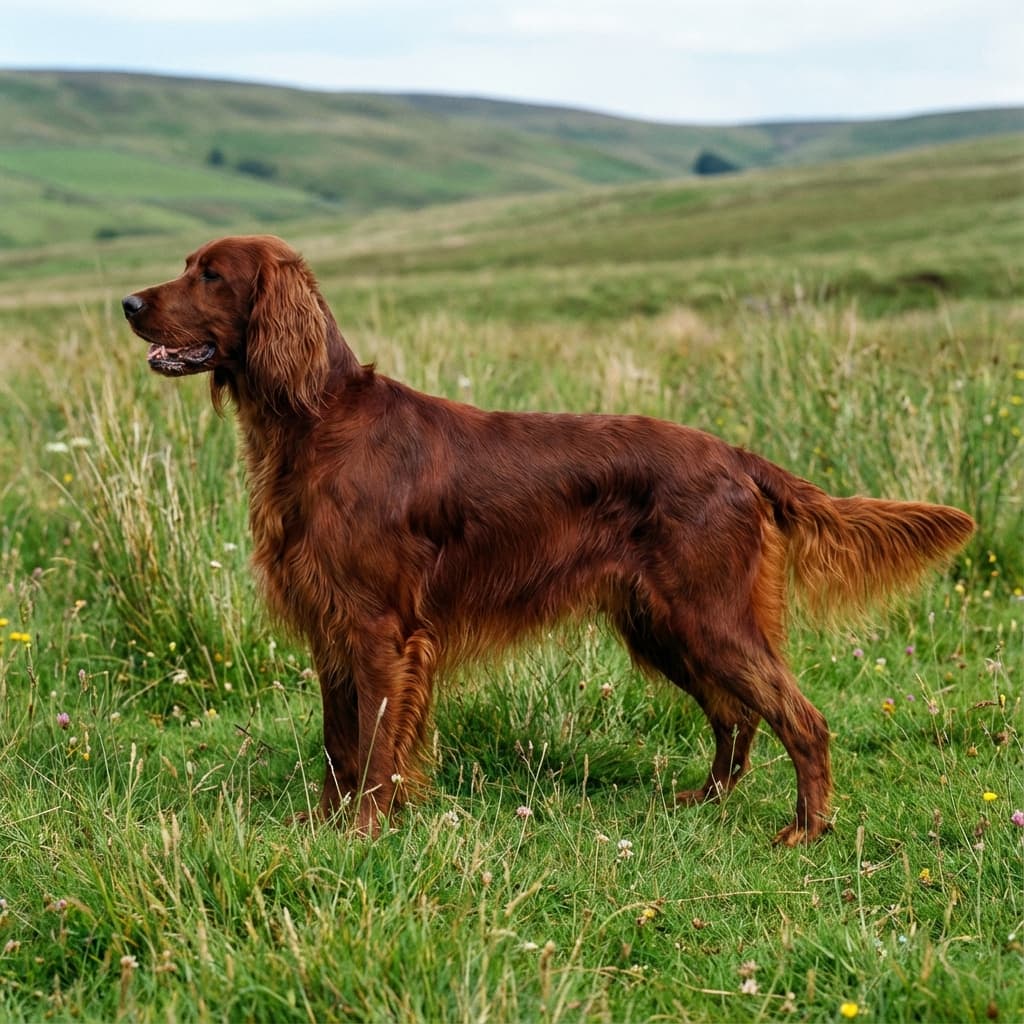
Irish Red and White Setter is an exceptional breed of hunting dogs that captivates with its classic beauty and outstanding character. Originating from Ireland, this elegant dog is distinguished by its characteristic coat that combines pure white with intense red spots. The standard of this noble breed was officially approved by the FCI on June 15, 2005, although its history dates back much further – to the late 17th century, when the Irish setter first emerged as a distinct breed.
It is worth emphasizing that the red and white setter is an older variety than its entirely red cousin, which evolved through selective breeding. In the 19th century, the red and white breed nearly became extinct, giving way to the popularity of the solid red setter. It was not until the 1920s that efforts were made to revive this valuable line, and in 1944 the first club dedicated to this breed was established. Today, thanks to the efforts of the Irish Red & White Setter Field & Show Society founded in 1981, the breed enjoys good health and is regularly showcased at exhibitions and field trials in Ireland.
The Irish Red and White Setter is a dog full of energy that loves physical activity and working in the field. It is ideally suited for active families, hunters, and couples leading a dynamic lifestyle. Its lively, intelligent temperament and innate retrieving instinct make it not only a wonderful companion at home but also an excellent partner for fieldwork. With its loyalty, gentle nature, and friendly disposition, it gets along splendidly with children and other pets. If you are looking for a dog that will be not only a faithful friend but also an energetic companion for long hikes and outdoor activities, the Irish Red and White Setter will be a perfect choice.
In appearance, the Irish Red and White Setter embodies elegant harmony. It has long, silky fur with characteristic fringes that requires regular grooming to maintain its shine and healthy appearance. Its height at the withers ranges from 57 to 66 cm, placing it in the category of medium-sized dogs with an athletic build. It is important to note that despite its aristocratic elegance, this dog is also incredibly resilient and performs well in various terrain conditions – from wet meadows to dense underbrush – which is essential for a hunting dog by nature.
In summary, the Irish Red and White Setter is a breed that harmoniously combines elegance, intelligence, outstanding hunting abilities, and a friendly disposition. It is an ideal choice for those who value an active lifestyle, are passionate about sports or hunting, and seek a loyal, intelligent companion. In the following sections of our comprehensive guide, you will learn more about health, grooming details, physical activity requirements, training methods, nutrition, fascinating history, and the behavioral characteristics of this extraordinary breed. We invite you to read on!
The Irish Red and White Setter is a dog with a harmonious and athletic body structure, which reflects its purpose as a hunting dog. The height at the withers ranges from 57 to 66 cm, with males typically being taller and more muscular than females. The weight oscillates between 18-25 kg, which, combined with their strong, muscular build, provides an ideal balance between strength and agility.
The body structure of the setter is proportional and strong, with well-developed limbs that make it exceptionally agile and enduring in the field. A strong, rectangular torso indicates a large chest capacity, which is essential for a working dog. Their limbs are long, muscular, and perfectly enable efficient, fluid movement – the setter moves with a characteristic grace and elegance that is a hallmark of this breed.
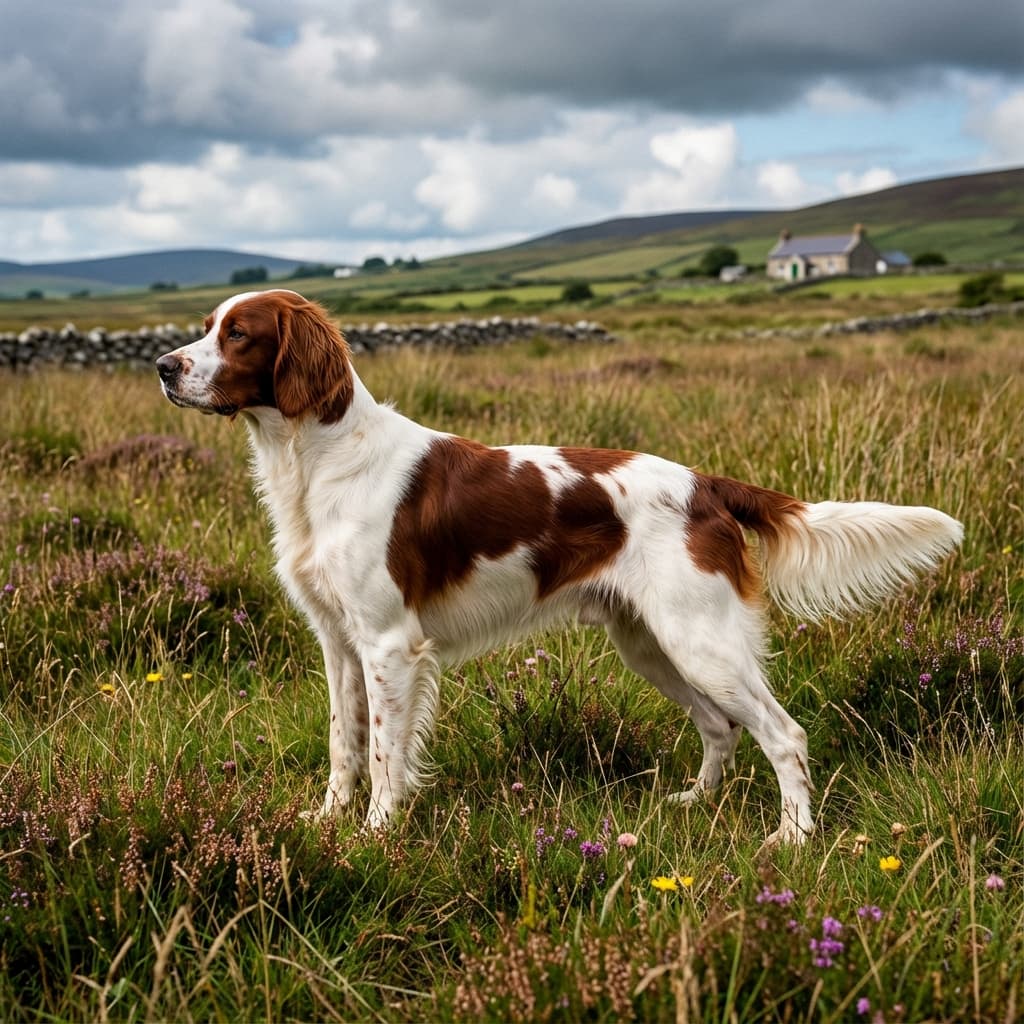
The coat of the Irish Red and White Setter is long, silky, and delicate, with distinctive, eye-catching fringes on the hind limbs, belly, chest, and ears. On the head and the front of the limbs, the coat is shorter and more fitted. The coloration is pure white with distinct red patches, which should be vividly colored and shiny. Patches may appear on the head, ears, body, and limbs. Some individuals may have small speckled spots on the white areas, which is permissible.
The head of the setter is wide and noble, with a distinct but not exaggerated stop. The muzzle is strong, square, and well-formed. The eyes are dark hazel or dark brown, giving the dog a friendly, intelligent expression. The setter's gaze is lively and attentive, reflecting its alertness and readiness to work. The ears are set low, hang along the head, and are covered with silky fur.
The neck is long, slightly arched, and strong, emphasizing the dog's aristocratic posture. The back is straight and strong, and the loins are muscular. The tail is of moderate length, set on the line of the back, and carried level or slightly below – it should never be raised above the line of the back. The tail is also adorned with impressive fringes.
Overall, the Irish Red and White Setter is the embodiment of elegant harmony and athletic build, combining beauty with functionality – every element of its appearance serves a purpose in the field while simultaneously delighting in aesthetics.
The Irish Red and White Setter is a dog with a friendly, sociable, and gentle disposition, making it an excellent companion for families as well as a working dog. They are incredibly loyal to their owners and often show strong, deep attachment to the entire family. Their temperament is lively, full of energy and enthusiasm, which makes them perfect companions for active individuals who can provide them with the right physical and mental stimulation.
Setters are also intelligent and easy to train, which makes them great family dogs, provided they receive consistent upbringing from puppyhood. They respond well to positive training methods based on rewards and praise. Although they are friendly and open towards familiar people, they can be somewhat cautious and reserved around strangers – not out of aggression, but rather from natural alertness. Therefore, early and thorough socialization is key to developing their confidence and social traits.
As hunting dogs, Irish Red and White Setters have a strongly developed hunting instinct and a natural tendency to chase small animals and birds. For this reason, it is very important that they are kept on a leash during walks in unsecured areas or in a safe, fenced yard. This same instinct makes them love games like fetch and activities that engage their sense of smell.
The Irish Red and White Setter is a dog that gets along well with children and can be a patient, gentle playmate. With proper socialization, they usually tolerate other pets well, although their natural hunting instincts may require supervision when interacting with small animals. The key to a happy setter is providing them with the right amount of exercise, mental stimulation, and companionship – they are very social dogs that do not tolerate prolonged solitude. Without proper engagement, they may develop behavioral issues such as excessive barking, destructive behavior, or hyperactivity.
In summary, the Irish Red and White Setter is a friendly, energetic, and intelligent companion that thrives in active homes where it can fulfill its natural needs as a working dog while enjoying close contact with the family.
The Irish Red and White Setter is generally a healthy and resilient breed of dog, with an average lifespan of 11 to 15 years – with proper care and a healthy lifestyle, some individuals may live even longer. Like all breeds, setters can be prone to certain genetic and hereditary diseases, which is why choosing a responsible breeder who conducts health tests on their breeding dogs is so important.
The most common health issues that may occur in this breed include:
- Hip Dysplasia (HD) – a condition involving the improper development of the hip joint, which can lead to pain and mobility issues. Responsible breeders perform X-rays and test the parents before breeding.
- Gastric Dilatation and Volvulus (bloat, GDV) – a serious, life-threatening condition that breeds with deep chests are predisposed to. Symptoms include a distended abdomen, excessive drooling, attempts to vomit without success, and restlessness. It requires immediate veterinary intervention.
- Cataracts – an eye condition leading to gradual clouding of the lens, which can develop in older age and lead to vision deterioration.
- Progressive Retinal Atrophy (PRA) – a hereditary eye disease leading to gradual vision loss.
- Hypothyroidism – an underactive thyroid condition that can cause weight gain, lethargy, and skin problems.
Setters are characterized by their great strength and energy, but their rapid growth and activity in young age can lead to joint problems. For this reason, it is very important not to over-exert puppies with intense training in the first year of life – bones and joints need time to develop properly. Moderate, controlled exercise is key.
Setters tolerate a moderately cool climate well due to their dense coat, but they may have issues in very hot, humid climates. On hot days, they should have access to cool, fresh water, shade, and exercise intensity should be limited to cooler parts of the day (morning or evening).
Regular veterinary visits, health prevention (vaccinations, deworming, external parasite control), a balanced diet, and an appropriate amount of exercise are the foundations of a long, healthy life for the Irish Red and White Setter. It is also worth considering health insurance for the dog, which can help cover the costs of unexpected medical procedures.
Grooming an Irish Red and White Setter is an essential aspect of care that requires regularity and commitment, but is not overly demanding. Their long, silky coat, which is flat or slightly wavy, requires brushing a minimum of 3-4 times a week to prevent tangling, matting, and excessive shedding. During periods of heavier shedding, which typically occur twice a year (spring and fall), daily brushing is necessary.
For grooming a setter, it is best to use appropriate tools:
- A natural bristle brush or pin brush for daily brushing
- A metal comb with widely spaced teeth for fringes and longer hair
- A furminator or rake for removing dead undercoat during shedding
- Scissors for trimming hair between the pads of the paws
Baths should be given as needed, usually every 6-8 weeks or when the dog is dirty. Excessive bathing can strip the coat of its natural protective oils and lead to dry skin. A mild shampoo designed for long-haired dogs should be used. After bathing, it is important to dry thoroughly, especially in areas with dense fringes.
Particular attention should be paid to ear care – the long, drooping ears of setters are prone to infections due to limited air circulation. Ears should be regularly checked for redness, unpleasant odor, or excessive wax buildup, and gently cleaned with special ear hygiene solutions for dogs. Never insert cotton swabs deeply into the ear.
Regular nail trimming is essential if the dog does not naturally wear them down during walks. Nails should be trimmed every 3-4 weeks to ensure comfort while walking and to prevent posture problems. Hair growing between the pads of the paws should also be trimmed to prevent dirt accumulation and matting.
Oral hygiene is equally important – regular tooth brushing (2-3 times a week) helps prevent tartar buildup and gum disease. Dental chews and toys can also be used.
Keeping an Irish Red and White Setter clean and healthy not only positively affects their appearance and well-being but also strengthens the bond between the dog and the owner and allows for early detection of potential health issues during routine grooming activities.
The Irish Red and White Setter is a breed with high physical activity requirements, being a hunting dog by nature that needs regular, intense exercise to maintain physical health and mental balance. As a working dog in the field, they require a minimum of 1.5-2 hours of intense activity daily – leisurely walks around the block are not enough; setters need the opportunity to run, explore, and expend their energy.
They are ideally suited for a variety of outdoor activities:
- Long walks and hikes in varied terrain – forests, meadows, fields
- Running alongside a bicycle or as a companion for a jogger (after reaching one year of age)
- Playing fetch with balls, frisbees, or training dummies
- Cynological sports – agility, flyball, rally obedience
- Field trials and hunting training – the most natural form of activity for this breed
- Swimming – most setters love water and it is excellent low-impact exercise for their joints
- Scent games – hiding treats, nosework, tracking
It is extremely important to allow setters to explore and play freely in a safe, fenced area where they can run off-leash. Without proper exercise and stimulation, they can become overly excited, frustrated, or develop destructive behaviors such as furniture destruction, excessive barking, or escaping.
Regular exercise not only helps maintain physical condition and proper weight but also stimulates the setter's mind – which is particularly important for this intelligent, sensitive breed. A physically and mentally tired setter is a happy, balanced dog that will be a calm, relaxing companion at home.
It is worth noting that puppies and young dogs (up to 12-18 months) should not be overworked with intense, prolonged exercises like running on hard surfaces or jumping, as their bones and joints are still developing. Instead, the focus should be on short, moderate play and training sessions spread throughout the day.
In summary, the Irish Red and White Setter is a dog for active people who value spending time outdoors and can provide their dog with the right amount of exercise and adventure every day.
The training of the Irish red and white setter should be based on positive reinforcement methods, which utilize rewards, praise, and motivation instead of punishment and dominance. These dogs are intelligent, sensitive, and quick to learn new commands, but they are also known for their certain independence and independent thinking – traits that were desirable in hunting dogs working alone in the field.
Key training principles for the Irish red and white setter:
- Early socialization – from 8 to 16 weeks of age, the puppy should be regularly exposed to various stimuli: people, animals, sounds, places, and situations. This builds confidence and reduces fears.
- Consistency – setters need clear, consistent rules. Every family member should adhere to the same guidelines.
- Short, intense sessions – 10-15 minutes of training several times a day is more effective than a long, exhausting session. Setters tend to get bored quickly with repetitions.
- Positive reinforcement – reward desired behaviors immediately with treats, praise, or toys. Ignore undesirable behaviors or redirect the dog's attention.
- Avoid harsh methods – setters are sensitive and react poorly to yelling, physical punishment, or negative corrections, which can lead to anxiety and behavioral problems.
Owners should remember that the Irish red and white setter responds well to positive reinforcements, such as:
- High-value treats (pieces of chicken, cheese, special training treats)
- Enthusiastic praise in a high-pitched voice
- Toys and play as a reward (especially retrieving)
- Access to activities the dog loves (e.g., running in fields)
Basic commands that every setter should know:
- Sit and Lie down – basic control positions
- Stay and Wait – develop self-control and patience
- Come (recall) – absolutely crucial command for a breed with a strong hunting instinct
- Leave it and Drop it – safety and control over objects
- Loose leash walking – essential for comfortable daily walks
Due to the natural hunting instinct, it is particularly important to intensively train the recall command Come in various conditions and with increasing distractions. Without solid recall, the setter may ignore the owner when it picks up a scent.
Irish red and white setters excel in canine sports, such as agility, flyball, obedience, or field trials, which combine training with physical effort and mental stimulation. Regular training sessions that are fun, engaging, and varied yield the best results and help maintain the dog's attention.
Remember: patience, consistency, and a positive attitude are the keys to success in training the Irish red and white setter.
A proper, balanced diet is crucial for the health, condition, and longevity of the Irish red and white setter. Due to their active lifestyle and high energy requirements, they need high-quality food rich in animal protein, healthy fats, and essential vitamins and minerals to support their energy, muscle development, and overall health.
Key nutrition principles for the Irish red and white setter:
- High-quality protein – the main ingredient should be meat (chicken, beef, turkey, lamb, fish). Avoid foods where the main ingredient is grains or processed meat products.
- Healthy fats – omega-3 and omega-6 fatty acids support healthy skin, a shiny coat, and cognitive functions. Sources: salmon oil, flaxseed oil, poultry.
- Low glycemic index carbohydrates – sweet potatoes, brown rice, oats provide stable energy without spikes in blood sugar.
- Fruits and vegetables – a source of fiber, vitamins, and antioxidants. Safe options: carrots, broccoli, apples (without seeds), berries.
- Avoid artificial additives – colorings, preservatives, fillers, and low-quality by-products.
Owners should adjust the amount of food to the individual needs of the dog, considering:
- Age – puppies need more calories and nutrients to support growth. Adult dogs have stable needs. Seniors may require fewer calories but more support for their joints.
- Weight and condition – regular monitoring of weight and body condition (ribs should be felt but not visible; waist should be defined).
- Activity level – working or very active dogs need more calories than dogs with lower activity levels.
- Health status – illnesses may require special veterinary diets.
Recommended feeding schedule:
- Puppies (2-6 months) – 3-4 meals a day
- Young dogs (6-12 months) – 2-3 meals a day
- Adult dogs (from 12 months) – 2 meals a day
Very important: setters are a breed predisposed to bloat and gastric torsion, so precautions should be taken:
- Serve smaller, more frequent meals instead of one large meal
- Avoid intense exercise immediately before and after feeding (wait 1-2 hours)
- Do not allow the dog to drink large amounts of water at once after intense exercise
- Use slow-feeding bowls for dogs that eat too quickly
- Avoid stress during meals
It is also important to remember about proper hydration – ensure the dog has constant access to fresh, clean water, especially after exercise and on hot days. Setters are active dogs and can quickly become dehydrated during intense work.
Regular consultations with a veterinarian can help tailor the diet to the individual needs of the dog at different stages of life. Some owners choose a BARF diet (raw meat and bones), while others prefer premium kibble – the key is the quality of the ingredients and adjustment to the specific dog.
Avoid feeding table scraps and foods toxic to dogs, such as: chocolate, grapes/raisins, onions, garlic, xylitol, avocados, alcohol.
Characteristic Traits
Pros
- Friendly and gentle nature
- High intelligence
- Energetic and lively
- Loyal to family
- Excellent hunting skills
- Good with children.
Cons
- Requires a lot of movement and activity
- Needs regular coat care
- Rarely seen breed
- Strong hunting instinct requires control
- Can be independent during training.
Behavioral Ratings
Breed History
The Irish Red and White Setter has a long and fascinating history that dates back to the late 17th century when the breed of Irish setters first emerged as a distinct group of hunting dogs on the Emerald Isle. It is worth noting that the red and white variety is older than its entirely red cousin, which evolved later through selective breeding aimed at intensifying the red coloration.
For most of the 18th and early 19th centuries, the Irish Red and White Setter was the dominant variety of setters in Ireland, valued by hunters for its outstanding abilities in the field – excellent scenting, endurance, retrieving instinct, and characteristic pointing of game. These dogs worked in the open spaces of Irish meadows and wetlands, assisting in hunting birds, particularly pheasants and partridges.
However, by the mid-19th century, as Irish setters began to appear at dog shows, breeders' interest started to shift towards the more spectacular, solid red coloration. The intense mahogany red became fashionable, and the red and white variety gradually lost popularity. By the end of the 19th century, the Irish Red and White Setter had become extremely rare, and some breeders and experts even considered it to be extinct.
Fortunately, in the 1920s, a group of dedicated enthusiasts and breeders undertook heroic efforts to recreate and preserve this valuable, historical breed. They searched for the last purebred individuals in remote parts of Ireland, particularly in counties where hunting traditions were deeply rooted. Slow, patient reconstruction work began to yield results.
In 1944, the breed had revived enough to establish the first club dedicated to Irish Red and White Setters, marking a milestone in its restoration. However, a true breakthrough occurred in 1981 when the Irish Red & White Setter Field & Show Society was founded – an organization that continues to play a key role in promoting, protecting, and developing the breed as both show and working dogs.
Thanks to the efforts of this association and devoted breeders, the Irish Red and White Setter has regained its position and is regularly showcased at dog shows and field trials in Ireland and beyond. The breed has been officially recognized by the Fédération Cynologique Internationale (FCI) and is classified in Group 7 (Pointing Dogs), Section 2 (British and Irish Pointers and Setters).
Today, the Irish Red and White Setter enjoys growing popularity among hunters who appreciate its skills in the field, as well as among families looking for an energetic, friendly companion. Although it is still less popular than its entirely red cousin, the breed has a loyal and passionate community of breeders and owners who are committed to preserving its unique character, hunting abilities, and temperament.
The history of the Irish Red and White Setter is a story of survival, determination, and triumph – proof that through the commitment of people, even breeds on the brink of extinction can be saved and restored. It is also a reminder that a dog's value lies not only in its appearance but primarily in its function, character, and working abilities.