Wolfspitz
FCI Group
5• FCI 97D
Size
Medium
Origin Country
DE
Height
43-55 cm
Weight
20-30 kg
Lifespan
12-15 years
Temperament
Overview
The Wolfspitz, also known as Keeshond or Wolfspitz, is one of the oldest and most fascinating dog breeds in Central Europe. Its origins date back to prehistoric times when its ancestors, moor dogs, were inseparable companions of humans during the Stone Age. The Wolfspitz comes from Germany and has served for centuries as a reliable guardian and a loyal family companion. Its unique character traits and exceptional intelligence make it extremely popular among dog lovers worldwide.
What distinguishes the Wolfspitz from other breeds? Above all, its lively disposition and sharp mind. Thanks to its high intelligence, it is easy to train and quickly learns new commands, making it an ideal partner for obedience training. It is a medium-sized dog that attracts attention with its characteristic, fox-like head and alert, intelligent almond-shaped eyes. Its appearance is complemented by a lush, dense coat consisting of two layers: long guard hairs and a short, thick undercoat. This coat structure allows the Wolfspitz to adapt perfectly to various weather conditions, including freezing winters, making it an ideal companion both at home and during outdoor activities.
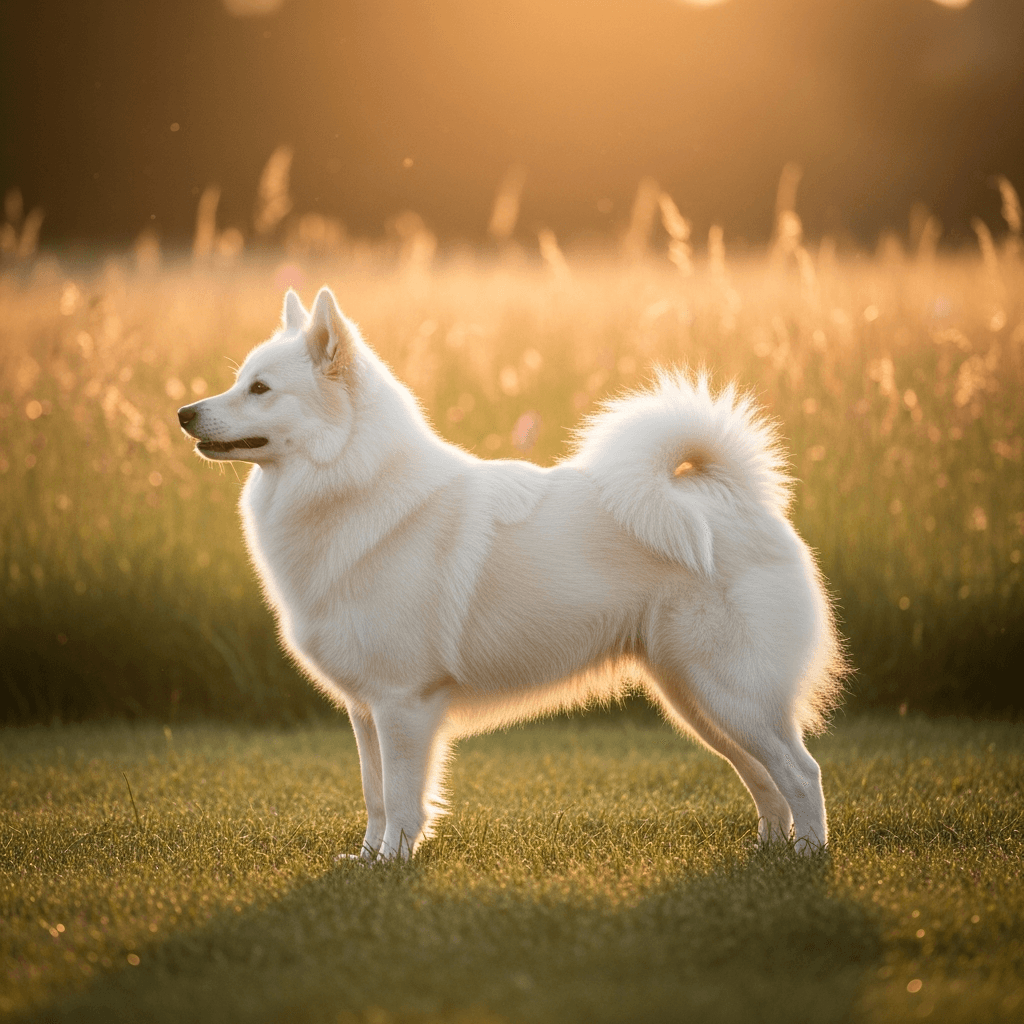
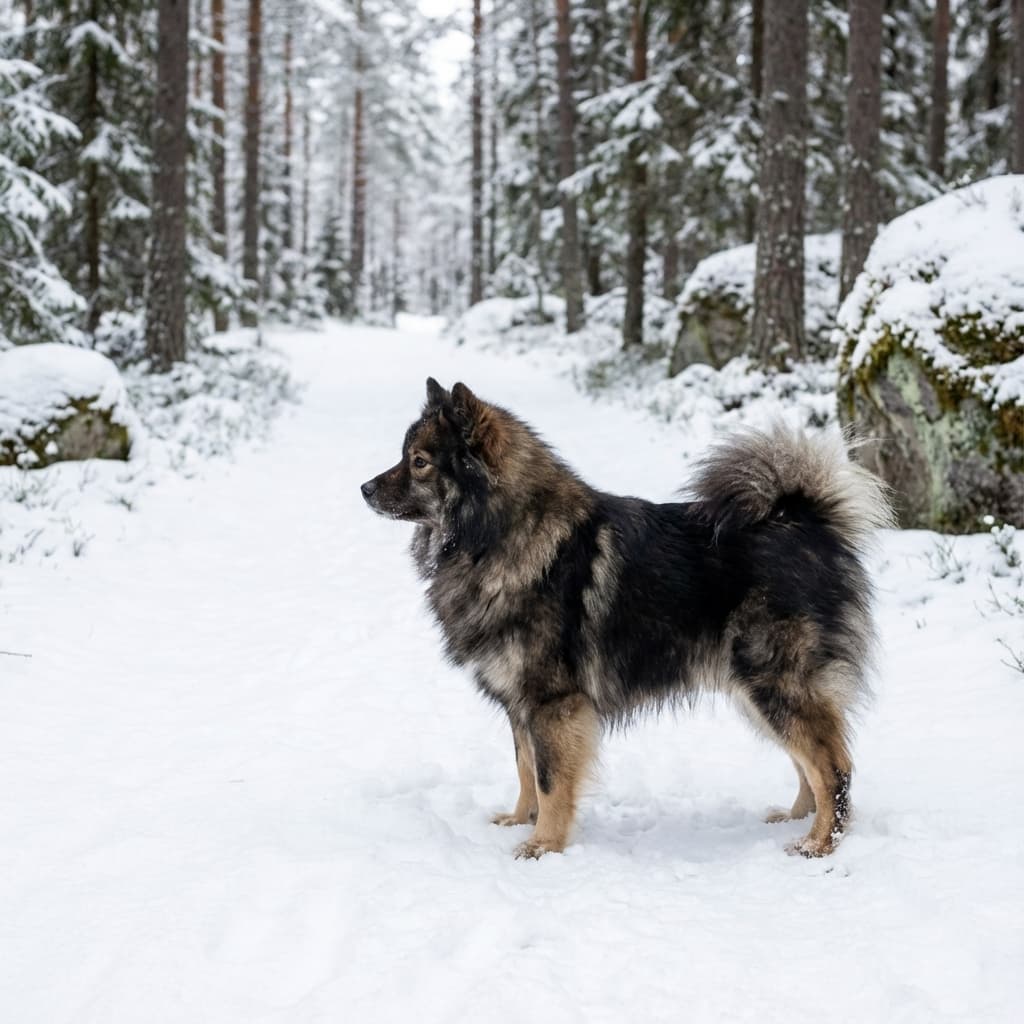
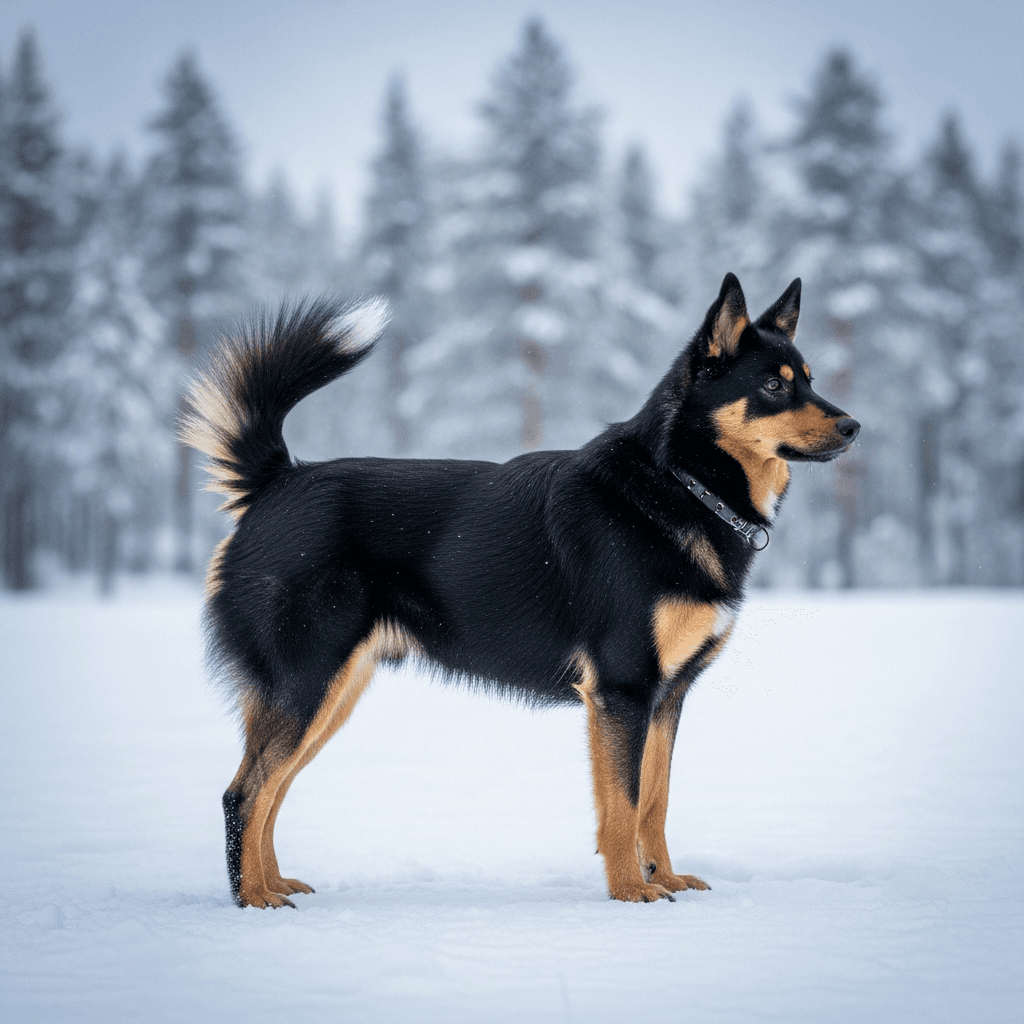
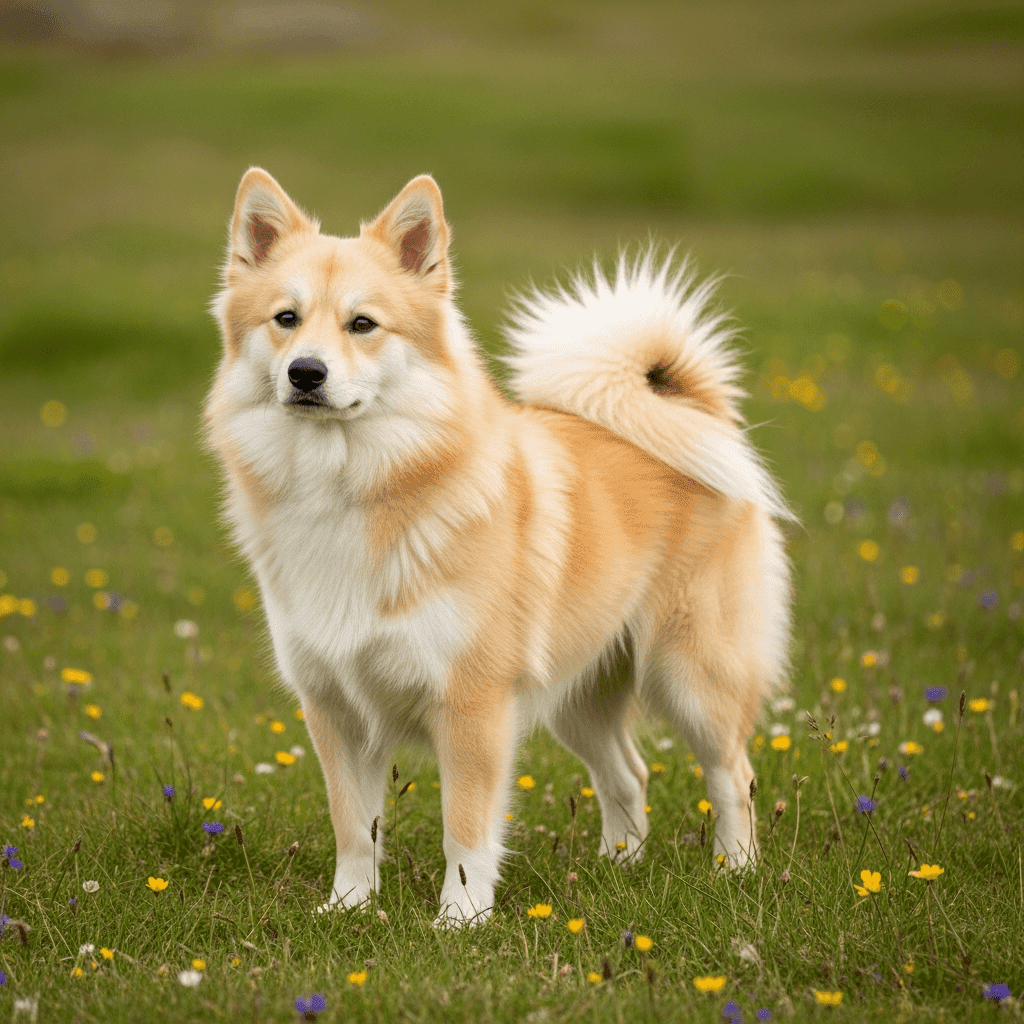
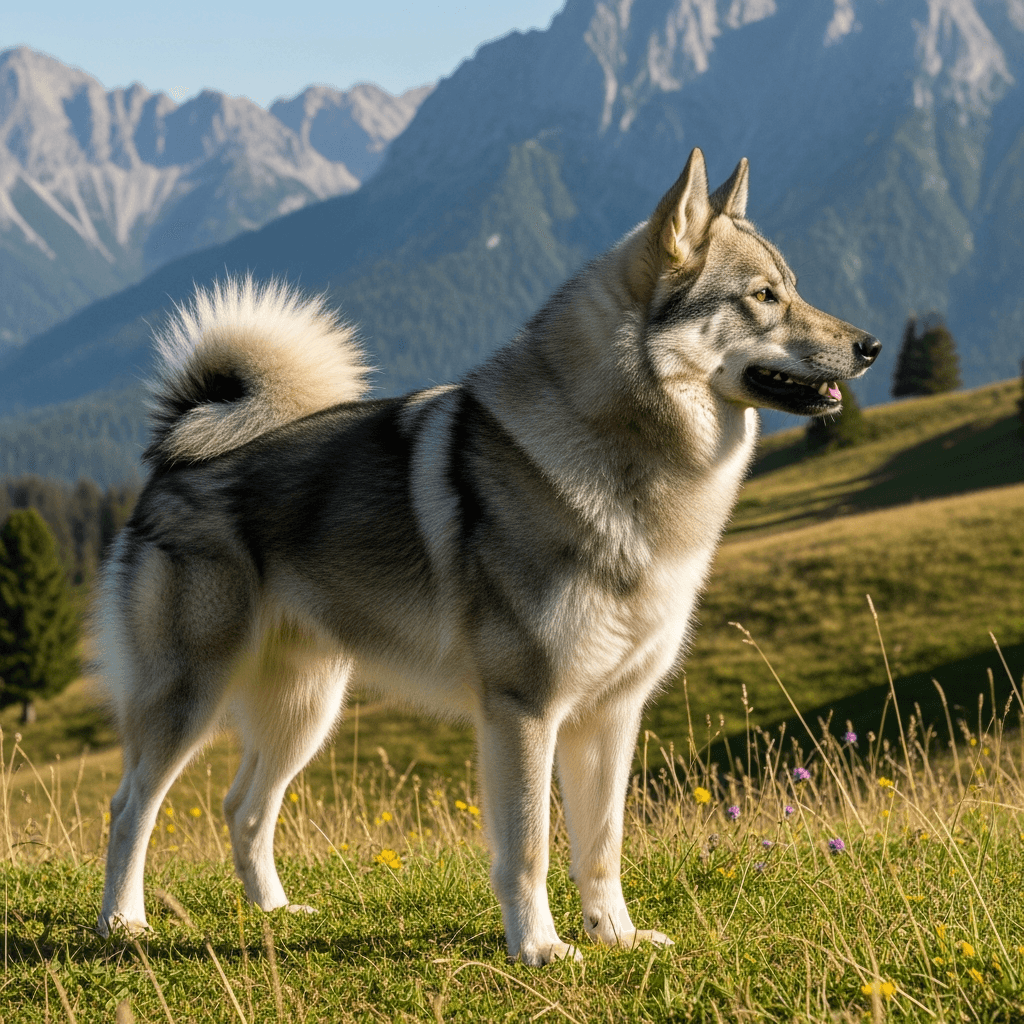
A characteristic feature of the Wolfspitz's appearance is its proudly carried tail, richly feathered and curled over its back like a plume, which adds elegance and charm. The typical coat color is gray shaded with black-tipped hairs, although variations in other colors can also be found. Its temperament is extremely friendly and devoted. The Wolfspitz is a loyal and affectionate companion that forms strong emotional bonds with its family, making it an ideal family dog. At the same time, its natural distrust of strangers and alertness make it an excellent watchdog, alerting owners to any unusual situations.
In summary, the Wolfspitz is a breed that combines a rich, centuries-old history, a unique and recognizable appearance, and wonderful character traits. Its presence in the home brings much joy due to its sociable nature while also providing a sense of security. We encourage you to further explore this extraordinary breed to discover all its secrets—from health, grooming, and physical activity to nutritional requirements, as well as its fascinating history and complex behavior.
The wolf spitz is a medium-sized dog that stands out with its characteristic features. Its head is proportional to its body, with a distinctly fox-like shape, having a broad skull that gradually narrows towards the nose. The eyes are dark, medium-sized, almond-shaped, giving the dog a alert and intelligent expression. The ears are small, triangular, always held upright, emphasizing the lively and feisty character of this breed.
The coat of the wolf spitz is its hallmark – thick and double, consisting of long, straight guard hair and a short, dense undercoat that provides excellent thermal insulation. The most typical color is gray shaded (wolf gray), with characteristic darker tips of the hairs that create a "shaded" effect. Around the neck and on the nape, a prominent mane resembling a lion's mane forms, giving the dog a majestic appearance.
The tail is medium-length, set high, and elegantly curled over the back, abundantly furred, which is a distinctive element of its silhouette. The body is well-built and proportional, with strong, muscular limbs, making the dog agile and springy in movement. Overall, it gives the impression of a harmoniously built, elegant animal with a pronounced, wolf-like character.
The wolf spitz is characterized by a friendly and lively temperament, which makes it an excellent family dog. This animal is extremely devoted to its owner, loving to be in the company of people and other animals. It is alert and intelligent, which predisposes it to serve as an excellent guard dog – it quickly reacts to unusual sounds and situations, warning the household with loud barking.
Wolf spitzes are known for their social disposition and enjoy being at the center of family life. Their natural sense of humor and joyful approach to life make them wonderful playmates. Despite their energetic character, they are also emotionally balanced and do not show tendencies toward aggression – both towards people and other animals.
In relationships with children, wolf spitzes are gentle, patient, and caring, making them ideal dogs for families with small children. However, proper socialization from a puppy age and consistent training are important to avoid behavioral issues such as excessive barking or overprotectiveness. With the right approach, the wolf spitz develops into a balanced, obedient, and joyful companion for many years.
The Wolf Spitz, like many purebred dogs, can be prone to certain health issues, although it is generally regarded as a healthy and long-lived breed. Regular veterinary care and awareness of potential health problems characteristic of this breed are crucial.
The most common health issues include:
- Hip dysplasia – a congenital defect of the joint structure that can lead to pain and lameness; regular orthopedic check-ups and maintaining a proper body weight help minimize the risk
- Ophthalmic problems – cataracts and progressive retinal atrophy (PRA) may occur in older individuals; annual eye examinations are recommended
- Skin diseases – dense fur predisposes to dermatological issues such as allergies or bacterial infections; regular grooming and hygiene are essential
- Hypothyroidism – an underactive thyroid can affect metabolism and coat condition; it requires hormonal diagnostics and replacement therapy
A proper diet, regular physical activity, and consistent veterinary care can effectively prevent many ailments. With proper care, the Wolf Spitz can enjoy good health and live up to 12-15 years. Regular vaccinations, deworming, flea and tick prevention, and annual check-ups with the veterinarian are the foundation of a long and healthy life.
Grooming a wolf spitz requires regular commitment, mainly due to its dense, double coat. Proper grooming not only enhances the dog's appearance but also positively affects its health and comfort.
Brushing the coat is crucial – it is recommended at least 2-3 times a week to remove dead hair, prevent matting, and stimulate the natural production of oils. During heavy shedding periods (spring and autumn), daily brushing may be necessary as the dog loses a significant amount of undercoat. It is best to use brushes with metal pins and combs with varying tooth densities.
Bathing should not be too frequent – once every 2-3 months or as needed when the dog gets dirty is sufficient. Use only specialized dog shampoos to avoid disrupting the natural lipid protective layer of the skin. After bathing, thoroughly dry the coat, preferably with a hairdryer on a low setting.
Additional grooming elements:
- Ear hygiene – regular checking and cleaning with dog cosmetics prevents infections
- Eye hygiene – gently wiping with a damp gauze removes discharge and prevents irritation
- Oral hygiene – brushing teeth 2-3 times a week reduces tartar and protects against periodontal diseases
- Nail trimming – once a month or as needed to ensure proper gait and comfort
Caring for regular grooming ensures that the wolf spitz looks beautiful and feels healthy.
The wolfspitz is a dog with moderate exercise needs, but it requires daily physical activity to maintain good physical and mental condition. Every day, it should have at least 45-60 minutes of activity, which can be divided into several shorter sessions.
Ideal forms of activity include:
- Walks – daily strolls, preferably in varied terrain (park, forest, meadows), allow the dog to explore and provide mental stimulation
- Garden games – fetching a ball, toy, or frisbee is an excellent way to release energy
- Interactive games – puzzle toys, searching for treats, or scent exercises engage the dog's intellect
- Dog sports – wolfspitzes excel in agility, obedience, rally-o, and dog dancing
- Social gatherings – interaction with other dogs during playtime supports socialization and brings joy
Wolfspitzes are energetic and cheerful, which is why variety in daily activities is important. Regular physical and mental challenges prevent boredom and behavioral problems, such as excessive barking or destructive behaviors. With the right amount of exercise, the wolfspitz will be healthy, happy, and balanced, and the owner will strengthen their bond through shared activities.
The wolf spitz is a remarkably intelligent dog, which makes the training process usually enjoyable and satisfying for both the dog and the owner. This breed shows a great willingness to cooperate, but it can also exhibit a certain degree of stubbornness and independence, so consistency and patience are key.
Start training as early as possible – ideally from 8-10 weeks of the puppy's life. The basic principles of effective wolf spitz training are:
- Positive reinforcement – reward desired behaviors with treats, praise, and play; avoid physical punishment that can harm the relationship
- Short training sessions – 10-15 minutes several times a day yields better results than long, exhausting exercises
- Variety – change exercises and locations to keep the dog's attention and prevent routine
- Consistency – all household members should use the same commands and rules to avoid confusing the dog
Wolf spitzes quickly learn new commands and eagerly perform various tricks, making training a form of play. Basic commands (Sit, Lie down, Stay, Come, Down) should be mastered in the first months of life.
Socialization is just as important as obedience. From a young age, the dog should be exposed to various stimuli: other people, animals, vehicles, city noises. This will help develop a balanced, confident companion who will not be overly nervous or distrustful. Regular participation in obedience courses or group training sessions further strengthens the bond between the dog and the owner.
The diet of a wolf spitz should be well-balanced and tailored to its age, activity level, and health condition. Proper nutrition has a crucial impact on the dog's condition, coat, energy, and longevity.
Basic nutrition guidelines:
- High-quality food – choose premium or super-premium foods that contain an appropriate amount of animal protein (min. 25%), fats, vitamins, and minerals; check the ingredients, avoiding artificial colors and preservatives
- Meal frequency – feed puppies (up to 6 months old) 3-4 times a day, adult dogs 2 times a day; regular feeding times facilitate digestion and weight control
- Portions adjusted to weight and activity – the average adult wolf spitz weighs 20-30 kg and needs about 1000-1400 kcal per day; active dogs require larger portions, less active ones – smaller
- Fresh water – the dog should have constant access to clean, fresh water, especially on warm days and after physical activity
What to avoid:
- Table scraps – many foods consumed by humans are harmful to dogs (chocolate, onions, garlic, grapes, avocados, xylitol)
- Excessive treats – treats should not make up more than 10% of the daily calorie intake
- Sudden diet changes – introduce new foods gradually over 7-10 days to avoid stomach issues
Regular monitoring of body weight and physical condition helps prevent obesity, which can lead to health problems such as joint dysplasia or diabetes. If in doubt about the diet, consult a veterinarian who can help you choose an optimal feeding plan for your wolf spitz.
Characteristic Traits
Pros
- Intelligent and easy to train
- Friendly and devoted family companion
- Resilient to various weather conditions
- Excellent guard dog
- Long-lived and generally healthy.
Cons
- Requires regular coat care
- May be wary of strangers
- Prone to frequent barking
- Needs daily physical and mental activity.
Behavioral Ratings
Breed History
The Wolfspitz, also known as Keeshond in English-speaking countries, has a long and fascinating history that dates back to prehistoric times. This breed originates from the area of Germany and the Netherlands and is a descendant of the Stone Age peat dogs and later palisade spitzes that accompanied the first human settlers in Central Europe.
In the Middle Ages, wolf spitzes served various roles – they were guard dogs on farms, protecting property from predators and unwanted guests, as well as faithful companions to families. Their alertness, intelligence, and resilience to harsh weather conditions made them valued by both peasants and townspeople.
The true rise in popularity of the wolf spitz occurred in the 18th century in the Netherlands, where the breed became a political symbol for patriots fighting for independence. The name Keeshond comes from the leader of the patriotic movement – Cornelis (Kees) de Gyseleaer, who had such a dog as his companion. Since then, the wolf spitz has become the unofficial national dog of the Netherlands, associated with Dutch identity and tradition.
In the 19th and 20th centuries, the breed spread to other European countries and to the United States, where it gained recognition as a companion and show dog. In 1930, the first breeders' club was established in the UK, followed by one in the USA, which contributed to the standardization of the breed's appearance and character.
Today, the wolf spitz enjoys great recognition worldwide – both as a family dog and as a participant in various dog sports. Its rich history, combined with beauty, intelligence, and loyalty, makes it one of the most valued and recognizable spitz breeds.