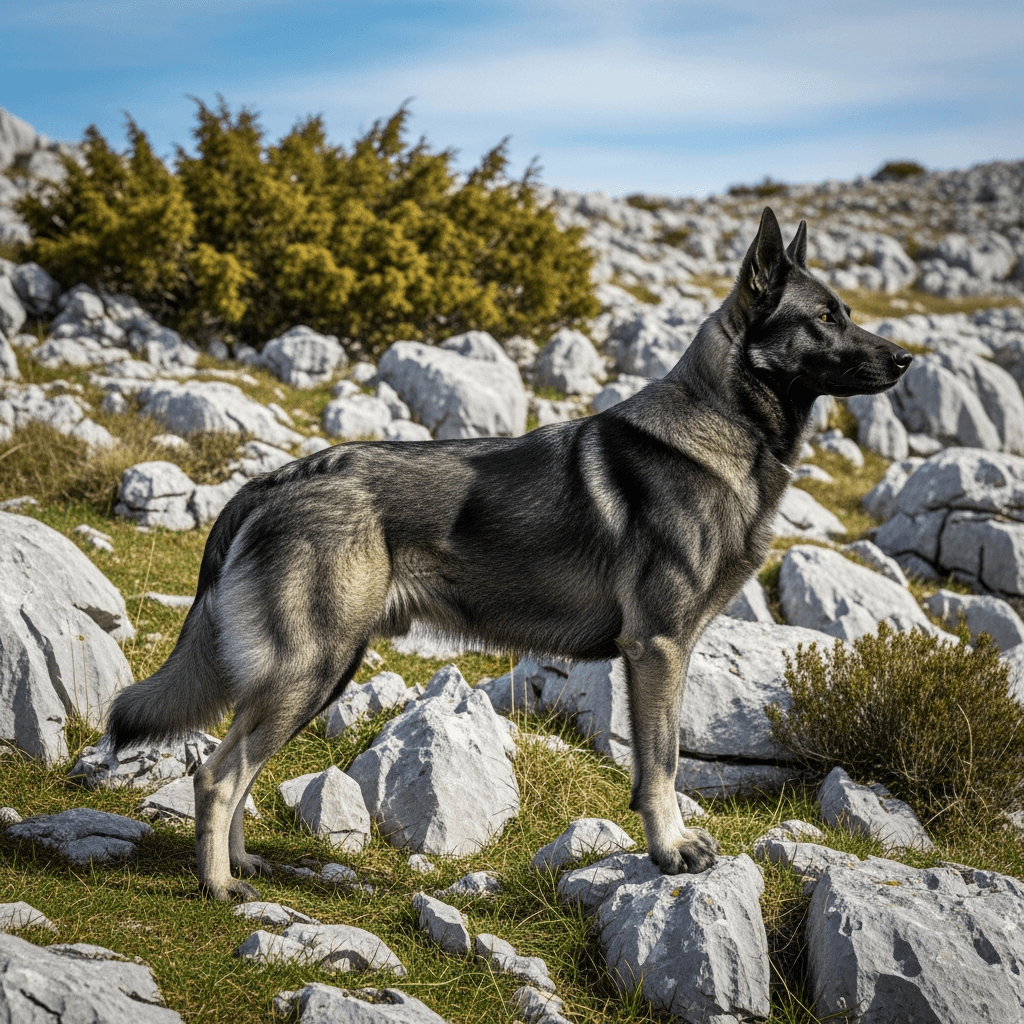
Kraski Ovcar
FCI Group
2• FCI 278
Size
Medium
Origin Country
XX
Height
54-63 cm
Weight
25-42 kg
Lifespan
12-14 years
Temperament
Overview
Kras Ovcar, also known as Shepherd from Karst, is a fascinating breed of herding dogs originating from picturesque Slovenia. For centuries, this dog has served as an indispensable helper to farmers, guarding flocks of sheep and cattle while acting as a vigilant guardian of homesteads. Its rich history dates back to ancient times when the Illyrian tribe brought the ancestors of this breed to the area of present-day Slovenia during their migration through Istria and the Dalmatian islands.
Over the centuries, the Kras Ovcar has earned a reputation as a reliable defender capable of meeting even the toughest conditions of the mountainous Kras region. This dog possesses a strong protective instinct and exceptional courage, making it an ideal companion for families seeking a dependable guardian as well as for individuals who appreciate traditional herding breeds. Its medium-sized, harmonious, and robust body structure is a perfect combination of beauty and functionality that captivates dog lovers at first sight.
The long, dense coat of the Kras Ovcar effectively protects it from the cold and moisture of the mountainous climate, and its distinctive iron-gray color with lighter shades on the belly and limbs adds to its unique charm. In recent years, this breed has gained increasing popularity beyond the borders of Slovenia, and its exceptional character traits – a blend of independence and loyalty – attract the attention of many families and breeders worldwide.
The character of the Kras Ovcar is a unique combination of intelligence, loyalty, and a certain degree of independence. This dog requires consistent training and regular, intense physical activity, making it an ideal partner for experienced and active owners. It forms a deep bond with its caregiver and family, is affectionate towards its own, but can also demonstrate its self-sufficiency and independence in decision-making. Sometimes it can be stubborn, but appropriate rules, clear boundaries, and positive reinforcement will help shape its behavior in the right direction.
This guide will provide you with comprehensive and detailed information about the health, grooming, physical activity, training methods, nutrition, history, appearance, and behavior of the Kras Ovcar. We encourage you to continue reading to discover all aspects of life with this exceptional dog and learn how to fully meet its needs and create optimal conditions for its development.
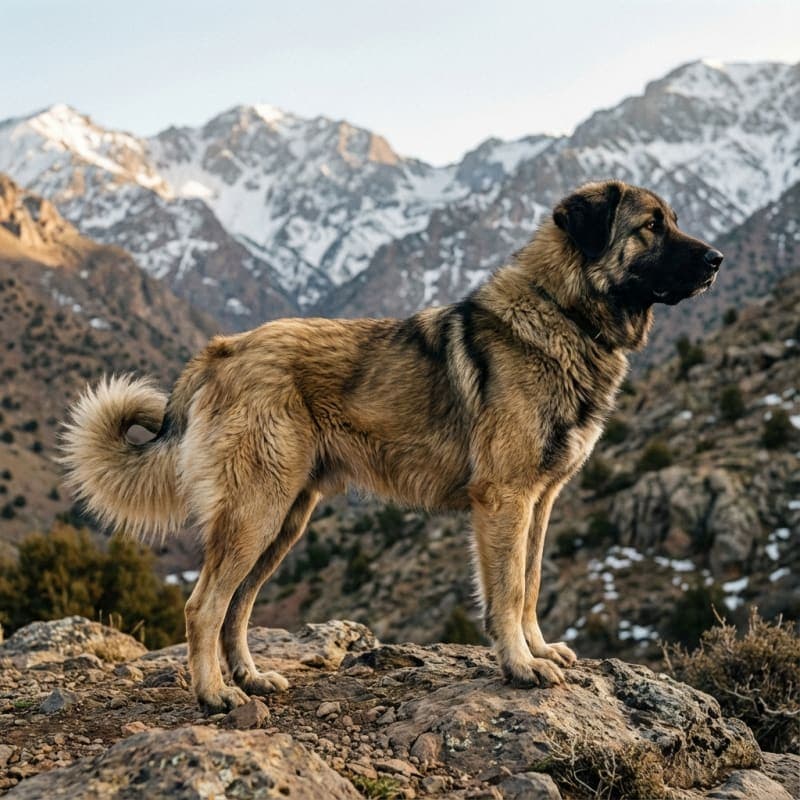
The Karst Shepherd is a medium-sized dog characterized by a strong, harmonious, and well-muscled physique. Dogs of this breed reach a height at the withers of 57 to 63 cm, while females are slightly smaller – from 54 to 60 cm. The weight of adult dogs ranges from 30 to 42 kg, while females usually weigh from 25 to 37 kg. This breed is distinguished by a strongly built body with a long and wide back, which indicates its endurance and working strength.
Head The head of the Karst Shepherd is proportional to the rest of the body, with a distinct stop and a well-developed, strong skull. The eyes have a characteristic almond shape and a dark brown or chestnut color, expressing alertness and intelligence. The ears are medium-length, hanging in a V-shape, which gives the dog a distinctive, pastoral expression.
Coat is long, dense, and abundant, with a well-developed undercoat that provides excellent protection against the cold and humid mountain climate. The coat color is predominantly iron-gray, sometimes with dark gray shades, while lighter areas occur on the belly, limbs, and under the tail. On the neck and back, the coat forms a characteristic mane, which further emphasizes the majestic appearance of the dog.
Tail is strongly set, medium-length, covered with abundant fur. When in motion, the tail is raised to the level of the back or slightly above, which adds dignity to the dog and emphasizes its confidence. At rest, the tail hangs freely down, usually reaching to the hock joint.
The Karsky Shepherd is a dog with a balanced temperament, combining courage, alertness, and loyalty to its family. This breed is characterized by a moderate level of sharpness – it is not overly aggressive but can firmly defend its territory and charges when necessary. The Karsky Ovcar is extremely devoted to its owner and excels in the role of a home guardian and family protector.
The Karsky Shepherd is known for its natural distrust of strangers, making it an excellent watchdog and protector. However, it requires appropriate, systematic socialization from the earliest weeks of life to learn to distinguish potential threats from normal, everyday situations. Early socialization helps the dog develop confidence and respond appropriately in various social contexts.
This is a very intelligent dog that needs regular mental challenges and tasks to prevent it from becoming bored, anxious, or destructive. Work, mental games, and obedience training are essential elements of its daily life. At home, the Karsky Shepherd is usually calm, relaxed, and patient, but remains alert and ready to act immediately when it senses any threat to its family.
Owners should be consistent in training and establishing clear boundaries and hierarchy so that the dog fully understands its place within the family structure. This breed is moderately tolerant of children – a well-mannered Karsky Ovcar can be a wonderful companion for older children, but may be unsuitable for small children due to its strength, size, and natural tendency to make decisions independently in situations it perceives as threatening.
The Karst Shepherd is generally a healthy and resilient breed, with an average lifespan of 12 to 14 years. This breed has been shaped over centuries of natural selection in harsh mountain conditions, contributing to its exceptional endurance, strength, and resistance to diseases. However, like many other medium and large dog breeds, there are certain specific health issues that owners should pay particular attention to.
The most common condition among Karst Shepherds is hip dysplasia (HD), which can lead to pain, discomfort, stiffness of movement, and a gradual decrease in the dog's mobility. Therefore, it is extremely important for owners to regularly monitor their dog's health with a veterinarian, especially at a young age (6-18 months), to identify any potential issues with proper joint development as early as possible and to implement appropriate treatment or prevention.
Proper nutrition tailored to the dog's age, activity level, and condition, along with regular, controlled physical activity, helps maintain a healthy body weight and musculoskeletal condition, which is crucial for the long-term health of representatives of this breed. Avoiding overweight and obesity is particularly important, as excess body weight significantly increases the risk of joint problems.
It is also important to remember that the Karst Shepherd, thanks to its dense, double coat, tolerates cold and damp weather conditions exceptionally well, but is relatively sensitive to high temperatures and heat. Therefore, it is especially important to provide the dog with appropriate conditions for rest in a cool, shaded area and constant access to fresh water on hot summer days. Intense physical activity on hot days should be limited to early mornings or evenings to avoid overheating.
The Karst Shepherd has a long, dense, and double coat that requires regular and systematic grooming to maintain its health, functionality, and aesthetic appearance. It is recommended to brush the dog two to three times a week using a brush with metal pins or a comb with wide teeth to effectively remove dead hair, prevent matting and tangling of the coat, and distribute natural skin oils along the length of the hair.
During the period of intense shedding, which typically occurs twice a year – in spring and autumn – it may be necessary to brush more frequently, even daily, to effectively control the amount of shedding and keep the home clean. At this time, the undercoat is being heavily replaced, leading to a significant loss of hair.
Bathing should only be done when absolutely necessary, for example, when the dog is particularly muddy, dirty, or has an unpleasant odor. Too frequent bathing can lead to dry skin and the removal of the natural protective layer of the coat. Only gentle, high-quality shampoos specifically designed for long-haired dogs should be used to avoid irritating the delicate skin and disrupting the natural protective barrier.
Additionally, regular checking and cleaning of the ears is essential to prevent infections, especially in dogs with floppy ears that have limited air circulation in the ear canal. The condition of the teeth and gums should also be systematically monitored, and if necessary, the teeth should be cleaned with special dog toothpaste to prevent periodontal disease and tartar buildup. Nails should be regularly trimmed if they do not wear down naturally during walks to avoid discomfort and walking problems.
Proper, systematic grooming of the coat not only significantly improves the appearance of the Karst Shepherd but also serves an important health function – it prevents skin problems, infections, coat dullness, and allows for early detection of any skin changes, parasites, or other abnormalities.
The Karst Shepherd is a very active and energetic dog that requires a significant amount of daily physical activity to remain healthy, happy, and mentally balanced. This breed was created for intensive herding work in challenging, mountainous terrain, and their natural tendencies to guard, patrol territory, and herd livestock mean they need regular, varied doses of movement and physical stimulation.
They are ideally suited for long, vigorous walks, running in the field, mountain hiking, and various outdoor games. Owners should provide their dog with at least 60-90 minutes of intense activity daily, divided into several sessions, to fully meet their natural exercise needs and prevent behavioral problems arising from a lack of energy release.
Exercises should include both endurance building (long walks, running, hiking) and strength and agility training, for example, by introducing obstacle courses, fetch games, obedience exercises in the field, or interactive toys that require jumping, running, and quick reactions. The Karst Shepherd also loves mental tasks, such as searching, tracking scents, or learning new commands, which perfectly combines physical activity with mental stimulation.
Proper, regular physical activity is crucial for the health of this breed – it helps prevent health issues such as obesity, joint dysplasia, or cardiovascular diseases, and also supports the dog's mental health by preventing boredom, frustration, separation anxiety, and destructive behaviors such as barking, chewing furniture, or digging.
Owners living in cities should remember that the Karst Shepherd thrives in an environment where it has access to a large, fenced area and the ability to move freely. This breed is not suitable for inactive individuals or those living in small apartments without access to exercise areas.
Training the Karst Shepherd is absolutely crucial for its proper development, safe integration into the family, and shaping desired behaviors. This breed is very intelligent, learns quickly, and can make decisions independently, but it also has a certain degree of independence and can sometimes be stubborn, insisting on its own way. Therefore, consistency, patience, firmness, and a positive attitude from the owner are extremely important.
Training should begin at a very young age – ideally from 8-10 weeks of age – so that the puppy can learn basic commands from the start, such as Sit, Lie Down, Stay, Come, and the basic rules of coexistence in the home. Early training helps to shape proper habits and prevent the development of undesirable behaviors.
Positive reinforcement techniques, such as treats, verbal praise, petting, and play for correctly following commands, are the most effective and recommended for this breed. Avoiding physical punishment and yelling is extremely important, as they can lead to loss of trust, fear, or defensive aggression. The Karst Shepherd responds best to a confident, calm, and consistent handler who clearly communicates their expectations.
Due to its natural intelligence and curiosity, the Karst Shepherd can be easily distracted by environmental stimuli, so training sessions should be relatively short (10-15 minutes), but intense and engaging to maintain its attention and motivation. Regular repetition and variety of exercises help reinforce learned behaviors and prevent monotony.
Early and intensive socialization with other dogs, animals, and people of various ages is extremely important for the dog to develop proper social skills, learn to read communication signals correctly, and respond appropriately in various everyday situations. Exposure to different environments, sounds, smells, and visual stimuli helps shape a confident, balanced, and well-adjusted dog.
Owners should be confident, firm, and consistent in enforcing rules, which will help the dog clearly understand boundaries, hierarchy, and its place within the family structure. The Karst Shepherd needs a leader it can trust and want to follow – without clear leadership, it may try to take on a dominant role in the home.
The diet of the Karst Shepherd should be well-balanced, high-quality, and carefully tailored to its individual physical activity, age, health condition, and metabolism. Due to the high energy needs resulting from an active lifestyle, it is extremely important to provide the dog with food rich in high-quality nutrients, containing an appropriate amount of animal protein, healthy fats, complex carbohydrates, vitamins, minerals, and trace elements.
It is recommended to feed premium or super-premium dry food, which is rich in meat (chicken, beef, lamb, fish) as the main source of protein, and also contains healthy fats from fish oil, flaxseed oil, or turmeric oil, which support skin, coat, and nervous system health. The food should be appropriately adjusted to the dog's life stage – puppies require growth food with higher protein and calorie content, adult dogs need maintenance food, and seniors require food with reduced calories and enriched with joint-supporting ingredients.
Supplementing the diet with fresh, properly prepared vegetables (carrots, broccoli, pumpkin, spinach) and fruits (apples, pears, berries) can enrich it with valuable fiber, natural antioxidants, vitamins, and minerals that support the health of the digestive and immune systems, as well as overall vitality. However, it is important to remember that some products can be toxic to dogs (grapes, raisins, chocolate, onions, garlic, avocados), so it is advisable to consult with a veterinarian before introducing new ingredients.
It is very important to avoid feeding the dog human food from the table, which often contains excessive amounts of salt, sugar, fats, spices, and preservatives, which can be harmful to the dog's health and lead to digestive problems, allergies, obesity, or metabolic diseases. Owners should also carefully monitor portion sizes and feeding frequency to prevent obesity, which is particularly important for this breed, as being overweight and lack of proper activity can lead to serious health issues such as joint dysplasia, heart disease, or diabetes.
Fresh water should always be available for the dog around the clock, so it can hydrate freely, especially after intense physical activity or on hot days. Regular hydration is crucial for the proper functioning of all body systems.
It is also recommended to have regular consultations with a veterinarian to monitor health status, body weight, and possibly adjust the diet to the changing needs of the dog at different life stages. A properly selected diet is the foundation of a long, healthy, and happy life for the Karst Shepherd.
Characteristic Traits
Pros
- Strong protective and guarding instinct
- Deep loyalty to the owner and family
- Excellent adaptation to difficult mountain conditions
- High intelligence and ability to learn quickly.
Cons
- Requires a large amount of regular physical activity
- Can be stubborn and independent in decision-making
- Needs consistent
- firm training and a clear hierarchy.
Behavioral Ratings
Breed History
The Karst Shepherd has a long and extremely rich history, dating back many centuries and deeply rooted in the pastoral traditions of Slovenia. This breed originates from the Karst region in southwestern Slovenia, where for centuries it has been an invaluable working tool for local farmers and shepherds, primarily used for guarding flocks of sheep and cattle and protecting farms from predators and intruders.
It is believed that the ancestors of modern Karst Shepherds arrived in these areas with the Illyrian tribe during their migration across the Istrian Peninsula, the Dalmatian islands, and the territory of present-day Slovenia, ultimately settling in the mountainous, rocky Karst region. These dogs belong to the group of mountain-type molossers and likely share common ancestors with other pastoral breeds from this geographical area.
The first written mention of the Karst Shepherd dates back to 1689, when the Slovenian baron Janez Vajkart Valvasor mentioned this breed in his monumental work The Glory of the Duchy of Carniole, describing it as a reliable shepherd dog with exceptional defensive and pastoral traits.
The breed was officially recognized by the International Cynological Federation (FCI) for the first time on June 2, 1939, during the General Assembly in Stockholm, initially under the name Illyrian Shepherd. At that time, this name encompassed both dogs from the Karst region and similar breeds from other areas of former Yugoslavia. The breed standard was supplemented and re-approved during the FCI General Assembly in 1948 in Bled, Slovenia.
A significant change occurred on March 16, 1968, when the official separation of two distinct breeds – the Karst Shepherd (Kraski Ovcar) and the Sarplaninac – was made, which had previously been classified together. From that moment on, each of these breeds developed independently, with their own standards and breeding programs.
Since then, the Karst Shepherd has gained numerous supporters and breeders, and its popularity has gradually increased not only in Slovenia but also in other European countries and around the world. Today, this breed is valued not only for its traditional pastoral and defensive skills but also for its loyalty, intelligence, courage, and unwavering devotion to its owners. Modern Karst Shepherds serve various roles – from traditional shepherd dogs to guard and watch dogs, as well as beloved family members that combine beauty, functionality, and a deep bond with humans.