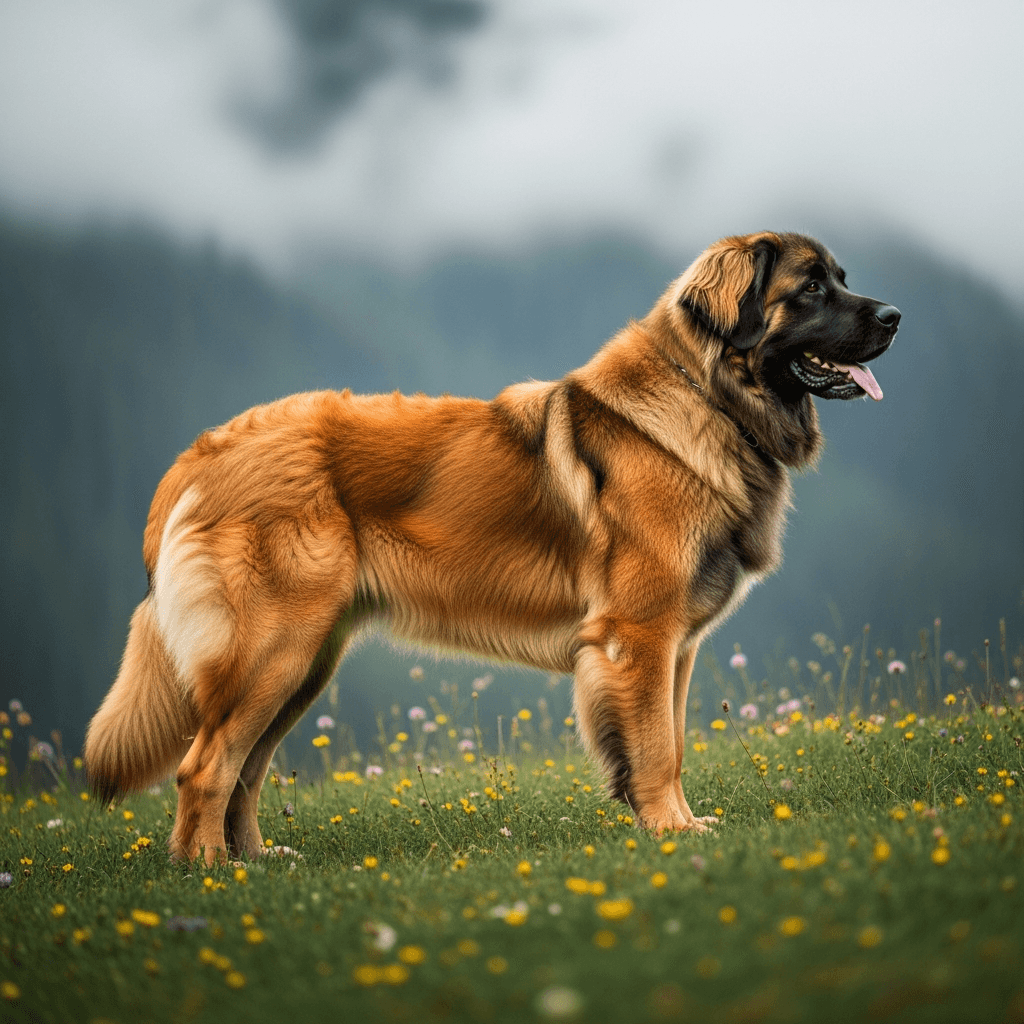
Leonberger
FCI Group
2• FCI 145
Size
Large
Origin Country
DE
Height
65-80 cm
Weight
45-75 kg
Lifespan
9-12 years
Temperament
Overview
The Leonberger is one of the most majestic dog breeds, captivating not only with its impressive appearance but also with its rich history and extraordinary character. This breed, originating from Germany, was created in the 19th century and quickly won the hearts of dog lovers around the world. At first glance, the Leonberger draws attention with its powerful silhouette and lion-like appearance, which is the result of careful selection and crossbreeding.
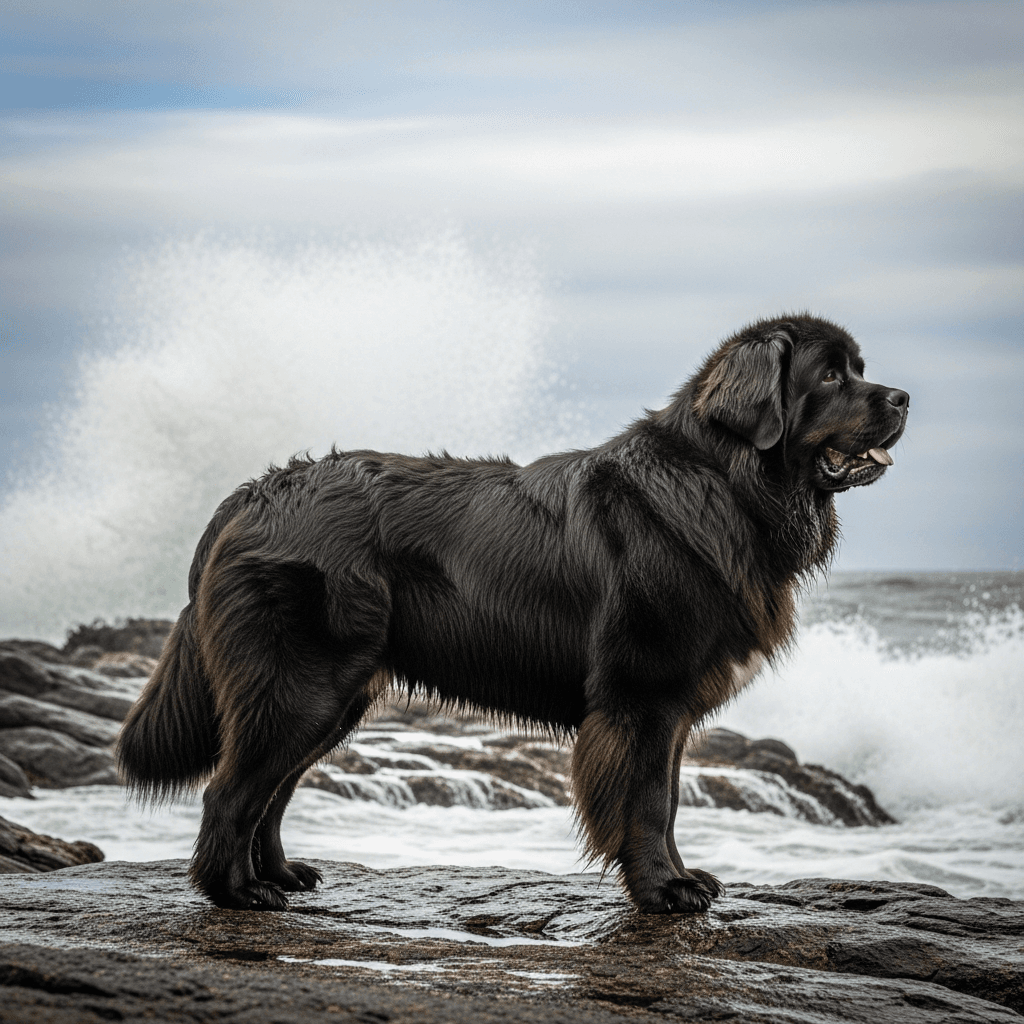
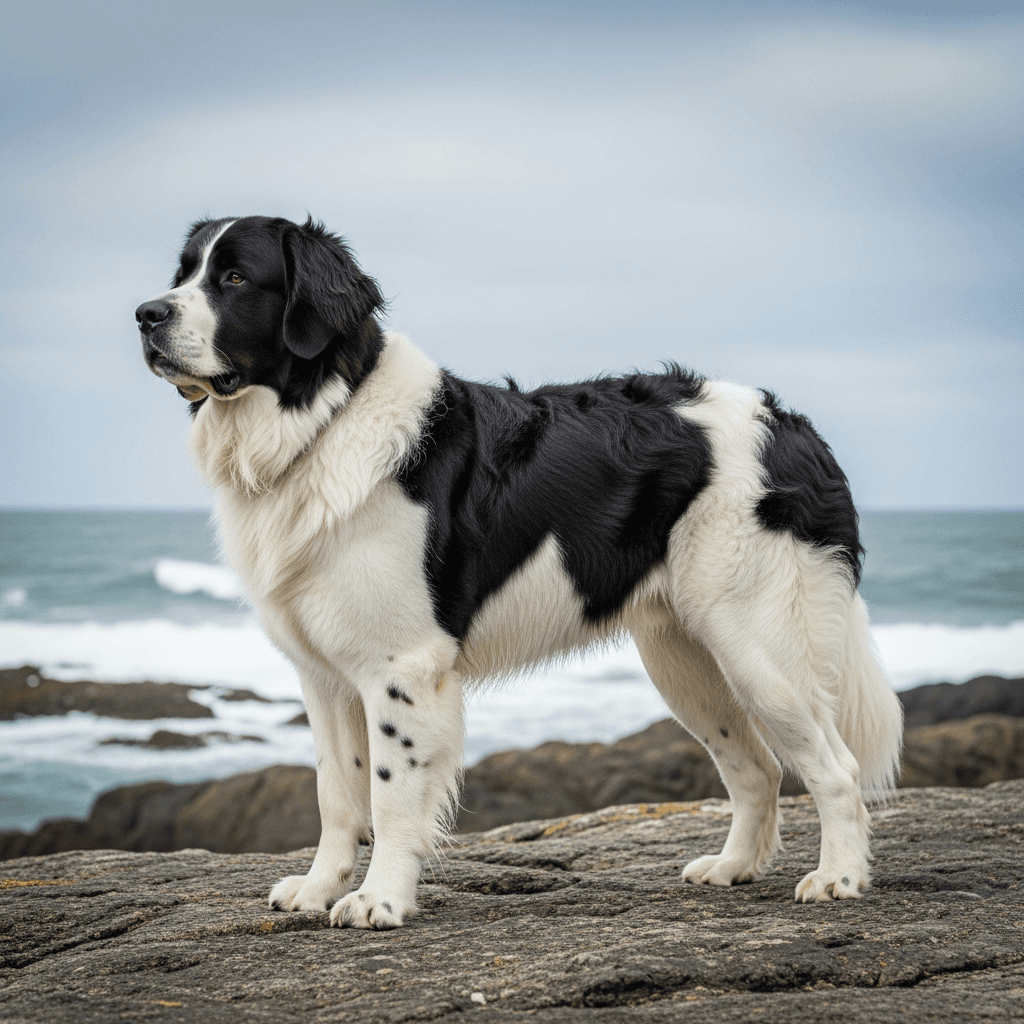
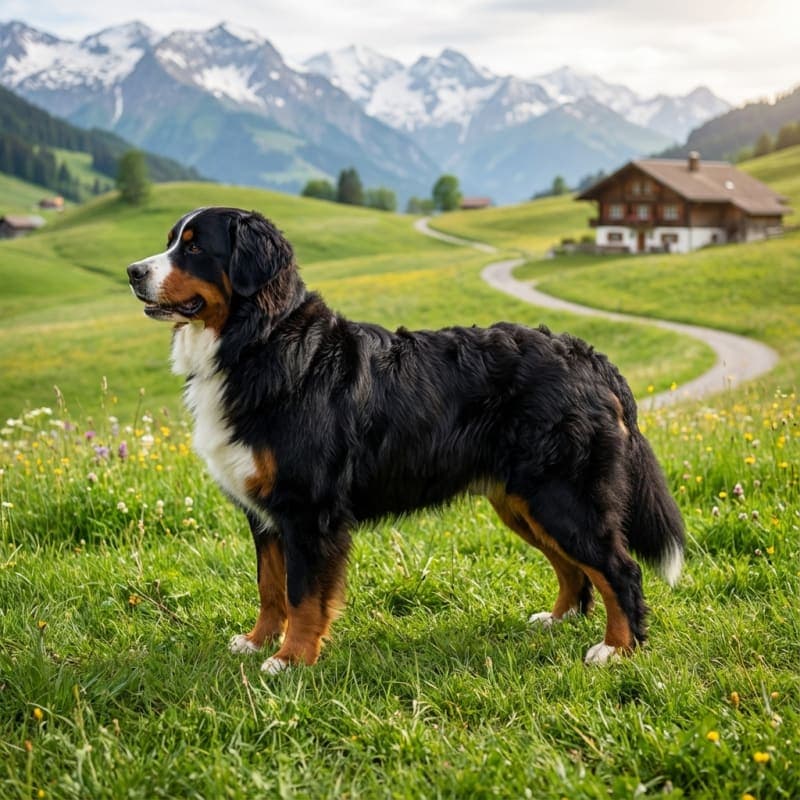
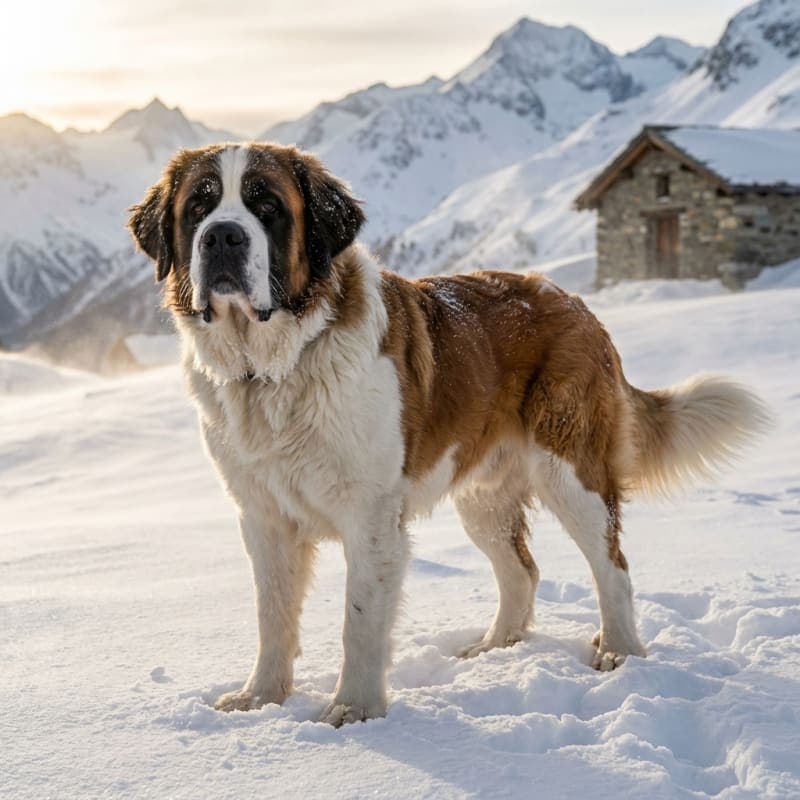
The history of this breed's creation is fascinating. Heinrich Essig, a city councilor from Leonberg near Stuttgart, had an ambitious plan to create a dog resembling a lion - the heraldic symbol of his hometown. In the late 1830s and early 1840s, he crossed a black-and-white female Newfoundland with a dog of the Barry breed from the Grand St. Bernard monastery hospice (the predecessor of today's Bernese Mountain Dog). Later, blood from the Pyrenean Mountain Dog was added to this mix. The result was an extraordinarily large breed of dog with long, mostly white fur, combining the best traits of all three ancestral breeds.
The first dogs officially named Leonbergers were born in 1846. They quickly gained popularity as a symbol of social status and were sold from Leonberg to the whole world. By the end of the 19th century, in Baden-Württemberg, the Leonberger was the preferred farm dog, valued for its guarding abilities and draft work. Unfortunately, both World Wars and the difficult post-war times dramatically reduced the population of this breed; however, thanks to the dedication of enthusiasts, the Leonberger survived and today enjoys well-deserved popularity.
Today, the Leonberger is a great family dog that combines all the best traits of its history - the strength and courage of a guardian, the gentleness and patience of a companion, intelligence, and a willingness to work. Its gentle, balanced temperament makes it an ideal choice for families with children. The Leonberger is characterized by confidence, calmness, and a lack of aggression, which, combined with its impressive appearance, creates a unique combination.
It is worth getting to know this extraordinary breed better. In the following sections of this guide, you will discover detailed information about health, grooming, physical activity requirements, training, nutrition, history, appearance details, and the temperament of the Leonberger. With this knowledge, you will be fully prepared to provide your four-legged friend with the best care and enjoy their company for many long, happy years.
The Leonberger is a dog with a remarkably impressive and harmonious appearance, combining elegance with power. Their silhouette is well-built, strongly muscled, and proportional, emanating strength while maintaining grace. The height at the withers for males ranges from 72 to 80 cm, while females are slightly smaller - from 65 to 75 cm. Despite the lack of official weight data in the breed standard, adult males typically weigh between 50 to 75 kg, and females from 45 to 60 kg, making the Leonberger one of the larger dog breeds.
The head of the Leonberger is proportional to the rest of the body, with a slightly convex skull and a long, but never pointed, muzzle. A characteristic feature of the breed is the black mask that covers the snout and extends around the eyes, giving the dog an exceptionally expressive face. The eyes come in various shades of brown - from light honey to deep dark brown - and express intelligence, gentleness, and confidence. The nose is always black and well-developed. The ears are medium-sized, fleshy, hanging, and perfectly fitting against the cheeks, set high on the head.
The most distinctive feature of the Leonberger's appearance is its magnificent, long coat. It covers the entire body and is dense, well-fitting, with a distinct, soft undercoat. The coat is straight or slightly wavy, but never curly. On the neck and chest, especially in males, a rich, majestic mane resembling a lion's mane forms, which was the intended effect of the breed's creator. The front limbs have abundant feathering, as do the hind parts of the legs. The tail is very well-furred and forms a natural continuation of the line of the back - at rest, it hangs down, and in motion, it may be slightly curled, but never exceeds the line of the back.
The coat color of the Leonberger is as impressive as its size. The following colors are accepted: lion (yellowish-brown, golden), red-brown (red, mahogany), and sandy (light yellow-brown, creamy), always with a black mask. A black tip on the hair is permissible and adds depth to the coat. A white star on the chest and white hairs on the toes are allowed but not desired.
The body structure is solid and strong. The neck is muscular, without loose skin, gently transitioning into the withers. The back is straight and wide, the loins strong and well-muscled. The chest is deep, reaching at least to the elbows, and wide, providing ample lung capacity. The limbs are straight, parallel, strong, and well-boned. The paws are round, compact, arched, with thick pads. The overall appearance of the Leonberger resembles a majestic lion, which was the original intention of the breed's creator and remains its most recognizable feature to this day.
Leonberger is a breed with a remarkably balanced and gentle temperament, which makes it an excellent family dog and companion. Their characteristic traits include confidence, calmness, composure, and a lack of aggression and fear. They are extremely friendly towards children and show them particular patience and gentleness. Leonberger naturally senses when to be cautious and gentle, making them an ideal companion for families with small children.
As a guard and companion dog, the Leonberger is obedient, attentive, and eager to cooperate. Despite their impressive size and potential physical strength, they do not exhibit tendencies towards dominance or aggression. However, in situations that may pose a threat to their family or territory, they can demonstrate courage and decisiveness—not out of fear or anxiety, but from a natural protective instinct. Their response is always thoughtful and proportional to the situation.
Leonbergers stand out for their high intelligence and ability to learn. They are attentive, absorb knowledge quickly, and participate enthusiastically in training. Their desire to please their owner makes them relatively easy to train, provided that positive methods based on rewards and praise are used. They are not overly excitable—their temperament is moderate, which means they are calm and composed at home, but eagerly engage in play and activities outdoors.
An important trait of Leonbergers is their ability to tolerate solitude, as long as they have been gradually and positively accustomed to being alone since puppyhood. They are not dogs that require constant presence of their owner, although they obviously prefer the company of their family. They are sensitive to changes in their environment and routine, so early and systematic socialization is important to help them respond calmly to various situations, people, and animals.
Leonbergers are extremely attentive and alert, which makes them excellent guard dogs. They can intuitively distinguish a real threat from a normal situation (such as the arrival of a guest) and respond appropriately. They are not unnecessarily barky, but they inform their owner of unexpected events with a deep, resonant bark. Towards strangers, they behave with reserve and dignity, but without fear or aggression—after being properly introduced by their owner, they accept new people.
This breed also features good compatibility with other dogs and animals, especially if they have been properly socialized from a young age. Leonbergers do not have a strong hunting drive and usually coexist peacefully with other pets. Their calm, friendly disposition and sensitivity to human emotions also make them suitable as therapy and rescue dogs. In summary, the Leonberger is an intelligent, balanced, loyal, and gentle companion that combines the best traits of a family dog, guardian, and friend.
Leonberger is generally a healthy and resilient breed, but like all large dogs, it can be prone to certain conditions characteristic of giant breeds. The average lifespan of Leonbergers is between 9 to 12 years, which is typical for dogs of their size. Proper healthcare, a balanced diet, and regular physical activity can significantly contribute to a long and healthy life.
One of the most common health issues in Leonbergers is hip dysplasia. This is a genetically predisposed condition where the hip joint socket and the head of the femur do not fit together perfectly, leading to improper weight distribution, wear of the joint cartilage, pain, and limited mobility. Responsible breeders conduct radiological examinations of breeding dogs and allow only those free from this defect or with minimal changes to reproduce. Owners should avoid overloading the joints of young dogs (intensive running, jumping, climbing stairs) and monitor their body weight.
Another significant issue is dilated cardiomyopathy, a heart disease characterized by the enlargement of heart chambers and weakening of the heart muscle's contraction strength, leading to heart failure. Symptoms may include fatigue, weakness, coughing, rapid breathing, and fainting. Regular cardiological check-ups, especially in older dogs, can help in the early detection of problems and the implementation of appropriate treatment.
Leonberger polyneuropathy is a specific neurological condition occurring in this breed, affecting the peripheral nervous system. It manifests as a gradual loss of muscle strength, particularly in the hind limbs, difficulties in walking, unsteady gait, and weakened reflexes. The disease is hereditary, and responsible breeders conduct genetic testing to exclude carriers from breeding programs.
Leonberger owners should pay special attention to weight management. The tendency to gain weight is a significant issue, especially in large breeds, and excess weight further burdens the joints, heart, and internal organs, significantly worsening quality of life and shortening its duration. Regular weight monitoring, a balanced high-quality diet, and an appropriate amount of exercise are recommended.
Leonbergers do not tolerate high temperatures well due to their thick, long coat with a dense undercoat. On hot days, it is essential to provide them with shade, a cool resting place, unlimited access to fresh water, and to avoid intense physical activity during the hottest parts of the day. Overheating can lead to heatstroke, which is a life-threatening condition. On the other hand, their dense undercoat provides excellent protection against the cold - Leonbergers love winter weather and playing in the snow.
Regular veterinary visits, appropriate prevention (vaccinations, deworming, protection against external parasites), health monitoring, and a quick response to any concerning symptoms are crucial for keeping a Leonberger in good condition. Early detection of health problems significantly increases the chances of effective treatment and a long, happy life.
The Leonberger has a long, dense coat with a thick undercoat, which requires regular and systematic grooming to maintain health and a beautiful appearance. Proper grooming not only enhances aesthetics but also prevents skin problems, matting, and excessive dirt accumulation.
It is recommended to brush the coat at least once a week using appropriate tools - a brush with metal bristles or a comb for long-haired dogs. Brushing should be thorough, reaching down to the undercoat, to effectively remove loose, dead hair and prevent matting, especially in areas prone to friction (behind the ears, under the armpits, on the belly, between the hind legs). Regular brushing also stimulates blood circulation in the skin and distributes natural oils throughout the coat, giving it a healthy shine.
During the intense shedding period, which occurs twice a year (in spring and autumn), hair loss is significantly greater - the Leonberger sheds huge amounts of undercoat. At this time, daily brushing becomes a necessity to effectively remove loose hair and significantly reduce the amount of fur in the home. It is advisable to equip yourself with special tools for removing undercoat (e.g., a furminator), which facilitate this process.
An interesting feature of the Leonberger's coat is its self-cleaning nature - dirt and mud often fall off the coat after drying, which reduces the need for frequent baths. Baths should only be given when truly necessary (when the dog is very dirty or smells bad), usually a few times a year. Overwashing can damage the natural protective layer of the skin and coat, leading to dryness and irritation. During baths, gentle shampoos designed for long-haired dogs should be used, all soap residues should be thoroughly rinsed out, and the coat should be very carefully dried, especially the undercoat.
Particular attention should be paid to the ears of the Leonberger, which are long, hanging, and perfectly close to the head. This structure promotes the accumulation of moisture, dirt, and wax, which can lead to ear infections. It is recommended to regularly check and gently clean the ears once a week or as needed, using special ear cleaning solutions for dogs or a damp cotton ball. After bathing or swimming, it is especially important to check that the ears are dry.
Regular nail trimming is essential if they do not wear down naturally during walks on hard surfaces. Overly long nails can cause discomfort, walking problems, and changes in posture. Nails should be carefully trimmed every 3-4 weeks using appropriate clippers for large dogs.
Oral hygiene is often neglected but is extremely important for the overall health of the dog. It is recommended to regularly clean the teeth (several times a week) using toothpaste and a toothbrush designed for dogs to prevent tartar buildup, gum disease, and tooth loss. Additional dental chews can support oral hygiene. With systematic and proper grooming, the Leonberger will not only look beautiful but also enjoy good health and comfort.
Leonberger is a dog that requires moderate but regular physical activity to maintain health, good condition, and mental balance. Although they are not sporting dogs that require extreme amounts of exercise like some herding or hunting breeds, their large size and strong build necessitate an appropriate level of activity.
After the growth period, which lasts until about the second year of life, adult Leonbergers should receive daily physical activity. Ideal forms of exercise include long, leisurely walks (2-3 times a day for 30-60 minutes), hiking on varied terrain, free play in a fenced area, and games with the owner (fetching, searching for hidden objects). Leonbergers particularly love swimming - their ancestors, the Newfoundlands, were excellent swimmers, and this trait has been passed down to Leonbergers. Swimming is a great form of activity, especially on hot days, as it allows the dog to cool off while providing excellent, low-impact exercise for the joints and muscles.
It is important to remember that puppies and young dogs in the growth phase should not be overexerted. Intense exercise, long runs, jumping, climbing stairs, or running alongside a bicycle can negatively affect developing joints and bones, increasing the risk of hip dysplasia and other orthopedic problems. Young Leonbergers should have the opportunity for free play and to determine their own level of activity, but without forcing intense effort.
Although Leonbergers are not typical sporting dogs, they can thrive in various dog sports and activities, such as obedience, rally obedience, tracking, mantrailing, search and rescue work, or even agility for large dogs. These types of activities not only provide physical exertion but also valuable mental stimulation, strengthen the bond with the owner, and give the dog a sense of purpose and fulfillment.
An important characteristic of Leonbergers is that they are not prone to escaping. They have a moderate wandering instinct and usually stay close to their owner, allowing for safe walks in open areas. They are independent in terms of confidence but not in the sense of wanting to wander off or ignore their owner.
Regular physical activity is crucial not only for maintaining a healthy body weight (which is particularly important for large breeds prone to joint issues) but also for mental and emotional health. Leonbergers without the appropriate amount of exercise and stimulation can become bored, frustrated, and develop behavioral problems. The right amount of exercise, tailored to the dog's age, condition, and individual needs, will ensure a happy, healthy, and long life.
Leonberger is a breed that is intelligent, eager to learn and cooperate, which makes training a generally enjoyable and effective process, provided the right methods are used. Their moderate to high intelligence and desire to please their owner make them relatively easy to train compared to some more independent or stubborn breeds.
Training should start as early as possible, ideally from the moment the puppy arrives in its new home (around 8-10 weeks of age). Early introduction to basic rules of good behavior, elementary commands (Sit, Stay, Come, Lie Down, No) and acceptance of routine activities (grooming, vet visits, leash walking) is crucial to prevent the development of bad habits and to build a solid foundation for future training.
Early and intensive socialization is absolutely essential for the proper development of a Leonberger. The puppy must be exposed to a wide range of experiences - contact with different people (of various ages, appearances, clothing, behaviors), other dogs and animals, diverse environments (city, countryside, shops, parks, crowds, traffic), sounds (cars, trains, fireworks, vacuum cleaners) and situations. Proper socialization helps puppies learn that the world is a safe place and prevents the development of fears, uncertainties, or excessive defensive reactions in adult life.
The most effective training methods are positive reinforcement techniques that encourage desired behaviors through rewards (treats, praise, toys, play) and ignore or gently correct undesirable behaviors. Leonbergers are sensitive and respond well to a gentle, consistent approach. Harshness, shouting, physical punishment, or dominance-based methods are not only ineffective but can be harmful to the relationship with the dog and its mental health. Positive reinforcement builds trust, confidence, and a willingness to cooperate.
Leonbergers are intelligent but can quickly become bored with repetitive exercises. Therefore, it is worthwhile to diversify training sessions, introduce new commands and tasks, and work in different locations and conditions. Sessions should be short (10-15 minutes) but frequent (several times a day) to maintain the dog's attention and motivation. Ending training on a positive note (a successful exercise and reward) leaves the dog with a pleasant association and eagerness for the next session.
Due to the large size of an adult Leonberger, it is extremely important to teach them to walk on a loose leash from a young age. An adult Leonberger pulling on a leash can be unmanageable for many owners. Consistent loose-leash training from puppyhood will ensure comfortable and safe walks throughout the dog's life.
Owners should be consistent, patient, and positive in their approach to training. All family members should use the same rules and commands to avoid confusing the dog. Regular training sessions that include both obedience exercises and play help build a strong bond between the dog and the owner, provide essential mental stimulation, and develop confidence and emotional balance. A well-trained Leonberger is a joy for the owner and an excellent representative of its breed.
The nutrition of a Leonberger is a key element of its health and longevity, and due to the large size and specific needs of this breed, it requires special attention and care. The proper diet should be balanced, high-quality, and tailored to the dog's age, activity level, health status, and individual needs.
As a representative of giant breeds, the Leonberger tends to gain weight, which is a serious health issue. Being overweight puts additional strain on the joints (increasing the risk and severity of hip dysplasia), heart, internal organs, and significantly shortens lifespan while deteriorating its quality. Therefore, owners should carefully monitor the amount of food consumed and regularly check the dog's weight and body condition.
It is recommended to choose high-quality food specifically designed for large or giant dog breeds. Such foods are formulated with the specific needs of large dogs in mind - the appropriate ratio of calcium and phosphorus for healthy bones and joints, additives to support joints (glucosamine, chondroitin), controlled calorie content, and appropriate kibble size. The food should contain high-quality animal protein as the main ingredient, healthy fats (omega-3 and omega-6 for healthy skin and coat), low glycemic index carbohydrates, fiber, and a full range of vitamins and minerals.
Owners can choose from various feeding options: commercial ready-made food (dry or wet) of high quality, homemade diet prepared independently under the supervision of a veterinarian or pet nutritionist, or BARF diet (raw meat, bones, vegetables). Regardless of the chosen method, it is crucial to ensure a complete balance of nutrients.
It is advisable to divide the daily portion into two or three smaller meals instead of feeding the entire amount at once. This feeding method is more easily digested by the digestive system, maintains stable energy levels throughout the day, and - which is particularly important for large dogs with deep chests - reduces the risk of dangerous bloating and gastric torsion. This life-threatening condition occurs more frequently in large dogs fed one large meal a day and engaging in intense activity right before or after eating.
It is extremely important to avoid intense physical activity immediately before and after meals. A break of at least one hour is recommended before feeding and a 1-2 hour break after feeding before the dog can run, jump, or participate in intense play. A calm, short walk after a meal is fine, but nothing more.
Fresh water must be available to the dog at all times, especially after intense physical exercise, on hot days, and during feeding with dry food. Proper hydration is crucial for the proper functioning of all body systems. Water should be regularly changed, and bowl cleanliness should be maintained.
Nutrition needs vary depending on age. Leonberger puppies require special puppy food for large breeds that supports proper growth but does not lead to excessive weight gain (which can harm developing joints). Adult dogs (from about 2 years of age) require a balanced maintenance diet. Older dogs (from about 7-8 years of age) often need easily digestible food with lower calories, enriched with additives that support joint health, cognitive functions, and the cardiovascular system.
It is important to avoid overfeeding and excessive indulgence regarding treats and snacks. Treats should make up a maximum of 10% of daily calorie intake. Table scraps, fatty meats, sweets, chocolate, grapes, onions, garlic, and other dog-toxic products are absolutely forbidden. Regular weight monitoring (weighing monthly), observing body shape (the waist should be visible, and ribs should be felt under a thin layer of fat), and consultations with a veterinarian will help keep the Leonberger in optimal condition throughout its life.
Characteristic Traits
Pros
- Gentle and balanced temperament
- Excellent family dog and friendly with children
- Confidence and lack of aggression
- Intelligent and eager to learn
- Outstanding guarding abilities.
Cons
- Requires regular grooming of long fur
- sheds a lot twice a year
- tendency to gain weight
- does not tolerate high temperatures
- needs early socialization
- large size requires space.
Behavioral Ratings
Breed History
The history of the Leonberger is a fascinating tale of vision, determination, and passion that led to the creation of one of the most majestic dog breeds. This breed has its roots in Germany, specifically in the town of Leonberg near Stuttgart in Baden-Württemberg, and its origin is inextricably linked to the person of Heinrich Essig, a city councilor of Leonberg.
In the late 1830s and early 1840s, Heinrich Essig undertook an ambitious breeding project aimed at creating a dog resembling a lion - the heraldic animal of the town of Leonberg depicted on its coat of arms. Essig was a visionary and dog breeder who believed that through careful crossbreeding, a breed could be created that combined the appearance, strength, and characteristics of large mountain dogs.
Essig started by crossing a black-and-white female Newfoundland with a dog of a breed then called Barry, originating from the Grand St. Bernard monastery hospice (the predecessor of today's Saint Bernard). Newfoundlands were known for their strength, swimming abilities, gentle temperament, and loyalty, while Saint Bernards were valued for their courage, strength, and rescue capabilities in the mountains. Later, the blood of the Pyrenean Mountain Dog was added to this mix, which contributed white coloring, guarding abilities, and additional strength and majesty.
The result of these carefully planned crossings was very large dogs with long, mostly white fur (in the early breeding period), combining the best traits of all three ancestral breeds - the strength and gentleness of the Newfoundland, the courage and massiveness of the Saint Bernard, and the guarding abilities and white color of the Pyrenean Mountain Dog. The first dogs officially named Leonbergers were born in 1846.
Leonbergers quickly gained immense popularity not only in Germany but around the world. Their impressive, lion-like appearance and wonderful character made them a symbol of social status and prestige. These dogs were exported from Leonberg to many countries and found their way into the homes of aristocrats, members of royal families, and wealthy entrepreneurs. Leonbergers lived with figures such as Emperor Napoleon III, the Prince of Wales (later King Edward VII), the Tsar of Russia, and other prominent personalities of the era.
By the end of the 19th century, the Leonberger had become a preferred farm dog in Baden-Württemberg. Their role evolved from a representative dog to a practical companion for farmers and mountaineers. Leonbergers were valued for their excellent guarding abilities - they watched over farms, homesteads, and herds. They were also used for draft work - pulling carts with agricultural products, wood, or goods to markets. Their strength, endurance, intelligence, and willingness to work made them indispensable helpers.
Unfortunately, both World Wars and the difficult post-war times brought tremendous destruction to the breed. During World War I, many Leonbergers were requisitioned for military service or died from starvation and disease. After the war, the number of breeding dogs was so low that the breed was on the brink of extinction. A similar situation occurred during World War II, when the population of Leonbergers again dramatically declined.
The survival of the breed is owed to dedicated breeders and enthusiasts who systematically and meticulously rebuilt the population of Leonbergers from the few surviving individuals after the wars. This was an extremely challenging task requiring years of work, but thanks to their determination, the breed survived and gradually regained its position.
Today, the Leonberger is valued worldwide as an excellent family dog, companion, and working dog. It embodies all the best traits of its rich history - a majestic, lion-like appearance in line with Essig's original vision, the strength and working abilities of a farm dog, the gentleness and loyalty of a family dog, and intelligence and willingness to work. Leonbergers continue to fulfill various roles - they are family dogs, guard dogs, therapy dogs, rescue dogs, and participate in various dog sports. The history of the Leonberger is a testament to how the vision of one person, combined with the dedication of generations of breeders, can create and preserve a unique breed of dog that continues to amaze and serve people around the world.