Lion puppy
FCI Group
9• FCI 233
Size
Small
Origin Country
FR
Height
26-32 cm
Weight
5-7 kg
Lifespan
12-14 years
Temperament
Overview
Lion Dog, also known as Petit Chien Lion or Löwchen, is an extraordinary breed of dog that easily attracts attention with its distinctive beauty and warm, cheerful temperament. This small breed originates from France, where its presence has been documented since the 13th century – stone sculptures depicting dogs of this breed have been preserved in the cathedral in Amiens.
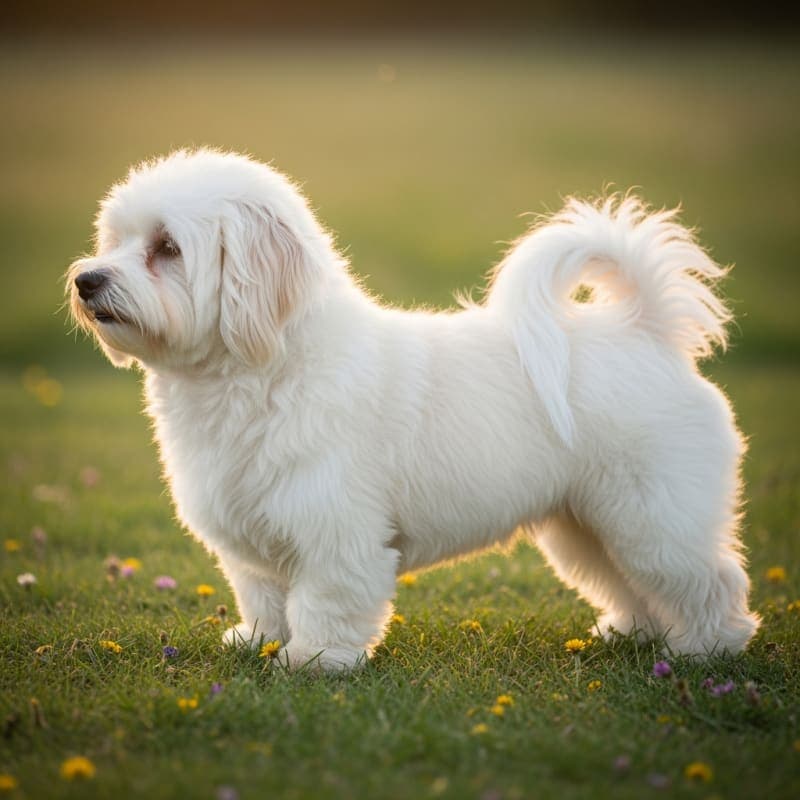
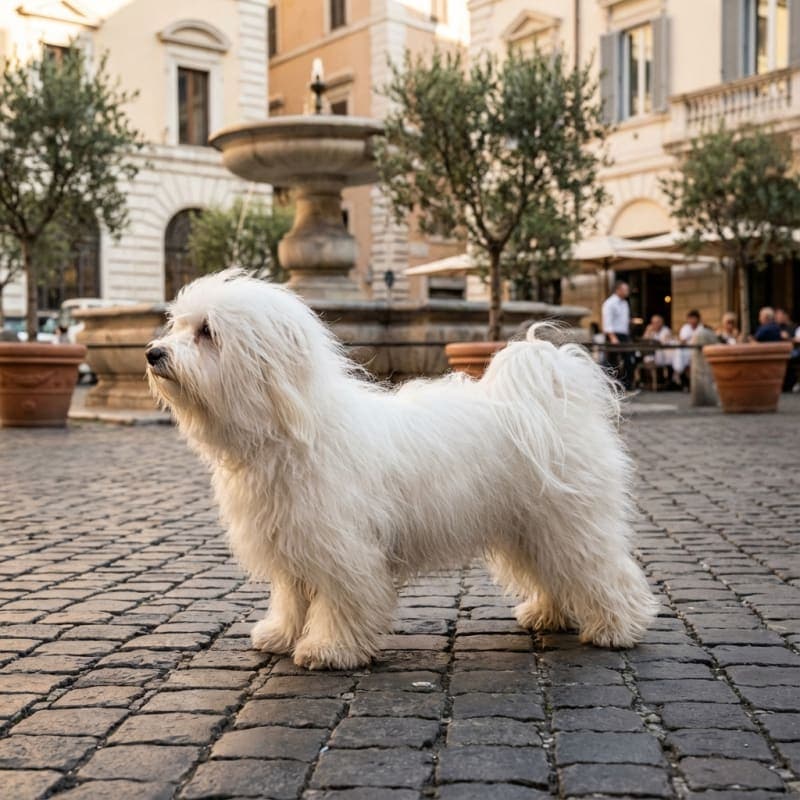
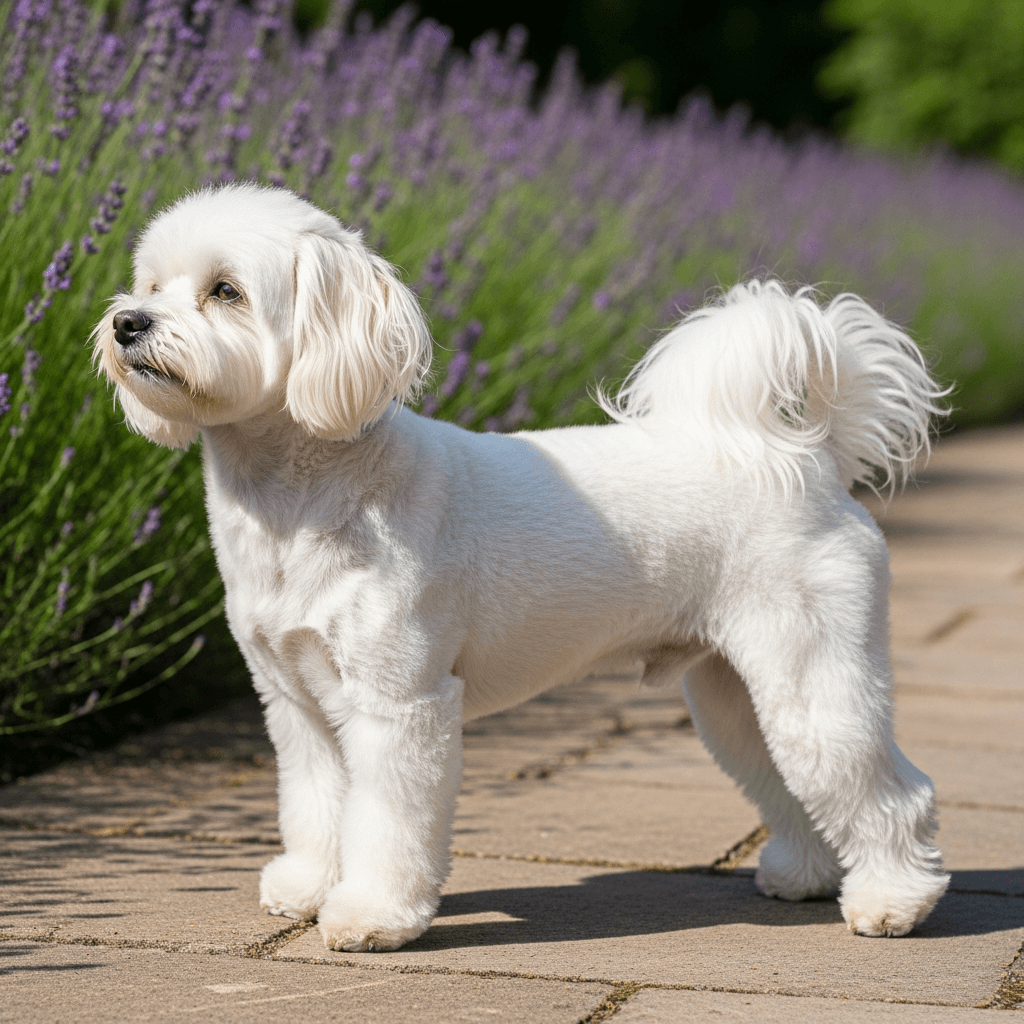
Lion Dog is a compact companion with a harmonious build, measuring between 26 to 32 cm in height at the withers and weighing around 4-8 kg. Its most recognizable feature is its long, silky coat, traditionally groomed in a style reminiscent of a lion's mane – hence the name of the breed. This gives it a unique and dignified appearance that catches the eye at shows and during daily walks.
The coat of the lion dog, lacking a dense undercoat, is relatively easy to care for, although it requires regular brushing and professional grooming to maintain its characteristic hairstyle. The fur can come in a variety of colors – from white, through black and brown, to cream and many other combinations.
Lion Dog is full of joy and energy, and its lively disposition and strong attachment to its owner make it an ideal companion for both families with children and older individuals. It is an extremely intelligent and easily trainable dog, which means that even novice owners can manage its upbringing.
Despite its small size, the lion dog is alert and loyal – it can serve as a guard, warning of strangers. At the same time, it remains calm and quiet in appropriate situations, making it an excellent apartment dog. Thanks to its versatility, it adapts well to various environments, from city center apartments to houses with gardens.
We invite you to explore our detailed guide that discusses the health, grooming, exercise needs, training, nutrition, history, appearance, and behavior of this fascinating breed. Each of these aspects will help you better understand what makes the lion dog such a unique and valued companion.
Lion Dog is a small dog with a harmonious, square silhouette, standing between 26 to 32 cm tall at the withers and weighing between 4 to 8 kg. Despite its small size, it is characterized by a strong bone structure and well-developed muscles, giving it an agile yet solid appearance.
The head of the lion dog is short and relatively wide, with a well-defined stop (the transition between the forehead and the muzzle). The eyes are large, dark, and round, full of expression, giving the dog an intelligent and alert facial expression. The ears are set low, drooping, nearly half the length of the muzzle, covered with long fringes of hair.
The coat of the lion dog is its most distinctive feature – long, silky, and slightly wavy, lacking a dense undercoat. The hair has a delicate structure, making the dog look exceptionally charming and elegant. The coat can come in various colors:
- White
- Black
- Brown
- Cream
- Golden
- Gray
- Diverse combinations and color variations
The traditional lion cut is characteristic of this breed – the hair on the front part of the body, head, and mane is left long, creating the effect of a lion's mane, while the back part of the body, legs, and part of the tail are trimmed short. The tip of the tail is left with long tufts of hair, creating a pom-pom effect. The tail is carried elegantly, slightly curled over the back.
The breed lacks an undercoat, which makes shedding easier to manage, but requires regular brushing and professional grooming to maintain an aesthetic, breed-typical appearance.
Lion Dog is a dog with an exceptionally friendly, affectionate, and joyful disposition, who easily forms deep emotional bonds with people. It is extremely loyal to its family and often becomes an integral, inseparable part of it – it loves to participate in all home activities.
This breed is known for being alert and observant – despite its small size, it can serve as an excellent guard, warning with barking about approaching strangers. At the same time, it is not overly noisy and can remain calm in appropriate situations.
The Lion Dog has moderate social needs, which means it enjoys being in the company of people and derives joy from it, but it can also tolerate short periods of solitude if properly accustomed. However, it is not recommended to leave it alone for long hours, as this may lead to separation anxiety.
Despite its small size, the Lion Dog can sometimes exhibit traits of confidence and independence, so it is important for owners to be consistent in training and establish clear boundaries. With the right approach, this dog is very obedient and eager to cooperate.
Intelligence and ease of learning are other characteristic features of the Lion Dog. It quickly absorbs new commands and eagerly performs various tricks, making it a great candidate for first-time dog owners. It loves intellectual challenges and interactive play.
This breed is also known for getting along well with children and other pets, including other dogs and cats. Its gentle and patient nature makes it an ideal companion for families with small children. It is a social dog that feels best when it can be close to its beloved people.
Lion dog generally enjoys good health and is considered a relatively resilient breed. The average lifespan of this breed ranges from 12 to 15 years, which is typical for small dog breeds. Although it is a small dog, it has a sturdy build and good condition, making it an active companion for many years.
However, like any breed, the lion dog may be prone to certain genetic and acquired conditions. The most common health issues to watch for include:
- Ophthalmic problems – cataracts and progressive retinal atrophy (PRA), which can lead to gradual vision loss
- Hip dysplasia – abnormal development of the hip joint, which can cause pain and difficulty moving
- Patellar luxation (dislocated kneecap) – a common issue in small breeds that causes lameness
- Dental problems – small breeds are more susceptible to periodontal disease and cavities
- Overweight – a tendency to gain weight, which can lead to various health issues
Prevention and proper care are key to keeping the lion dog in good condition. Regular veterinary check-ups (at least once a year), vaccinations, deworming, and eye examinations will help detect any health problems early. It is also important to monitor the dog's weight – being overweight can significantly shorten lifespan and reduce quality of life.
A proper diet, regular physical activity, and attention to oral hygiene (tooth brushing) will help keep the lion dog in excellent shape for many years. This breed, with proper care, can enjoy a long and healthy life.
Grooming a lion dog requires regular attention and commitment to keep its characteristic coat healthy, beautiful, and aesthetically pleasing. The long, silky, and slightly wavy hair of this breed easily tangles and forms mats, so systematic brushing is absolutely essential.
Brushing the coat should be done at least 2-3 times a week, preferably daily, to prevent the formation of mats and tangles. It is important to use brushes with metal pins or wide-toothed combs that gently detangle the long hair without damaging its structure. Special attention should be paid to areas where the hair easily tangles – behind the ears, under the armpits, and on the belly.
Bathing should only be done as needed, usually every 4-6 weeks, as too frequent washing can lead to dry skin and loss of natural protective oils. Mild shampoos designed for dogs with long hair should be used. After bathing, the coat should be thoroughly dried, preferably using a dryer with cool or lukewarm air.
Professional grooming is necessary to maintain the characteristic lion cut, which is the breed's trademark. Visits to a groomer are recommended every 6-8 weeks. The groomer trims the hair on the back of the body, paws, and part of the tail, leaving long hair on the front, head, and mane, creating the effect of a lion's mane.
Other grooming aspects include:
- Nail trimming – every 3-4 weeks to prevent excessive length and discomfort while walking
- Ear cleaning – once a week to prevent infections and wax buildup
- Oral hygiene – brushing teeth at least 3-4 times a week, preferably daily, to prevent periodontal disease and cavities
- Eye care – regular checking and gently wiping around the eyes with a damp gauze
Maintaining proper hygiene and regular grooming not only makes the lion dog look beautiful but also prevents health problems and ensures the dog's comfort.
The Lion Dog does not have high physical activity requirements, making it an ideal dog for apartment living or for people with a moderate lifestyle. Despite its liveliness and cheerful disposition, it does not require intense training or long walks.
A daily walk lasting about 30-45 minutes is sufficient to meet the basic exercise needs of this breed. The Lion Dog loves walks where it can explore its surroundings, discover new scents, and meet other dogs. Regular outings are important not only for physical activity but also for mental stimulation and socialization.
Although the Lion Dog does not need intense sports training, it is worth providing it with various forms of activity that will stimulate both its body and mind:
- Fetch games – balls, frisbees, or throw toys
- Interactive mind games – puzzle toys, scent mats, hiding treats
- Play with other dogs – socialization and free play at the dog park
- Short trick training sessions – learning new commands and tricks
- Garden play – running, searching for toys
It is important not to ignore the need for exercise, as every dog, regardless of its activity level, needs a dose of daily movement. Lack of adequate activity can lead to overweight, boredom, frustration, and undesirable behaviors such as excessive barking or destroying things.
The Lion Dog adapts well to various situations – from calm walks in the park to playtime in the garden and short trips out of town. With its versatility and ease of adaptation, it is an excellent companion for both active families and older or less mobile individuals.
On hot days, it is advisable to limit the intensity of exercise and provide the dog with access to shade and fresh water. The Lion Dog does not like extreme temperatures and feels best in a moderate climate.
Lion Dog is a breed characterized by high intelligence and a natural eagerness to learn, making it extremely easy to train. Dogs of this breed are responsive to commands, quickly absorb new instructions, and joyfully perform various tricks, which makes training with them a pure pleasure.
Early socialization and training are crucial for the lion dog to become confident, well-mannered, and adaptable to various life situations. It is recommended to start socialization as early as the puppy stage (from 8-12 weeks of age) so that the dog gets to know diverse environments, people, other animals, sounds, and situations. This will help it become a balanced and calm adult dog.
Training methods based on positive reinforcement work best for the lion dog. This breed responds excellently to:
- Treats – as a reward for correctly following a command
- Verbal praise – enthusiastically praising the dog with your voice
- Playtime – a favorite toy as a form of reward
- Affection – petting and positive physical contact
The lion dog is very sensitive and reacts poorly to harsh training methods, yelling, or physical punishment. Such an approach can lead to fear, lack of trust, and behavioral problems. Consistency, patience, and a positive attitude are the keys to success in training this breed.
Basic commands that are worth teaching the lion dog:
- Sit
- Lie down
- Stay
- Come
- No
- Give paw
- Fetch
However, it is worth remembering that the lion dog may sometimes exhibit traits of a small dog with a big temperament and independence, which is why consistency in training is essential. Owners should establish clear rules and boundaries from the first days of the puppy's stay in the home.
Socialization with other dogs and people is particularly important, as the lion dog may be a bit shy or cautious around strangers. Regular visits to dog parks, walks in busy places, and contact with various people will help avoid undesirable behaviors such as excessive distrust or anxiety.
Thanks to its intelligence and eagerness to learn, the lion dog can successfully participate in various activities, such as agility, obedience, trick training, or dog dancing. These activities not only provide mental stimulation but also strengthen the bond between the dog and the owner.
The lion dog diet should be carefully balanced to meet its nutritional needs and keep it in excellent condition throughout its life. Proper nutrition is crucial for the health, vitality, and longevity of this small breed.
Choosing food – it is worth selecting high-quality premium foods that are specially tailored for small breeds. Such foods contain the appropriate proportions of:
- Proteins – about 22-28%, preferably from animal sources (chicken, turkey, lamb, fish)
- Fats – about 12-18%, essential for skin and coat health
- Carbohydrates – sources of energy (rice, oats, sweet potatoes)
- Vitamins and minerals – for the proper functioning of the body
- Omega-3 and omega-6 fatty acids – for healthy skin and a shiny coat
Portion control is extremely important, as the lion dog tends to gain weight. Overweight can lead to serious health problems, such as diabetes, heart disease, joint issues, or a shortened lifespan. It is essential to strictly adhere to the manufacturer's recommendations regarding portion sizes, tailored to the dog's weight, age, and activity level.
Meal regularity – it is recommended to feed the dog twice a day (morning and evening), which will help maintain stable energy levels and a healthy weight. Puppies may require 3-4 meals a day, gradually reducing their number as they age.
Dietary supplements – in addition to dry or wet food, the lion dog's diet can be enriched with:
- Fresh vegetables (carrots, broccoli, pumpkin, spinach) – in small amounts
- Fruits (apples, pears, berries, watermelon) – seedless and in moderation
- Lean cooked meat (chicken, turkey) – as a healthy treat
- Natural unsweetened yogurts – as a source of probiotics
Dog toxic products that must be strictly avoided:
- Chocolate
- Onions and garlic
- Grapes and raisins
- Avocado
- Xylitol (sweetener)
- Alcohol
- Caffeine
- Macadamia nuts
Access to fresh water – the lion dog should have constant access to clean, fresh drinking water. Regular hydration is crucial for the proper functioning of the body.
Treats and snacks – should be used in moderation. They should make up a maximum of 10% of the daily calorie intake. It is best to choose healthy treats, such as dried meat, vegetables, or special dental treats.
Regular monitoring of the lion dog's weight and condition, combined with a proper diet and physical activity, will help keep it in excellent shape for many years.
Characteristic Traits
Pros
- Easy to care for coat (no undercoat)
- Affectionate and loyal companion
- Intelligent and quick to learn
- Ideal for families and seniors
- Thrives in an apartment
- Friendly towards children and other pets.
Cons
- Requires regular professional grooming
- Strong need for human contact
- May be overly alert to strangers
- Tendency to gain weight.
Behavioral Ratings
Breed History
The history of the lion dog dates back to the deep Middle Ages, and its origins are inextricably linked to France and the aristocratic circles of Europe. It is one of the oldest companion dog breeds, whose image has been preserved in numerous works of art throughout the centuries.
The earliest traces of the lion dog date back to the 13th century. In the cathedral of Amiens, which began construction around 1220, one can see stone sculptures depicting two dogs that perfectly represent the characteristic features of this breed – a compact build and a distinctive lion-like hairstyle. This indicates that the breed was already well-known and valued at that time.
In the 15th century, the image of the lion dog began to appear on tapestries and fabrics that adorned the palaces and castles of European aristocracy. Its distinctive silhouette was often depicted as a symbol of elegance and refinement. The breed was particularly popular among the ladies of the Burgundian court, who valued these dogs for their charm, intelligence, and loyalty.
The 17th century brought the lion dog to the peak of its popularity. During this period, the breed was often immortalized in works of art, especially in painting. Famous paintings by Flemish and French masters depict the lion dog alongside aristocrats and court ladies. Georges-Louis Leclerc, Comte de Buffon, a prominent French naturalist, described the lion dog in his monumental work Histoire Naturelle, highlighting its uniqueness and rarity. The Swedish naturalist Carl von Linné (Linnaeus) also mentioned this breed in his taxonomic works.
The lion dog was then known by various names, including Bichon Little Lion Dog, which emphasized its resemblance to the bichon group of dogs and its characteristic lion-like hairstyle.
Decline and revival – after a period of glory, the popularity of the lion dog began to decline. In the 19th and 20th centuries, the breed nearly vanished. After World War II, the lion dog found itself on the brink of extinction – in the 1960s, it was considered one of the rarest dog breeds in the world, with only a few dozen individuals.
The revival of the breed is owed to the passion and determination of breeders, primarily in France. On November 18, 1947, the French breed club for the lion dog (Club du Petit Chien Lion) was established, which initiated systematic efforts to rebuild the population. Breeders from France, Belgium, Germany, and other European countries worked together to save the breed.
Modern times – today, the lion dog enjoys increasing interest, although it remains a relatively rare breed. It is valued as an excellent companion dog, ideal for families and individuals who appreciate elegance combined with a joyful character. The breed is recognized by the FCI (Fédération Cynologique Internationale) and classified in group 9 (decorative and companion dogs), section 1.3 (bichons and related breeds).
The lion dog has come a long way – from a favorite of medieval aristocracy, through near-total oblivion, to contemporary revival. Its history is a testament to the resilience and beauty of this extraordinary breed.