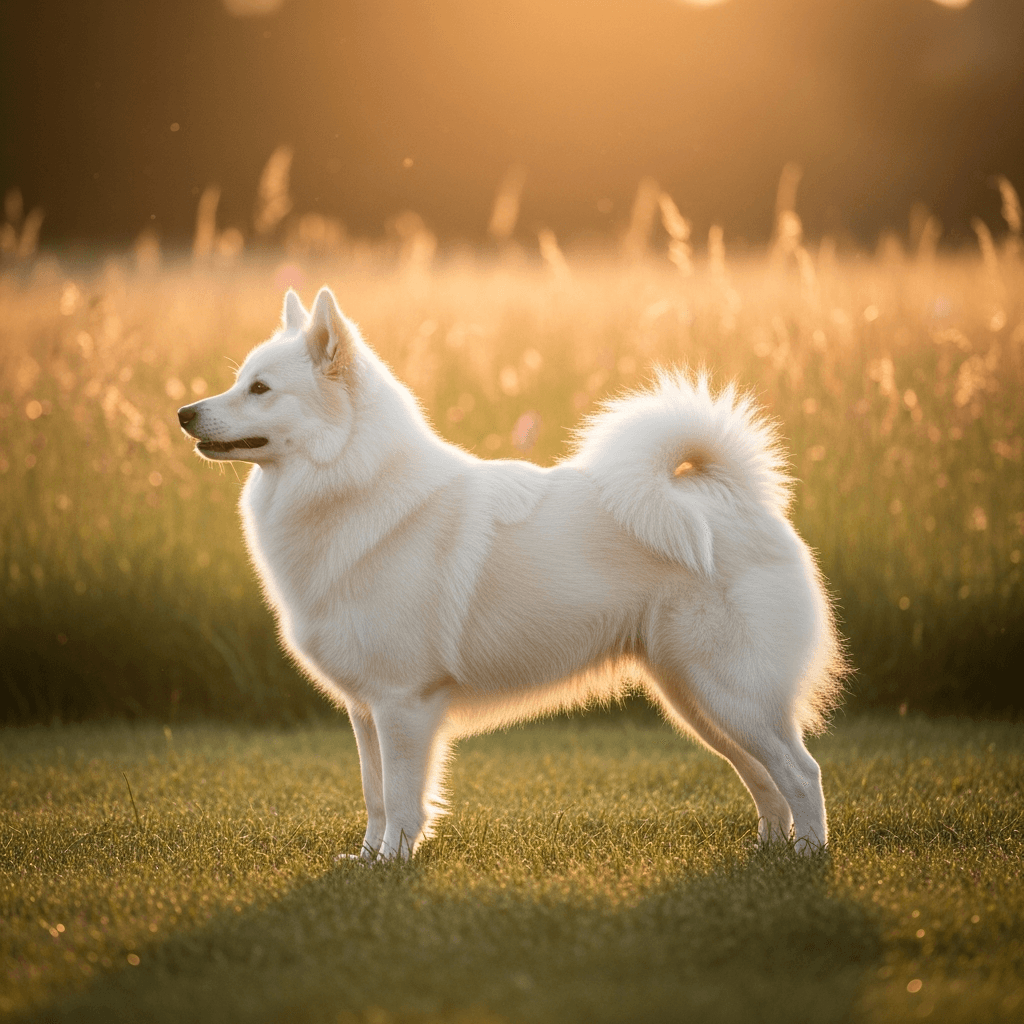
Medium spitz
FCI Group
5• FCI 97C
Size
Medium
Origin Country
DE
Height
30-38 cm
Weight
7-11 kg
Lifespan
12-15 years
Temperament
Overview
The medium spitz, also known as the German medium spitz, is one of the oldest dog breeds in Central Europe, with roots dating back to the Stone Age. The ancestors of this breed, known as bog dogs, have accompanied humanity for thousands of years, serving as guardians of farms and loyal companions. This exceptional breed combines ancient heritage with remarkable grace and functionality.
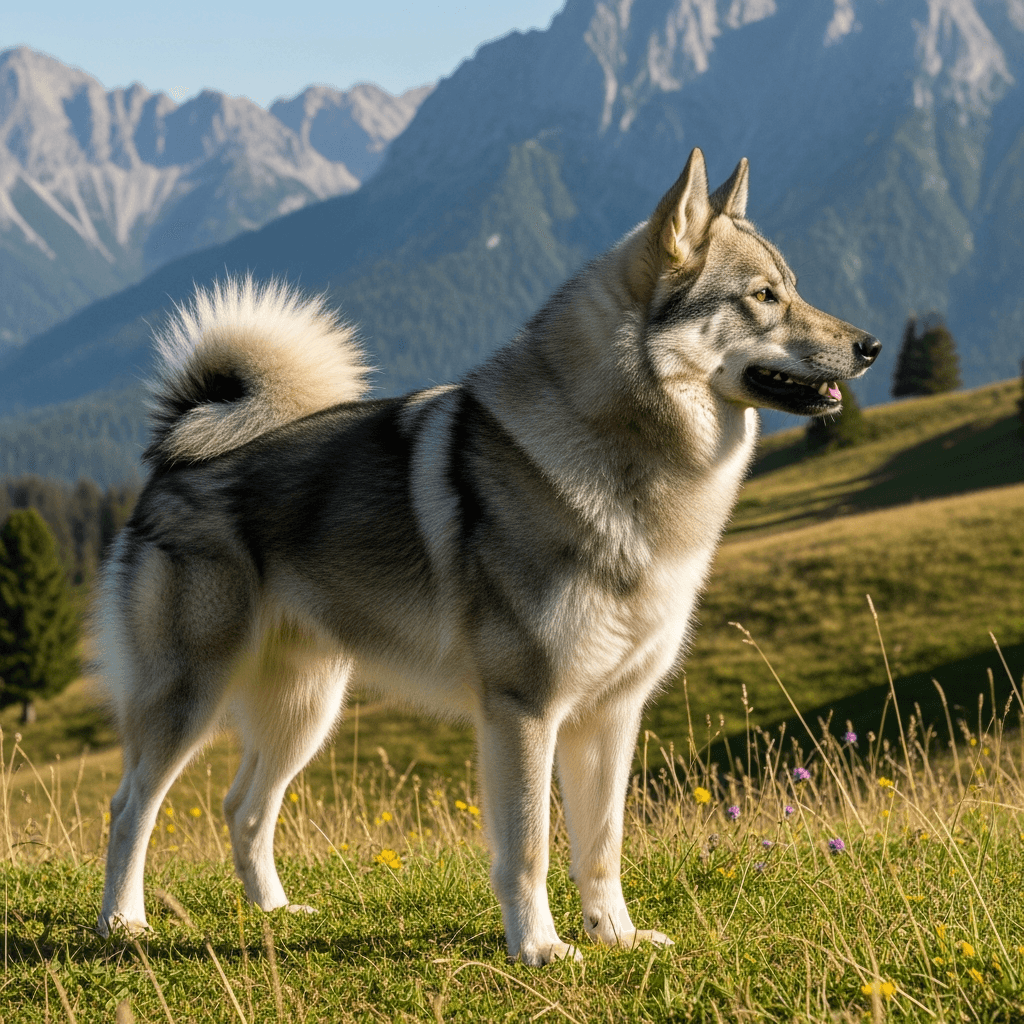
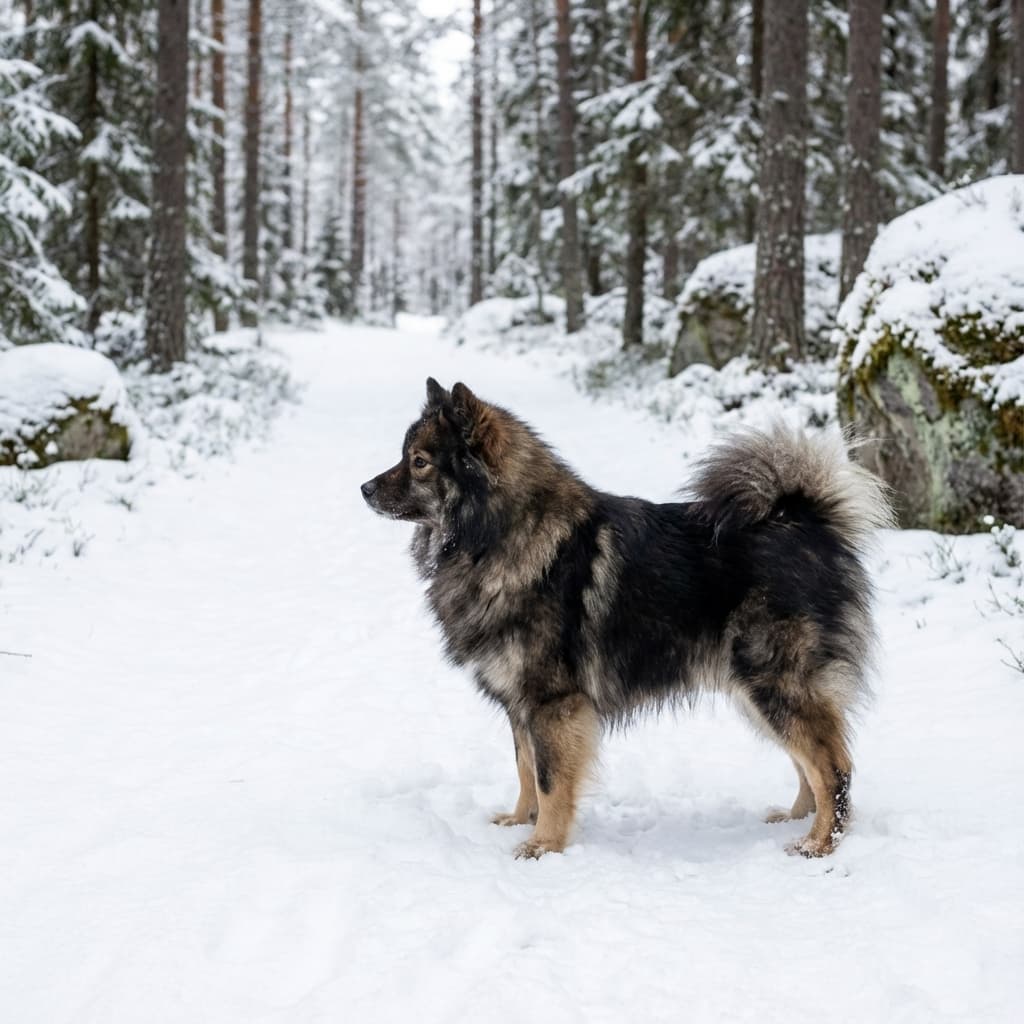
The characteristic silhouette of the medium spitz attracts attention at first glance. The most recognizable feature is the thick, double coat consisting of a long, straight outer layer and a short, soft undercoat. This natural coat perfectly protects the dog from extreme weather conditions, both cold and heat. Particularly impressive is the lush collar around the neck resembling a lion's mane and the richly furred tail carried proudly over the back in a characteristic arc.
The head of the medium spitz has harmonious proportions with expressive, almond-shaped eyes full of intelligence and alertness. Small, triangular ears are set upright, emphasizing the ever-vigilant nature of this breed. The body structure is strong and well-balanced – a sturdy bone structure, well-developed muscles, and fluid, springy movement testify to its athleticism and endurance. The height at the withers ranges from 30 to 38 cm, making it a medium-sized dog, ideal for both apartment living and homes with gardens.
The temperament of the medium spitz is a combination of energy, intelligence, and extraordinary loyalty. It is a lively and enthusiastic dog that forms a deep emotional bond with its family. Its natural guarding instinct manifests itself in reserve towards strangers, but never in aggression or timidity. Thanks to its high intelligence, the medium spitz quickly learns new commands and joyfully participates in training based on positive reinforcement.
It requires regular physical activity and mental stimulation to remain happy and balanced. Daily walks, playtime, and interactions with the family are essential for its mental and physical well-being. The medium spitz enjoys good health and longevity, and with proper care, a balanced diet, and regular grooming, it can enjoy life for many years.
In the following chapters of our comprehensive guide, you will find detailed information about health, grooming, nutrition, training, and the fascinating history of this wonderful breed. The medium spitz is not only a beautiful dog – it is a loyal companion, an intelligent guardian, and a joyful family member that certainly deserves to be known better!
The medium German Spitz is a dog with an exceptionally harmonious build and elegant appearance that immediately catches the eye. Height at the withers ranges from 30 to 38 cm, and the weight is proportional to the size, usually oscillating between 7 and 11 kg. This medium size makes it a versatile breed, suitable for both apartment living and homes with gardens.
The head of the Spitz has a characteristic shape reminiscent of a fox – medium-sized, with a distinct, though not too steep, stop. The nose is small, always black (or brown in dogs with brown coats), giving the face a striking appearance. The eyes are almond-shaped, dark, shiny, and slightly slanted, which gives the dog a vigilant and intelligent expression. The Spitz's gaze is full of life and curiosity about the world.
The ears are small, triangular, and always carried high and upright. Their stiff positioning emphasizes constant alertness and readiness to respond to the surroundings. This feature is one of the most recognizable elements of the medium German Spitz's silhouette.
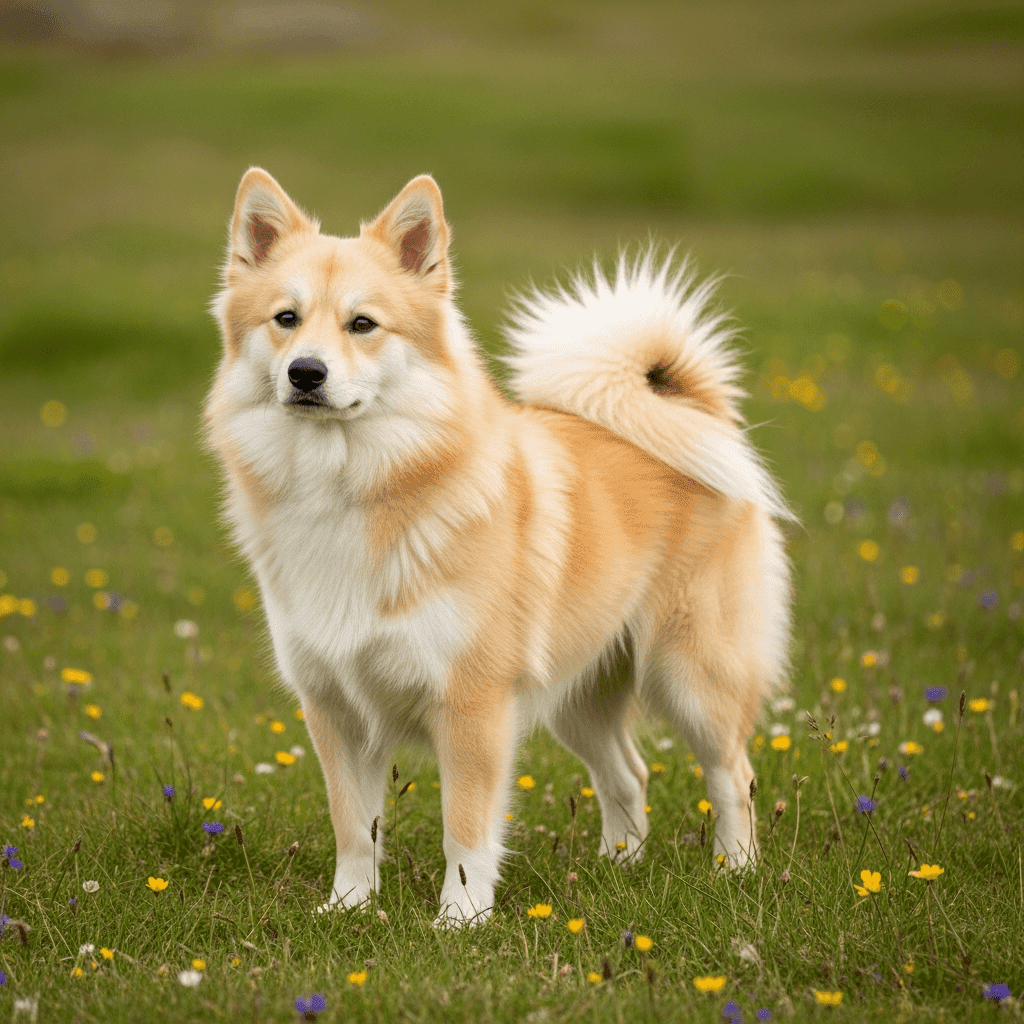
The coat of the medium Spitz is its true crown – double, consisting of a long, straight, and standing outer coat and a dense, soft undercoat. This structure creates a characteristic cloud around the dog's body, giving it the appearance of a plush toy. Particularly impressive is:
- A lush collar around the neck and nape, resembling a lion's mane
- A heavily furred tail carried proudly over the back in a characteristic ring
- Fluffy trousers on the hind legs
- Short, velvety fur on the muzzle, ears, and front parts of the limbs
Coat colors are diverse, and all are accepted by breed standards. The most commonly encountered shades are:
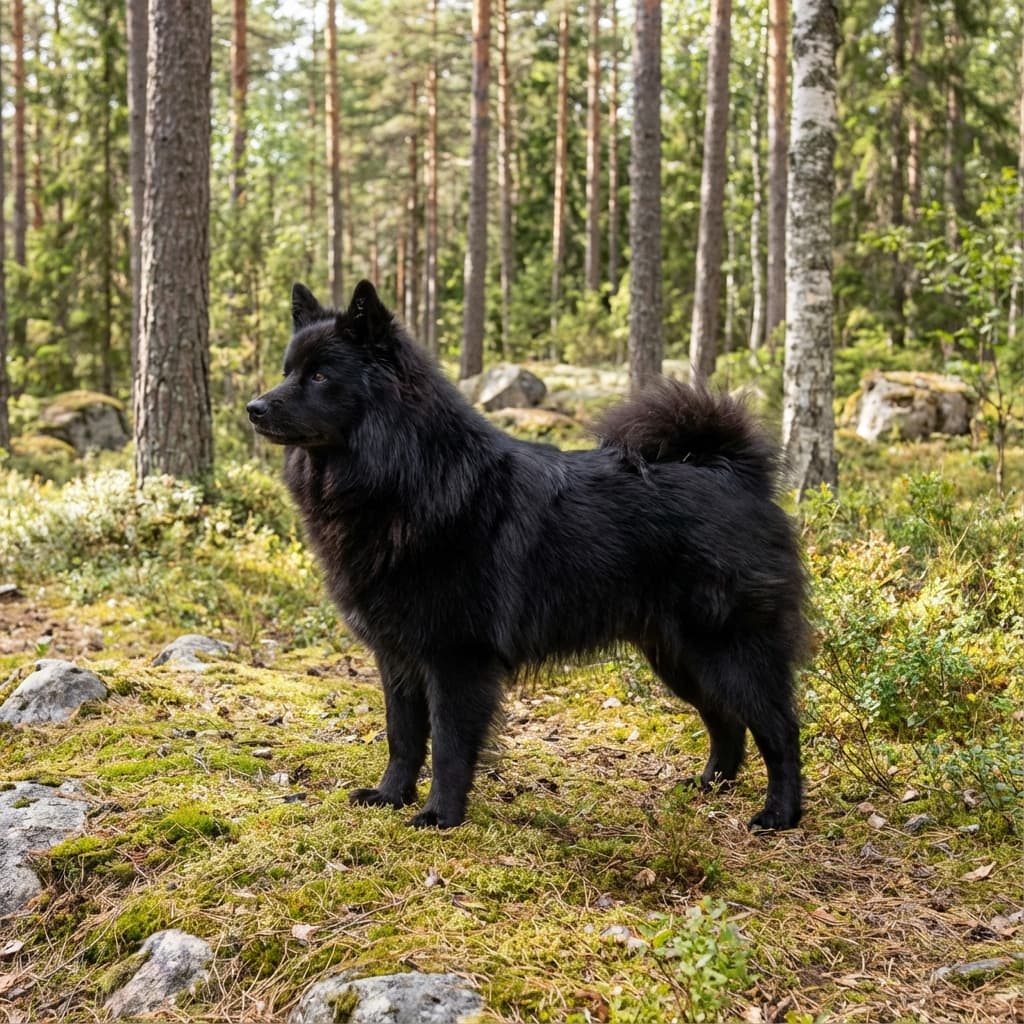
- Black – deep, shiny, often with brown markings
- Brown – from light to dark chocolate
- White – snow-white, pure white
- Orange – from cream to intense orange
- Gray-silver (wolf-gray) – with black-tipped hairs
- Other shades – cream, gold, brindle
The silhouette of the Spitz is square and harmonious. A strong, straight back, well-arched chest, and deep breastbone indicate solid construction. The limbs are straight, strong, and well-muscled, ending in small, compact paws with black pads. The movement of the Spitz is light, springy, and free, full of grace and confidence.
The overall appearance of the medium Spitz emanates elegance, pride, and alertness. It is a dog that seems to be aware of its beauty and enjoys showcasing its magnificent coat and harmonious build.
The medium German Spitz is a dog with a remarkably lively and cheerful disposition, who brightens up any room with its energy and enthusiasm. Its temperament combines intelligence, loyalty, and exceptional alertness, making it not only a wonderful companion but also an excellent guard dog.
The bond with the family is the most important thing for the medium Spitz. It is a dog that is extremely devoted to its owners, creating deep emotional relationships with the whole family. It loves to be the center of attention and actively participate in the daily life of its household. The medium Spitz is a true family member who needs constant presence and interaction with people – loneliness does not suit this breed.
Alertness and guarding instinct are embedded in the DNA of the medium Spitz. Naturally distrustful of strangers, it excels as a guard, warning with loud barking about approaching unknown individuals. However, this reserve towards strangers never turns into aggression – the medium Spitz is a dog with a balanced temperament, maintaining control and dignity in every situation. Once it accepts a new person, it becomes friendly and open.
The intelligence of the Spitz is impressive – it is one of the most astute dog breeds. It quickly learns new commands, understands the owner's intentions, and can independently solve simple problems. This trait makes it easy to train, although its independent nature sometimes requires patience and consistency in training. It responds best to positive reinforcement – praise, treats, and play.
Energy and need for activity are characteristic of this breed. The medium Spitz is a lively dog that requires:
- Daily walks and outdoor play
- Mental stimulation – learning tricks, obedience training
- Social interactions with the family
- Diverse activities to prevent boredom
In relationships with other animals, the medium Spitz can be somewhat dominant, especially towards dogs of the same sex. Early socialization is crucial – a dog that experiences various situations, people, and animals from puppyhood will be more tolerant and relaxed in adult life. With proper upbringing, it gets along well with other dogs and can live harmoniously with cats.
The voice of the Spitz is a separate topic – this breed loves to communicate by barking. This can be both an advantage (an excellent alarm) and a challenge (it requires training to control barking). Consistent training from puppyhood helps manage this trait.
The character of the medium Spitz can be summarized as:
- Cheerful and energetic – always ready to play
- Loyal and devoted – creates a strong bond with the family
- Alert and attentive – an excellent guard
- Intelligent and sharp – learns quickly
- Independent but social – needs companionship
- Confident – not fearful or aggressive
The medium German Spitz is a dog for active people looking for an intelligent, alert, and cheerful companion. Its energetic temperament and need for close contact with the family make it ideal for homes where it can be a full-fledged family member and participate in all activities.
The German Spitz Medium is a breed known for its excellent health and longevity. With proper care and attention to suitable living conditions, it can live 13-15 years, and often even longer. Its natural sturdiness and resistance to various weather conditions are the result of centuries of natural and selective breeding.
Resistance to weather conditions is one of the greatest advantages of this breed. Thanks to its double, dense coat, the medium spitz tolerates both freezing winters and moderate heat exceptionally well. Its natural coat protects it from rain, snow, and wind, making it a dog that enjoys spending time outdoors in any season.
Typical breed-related diseases occur relatively rarely, but responsible breeders and owners should be aware of potential health issues:
- Cataracts and progressive retinal atrophy (PRA) – eye diseases that can lead to vision loss in older age. Regular ophthalmic examinations allow for early detection.
- Patellar luxation – an orthopedic issue more common in small and medium breeds. It manifests as occasional limping.
- Hip dysplasia – rare in this breed, but it is advisable to perform X-ray examinations on dogs intended for breeding.
- Dental problems – tartar and periodontal diseases require regular oral hygiene.
- Skin allergies – can occur, particularly food or contact allergies.
- Obesity – spitzes tend to gain weight, which increases the risk of joint and cardiovascular problems.
Health prevention is key to a long and healthy life for the medium spitz. Recommended actions include:
- Regular veterinary visits – at least once a year for check-ups.
- Protective vaccinations – according to the vaccination schedule.
- De-worming and parasite protection – every 3 months or as advised by the veterinarian.
- Weight control – maintaining a proper body weight prevents joint problems.
- Ophthalmic examinations – especially in older dogs.
- Oral hygiene – regular teeth brushing prevents periodontal diseases.
- Ear checks – although spitzes rarely have ear problems, it is worth checking them regularly.
Nutrition has a significant impact on the health of the spitz. A balanced diet rich in high-quality protein, healthy fats, and essential vitamins and minerals supports the immune system, skin and coat health, and the proper functioning of all body systems. Avoiding excess calories is crucial for preventing obesity.
Physical activity is not only necessary for the mental condition of the spitz but also for its physical health. Regular walks, play, and exercise:
- Maintain proper body weight.
- Support joint and muscle health.
- Improve circulation and cardiovascular endurance.
- Strengthen the immune system.
Coat care also has a health aspect – regular brushing not only prevents matting but also allows for early detection of skin changes, ticks, or other issues. During grooming, it is important to closely examine the skin, check the eyes, ears, and paws.
Symptoms requiring veterinary consultation:
- Sudden loss of appetite or weight.
- Excessive drinking of water.
- Changes in behavior – apathy, aggression.
- Limping or stiffness in movements.
- Itching, bald spots, skin changes.
- Breathing problems.
- Vomiting or diarrhea lasting more than a day.
- Changes in eye clarity.
The German Spitz Medium is a resilient and long-lived breed that, with proper care and attention to its needs, will enjoy excellent health for many years. The key is prevention, conscious nutrition, and providing an active, happy life.
Grooming a medium German Spitz is an essential part of responsible care for this breed. Although the s spectacular double coat may seem demanding, a proper grooming routine makes it relatively easy to maintain the Spitz's beautiful appearance.
The coat structure of the Spitz consists of two layers:
- Long, straight outer coat – protruding, thick hairs creating a characteristic cloud
- Dense, soft undercoat – fluffy, insulating, protecting against cold and moisture
This unique structure requires regular brushing, which is the foundation of proper grooming.
Brushing – the foundation of grooming:
- In normal periods – at least 2-3 times a week for 15-20 minutes
- During shedding periods (spring and autumn) – daily, even up to 30 minutes
- Technique – brushing in the direction of hair growth, gently combing through the undercoat
- Tools – a brush with long steel pins, a metal comb with wide and fine teeth, an undercoat brush (furminator) during shedding periods
Shedding in the medium Spitz is seasonal and quite intense. Twice a year – in spring and autumn – the dog sheds a significant amount of undercoat. During this time:
- Increase the brushing frequency to daily
- Use special tools for removing undercoat
- Consider professional grooming at a groomer
- Remember that regular brushing speeds up the shedding process and reduces the amount of fur in the house
Bathing the medium Spitz:
- Frequency – every 6-8 weeks or as needed (e.g., after getting dirty)
- Shampoo – high-quality, designed for dogs with long coats, preferably moisturizing and detangling
- Conditioner – recommended to facilitate detangling and add shine to the coat
- Technique – thoroughly wet the coat (reaching the skin), gently massage in the shampoo, rinse thoroughly
- Drying – towel and dryer on low heat, while simultaneously brushing the coat
- IMPORTANT – do not bathe without prior brushing! Wet mats are very difficult to dissolve
Trimming and cutting:
- Coat – the German Spitz SHOULD NOT BE CUT! Cutting destroys the structure of the double coat and can lead to problems with regrowth
- Paws – you can gently trim the hair between the pads for hygiene and comfort
- Hygiene – you can trim the hair around the anus for cleanliness
- Professional grooming – a groomer can shape the silhouette through brushing and removing dead hair, but without using scissors on the outer coat
Ear care:
- Check the ears once a week
- Gently clean the outer part of the ear with a cotton pad or gauze moistened with a special ear cleaning solution
- DO NOT insert cotton swabs into the ear canal
- Watch for unpleasant odors, redness, or excessive discharge – these are signals to visit a veterinarian
Oral hygiene:
- Brush teeth 3-4 times a week (ideally daily) with a dog toothbrush and toothpaste
- Provide dental chews to support teeth cleaning
- Regularly check the condition of the gums – they should be pink, not red
- Monitor breath odor – unpleasant smell may indicate dental problems
- Consider professional teeth cleaning at the veterinarian every 1-2 years
Nail trimming:
- Trim every 3-4 weeks or when you hear the nails clicking on the floor
- Use sharp clippers for small/medium breed dogs
- Trim only the clear tip, avoiding the pink part (blood vessel)
- After trimming, smooth with a file
- If you don't feel confident – ask a veterinarian or groomer for help
Eye care:
- Check the eyes daily – they should be clear, without excessive tearing
- Gently wipe the corners of the eyes with a damp gauze to remove discharge
- Watch for redness, excessive tearing, or cloudiness – consult a veterinarian
Skin check:
- While brushing, check the skin under the coat
- Look for ticks, fleas, changes, redness, or rashes
- Pay attention to excessive itching or hair loss in certain areas
Seasonal care:
- Summer – provide access to shade and water, avoid strenuous activity during hot hours, regularly check if the dog is overheated
- Winter – after walks in the snow, rinse the coat from salt and chemicals, dry the paws
- Autumn/spring – intensive brushing during shedding
Regular grooming of the medium German Spitz is not just a matter of aesthetics – it is a time to strengthen the bond with your dog, an opportunity to detect health problems early, and to ensure the comfort and well-being of your four-legged friend. By dedicating 15-30 minutes several times a week, you will enjoy a beautifully looking and healthy dog for many years.
The German Spitz medium is a dog with moderate to high exercise needs, requiring regular physical activity and mental stimulation to remain happy, healthy, and balanced. Despite its medium size, this breed possesses significant energy and vitality that must find appropriate outlets.
Daily exercise requirements:
- Walks – a minimum of 60-90 minutes per day, divided into 2-3 outings
- Pace – moderate to fast, the spitz enjoys active walks, not just leisurely strolls
- Variety of routes – changing walking locations provides new scents and stimuli
- Contact with other dogs – socialization and play with other dogs at least a few times a week
Types of physical activities ideal for the medium spitz:
- Running – great as a jogging companion for shorter distances (3-5 km)
- Cycling – can run alongside a bike, but not for long distances and not in hot weather
- Fetching – loves games with balls, frisbees, or fetch toys
- Swimming – some spitzes enjoy water, though not all – it's worth checking individual preferences
- Garden games – running, chasing, searching for hidden treats
- Dog sports – agility, flyball, rally obedience – spitzes excel in these due to their intelligence and agility
Mental stimulation is just as important as physical activity. The medium spitz is a smart dog that needs intellectual challenges:
- Learning tricks – daily sessions of 10-15 minutes, spitzes quickly learn new commands
- Scent games – hiding treats, scent mats, searching for toys
- Dog puzzles – interactive toys that require problem-solving to obtain a reward
- Obedience training – regular practice of commands keeps the mind sharp
- Games with training elements – combining play with learning new behaviors
Adjusting activity to age:
- Puppies (2-12 months) – short, frequent play sessions (10-20 minutes), avoiding jumping and intense exertion until joints are fully developed (around 12-14 months)
- Adult dogs (1-8 years) – full activity, 60-90 minutes daily plus play and mental training
- Seniors (8+ years) – adjusted pace and intensity, shorter but more frequent walks, gentler forms of activity, avoiding strenuous exercises
Weather conditions and activity:
- In winter – spitzes tolerate frost well due to their double coat, walks can be extended
- In summer – avoid exertion during the hottest hours (11:00-16:00), walk in the morning and evening, always bring water
- Rain – most spitzes do not like wet weather, but shorter walks are necessary
- Heat – WARNING! Spitzes can overheat, limit activity, provide shade and water
Indoor activity:
The medium spitz adapts well to apartment living but requires activity at home as well:
- Interactive toys – balls, chew toys, engaging toys
- Training sessions – short sessions of learning commands or tricks
- Games with the owner – tug-of-war, throwing a ball (if space allows)
- Mental games – puzzles, scent games on a mat
Signs of insufficient activity:
- Excessive barking
- Destruction of furniture and items
- Hyperactivity and difficulty calming down
- Excessive weight gain
- Apathy and lack of interest in the environment
- Behavioral problems – whining, fussing
Benefits of regular activity:
- Maintaining a healthy body weight
- Healthy joints and muscles
- Improved cardiovascular fitness
- Reduction of stress and undesirable behaviors
- Strengthening the bond with the owner
- Better sleep and overall well-being
- Socialization and confidence
Safety tips:
- Always use a leash in public places – spitzes have a strong chasing instinct
- Gradually increase exercise intensity, especially for dogs returning from a break
- Monitor the dog during exertion – heavy panting, excessive drooling may indicate overheating
- Provide access to water during and after activities
- Avoid exercising immediately after meals (risk of stomach torsion)
The German medium spitz is an active companion that feels best in the company of its owner during various activities. Regular, daily physical exercise combined with mental stimulation is key to a happy, healthy, and balanced spitz. This dog is for those who value an active lifestyle and want an energetic but not overly demanding companion for daily adventures.
The German Spitz Medium is a breed that is extremely intelligent and eager to learn, making training a pleasure for both the dog and the owner. Its natural curiosity, sharp mind, and willingness to cooperate mean that with the right approach, excellent results can be achieved in obedience, learning tricks, and various forms of dog sports.
Key training principles for the medium spitz:
- Start early – socialization and basic commands from 8-10 weeks of age
- Positive reinforcement – reward desired behaviors (treats, praise, play), never use physical punishment
- Consistency – the same rules by all family members, every day
- Short sessions – 10-15 minutes, 2-3 times a day, to maintain focus and motivation
- Diversity – introduce new commands and challenges to prevent boredom
- Patience and calmness – spitzes are sensitive to the owner's tone of voice and emotions
Puppy socialization (8-16 weeks – CRITICAL PERIOD):
This is the most important stage in the spitz's life, determining its future behavior. The dog should be exposed to:
- Different people – children, adults, seniors, people in hats, glasses, with strollers
- Other animals – dogs of various breeds and sizes, cats, possibly other animals
- Environments – street, park, forest, city center, pet stores, veterinary clinics
- Sounds – traffic, trains, children playing, thunder (recordings), vacuum cleaner, washing machine
- Surfaces – grass, concrete, metal (grates), stairs, elevator
- Situations – car travel, visits to the vet, encounters with other dogs
Proper socialization prevents anxiety, aggression, and behavioral problems in adult life.
Basic commands (from 8-10 weeks of age):
- Recall (Here, Come) – the most important command for the dog's safety
- Sit – the foundation for many other commands
- Stay – impulse control, waiting
- Lie down – calming, relaxation
- Leave it – safety (not picking up food from the ground)
- Heel (Walking on a loose leash) – comfort during walks
- Place – teaching calmness in a designated spot
Teaching technique for basic commands:
Example – teaching the Sit command:
- Hold a treat above the dog's nose
- Slowly move your hand over the dog's head towards its tail
- The dog will naturally sit following the treat
- At the moment its bottom touches the floor, say Sit and reward
- Repeat 5-10 times a day
- Gradually introduce the command before the hand movement
- Eliminate the temptation of the treat, reward after the action
Barking control:
Spitzes tend to bark frequently, which can be problematic. Barking control training:
- Command Quiet or Enough – teach from puppyhood
- Do not reward barking with attention – ignore barking for attention
- Reward silence – when the dog stops barking on command, reward immediately
- Identify the cause – boredom, anxiety, territorial guarding – address the source of the problem
- Tired dog = quiet dog – appropriate activity reduces barking
Potty training (puppies):
- Take the puppy out every 2-3 hours, immediately after eating, after sleeping, and after playing
- Choose a consistent spot for bathroom needs
- Reward IMMEDIATELY after going in the right place
- Do not punish for accidents – clean up without comment
- Use odor neutralizers
- Most puppies master potty training between 4-6 months of age
Advanced training and dog sports:
The German Spitz Medium excels in:
- Agility – obstacle course, requires agility and intelligence
- Obedience – precise execution of commands
- Rally obedience – combines obedience with fun
- Trickdogging – learning impressive tricks
- Nosework – scent games, searching for scents
- Dog dancing – dancing with the dog to music
These activities perfectly utilize the spitz's intelligence and strengthen the bond with the owner.
Common challenges in spitz training and solutions:
- Stubbornness – spitzes are independent; use high-value rewards and maintain motivation
- Excessive barking – consistent training of the Quiet command from puppyhood
- Dominance over other dogs – early socialization, controlled meetings
- Distraction – start training in a quiet place, gradually add distractions
- Distrust of strangers – positive socialization, reward calm behavior towards strangers
Tools and rewards in training:
- Training treats – small, soft, quickly swallowed (chicken, cheese, special training treats)
- Toys – for dogs motivated by play
- Verbal praise – enthusiastic, high-pitched tone of voice
- Clicker – precise marking of desired behavior
- Short training leash – control during loose leash walking training
- Long leash/line – for recall training at a distance
When to seek professional help:
- Aggression towards people or other dogs
- Extreme anxiety or phobia
- Separation issues (destruction, barking when alone)
- Lack of progress despite consistent training
- You want to train for dog sports at a professional level
Key principles:
- Training is a shared fun – not a stressful activity
- Every dog learns at its own pace – compare progress only with the dog's previous achievements
- Consistency is key – daily, throughout life
- Strengthen the bond – training is quality time with the dog
- Have fun – your enthusiasm is contagious to the dog
The German Spitz Medium is a great learner, who with proper, positive, and consistent training can achieve impressive results. Its intelligence, willingness to cooperate, and loyalty make training a pleasure and strengthen the extraordinary bond between dog and owner for a lifetime.
Proper nutrition is the foundation of health, fitness, and longevity for the medium German Spitz. A balanced diet tailored to age, weight, activity level, and individual needs provides the dog with energy, supports the immune system, skin and coat health, and the proper functioning of all body systems.
Basic nutritional needs of the medium Spitz:
- Animal protein – 25-30% of the dry matter of food for adult dogs, 28-32% for puppies. Sources: chicken, turkey, beef, fish, lamb
- Fats – 12-18% for adults, 15-20% for puppies. Provide energy and support skin and coat health. Sources: salmon oil, flaxseed oil, poultry fat
- Carbohydrates – rice, oats, potatoes, sweet potatoes – a source of energy and fiber
- Vitamins and minerals – a full set of essential micronutrients for health
- Fiber – supports proper digestion
- Water – always available, fresh
Choosing the type of food:
1. Dry food (kibble):
- Advantages – convenient, long shelf life, helps clean teeth, often the most balanced
- Disadvantages – less palatable for some dogs, contains preservatives
- Choice – premium or super premium food for small/medium breeds
- Ingredients – meat as the first ingredient (minimum 40-50% meat), grain-free or whole grains, no artificial additives
2. Wet food (cans, pouches):
- Advantages – more palatable, higher water content, good for dogs that drink reluctantly
- Disadvantages – more expensive, shorter shelf life after opening, does not clean teeth
- Usage – as a supplement to dry food or the main source of nutrition
3. BARF diet (Biologically Appropriate Raw Food):
- Ingredients – raw meat (muscle and organ), meaty bones, vegetables, fruits, possibly fish
- Advantages – natural, fresh, full control of ingredients
- Disadvantages – requires knowledge and planning, risk of pathogens, costly, time-consuming
- IMPORTANT – consultation with a veterinarian or nutrition specialist, appropriate ingredient proportions
4. Home-cooked diet:
- Ingredients – cooked meat, rice/grains, vegetables, possibly supplements
- Advantages – fresh, controlled ingredients, good for dogs with allergies
- Disadvantages – requires nutritional knowledge, easy to cause deficiencies, time-consuming
- IMPORTANT – consultation with a veterinarian, supplementation of vitamins and minerals
Adjusting the diet to age:
Puppies (2-12 months):
- Food for small/medium breed puppies
- Higher protein and fat content for growth
- Feeding 3-4 times a day (2-6 months), then 2-3 times (6-12 months)
- Monitoring weight gain – not too fast to avoid stressing joints
- Gradual transition to adult food around 10-12 months
Adult dogs (1-7 years):
- Food for adult small/medium breed dogs
- Feeding 2 times a day
- Adjusting portions to activity level
- Weight control – spitzes tend to gain weight!
Seniors (7+ years):
- Senior food for small/medium breeds
- Lower calorie content (less activity)
- Ingredients supporting joints (glucosamine, chondroitin)
- More easily digestible protein
- Feeding 2 times a day, smaller portions
Determining portion sizes:
- Follow the manufacturer's feeding guidelines (usually on the packaging)
- Adjust to the dog's activity level (active ±20% more, less active ±20% less)
- Monitor condition – you should feel the ribs under a thin layer of fat, a clear waist when viewed from above
- Example – an adult medium spitz weighing 9 kg, moderately active: about 150-180g of dry food per day (divided into 2 meals)
Feeding schedule:
- Fixed hours – e.g., 7:00 and 18:00
- Calm place – where the dog can eat without stress
- Access to the bowl for 15-20 minutes, then take it away (teaches regularity)
- Fresh water – always available
- Avoid exertion – at least an hour before and after eating (risk of gastric torsion)
Healthy treats and snacks:
- Maximum 10% of daily caloric intake from treats
- Natural chews – carrots, apples (without seeds), pieces of cooked chicken
- Specialized dental treats
- Training treats – small, low-calorie
- AVOID – chocolate, grapes, raisins, onions, garlic, avocados, xylitol (toxic to dogs!)
Supplementation:
With premium commercial food, usually unnecessary. Consider in cases of:
- Salmon or flaxseed oil – for skin and coat health, omega-3
- Glucosamine and chondroitin – for joint health in seniors
- Probiotics – to support the digestive system
- ALWAYS consult supplementation with a veterinarian
Specialized diets (only under veterinary supervision):
- Hypoallergenic – for food allergies
- Low-fat – for pancreatic issues
- Dietary for overweight dogs
- Therapeutic – for kidney, liver problems
Weight and condition control:
- Weighing – once a month, always under the same conditions
- Visual test – clear waist when viewed from above
- Touch test – ribs palpable under a thin layer of fat
- Overweight – reduce portions by 10-15%, increase activity
- Underweight – consult a veterinarian (may indicate a health problem)
Changing food:
Always introduce gradually over 7-10 days:
- Days 1-2: 75% old food + 25% new
- Days 3-4: 50% old + 50% new
- Days 5-6: 25% old + 75% new
- Day 7+: 100% new food
A sudden change can cause stomach problems.
Signs of nutritional problems:
- Dull, shedding coat
- Skin issues – itching, rashes
- Diarrhea, vomiting, constipation
- Loss of energy, apathy
- Excessive weight gain or loss
- Unpleasant breath
If you notice these symptoms – consult a veterinarian.
Summary:
Proper nutrition for the medium German Spitz includes:
- High-quality food tailored to age and activity
- Regular meals at fixed times
- Portion and weight control
- Limiting treats to 10% of daily caloric intake
- Fresh water always available
- Monitoring condition and reactions to food
- Consultations with a veterinarian when in doubt
Proper nutrition is an investment in a long, healthy, and happy life for your spitz!
Characteristic Traits
Pros
- Easy to train
- Extremely devoted to family
- Excellent guard dog
- Resilient to various weather conditions
- Intelligent and sharp
- Long-lived and healthy.
Cons
- Requires regular coat care
- Distrustful of strangers
- Needs a lot of physical and mental activity
- Tendency to bark frequently.
Behavioral Ratings
Breed History
The history of the German Mittelspitz is a fascinating tale that dates back thousands of years, making this breed one of the oldest in Europe. Its roots are deeply embedded in prehistory, and its bond with humanity has endured through the ages, evolving alongside the development of civilization.
Prehistoric beginnings – Peat Dogs (Canis familiaris palustris):
German Spitzes descend from peat dogs, also known as Torfhunde or Canis familiaris palustris, which lived during the Stone Age, around 6000-10000 B.C. Remains of these dogs have been discovered in peat deposits in various parts of Europe, particularly in areas of present-day Germany, Switzerland, and Scandinavia. Archaeological studies show that peat dogs were among the first domesticated dogs accompanying primitive human communities.
The characteristic skull structure, pointed ears, and curled tail – features already visible in peat dogs – have survived to this day in the silhouette of modern spitzes. These early dogs served guard functions, warning people of danger, and accompanied them during hunts.
The Middle Ages and Modernity – Guardians of Farms:
During the Middle Ages, German spitzes were commonly found in the regions of present-day Germany, the Netherlands, and Scandinavian countries. They served as farm and guard dogs – watching over households, guarding property, and alerting to approaching strangers. Their loud barking and vigilance were particularly valued at a time when the safety of farms depended on early warning.
Spitzes accompanied farmers, craftsmen, and merchants. They were common dogs, accessible to all social classes, which distinguished them from aristocratic breeds. However, their versatility and reliability earned them respect at every level of society.
The 18th and 19th Centuries – Differentiation of Sizes:
In the 18th century, the process of deliberate breeding of spitzes in various size varieties began. In different regions of Germany, spitzes were bred to meet local needs:
- Large Spitz (Großspitz) – for guarding and watching over herds
- Medium Spitz (Mittelspitz) – versatile farm dogs
- Miniature Spitz (Kleinspitz) – companion dogs
- Pomeranian (Zwergspitz) – the smallest, salon dogs
Each variety retained the typical features of a spitz – thick fur, pointed ears, curled tail, and alert temperament – differing mainly in size.
The Victorian Era – Popularity in Europe:
In the 19th century, spitzes gained immense popularity throughout Europe. Particularly in England, thanks to Queen Victoria, who was a great lover of small spitzes (pomeranians). This interest from the aristocracy influenced the development of breeding and the spread of the breed.
In Germany, spitzes continued to be valued as working dogs – guardians of farms, companions to hunting dogs (leading hunters to game), and family companions.
The 20th Century – Standardization and Recognition:
At the beginning of the 20th century, formal standardization of the breed began. In 1899, the first club of German spitz breeders was established, which developed detailed standards for each size variety. In 1960, the Fédération Cynologique Internationale (FCI) officially recognized German spitzes, classifying them in Group 5 (spitzes and primitive type dogs).
The Medium Spitz was recognized as a distinct variety with clearly defined characteristics:
- Height at the withers: 30-38 cm
- Weight: proportional to height
- Double, dense coat in various colors
- Alert, energetic temperament
During World War I and II, the population of spitzes, like many other breeds, significantly declined. However, after the war, dedicated breeders rebuilt the breed, ensuring the preservation of its original traits and character.
Modernity – A Breed Valued Worldwide:
Today, the German Mittelspitz is valued worldwide as a companion, family, and show dog. Although it is not as popular as some other breeds, it has its loyal group of enthusiasts who appreciate its:
- Ancient heritage – a direct connection to prehistoric dogs
- Versatility – family dog, guardian, companion
- Beauty – spectacular coat and elegant silhouette
- Intelligence and loyalty – exceptional bond with the family
- Health and longevity – a robust, hardy breed
Contemporary Breeding and FCI Standard:
The German Mittelspitz is recognized by the FCI as part of the family of German spitzes (FCI Standard No. 97). The breed standard emphasizes:
- Preservation of the original type
- Dense, double coat
- Harmonious build
- Balanced temperament – alert but not aggressive
- Health and functionality
Modern breeding focuses on health, temperament, and maintaining typical breed characteristics, avoiding extremes and genetic problems. Responsible breeders conduct health tests, ensure proper socialization of puppies, and promote the breed as a wonderful family companion.
Role in Culture:
German spitzes have frequently appeared in art and literature – in paintings, books, and films. Their distinctive appearance and alert nature have made them recognizable and beloved worldwide.
Heritage Lasting Thousands of Years:
The history of the German Mittelspitz is an extraordinary tale of a breed that has survived thousands of years, practically unchanged in its fundamental character. From prehistoric peat dogs, through medieval farm guardians, to modern family dogs – the German spitz remains a faithful companion to humans, combining ancient heritage with universal appeal.
By choosing a Mittelspitz, you not only gain a wonderful companion but also become part of one of the longest and most fascinating stories in the world of domestic dogs.