Norrbottenspets
FCI Group
5• FCI 276
Size
Small
Origin Country
SE
Height
42-45 cm
Weight
9-10 kg
Lifespan
12-14 years
Temperament
Overview
The Norrbottenspets, also known as Norrbottenspitz, is a fascinating breed of hunting dog originating from northern Sweden, winning hearts with its compact build and exceptional vitality. This clever and sociable four-legged friend is an ideal partner for active families and individuals who appreciate outdoor activities.
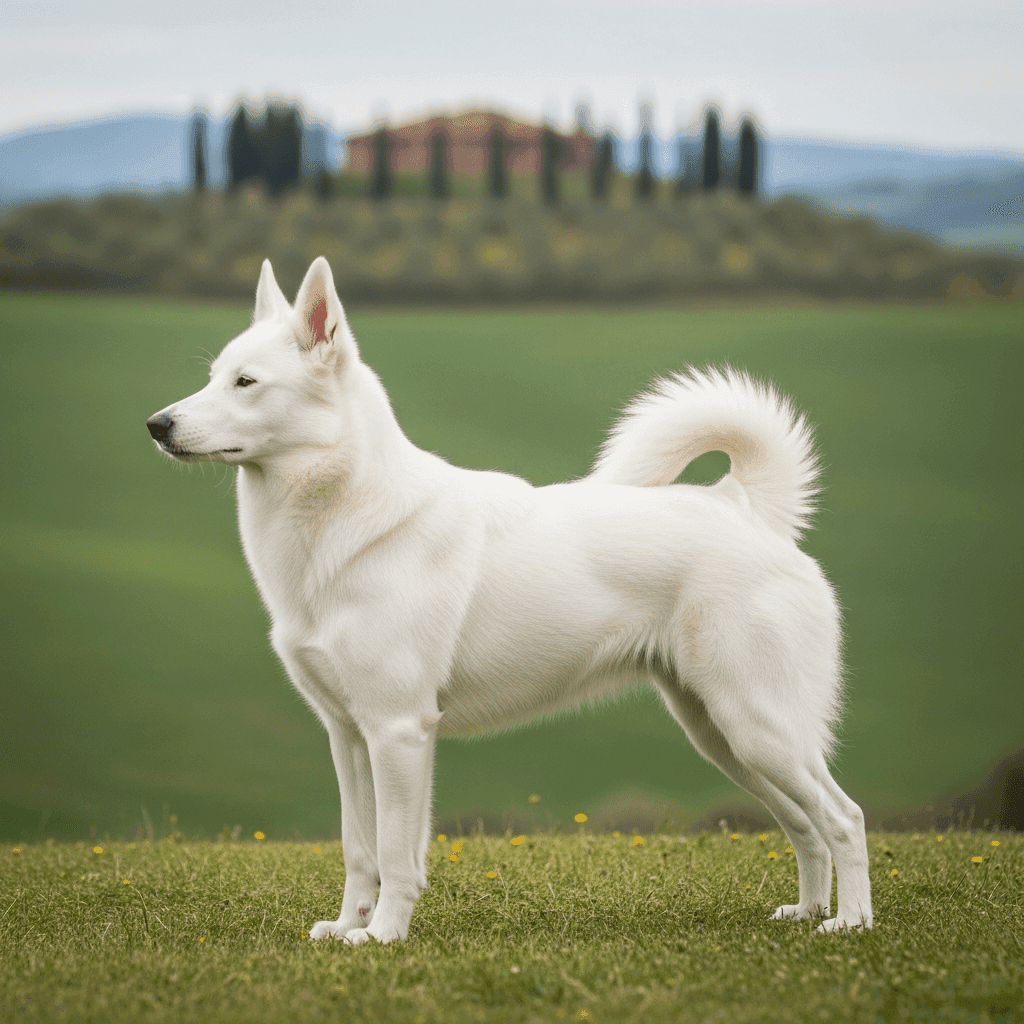
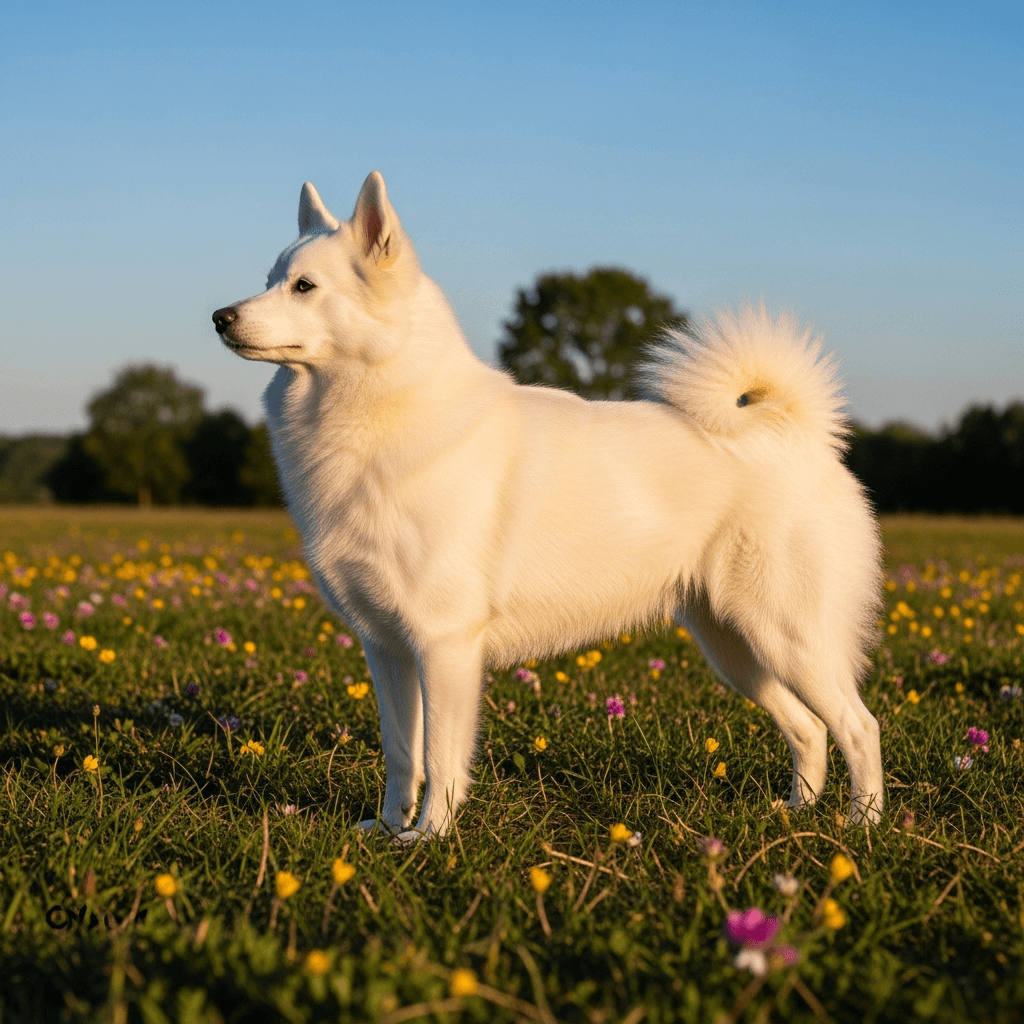
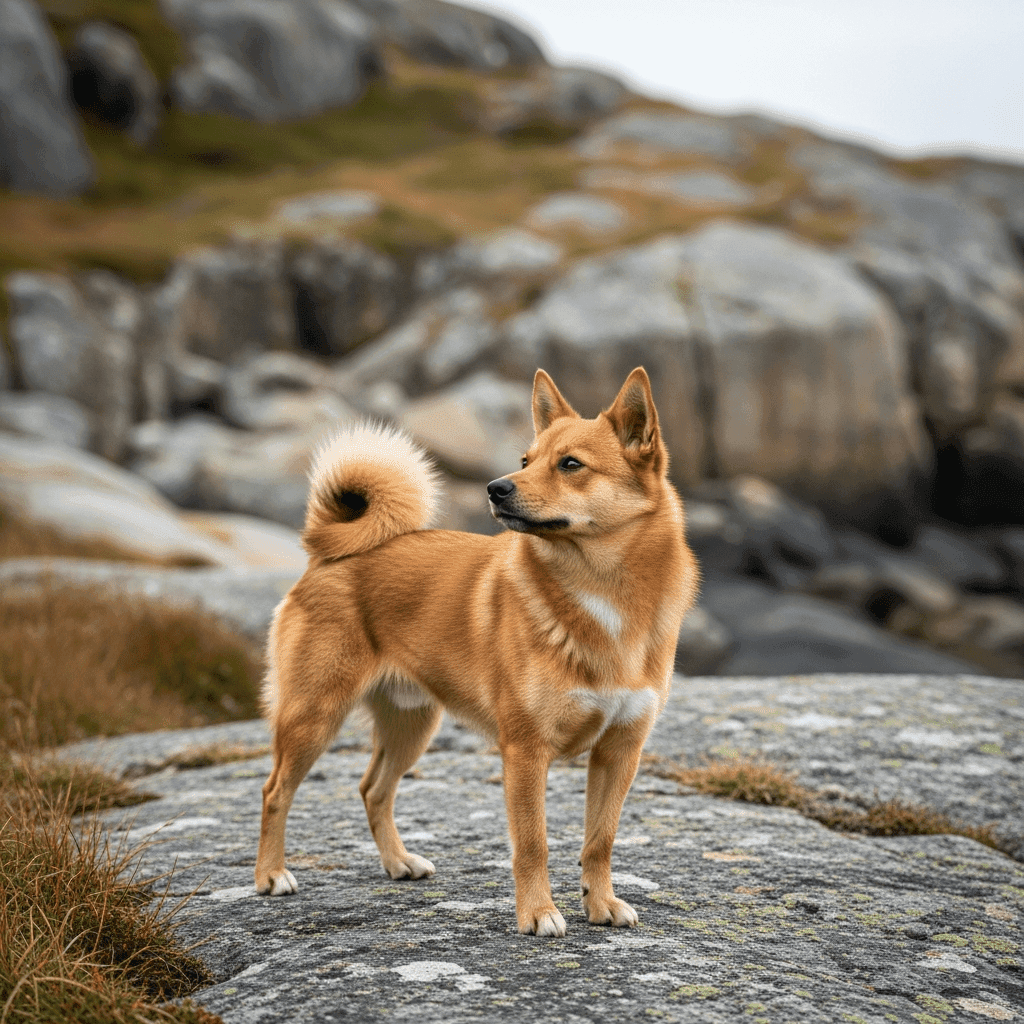
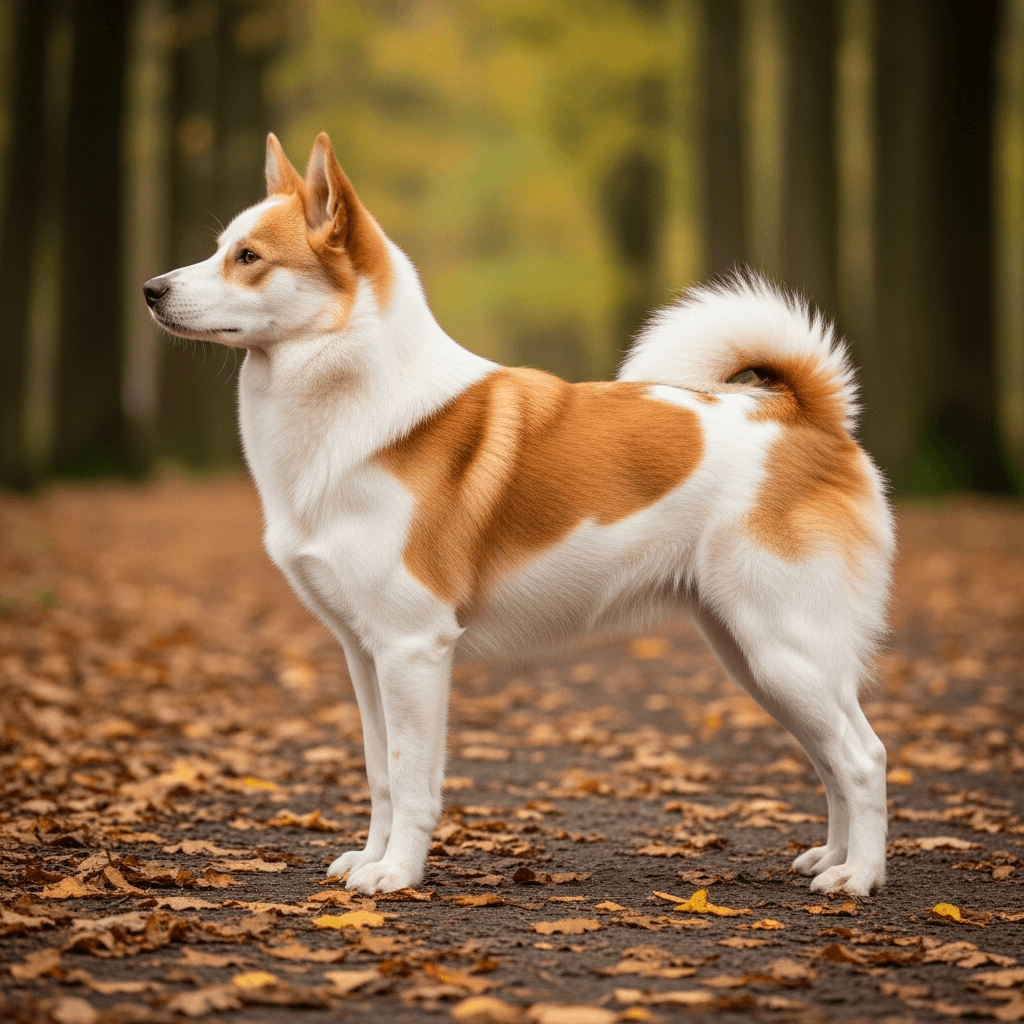
Males reach a height of up to 45 cm at the withers, while females up to 42 cm. Their well-muscled structure with a strong back is a testament to their hunting lineage. The characteristic tail, slightly curled over the back, adds charm to the dogs and highlights their lively temperament.
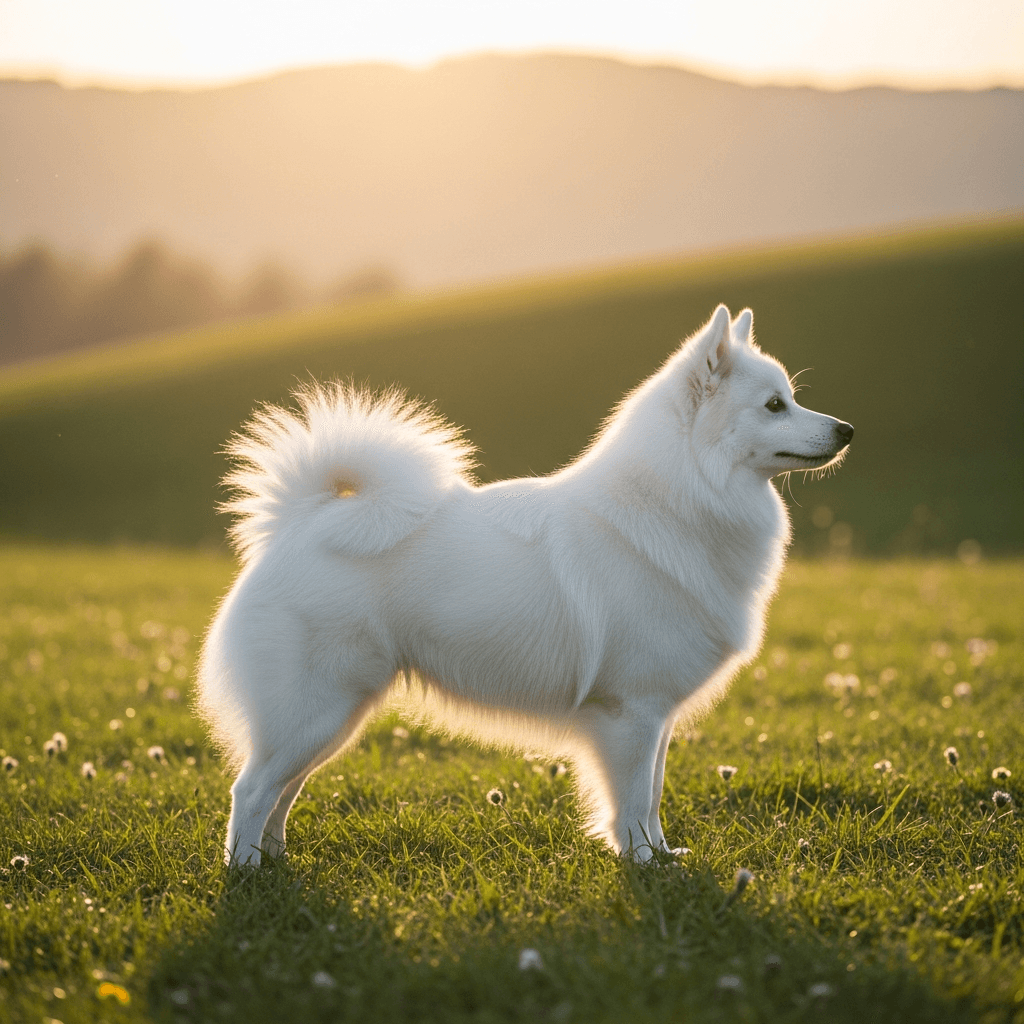
The coat, consisting of a hard outer hair and a dense undercoat, provides excellent protection against Scandinavian weather conditions. The spotted coloration – usually white with distinct red, yellow, or black patches – makes this breed easily recognizable. The gentle, alert gaze harmonizes with their friendly disposition.
The history of the Norrbottenspets dates back to prehistoric times when these dogs assisted hunters in hunting small fur-bearing game in the harsh areas of the Northern Cape. After World War II, the breed nearly went extinct – the drop in fur prices drastically reduced interest in them. The Swedish Kennel Club declared the breed extinct, but thanks to the determination of a handful of enthusiasts, pure types were found in remote farms. In 1967, the Norrbottenspets was officially reinstated in the breeding register.
Today, the Norrbottenspets enjoys recognition as a companion dog – friendly, loyal, and tolerant of children and other animals. Its energy requires regular physical and mental activity, which is why it thrives best in families leading an active lifestyle. Although it can be independent, it remains deeply devoted to its human family.
Discover more about this wonderful breed in our comprehensive guide covering health, grooming, exercise, training, nutrition, and detailed history. The Norrbottenspets is the perfect companion for long hikes, garden play, and forest adventures – its unique character and rich history are sure to attract the attention of any lover of Nordic hunting dogs.
The Norrbottenspets is a small spitz-type dog with a characteristic silhouette that combines elegance with strength. The average height at the withers is 45 cm for males and 42 cm for females (with a slight tolerance for deviations). The breed is distinguished by its well-developed, dry musculature, which provides agility and nimbleness essential for hunting.
The head is strong and dry, tapering towards the nose. The skull is slightly convex between the ears, giving it a distinctive expression. The eyes are medium-sized, almond-shaped, dark – emanating alertness and gentleness at the same time. The ears are erect, firm, set straight with slightly rounded tips.
The body silhouette is harmonious and well-proportioned. A short, strong back, deep chest, and muscular limbs indicate the breed's athletic predispositions. The tail is carried high, slightly curled over the back – it is a hallmark of Nordic spitzes.
The coat is double-layered: a hard, straight outer coat protected by a dense undercoat, which ensures resistance to changing weather conditions. The coloration is piebald – a white background with distinct patches in shades of red, yellow, or black. The patches should cover the sides of the head and ears, creating a characteristic pattern.
All these features make the Norrbottenspets a breed that is easily recognizable and valued by connoisseurs of Nordic dogs.
Norrbottenspets is a dog with a friendly and gentle temperament, making it an excellent companion for families with children. The breed is known for its high intelligence and willingness to cooperate, although its independent nature can sometimes manifest as stubbornness.
Alertness is an innate trait – Norrbottenspets may be distrustful of strangers, but they rarely show aggression. Their high energy makes them extremely active, and play and interaction with the family are sources of joy and fulfillment for them.
Thanks to their friendly disposition, they get along well with other animals, especially when properly socialized from a young age. They have a natural guarding instinct – they will alert their owners to any disturbing noises, although they are not typical guard dogs.
Barking can be a challenge – Norrbottenspets are quite loud, so it is crucial to teach them when vocalization is appropriate. They also have a tendency to escape, so a secure fence is essential when they are outside.
Without proper engagement, they may develop destructive behaviors. Regular physical and mental activity is the foundation of their happiness and well-being. Norrbottenspets is a wonderful choice for active families willing to dedicate time to training and play – in return, they gain a loyal companion for many years.
The Norrbottenspets is known for its generally good health condition and longevity. The average lifespan ranges from 12 to 14 years, which exceeds many other breeds. Members of this breed have a strong immune system, making them less susceptible to diseases.
Despite their overall resilience, the Norrbottenspets may be prone to certain conditions: hip dysplasia, patellar luxation, eye problems, and epilepsy. Regular veterinary visits, vaccinations, and proper preventive care are crucial.
Due to their activity level and need for movement, owners should ensure the maintenance of proper weight – obesity can lead to additional health issues, putting strain on the joints and circulatory system.
The breed tolerates various weather conditions, is resistant to cold due to its thick undercoat, but may struggle with thermoregulation in extreme heat. It is advisable to provide the dog with cool shade and access to fresh water.
A proper diet that provides all necessary nutrients supports not only the physical health but also the vitality and mental condition of the Norrbottenspets.
The Norrbottenspets belongs to breeds with relatively low grooming requirements. Their double coat – consisting of a hard outer coat and a dense undercoat – requires regular brushing to remove dead hair and minimize shedding.
It is recommended to brush at least once a week, and during heavy shedding periods (spring and autumn) even more frequently. Regular grooming not only keeps the coat in good condition but also supports skin health.
Bathing should be done as needed – too frequent washing can damage the skin's natural protective layer. Norrbottenspets do not require regular trimming, but it is important to take care of:
- Clipping nails
- Checking and cleaning ears (to prevent infections)
- Regularly brushing teeth (oral hygiene)
Thanks to their natural resistance to various weather conditions, Norrbottenspets can stay outdoors, but it is advisable to provide them with comfortable shelter to protect against extreme conditions.
Proper grooming affects not only health but also the overall appearance and well-being of the dog – a well-groomed Norrbottenspets radiates vitality and beauty characteristic of Nordic spitzes.
Norrbottenspets is a breed with a high energy level, requiring regular physical activity to maintain health and well-being. Ideally, they should have at least a one-hour daily walk, enriched with intense play.
Recommended activities:
- Fetching
- Running
- Agility
- Tracking (utilizing natural hunting instincts)
- Hide and seek
As hunting dogs, Norrbottenspets have a natural desire to run and explore their surroundings, making them excellent companions for active families. They respond well to training that engages both body and mind – such complex stimulation is crucial for their development.
It is worth introducing various forms of activity to meet their exercise needs and stimulate their intelligence. Norrbottenspets thrive best in a rural environment with plenty of space to run, but they can also successfully live in the city – provided they receive the appropriate amount of exercise.
One should not forget about interaction with other dogs and people, which influences their social development. Regular physical and mental activity is the foundation for maintaining health and preventing behavioral problems related to excess energy.
Training a Norrbottenspets can be challenging, but it is also extremely rewarding. This breed is characterized by intelligence and a willingness to learn, although its independent nature can sometimes make training difficult.
Key training principles:
- Using positive reinforcement methods – rewards, praise, treats
- Short training sessions (to maintain attention)
- Variety of exercises (to prevent boredom)
- Avoiding harsh punishments (the breed is sensitive)
Norrbottenspets easily get distracted, so training should be conducted in a controlled environment, gradually introducing distractions. Regular sessions strengthen the bond between the dog and the owner, improving obedience and behavior in various situations.
Barking is a common issue – it is essential to teach the dog when vocalization is appropriate. Commands such as Silence or Enough can be helpful in controlling this behavior.
Socialization is crucial to ensure that a Norrbottenspets behaves well around other dogs and people. Exposure to different environments, sounds, and situations from a puppy age builds confidence and adaptability.
With proper training, a Norrbottenspets becomes a wonderful companion – not only obedient but also well-suited for family life.
The Norrbottenspets diet should be balanced and tailored to an active lifestyle. It is crucial to provide high-quality food that delivers all the essential nutrients: proteins, fats, vitamins, and minerals.
Basic nutrition guidelines:
- Adjusting portions according to age, weight, and activity level
- Regularly monitoring weight (preventing obesity)
- Avoiding excessive snacks
- Ensuring constant access to fresh water
Norrbottenspets tend to gain weight, so portion control and regular weighing are essential. Overweight can lead to health problems, particularly stressing the joints and cardiovascular system.
Healthy snacks can be given as rewards during training – raw vegetables (carrots, cucumbers), pieces of meat, or specialized dog treats. However, human food should be avoided, especially fatty, salty, or sweet items.
It is advisable to consult a veterinarian to establish an optimal feeding plan that meets the individual needs of the dog. A nutrient-rich diet supports not only physical health but also energy, fitness, and the overall well-being of the Norrbottenspets.
Characteristic Traits
Pros
- Friendly and gentle temperament
- Loyalty to family
- Resilience to weather conditions
- High energy and endurance
- Easy to care for.
Cons
- Requires a lot of movement and stimulation
- Needs consistent training
- Can be loud (barking)
- Tendency to escape
- Sometimes stubborn.
Behavioral Ratings
Breed History
The Norrbottenspets, also known as Norrbottenspitz, has a rich history dating back to prehistoric times. It originates from northern Sweden (Norrbotten County), and its ancestors are likely small spitz-type dogs that lived with hunting peoples in the region of the North Cape as far back as the Stone Age.
For millennia, small hunting spitzes survived through natural selection – only the strongest and most adaptable survived. In the harsh conditions of northern Scandinavia, hunting for fur-bearing game was a necessity for survival. Valuable furs – sable, marten, and ermine – constituted the only significant currency for centuries.
After World War II, when fur prices plummeted, interest in the Norrbottenspets declined. The breed nearly became extinct – for many years, no litters were registered, and the Swedish Kennel Club (SKK) declared it extinct. However, just a decade later, news emerged that pure types had survived as household and guard dogs in remote farms deep within Norrbotten County.
Thanks to the extraordinary determination of a handful of enthusiasts, this ancient type of hunting spitz was saved. In 1967, the Norrbottenspets was officially reinstated in the breeding registry. The breed standard was updated, and the population gradually increased.
Today, the Norrbottenspets is recognized both in Sweden and beyond as a companion dog characterized by a friendly nature, intelligence, and unwavering loyalty to its family. The history of this breed serves as an inspiring testament to the importance of preserving traditions and protecting endangered breeds – a testament to the enduring bond between humans and dogs over millennia.