Italian Volpino
FCI Group
5• FCI 195
Size
Small
Origin Country
IT
Height
25-30 cm
Weight
4-5 kg
Lifespan
14-16 years
Temperament
Overview
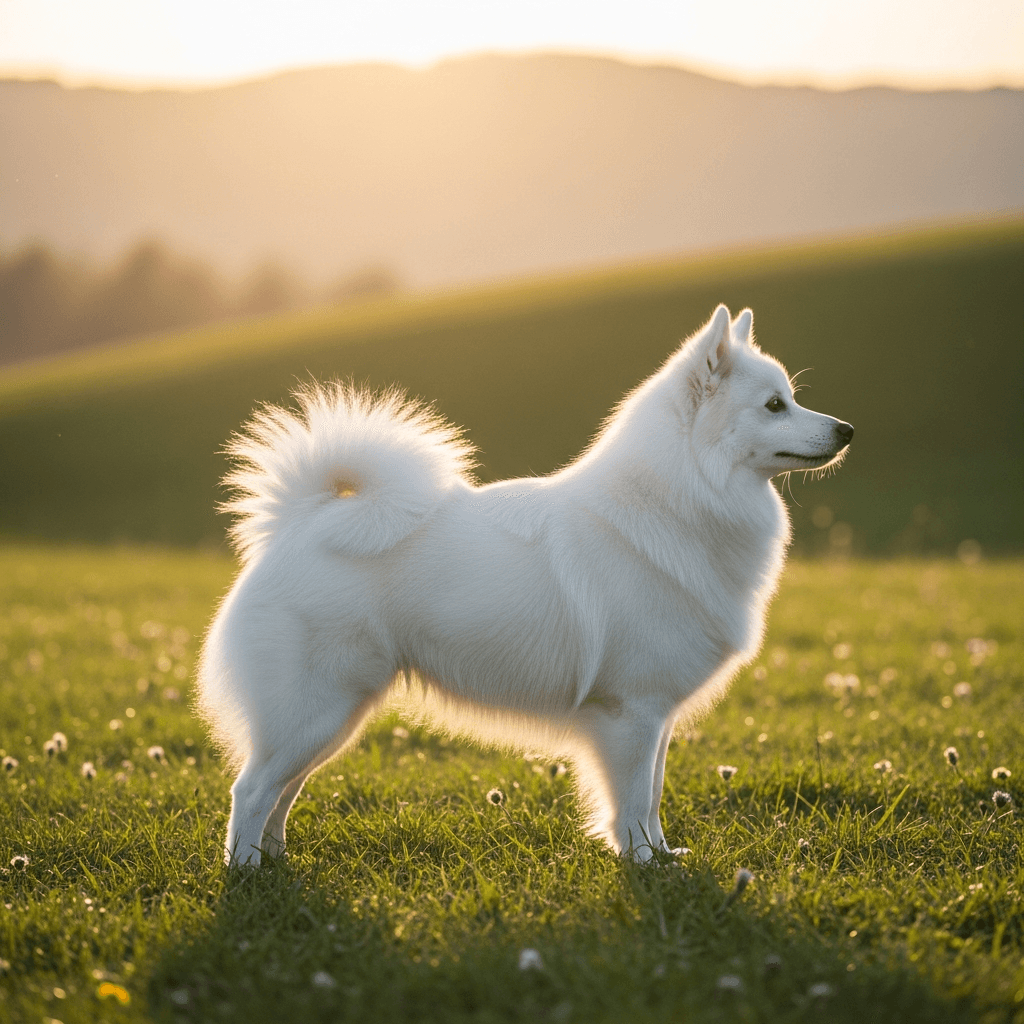
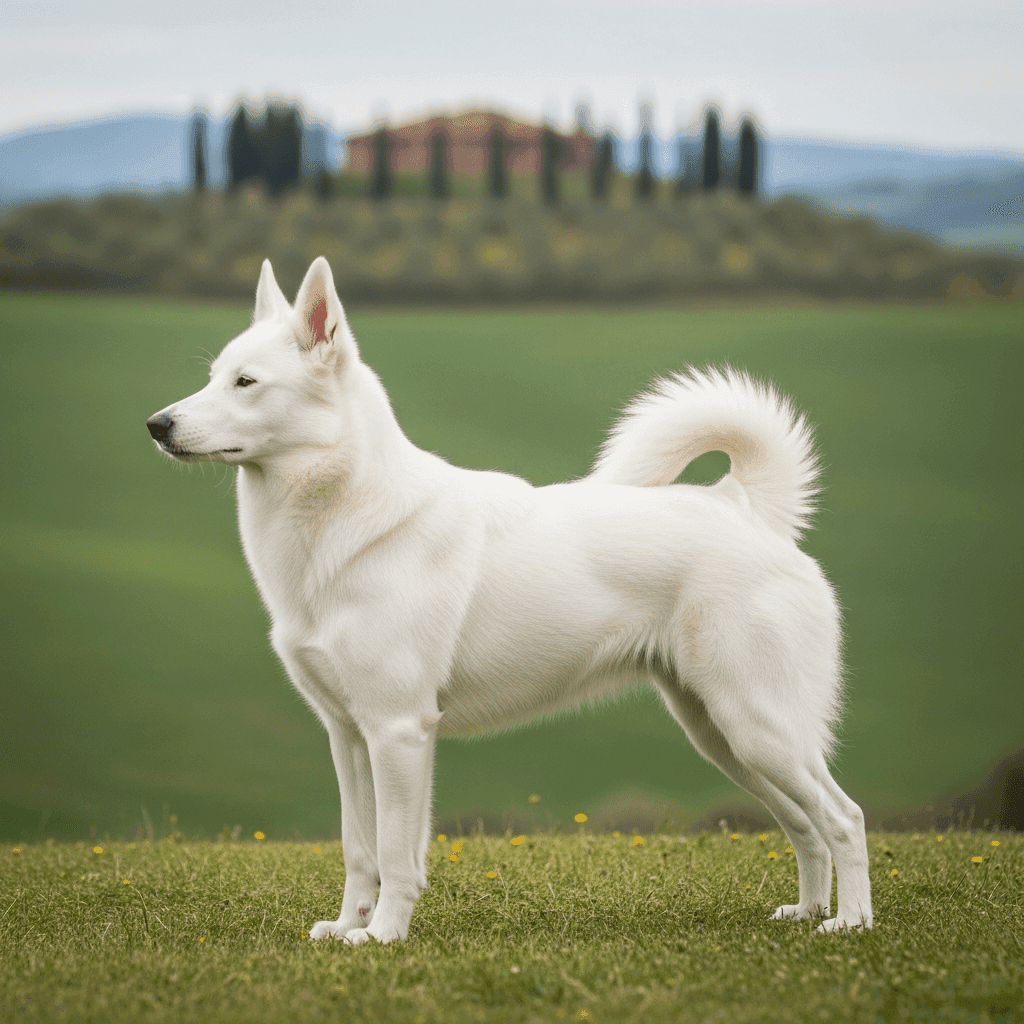
Italian Spitz, also known as Volpino Italiano, is a fascinating dog breed originating from picturesque Italy, which invariably attracts attention with its unique beauty and character. This charming little dog stands out with its harmonious, square body structure, making it an incredibly compact and agile companion. Its characteristic pyramid-shaped head and widely opened, dark eyes exude alertness and sharpness of mind. The long, dense, and rough coat gives it a striking appearance, coming in three color variations: snow-white, red, and delicate champagne.
This is a lively and energetic dog that loves play and activity. It has a deep attachment to family by nature, making it an excellent companion for both adults and children. The Italian Spitz is not only a source of joy and cheerfulness at home but also a vigilant guardian, possessing a strong protective instinct despite its small size. It can bark loudly, warning of potential threats, which makes it an excellent alarm dog.
The Italian Spitz loves to be the center of attention and often tries to shine with its tricks, stemming from its intelligence and natural desire to learn new things. However, it requires a consistent and positive approach in training, which is crucial for its proper behavioral development. It is also worth noting that this breed is relatively rare outside of Italy, deserving much greater recognition on the international stage.
The delightful Italian Spitz is not only beautiful in appearance and exceptional in character but also has a rich history dating back to the Bronze Age. Over the centuries, it has gained recognition among both aristocrats in Italian palaces and ordinary people in their homes, becoming a loyal and valued companion. Its vitality and eagerness to act require providing an adequate amount of exercise and mental stimulation, which is essential for its physical and mental health.
In the following sections, you will learn more about the health, grooming, exercise requirements, training, nutrition, history, appearance, and behavior of this extraordinary dog. The Italian Spitz is a breed that will undoubtedly bring a tremendous amount of joy, love, and energy into the life of every owner who decides to embark on an adventure with this Italian treasure.
Italian Spitz, also known as Volpino Italiano, is a small dog with a characteristic square body structure that gives an impression of solidity and harmony. Its height at the withers ranges from 25 to 30 cm, and its weight hovers around 4-5 kg, making it an ideal companion for life both in an urban apartment and in a house with a garden.
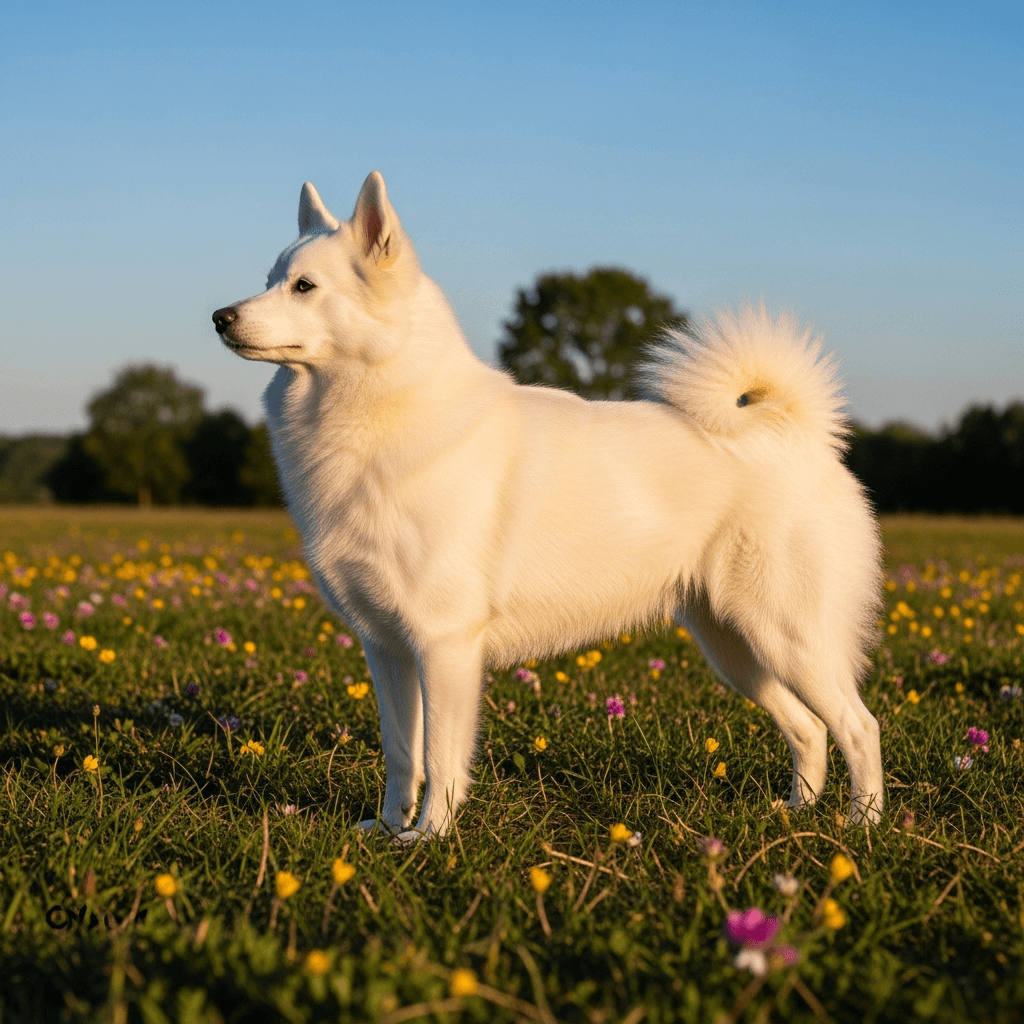
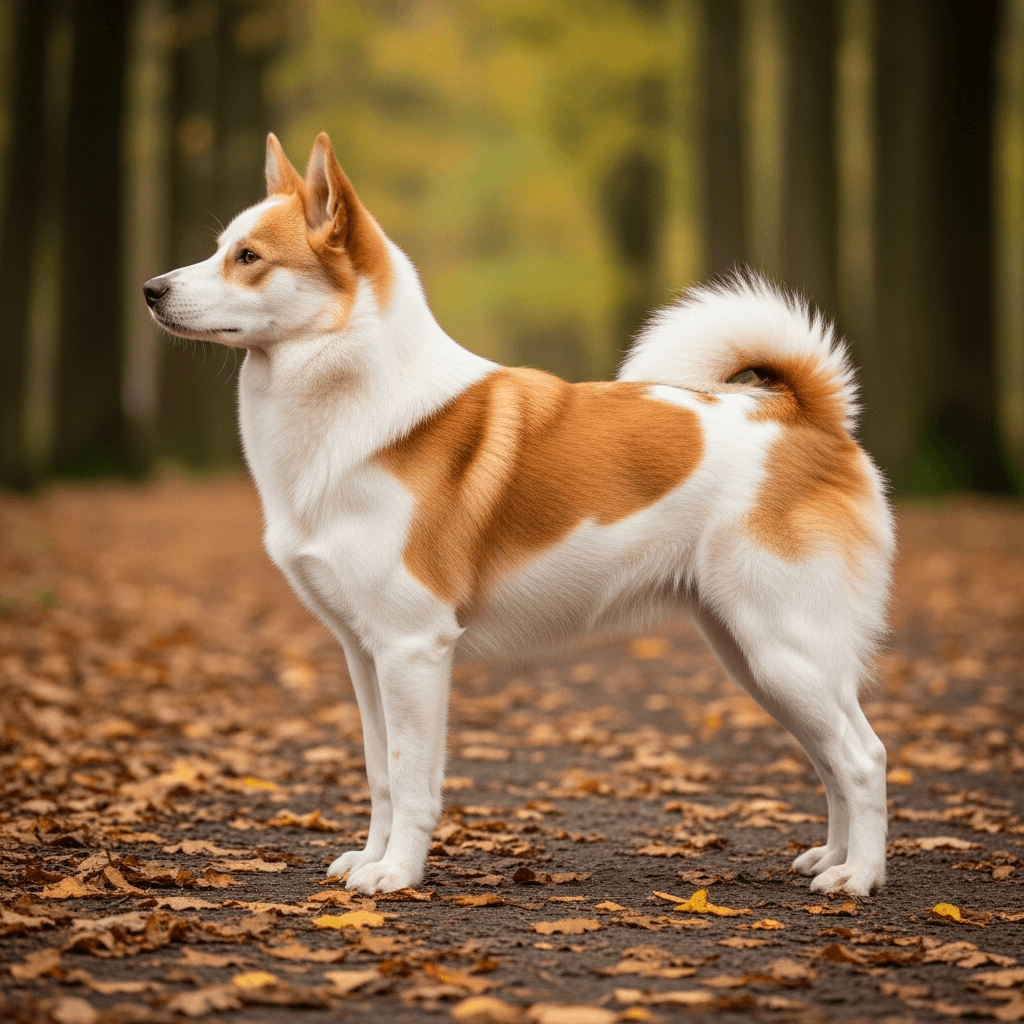
The head of the Italian Spitz has a distinctive pyramid shape, with a long, narrow muzzle tapering to the tip. The eyes are round, dark, and express alertness and intelligence, giving the dog an exceptionally lively expression. The ears are short, triangular, and stand upright, further emphasizing its distinctive appearance and readiness for action.
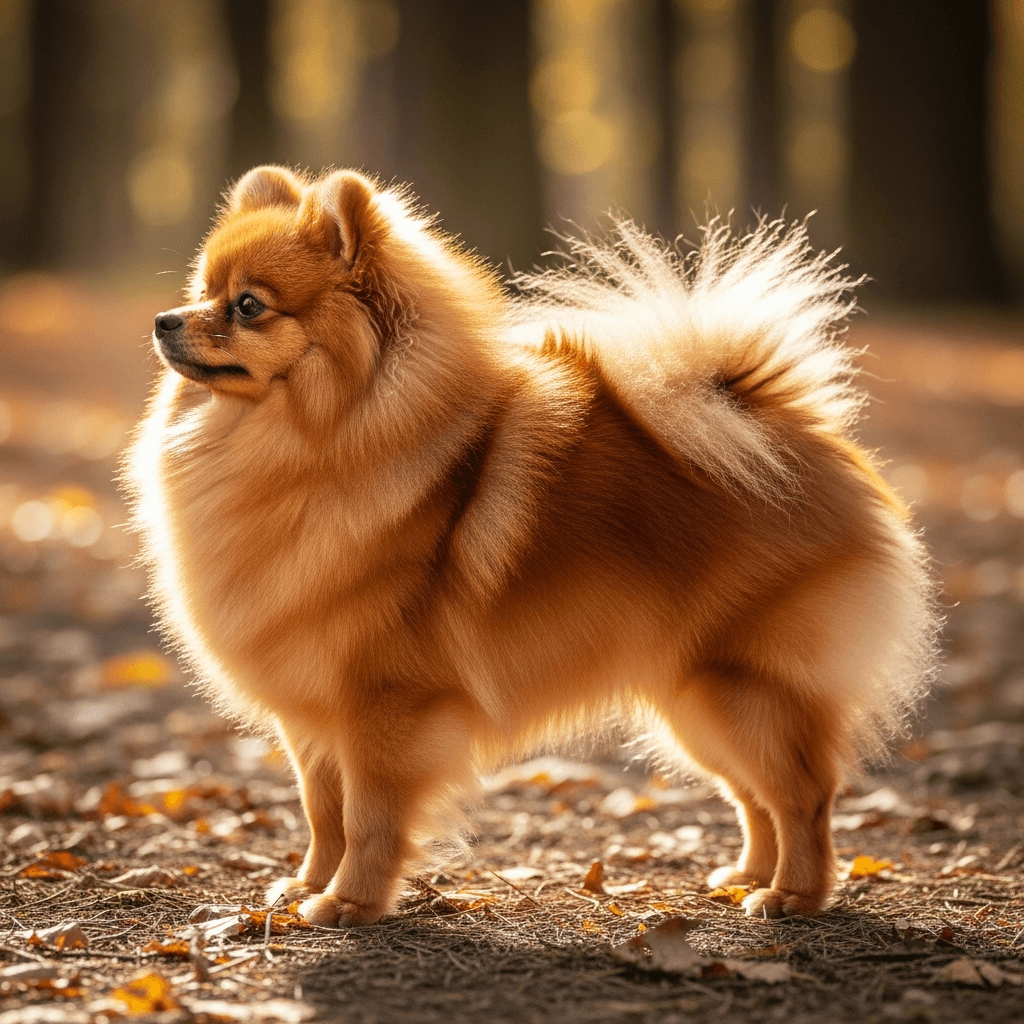
The coat of the Italian Spitz is its greatest adornment – dense, long, and rough to the touch, it creates a striking frame around the entire body. It comes in three color variations:
- White – the most commonly found, snow-white color
- Red – a warm, intense shade
- Champagne – a delicate, creamy tone
The tail is long and carried high, curled over the back in a characteristic manner, which adds elegance to the dog and highlights its confidence. The Italian Spitz also has well-developed muscles, making it agile and energetic despite its small size. Its movements are dynamic, full of grace and energy, perfectly reflecting its lively temperament.
In the overall appearance of the Italian Spitz, one can see a combination of beauty, vitality, and intelligence. This is a dog that not only attracts attention with its beauty but also emanates character and personality, making it an unforgettable companion.
Italian Volpino (Volpino Italiano) is a dog with a lively, cheerful, and energetic temperament that requires constant attention and interaction with its surroundings. This breed is extremely attached to its family, making it an excellent companion for both children and adult family members.
Its temperament is characterized by high energy, joy of life, and an incessant desire to play, which makes it an ideal dog for people leading an active lifestyle. The Italian Volpino is also very alert and has a strong guarding instinct, meaning it can bark loudly and persistently to warn its owners of potential danger or the presence of strangers.
Its natural suspicion of strangers makes it an excellent alarm dog, but it is important to remember that this can be troublesome in an urban environment, where noise and the presence of many unfamiliar people can cause stress and excessive reactions. The Italian Volpino loves to be the center of attention and often tries to shine with its tricks and abilities, which stems from its high intelligence.
Owners should remember that early socialization and consistent training are crucial for ensuring the dog has good relationships with other dogs, animals, and people. Although it is a small-sized dog, the Italian Volpino has a strong character and needs a firm yet positive approach in training to avoid behavioral problems such as excessive barking or disobedience.
Its intelligence allows it to quickly learn new commands and tricks, but this requires patience, consistency, and commitment from the owners. In interactions with children, the Italian Volpino is very cheerful and eager to play, but these relationships should always be supervised to ensure the dog does not become too excited or overly stimulated.
In summary, the Italian Volpino is a lively, energetic, and personality-filled dog that will undoubtedly bring immense joy to its owners' lives, but it also requires proper attention, training, physical activity, and love to develop into a balanced and happy companion.
Italian Volpino (Volpino Italiano) is characterized by good health and significant resilience, enjoying an average lifespan of 14 to 16 years. It is generally a healthy breed that maintains vitality throughout most of its life.
Despite its small build, the Italian Volpino shows great resilience to various weather conditions. It can live both indoors and outdoors; however, owners should keep several important factors in mind. On hot, sunny days, its thick, long coat can pose a risk of overheating, so it is essential to provide access to shade and fresh water. On the other hand, despite its seemingly delicate nature, the Italian Volpino tolerates cooler weather conditions very well.
Owners should pay special attention to the dog's weight, as there may be issues with overweight or obesity if the dog is not exercised properly and receives a diet that is too high in calories. Regular physical activity and a balanced diet are crucial for maintaining a healthy body weight.
It is also worth monitoring two potential health issues that may occur in this breed:
- Cataracts – an eye condition requiring veterinary observation
- Patellar luxation – an orthopedic problem more commonly found in small breeds
The Italian Volpino is relatively unknown outside of Italy, which makes research on its health somewhat limited compared to more popular breeds. However, it is generally regarded as a breed with good resilience and minimal health issues, making it a long-lived and healthy companion.
Grooming a Volpino Italiano requires regular and systematic actions to keep its long, dense coat in excellent condition and to maintain its natural shine and healthy appearance.
This dog's hair is coarse and very thick, which makes it prone to tangling and matting, especially during shedding periods. It is recommended to brush regularly several times a week to remove dead hair, prevent matting, and keep the coat in good condition. During the spring and autumn, when shedding is most intense, it is advisable to increase the frequency of brushing to even daily.
Bathing is recommended, but it should be done in moderation and with caution. Too frequent washing can weaken the natural protective properties of the coat and dry out the dog's skin. It is best to bathe the Volpino Italiano once every few weeks or as needed, using gentle shampoos designed for dogs with long hair. It is worth considering the services of a professional groomer who can help maintain the coat's condition without risking damage.
Ears and nails also require regular checks. Ears should be checked and cleaned regularly to prevent infections, and nails should be trimmed as needed to keep the dog healthy and comfortable. Special attention should be paid to the hair around the eyes, which should be cleaned regularly to avoid irritation and infections.
The Italian Spitz, although it does not require extremely complicated grooming compared to some other breeds, does require consistency, commitment, and regularity from its owners to maintain its beautiful and distinctive appearance.
Italian Volpino (Volpino Italiano) is a dog of considerable energy and vitality that requires regular physical activity to maintain its physical and mental health as well as well-being. Despite its small size, this dog is extremely dynamic and full of vigor, which means it needs daily walks and outdoor play.
The recommended amount of activity is at least 30 minutes to an hour a day, depending on the individual needs, age, and physical condition of the dog. The Italian Volpino loves to run, jump, play, and explore its surroundings, so it's worth engaging it in various forms of activity, such as:
- Playing with a ball or frisbee
- Agility training or other dog sports
- Walks in new, interesting places
- Search and retrieve games
- Mental games and scent activities
Regular exercise not only helps maintain a healthy body weight but also significantly contributes to improving the dog's mental well-being, reducing stress, boredom, and destructive behaviors. Physical activity is essential for the emotional balance of the Italian Volpino.
However, owners should remember that the Italian Volpino, as a dog with a strong guarding instinct, may be somewhat suspicious of strangers and other dogs, so it is advisable to introduce it to new situations and places gradually and with positive reinforcement to avoid causing unnecessary stress or fear.
It is also worth noting that the Italian Volpino tolerates various weather conditions well, but on hot, sunny days, it is essential to provide access to shade and fresh water to avoid overheating due to its thick coat.
Italian Volpino (Volpino Italiano) is a dog with a strong character and distinct personality, requiring a consistent, positive, and patient approach in training. It is an intelligent and quick-witted breed that quickly learns new commands and tricks; however, its natural independence and confidence may sometimes lead it to stubbornly ignore commands.
Therefore, it is extremely important to start training as early as possible, preferably from the puppy stage, to teach it appropriate behaviors, boundaries, and rules of cohabitation within the family. Early socialization and exposure to various stimuli, places, people, and animals are crucial for developing a balanced and confident dog.
The Italian Volpino responds well to positive reinforcement, such as treats, verbal praise, play, and other rewards, making training a pleasure and a source of joy for both the dog and the owner. It is worth introducing a variety of exercises and mental games to keep the dog engaged and prevent boredom.
However, it is important to remember that training sessions should be short and intense – ideally 5-10 minutes several times a day – as longer sessions can lead to frustration, boredom, and loss of concentration in the dog. Basic commands that are worth teaching the Italian Volpino include:
- Sit
- Stay
- Come
- Lie down
- Leave it
- Quiet (barking control)
The Italian Volpino has a natural tendency to be loud and alert, so it is particularly important to teach it barking control – when it should bark (e.g., warning about strangers) and when it should remain silent. Proper training affects not only the dog's behavior at home but also its relationships with other animals and people.
It is also worthwhile to invest time in socialization so that the Italian Volpino feels comfortable in various situations and positively reacts to the presence of different people, dogs, and animals. A well-trained Italian Volpino is a joyful, obedient, and balanced companion that brings much satisfaction to its owners.
Nutrition of the Italian Volpino (Volpino Italiano) is a key element of its health, vitality, and well-being. Due to its small size and weight (4-5 kg), the Italian Volpino does not require large amounts of food, but its diet should be carefully balanced and tailored to the individual energy needs of the dog.
Owners should choose high-quality dog food that contains the right proportions of protein, fats, and carbohydrates to provide the dog with all the essential nutrients, vitamins, and minerals. It is important to ensure that the food is appropriate for the dog's age, weight, and activity level, as puppies, adult dogs, and seniors have significantly different nutritional needs.
The Italian Volpino can be quite picky about food, so owners should be patient and avoid excessively spoiling the dog with treats or table scraps. Excessive snacks can lead to overweight and digestive problems.
In addition to high-quality dry food, it is also good to introduce wet food into the diet, which will help diversify meals, provide additional fluids, and increase the attractiveness of the meals. A typical daily feeding plan should include:
- Two regular meals a day (morning and evening)
- An appropriate portion adjusted to weight and activity (usually 60-100g of dry food per day)
- Constant access to fresh, clean water
- A moderate amount of healthy treats (maximum 10% of daily caloric intake)
It is also important to ensure constant access to fresh water to keep the dog properly hydrated throughout the day. Regular meals at fixed times will help maintain a healthy weight, good digestion, and avoid health problems.
If the Italian Volpino does not get enough exercise and physical activity, it can quickly become overweight or obese, so it is absolutely crucial that the diet is closely linked with appropriate, regular physical activity. Regularly weighing the dog and monitoring its physical condition will allow for necessary adjustments to the diet if needed.
Characteristic Traits
Pros
- Deep attachment to family
- High intelligence and alertness
- Ease in learning tricks
- Strong protective and guarding instinct
- Longevity and health.
Cons
- High energy requires regular exercise
- Tendency to bark loudly
- Rarely seen breed outside of Italy
- Requires consistent training.
Behavioral Ratings
Breed History
The history of the Italian Volpino (Volpino Italiano) dates back many centuries and is closely linked to the history of Europe and the Apennine Peninsula. This breed is one of the direct descendants of the European spitz, which existed on the European continent as early as the Bronze Age. Remains of skeletons of dogs of this type have been found around the foundations of ancient stilt settlements, indicating their long and rich history.
The Italian spitz is not a descendant of the German spitz, as is often mistakenly believed, but rather a close relative – both breeds derive from the same ancient ancestors. The Volpino has been bred in Italy since time immemorial and gained recognition in both the palaces of the Italian aristocracy and in the homes of ordinary people, where it was particularly valued for its strong guarding instinct and alertness.
Works of art confirm its presence in history – a painting by the Venetian artist Vittore Carpaccio from 1502, titled The Vision of St. Augustine, depicts the Italian spitz, proving its popularity even during the Renaissance. The Volpino was the dog of Michelangelo himself, and in the 18th century, it became an tireless companion of coachmen from Tuscany and Lazio, who appreciated its ability to loudly warn of strangers encountered on the roads.
The first official breed standard was written in 1913, and the breed enjoyed great popularity in the first half of the 20th century. Unfortunately, in the second half of the century, the Italian spitz nearly disappeared, supplanted by the more popular German spitz. Fortunately, thanks to the passion and commitment of a few breeders, white individuals reappeared in 1968, and in 1972 the Volpino was officially registered again. The previously well-known red coat color also returned to breeding.
Today, although the Italian spitz is still not widely known around the world, the breed is gradually gaining popularity and finding its place in the hearts of dog lovers who appreciate its unique character, history, and exceptional traits. The Volpino Italiano is a living testament to the rich history of companion dogs and Italian culture.