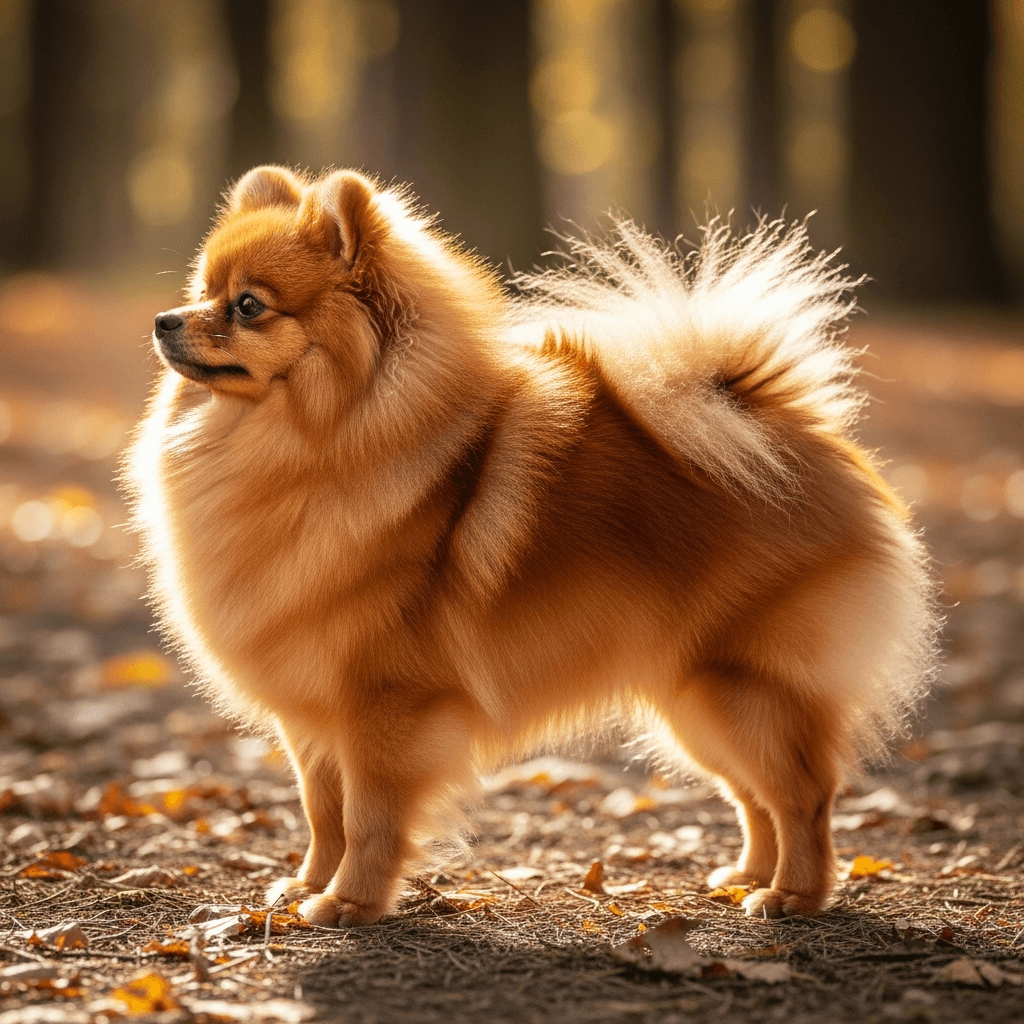
Miniature Spitz
FCI Group
5• FCI 97B
Size
Small
Origin Country
DE
Height
18-22 cm
Weight
1.5-3.5 kg
Lifespan
12-16 years
Temperament
Overview
Miniature Spitz, also known as Pomeranian, is a true gem in the world of small dog breeds. This charming four-legged friend hails from Germany and captures attention with its lively personality and extraordinary grace.
Its history dates back to prehistoric times – it was a descendant of bog dogs from the Stone Age. Over the centuries, the miniature spitz has won the hearts of people around the world with its intelligence and unique character.
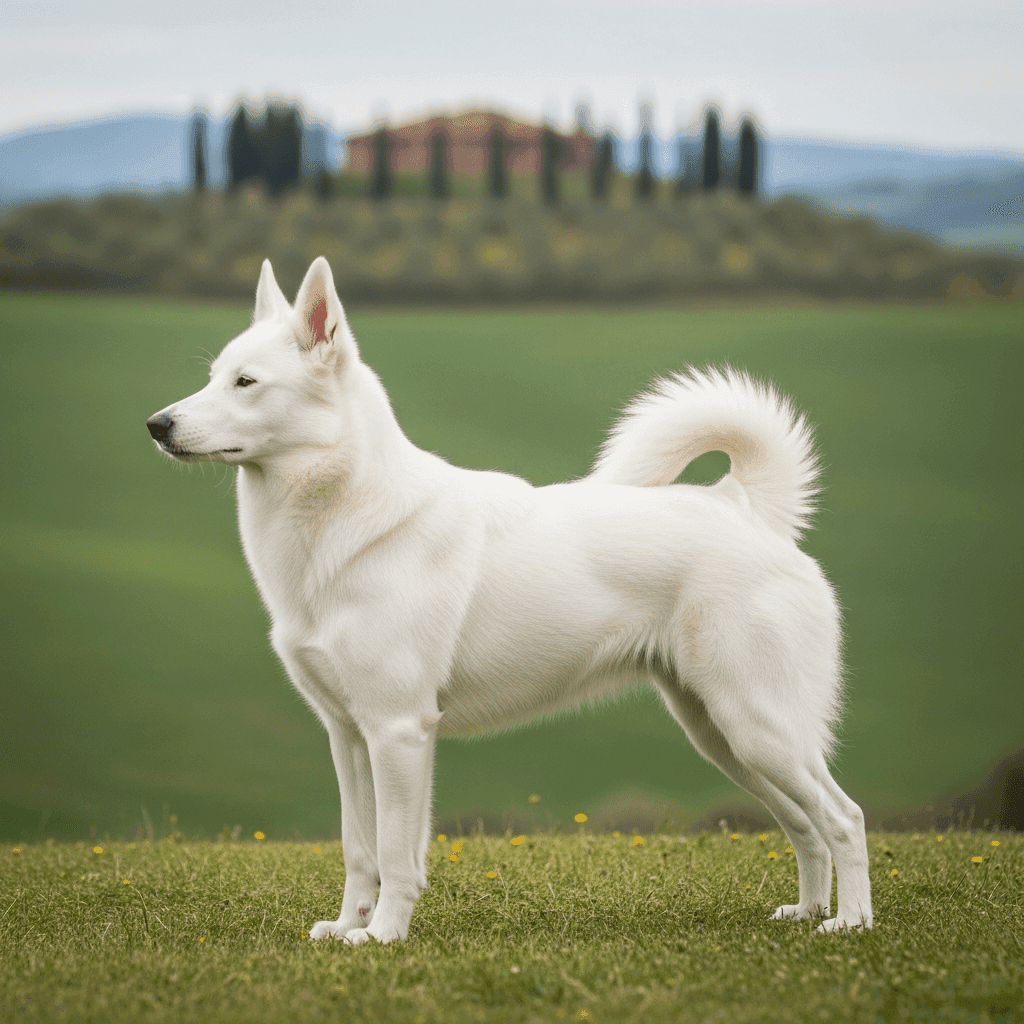
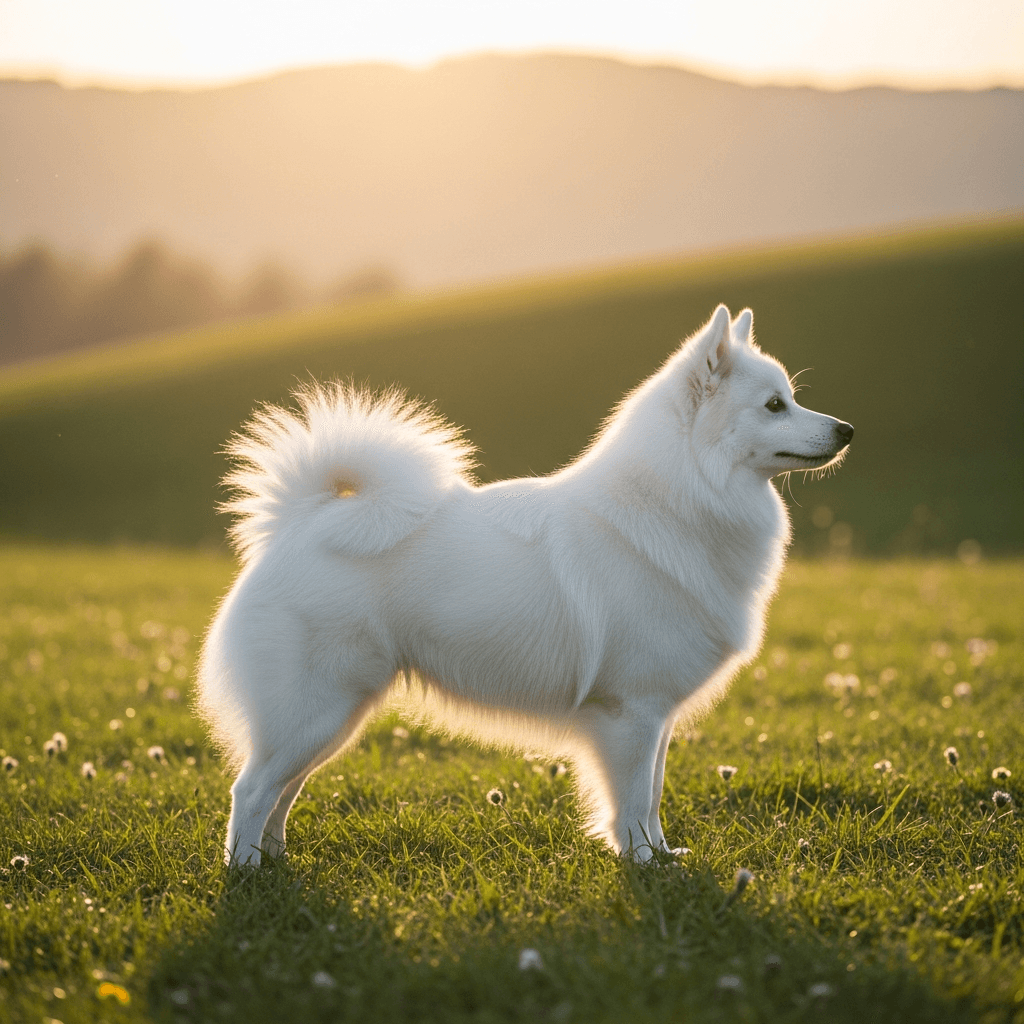
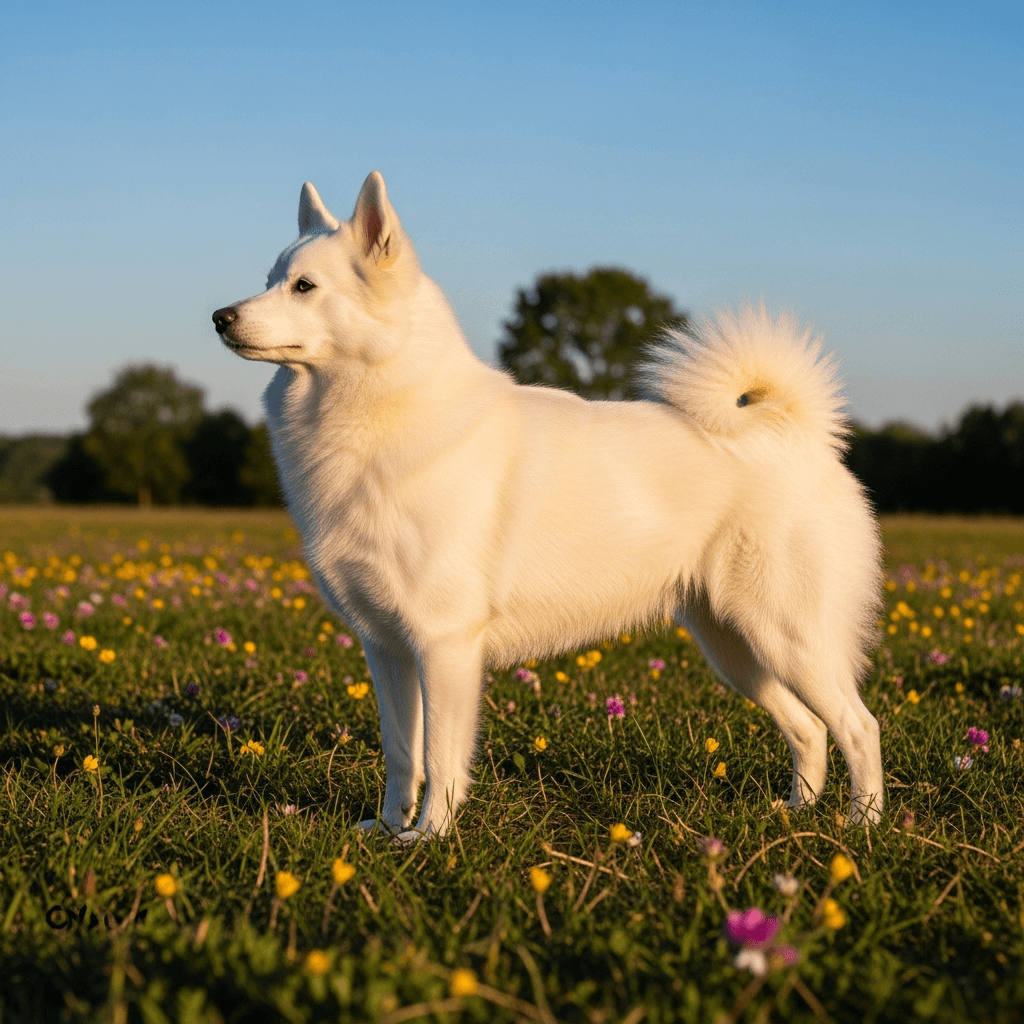
The unique appearance of the miniature spitz leaves no one indifferent. Its dense undercoat and long, fluffy hair create an impressive, majestic silhouette. Its proportional head with small, pointed ears and dark, penetrating eyes creates an extremely expressive face.
The length of the muzzle harmonizes with the skull, emphasizing the aesthetic beauty of this dog. This breed should stand between 21 to 25 cm at the withers and weigh between 1.5 to 3 kg, making the miniature spitz an ideal companion for small dog lovers.
By nature, the miniature spitz is a vigilant dog, full of energy and zest for life. It loves to be the center of attention and is an excellent companion for both children and the elderly. However, to fully harness its potential, it is worth introducing it appropriately to new situations and people, as it may be wary of strangers.
The intelligence of the miniature spitz makes it easy to train, although it requires patience to prevent it from becoming too dominant. Its natural curiosity and desire to interact with people make it an excellent home companion.
The miniature spitz needs proper physical and mental stimulation to avoid boredom – this is key to its well-being. It is also known for its tendency to bark, which makes it a good watchdog, but it is important to teach it when such behavior is appropriate.
Grooming the miniature spitz requires regular care of its dense coat to prevent matting. In summary, the miniature spitz is not only a beautiful dog but also an intelligent, loyal, and energetic companion that brings a lot of joy to the lives of its owners.
The Miniature Spitz, also known as the Pomeranian, is a dog with a distinctive appearance that draws attention with its beauty and elegance.
Size and Proportions
Its small size, ranging from 21 to 25 cm at the withers, makes it one of the smaller dog breeds. Despite its petite build, the Miniature Spitz exudes confidence and dignity.
Coat and Fur
The Miniature Spitz has a dense undercoat covered with long, straight guard hairs, giving it a unique, majestic appearance. Its fur is thick and abundant, creating a characteristic ruff around the neck and a lush, fluffy tail carried proudly over the back.
The breed standard specifies that the coat structure should not be wavy or curly – it should be straight and standing away from the body, which makes its appearance extremely aesthetic and harmonious.
Head and Expression
Its head is proportional to the body, with a clearly defined stop, which adds to its distinctive expression. The eyes are dark, almond-shaped, and slightly slanted, giving it a vigilant and intelligent look. The ears are small, triangular, and erect, further emphasizing its spirited character.
Body Structure
The neck is of medium length, wide at the base, which highlights its elegance. The top line of the body forms a gentle arch, adding lightness and grace to the silhouette. The tail, abundantly furred, is carried proudly over the back, creating a beautiful plume of fur.
Coloration
The Miniature Spitz comes in many colors:
- White
- Black
- Chocolate
- Orange
- Gray shaded
- Cream
- Black and tan
This diversity makes each dog unique and one-of-a-kind. The height and body proportions, combined with its elegant fur, create an unforgettable image that attracts attention and makes the Miniature Spitz one of the most recognizable dogs in the world.
The Miniature Spitz, also known as the Pomeranian, is a dog with a unique temperament and behavior that makes it an excellent companion.
Temperament and Personality
By nature, it is a vigilant, lively, and energetic dog that loves to be the center of attention. Its cheerful disposition makes it an ideal companion for families, especially for children, with whom it enjoys playing.
Guarding Instinct
The Miniature Spitz has a strong guarding instinct – it is naturally suspicious of strangers, which makes it a good alarm dog. However, despite being alert, it is not aggressive. Its approach to strangers often manifests in barking, which can be controlled through proper training from a young age.
Intelligence and Learning Ability
The Miniature Spitz is very intelligent and easy to train, but it requires a patient approach and positive reinforcement. Its sensitivity to negative stimuli means it does not tolerate harshness – it responds much better to praise and rewards.
Attachment and Need for Closeness
Its sociability makes it very attached to its owner. This is a dog that values closeness and companionship with people. It may be shy or anxious if left alone for long periods, so it is important to gradually accustom it to independence from a young age.
Tendency to Bark
The Miniature Spitz has a tendency to be noisy, which can be troublesome in an urban environment. Proper training and consistent rules can help control this behavior. Teaching the dog the command Quiet or Calm is very useful.
Versatility and Adaptability
Its balanced nature makes it an excellent dog for both older individuals leading a quiet lifestyle and active owners who love movement. The Miniature Spitz happily accompanies various activities – from walks to playtime at home.
In summary, the Miniature Spitz is a cheerful, intelligent, and affectionate dog that brings a lot of joy to its owners' lives and excels as a companion dog.
The Miniature Spitz, also known as the Pomeranian, is generally a healthy breed, but like any other, it has its specific health issues that owners should be aware of.
Life expectancy
The average lifespan of these dogs ranges from 12 to 16 years, which is relatively long compared to other small breeds. With proper care and a healthy lifestyle, many Miniature Spitzes live up to 18 years.
Skin problems
Alopecia, a skin condition characterized by hair loss, can occur within the breed. This condition may have hormonal or genetic origins and requires veterinary consultation.
Respiratory issues
Other common health problems include tracheal collapse, which can lead to breathing difficulties, especially in stressful situations or during intense exertion. Symptoms include a characteristic cough resembling a goose honk.
Susceptibility to injuries
Due to their small size and delicate build, the Miniature Spitz can be prone to injuries, especially if not handled properly. Care should be taken when playing with children and when going up and down stairs.
Weight issues
Proper nutrition is crucial, as these dogs tend to gain weight, which can lead to obesity. Obesity, in turn, increases the risk of heart disease, diabetes, and joint problems.
Dental problems
Miniature Spitzes are prone to periodontal disease and dental issues, so regular oral hygiene is essential.
Health prevention
Regular veterinary visits are necessary to monitor the dog's health and ensure appropriate vaccinations. Owners should also pay attention to their dog's behavior and any changes in activity, appetite, or coat appearance – these may indicate developing health problems.
A proper diet, regular physical activity, and appropriate grooming are key to ensuring a healthy and long life full of energy for your pet.
The care of the miniature spitz, also known as the Pomeranian, is a key aspect of its maintenance and requires consistency and commitment.
Brushing the coat
Due to its double coat, consisting of a dense undercoat and long, straight guard hairs, it requires regular brushing to keep the fur in excellent condition. Ideally, the coat should be brushed at least 2-3 times a week.
During the shedding period, which usually occurs twice a year (in spring and autumn), daily brushing is recommended. Regular brushing not only helps remove dead hair but also prevents matting and stimulates the skin to produce natural oils.
Brushing technique
It is important to brush the coat in the direction of hair growth, which makes it easier to reach the dense undercoat. Appropriate brushes should be used – preferably a brush with metal pins and a comb for detangling mats.
Bathing
The miniature spitz does not require frequent baths – usually, two to three baths a year are sufficient unless the dog is particularly dirty or has an unpleasant odor. Bathing too often can dry out the skin and damage the natural protective layer.
When bathing, it is important to use appropriate shampoos for dogs with long hair that do not disrupt the skin's natural protective layer. After bathing, the coat should be thoroughly dried with a hairdryer while simultaneously brushing the fur.
Ear care
Regularly checking the ears for dirt, excess wax, and signs of infection is essential to prevent health problems. Ears should be gently cleaned with damp cotton pads designed for dogs.
Oral hygiene
Oral hygiene should include regular tooth brushing – ideally daily or at least 3-4 times a week – to prevent periodontal disease and the formation of tartar. Special dog toothpaste and dedicated toothbrushes can be used.
Nail trimming
Regular nail trimming is essential to prevent walking problems and joint pain. If the nails click on the floor while walking, it means they are too long.
Proper grooming is not only beneficial for the dog's health but also affects its overall appearance, comfort, and well-being. A well-groomed miniature spitz looks spectacular and feels great.
The miniature spitz, despite its small size, has relatively high exercise needs and requires regular physical activity.
Daily walks
This is an active dog that requires daily physical activity to maintain health and good condition. It is recommended to provide at least 30-45 minutes of walks each day, which can be divided into two or three shorter walks.
Regular walks not only provide physical exercise but also mental stimulation through exploring new scents and environments.
Play and interactions
In addition to walks, the miniature spitz enjoys various forms of play, such as:
- Fetching balls or toys
- Interactive games with the owner
- Hide and seek
- Puzzles and treat-dispensing toys
- Scent games
These activities help with mental and physical stimulation, which is crucial for the dog's happiness and health.
Learning tricks
Due to their intelligence, these dogs quickly learn new tricks and commands, which helps keep them engaged. Training sessions can be an excellent form of mental exercise.
Safety during exercise
It is important to avoid intense workouts on hot days, as their thick fur can lead to overheating. On hot days, it is better to walk early in the morning or late in the evening.
The miniature spitz is also prone to injuries due to its delicate build, so care should be taken during play to ensure their safety. Avoid jumping from heights and overly intense exercises on hard surfaces.
Preventing behavioral problems
Regular exercise is not only beneficial for physical health but also helps maintain mental health, preventing boredom that can lead to behavioral issues such as destructive behavior or excessive barking.
Agility and sports
The miniature spitz is an excellent companion for daily walks and also enjoys participating in activities such as mini agility, allowing it to expend excess energy and strengthen the bond with its owner.
The Miniature Spitz, also known as the Pomeranian, is a dog that exhibits high intelligence and a willingness to learn, making it relatively easy to train.
Training Approach
To achieve the best results in training, owners should approach the process with patience, consistency, and a positive attitude. Pomeranians are sensitive to negative stimuli, so it is important to avoid any form of violence or harshness during training.
Positive Reinforcement
Positive reinforcement works much better for them than punishment. Effective methods include:
- Verbal praise and petting
- Treats as rewards
- Playing with a favorite toy
- Enthusiastic tone of voice
Early Training and Socialization
Training should begin at a young age – ideally from 8-10 weeks of life – so that the dog can quickly learn basic commands and rules. The basic commands to teach are: Sit, Stay, Come, Lie Down, and No.
Early socialization is crucial for the dog to become confident in various situations and to have positive experiences with other dogs, people, and different environments. The puppy should be gradually introduced to new sounds, surfaces, and situations.
Barking Control
The Miniature Spitz has a natural tendency to bark, so it is important to teach it when it is appropriate to avoid excessive noise. The command Quiet or Calm should be introduced early.
The dog should be rewarded for quiet behavior and excessive barking should be ignored (unless it is an alarm). You can also teach the dog to bark on command, which paradoxically helps in controlling this behavior.
Length and Frequency of Sessions
Regular training sessions that are not too long (10-15 minutes) will help maintain the dog's attention and make learning enjoyable. It is better to conduct several short sessions daily than one long one, which may discourage the dog.
Socialization and Interactions
The Miniature Spitz is very social and loves spending time with people, making it an ideal dog for learning tricks and interacting with the family. You can teach it fun commands like shake a paw, spin around, or play hide and seek.
Flexibility in Training
Owners should remember that Pomeranians can be quite stubborn, so it is worth being flexible in the training approach and adapting methods to the individual needs of the dog. If one method does not work, it is worth trying another approach.
Consistency in enforcing rules by all household members is key – the dog must know what is expected of it.
A proper diet is crucial for the health and well-being of the Miniature Spitz, also known as the Pomeranian.
Weight and Portion Control
Due to their small size, these dogs tend to gain weight quickly, so it is important for their diet to be well-balanced and tailored to their age, weight, and activity level.
Owners should strictly adhere to the recommended portions of food and avoid overfeeding, even if the dog begs for more food. Regularly weighing the dog will help monitor its weight.
Choosing Food
It is best to choose high-quality dog food for small breeds that contains the nutrients necessary for proper development. The food should contain:
- An appropriate amount of protein (minimum 25-30% for adult dogs)
- Healthy fats (omega-3 and omega-6 for a healthy coat)
- Vitamins and minerals
- Fiber for proper digestion
Avoiding Harmful Ingredients
Owners should avoid foods that contain:
- Artificial additives and preservatives
- Unhealthy fillers (excess grains)
- Low-quality by-products
Meal Regularity
It is recommended to feed the dog at regular intervals – adult dogs typically receive two meals a day, while puppies may require three to four smaller meals.
Food Selectivity
Pomeranians can be quite picky, so it is worth experimenting with different flavors and types of food (dry, wet, mixed) to find what best suits their preferences. However, changing food should be done gradually over 7-10 days to avoid digestive issues.
Healthy Snacks
In some cases, fresh fruits and vegetables can also be introduced into the diet as healthy snacks, such as:
- Carrots (good for teeth)
- Apples (without seeds)
- Broccoli (in small amounts)
- Pumpkin (good for digestion)
Toxic Foods for Dogs
It is essential to avoid products harmful to dogs:
- Onions and garlic (toxic to blood)
- Grapes and raisins (damage kidneys)
- Chocolate (toxic, can be fatal)
- Avocado (contains persin)
- Xylitol (artificial sweetener – very dangerous)
Hydration
It is also important to ensure that the dog has constant access to fresh water to maintain proper hydration. A water bowl should be available at all times and regularly refilled.
Proper nutrition will help not only maintain a healthy weight but will also affect the condition of the coat, teeth, energy, and overall well-being of the dog, ensuring it has a long and healthy life.
Characteristic Traits
Pros
- Charming appearance and fluffy fur
- High intelligence and ease of training
- Excellent companion for families and children
- Energetic and full of zest for life
- Great watchdog
- Long average lifespan.
Cons
- Can be distrustful of strangers
- Requires regular and time-consuming coat care
- Tendency to excessive barking
- Prone to dental problems
- Can be stubborn during training.
Behavioral Ratings
Breed History
The Miniature Spitz, also known as the Pomeranian, has a long and fascinating history that dates back to prehistoric times.
Prehistoric Roots
This breed is a descendant of the marsh dogs (Canis familiaris palustris), which lived in Central Europe during the Stone Age. It was believed that their ancestors originated from dogs that were used to guard herds, serve as watchdogs, and pull sleds, and their natural traits made them popular in various European cultures.
German Spitz
German Spitz, including miniature varieties, were bred in Germany and were known as Wolfspitz or Deutsche Spitze. Originally, they were larger dogs used as guardians and herders. The name Pomeranian comes from the historical region of Pomerania, located in present-day Poland and Germany.
Popularity in the 19th Century
In the 19th century, the Miniature Spitz gained immense popularity among elite social classes. These dogs became favored companions of the European aristocracy, particularly Queen Victoria, who contributed to their unprecedented popularity.
Queen Victoria bred Miniature Spitz and frequently showcased them at dog shows. Under her influence, intentional breeding began to reduce the size of the breed – her dogs weighed around 5-6 kg, while earlier Spitz weighed as much as 13-14 kg.
Development of Breed Standard in the 20th Century
During this period, the Miniature Spitz underwent many changes, with breeders focusing on reducing its size and improving appearance traits such as coat density, body proportions, and coat color variety. Thanks to these efforts, in the 20th century, the Miniature Spitz gained status as one of the most popular dog breeds in the world.
Recognition by FCI
The FCI (Fédération Cynologique Internationale) recognized this breed in 1957, allowing for its further development in terms of maintaining breed purity and standardization. The Miniature Spitz was classified in Group 5 (Spitz and Primitive Types), Section 4 (European Spitz).
Modern Times
Today, the Miniature Spitz is valued not only for its aesthetic qualities but also for its intelligence, sociability, and loyalty. It is a dog that excels as a companion, both for families with children and for single individuals or seniors.
Its history is a testament to the evolution from a working guard dog to a beloved family pet that has won the hearts of millions of people around the world. Despite its miniaturization, the Spitz has retained the characteristic traits of its ancestors – courage, alertness, and a strong personality.