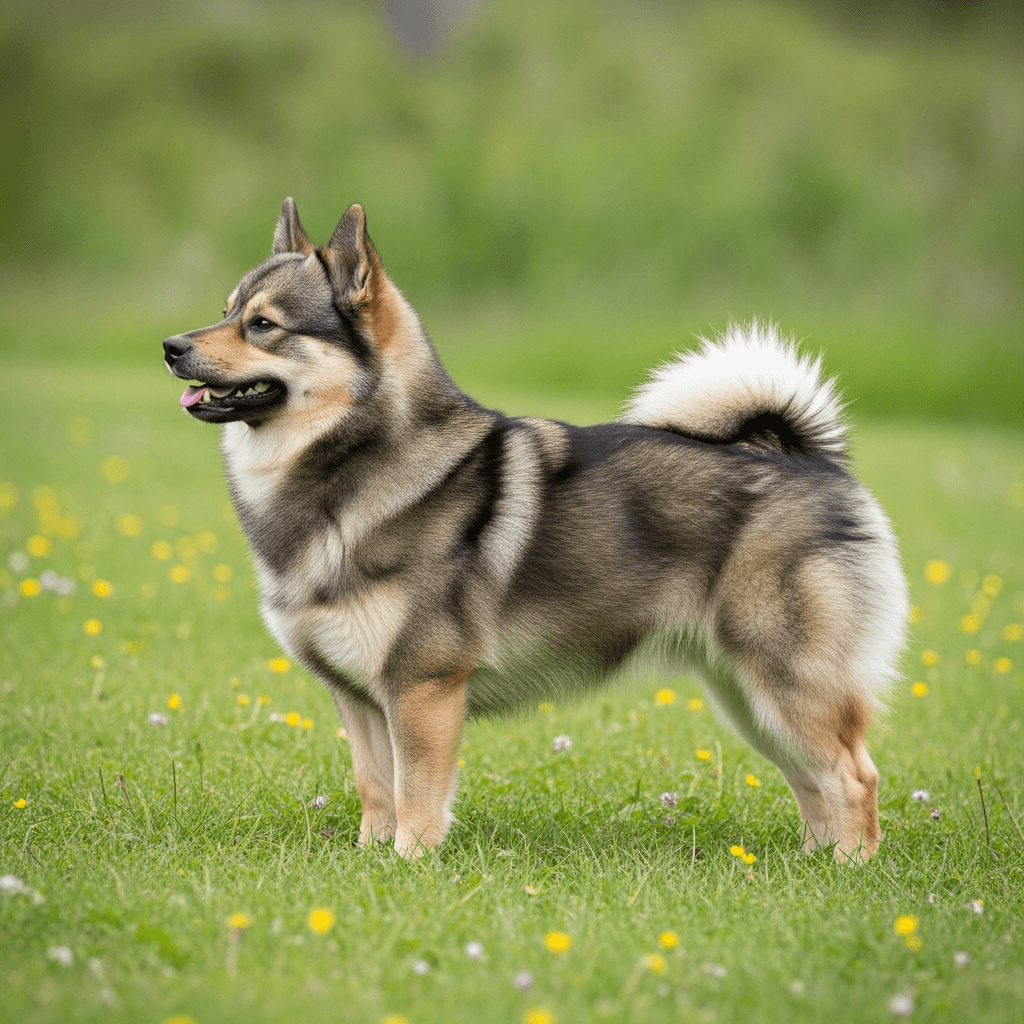
Norwegian Buhund
FCI Group
5• FCI 237
Size
Medium
Origin Country
NO
Height
41-47 cm
Weight
12-18 kg
Lifespan
13-15 years
Temperament
Overview
The Norwegian Buhund is a fascinating breed of spitz-type dogs that has accompanied the inhabitants of Norway for centuries as a reliable companion and hardworking helper. These medium-sized dogs are distinguished by their energetic, friendly character and remarkable intelligence. Their history dates back to the Viking era, which gives them a unique charm and highlights their deep connections to Norwegian culture.
Thanks to their traits such as courage, alertness, and versatility, Buhunds have excelled as guard, herding, and companion dogs in the challenging conditions of the Scandinavian climate. Today, they are valued family dogs that combine the qualities of a loyal companion and an energetic athlete.
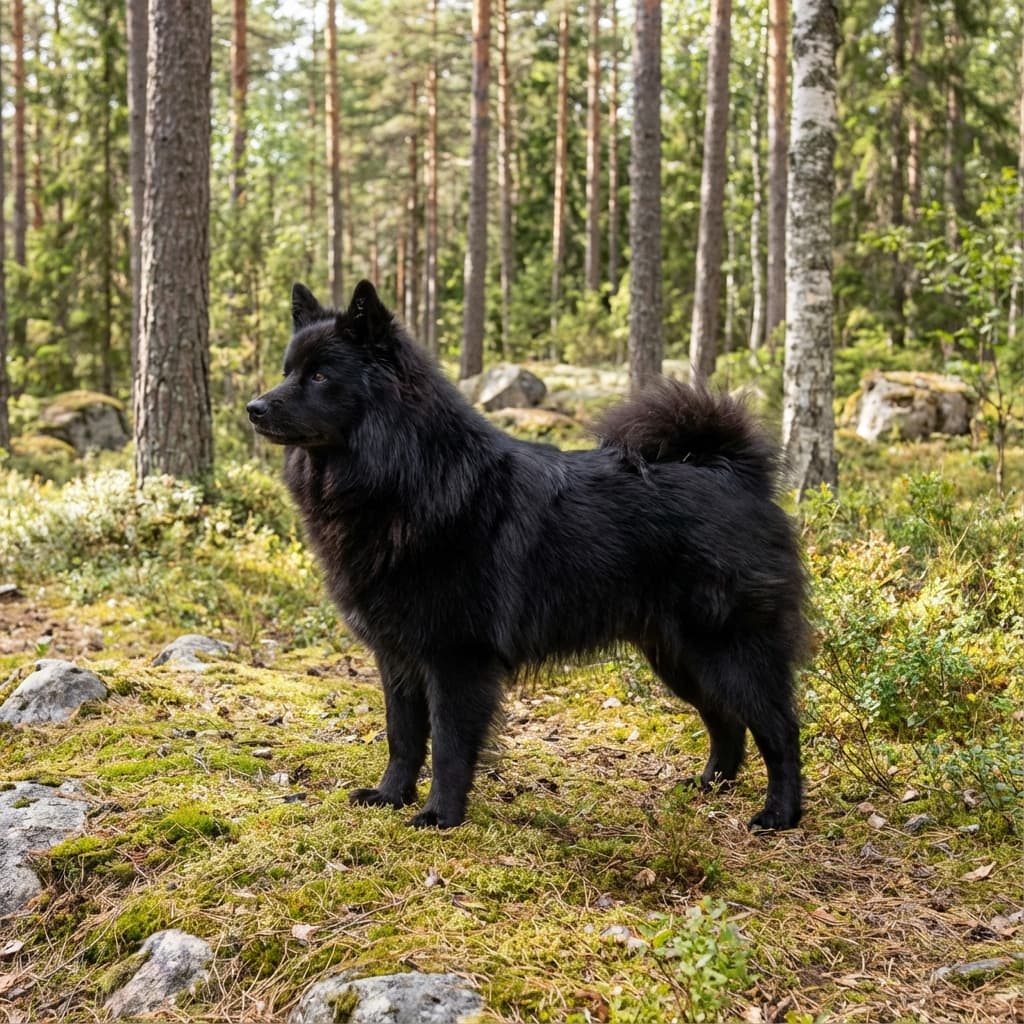
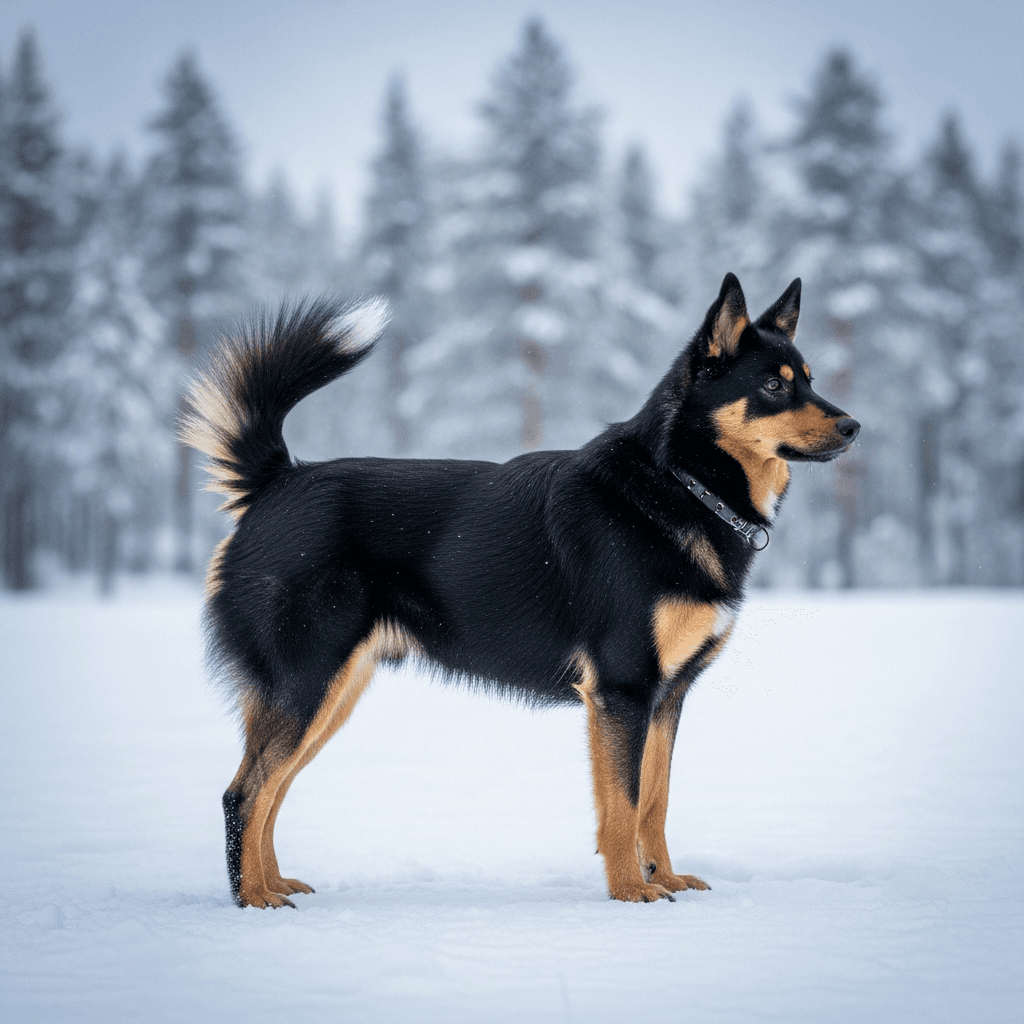
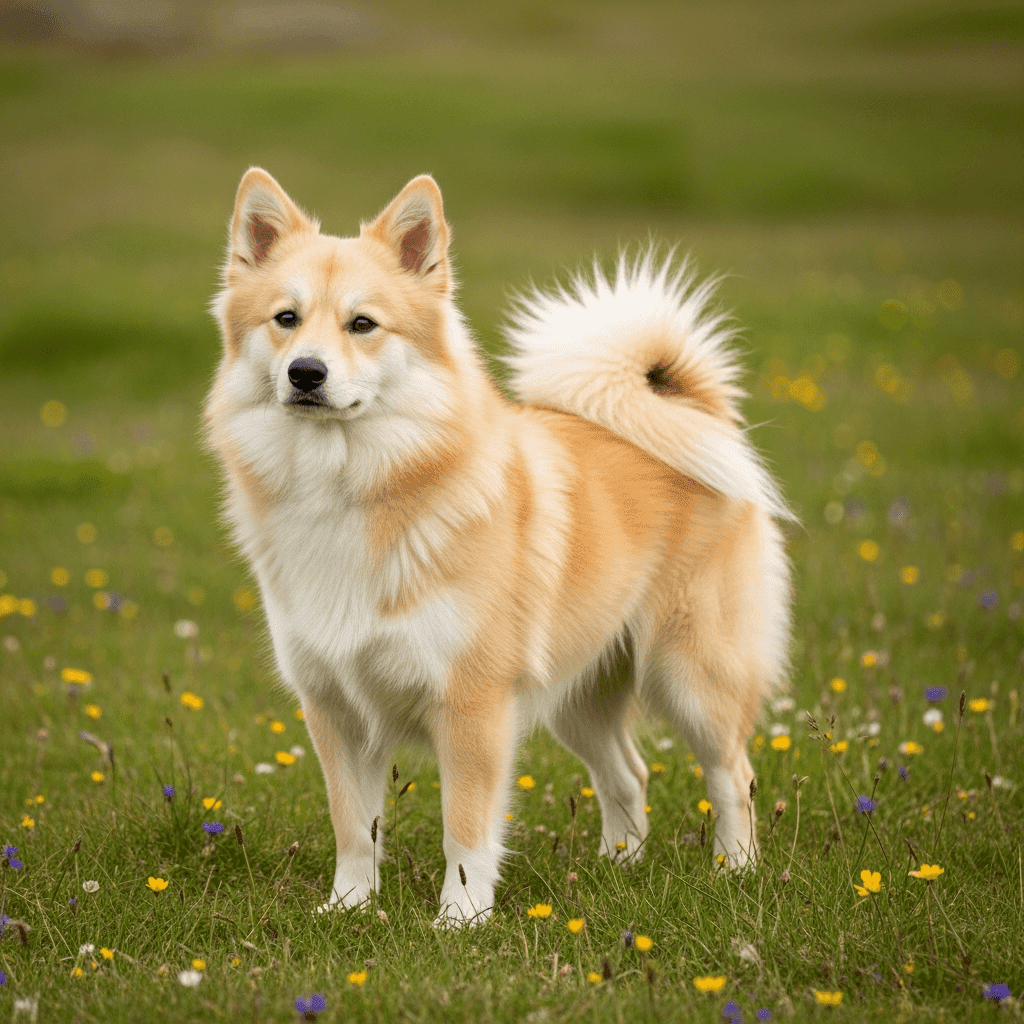
The Norwegian Buhund stands out with its characteristic appearance typical of spitz dogs. It has a thick, double coat, a compact body structure, and a high-held tail curled over its back. The coat is weather-resistant, which was crucial in their original role as working dogs. Buhunds come in two basic colors: wheat and black, with a preference for uniformity in color.
These dogs are not only beautiful but also incredibly intelligent and eager to cooperate. They love physical activity and require regular stimulation, both mental and physical. Without proper engagement, they can become bored and exhibit undesirable behaviors. The Norwegian Buhund is perfect for families, especially those leading an active lifestyle. Their friendly nature, gentleness towards children, and eagerness to play make them quickly become beloved family members.
Moreover, Buhunds excel in various dog sports such as agility, obedience, tracking, and rally-o. Their intelligence and willingness to learn make training with them a true pleasure. They are versatile dogs that do well in both rural and urban environments, provided they are given the right amount of exercise and outdoor activity.
The Norwegian Buhund is a companion that remains healthy and full of energy for many years, given proper care. We encourage you to explore the following sections of our guide, where we will discuss in detail health, grooming, nutrition, and all aspects related to this extraordinary breed of dogs.
The Norwegian Buhund is a dog with a characteristic appearance typical of spitz breeds, attracting attention with its proportional, compact and square build. The height at the withers ranges from 41 to 47 cm, with males typically being taller than females. The weight of these dogs varies from 12 to 18 kg, making them strong and agile enough to perform herding and guarding tasks.
The head is proportional to the body, with a wedge-shaped form and well-defined sexual characteristics. The skull is almost flat, parallel to the bridge of the nose, with a distinct but not overly pronounced stop. The nose is black, and the muzzle is roughly the same length as the skull, not too narrow or too heavy. The lips are well-closed and black. The jaw is strong, with a full set of teeth and a scissor bite.
The eyes are oval, as dark as possible, with black rims, giving the dog a vigilant and intelligent expression. The ears are medium-sized, pointed, and carried upright, emphasizing their bold and alert temperament.
The neck is of moderate length, strong, well-muscled, and with a distinct arch. The back and loins are short, strong, and straight. The croup is as level as possible. The chest is deep with well-arched ribs. The tail is set high, tightly curled, and carried over the center of the back, which is a characteristic feature of the breed.
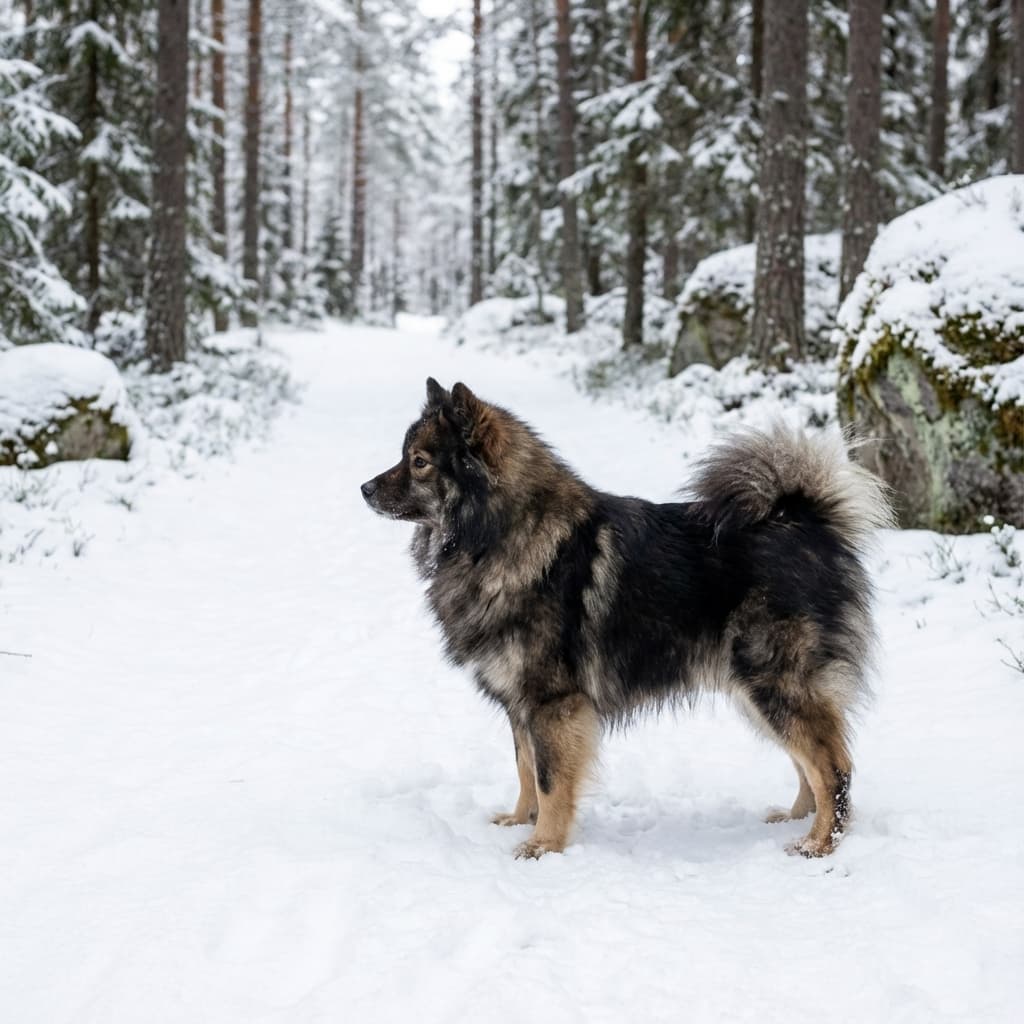
The coat is dense, with a thick, coarse outer coat that lies close to the body and a soft, dense undercoat. This structure provides excellent protection against harsh weather conditions. The hair on the head and front of the limbs is shorter, while on the neck, chest, back of the thighs, and tail, it forms a rich adornment. The coloration occurs in two basic colors: wheaten (from light to intense) and black, with small white markings allowed in limited amounts. Uniformity of color is preferred.
The breed sheds heavily, especially during coat changes (spring and autumn), which requires regular grooming. The overall appearance of the Norwegian Buhund is a vigilant, energetic dog with a proud stance and harmonious body structure.
The Norwegian Buhund is a dog with a brave, energetic, and extremely friendly character. Its temperament combines the traits of a vigilant guardian, an intelligent worker, and a devoted family companion. These dogs are known for their high intelligence and quick learning of new commands, making them excellent candidates for various forms of training.
In contact with the family, Buhunds are incredibly loyal, affectionate, and attached to their caregivers. They excel in the role of family dogs, showing gentleness and patience towards children. Their friendly nature makes them quickly become the favorites of the entire household. However, due to their strong herding instinct, they may try to control the movement of children, other animals, or vehicles by barking or gently nudging, which requires proper training and socialization from a young age.
The Norwegian Buhund is a dog very sensitive to changes in its environment, which makes it a great watchdog. Its alertness and tendency to signal the presence of strangers or unusual situations can be both an advantage and a challenge. Their voice is quite loud, and they are eager to use it, which in urban settings may require work on controlling barking.
One of the key traits of this breed is intolerance of solitude. The Norwegian Buhund prefers constant companionship with people and does not cope well with prolonged periods alone. A dog left without adequate attention and engagement may develop destructive behaviors, such as chewing on objects, excessive barking, or digging.
Due to its independent nature, Buhunds may sometimes exhibit a certain stubbornness, which requires a patient, consistent approach to training. At the same time, their willingness to cooperate and the pleasure they derive from pleasing their owner means that with the right approach, they can become obedient and well-trained dogs.
The Norwegian Buhund needs a large amount of mental and physical stimulation. It is an active dog that loves engaging activities with the family, long walks, playtime, and training. Owners should provide a variety of activities to satisfy its need for movement and mental work. With proper upbringing and care, the Norwegian Buhund is a wonderful, versatile companion for active families.
The Norwegian Buhund is generally regarded as a healthy and resilient breed, characterized by a lifespan averaging between 13 to 15 years. Many individuals live to be 16 years or older with proper care and a healthy lifestyle. However, like most purebred dogs, Buhunds may be predisposed to certain hereditary conditions.
The most commonly encountered health issues include hip dysplasia, which can lead to pain and limited mobility in later years. It is recommended to conduct hip joint examinations before breeding to minimize the risk of passing on defects to future generations.
Another area that requires attention is hereditary eye diseases, such as cataracts or progressive retinal atrophy (PRA). Regular eye examinations can help in the early detection of issues and appropriate therapeutic measures.
Due to their active lifestyle, the Norwegian Buhund may be prone to injuries related to intense physical activity, such as strains, sprains, or ligament damage. Owners should monitor their dog's physical condition and avoid overexerting especially young dogs, whose bones and joints are still developing.
Thanks to its Norwegian heritage, the Buhund tolerates cold weather conditions exceptionally well. Its dense, double coat provides excellent thermal insulation. However, on hot days, it is essential to prevent overheating by providing access to shade, fresh water, and limiting intense activity during heat.
Health prevention includes regular veterinary visits, updating vaccinations, deworming, and using products against external parasites. It is also important to maintain oral hygiene through regular tooth brushing, which helps prevent tartar buildup and periodontal disease.
Owners should be vigilant for any signs of abnormalities, such as loss of appetite, lethargy, difficulty moving, or changes in behavior. Early detection of health problems significantly increases the chances of effective treatment and maintaining a high quality of life for the dog for many years.
The care of the Norwegian Buhund is relatively simple and low-maintenance, though regular. Thanks to their thick, double coat with natural self-cleaning properties, these dogs do not require frequent baths. The outer coat is coarse, rough, and tightly adheres to the body, while the undercoat is soft and dense, providing excellent thermal insulation.
Brushing should be done regularly, at least 2-3 times a week, to remove dead hair and prevent matting. During the intense shedding period, which occurs twice a year (in spring and autumn), the frequency of brushing should be increased to daily. During this time, Buhunds shed huge amounts of undercoat, which requires the use of appropriate tools, such as undercoat brushes (furminator, undercoat comb).
Particular attention should be paid to areas where the fur is thicker and prone to matting, such as the areas around the ears, neck, chest, belly, and the back of the thighs. Regularly combing these areas prevents the formation of unpleasant mats.
Bathing should only be done when necessary, when the dog is visibly dirty or emits an unpleasant odor. Too frequent baths can strip the natural oils that protect the skin and coat. It is recommended to use mild shampoos designed for dogs that do not dry out the skin. After bathing, the dog should be thoroughly dried, paying attention to the undercoat.
Nail care is an essential part of grooming. Nails should be regularly checked and trimmed when they become too long. Overly long nails can cause discomfort while walking and lead to joint problems.
Oral hygiene requires regular tooth brushing, preferably several times a week, to prevent the buildup of tartar and gum disease. Special dental treats or toys that support dental cleanliness can also be used.
It is also important to regularly check the ears, especially after walks in damp conditions or after bathing. The ears should be clean and dry to prevent infections. If any unpleasant odor, redness, or excessive wax is noticed, a veterinarian should be consulted.
With proper, regular grooming, the Norwegian Buhund will remain healthy, beautiful, and comfortable for many years, and the time spent on grooming together will further strengthen the bond between the dog and the owner.
The Norwegian Buhund is a breed with a high energy level and significant exercise needs, requiring daily, intense physical activity. These dogs were bred to work outdoors in the harsh conditions of the Norwegian climate, which is why their need for movement and engagement is particularly strong.
Daily walks should last at least 60-90 minutes a day, preferably divided into several shorter sessions. Buhunds love long hikes, runs, playing with balls or frisbees. Walks should be varied in terms of route and type of activity to provide the dog with both physical and mental stimulation.
Sporting dogs are the ideal environment for the Norwegian Buhund. This breed excels in various disciplines, such as:
- Agility - an obstacle course that develops agility and speed
- Obedience - precision-required obedience competitions
- Rally-O - a combination of obedience and an obstacle course
- Tracking - utilizing natural scenting instincts
- Herding - working with sheep or ducks
Involvement of the Buhund in canine sports not only satisfies their need for activity but also provides mental stimulation and strengthens the bond with the owner. These intelligent dogs love challenges and quickly learn new skills.
The Norwegian Buhund enjoys interacting with people and other dogs, making visits to dog parks or the beach an excellent form of activity. Socialization during play with other dogs is just as important as physical exercise itself.
Without proper activity, a Buhund can become bored, leading to the development of undesirable behaviors such as excessive barking, chewing furniture, digging holes in the garden, or attempts to escape. Boredom is the enemy of this breed, and owners must be prepared to engage their dog in various activities daily.
It is important to remember that the Norwegian Buhund has a strong herding instinct, which means they may try to chase after children, other animals, bicycles, or vehicles. Therefore, special caution should be exercised during walks in unfenced areas, and a leash should be used. The ideal solution is access to a safe, fenced area where the dog can run and play freely under supervision.
Owners should also adjust the intensity of activities to the age and condition of the dog. Puppies should not be overloaded with too intense exercise to avoid damaging developing joints. Older dogs, on the other hand, may require gentler forms of activity, such as calm walks or swimming.
The Norwegian Buhund is a companion for active, sporty individuals and families who are willing to dedicate time to daily exercise and shared activities. With proper engagement, this dog will be happy, healthy, and emotionally balanced.
The Norwegian Buhund is a dog intelligent and eager to learn, which makes it an excellent candidate for training. Its natural curiosity, high motivation to cooperate, and desire to please its owner ensure that with the right approach, training proceeds smoothly and brings satisfaction to both parties.
The basic training principles for the Norwegian Buhund are based on positive reinforcement methods. These dogs respond excellently to praise, treats, toys, and other forms of reward. Physical punishment or aggressive methods are completely inappropriate and can destroy the dog's trust and lead to behavioral problems.
Consistency and patience are key when working with a Buhund. Due to their independent nature, they may sometimes show some stubbornness, especially when training becomes monotonous or too repetitive. Therefore, training sessions should be short (10-15 minutes), dynamic, and varied to maintain the dog's attention and interest.
Early socialization is extremely important for the Norwegian Buhund. From a young age, the dog should be gradually introduced to various people, animals, places, sounds, and situations. Good socialization helps develop confidence and prevents excessive distrust or fear in new environments.
Basic commands, such as Sit, Stay, Lie Down, Come, and Leave it, should be introduced gradually from a young age. The Norwegian Buhund quickly learns new commands but requires regular practice to reinforce behaviors. It is crucial to reward the dog immediately after it performs the command to clearly associate the behavior with the reward.
Control of barking is an important aspect of training this breed. The Norwegian Buhund tends to signal various situations loudly, which can be problematic in urban settings. Training should include teaching the Quiet command and rewarding the dog for calm behavior.
Advanced training and dog sports are an excellent way to utilize the intellectual potential of the Buhund. This breed excels in:
- Obedience
- Agility
- Rally-O
- Tracking and nosework
- Herding
- Trickdog
Regular training in dog sports not only provides mental and physical stimulation but also builds a strong bond between the dog and its owner and gives the dog a sense of fulfillment and purpose.
Training adult dogs is also possible, although it may require more time and patience. The Norwegian Buhund retains the ability to learn throughout its life, so it is never too late to start working on new skills or improving existing behaviors.
The key to success in training the Norwegian Buhund is building a positive relationship based on trust, respect, and mutual understanding. With the right approach, consistency, and commitment, the Buhund becomes an obedient, well-mannered companion with whom one can achieve much in various fields.
The nutrition of the Norwegian Buhund should be tailored to its active lifestyle, age, weight, and health condition. Due to the high energy requirements resulting from significant physical activity, the diet should be rich in high-quality nutrients that support the dog's health and condition.
Basic dietary components should include:
- High-quality protein - sourced from meat, poultry, or fish, essential for building and repairing muscles
- Healthy fats - a source of energy and omega-3 and omega-6 fatty acids that support skin and coat health
- Complex carbohydrates - providing long-lasting energy (brown rice, oats, sweet potatoes)
- Vitamins and minerals - supporting the proper functioning of the body
- Fiber - aiding digestion
Choosing food should be adapted to the individual needs of the dog. Options include:
- Premium or super-premium dry food for active dogs
- Canned food as a supplement or main source of nutrition
- BARF diet (raw meat and bones) - requires precise knowledge and balancing
- Homemade food prepared under the supervision of a veterinarian or animal dietitian
Portions should be adjusted according to the dog's age, weight, and activity level. An adult Norwegian Buhund weighing 14-16 kg and highly active typically needs 250-350 grams of dry food daily, divided into two meals. However, it is always advisable to check the manufacturer's recommendations and consult a veterinarian.
Puppies require special puppy food that supports the proper development of bones, joints, and muscles. Feeding should occur 3-4 times a day until about 6 months of age, after which it should gradually transition to 2 meals a day.
Older dogs may require senior food, which is lower in calories and easier to digest, with particular attention to joint support and cognitive function.
Snacks and treats can be used during training and as a form of reward, but should not exceed 10% of the daily caloric intake. Excessive treats can lead to obesity, which burdens the joints and increases the risk of health problems.
It is important to avoid feeding the Norwegian Buhund toxic products for dogs, such as chocolate, onions, garlic, grapes, raisins, xylitol, avocado, or alcohol. Fatty leftovers from the table can also cause digestive issues.
Access to fresh water should be provided at all times, especially after intense physical exertion or on warm days. Proper hydration is crucial for health and the proper functioning of the body.
Monitoring body weight is important for maintaining the dog's health. Regular weighing and observing the dog's condition allow for quick responses to undesirable changes. The Norwegian Buhund should have a visible waist and palpable ribs beneath the layer of skin and muscle, but they should not be excessively visible.
Owners should be aware that some dogs may have a tendency to food allergies, manifesting as skin issues, itching, digestive problems, or ear infections. In such cases, consultation with a veterinarian is necessary, and an elimination or hypoallergenic diet may need to be introduced.
Regular veterinary check-ups will help assess the dog's health and adjust the diet to its changing needs. Proper nutrition is the foundation of a long, healthy, and active life for the Norwegian Buhund.
Characteristic Traits
Pros
- Friendly and sociable character
- Easy to train and intelligent
- Excels in dog sports
- Resilient to harsh weather conditions
- Loyal and devoted to family
- Good with children.
Cons
- Requires a lot of daily physical activity
- Can become destructive when bored
- Needs regular mental stimulation
- Tendency to bark loudly
- Does not tolerate long periods of solitude
- Intense shedding twice a year.
Behavioral Ratings
Breed History
The history of the Norwegian Buhund dates back to the Viking era, over a thousand years ago, making this breed one of the oldest and most authentic Norwegian breeds. The name Buhund comes from the Norwegian word bu, meaning farm or homestead, and hund - dog, which literally means farm dog.
Archaeological discoveries confirm the ancient origins of this breed. In 1880, a 9th-century Viking ship was discovered on the island of Gokstad in Norway, containing the skeletons of six dogs of various sizes. Detailed analysis of the bones showed that they were spitz-type dogs, very similar to the modern Norwegian Buhund. This discovery provides evidence that the ancestors of Buhunds accompanied the Vikings on their sea voyages and in their daily lives.
The Vikings valued these dogs for their versatility, courage, and loyalty. Buhunds served many functions - they were guard dogs, protecting farms from wild animals and intruders, herding dogs helping to drive sheep and cattle in the challenging Scandinavian terrain, as well as companions on long sea expeditions. Their ability to adapt to various conditions and tasks was invaluable.
For centuries, the Norwegian Buhund was a integral part of Norwegian rural life. It worked on farms in the mountains and valleys, assisting shepherds in guiding flocks of sheep across steep, rocky terrain. Its alertness, intelligence, and perseverance made it an ideal helper in harsh climatic conditions.
Modern breeding of the Norwegian Buhund began in the first half of the 20th century. In 1913, the Norwegian government organized a dog show in Jæren aimed at promoting native breeds. This event contributed to the growing interest in the Buhund as a breed worth preserving and developing.
The first breed standard was developed in 1939, and in 1943, the Norsk Buhund Klubb was established, an organization dedicated to promoting and protecting the breed. After World War II, the breed began to gain popularity outside of Norway.
In 1968, the Norwegian Buhund was officially recognized by the FCI (Fédération Cynologique Internationale) under standard number 237, in group 5 (Spitz and primitive breeds), section 3 (Nordic guard and herding dogs). This international recognition contributed to the spread of the breed worldwide.
In the 1980s and 1990s, the Norwegian Buhund reached the United Kingdom, the United States, Australia, and other countries, where it quickly gained recognition as an excellent family and sporting dog. The American Kennel Club (AKC) officially recognized the breed in 2009, paving the way for participation in shows and competitions in the USA.
Today, the Norwegian Buhund is valued both as a family dog and as a competitor in dog sports. Its versatility, intelligence, and friendly nature make it well-suited for various roles - from family companion to guard dog to participant in agility, obedience, or herding competitions.
The breed remains particularly popular in Norway, where it is regarded as a national heritage and a symbol of the bond between humans and nature, as well as the pastoral tradition. The Norwegian Buhund is a living testament to history, a breed that has survived for centuries, preserving its unique traits and continuing to serve people with the same dedication as in Viking times.