Nova Scotia Duck Tolling Retriever
FCI Group
8• FCI 312
Size
Medium
Origin Country
CA
Height
45-51 cm
Weight
17-23 kg
Lifespan
12-14 years
Temperament
Overview
The Nova Scotia Duck Tolling Retriever, also known as the Toller, is an incredibly fascinating breed of dog with roots in Canada. Developed in Nova Scotia in the early 19th century, the Toller quickly gained recognition among hunters for its unique ability to attract waterfowl within shooting range, making it an indispensable companion during hunts. The name of this breed, Tolling, refers to the English word meaning luring, which perfectly captures the specific behavior of these dogs while working.
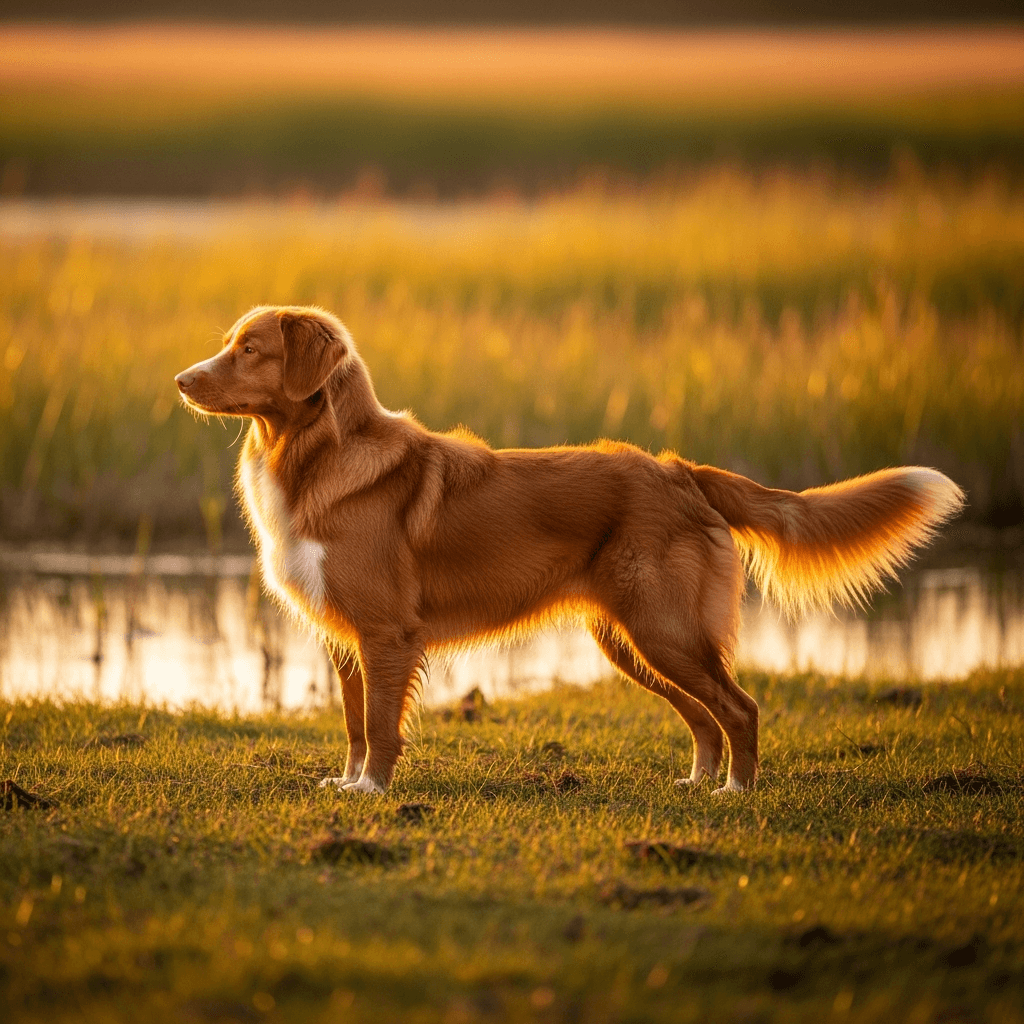
The Nova Scotia Duck Tolling Retriever is a medium-sized dog with a compact and strong build, making it an excellent retriever both on land and in water. Its agility and alertness allow it to respond swiftly to the handler's commands. Always energetic and full of life, the Toller is characterized by a heavily feathered tail that constantly moves during work, indicating its complete engagement in the task at hand.
Moreover, the Toller is not only intelligent and easy to train, but also extremely devoted to its family. Its cheerfulness and natural desire to retrieve make it a wonderful companion, but not for every owner. The energetic nature of the breed requires an active lifestyle and regular, intense activities, which can pose a challenge for those leading a more laid-back life.
Proper socialization and early training are crucial for the Toller to develop into a balanced dog with a stable temperament. Its openness and cheerful disposition make it great with children, making it a family favorite. However, its characteristic high-pitched voice, often compared to a scream, can be surprising for new owners and requires proper management through training.
The behavior of this breed is not only a desire to play but also an intense need for physical and mental activity. Therefore, the Toller excels as a partner for long walks, mountain hikes, swimming, and various outdoor games. This breed also thrives in dog sports such as agility, obedience, and flyball.
Attractive with its beautiful, reddish coat and full of passion, the Nova Scotia Duck Tolling Retriever is a dog that undoubtedly deserves the attention of anyone looking for an energetic and devoted companion. Although its lively character requires significant time and energy commitment, its loyalty, intelligence, and cheerfulness make up for all the challenges. We invite you to further explore this extraordinary breed in the following chapters of our guide.
The Nova Scotia Duck Tolling Retriever is a medium-sized dog with a strong and compact body structure that combines elegance with power. The ideal height at the withers is between 48 to 51 cm for males and 45 to 48 cm for females. Their weight ranges from 20 to 23 kg for males and 17 to 20 kg for females, making them dogs that are perfectly balanced in terms of proportions.
The Toller has a distinctly outlined, slightly wedge-shaped head, with a broad and slightly rounded skull. The characteristic eyes are well-set, almond-shaped, ranging in color from amber to brown, giving them an intelligent and piercing expression. The ears are triangular, medium-sized, set high, and well-furred, which adds to the dog's alert appearance.
The coat of the Nova Scotia Duck Tolling Retriever is water-resistant and consists of two layers: a medium-length outer coat and a dense, soft undercoat that protects the dog from cold and moisture. The coloration occurs in various shades of red or orange, from light golden to intense rusty color. White markings on the paws, chest, tip of the tail, and a white spot on the forehead are often observed, adding to the dog's distinctive appearance.
The Toller’s tail is heavily furred and carried in motion at the level of the back or slightly above, which adds elegance to the dog and expresses its joy while working. The characteristic tail movement is almost a hallmark of this breed during retrieving.
The overall appearance of the Nova Scotia Duck Tolling Retriever reflects its function as a hardworking and active hunting dog – it is a dog that certainly attracts attention with its beauty, agility, and energy, emanating strength and readiness for action.
The Nova Scotia Duck Tolling Retriever is a dog with a very friendly and cheerful disposition, making it an excellent companion for families with children. Tollers are intelligent and quickly learn new commands and skills, but they can also show stubbornness and independence of thought, which requires a consistent and patient handler.
This breed is very sociable and quickly bonds with its owner and other family members, creating strong emotional ties. This means that Tollers do not like to be left alone for long periods and may show signs of separation anxiety if not properly accustomed to solitude.
Tollers are known for their high energy and need for exercise, which means they will only be happy if they have the opportunity for regular, intense physical activity. Without the appropriate level of stimulation, they can become restless, destructive, or develop undesirable behaviors.
Their natural curiosity and strong hunting instinct make them particularly interested in small animals, such as birds or rodents. Therefore, it is important to socialize them properly from a young age, introducing them to a variety of situations and interactions with other animals.
The Toller also tends to have a distinctive high-pitched voice, often described as a yelp or howl, which it makes during play or excitement. While this can be bothersome in some situations, their alertness makes them good watchdogs, successfully informing of approaching strangers.
Proper socialization and consistent training from an early age are crucial for the Toller to develop into a well-balanced dog that will function well in a family and coexist without issues with other animals. With proper upbringing, the Nova Scotia Duck Tolling Retriever becomes a loyal, joyful, and reliable companion.
The Nova Scotia Duck Tolling Retriever has an average lifespan of 12 to 14 years, which is typical for dogs of this size. Overall, this breed is considered relatively healthy; however, like any other breed, it may be prone to certain genetic and acquired conditions.
Some of the most common health issues that may occur in Tollers include:
- Thyroid diseases – particularly autoimmune thyroiditis (lymphocytic thyroiditis), which can lead to hypothyroidism
- Eye diseases – including cataracts and progressive retinal atrophy (PRA), which can lead to vision loss
- Addison's disease – a hormonal disorder related to adrenal hormone deficiency, requiring long-term treatment
- Hip dysplasia – an orthopedic condition that can affect the dog's mobility in older age
- Immune system issues – the breed may be prone to certain immunological disorders
It is important for Toller owners to regularly monitor their dog's health with a veterinarian and conduct recommended genetic testing before breeding to minimize the risk of hereditary conditions. A proper diet and regular physical activity are crucial for preventing obesity, which can be a problem in this breed due to their good appetite and tendency to gain weight with insufficient exercise.
Maintaining proper body weight, regular activity, and veterinary preventive care will allow the Toller to enjoy a long and healthy life alongside its family.
The care of the Nova Scotia Duck Tolling Retriever is relatively easy, but it requires regularity and consistency. This breed has a waterproof, double coat consisting of medium-length stiff guard hairs and a dense, soft undercoat.
To prevent tangling and matting of the fur, it is recommended to brush regularly at least once a week using a brush with metal bristles or a comb. During periods of heavy shedding, which can occur in spring and autumn, it is advisable to increase the brushing frequency to 2-3 times a week to effectively remove dead hair and reduce the amount of fur falling in the house.
Bathing the Toller should only be done when necessary, usually a few times a year or when the dog is visibly dirty. Too frequent baths can disrupt the natural protective fatty layer on the skin and weaken the waterproofing of the coat. When bathing, it is advisable to use mild shampoos designed for dogs.
Regularly checking and cleaning the ears is particularly important, especially after swimming or playing in water, to prevent infections. Ears should be gently cleaned with a damp gauze or special ear care products for dogs.
Maintaining oral hygiene through regular tooth brushing (2-3 times a week) will help prevent tartar buildup and gum disease. Additionally, it is worth regularly checking and trimming the nails if they do not wear down naturally during walks.
Proper grooming not only affects the dog's attractive appearance but also its well-being and overall health, so it is worth taking the time for these activities and making them a pleasant ritual that strengthens the bond with the dog.
The Nova Scotia Duck Tolling Retriever is a dog with high energy and endurance, requiring a significant amount of exercise and varied physical activity. It should have at least 90 to 120 minutes of intense effort each day, which can include long walks, running, water play, swimming, and interactive games.
The Toller loves to retrieve, so all kinds of games with balls, frisbees, and throwing objects into the water will be ideal for him. This breed has a natural inclination for swimming and water play, which provides an excellent form of physical activity and relaxation at the same time.
This breed is an excellent companion for active individuals and families who value spending time outdoors. Without the proper amount of exercise, a Toller can become restless, destructive, and develop undesirable behaviors such as excessive barking or destroying household items.
It is also important to remember the variety of forms of activity to keep the dog from getting bored and always having something new to discover. In addition to traditional walks, the Toller will be thrilled with:
- Scent and tracking games
- Agility training
- Obedience and compliance
- Flyball
- Dock diving
- Hunting training
This dog excels in various dog sports disciplines, as well as in hunting, which is its original purpose. Mental activity is just as important as physical – puzzles for dogs, treat hiding games, or learning new tricks will help keep the Toller in excellent mental shape.
Regular, varied activity not only keeps the Toller in good physical condition but also and ensures the dog a happy, balanced life.
Training a Nova Scotia Duck Tolling Retriever is relatively easy and rewarding, as this breed is intelligent, eager to learn, and wants to please its handler. Tollers quickly grasp new commands, but they require varied and stimulating training methods to avoid becoming bored with routine exercises.
Training should be consistent, yet gentle and positive. Positive reinforcement methods, rewards, and praise work best, while yelling and harsh punishments can lead to worsening behavior and a loss of trust in the handler. Tollers are sensitive and respond best to patience and encouragement.
Early socialization is absolutely crucial for a Toller to develop into a well-balanced dog that can handle new situations, people, and other animals. It is important to expose the puppy to a variety of environments, sounds, smells, and experiences from the earliest weeks of life.
It is also worthwhile to introduce various forms of mental activity, such as:
- Scent games and searching for hidden objects
- Dog puzzles and interactive toys
- Learning new tricks and commands
- Obedience training at different levels of difficulty
- Training in various locations (to generalize learned behaviors)
Regular training not only strengthens the bond between the dog and its owner, but also contributes to better behavior in the Toller’s daily life. A well-trained Toller is a joy and pride for the whole family.
This breed is often recommended for individuals who already have some experience with dog ownership, as despite their eagerness to learn, they can exhibit stubbornness and independent thinking. However, with the right approach and commitment, a Toller can become a well-mannered dog, ideal for both work and as a family companion.
It is also important to maintain regularity in training throughout the dog's life – not just during the puppy stage. Tollers need continuous mental stimulation and challenges to remain happy and balanced.
A proper diet is key to the health and condition of the Nova Scotia Duck Tolling Retriever. Due to their active lifestyle and high energy levels, these dogs should be fed high-quality food tailored to their age, weight, and level of physical activity.
It is generally recommended to use food that is rich in protein (a minimum of 22-28% for adult dogs), which is essential for building and maintaining healthy muscles and overall body condition. Protein sources should come from high-quality meats such as chicken, beef, fish, or turkey.
Owners should avoid low-quality foods that contain excess fillers, artificial colors, and preservatives, which can lead to digestive issues and obesity. Tollers tend to gain weight if they do not get enough exercise or are overfed.
It is also important to pay attention to the amount of treats and rewards given during training to avoid exceeding the daily calorie intake. Treats should make up no more than 10% of the total daily calorie consumption.
Regular meals, preferably served in two or three portions a day, will help keep the dog in good condition and prevent digestive problems. Dividing meals into smaller portions is especially recommended for active dogs to avoid gastric torsion.
It is also important to ensure the dog has constant access to fresh, clean water, especially after intense physical activity or on hot days. Proper hydration is crucial for kidney health and overall body condition.
For puppies, it is necessary to use special food for medium-breed puppies that supports the proper development of bones and joints. Transitioning to adult dog food should occur around 12-18 months of age.
For older dogs (over 7-8 years), it is worth considering senior food, which is easier to digest and contains ingredients that support joint health and cognitive functions.
It is always advisable to consult with a veterinarian regarding the optimal diet for your Toller’s individual needs, especially if the dog has special health or allergy requirements.
Characteristic Traits
Pros
- Intelligent and easy to train
- Devoted to family and great with children
- Agile and resilient retriever
- Excellent companion for outdoor activities
- Versatile hunting and sporting dog.
Cons
- High energy level requiring intense activity
- Requires early socialization and consistent training
- Characteristic high voice (yelling)
- May exhibit separation anxiety
- Needs a lot of time and attention from the owner.
Behavioral Ratings
Breed History
The history of the Nova Scotia Duck Tolling Retriever dates back to the early 19th century, when this breed was developed in the province of Nova Scotia in Canada. Its ancestors are likely spaniels, retrievers, collies, and setters, which were carefully crossed to create a dog perfect for hunting waterfowl.
Initially, the Toller was used by hunters for duck tolling – a hunting technique inspired by observations of foxes playing on the shores of lakes. Hunters noticed that the fox's antics attracted curious ducks closer to the shore. Similarly, the Toller, running, jumping, and playing along the shoreline, disappearing and reappearing, aroused the curiosity of ducks swimming in the distance, drawing them within shooting range. After a shot was fired, the dog was then sent to retrieve the dead or wounded birds.
The breed's name comes from this unique hunting technique – tolling means to lure or entice in English. The full name, Nova Scotia Duck Tolling Retriever, literally means a retriever that lures ducks from Nova Scotia.
Over the years, this breed gained popularity not only among hunters but also as a companion and family dog, valued for its friendly nature, intelligence, and versatility. In 1945, the Canadian Kennel Club (CKC) officially recognized the breed, contributing to its stabilization and breeding development.
In 1980, the Nova Scotia Duck Tolling Retriever was recognized by the American Kennel Club (AKC), significantly increasing its popularity in the United States and worldwide. The breed is also recognized by the Fédération Cynologique Internationale (FCI) in Group 8, Section 1 (retrievers).
In 1995, the Toller was declared the official dog of the province of Nova Scotia, highlighting its cultural and historical significance to this region of Canada.
Thanks to its intelligence, cheerful disposition, and exceptional retrieving and hunting abilities, the Toller has become a favorite among many families worldwide, who appreciate its loyalty, energy, and playful nature. Today, the Nova Scotia Duck Tolling Retriever is a versatile dog that excels both as a hunting dog, a sports dog, and a devoted family companion.
Although the breed remains relatively rare compared to other retrievers, such as the Labrador or Golden Retriever, it is gaining increasing recognition among breed enthusiasts and active owners looking for an intelligent and energetic partner for shared adventures.