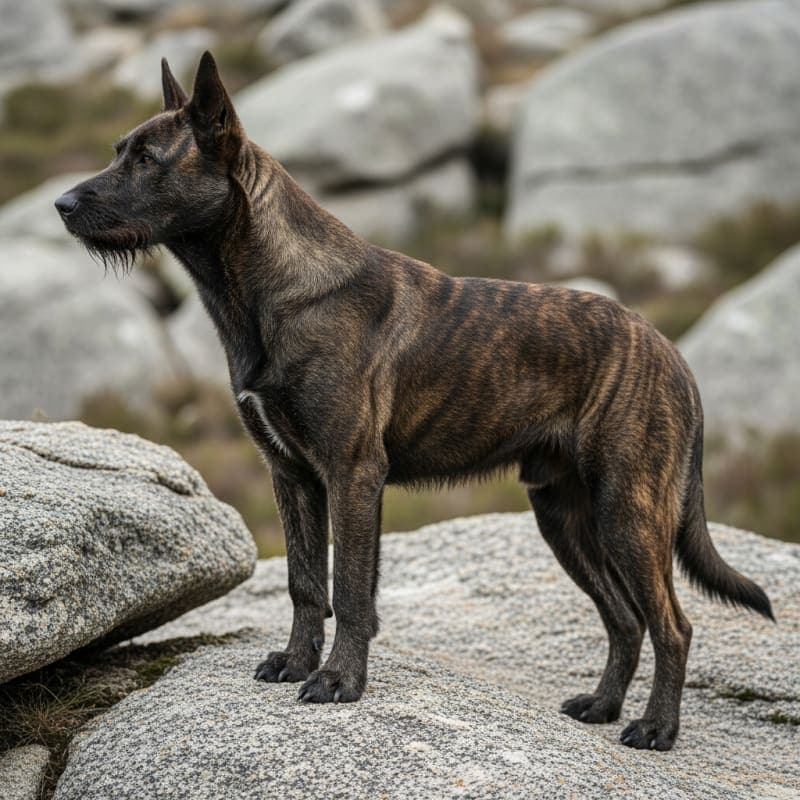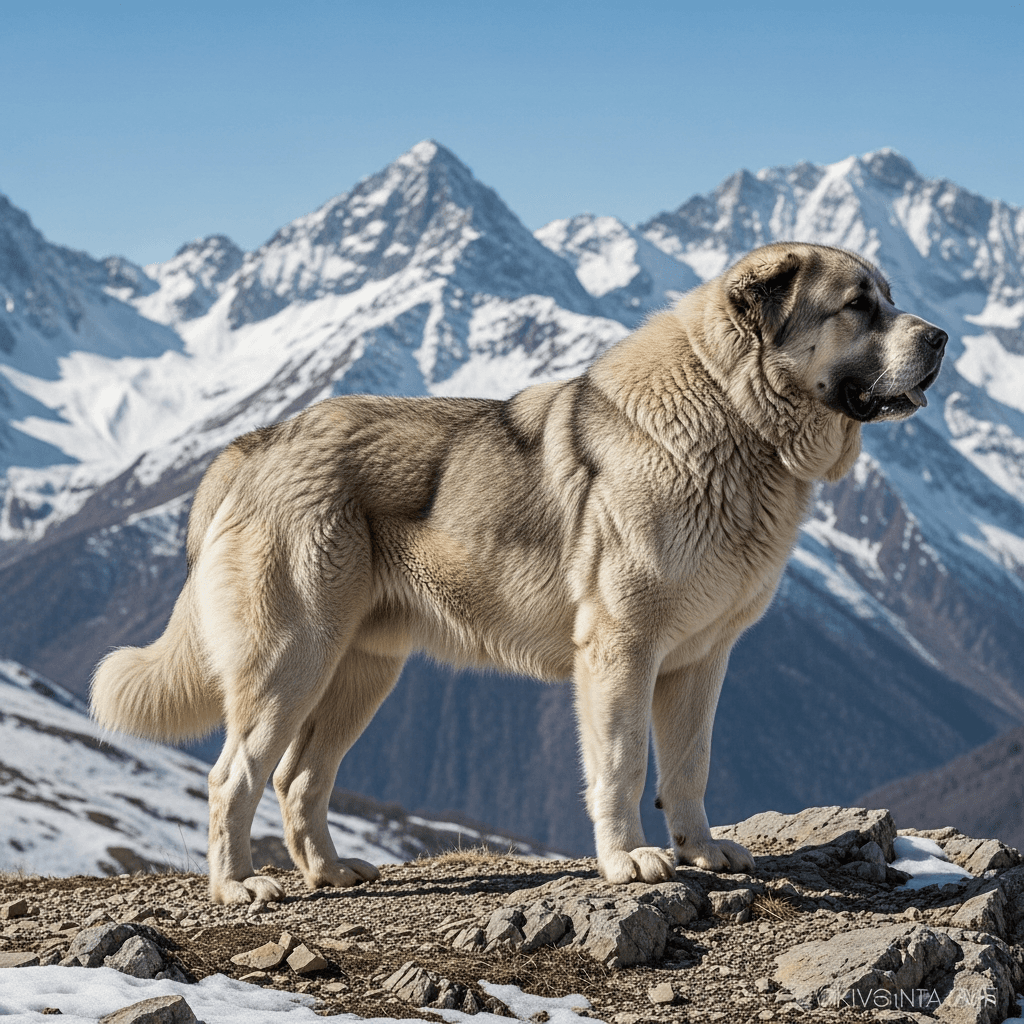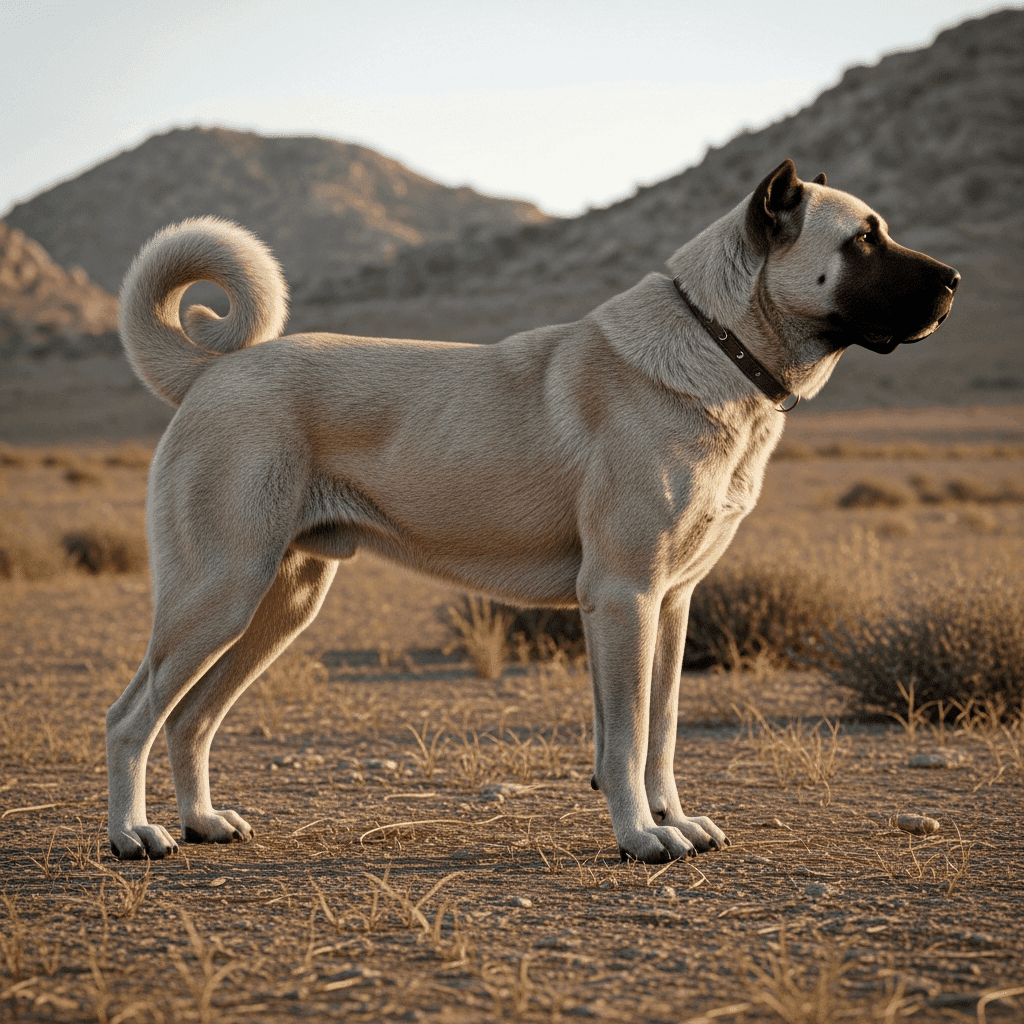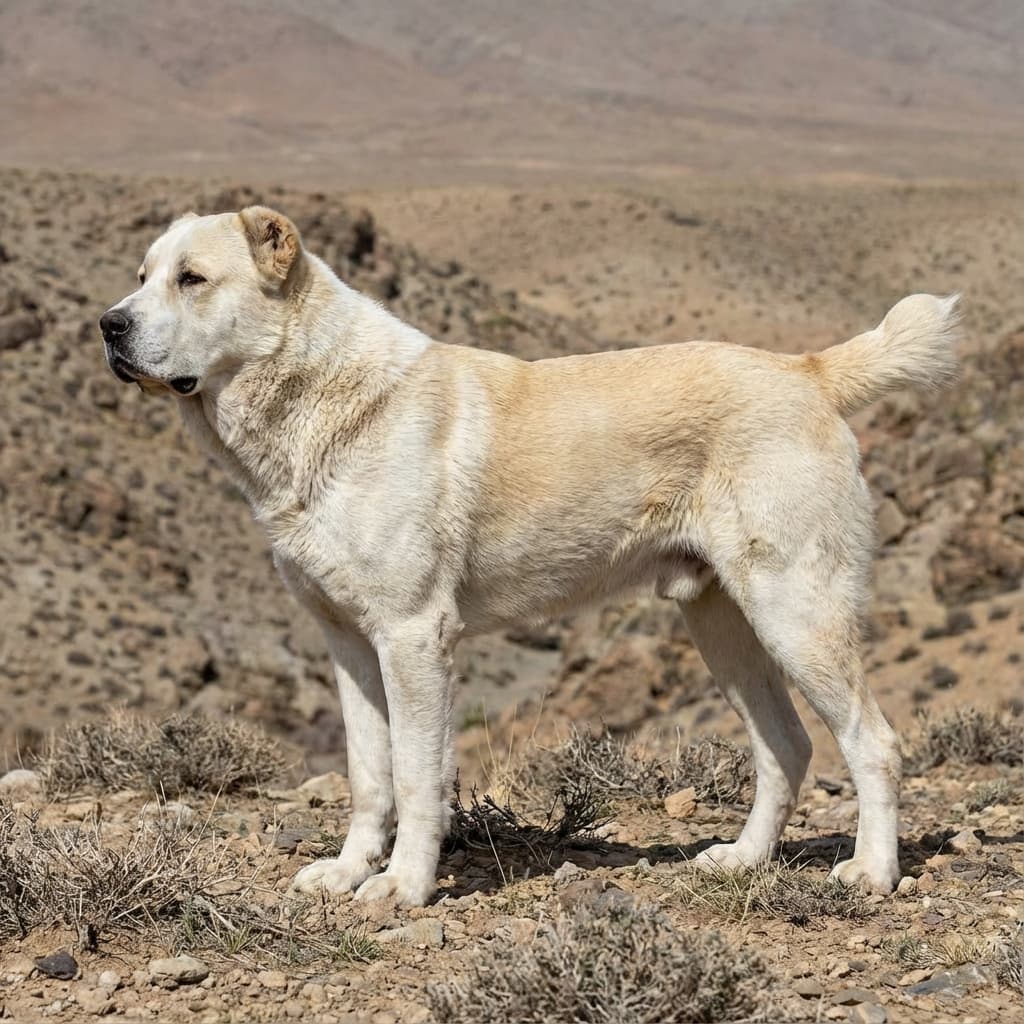
Central Asian Shepherd Dog
FCI Group
2• FCI 335
Size
Large
Origin Country
XX
Height
65-78 cm
Weight
40-80 kg
Lifespan
10-12 years
Temperament
Overview
The Central Asian Shepherd Dog, also known as Sredneasiatskaya Ovtcharka or Central Asia Shepherd Dog, is one of the oldest herding dog breeds in the world, with a history that dates back over four thousand years. Originating from the vast steppes of Central Asia – from the Caspian Sea to China and from the Southern Ural to Afghanistan – this dog has served as an indispensable guardian for nomadic tribes for centuries. Its main task was to protect flocks of sheep and goats from predators and to guard caravans and camps, which required extraordinary courage, strength, and independence.
Through natural selection in extreme climatic conditions and continuous battles with predators, the Central Asian Shepherd Dog has developed exceptional endurance, uncompromising nature, and the ability to conserve energy. These traits make this breed ideal for experienced owners leading an active lifestyle and seeking a devoted and reliable companion.
A characteristic feature of this breed is its strong territorial and protective instinct. Central Asian Shepherds are excellent guardians, but they require consistent and firm leadership. Their musculature is harmoniously developed, and their physique is strong, massive, and proportional. These dogs reach full physical and mental maturity only around the age of three, which is a longer period compared to most other breeds.
The breed is marked by a distinct sexual dimorphism – males are significantly larger and more massive than females. The height of males at the withers reaches a minimum of 70 cm (preferably above 72 cm), and their weight hovers around 50-55 kg, while females measure a minimum of 65 cm (preferably above 67 cm) and weigh about 40-45 kg.
The coat of the Central Asian Shepherd Dog is dense, coarse, and straight, with a plentiful undercoat, effectively protecting against harsh weather conditions – from freezing winters to hot summers. It comes in two lengths: short (3-5 cm) and medium (7-10 cm), which forms a mane on the neck, feathering behind the ears, and plumage on the tail and hind legs. The variety of coat colors adds charm to this breed – acceptable colors include white, black, gray, straw, red, brindle, and spotted, with the exception of brown, blue, and fawn.
The temperament of these dogs is balanced, confident, and independent. Pride, courage, and fearlessness are traits that make them exceptional guardians. They are loyal, calm, and protective towards their family, while remaining reserved and alert towards strangers. Their independence and self-sufficiency in decision-making can pose a challenge in training, especially for novice owners.
An experienced handler with a strong character is key to building a strong bond with the Central Asian Shepherd Dog, based on mutual trust and respect. A well-raised and socialized dog of this breed will become a loyal, devoted, and reliable family member, ready to defend its loved ones in any situation.
In the further sections of the guide, you will find detailed information about the health, grooming, physical activity, training, nutrition, history, appearance, and behavior of this extraordinary breed. We encourage you to continue reading to fully understand and appreciate these amazing dogs.
The Central Asian Shepherd is a dog with large body proportions, featuring a strong, harmonious, and massive build. Its height at the withers is a minimum of 70 cm for males (preferred above 72 cm) and a minimum of 65 cm for females (preferred above 67 cm). The weight of males ranges around 50-55 kg, while females weigh 40-45 kg. There is no upper limit to height as long as body proportions are maintained.
This breed is characterized by distinct sexual dimorphism – males are significantly larger, more massive, and muscular than females. The overall body structure is somewhat longer than it is tall, giving the dog a rectangular, strong, and compact silhouette.
Head: Massive, wide, and deep, in a rectangular shape, proportional to the body structure. The skull is flat and long, with a well-developed occiput. The stop (the transition from forehead to muzzle) is moderate. The muzzle is almost equal in length to the skull, wide, and does not taper towards the nose. The lips are thick, with black pigmentation, and the upper lip well covers the lower jaw.
Eyes: Medium-sized, oval, widely spaced, and deeply set. Eye color ranges from dark brown to hazel. The eyelids fit well with black pigmentation. The gaze is dignified, self-assured, and attentive.
Ears: Small to medium-sized, triangular, hanging, and set low. Traditionally, ears were cropped (shortened), but this practice is now banned in many countries.
Jaws and teeth: Jaws are strong and wide. Teeth are white, large, and well-set in the jaws – a full set of 42 teeth. The bite is either scissor or level (pincer).
Neck: Medium-length, muscular, with a well-developed throat (a characteristic feature of the breed). The neck is set low, which adds to the dog’s massive appearance.
Body: The chest is deep, wide, and well-rounded, reaching to the level of the elbows or lower. The ribs are well-arched. The back is strong, wide, and straight. The loins are short, wide, and slightly arched. The croup is wide, muscular, and slightly sloping.
Limbs: The front limbs are straight, strong, parallel, and widely spaced. The shoulders and upper arms are well-muscled. The hind limbs are straight, parallel, and widely spaced, with strong joints. The thighs are well-muscled and wide. The paws are large, oval, and compact.
Tail: Set high, thick at the base. In its natural form, it has a sickle shape or is loosely curled. Traditionally, the tail was cropped (shortened), but this practice is now banned in many countries. When in motion, the dog may carry its tail higher.
Coat: Straight, rough, and dense with a rich, soft undercoat. It comes in two varieties:
- Short-haired: coat length of 3-5 cm, without decorative hair
- Medium-haired: coat length of 7-10 cm, forming a mane on the neck, feathering behind the ears, and furnishings on the tail and hind limbs
Color: Acceptable colors include white, black, gray, straw, red, brindle, spotted, and piebald. Excluded colors are brown (chocolate), blue (graphite), and fawn. A black mask on the muzzle is often present.
The Central Asian Shepherd Dog has a complex and fascinating temperament that combines courage, independence, intelligence, and loyalty. It is a dog with a balanced disposition, self-confident, proud, and full of dignity. Its character has been shaped by millennia of natural selection in the harsh conditions of the Central Asian steppes, where independence and the ability to make quick decisions were crucial for survival.
Protective and territorial instinct: This breed is characterized by an exceptionally strong territorial and protective instinct. The Central Asian Shepherd Dog is a natural guardian that will defend its territory, family, and entrusted property without hesitation. It behaves reservedly, alertly, and with distance towards intruders and strangers. It is not aggressive without reason, but in the case of a real threat, it reacts decisively and fearlessly.
Relationships with family: Towards its human family, the Central Asian Shepherd Dog is loyal, affectionate, and devoted. It forms a deep emotional bond with household members, showing them calmness and patience. Well-socialized dogs of this breed can be gentle and caring towards children in their own family; however, due to their large body mass and strength, caution and supervision should always be exercised during interactions with small children.
Independence and self-sufficiency: Central Asian Shepherd Dogs are independent and self-sufficient in their thinking. For centuries, they have worked independently, making decisions without human assistance, which makes them dogs that will not always blindly follow commands. They can assess a situation and make their own decision, which is a valuable trait in protective work but can pose a challenge in training.
Behavior towards other animals: The Central Asian Shepherd Dog has a strong instinct to protect its territory and may exhibit dominance towards other dogs, especially of the same sex. Males are often intolerant of other males. Well-socialized dogs from puppyhood can accept other pets in their household; however, caution should always be exercised when introducing new animals.
Energy and activity: In everyday life, Central Asian Shepherd Dogs are balanced, calm, and restrained in their movements – they can conserve energy through long hours of observation and vigilance. However, when necessary, they are capable of bursts of energy, speed, and strength. They enjoy activity but are not overly energetic dogs – they prefer moderate, regular exercise.
Owner requirements: This breed requires an experienced and consistent owner with a strong character who can be a leader and earn the dog's respect. The Central Asian Shepherd Dog is not suitable for beginners or those who prefer easily submissive dogs. It requires firm but fair and patient guidance, as well as early and intensive socialization.
Socialization: Early and consistent socialization from puppyhood is crucial. These dogs must be accustomed to various people, places, sounds, and situations to become well-adjusted and balanced dogs. Without proper socialization, their natural distance towards strangers can turn into excessive distrust or aggression.
The Central Asian Shepherd Dog is a unique dog for a unique owner – a person who can appreciate its independence, respect its natural protective instinct, and build a relationship based on mutual trust and respect.
The Central Asian Shepherd is a generally healthy and resilient breed, shaped by millennia of natural selection in harsh climatic conditions. Thanks to this genetic heritage, these dogs are characterized by a strong body structure and good immunity. The average lifespan is from 12 to 15 years, which is a very good result for a dog of this size.
Despite their overall good health, like any large breed, the Central Asian Shepherd may be prone to certain conditions that owners should be aware of:
1. Hip (HD) and elbow dysplasia (ED): The most common orthopedic condition in large dog breeds. Dysplasia is an abnormal development of the joint that can lead to pain, limping, and arthritis. To minimize the risk, one should:
- Buy puppies from responsible breeders who test the parents for HD and ED
- Avoid excessive strain on the joints in puppies (e.g., running up and down stairs, jumping)
- Maintain a proper body weight throughout the dog's life
- Provide a proper, balanced diet that supports the healthy development of bones and joints
2. Bloat and gastric torsion (GDV): A dangerous condition occurring in large breed dogs with deep chests. The stomach fills with gas and can twist, posing a life-threatening risk that requires immediate veterinary intervention. Symptoms include: restless behavior, attempts to vomit without effect, a distended abdomen, drooling, weakness. Prevention:
- Feeding the dog 2-3 smaller meals a day instead of one large one
- Avoiding intense physical exertion immediately before and after eating (at least an hour break)
- Using slow-feed bowls that slow down the eating pace
- Avoiding stress during feeding
- Providing access to fresh water, but in moderate amounts during meals
3. Joint problems – arthritis: Older large breed dogs may suffer from degenerative joint changes. Regular, moderate physical activity, maintaining a proper body weight, and supplementation (e.g., glucosamine, chondroitin) can help alleviate symptoms.
4. Cardiological issues: Some individuals may have heart conditions. Regular veterinary check-ups allow for early detection of problems.
Preventive recommendations:
- Regular veterinary visits – at least once a year for a general health check, examination of joints, heart, and blood tests
- Vaccinations – according to the vaccination schedule recommended by the veterinarian
- De-worming and parasite protection – regular use of flea, tick, and internal parasite treatments
- Oral hygiene – regular teeth brushing and dental check-ups to prevent tartar buildup and periodontal diseases
- Weight control – being overweight significantly increases the strain on joints and can lead to serious health problems
- Proper diet – high-quality food tailored to the dog's age, weight, and activity level
Important: When buying a Central Asian Shepherd puppy, always choose a responsible breeder who conducts genetic testing of the parents, ensures proper socialization of the puppies, and cares for their early development. Healthy beginnings in life have a huge impact on the long-term health of the dog.
Owners should be vigilant and observe their dogs for any concerning symptoms such as limping, decreased activity, loss of appetite, breathing problems, or unusual behaviors. Quick response and consultation with a veterinarian can prevent the development of more serious conditions.
The care of the Central Asian Shepherd is not very demanding, but it requires regular attention to keep the coat in good condition and ensure the dog's comfort. The dense, coarse coat with a thick undercoat protects the dog from extreme weather conditions, but it requires proper care, especially during shedding periods.
1. Coat brushing:
- Routine brushing: It is recommended to brush the coat at least 1-2 times a week using a brush with stiff bristles or a wide-toothed comb. Regular brushing removes dead hair, dirt, and prevents matting, especially in medium-haired dogs.
- Intense shedding period: Central Asian Shepherds undergo intense seasonal shedding twice a year – in spring and autumn. During this time, dogs shed huge amounts of undercoat. Brushing should be increased to daily or several times a week, using furminator-type brushes or undercoat rakes. Regular grooming helps the dog get rid of old hair and keeps the house clean.
2. Baths: The Central Asian Shepherd does not require frequent baths – 2-3 times a year or as needed when the dog is visibly dirty or smells unpleasant. Too frequent bathing can damage the natural protective layer of the skin and coat. Use mild shampoos designed for dogs, preferably for long-haired breeds or those with a thick undercoat. After bathing, thoroughly dry the coat, especially the undercoat, to avoid skin problems.
3. Nail care: Nails should be trimmed regularly every 4-6 weeks if they do not wear down naturally during walks. Overly long nails can cause discomfort while walking, posture problems, and joint pain. Use sharp, high-quality nail clippers. If you do not feel confident, ask a veterinarian or groomer for assistance.
4. Ear care: The ears of the Central Asian Shepherd (hanging) are prone to accumulating dirt, moisture, and parasites. You should regularly check the ears (at least once a week) and clean them gently with a cotton ball or gauze moistened with a special ear cleaning solution for dogs. Symptoms of problems include: unpleasant odor, redness, discharge, frequent head shaking – in such cases, consult a veterinarian.
5. Oral hygiene: Regular tooth brushing (ideally 2-3 times a week) helps prevent tartar buildup, periodontal disease, and bad breath. Use a toothbrush and toothpaste designed for dogs. You can also use special dental chews that mechanically clean the teeth.
6. Skin check: During brushing, it is worth regularly checking the dog's skin for:
- Ticks, fleas, and other parasites
- Wounds, scratches, redness, or rashes
- lumps, growths, or abnormalities
7. Care of skin folds: Central Asian Shepherds have a characteristic dewlap and loose skin on their necks. Skin folds can accumulate moisture and dirt, promoting the growth of bacteria and fungi. These areas should be regularly checked and gently cleaned with a damp cloth if necessary.
Additional tips:
- Start the grooming routine from puppyhood so the dog gets used to brushing, nail trimming, and other procedures
- Grooming is a great opportunity to bond with your dog and monitor its health
- If the dog has medium-length hair, pay special attention to areas prone to matting: behind the ears, under the armpits, on the backs of the hind legs
- Regular grooming reduces the amount of hair in the house and improves the dog's quality of life
Overall, the care of the Central Asian Shepherd is moderately demanding and does not require specialized grooming procedures. The key is regularity and consistency, especially during shedding seasons.
The Central Asian Shepherd Dog is a dog with moderate exercise needs, requiring regular physical activity to maintain physical health, mental balance, and proper body weight. Although they are not dogs with extremely high energy like sporting breeds, their large muscle mass and historical purpose as working dogs require an adequate amount of movement.
Recommended daily activity: The Central Asian Shepherd Dog needs 1 to 2 hours of exercise per day, which can include:
- Walks: 2-3 moderate-paced walks daily, each lasting 30-45 minutes. Walks should allow the dog to explore the surroundings, sniff, and observe, which is important for their natural territorial instinct.
- Running: Moderate running at a controlled pace, not over long distances. Shepherds are not marathon dogs, but short running sessions can be beneficial for them.
- Outdoor play: Free play in a safe, fenced yard or area where the dog can move around and patrol its territory.
- Training and mental activity: Obedience exercises, scent games, hiding treats – mental activity is just as important as physical activity.
Space requirements: The ideal environment for a Central Asian Shepherd Dog is a home with a large, securely fenced yard, where the dog can move freely and fulfill its natural instinct to patrol its territory. These dogs are not suitable for living in small apartments without access to outdoor space. The fence should be high (at least 1.8-2 m) and sturdy, as shepherds are strong and can jump over or break through weak barriers.
Nature of activity: Central Asian Shepherd Dogs are not high-energy dogs – their style of activity is more calm and restrained. They naturally prefer:
- Calmly patrolling their territory.
- Long observation sessions from convenient vantage points.
- Moderate-paced walks with opportunities to stop and look around.
- Conserving energy for most of the day with short bursts of activity when needed.
Benefits of regular activity:
- Physical health: Maintaining a proper weight, strong musculature, and healthy joints.
- Mental health: Reducing stress, boredom, and destructive behaviors.
- Socialization: Exposure to various environments, people, and situations.
- Strengthening bonds: Shared activities enhance the relationship between the dog and the owner.
- Controlling territorial instinct: Regular outings beyond the home territory help the dog better distinguish its territory from neutral areas.
Important safety notes:
- Leash and control: Due to their strong protective and territorial instincts, Central Asian Shepherd Dogs should always be led on a strong leash in public places. Allowing the dog to roam freely without a leash can be dangerous if the dog perceives someone or something as a threat.
- Avoiding contact with unfamiliar dogs: Shepherds can be dominant and intolerant of other dogs, especially of the same sex. Caution should be exercised during walks to avoid conflict situations.
- Moderation for puppies: Young puppies and dogs up to 18-24 months should not be overexerted with intense exercise to avoid damaging developing joints and bones. Activity should be moderate and age-appropriate.
- Considering weather conditions: Due to their thick coat, shepherds tolerate cold well, but in hot weather, intense exercise should be avoided during the hottest hours, and access to shade and water should be provided.
What to avoid:
- Intense exercise immediately before and after meals (risk of bloat and gastric torsion).
- Long running sessions on hard surfaces (strain on joints).
- Allowing the dog to roam freely in public places without excellent obedience.
- Overloading young dogs with intense training (jumping, running up stairs).
Mental activity: Just as important as physical activity is mental stimulation. Central Asian Shepherd Dogs are intelligent and need intellectual challenges. Simple obedience exercises, scent games (e.g., searching for hidden treats), training basic commands, and solving simple problems help keep the dog in good mental condition and reduce the risk of boredom.
In summary, the Central Asian Shepherd Dog requires moderate but regular physical activity, combined with space to move freely and patrol. They are not dogs for people leading a very active, sporty lifestyle, but also not for those who are completely inactive. They thrive best in homes with gardens where they can fulfill their natural need to protect their territory.
Training a Central Asian Shepherd is demanding and challenging, especially for beginners. This breed is characterized by high intelligence combined with strong independence and independent thinking, which means that dogs will not blindly follow commands but will assess their sense and necessity. Therefore, experience in working with large breed dogs with strong characters is crucial.
Key training principles:
1. Early start: Training should begin from the earliest weeks of the puppy's life (8-12 weeks). Early learning of basic commands, household rules, and limitations is essential. Young puppies are more open to learning and it is easier to shape their behavior before a strong instinct for independence develops.
2. Consistency and firmness: The Central Asian Shepherd requires a consistent and firm owner who will establish clear rules and adhere to them. Dogs of this breed quickly sense weakness and indecision and may try to take control. The owner must be a confident and decisive leader who earns the dog's respect while also being fair and patient.
3. Positive reinforcement methods: The most effective are positive training methods based on rewards, praise, and motivation. Using physical punishment, yelling, or aggression is not only ineffective but can lead to a loss of trust and increased aggression. Reward desired behaviors:
- Treats (in moderation)
- Verbal praise in an enthusiastic tone
- Petting and physical contact
- Play as a reward
4. Short and engaging sessions: Training sessions should be short (10-15 minutes), but regular (several times a day). Shepherds quickly get bored with repetitive exercises and may lose interest. Ensure variety and introduce elements of fun.
5. Patience and calmness: Training a Central Asian Shepherd requires immense patience. These dogs are not quick learners like herding breeds or retrievers—they need time to understand the meaning of a command and decide whether they want to execute it. Never lose patience or resort to violence.
Basic commands to teach:
- Sit – basic control command
- Stay – crucial for safety
- Come – extremely important, though difficult to teach due to the breed's independence
- Lie down – helpful in controlling the dog in various situations
- Leave it – prevents eating dangerous objects
- No – basic command negating undesirable behaviors
Early socialization – an absolute priority:
Early and intensive socialization is critically important for the Central Asian Shepherd. Without proper socialization, the natural distance towards strangers and protective instinct can turn into excessive distrust, fear, or aggression. Socialization should include:
- People: Meeting different individuals (various genders, ages, appearances) in controlled and positive situations
- Other animals: Gradual and controlled interactions with other dogs (especially during puppyhood) and other animals
- Places: Exposure to various environments – city, forest, shops, public areas
- Sounds: Getting used to different sounds – cars, street noise, loud conversations, doorbells
- Situations: Car rides, visits to the vet, being in new places
Defense and protection training: Central Asian Shepherds have a natural protective instinct and do not require specialized protection training to defend their family and territory. Introducing professional defense training should only be considered by very experienced owners and professional trainers. Improper defense training can lead to dangerous behaviors and excessive aggression.
Common training challenges:
- Selective obedience: The shepherd may understand the command but decide not to execute it. This requires consistency and building motivation
- Aggression towards other dogs: Especially males may be dominant. Early socialization and control in situations involving other dogs are crucial
- Distrust of strangers: Natural distance can be a problem in social situations. Socialization helps but will not change the natural temperament
- Stubbornness: These dogs can be stubborn and unyielding. Patience and consistency are key
Working with a professional trainer: Due to the demanding nature of the breed, working with an experienced trainer of protective breeds is recommended, especially for novice owners. A professional trainer will help:
- Establish rules and hierarchy in the owner-dog relationship
- Teach the owner effective communication methods with the dog
- Conduct proper socialization in controlled conditions
- Address behavioral issues at an early stage
This breed is NOT suitable for:
- People without experience with large dog breeds
- People with shy, indecisive personalities
- People expecting a dog with an easy, compliant temperament
- Families with small children without experience with large dogs
- People unable to dedicate time to intensive training and socialization
In summary, the Central Asian Shepherd requires an experienced, firm, and patient owner who can be a leader, provide early and intensive socialization, and consistent training based on positive reinforcement methods. With the right approach and commitment, a dog of this breed can become a loyal, obedient, and reliable companion.
Proper nutrition for the Central Asian Shepherd is crucial for its health, condition, and longevity. Due to its large body mass, active metabolism, and specific needs of giant breeds, the diet must be carefully planned and tailored to the dog's age, weight, activity level, and health status.
Basic nutrition principles:
1. High-quality food: The most important thing is to use high-quality, complete dog food that contains:
- High animal protein content (meat, poultry, fish) – a minimum of 25-30% for adult dogs, 28-32% for puppies
- Healthy fats – a source of energy and support for skin and coat (omega-3 and omega-6)
- Appropriate carbohydrates – from vegetables, fruits, and whole grains (or grain-free food if the dog has intolerances)
- Vitamins and minerals – calcium, phosphorus, vitamins A, D, E, K, B group
- Chondroitin and glucosamine – support for joints, particularly important for large breeds
2. Age adaptation:
- Puppies (0-18 months): Puppy food for large/giant breeds that controls the growth rate and supports proper bone and joint development. NEVER use food for small breeds – it has too high a nutrient content, which can lead to excessive growth and joint problems
- Young adults (18 months - 6 years): Adult food for large breed dogs, rich in protein and tailored to the activity level
- Older dogs (7+ years): Senior food for large breed dogs, with reduced calories, higher fiber content, and added joint support ingredients
3. Meal frequency and portions:
- Puppies (2-6 months): 3-4 meals a day at regular intervals
- Young dogs (6-18 months): 2-3 meals a day
- Adult dogs: 2 meals a day (preferably morning and evening) – NEVER one large meal, due to the risk of bloat and gastric torsion
Portions should be adjusted according to the dog's weight, age, and activity level. Food manufacturers provide recommended doses on the packaging, but these are only guidelines. You should monitor the dog's condition and adjust the amount of food to maintain a healthy weight.
4. Preventing bloat and gastric torsion (CRUCIAL!):
Central Asian Shepherds, as large dogs with deep chests, are prone to dangerous bloat and gastric torsion. To minimize the risk:
- Feed 2-3 smaller meals instead of one large meal
- Avoid intense physical exertion at least an hour before and an hour after eating
- Feed in a calm environment without stress
- Use slow-feeding bowls that slow down the eating pace
- Avoid feeding immediately after drinking a large amount of water
- Prevent swallowing large amounts of air while eating
5. Body weight control: Being overweight is very dangerous for the Central Asian Shepherd – it increases the burden on joints, heart, and can lead to serious health problems. Regularly monitor the dog's weight and condition:
- Ribs should be felt under the layer of muscle but not visible
- Visible waist (narrow part behind the ribs) when viewed from above
- Slight belly tuck when viewed from the side
If the dog is gaining weight, reduce portions and increase physical activity. If it is losing weight, increase portions or consult a veterinarian.
6. What to avoid in the diet:
- Table scraps – can lead to obesity, digestive problems, and picky eating
- Sweets and human snacks – chocolate, onions, garlic, grapes, raisins, avocados are toxic to dogs
- Poultry bones – can splinter and cause obstruction or perforation of the intestines
- Fatty meats and skins – can lead to pancreatitis
- Excessive treats – no more than 10% of daily calorie intake
7. Water: Constant access to fresh, clean water is absolutely crucial. Dogs should drink an appropriate amount of water, especially on hot days, after physical activity, and when eating dry food. Change the water daily and regularly clean the bowl.
8. BARF diet vs. commercial food: Some owners choose the BARF (Biologically Appropriate Raw Food) diet – feeding raw meat, bones, and vegetables. The BARF diet can be beneficial but requires:
- In-depth knowledge of dog nutrition
- Careful balancing of nutrients
- Maintaining hygiene (risk of bacteria in raw meat)
- Consultation with a veterinarian or nutrition specialist
For most owners, high-quality commercial food (dry or wet) is the simplest and safest solution, as it is balanced by experts and meets all the dog's nutritional needs.
9. Supplementation: In some cases, it is worth considering supplementation:
- Glucosamine and chondroitin – support for joints, especially in older dogs or those with orthopedic issues
- Omega-3 – for healthy skin, coat, and immune system support
- Probiotics – for a healthy digestive system
Always consult supplementation with a veterinarian to avoid overdosing or interactions with other ingredients.
10. Regular consultations with a veterinarian: Regularly (at least once a year) consult your dog's diet with a veterinarian to ensure it is appropriately balanced and tailored to the dog's current health needs.
In summary, proper nutrition for the Central Asian Shepherd requires attention, knowledge, and adjustment to the individual needs of the dog. Key elements include: high-quality food, appropriate meal frequency, weight control, and prevention of bloat. A well-balanced diet is the foundation of a long and healthy life for the dog.
Characteristic Traits
Pros
- Extremely durable and resistant to harsh conditions
- Strong protective and territorial instinct
- Loyalty and devotion to family
- Independence and self-sufficiency
- Healthy and long-lived breed.
Cons
- Requires a very experienced owner
- Can be difficult to train due to independence
- Strong territorial instinct may lead to aggression towards strangers
- Intolerant of other dogs of the same sex.
Behavioral Ratings
Breed History
The Central Asia Shepherd Dog (Central Asia Shepherd Dog, rus. Sredneasiatskaya Ovtcharka) is one of the oldest dog breeds in the world, with origins dating back over four thousand years. It is a breed with a fascinating history, shaped by millennia of natural selection in the extreme climatic and geographical conditions of the vast steppes of Central Asia.
Origin and territory: The breed developed over a vast area stretching from the Caspian Sea in the west to China in the east and from the Southern Ural in the north to Afghanistan in the south. This includes present-day territories of Turkmenistan, Uzbekistan, Kazakhstan, Tajikistan, Kyrgyzstan, as well as parts of Russia, Mongolia, Afghanistan, and China.
Ancestors and genetic heritage: The Central Asia Shepherd Dog descends from the oldest molosser-type dogs that accompanied nomadic tribes in Asia. Their ancestors included:
- Ancient Tibetan dogs – powerful dogs used to protect herds in harsh mountainous conditions
- Shepherd dogs of nomadic tribes – which traveled with caravans across the steppes and mountains of Asia
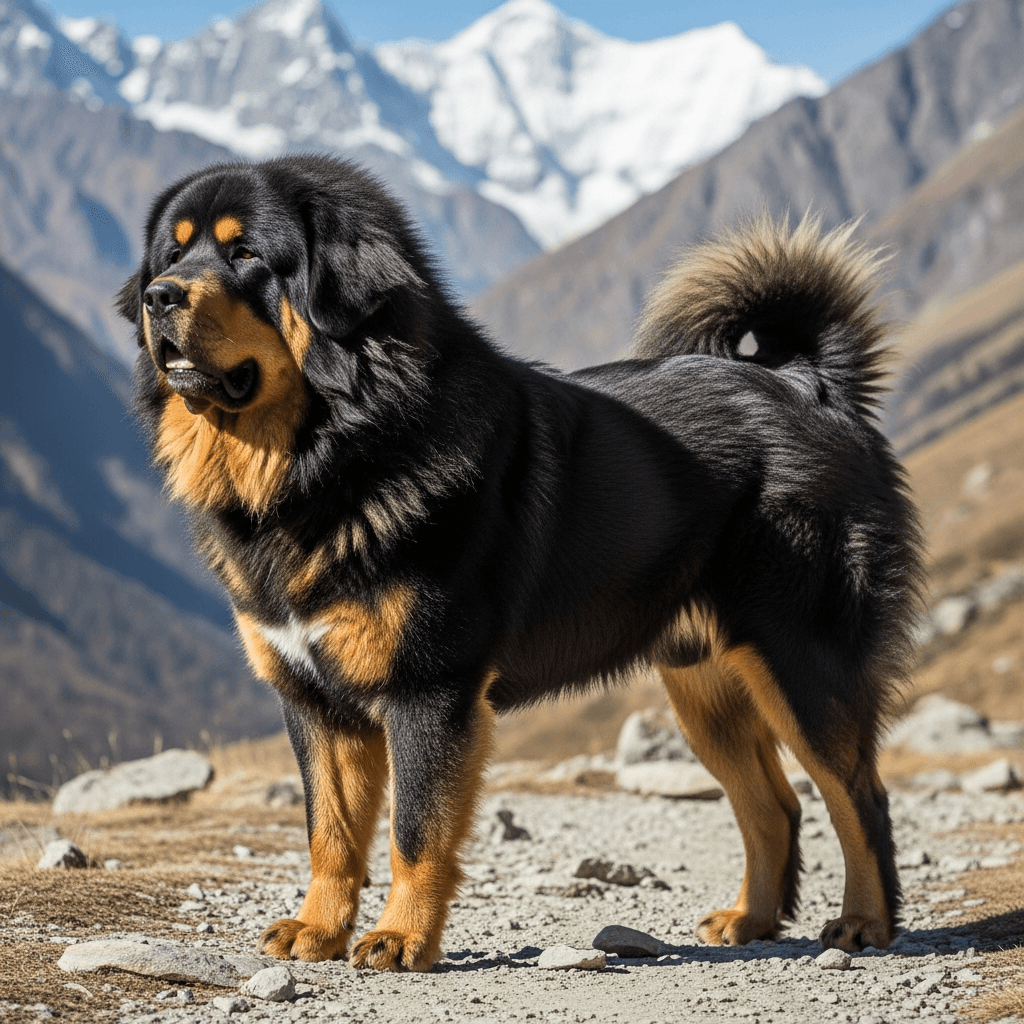
- Tibetan Mastiff – one of the oldest dog breeds, closely related to the Central Asia Shepherd Dog
- Mongolian Shepherd – a related breed also developing in harsh Asian conditions
Function and role in history: For millennia, Central Asia Shepherd Dogs played a key role in the lives of nomadic tribes in Central Asia:
- Herd protection – their main task was to guard sheep, goats, horses, and camels from predators such as wolves, bears, snow leopards, and jackals
- Caravan protection – the dogs accompanied trade caravans on the Silk Road, protecting goods and people from bandits and wild animals
- Guarding camps – they watched over camps and yurts (traditional tents) from intruders
- Family protection – they were loyal companions and defenders of nomadic families
Natural selection and adaptation: The harshness of the natural environment and the difficulties of life in the steppes, semi-deserts, and mountainous regions forced the breed to develop extraordinary endurance and resilience. Only the strongest, most resilient, and bravest individuals survived and passed their genes to future generations. Natural selection shaped the breed over millennia:
- Extreme climatic conditions – from freezing winters to hot, dry summers – developed a dense, protective coat
- Fighting predators – constant encounters with wolves and other predators fostered uncompromisingness, courage, and strength
- Energy conservation – in harsh conditions, the dogs learned to manage energy efficiently, giving them a characteristic calm temperament with bursts of strength when needed
- Independence – the dogs often worked independently, far from shepherds, which developed their independent thinking and decision-making skills
Modern history – breeding in the USSR: In the 1930s, the authorities of the Soviet Union became interested in the Central Asia Shepherd Dog as a potential working breed for protecting strategic facilities, borders, and as military dogs. A more organized breeding and standardization of the breed began:
- State breeding farms were established
- Research on temperament and protective abilities was conducted
- The first breed standards were developed
- Pedigrees began to be registered
However, many original, traditional bloodlines of Central Asia Shepherd Dogs remained in the hands of local breeders in the regions of Central Asia, who continued breeding in a traditional way, preserving the original characteristics of the breed.
International recognition: The Central Asia Shepherd Dog was officially recognized by the FCI (Fédération Cynologique Internationale) as a breed under the patronage of Russia. The breed is classified in Group 2 (Pinschers, Schnauzers, Molossers, and Swiss Mountain Dogs), Section 2.2 (Mountain-type Molossers), without a working trial.
Contemporary times: Today, the Central Asia Shepherd Dog is popular not only in its countries of origin but also in Russia, Eastern Europe, and is gradually gaining recognition in Western Europe, North America, and other regions of the world. It is valued as:
- A guard dog for property protection
- A companion for experienced owners
- A show dog (increasingly presented at dog shows)
- A symbol of national pride in Central Asian countries (especially in Turkmenistan)
Interesting facts:
- In Turkmenistan, the Central Asia Shepherd Dog is a national symbol and one of the national treasures. In 2020, the President of Turkmenistan unveiled a 15-meter golden statue of this breed in the capital Ashgabat
- The breed has various local names depending on the region: Alabai (Turkmenistan), Tobet (Kazakhstan), Buribas (Uzbekistan)
- Traditional ear and tail cropping was practiced in the regions of origin to reduce the risk of injury during fights with predators. This practice is now banned in many countries for ethical reasons
The Central Asia Shepherd Dog is a living heritage of thousands of years of history, a unique breed that has survived through natural selection and still retains its original traits – strength, courage, independence, and loyalty to its family.