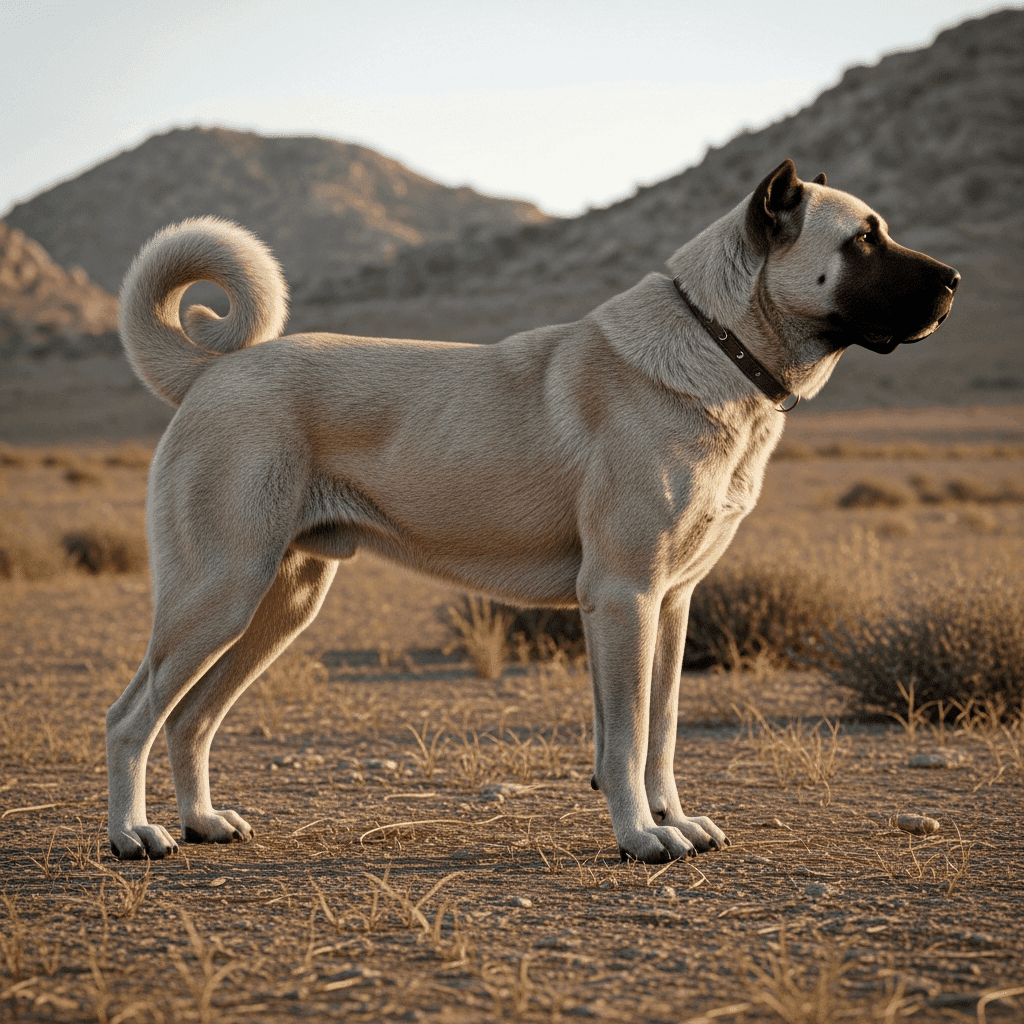
Kangal
FCI Group
2• FCI 331
Size
Large
Origin Country
TR
Height
65-78 cm
Weight
40-60 kg
Lifespan
10-15 years
Temperament
Overview
The Kangal Shepherd Dog, commonly known as the Kangal pastoral dog, is a majestic breed originating from Turkey, valued for its exceptional strength, courage, and unwavering protective instinct. Its roots trace back to the nomadic traditions of the Turks, when these dogs played a crucial role in protecting flocks of sheep and goats from predators – primarily wolves and bears. Thanks to its unparalleled defensive abilities, Kangal has become an invaluable partner for shepherds and a guardian of their livestock.
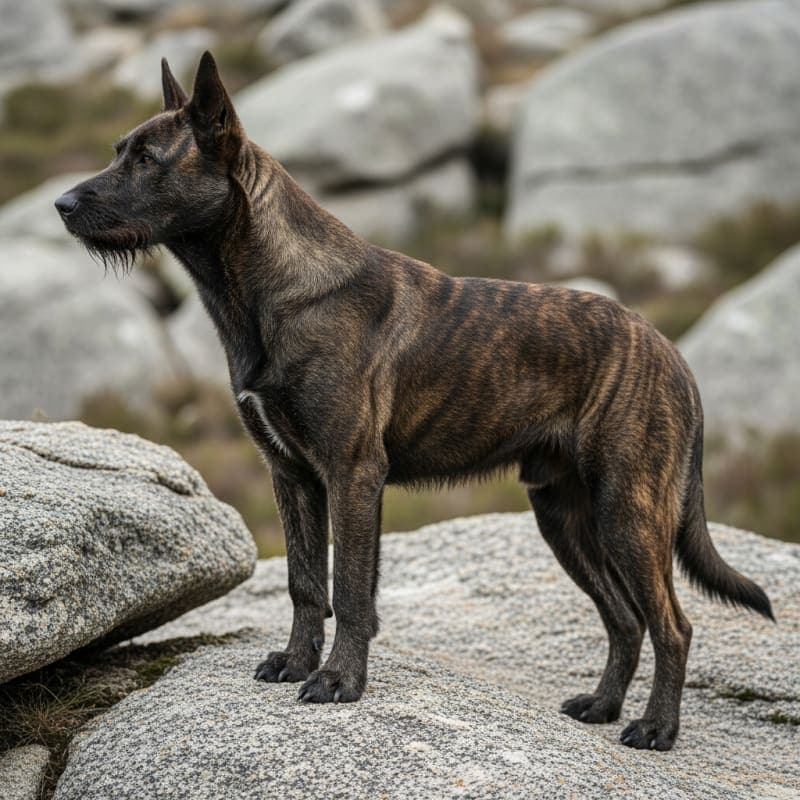
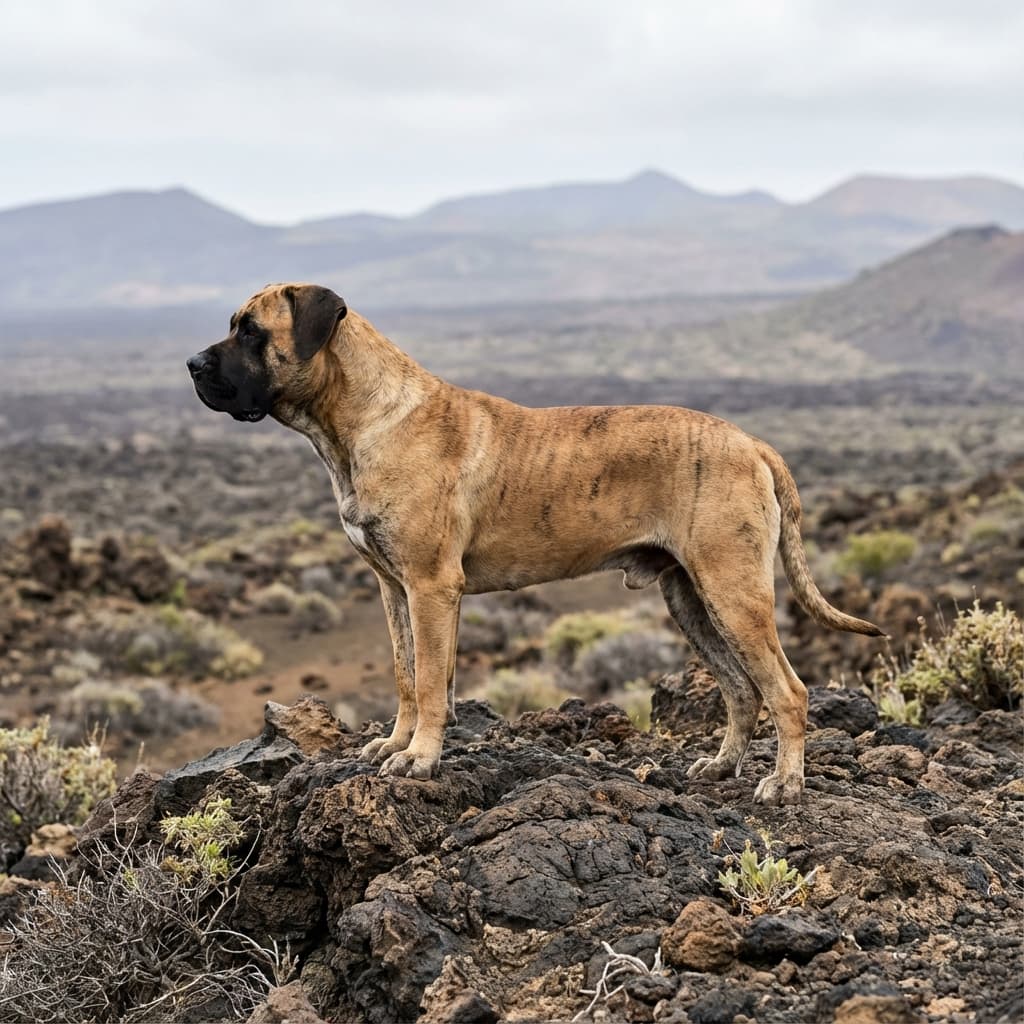
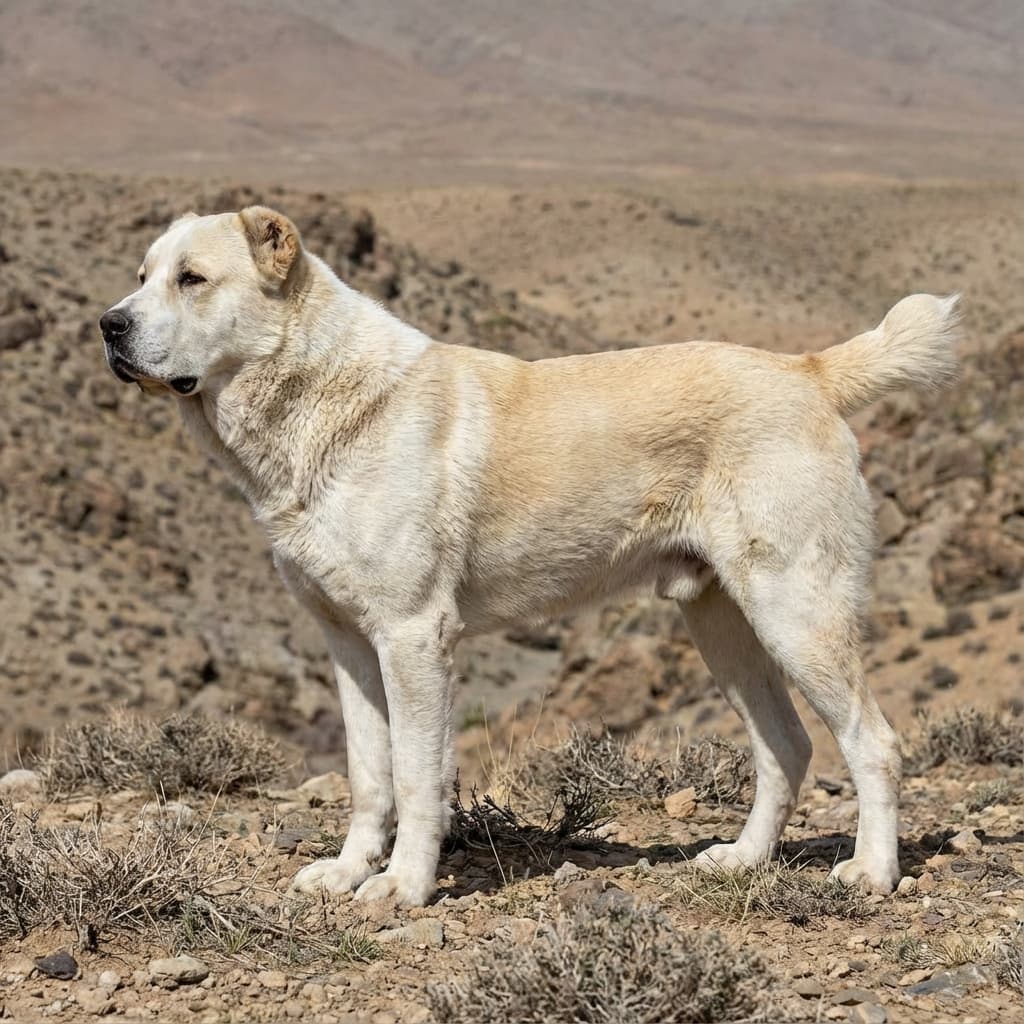
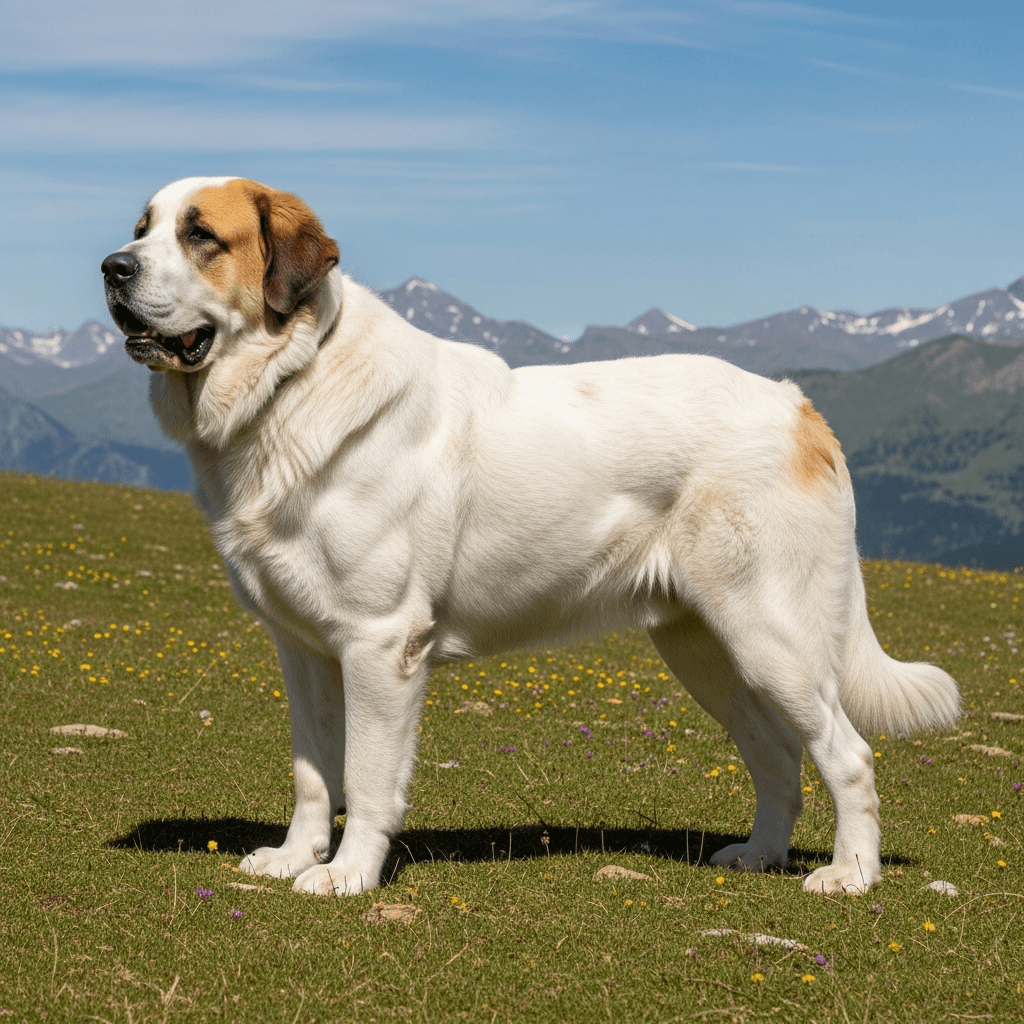
Its impressive silhouette, reaching a height of 65 to 78 cm at the withers, combined with a powerful, muscular build, makes it an extremely effective guardian. The characteristic black mask on its muzzle is a hallmark of the breed and emphasizes its distinctiveness. The Kangal's coat is dense, thick, and of medium length, providing excellent protection against extremely harsh weather conditions – both the scorching heat and the freezing winter typical of the Anatolian highlands.
Intelligence, independence, and confidence are traits that distinguish this exceptional breed. The Kangal is not a dog for everyone – it requires an experienced owner who can provide consistent training, proper socialization, and a clear hierarchy. Loyalty and devotion to its family contrast with a natural distrust and vigilance towards strangers, making it an ideal guard dog with a strong territorial instinct. Its balanced temperament combines confidence, courage, and an innate care for the flock.
The Kangal needs a significant amount of physical and mental activity to maintain good condition and mental health. Its remarkable endurance and strength make it an excellent working dog in challenging conditions. It can also be a wonderful family companion, provided it has enough space to run, explore, and appropriate tasks that engage its natural instincts. We encourage further exploration of the fascinating world of this extraordinary breed, delving into details about its health, grooming, training, and other aspects of life with a Kangal. Kangal is not just a working dog – it is a unique friend for those who can appreciate its unique traits, needs, and noble character.
The Kangal Shepherd Dog is a breed with a truly impressive and majestic silhouette, characterized by a powerful build and strong, muscular limbs. The height at the withers ranges from 65 to 78 cm, with males typically being taller and bulkier than females. The weight fluctuates between 40 and 60 kg, making it one of the more impressive shepherd dogs.
The Kangal has a rectangular body shape with a well-muscled torso, a strong and straight back, and a deep chest that indicates its endurance and strength. Its head is proportionate to its body, massive, with a broad skull and a distinctly marked black mask on the muzzle – a characteristic feature that gives the breed a unique appearance. The muzzle is strong and blunt, and the jaws are extremely powerful, adapted for defense against predators.
The Kangal's eyes are almond-shaped, ranging from dark brown to light brown, with a penetrating and intelligent expression that reflects its alertness and confidence. The ears are medium-sized, triangular, and drooping, giving it a calm yet vigilant appearance.
The Kangal's coat is dense, thick, and of medium length (usually 3-7 cm), with a well-developed undercoat, making it perfectly adapted to life in the extreme weather conditions of the Anatolian highlands. The coat color pattern includes shades from fawn to beige to wolf-sable, always with the characteristic black mask on the muzzle and dark ears.
The Kangal has a long tail that it carries low at rest, but it can raise it high and curl it over its back when excited or alert. The overall structure expresses strength, confidence, independence, and functionality, making it an excellent guardian and an invaluable companion in herding work.
The Kangal Shepherd Dog is a breed with a unique and balanced temperament that combines self-confidence, intelligence, independence, and deep loyalty to its family and flock. This breed is known for its strong, innate protective instinct, making the Kangal an excellent guardian for both sheep herds and human families.
Although it is self-assured and brave, the Kangal is not aggressive without reason. Its nature makes it extremely alert, watchful, and wary of strangers, which makes it an excellent watchdog with a strong territorial instinct. It reacts calmly yet decisively when sensing a threat, a result of its centuries of breeding as a protective dog for flocks.
This breed is also known for its independence and self-sufficiency in decision-making, which can lead some dogs to resist training or prefer to act independently. Therefore, it is crucial for owners to work with the Kangal from a young age, providing proper socialization, consistent training, and a clear hierarchy within the pack or family. Positive reinforcement, patience, and mutual respect are key to success.
In relationships with family, the Kangal is loyal, affectionate, and deeply attached to its guardian. It is a dog that values closeness with humans while also needing space to explore and the opportunity to utilize its natural instincts. The Kangal does well in families with children, provided there is proper socialization and supervision – its size and strength require caution to ensure safety for all.
This breed is ideal for active and experienced individuals who can provide the dog with adequate exercise, mental tasks, and play. The Kangal needs regular physical and mental activity to remain healthy, happy, and mentally balanced. A bored or challenged dog may develop undesirable behaviors.
The Kangal Shepherd Dog is generally a healthy and resilient breed, especially compared to many other large dogs. However, like any other breed, it can be prone to certain health issues arising from genetics, living conditions, and age.
Some of the most common health problems that may affect the Kangal include:
- Hip and elbow dysplasia – a congenital joint structure defect that can lead to pain, stiffness, and limited mobility. Regular veterinary check-ups, a proper diet, and avoiding excessive joint strain at a young age can help prevent or minimize this issue.
- Gastric torsion – a sudden and life-threatening condition typical for large breeds with deep chests. Owners should feed the dog smaller portions several times a day, avoid intense exercise right after meals, and provide a calm environment during eating.
- Heart problems – due to their large body mass and intense activity, the Kangal may be susceptible to cardiovascular conditions. Regular exercise, weight monitoring, and veterinary visits are essential for maintaining heart health.
- Obesity – an improper diet and lack of exercise can lead to overweight, which increases the risk of joint, heart, and other health issues. Monitoring weight and adjusting the diet to the level of activity is crucial.
The Kangal, as a shepherd dog, is accustomed to living in harsh conditions, which contributes to its natural resistance to diseases. However, it is important to provide appropriate health care, regular vaccinations, deworming, and annual veterinary check-ups to maintain its health at a high level.
Owners should also pay attention to dental health, regularly cleaning and checking teeth to avoid problems with teeth and gums that can lead to more serious conditions. A healthy Kangal can live 12-15 years, provided it receives proper care, diet, and activity.
The grooming of the Kangal Çoban Köpeği is relatively simple and low-maintenance, considering its natural, functional coat, which is dense and of medium length. This breed does not require complicated grooming procedures or frequent visits to a groomer.
Regular brushing is recommended to remove dead hair, prevent matting, and minimize the amount of shedding in the home. Brushing should occur at least once a week using a brush with metal bristles or a furminator. During periods of heavy shedding, which occur twice a year (in spring and autumn), it is advisable to increase the frequency of brushing to 3-4 times a week or daily to effectively remove the undercoat.
The Kangal does not have specific bathing requirements and should not be bathed too often to avoid damaging the natural protective layer of oil on its skin and coat. Bathing is recommended only when there is a clear need – for example, if the dog has come into contact with dirt, mud, or unpleasant odors. It is important to use gentle shampoos specifically designed for dogs to avoid irritating their sensitive skin.
Regular checking and cleaning of ears, eyes, and teeth is also extremely important for maintaining the overall health of the dog. Ears should be checked weekly for signs of redness, odor, or infection. Teeth should be regularly cleaned (preferably several times a week) with a special toothbrush and toothpaste for dogs to prevent tartar buildup and gum disease.
Owners should also remember to regularly trim the nails, especially if the dog does not have the opportunity to naturally wear them down on hard surfaces. Overly long nails can cause discomfort, pain, and walking problems. If you can hear the nails clicking on the floor while walking – that’s a sign they need to be trimmed.
Regular grooming not only improves the dog's appearance but also has a positive impact on its well-being, health, and quality of life. A Kangal that is regularly groomed feels better and is healthier.
The Kangal Shepherd Dog is a dog with very high exercise needs, requiring regular, intense physical activity and mental challenges to maintain physical health, mental balance, and well-being. This breed was developed to work in extremely harsh conditions of the Anatolian highlands, making it incredibly resilient, energetic, and built for prolonged effort.
It is recommended that a Kangal has at least one long walking session per day, which should last at least an hour, preferably two. Additionally, it is beneficial to provide him with the opportunity to run freely in a large, securely fenced area where he can explore his surroundings, patrol his territory, and utilize his natural instincts.
Playing together, such as fetching, running alongside a bicycle, tug-of-war, or obedience exercises, are excellent ways to meet his exercise needs and strengthen the bond with the owner. The Kangal responds well to various activities that engage both his body and mind – therefore, it is worthwhile to introduce exercises that develop his abilities and natural instincts, such as tracking, territory defense, or task-oriented exercises.
Since the Kangal has a strong territorial and protective instinct, it is extremely important to provide him with a properly secured and fenced area for play and exploration so that he can feel safe, free, and fulfill his natural role as a guardian.
Owners should be aware that the Kangal is a dog that does not tolerate boredom or inactivity. A dog deprived of sufficient exercise and challenges may develop undesirable behaviors such as excessive barking, digging, destroying objects, or escaping. Therefore, it is crucial to provide him with a variety of forms of activity, challenges, and tasks to perform daily to avoid behavioral problems and maintain his mental balance.
The training of the Kangal Shepherd Dog requires a experienced, confident, and consistent owner who can establish a strong bond based on mutual respect and trust. The Kangal is an intelligent, sharp, and quick-learning dog; however, due to its independence, self-confidence, and instinct for making decisions on its own, it can also be stubborn and independent in action.
It is crucial to start training and socialization from the youngest weeks of life so that the puppy learns appropriate behaviors, encounters various situations, people, animals, and environments. Owners should use only positive training methods based on rewards, praise, and motivation to encourage the dog to cooperate and learn. Methods based on dominance, punishment, or coercion are ineffective and can destroy the bond and provoke undesirable reactions.
Regular training sessions should be short (10-15 minutes), but effective and varied to maintain the dog's attention and avoid boredom from monotony. The Kangal responds well to various forms of activity and challenges, so it is worth introducing elements of play, task exercises, and functional training during educational sessions.
Training should include not only basic obedience commands (Sit, Lie Down, Stay, Come, No) but also tasks related to its natural instincts – such as territory defense, guarding, impulse control, and calm responses to external stimuli. The Kangal is a guarding dog, so it is important to teach it controlled reactions to strangers and animals so that its natural protective instinct is used safely and in a controlled manner.
Owners should be patient, consistent, and firm in their approach to ensure the dog receives proper education and a clear hierarchy. The Kangal is a dog that values closeness with its owner and time spent together, so regular training, play, and activities are extremely important for its development, mental balance, and well-being.
Nutrition for the Kangal Shepherd Dog is a key element in maintaining its health, physical condition, and overall well-being. Due to its large body mass, intense physical activity, and specific needs of large breeds, the Kangal requires a diet rich in high-quality protein, healthy fats, and essential nutrients.
Owners should provide their dog with high-quality food that is carefully tailored to its age (puppy, adult, senior), weight, activity level, and individual health needs. It is recommended that the diet be based on meat (beef, poultry, lamb, game), fish rich in Omega-3 fatty acids (salmon, mackerel), vegetables (carrots, pumpkin, broccoli), and healthy sources of carbohydrates (rice, oats, sweet potatoes).
The Kangal, as a highly active shepherd dog, may have increased calorie requirements during periods of intense work, especially in cooler months. Therefore, it is extremely important to adjust the amount and frequency of feeding to its current activity level – working dogs need more energy than home dogs with lower activity levels.
It is absolutely essential to avoid feeding the dog table scraps, sweets, fatty meats, or processed foods, as this can lead to digestive problems, food allergies, obesity, and more serious health issues.
Due to the risk of gastric torsion, which is typical for large breeds with deep chests, it is recommended to feed the Kangal several times a day in smaller portions rather than one large meal. Additionally, intense movement should be avoided immediately before and after eating – the dog should have time to calmly digest its food.
It is also extremely important for the dog to have constant access to fresh, clean drinking water to ensure proper hydration, especially during hot days and periods of intense physical activity.
Owners should regularly monitor their dog's weight and adjust the diet as needed to keep it in good, healthy physical condition. The Kangal is a breed that can be prone to obesity if it does not receive an appropriate diet and regular exercise – therefore, maintaining a balanced diet and physical activity is crucial for its health and longevity.
Characteristic Traits
Pros
- Extremely strong and durable
- Excellent guard and protection dog
- Loyal and devoted to the family
- Intelligent and independent
- Resilient to harsh weather conditions.
Cons
- Requires a very experienced and consistent owner
- Needs plenty of space and exercise
- Distrustful and alert towards strangers
- Strong territorial instinct can be problematic in the city.
Behavioral Ratings
Breed History
The history of the Kangal Shepherd Dog is deeply rooted in ancient Turkish culture and tradition, with its origins tracing back to the nomadic peoples migrating from Central Asia. It is believed that the ancestors of today's Kangal arrived in Anatolia (modern-day Turkey) along with nomadic Turkish tribes that primarily engaged in sheep and goat herding and led a wandering lifestyle.
These dogs have been used for centuries for protecting flocks of sheep from wild predators – primarily wolves, bears, jackals, and other threats lurking in the harsh conditions of the Anatolian highlands. This breed gained recognition and respect due to its unparalleled loyalty, intelligence, courage, and exceptional defensive abilities.
The Kangal became an inseparable companion and partner for Turkish shepherds, and its skills and reliability were valued and passed down through generations. The breed name comes from the city of Kangal and the Sivas region in central Turkey, where the breed was particularly popular and carefully bred to preserve its unique traits – strength, intelligence, and distinctive coat with a black mask.
Over time, the Kangal gained a reputation not only as an indispensable herding dog but also as a remarkable guard dog protecting farms, families, and livestock from intruders and threats. Its defensive capabilities and balanced temperament made it a symbol of loyalty, strength, and protection in Turkish culture.
In the 19th and 20th centuries, this breed began to attract the attention of international dog breeders and enthusiasts of working breeds, becoming a subject of interest for breeders outside Turkey. In 2018, the Kangal was officially recognized by the Fédération Cynologique Internationale (FCI) as a separate, independent breed (FCI standard no. 331), contributing to its global popularity and the preservation of breed purity.
Today, the Kangal is not only a working dog on the Anatolian highlands but also a beloved companion and family member in many households around the world. The growing interest in this breed has led to the emergence of numerous organizations dedicated to its protection, breeding, and promotion – contributing to the preservation of breed purity, its unique characteristics, and cultural heritage. The Kangal remains Turkey's national dog and a symbol of Turkish canine heritage, valued and respected worldwide.