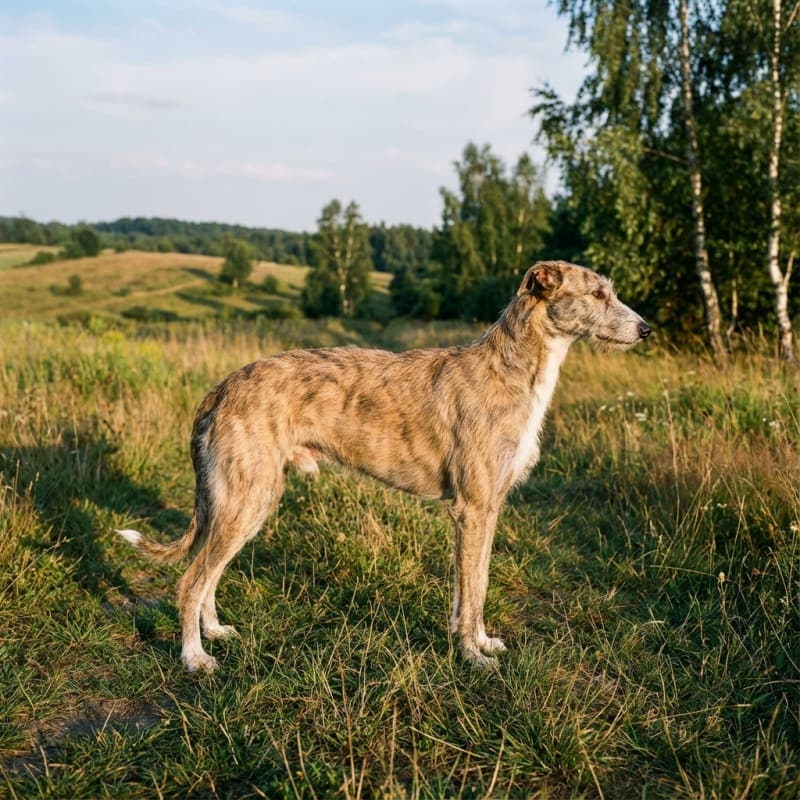
Polish chart
FCI Group
10• FCI 333
Size
Large
Origin Country
PL
Height
68-80 cm
Weight
35-45 kg
Lifespan
13-15 years
Temperament
Overview
Polish Greyhound, also known as Polish Greyhound or Polish Chart, is a unique and beautiful breed of hunting dogs with a long and proud history dating back at least to the 13th century. This majestic breed likely descends from ancient Asian greyhounds of the Saluki type and has been valued by the Polish nobility for centuries as an indispensable companion in the challenges of hunting. The Polish Greyhound combines elegance with impressive physical strength, making it a versatile dog – excellent both as a hunter and a devoted companion in everyday family life.
Its characteristic silhouette is long, muscular, and very athletic, allowing it to achieve significant speeds while chasing prey. The Polish Greyhound was traditionally used for hunting various animals – from hares and foxes to deer and even powerful wolves. Its exceptional courage, confidence, and unmatched agility in running make it a natural-born hunter.
Interestingly, despite numerous historical upheavals and social changes over the centuries, the Polish Greyhound has retained its traditional characteristics in appearance and temperament. This is confirmed by numerous literary descriptions and iconographic representations in art, which showcase the remarkable consistency of breed type over the centuries.
The modern Polish Greyhound is not only a hunting dog but primarily a loyal and devoted family member. It is gentle and patient with children, making it an excellent companion for the whole family. However, its strong hunting instinct can make it somewhat wary of strangers and behave territorially. For this reason, socialization from puppyhood and consistent yet positive upbringing are crucial.
When it comes to coat color, the Polish Greyhound is an extremely diverse breed – virtually all colors are acceptable, making each representative of this breed unique and one-of-a-kind. In summary, the Polish Greyhound is a harmonious combination of beauty, strength, intelligence, and noble character. In the following sections of this guide, we invite you to explore more about its appearance, behavior, health, grooming, physical activity, training, nutrition, and the fascinating history of this extraordinary Polish breed.
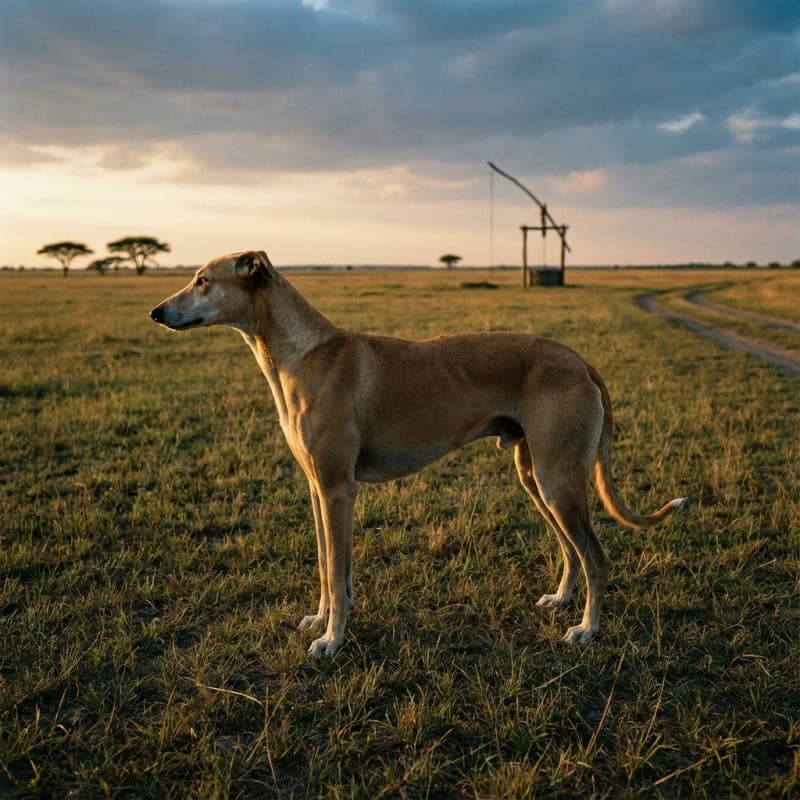
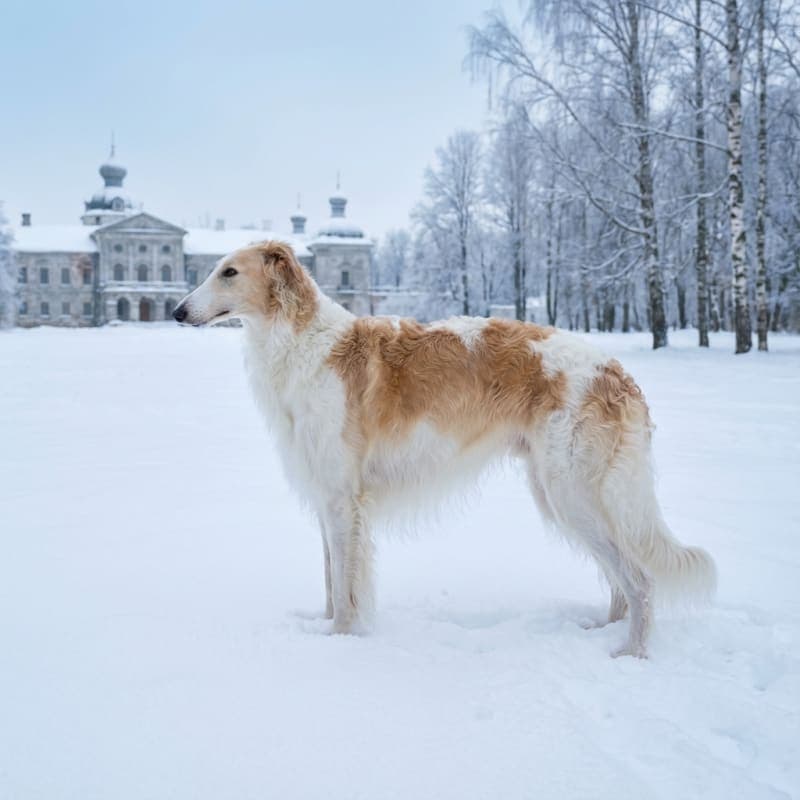
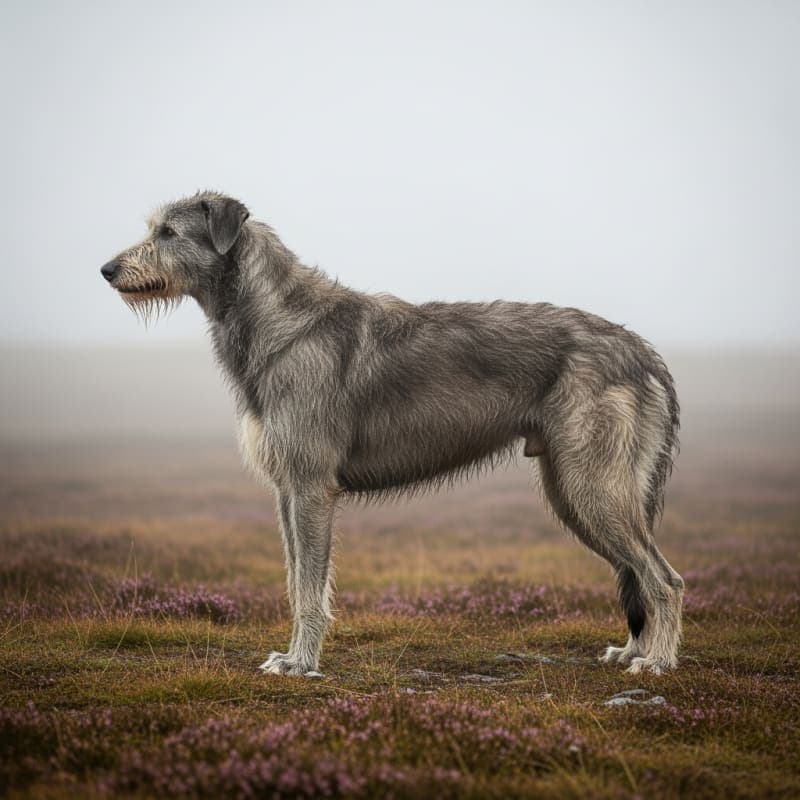
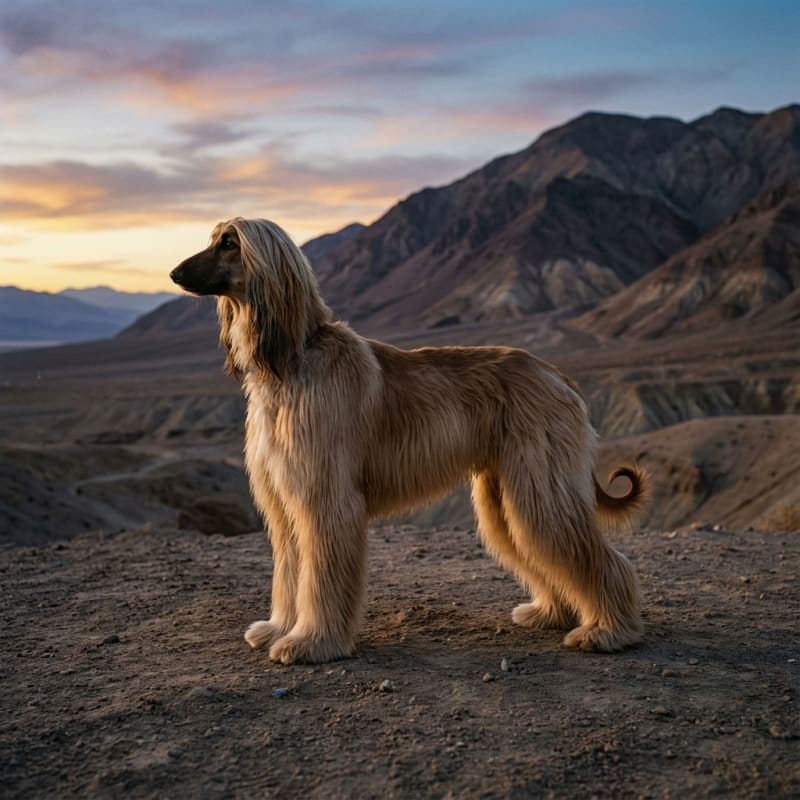
The Polish Greyhound is a dog with a large, impressive silhouette that exudes both elegance and solid musculature. The height at the withers ranges from 68 to 80 cm, with males typically being taller than females. The weight of an adult individual varies between 35-45 kg, reflecting its massive yet simultaneously slender body structure.
The silhouette of the Polish Greyhound is slim and harmoniously built, with a long, straight neck that smoothly transitions into a well-developed chest. This chest is deep and spacious, ensuring adequate respiratory efficiency during long and intense runs.
The head of the Polish Greyhound is long and elegant, with a flat skull and a distinct, though moderate, stop. The muzzle is strong at the base and narrows harmoniously towards the tip of the nose, which has an intensely black or dark pigment. The eyes are quite large, almond-shaped, ranging in color from dark brown to amber, with a vivid, alert, and intelligent gaze that reveals its hunting instinct.
The ears are medium-sized, set at the height of the eye line, made of soft cartilage, giving them a delicate and fleshy appearance. The tail is long and strong at the base, with a slightly upward-curving tip, which adds to the characteristic appearance of the Polish Greyhound while running.
The coat of the Polish Greyhound is short, resilient, and hard to the touch, making it resistant to various weather conditions – both rain and cold. Thanks to this property, the Polish Greyhound can work in the field regardless of the weather.
The coloration of this breed is extremely diverse, allowing for practically all colors – from solid (black, fawn, gray) to brindled, spotted, or bicolor. This diversity makes each individual unique and exceptional.
In motion, the Polish Greyhound presents itself majestically – its gait is smooth, flexible, and springy, and during a gallop, it achieves impressive speed and grace. The entire posture and manner of movement emphasize its natural hunting predispositions and athletic build.
The Polish Greyhound is a dog with a complex and fascinating character, combining protective traits, confidence, and moderate independence. It is a breed that is self-assured and brave, which makes the Polish Greyhound an excellent guardian of home and family. It is not aggressive, but when necessary, it will not hesitate to defend its loved ones.
In relationships with people, the Polish Greyhound is loyal and deeply attached to its family. It forms strong emotional bonds with household members, but may show some distance and distrust towards strangers. For this reason, early and intensive socialization is crucial for the dog to learn to accept new people, situations, and environments. A well-socialized Polish Greyhound becomes a calm and balanced companion that can function in diverse conditions.
In the comfort of home, the Polish Greyhound is usually calm and relaxed, often found resting on a comfortable bed. However, outside, its temperament changes – this dog exhibits significant energy, enthusiasm for movement, and a tendency to run intensively. It is important to remember that the Polish Greyhound has a very strong hunting instinct, which means that the sight of a small animal or a quickly moving object can pique its interest and prompt it to chase.
Owners must be aware that the Polish Greyhound may try to escape or chase small animals during walks, so it is recommended to walk them on a leash in public places and secure the area with a fence of appropriate height. Nevertheless, the Polish Greyhound is not an aggressive dog – its temperament can be described as moderately independent and emotionally stable.
In relationships with children, the Polish Greyhound is usually gentle, patient, and mild, but children should be taught to respect the dog's space and not to disturb it while resting. A well-behaved Polish Greyhound can live in harmony with other household pets, although it may show less tolerance towards unfamiliar dogs, especially those that behave provocatively.
In summary, proper upbringing, consistent training, and early socialization are the foundation for the Polish Greyhound to fully realize its potential as a loyal, loving, and trustworthy companion for many years.
The Polish Greyhound is a breed that generally enjoys good health and longevity. The average lifespan of a Polish Greyhound ranges from 13 to 15 years, which is an impressive result for dogs of this size. This breed is not particularly prone to hereditary genetic diseases, which is a significant advantage and reflects careful breeding selection over the years.
However, like any dog, the Polish Greyhound can also be susceptible to certain health issues. The most common problems that may affect this breed include:
- Gastric torsion (GDV - bloat) – a serious and sudden condition requiring immediate veterinary intervention. To minimize the risk, it is recommended to avoid intense exercise immediately before and after meals and to feed smaller portions several times a day.
- Cardiomyopathy – a heart muscle condition that can occur in larger dog breeds. Regular cardiological examinations help in early detection and appropriate treatment.
Owners of Polish Greyhounds should pay special attention to the physical condition of the dog, especially during hot summer days, as these dogs can be sensitive to high temperatures and overheating. It is advisable to provide the dog with access to shade and fresh water during heat and to avoid intense training during the hottest hours.
In winter, the Polish Greyhound copes relatively well due to its resilient coat; however, it should not sleep outside to avoid hypothermia. The Polish Greyhound is a dog that prefers a warm and comfortable place to rest.
Proper diet and regular veterinary visits are crucial for maintaining the dog's health. Annual health checks, vaccination updates, and prevention against internal and external parasites are recommended.
Overall, the Polish Greyhound is a strong, resilient, and healthy dog that, with proper care, a balanced diet, and regular physical activity, has every chance of living a long and happy life alongside its family.
The care of the Polish Greyhound is relatively simple and low-maintenance, which is an additional advantage of this breed for those who value convenience and time savings. The coat of the Polish Greyhound is short, elastic, and firm to the touch, which means it does not require complicated or time-consuming grooming.
Owners should regularly brush their dog, preferably once a week, using a soft brush with natural bristles or a rubber grooming glove. Regular brushing helps remove dead hair, stimulates blood circulation in the skin, and keeps the coat in excellent condition. Although the Polish Greyhound does not shed heavily throughout the year, periodic brushing helps maintain cleanliness and an aesthetic appearance of the coat.
An important aspect of grooming is the ears of the Polish Greyhound, which may require additional attention due to their structure. It is necessary to regularly check the inside of the ears for dirt, excessive wax buildup, or signs of infection. If needed, gently clean the ears with specialized solutions available in pet stores or from a veterinarian.
Owners should also remember to regularly check their dog's teeth. Daily brushing with dog toothpaste and an appropriate toothbrush is recommended to help prevent tartar buildup and gum disease. Additionally, it is worth investing in dental chews that support oral hygiene.
The nails of the Polish Greyhound should be regularly checked and trimmed with special clippers if necessary. If the dog runs a lot on hard surfaces, its nails wear down naturally; however, for less active or older dogs, manual trimming may be necessary every few weeks.
In summary, proper and regular grooming of the Polish Greyhound not only affects its aesthetic appearance but, most importantly, its overall health and quality of life. It is worth dedicating a few minutes each week to routine grooming tasks to ensure our dog feels great and enjoys good health for many years.
The Polish Greyhound is a breed that requires a large amount of exercise and regular physical activity. As a hunting dog, the Polish Greyhound was bred for long chases and hunts, which means it has an inherent need to run, explore the terrain, and expend energy through intense effort.
Owners should provide the Polish Greyhound with at least two hours of intense activity daily. This can include long walks, trail running, fetch games, training in a fenced meadow, or participating in dog sports such as coursing (chasing a mechanical lure) or agility tailored for large breeds.
It is extremely important for the dog to have the opportunity to run freely in a safe, enclosed area, as the Polish Greyhound needs space to fully develop its natural hunting instincts. Polish Greyhounds are exceptionally agile and fast – they reach impressive speeds while galloping, which makes them love activities related to speed, agility, and coordination.
Owners must be aware that although the Polish Greyhound can be calm and relaxed at home, during outdoor walks it displays a high level of energy, especially in the presence of other animals that may trigger its hunting instinct. For this reason, it is recommended to keep the dog on a leash in public places and choose walking routes away from busy roads.
Regular physical activity is absolutely crucial for the physical and mental health of the Polish Greyhound. Lack of adequate exercise can lead to frustration, excess energy, behavioral problems, and obesity. An active Polish Greyhound is a happy, healthy, and balanced dog, so it is worth finding time every day for play, training, and long walks outdoors.
In summary, the Polish Greyhound is a breed for active individuals who love spending time outdoors and appreciate the company of an energetic, lively dog.
Training a Polish Greyhound can be a bit of a challenge, but at the same time, it is an incredibly rewarding and enriching experience for both the dog and the owner. This breed is intelligent, observant, and capable of learning, but it also has character traits that require the caregiver to have patience, consistency, and understanding.
The Polish Greyhound can be somewhat independent and easily distracted during training, especially in the presence of other animals that stimulate its strong hunting instinct. Therefore, to effectively train a Polish Greyhound, it is essential to use positive, consistent, and patient training methods. Punishments, harsh words, or physical force are absolutely discouraged and can result in a loss of the dog's trust in the owner.
Training should start with basic commands such as: Sit, Stay, Come, Lie down, Leave it. It is advisable to conduct short but regular training sessions – preferably a few times a day for several minutes, so that the dog does not lose focus and motivation. Positive reinforcements, such as praise, petting, and treats, are crucial in the learning process and in building motivation.
Socialization is absolutely fundamental for the proper development of the Polish Greyhound. The dog should be gradually introduced to a variety of people, animals, sounds, smells, and situations from a young age. A well-socialized Polish Greyhound will be confident, emotionally balanced, and able to function in different environments.
Owners should dedicate an appropriate amount of time to learning and building a strong bond based on mutual trust and respect. It is also worthwhile to introduce regular mental exercises, such as games in search of treats hidden in the house or garden, interactive puzzle toys, or scent training. Such activities help stimulate the dog intellectually, reduce boredom, and strengthen the bond with the caregiver.
It is important that the training of the Polish Greyhound is conducted in a friendly, positive, and relaxing atmosphere, which will lead to better results and make the dog more willing to participate in activities. Consistency, patience, and a positive approach are the keys to success in training this beautiful and intelligent breed.
Proper nutrition for the Polish Greyhound is crucial for its health, physical condition, and well-being. Due to its active lifestyle and muscular body, dogs of this breed require a diet rich in high-quality protein, which supports muscle building and regeneration, as well as provides the energy needed for daily activities.
Owners should choose high-quality foods – both dry and wet – that contain natural ingredients, an appropriate amount of animal protein (meat, fish, poultry), healthy fats, vitamins, minerals, and fiber. It is recommended to avoid low-quality foods that contain excessive fillers, artificial colors, preservatives, or chemicals.
The Polish Greyhound is not particularly prone to overweight, but excess calories and lack of portion control can lead to health problems such as obesity, joint strain, or heart disease. Therefore, it is important to monitor the amount of food given and adjust the dosage according to the dog's activity level, age, weight, and health status.
It is recommended to provide regular meals – preferably twice a day (in the morning and evening), which helps maintain a healthy weight, stable blood sugar levels, and good digestive health. For active or young dogs, the calorie amount may be higher, while older or less active dogs require smaller portions.
It is extremely important to ensure the Polish Greyhound has access to fresh water throughout the day, especially after intense exercise, on hot days, or during walks. Proper hydration is crucial for kidney health, body temperature regulation, and overall vitality.
To minimize the risk of gastric torsion (GDV), it is recommended to:
- Provide smaller portions several times a day instead of one large meal
- Avoid intense exercise immediately before and after eating (at least an hour)
- Ensure a calm place to eat, so the dog does not swallow food too quickly
If there are any doubts regarding the diet, portion sizes, supplementation, or specific nutritional needs of the Polish Greyhound, it is advisable to consult a veterinarian or animal nutritionist, who can help choose the optimal food tailored to the individual needs and health status of the dog.
Characteristic Traits
Pros
- Elegant and majestic appearance
- Exceptional agility and speed
- Loyalty and devotion to family
- Gentleness towards children
- Longevity and overall good health.
Cons
- Very strong hunting instinct
- Need for intense socialization from puppyhood
- Distrust of strangers
- Tendency to chase and escape.
Behavioral Ratings
Breed History
The history of the Polish Greyhound is long, fascinating, and deeply rooted in Polish tradition and hunting culture. The presence of Polish Greyhounds in Poland is confirmed as early as the 13th century, making this breed one of the oldest native dog breeds in Poland. The first mentions of Polish Greyhounds appear in historical documents, literature, and works of art, indicating their extraordinary significance in the life of contemporary society, especially among the nobility.
It is believed that the Polish Greyhound derives from ancient Asian Saluki-type greyhounds, which likely arrived in Polish lands through trade routes or during the migrations of nomadic tribes. This theory is supported by certain similarities in appearance and character between the Polish Greyhound and Asian greyhound breeds.
It is also important to clarify the often-repeated misconception about the origin of the Polish Greyhound. The Russian author Sabaniejew suggested that the Polish Greyhound would be the result of crossing greyhounds with borzois; however, this theory is incorrect. Borzois were unknown before the reign of Tsar Ivan the Terrible in the 16th century, while Polish Greyhounds had existed in Polish lands since the 13th century. This makes Sabaniejew's theory historically impossible.
Over the centuries, the Polish Greyhound was valued primarily by the Polish nobility as an indispensable companion in hunting wild game – from hares and foxes to deer and even powerful wolves. Hunting with greyhounds was not only a practical activity providing food but also a prestigious form of entertainment, a symbol of social status, and a tradition of chivalry.
In Polish hunting literature and in works of art (painting, graphics, engravings), mentions and representations of the Polish Greyhound frequently appear. Interestingly, these iconographic representations are remarkably uniform and coherent, proving that despite various crossbreeding and social changes, the original appearance and breed type of the Polish Greyhound remained unchanged until the end of the 19th century.
In the 19th century, particularly after the partitions of Poland and the turbulent socio-political changes, the population of the breed significantly declined. However, thanks to the dedication and efforts of enthusiasts and breeders, the breed survived difficult times. In the second half of the 20th century, thanks to the efforts of committed breeders and breed enthusiasts, the Polish Greyhound gained renewed popularity, and its population began to grow systematically.
Today, the Polish Greyhound is a proud symbol of Polish tradition, culture, and national heritage. This breed is valued not only as a hunting dog but also as a beautiful, intelligent, and loyal companion for families. Its presence at dog shows, in the homes of dog lovers, and in breeding organizations proves that the history of the Polish Greyhound is still ongoing and is being rewritten by successive generations of enthusiasts of this unique breed.
The Polish Greyhound is a living testament to Polish history and tradition, having survived centuries and still captivating with its majestic stance, courage, and exceptional intelligence.