Portuguese Pointer
FCI Group
7• FCI 187
Size
Medium
Origin Country
PT
Height
52-56 cm
Weight
16-27 kg
Lifespan
12-14 years
Temperament
Overview
The Portuguese Pointer, also known as Perdigueiro Português, is a unique breed of hunting dog originating from Portugal. It is characterized by its medium size and harmonious body structure, which combines elegance and functionality.
This ancient breed was created for hunting and is distinguished by its exceptional tracking skills and extraordinary endurance. It excels in hunting tasks, especially during bird hunts, where its sense of smell and natural ability to point game are indispensable.
As a family dog, the Portuguese Pointer is loyal, friendly, and strongly attached to its owner. Its intelligence and willingness to cooperate make training easier and ensure it thrives in active families. However, it requires proper socialization from a puppy age and consistent, positive training.
Due to its hunting roots, the Portuguese Pointer needs a large amount of physical activity and mental stimulation. Its vivacity and energy can be a challenge for those leading a less active lifestyle. It does best in homes with gardens and in families that can provide regular outings, running, and various forms of activity.
In terms of grooming, this breed is not demanding - its short, dense coat requires only regular brushing. Special attention should be paid to ear care, which can be prone to infections due to their structure.
The Portuguese Pointer is an excellent choice for experienced dog owners, hunters, and active families looking for a smart, devoted, and energetic companion.
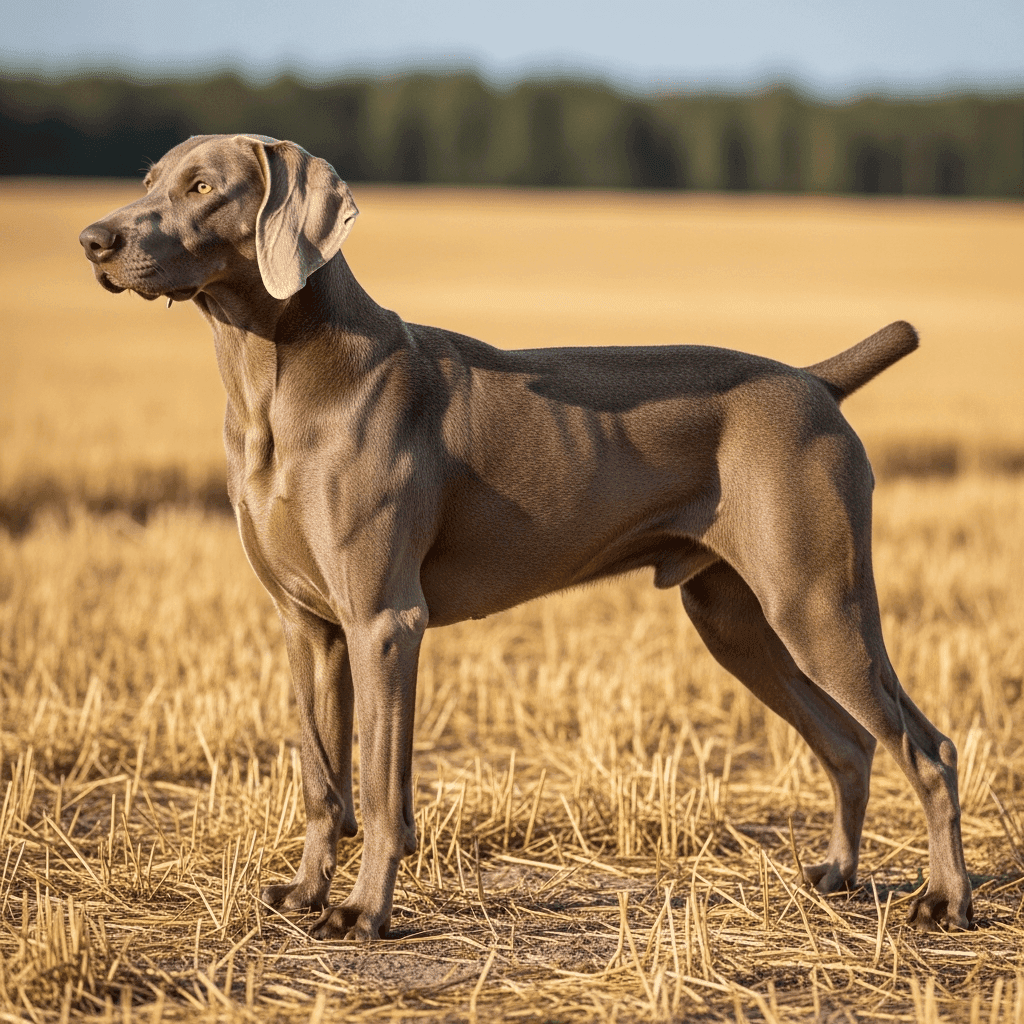
The Portuguese Pointer is a dog of medium size with a harmonious, strong, and proportional body structure. Males reach a height of about 56 cm at the withers, while females are slightly smaller, measuring about 52 cm. The weight of representatives of this breed ranges from 16 to 27 kg, depending on gender and build.
The head is proportional to the rest of the body, with a wide and symmetrical skull and a well-defined stop. The ears are medium-sized, hanging, set at eye level, and covered with short hair. The eyes are large, oval, in various shades of brown - from light to dark hazel - giving the dog an intelligent and expressive appearance.
The coat of the Portuguese Pointer is short, dense, and well-adhering to the body. It comes in two basic colors: yellow (from light to dark) and brown, sometimes with white markings on the chest, legs, or muzzle, which is acceptable according to the breed standard.
The limbs are strong, straight, and well-muscled, providing the dog with excellent stability, agility, and endurance while working in the field. The tail is usually natural or docked to 1/3 of its length, straight, harmoniously connecting with the line of the back.
In motion, the Portuguese Pointer moves elegantly and with great lightness, which attests to its excellent build, condition, and natural predispositions for hunting work.
The Portuguese Pointer is a dog with a friendly, sociable, and balanced temperament. It is extremely attached to its owner and family members, showing them loyalty and affection.
This breed is characterized by its great vitality and energy, making it an ideal companion for active families. The Portuguese Pointer loves spending time with people and engaging in shared activities such as long walks, hikes, or outdoor play.
It is an intelligent and willing to cooperate dog, which makes training easier. However, without proper socialization and consistent training from a young age, it may show tendencies towards disobedience or excessive independence.
The Portuguese Pointer has a strong hunting instinct, which means it may be inclined to chase other animals such as birds, rodents, or cats. Therefore, proper training and controlling the dog during walks, especially in open areas, is very important.
In contact with children, the Portuguese Pointer is gentle and patient, although its liveliness and energy can be overwhelming for the youngest children. For this reason, adult supervision is recommended during playtime.
This breed is not suitable as a guard dog, as it shows trust towards strangers and rarely exhibits aggression. The Portuguese Pointer is a pack dog and does not cope well with loneliness - prolonged isolation can lead to behavioral problems such as excessive barking, destructive behaviors, or stress.
Although it is not an overly noisy breed, the Portuguese Pointer can be quite talkative, especially when it wants to get the owner's attention or signal something interesting.
The Portuguese Pointer is a breed of dog that enjoys generally good health and longevity. The average lifespan of representatives of this breed ranges from 12 to 14 years, although with proper care and a healthy lifestyle, they can live even longer.
Thanks to its short, dense coat, the Portuguese Pointer does well in various climatic conditions, including high temperatures, which is a legacy of its origin from the warm climate of Portugal.
Like many breeds with long, drooping ears, the Portuguese Pointer can be prone to ear infections. Regular cleaning and checking of the ears, especially after spending time outdoors or in water, helps prevent these issues.
Members of this breed may also be susceptible to dental and gum problems, so regular oral hygiene, including tooth brushing, is extremely important for maintaining the dog's health.
With proper nutrition and regular physical activity, the Portuguese Pointer is not prone to obesity. However, owners should monitor the dog's weight and adjust the amount of food according to its activity level.
Occasionally, there may be cases of hip dysplasia, which is common in many medium-sized breeds. Responsible breeders conduct health screenings of the parents before breeding to minimize the risk of this condition.
Owners should ensure their dog has regular veterinary visits, including annual vaccinations, deworming, and health checks, to detect and treat any potential problems early.
The care of the Portuguese pointer is relatively simple and uncomplicated, thanks to its short, dense coat that lies close to the body. Regular brushing once a week is sufficient to remove dead hair, stimulate skin circulation, and keep the coat in good condition.
During seasonal shedding periods, which occur in spring and autumn, more frequent brushing may be necessary - even 2-3 times a week - to minimize the amount of hair in the home.
Particular attention should be paid to ear care. Due to their drooping structure, the ears of the Portuguese pointer are prone to infections, wax buildup, and dirt. It is recommended to clean the ears regularly at least once a month, and for dogs that often spend time outdoors or in water - even more frequently.
Checking and trimming nails should be done regularly, usually once every 3-4 weeks, depending on how quickly they wear down during activity. Overly long nails can negatively affect the dog's movement and cause discomfort.
Oral hygiene is also an important aspect of care. Regular tooth brushing, at least 2-3 times a week, will help prevent the buildup of tartar, gum disease, and bad breath.
Bathing the Portuguese pointer should be done as needed - usually once every 2-3 months or when the dog gets dirty. Frequent bathing can dry out the skin and strip the coat of its natural protective oils.
Additionally, owners should ensure that the dog has constant access to fresh water and a balanced diet, which also directly affects the condition of the skin and the quality of the coat.
The Portuguese Pointer is a breed that requires a significant amount of exercise and physical activity. Due to its hunting background, this dog has high energy and a strong work instinct, which must be adequately satisfied.
Ideally, the Portuguese Pointer should receive about 90 minutes of intense exercise daily. This can include:
- Long, dynamic walks or running
- Playing fetch with a ball or frisbee
- Hunting training or dog sports (agility, obedience, nosework)
- Free running in a safe, fenced area
- Swimming - most Portuguese Pointers love water
Owners should provide their dog with the opportunity for free running and exploration, which is crucial for its physical and mental health. Insufficient exercise can lead to behavioral problems such as:
- Destruction of household items
- Hyperactivity and difficulty concentrating
- Excessive barking
- Frustration and stress
The Portuguese Pointer thrives best in active families who spend a lot of time outdoors and are willing to engage in various forms of activity, such as:
- Running or cycling
- Hiking in mountains or forests
- Water activities
- Sports or hunting training
Due to its needs, the Portuguese Pointer is not suitable for people leading a sedentary lifestyle or for residents of small apartments without access to running areas. It should also not be left alone for long hours, as this can negatively affect its well-being and behavior.
The training of the Portuguese Pointer is relatively easy, especially for those using positive training methods based on rewarding desired behaviors with treats, praise, and play.
This breed is intelligent and eager to cooperate, which allows it to quickly learn new commands and skills. However, early training and socialization is crucial - ideally starting from 8-10 weeks of age - so the dog can learn proper behavior in various situations and environments.
The Portuguese Pointer responds well to routine and consistency, so it is important that training is consistent and systematic. Owners should:
- Establish clear rules and boundaries from day one
- Be consistent in enforcing the rules
- Avoid physical punishment and yelling, which can cause fear or uncertainty
- Focus on rewarding positive behaviors
Due to its strong hunting instinct, it is particularly important to teach the dog the commands Stay, Come, and Stop, which will help control its energy and prevent uncontrolled chasing of animals during walks.
The Portuguese Pointer excels in various forms of canine activities, such as:
- Agility - obstacle courses that develop agility
- Obedience - advanced obedience
- Nosework - scent tracking
- Hunting training
- Canicross - running with the dog
These types of activities not only develop the dog's skills but also between the dog and the owner and provide mental stimulation, which is just as important as physical activity.
It is worth noting that the Portuguese Pointer may exhibit tendencies towards excessive exuberance, especially at a young age. Therefore, it is important to teach the dog calm behavior and self-control, which will facilitate daily functioning and prevent behavioral problems.
Proper nutrition for the Portuguese pointer is a key aspect of its health, condition, and longevity. This breed requires a balanced diet rich in high-quality protein, healthy fats, vitamins, and minerals that support their active lifestyle and physical fitness.
Owners should choose high-quality food - dry, wet, or mixed - tailored to the dog's age, weight, activity level, and individual health needs. It is best to select foods that:
- Have a high meat content (at least 25-30%)
- Are free from unnecessary fillers, such as corn or wheat
- Are enriched with omega-3 and omega-6 for healthy skin and coat
- Contain glucosamine and chondroitin for joint health
An adult Portuguese pointer typically needs about 2-3 cups of food per day, divided into two meals - morning and evening. This helps prevent digestive issues and maintains a stable energy level throughout the day.
It is important to avoid overfeeding. Although this breed is not particularly prone to obesity, excess food can lead to health problems such as heart disease, diabetes, or joint strain.
Regular veterinary check-ups will help monitor the dog's weight and adjust the diet as needed. Owners should observe the dog's condition and adjust the amount of food based on its activity level - more active dogs may require larger portions.
Owners should ensure that the dog has constant access to fresh, clean water, especially after intense physical activity or on warm days.
Supplementing the diet with healthy treats, such as carrots, apples (without seeds), grilled meat, or special dog treats, can be beneficial as a reward during training. However, they should make up no more than 10% of the daily caloric intake and be considered an addition rather than a replacement for main meals.
It is important to avoid giving the dog harmful products, such as:
- Chocolate
- Onions and garlic
- Grapes and raisins
- Poultry bones (which can splinter and cause choking)
- Products containing xylitol
Characteristic Traits
Pros
- Persistent and reliable in hunting
- Loyal and friendly
- Intelligent and easy to train
- Elegant and agile
- A healthy breed with a long life.
Cons
- Requires a lot of movement and activity
- May be too energetic for less active individuals
- Needs regular ear care
- Strong hunting instinct.
Behavioral Ratings
Breed History
The history of the Portuguese pointer dates back to the deep Middle Ages - the first mentions of this breed date back to the 12th century, when these dogs appeared on the Iberian Peninsula. It is believed that the Portuguese pointer is a descendant of ancient hunting dogs that arrived in these areas from North Africa and the Middle East with traders and invaders.
In the 14th century, the breed was already well known under the name podengo de mostra, which means a pointing dog. Even then, it was distinguished by its ability to point and stop before the game, which was extremely valuable in falconry - a popular pastime among the aristocracy.
During the 15th and 16th centuries, the Portuguese pointer was bred in royal and aristocratic kennels and used during hunts with falcons. The breed was highly valued for its excellent sense of smell, intelligence, and endurance in difficult terrain.
In the 16th century, these dogs were already named perdigueiro (from the Portuguese word perdiz - partridge), indicating their specialization in bird hunting. At that time, the breed also gained popularity among ordinary hunters and peasants, who appreciated its versatility and reliability.
The development of the modern breed and the definition of its standard began in the first quarter of the 20th century, when a group of enthusiasts and breeders undertook systematic work to preserve and improve the characteristics of the Portuguese pointer.
Unfortunately, in the 20th century, the number of representatives of this breed significantly decreased. Changes in lifestyle, new hunting technologies, and the growing popularity of other breeds led to many traditional hunting dogs becoming less sought after. The Portuguese pointer was on the brink of extinction.
Thanks to the commitment and determination of a group of breeders and enthusiasts of the breed, it was possible to save the Portuguese pointer from complete disappearance. Currently, this breed is still relatively rare, especially outside Portugal, but its numbers are slowly increasing. Modern breeders conduct controlled breeding aimed at preserving the unique traits, health, and character of this wonderful and historical breed.
In 2008, the International Canine Federation (FCI) published the official breed standard, which came into effect in 2009, marking an important step in the formal recognition and protection of the Portuguese pointer on the international stage.