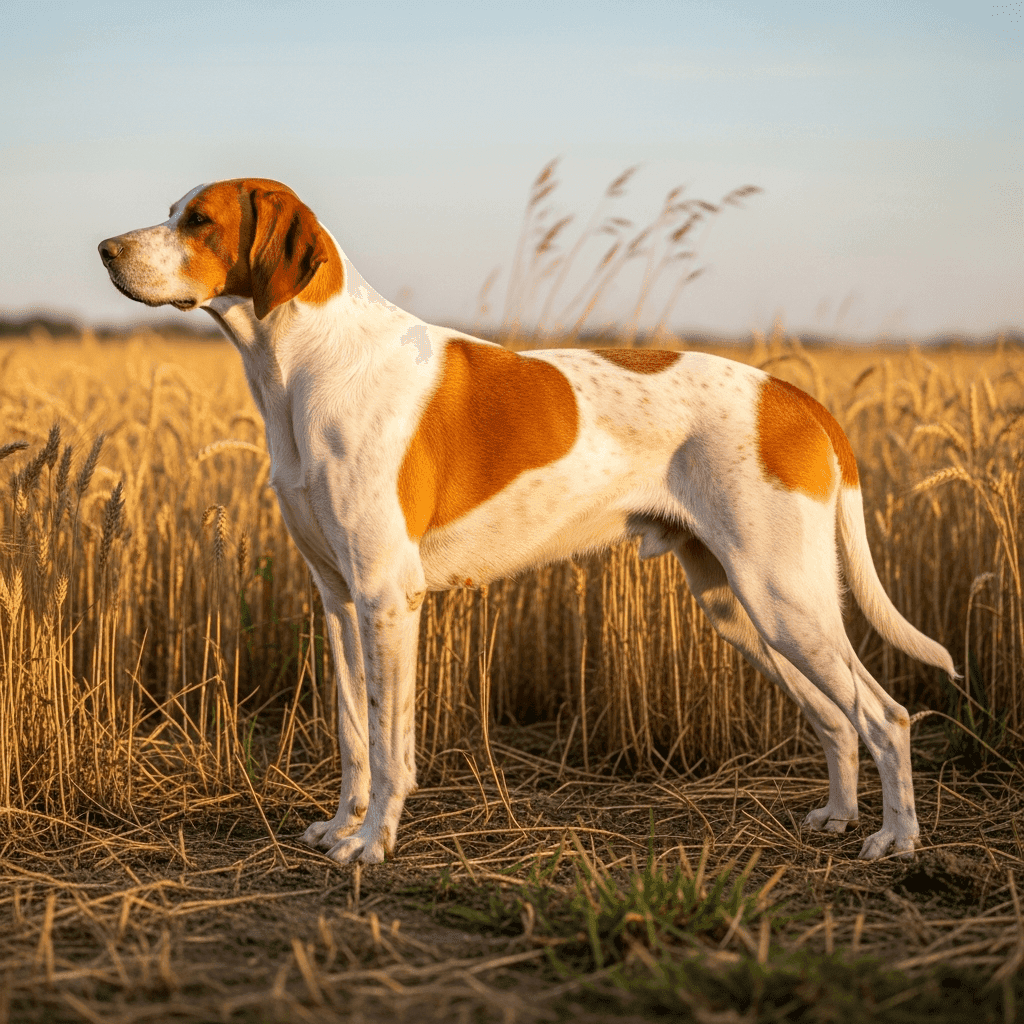
Pyrenean Mastiff
FCI Group
7• FCI 134
Size
Medium
Origin Country
FR
Height
49-58 cm
Weight
20-30 kg
Lifespan
10-15 years
Temperament
Overview
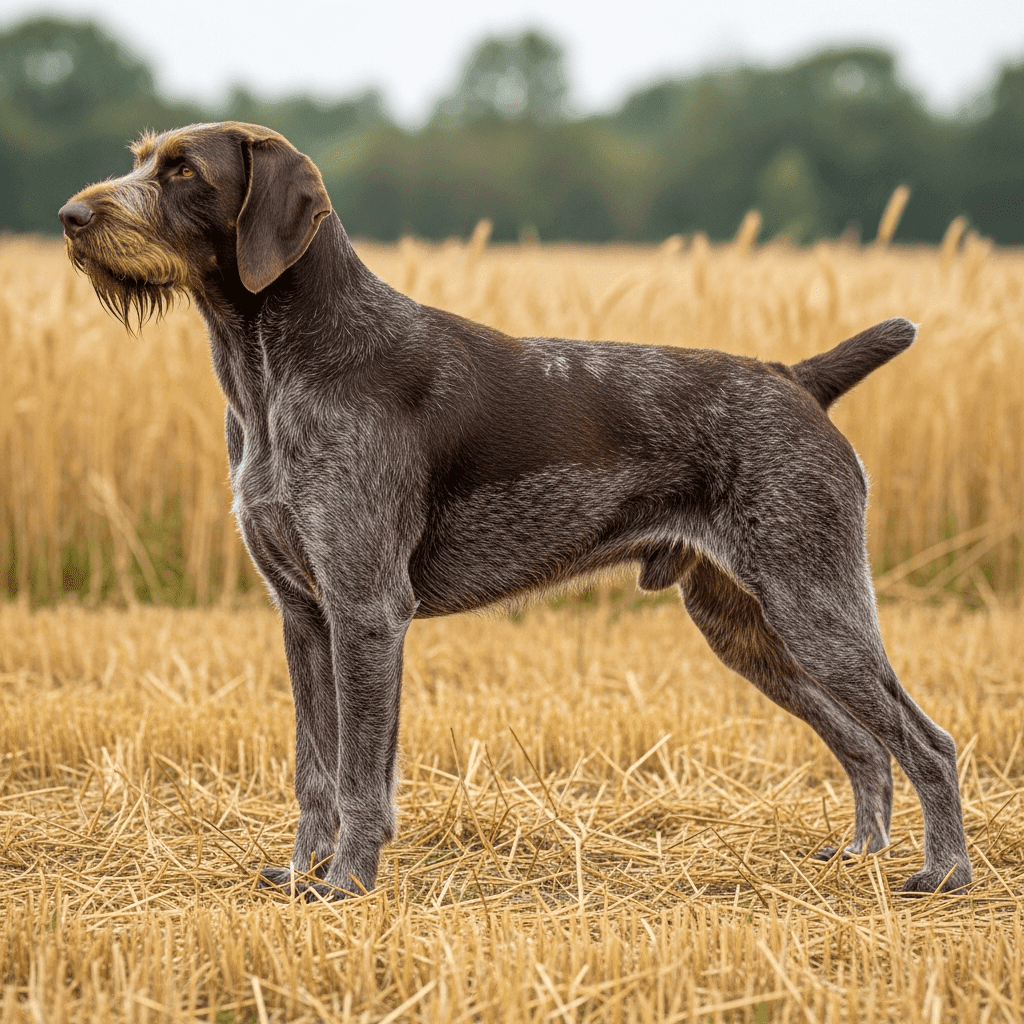
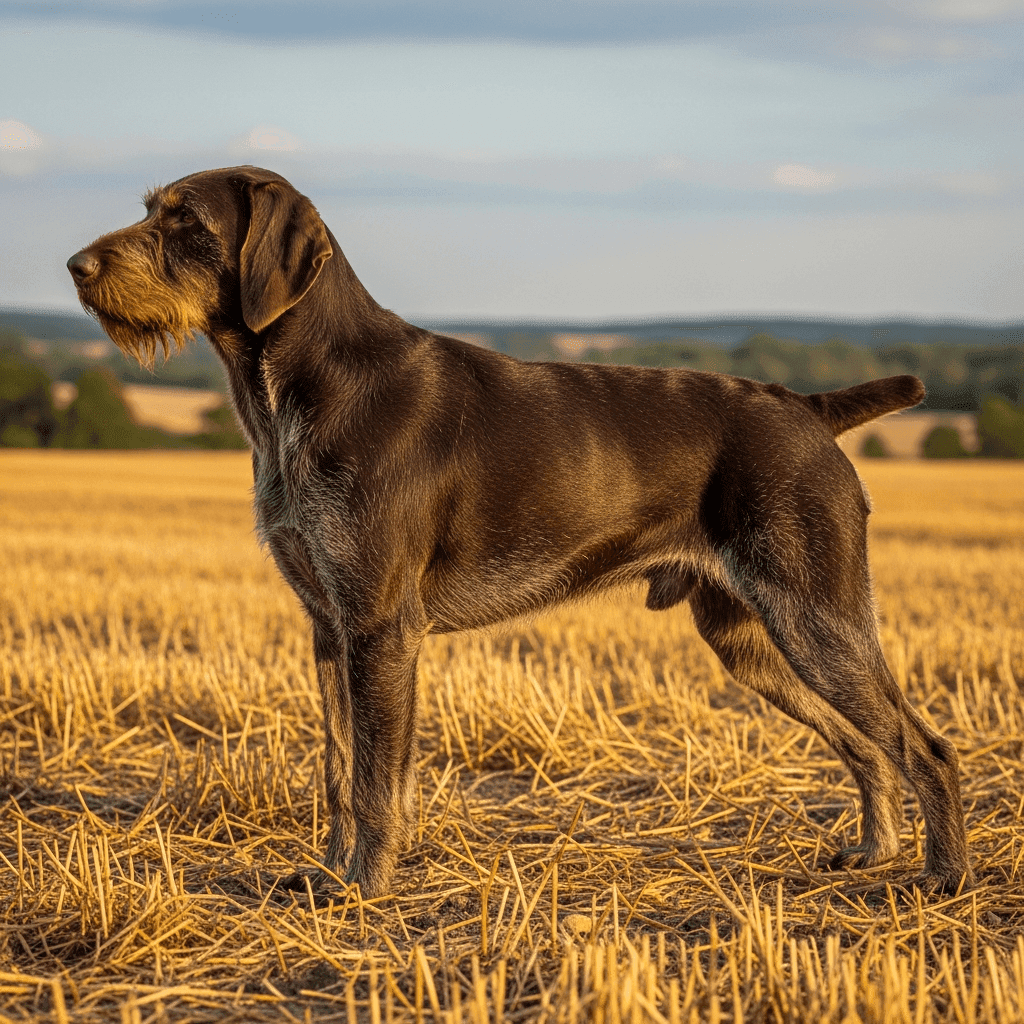
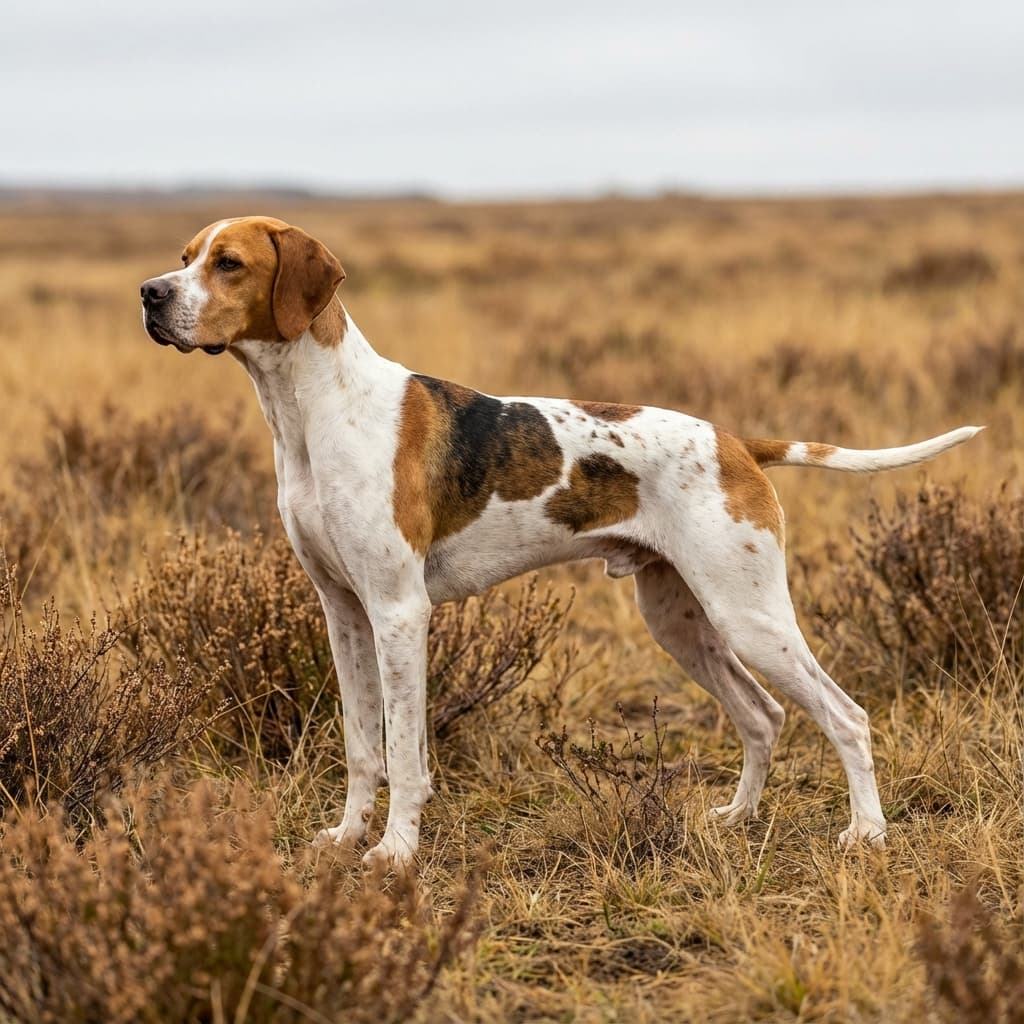
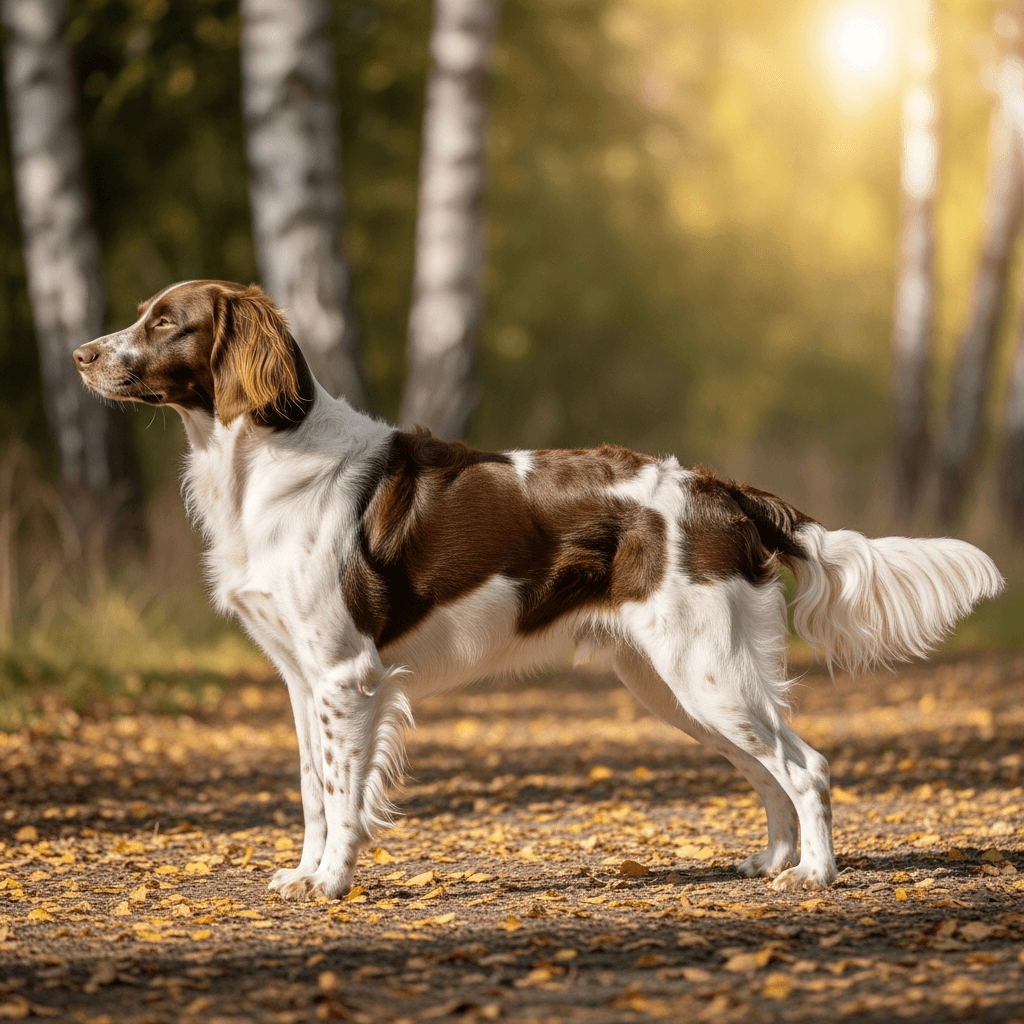
The Pyrenean Pointer, also known as Braque Français - Pyrenean type, is an extraordinary breed of hunting dogs originating from picturesque France. This small yet well-muscled dog stands out with its harmonious, agile body structure, making it an ideal companion for both experienced hunters and active families. Reaching a height of 49 to 58 cm, the Pyrenean Pointer is an excellent dog with versatile utility capabilities.
Its finer and shorter coat compared to its Gascon cousins gives it an elegant and compact appearance. Its skin tightly adheres to the body, emphasizing its muscular build and making the dog look incredibly agile. This breed, thanks to its French roots and centuries-old hunting tradition, is renowned for its excellent sense of smell and tracking abilities in various terrain conditions.
The Pyrenean Pointer is not only a sturdy hunting dog but above all a companion full of personality. Its gentle yet energetic temperament, combined with intelligence and a willingness to cooperate, makes it a wonderful family dog. This breed is gaining increasing popularity among active individuals who appreciate both its hunting skills and friendly disposition. Discover its unique traits and find out why the Pyrenean Pointer is an exceptional companion for life.
The Pyrenean Pointer is a dog with a characteristic muscular build, which, however, is not accompanied by too much body mass. Its skin is more fitted than that of other types of pointers, giving it a compact, elegant appearance. The head is harmonious and well-proportioned, with a chestnut-brown nose featuring wide nostrils. The jowls are less droopy than those of Gascon pointers, adding a distinguished look to the dog.
Characteristic morphological features include:
- Ears - set above the eye line, slightly wavy, reaching about 2 cm from the tip of the nose
- Neck - strong and well-muscled, with skin fitting closely without excessive looseness
- Abdomen - shallow, which gives the dog agility and lightness
- Tail - delicate and slender, can be docked or naturally short
- Limbs - front ones lighter than those of Gascon pointers, hind ones strong and compact with tight paws
The coat of the Pyrenean Pointer is soft and short, which greatly facilitates daily grooming. The height at the withers ranges from 49 to 58 cm (for males), making it a dog suitable for various living conditions. Its compact build and flexible movements allow it to move with grace and energy characteristic of hunting dogs.
The Pyrenean Pointer is a dog with a gentle and extremely sociable temperament. It is characterized by a deep attachment to its family and a natural desire to play with children, making it an ideal companion for active households. This breed is exceptionally intelligent and emotionally sensitive, which means it responds well to positive training methods based on rewards and praise.
Pyrenean Pointers are naturally open to new experiences and do not show tendencies toward aggression. They get along well with both other dogs and various household pets. However, their energetic temperament requires regular physical and mental activity to keep the dog balanced and happy. Without proper stimulation, they can become hyperactive, destructive, or exhibit behavioral problems.
This breed is renowned for its excellent scenting abilities, making it an outstanding dog for tracking and fieldwork. The Pyrenean Pointer is an ideal choice for active individuals who seek a companion for outdoor excursions, whether for hunting or everyday adventures.
The Pyrenean Hound is generally a healthy breed, but like any dog, it requires proper health care. These dogs can be prone to several genetic diseases, including eye problems such as entropion and ectropion, as well as hip dysplasia. Therefore, owners should acquire puppies from responsible breeders who conduct genetic testing.
Prevention is key to the health of the Pyrenean Hound. Regular veterinary visits, vaccinations, deworming, and parasite control are essential elements of responsible care. Due to the active lifestyle of this breed, hounds can suffer injuries related to excessive exertion, especially if they are not physically prepared.
Owners should adjust the intensity of exercise to the age and condition of the dog, supporting it safely through regular veterinary check-ups. Early detection of potential health issues can significantly improve the quality and length of life of the Pyrenean Hound.
The care of the Pyrenean pointer is relatively simple and not very time-consuming thanks to its short and delicate coat. However, it requires a systematic approach to keep the dog in optimal condition. It is recommended to brush at least once a week regularly, and during the spring and autumn shedding periods, even several times a week, to effectively remove dead hair.
Bathing should be moderate - it is sufficient when the dog is actually dirty. Too frequent bathing can destroy the natural protective layer of oils on the skin. It is advisable to use gentle dog shampoos and thoroughly dry the coat after bathing.
Detailed grooming includes:
- Regularly checking and cleaning the ears, especially after walks in the field
- Trimming nails, ideally every 3-4 weeks
- Maintaining oral hygiene by brushing teeth and professional treatments at the veterinarian
- Checking the skin under the coat for health issues
Systematic grooming not only keeps the dog in excellent condition but also strengthens the bond between the owner and the dog.
The Pyrenean Hound is a dog full of energy and vitality, requiring regular, intense physical activity to remain healthy, happy, and well-behaved. The dog should have at least 60-90 minutes of physical exercise each day, preferably divided into several sessions.
Ideal forms of activity for the Pyrenean Hound include:
- Long walks and jogging in various terrains
- Games in open spaces - frisbee, fetch, ball games
- Scent training and games aimed at mental stimulation
- Sports competitions - agility, obedience, or hunting tests
- Water play, if the dog has access to safe bodies of water
Owners should engage their hound in various forms of activity to prevent boredom and allow the dog to fully showcase its talents. A lack of adequate exercise leads to behavioral problems, such as excessive energy, destruction in the home, or separation anxiety. The Pyrenean Hound is an ideal dog for individuals leading an active lifestyle and who can dedicate enough time to it.
The Pyrenean Pointer is a smart and eager-to-learn breed, which makes training relatively smooth. Early initiation of training and socialization is crucial - it should start during the puppy stage to shape a balanced, obedient, and confident adult dog.
Training methods should be based on positive techniques such as rewards (treats, toys, praise), which help build a strong bond of trust between the dog and the owner. This breed responds excellently to various forms of training:
- Obedience training (basic command obedience)
- Agility and obstacle training
- Hunting and tracking training
- Cognitive games and puzzles for dogs
- Sports and competitive training
It is important for the training to be engaging and varied so that the dog does not get bored and remains interested. Regular mental exercises are particularly important for this intelligent breed - they help develop cognitive skills and prevent boredom, which can lead to behavioral issues. The Pyrenean Pointer, with its energy, intelligence, and eagerness to act, can achieve excellent results both in sports competitions and as a reliable companion for everyday adventures.
The diet of the Pyrenean Hound should be balanced and tailored to its high level of activity. These energetic dogs require high-quality food, rich in protein, vitamins, and minerals that support their active lifestyle and muscle recovery after physical exertion.
Feeding recommendations include:
- Meat as the main ingredient - high-quality protein is essential for health and vitality
- Vegetables and fruits - provide vitamins, minerals, and dietary fiber
- Appropriate calorie intake - an active dog requires more energy than moderately active dogs
- Healthy fats - omega-3 and omega-6 support healthy coat and skin
- Proper hydration - especially on warm days and after intense exercise
Owners should avoid feeding their dog table scraps, as some human foods can be harmful or toxic to dogs. The number of meals should be adjusted according to the dog's age - puppies require more frequent meals, while adult dogs can be fed one or two meals a day. Regular consultations with a veterinarian can help tailor nutrition to the individual needs and condition of the dog.
Characteristic Traits
Pros
- Excellent sense of smell and tracking abilities
- Sociable and friendly character
- Easy to train and intelligent
- Versatile in various terrain conditions
- Elegant and compact build.
Cons
- Requires regular intense physical activity
- Needs early socialization and training
- May be too energetic for homebodies
- Prone to hip dysplasia.
Behavioral Ratings
Breed History
The Pyrenean Pointer is a breed with a rich history dating back many centuries. Its roots are deeply embedded in the French region of the Pyrenees, where these dogs were traditionally used by hunters for hunting in challenging mountainous conditions. These extraordinary animals were valued for their exceptional tracking skills, excellent sense of smell, and ability to work in difficult terrain.
The Pyrenean Pointer belongs to a group of small French hunting dogs (Braque Français), which were selectively bred to create a breed with excellent physical and mental traits enabling them to work in demanding mountain conditions. Compared to their larger Gascon cousins, the Pyrenean type developed separately, achieving more compact proportions and a lighter build.
Over time, especially in the 20th and 21st centuries, the Pyrenean Pointer gained popularity far beyond its traditional hunting environment. Its gentle temperament, friendly disposition, and high intelligence have made it an excellent family dog and sporting companion. Today, this breed not only fulfills its traditional role as a hunting assistant but also serves as a wonderful companion for active families and individuals who appreciate the cleverness, loyalty, and energy of their dog.