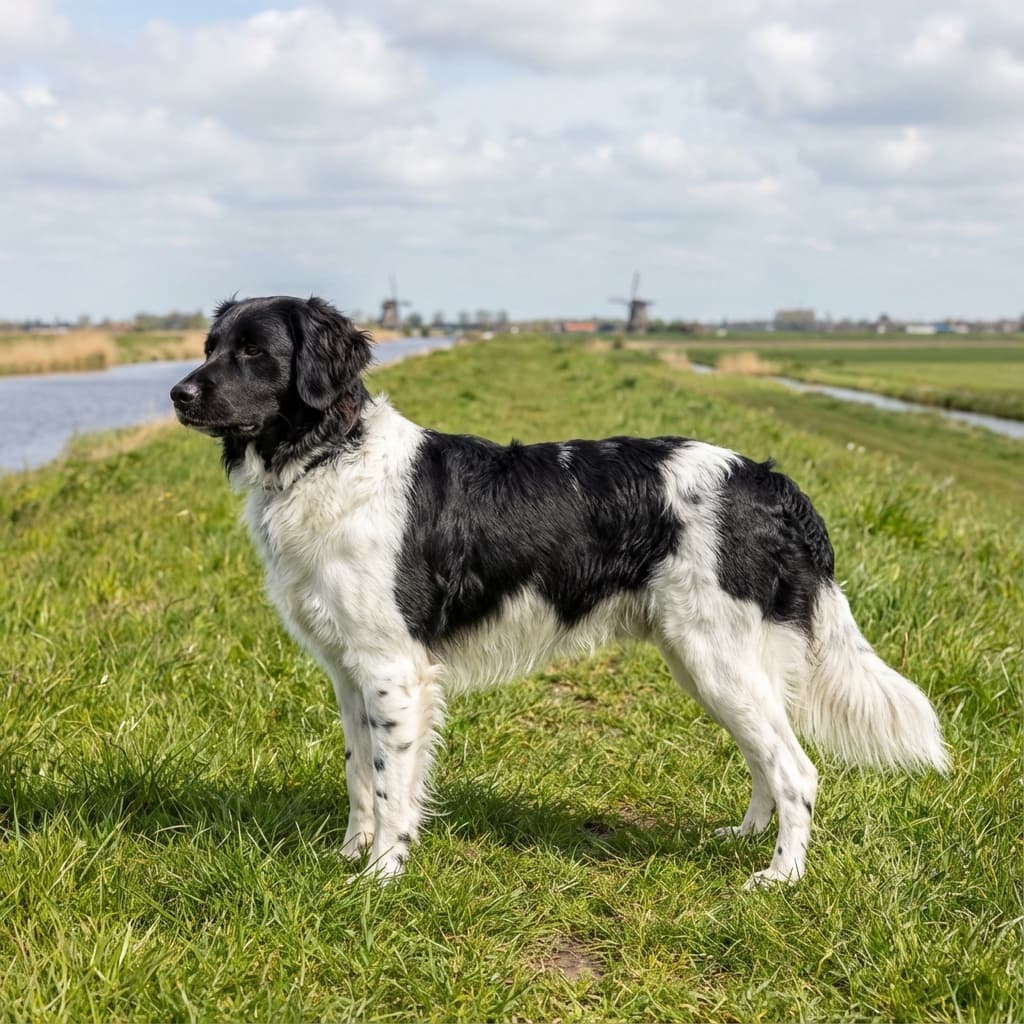
Stabyhoun
FCI Group
7• FCI 222
Size
Medium
Origin Country
NL
Height
48-53 cm
Weight
18-27 kg
Lifespan
12-14 years
Temperament
Overview
The Frisian Pointer, also known as Stabijhoun, is a unique dog breed originating from the Friesland region in northern Holland. This versatile hunting dog combines a friendly temperament, intelligence, and incredible versatility, making it a favorite among dog lovers worldwide. The Stabijhoun was originally bred as a multi-functional working dog on farms, where it served as a hunter's assistant, a farm guardian, and an excellent mole and ferret catcher.
The breed is characterized by a strong hunting instinct and a need for regular physical activity and mental stimulation. Although it may initially be wary of strangers, its gentle and friendly nature makes it an excellent family dog, especially in homes with children. The Frisian Pointer loves to play, is very sociable, and forms a deep bond with its family. Its independent character means that it sometimes needs a moment to adjust to new situations, but with patience and consistency from the owner, it quickly becomes a loyal and loving family member.
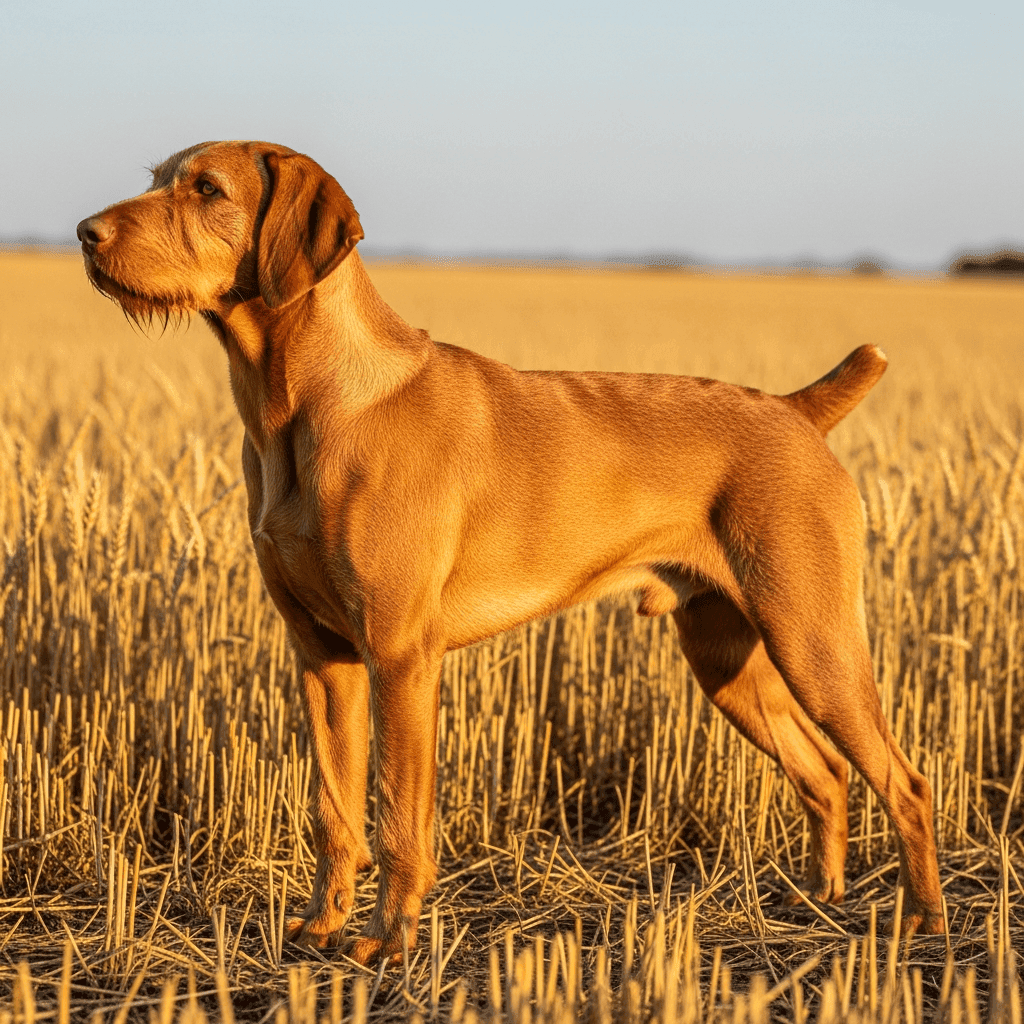
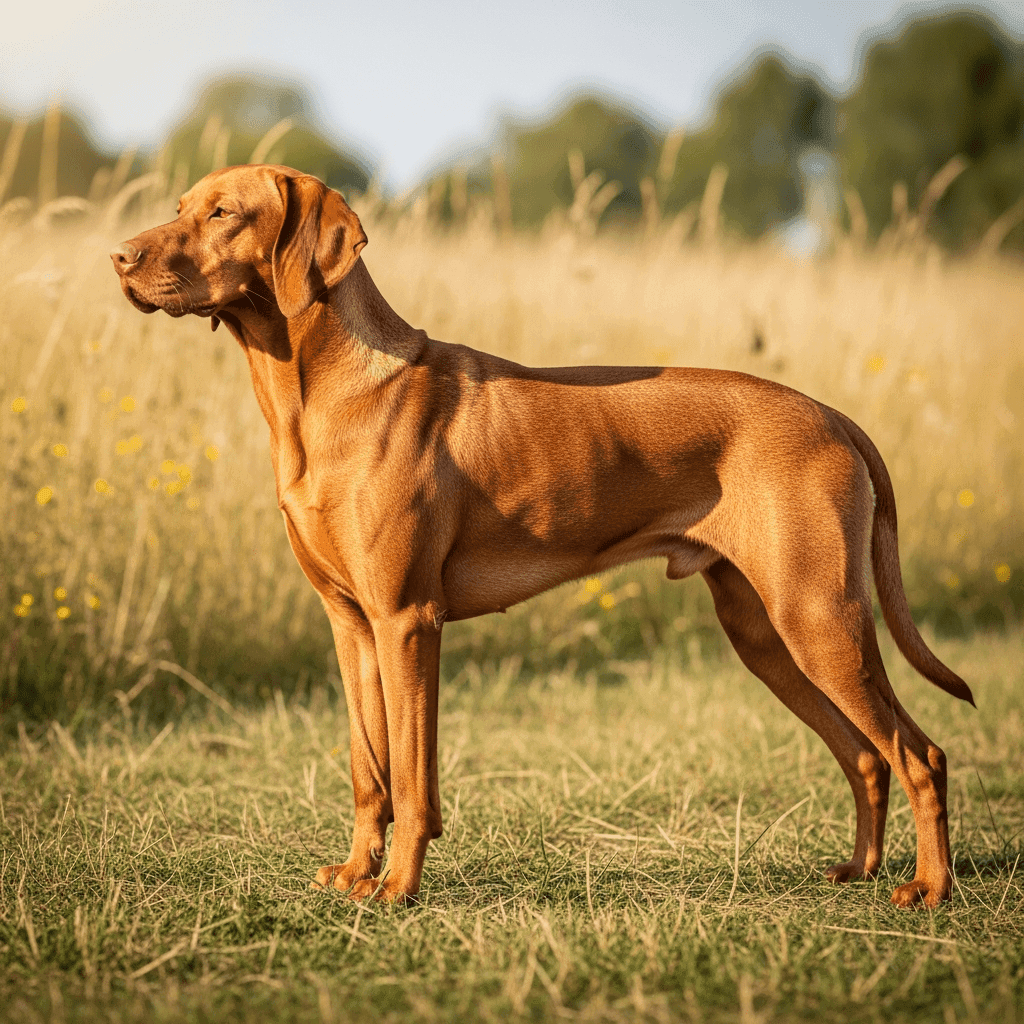
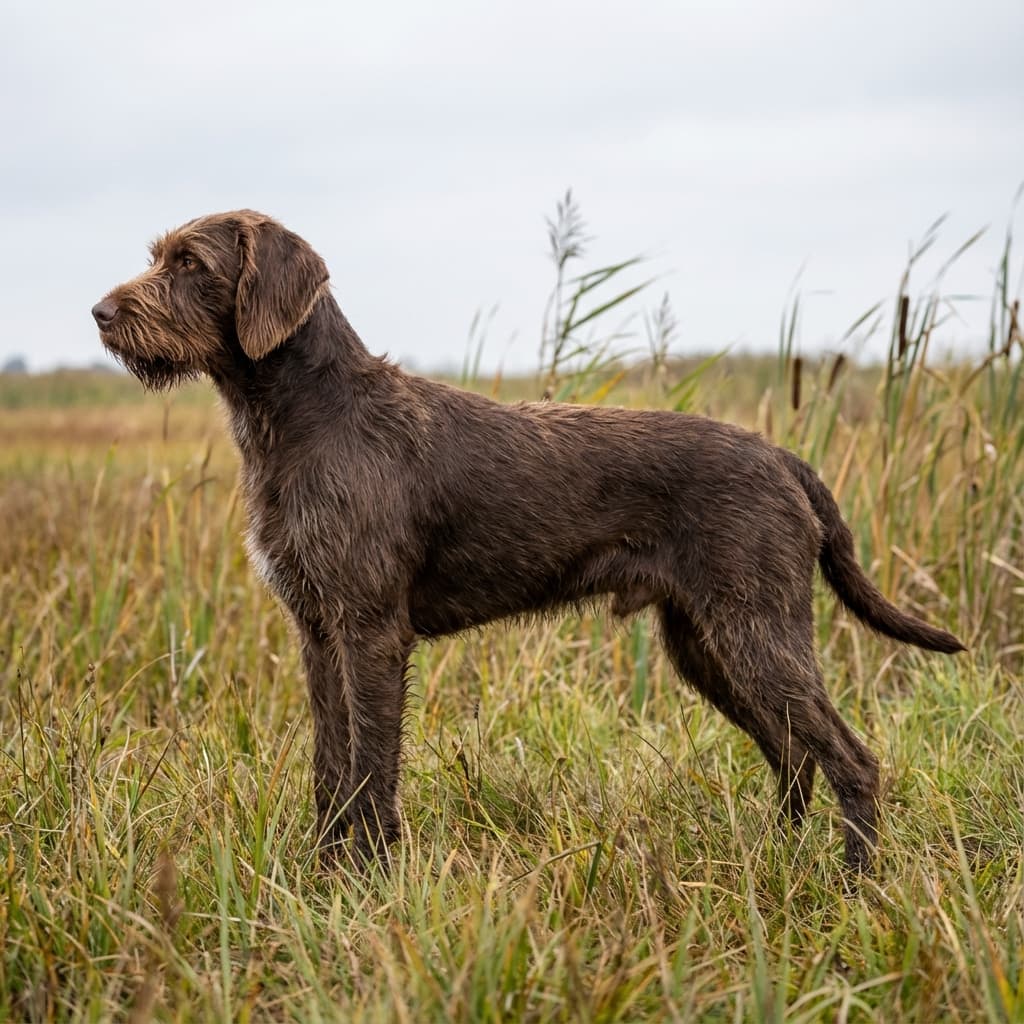
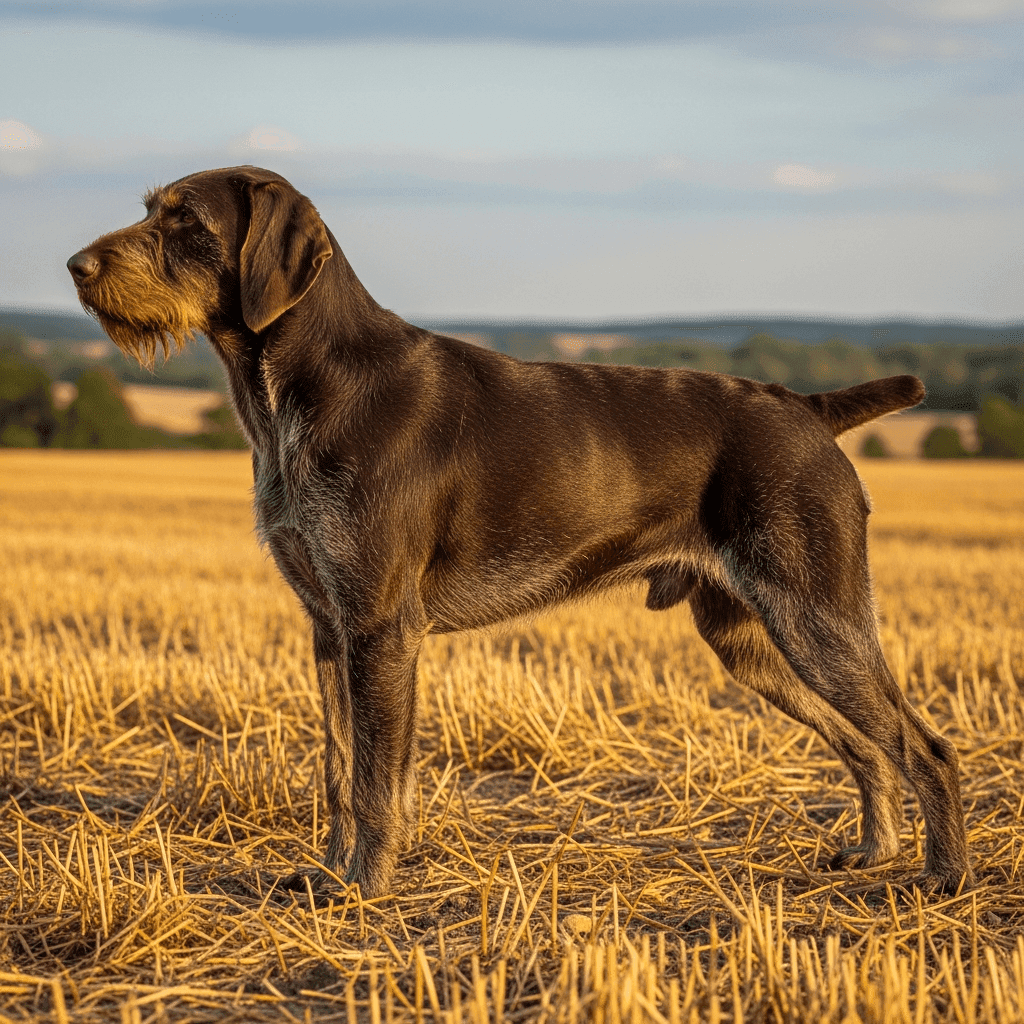
The Stabijhoun features a beautiful, medium-length coat with a waterproof undercoat, making it resistant to various weather conditions. Its color palette includes black, brown, or orange coats with white patches, giving the dog an elegant and distinctive appearance. The Frisian Pointer is also known for its agility and harmonious, energetic movements, making it eager to participate in various physical activities.
The breed's history dates back to the early 20th century, and official recognition of the breed occurred in 1942. Since then, the Stabijhoun has earned the title of a national treasure of Holland. Due to its versatility, it can be found in various roles – from hunting dog to family companion to participant in canine sports. Although the breed is naturally healthy, like many other dogs, it can be prone to certain health issues, so regular veterinary care is extremely important.
If you are looking for a dog that will be a faithful friend and active companion, the Frisian Pointer may be an excellent choice. Its friendly character, combined with a need for exercise, mental stimulation, and closeness to family, makes it a dog that is hard to resist.
The Stabijhoun is a dog with a functional and strong body structure, which perfectly reflects its versatile purpose. The body length is slightly greater than the height at the withers, giving it a harmonious and proportional appearance. The breed appears balanced – it is neither overly robust nor too light. The skin tightly adheres to the body, emphasizing its athletic and muscular silhouette.
The coat of the Stabijhoun is medium-length and straight, with a waterproof undercoat, providing excellent protection against adverse weather conditions. Although the hair should not be excessively long, the breed features a richer covering on the chest, neck, and decorative fringes on the front limbs, hindquarters, and tail, which gives it an impression of long-haired elegance.
Sexual dimorphism is clearly marked – males and females differ not only in size but also in body structure. The height at the withers ranges from 48 to 53 cm, with males weighing between 22 to 27 kg, while females weigh from 18 to 23 kg.
The head of the Stabijhoun is proportional to the body, and its expression is gentle and friendly. The eyes are medium-sized, slightly rounded, with dark irises, which adds a characteristic, warm look to the dog. The ears are moderately long, set at the height of the line connecting the tip of the nose with the inner corner of the eyes, hanging freely along the head.
The tail of the Stabijhoun is carried low at rest, but in motion, it rises slightly, emphasizing its enthusiasm and joy for activity. In motion, the dog moves energetically and harmoniously, with great agility and grace, making it not only functional but also beautiful in action.
The breed is also characterized by a variety of coat colors, including black, brown, or orange with white patches, which makes Stabijhouns very visually attractive and easily noticeable.
Stabijhoun is a dog with a balanced and well-mannered temperament, combining traits of independence and a strong bond with family. The breed is known for being friendly, sociable, and affectionate, making it an excellent family dog. Stabijhouns are very playful and love spending time with children, which makes them ideal companions for play and shared activities.
Despite their gentle nature, the breed has a highly developed hunting instinct, meaning they may be inclined to chase small animals. Therefore, it is important for Stabijhouns to be properly socialized and trained from a young age, allowing them to learn to control their natural instincts.
Stabijhoun is also quite wary of strangers, making them a good watchdog, but their non-aggressive nature means they are not typical guard dogs. In new situations or when interacting with unfamiliar people, they may initially be cautious and withdrawn, but over time – with proper socialization – they become more open and confident.
It is worth noting that Stabijhouns do not tolerate being left alone for long periods. Extended solitude can lead to depression and behavioral problems, such as destroying objects or excessive barking. Therefore, they are best suited to an active family that spends a lot of time with them and provides regular physical activity and mental stimulation.
Their independent nature may sometimes lead them to want to act on their own, so it is important for them to be consistently trained and have clear boundaries established. Stabijhouns are also moderately vocal – they may bark to alert about intruders, but they are not overly noisy.
Overall, Stabijhoun is a dog that combines many positive traits – from loyalty and friendship to intelligence and versatility, along with a gentle and understanding temperament, making them an excellent companion for those seeking a devoted and friendly dog.
Stabijhoun is a breed that generally enjoys good health and endurance. The average lifespan is between 12 to 14 years, which is typical for dogs of this size. The breed is known for being strong and resilient; however, like many purebred dogs, it may be prone to certain genetic health issues.
The most common health problems seen in Stabijhouns include:
- Hip dysplasia – an anatomical defect of the hip joint that can lead to pain and mobility issues
- Elbow dysplasia – abnormal development of the elbow joint that can cause lameness
- Epilepsy – a neurological disorder that leads to seizures
- Radius curvus – a rare curvature of the radius bone
- Patent ductus arteriosus – a heart defect involving the failure of the ductus arteriosus to close
Additionally, Stabijhouns may have a tendency to gain weight if they are not sufficiently physically active or are overfed. Therefore, it is important for owners to monitor their dogs' diet and activity levels to prevent obesity, which can lead to additional health problems such as heart or joint diseases.
In winter, Stabijhouns prefer to stay warm with their family, although their waterproof coat provides good protection against the cold. On hot days, they should not be overexerted to avoid overheating.
Overall, the Stabijhoun is a breed considered to be healthy and strong, and proper veterinary care, regular check-ups, and responsible breeding focused on eliminating genetic defects can help minimize the risk of diseases.
Stabijhoun is relatively easy to care for, which is an additional advantage for owners looking for a dog that does not require intensive grooming. Their coat is of medium length, straight, with a waterproof undercoat, which makes them well protected against various weather conditions.
The breed does not require frequent baths – brushing once a week is sufficient to remove dead hair and prevent matting. During the shedding period, which usually occurs twice a year (in spring and autumn), more frequent brushing may be necessary – even 2-3 times a week – to minimize the amount of hair in the home.
Stabijhouns should not be bathed too often, as excessive bathing can lead to dryness and irritation of the skin and loss of natural oils that protect the coat. When bathing, it is best to use mild, dog-specific shampoos.
In addition to coat care, it is worth regularly checking the ears of the Stabijhoun, especially after walks in the field, to ensure they are clean and free from dirt or parasites. Regular ear cleaning will help prevent infections. Also, oral hygiene is important – it is recommended to brush their teeth at least 2-3 times a week to prevent gum problems and tartar buildup.
Nails should be regularly trimmed if they do not wear down naturally during activity. Checking the pads of the paws after walks will help avoid issues with wounds or foreign bodies stuck in them.
With their natural cleanliness and low grooming requirements, Stabijhouns are an excellent choice for those looking for a dog that does not require intensive care of its appearance.
Stabijhoun is a breed with high physical activity requirements. This dog is an energetic and active companion that needs at least an hour of intense exercise daily to maintain good well-being, physical and mental health.
Ideal forms of activity for Stabijhoun include:
- Long walks – preferably with the opportunity to run freely in a fenced area
- Running – Stabijhouns are excellent jogging partners
- Hiking – the breed loves exploring terrain and new scents
- Swimming – with their water-resistant coat and natural instinct, Stabijhouns are great swimmers
- Outdoor games – fetching, frisbee, ball
- Mental stimulation activities – scent exercises, obedience training, canine sports
Due to their strong hunting instinct, Stabijhouns can be encouraged to engage in activities that stimulate their senses and body, such as fetching, scent tracking, or chasing a ball. It is important to provide this dog with the appropriate amount of exercise, as lack of activity can lead to behavioral problems, such as destructive behavior, excessive barking, or difficulty concentrating during training.
Stabijhouns that are regularly exercised become calmer at home and better adapt to family life. The breed is very social, so it is worth involving them in various activities with the whole family, which will strengthen the bond between the dog and its owners and ensure it has a fulfilling life.
It is important to remember that Stabijhoun is a dog that is not suitable for apartment living without regular access to outdoor space. The ideal environment for this breed is a home with a garden, where the dog can move freely and satisfy its need for activity.
Stabijhoun is a smart and eager-to-learn dog that wants to please its owner. However, its independent nature and sometimes stubborn approach can make training require patience, consistency, and the right approach.
Using positive training methods, such as rewards in the form of treats, praise, and play, is crucial in the learning process. Stabijhouns respond excellently to play-based training, making learning through play an effective and enjoyable method for this breed.
It is important to start training at a young age, preferably from the moment the puppy arrives in its new home. Early training will help the dog learn basic commands such as Sit, Stay, Come, and Lie Down, as well as socialize with other animals and people. Stabijhoun may be somewhat wary of strangers, so early socialization is key to avoid excessive shyness or fear in new situations.
Regular mental exercises, such as:
- Search games (nosework)
- Learning new tricks
- Obedience exercises
- Retrieving exercises
- Agility training
help stimulate the mind, which is essential for this intelligent and active breed.
Stabijhouns are easy to train, but they require consistency and patience from their owners. It is important to avoid harsh training methods or physical punishment, as they can lead to fear or distrust. Instead, it is worth focusing on building a positive relationship based on trust and mutual respect.
With the right approach, a Stabijhoun can become a obedient, well-mannered, and happy dog that is a pleasure for both the owner and the entire family.
Stabijhoun, like any breed, has its specific nutritional needs, which depend on age, activity level, health status, and individual metabolism. It is important to provide it with high-quality food appropriate to its current needs.
Owners should avoid overfeeding, as Stabijhouns tend to gain weight if they are insufficiently active or overfed. Obesity can lead to serious health problems, including joint diseases, heart issues, and diabetes.
It is recommended to use food that contains all essential nutrients, such as:
- Protein – essential for building and repairing muscles (sources: meat, poultry, fish)
- Fats – provide energy and support skin and coat health (sources: fish oil, salmon oil)
- Carbohydrates – supply energy (sources: potatoes, rice, vegetables)
- Vitamins and minerals – support the proper functioning of the body
A well-balanced diet will help keep the Stabijhoun in good physical condition and health. It is important to pay attention to the amount of food given and adjust it to the individual needs of the dog – for example, if the dog is more active, it may require a larger amount of food.
It is also important to avoid giving table scraps, as some human foods can be harmful to dogs (e.g., chocolate, onions, garlic, avocados, grapes). Regular meals at set times will help maintain a healthy weight and prevent digestive problems.
In addition to dry food, owners may consider introducing wet food as a supplement to the diet, which can increase appetite and provide additional nutrients. It is also important for the dog to have constant access to fresh water, especially after intense physical activity.
If there are any doubts regarding the diet, it is advisable to consult a veterinarian or canine nutritionist, who can help choose an appropriate feeding plan tailored to the individual needs of the Stabijhoun.
Characteristic Traits
Pros
- Friendly and gentle temperament
- High intelligence and ease of training
- Versatility in tasks
- Good health resilience
- Great family dog.
Cons
- Needs a lot of exercise and stimulation
- May be wary of strangers
- Requires patience in training
- Does not tolerate long periods of solitude.
Behavioral Ratings
Breed History
The history of the Stabijhoun dates back to the early 20th century, when dogs of this breed were commonly used for work on farms in the Friesland region of northern Holland. The breed is related to the Drentsche Patrijshond (Drenthe Pointer) and the Small Münsterländer, indicating shared roots among these hunting dogs.
The name Stabijhoun comes from the Frisian phrase sta mij bij, which means stand by me or be with me, and from the Frisian word houn, which means dog (pronounced as hoon). This name perfectly reflects the character of the breed – a dog that is a loyal and devoted companion, always ready to help.
The breed was valued for its versatility – Stabijhouns were used not only as hunting dogs specializing in hunting waterfowl and forest birds but also as excellent catchers of ferrets and moles, which was extremely important for farms. These dogs were also guardians of the farms and faithful companions to families.
In the 1930s, the population of Stabijhouns began to decline sharply due to crossbreeding with other breeds, particularly with Wetterhouns (Frisian water dogs), which threatened the extinction of this unique breed. In 1938, a group of enthusiasts from the Frisian Kennel Club (Kynologenclub Friesland), including J. Bos, T. van Dijk, B. de Graaf, and W. Hoeksema, took vigorous action to protect the genetic purity of the Stabijhoun and Wetterhoun.
These efforts resulted in the official recognition of the breed in 1942, and the first breed standard was published on February 10, 1944. In 1947, the Dutch Association for Stabijhoun and Wetterhoun (NVSW – Nederlandse Vereniging voor Stabij- en Wetterhounhouders) was established to represent the interests of these Frisian breeds and continue their development.
Today, Stabijhouns are recognized as a national treasure of Holland, with a population estimated at over 6000 dogs worldwide. The breed has also gained popularity in other countries, including the United Kingdom, the United States, and Scandinavian countries, where it is valued for its friendly nature, versatility, and beautiful appearance.
The history of the Stabijhoun is therefore closely linked to Frisian culture and tradition, making it even more fascinating and valuable for dog lovers around the world. This breed is a testament to the dedication of breeders who saved it from extinction and secured its lasting place in the world of dog breeds.