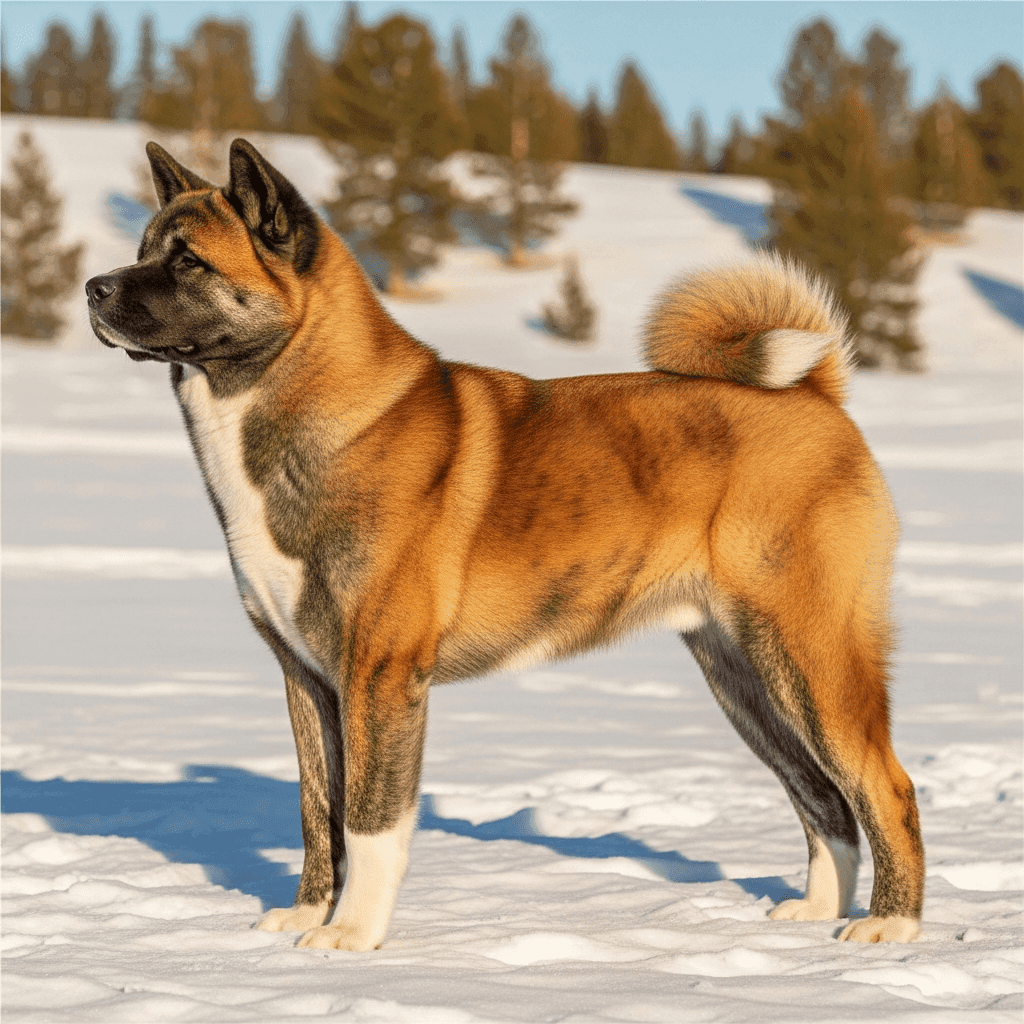
American Akita
FCI Group
5• FCI 344
Size
Large
Origin Country
JP
Height
61-71 cm
Weight
32-59 kg
Lifespan
10-12 years
Temperament
Overview
The American Akita is an incredibly fascinating breed that attracts attention with its imposing stature and unique character. It originates from Japan, where it initially served for hunting bears and other wild animals. Today, it is primarily a companion dog that combines majesty, dignity, and independence. The American Akita is characterized by a strong personality and a vivid temperament, making it an ideal choice for experienced, determined owners.
Its loyalty to the family is absolute and unconditional – the Akita will completely dedicate itself to its household members, creating a deep emotional bond. However, it remains distant and alert towards strangers, making it an excellent guard dog. The history of this breed dates back to the 17th century, and its intense development in the 20th century, especially after World War II, led to extraordinary popularity in the United States, where a separate breeding line was established.
American Akitas are distinguished by their powerful, broad heads resembling that of a bear, deep muzzles, and small, erect ears. Their thick, double coat provides excellent protection against frost and moisture, which is one of the many evolutionary traits of this breed. Akitas come in a rich variety of colors – from red and brown to black and brindle, and even snow-white. This diversity in coat color makes each representative of the breed unique and special.
The American Akita is a dog with a friendly, alert, and extremely courageous disposition. It excels as a guard dog, thanks to its vigilance, territorial instinct, and readiness to defend. However, it requires the owner to have patience, consistency, and confidence in training, which is best started at a young age. Its independent nature requires space to express itself, but it also needs a lot of love, attention, and stable leadership.
Although raising an American Akita can be a demanding challenge, it is certainly a dog that will repay with extraordinary loyalty, devotion, and unconditional love. We invite you to continue reading our comprehensive guide, where you will find detailed information about health, grooming, physical activity, training, nutrition, the fascinating history, appearance, and behavior of this exceptional, majestic breed.
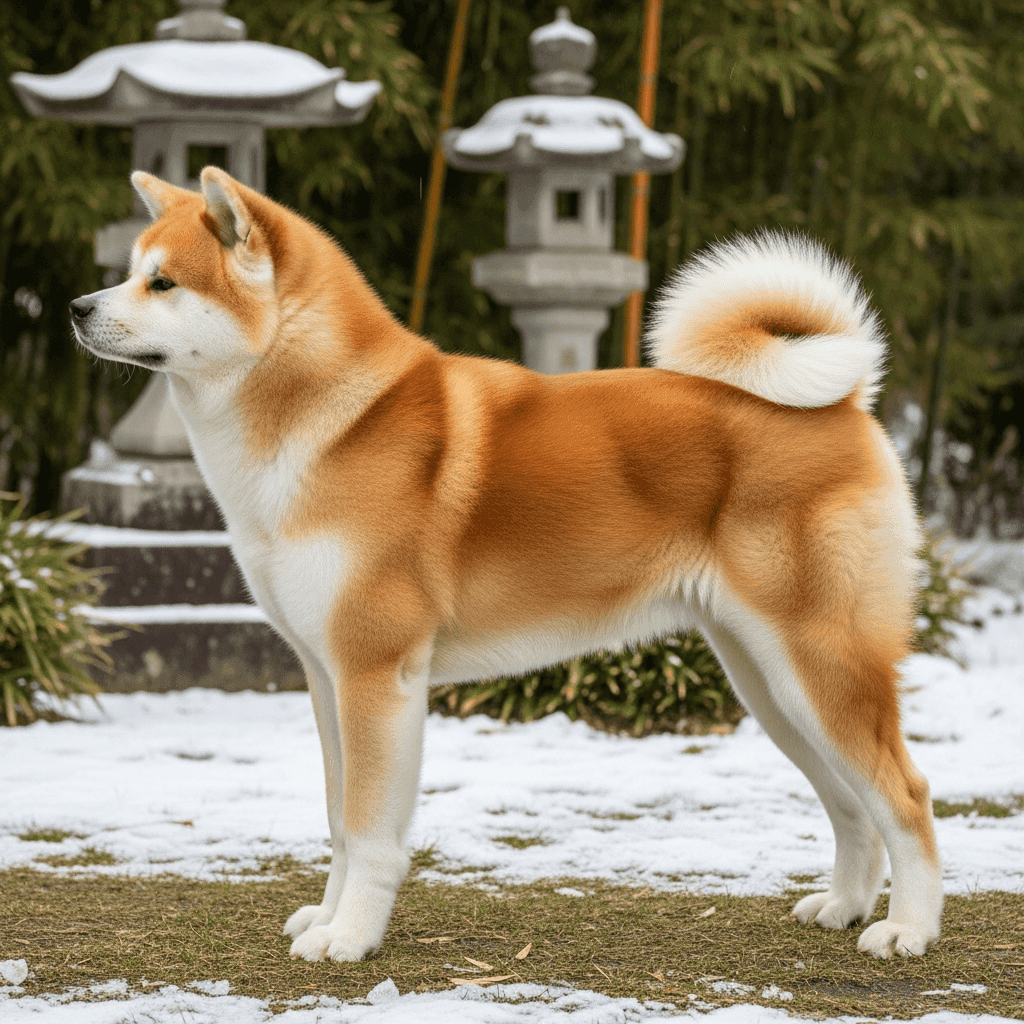
The American Akita is a large, massive dog with an impressive, powerful silhouette, characterized by a strong bone structure and a harmonious, balanced build. The height at the withers ranges from 66 to 71 cm for males and from 61 to 66 cm for females, making it one of the larger dog breeds.
The head of the Akita is massive, wide, and forms a characteristic blunt-ended triangle resembling the shape of a bear's head, with a clearly defined stop between the forehead and the muzzle. The eyes are dark brown, relatively small, deeply set, and have an almost triangular shape, giving the gaze an expression of alertness and intelligence. The ears are small in proportion to the head, triangular, thick, slightly rounded at the tips, and always erect – these are some of the most distinctive features of the breed.
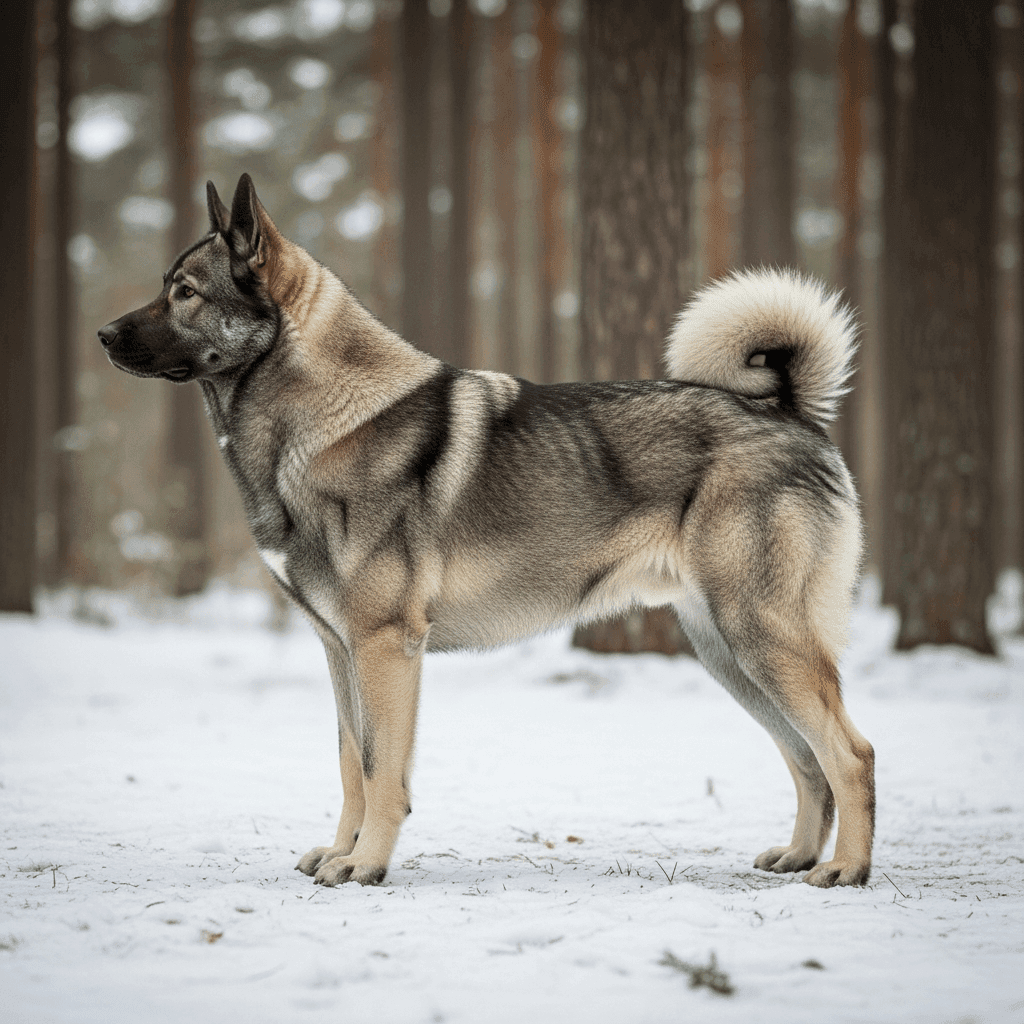
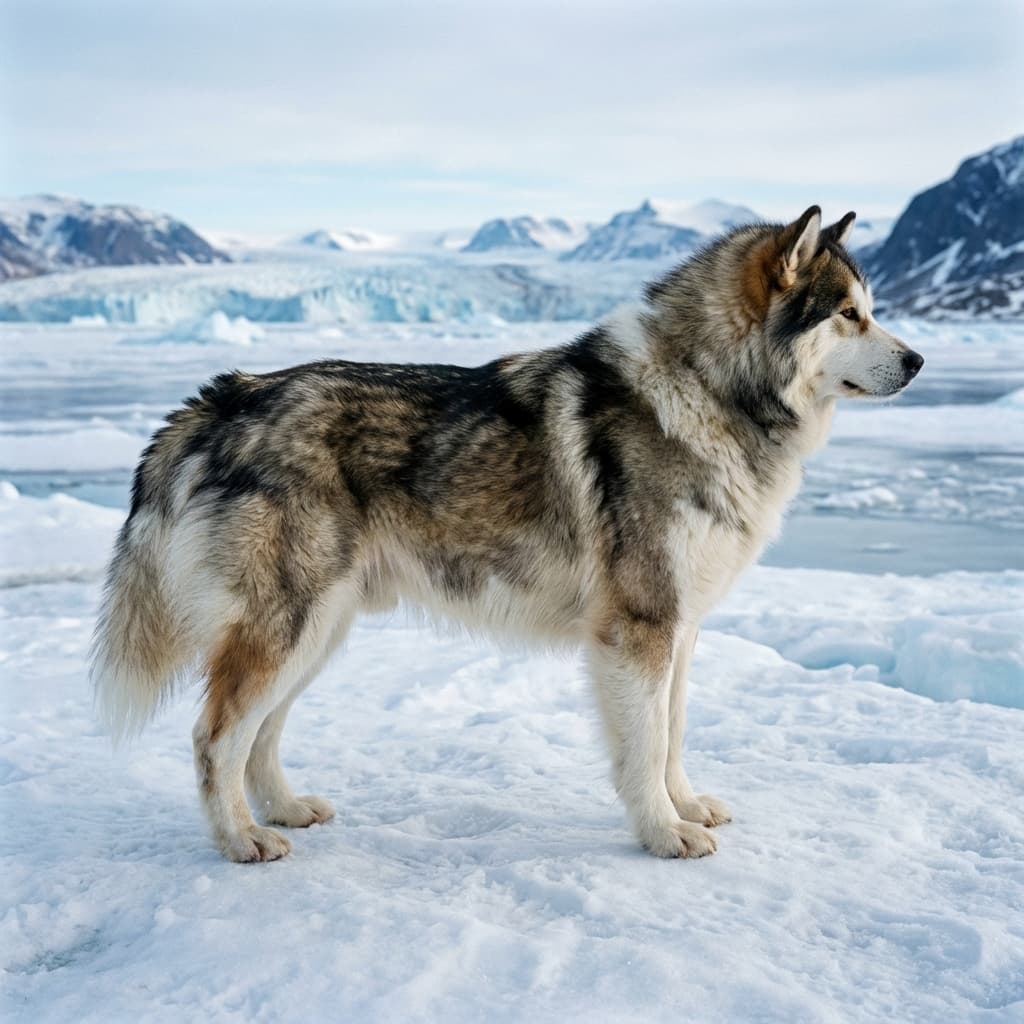
The coat of the American Akita is dense, double-layered – consisting of a soft, thick undercoat and a longer, straight outer coat that stands slightly away from the body. This coat structure provides excellent protection against cold and moisture. The tail is thick, well-furred, high-set, and carried over the back, curled in a full or three-quarter circle – this is the breed's hallmark.
Akitas come in various colors, including red-brown, white, brindle, and spotted, and their coat is vivid, clean, and shiny. The overall impression that the American Akita gives is of a majestic, strong, dignified, and harmonious dog that attracts attention with its magnificent appearance and proud, self-assured demeanor.
The American Akita is a dog with an incredibly complex and multi-dimensional character, capable of being both affectionate and loving, as well as proud, independent, and self-reliant in decision-making. Akitas are known for their absolute loyalty to their owners and family members – they form a deep emotional bond that they defend with determination. At the same time, they are distant and distrustful of strangers, making them excellent guardians of the home.
Akitas have a strongly developed territorial instinct and are extremely alert – any unusual sound or movement will be immediately noticed and assessed. This makes them natural guard dogs with high effectiveness. Their temperament is generally balanced and calm, but they can be stubborn and independent, which means training requires experience, consistency, and patience.
Akitas are moderately intelligent, but their independence and ability to think for themselves can lead to situations where they consciously ignore their owner's commands if they deem them irrelevant or unreasonable. Nevertheless, they are capable of forming an incredibly strong bond with family members, and their presence in the home is calm, soothing, and dignified. Akitas are not very noisy and rarely bark without reason, making them excellent companions for those who value silence.
In relationships with other animals, Akitas may exhibit dominance and territorial aggression, especially in interactions with same-sex dogs. Owners must ensure proper early socialization and establish clear hierarchy rules to maintain harmony in the home. Akitas can also be distrustful and defensive towards strangers, which makes them good guardians, but it is important to control their behavior and prevent excessive aggression in defense of their territory. This breed requires an experienced owner who understands the psychology of primitive-type dogs.
The American Akita has an average lifespan of 10 to 12 years. Although it is a dog with a solid, strong build, it can suffer from various health issues characteristic of large dog breeds.
Among the most common conditions that can affect this breed are hip and elbow dysplasia, which can lead to chronic pain, limited mobility, and premature arthritis. Regular X-rays in young dogs allow for early detection of the problem and the implementation of appropriate treatment.
Additionally, Akitas may be prone to various skin diseases, such as sebaceous gland adenitis (an autoimmune inflammation leading to hair loss) and thyroid diseases, including hypothyroidism, which manifests as weight gain, lethargy, and skin problems. Other conditions that Akitas may be susceptible to include progressive retinal atrophy (PRA) leading to blindness, neurological diseases, and idiopathic epilepsy.
It is also worth noting that American Akitas are sensitive to extreme temperatures – while they tolerate cold well due to their thick fur, they can suffer from overheating on hot days. Owners should pay attention to their diet to prevent obesity, which is particularly important as Akitas tend to gain weight if not properly exercised and fed according to guidelines.
Regular veterinary visits, vaccinations, deworming, and maintaining a healthy lifestyle are crucial for ensuring a long, active, and healthy life for the American Akita. Early diagnosis and prevention significantly enhance the quality of life for these wonderful dogs.
Grooming an American Akita requires regular attention and commitment, especially during periods of intense shedding. This breed has a dense, double coat consisting of a soft, rich undercoat and longer, coarse guard hairs.
During seasonal shedding, which typically occurs twice a year (in spring and autumn) and can last for several weeks, Akitas lose a tremendous amount of fur. During this time, daily, intensive brushing with specialized brushes and combs for the undercoat is essential to remove dead hair and prevent matting.
Outside of shedding periods, regular brushing 2-3 times a week is sufficient to keep the coat in excellent condition, maintain its shiny appearance, and preserve its natural texture. Owners should also regularly check the ears and eyes to prevent bacterial and fungal infections, as well as care for the dog's skin, since Akitas can be prone to various dermatological issues.
Bathing is recommended only when the dog is particularly dirty or needs refreshing – usually 3-4 times a year, depending on the dog's lifestyle and activity level. Too frequent bathing can damage the natural protective layer of the skin and coat. It is also important to regularly check and trim the nails, as they may require shortening if they do not wear down naturally during walks on hard surfaces.
The American Akita is not a typical sporting dog nor does it require extreme activity, even though it is often confused with breeds like the Husky or Malamute. This breed prefers calm, long walks and time spent outdoors with its owner, rather than intense, exhausting exercise.
Owners should provide the Akita with regular, long walks at least twice a day, each lasting a minimum of 45-60 minutes. Akitas also enjoy hiking, mountain trips, and long marches where they can explore their surroundings, track scents, and observe nature. However, excessive physical exertion and intense jumping should be avoided in the first year of life to prevent harm to the proper development of joints and bones.
In addition to walks, Akitas can also enjoy playing in the water and swimming, so proximity to water bodies – lakes, rivers, or beaches – can be very beneficial, especially on hot days. Although Akitas are naturally calm and often prefer naps and resting in a cool place, it is important to provide them with sufficient physical exercise and mental stimulation to avoid behavioral problems, boredom, and destructive behaviors.
Ideal activities for an Akita include calm obedience training, scent exercises, long walks in the forest, and moderate play with the owner. This is a breed that values the quality of time spent with family more than the quantity of intense effort.
Training an American Akita can be a demanding challenge, as this breed is known for its independent, self-sufficient, and sometimes stubborn character. Akitas are not dogs that will blindly follow every command – they have their own opinions and can assess whether a given command makes sense in a particular situation.
Owners must be patient, consistent, confident, and use only positive training methods based on positive reinforcement, rewards, and building trust. Training should start as early as possible, in puppyhood, to help young Akitas understand the rules, social hierarchy, and the owner's expectations.
It is advisable to conduct short (10-15 minutes), but regular and daily training sessions to maintain the dog's attention, as Akitas quickly become bored with monotony and repetition. It is extremely important to build deep trust and a relationship between the dog and the owner, as a lack of trust can completely hinder achieving the desired results.
Owners should categorically avoid harsh, punitive, and fear-based training methods, as they can irreparably damage the relationship with the dog and provoke aggressive or fearful behaviors. Akitas are not naturally working dogs like shepherds or retrievers, so one cannot expect perfect obedience or uncritical compliance with commands.
However, with the right approach, consistency, respect, and understanding of the nature of this breed, very good results can be achieved, leading to a happy, harmonious, and safe life with this wonderful, dignified dog. The key to success is mutual respect and partnership.
The American Akita's diet should be well-balanced, high-quality, and carefully tailored to their individual energy needs, age, health status, and activity level. Due to their large body mass and natural tendency to gain weight, it is extremely important to control the amount of food and avoid overeating and excessive treats.
Owners should choose high-quality premium or super-premium dog foods that are specifically tailored to the needs of large breeds, providing the appropriate proportion of animal protein (minimum 25-30%), healthy fats, vitamins, minerals, and joint-protecting ingredients (glucosamine, chondroitin). Foods containing excessive grains, artificial colors, and preservatives should be avoided.
Akitans can be picky and selective when it comes to food, so it's worth experimenting with different flavors and types of food (dry, wet, BARF diet) to find the option that suits them best. Regular meals, preferably twice a day at consistent times, are recommended to maintain stable energy levels and prevent gastric dilation.
It is also important to provide the dog with constant access to fresh, clean water, especially during hot weather and after intense physical activity. A well-balanced, appropriately selected diet will help maintain the Akita's health at a high level and prevent health issues related to obesity, joint diseases, and heart problems. It is advisable to consult with a veterinarian or a dog nutrition specialist to establish an optimal feeding plan.
Characteristic Traits
Pros
- Absolute loyalty to the family
- Excellent cold resistance thanks to thick fur
- Exceptional guard and protective dog
- Impressive
- majestic stature
- Calm and quiet at home.
Cons
- Requires consistent and experienced training
- May be distant and distrustful of strangers
- Needs plenty of space and independence
- Difficult in relationships with other dogs
- Intense shedding twice a year.
Behavioral Ratings
Breed History
The history of the American Akita dates back to the 17th century when medium-sized dogs known as Akita Matagi were used in the Akita region of northern Japan for hunting bears, boars, and other large game. These were strong, resilient, and brave dogs with primitive traits.
Over time, especially since 1868, the breed underwent drastic changes – Akitas were crossed with other breeds such as Tosa Inu, Mastiff, and Bulldog, aimed at increasing their size and using them in illegal dog fights. This crossbreeding significantly affected their size, massiveness, and character, but also led to the loss of the original spitz traits.
After World War II (1939-1945), the situation of the breed became dramatic – dogs were used as a source of fur for military uniforms, and the police ordered the confiscation of all dogs except German Shepherds. Akitas were drastically reduced in number and existed as three distinct types: Matagi Akita (the original hunting type), Fighting Akita (the fighting type), and Shepherd Akita (crossbreeds with German Shepherds).
In 1956, the first representative of the Akita arrived in the United States, and American breeders began developing their own distinct breeding line, favoring larger sizes, more massive builds, and more diverse coat colors. In 1972, the breed was officially recognized by the American Kennel Club (AKC). From that moment, American Akitas became extremely popular worldwide as companion dogs.
At the same time, in Japan, breeders sought to restore the original purity of the breed, focusing on spitz traits and traditional appearance. This led to a clear separation of breeding lines – the Japanese (Akita Inu) and the American (American Akita). Today, the American Akita is valued for its unique traits, majestic appearance, and unwavering loyalty, but it requires an experienced owner who fully understands its independent, primitive nature and needs.