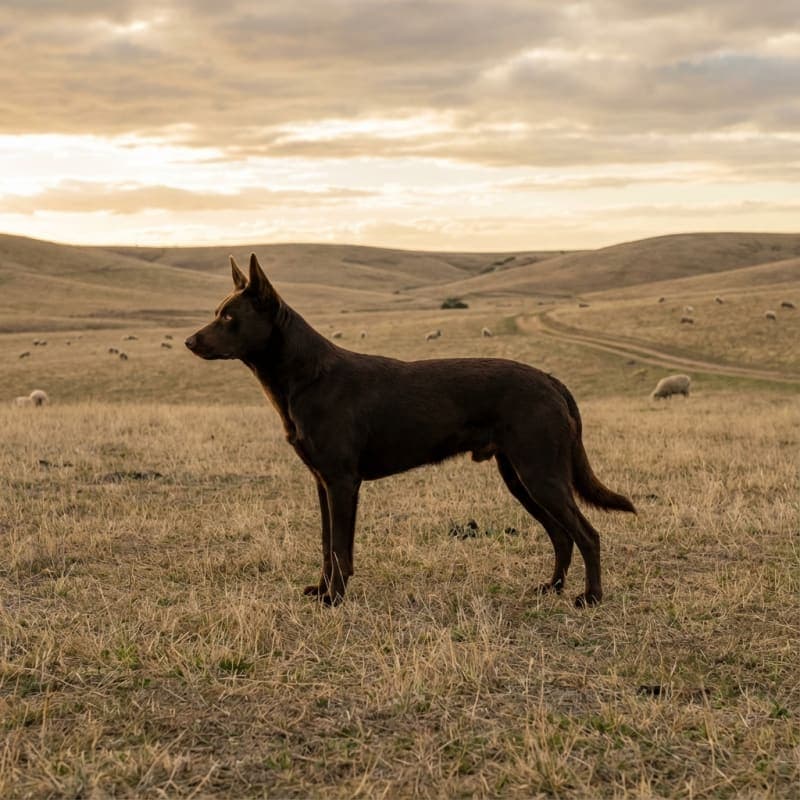
Australian Shepherd - Kelpie
FCI Group
1• FCI 293
Size
Medium
Origin Country
AU
Height
43-51 cm
Weight
11-22 kg
Lifespan
12-14 years
Temperament
Overview
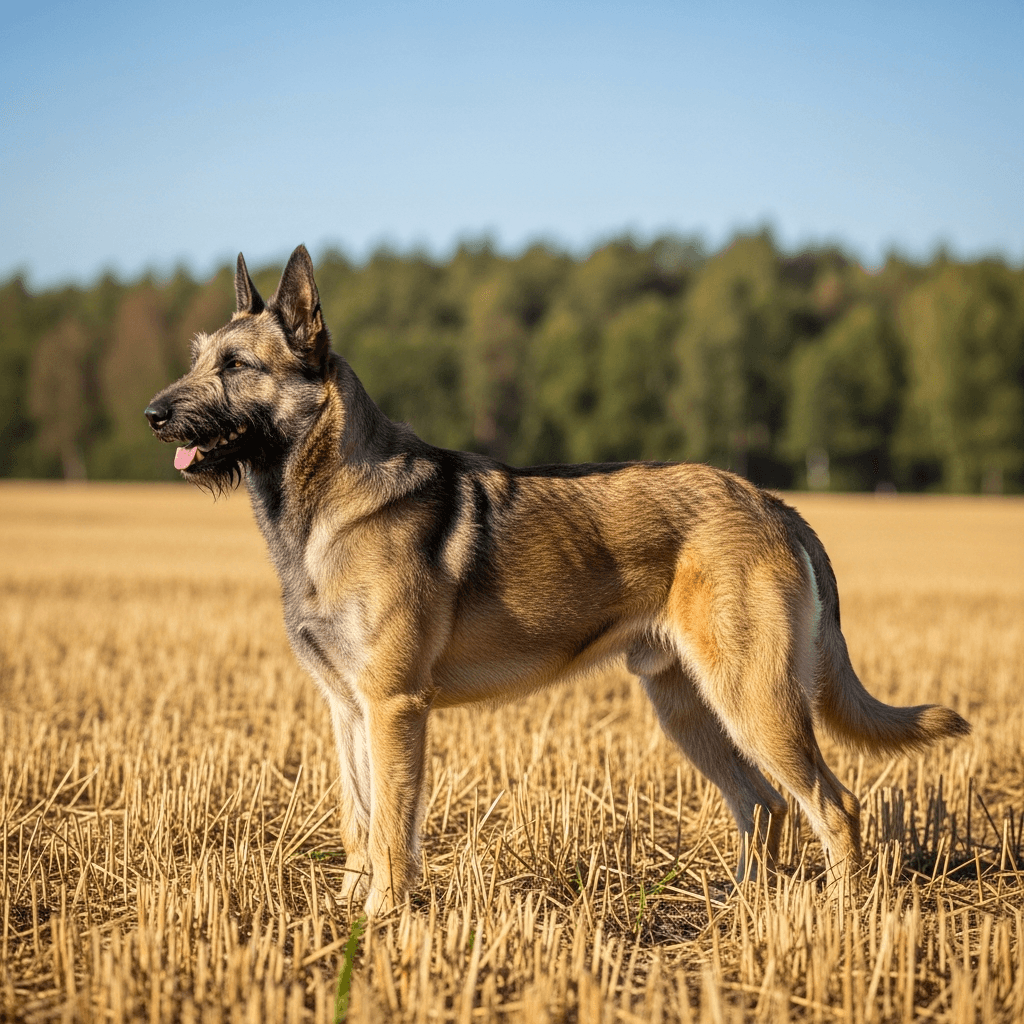
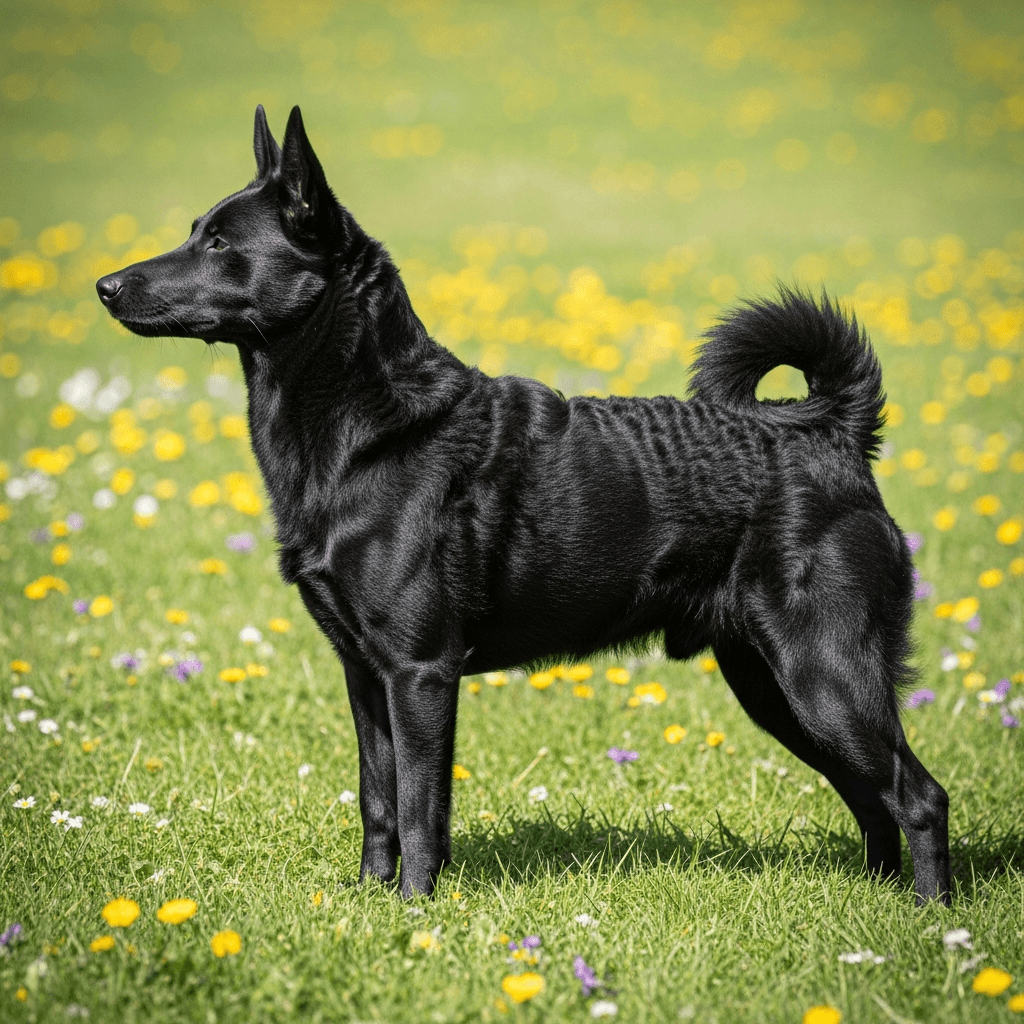
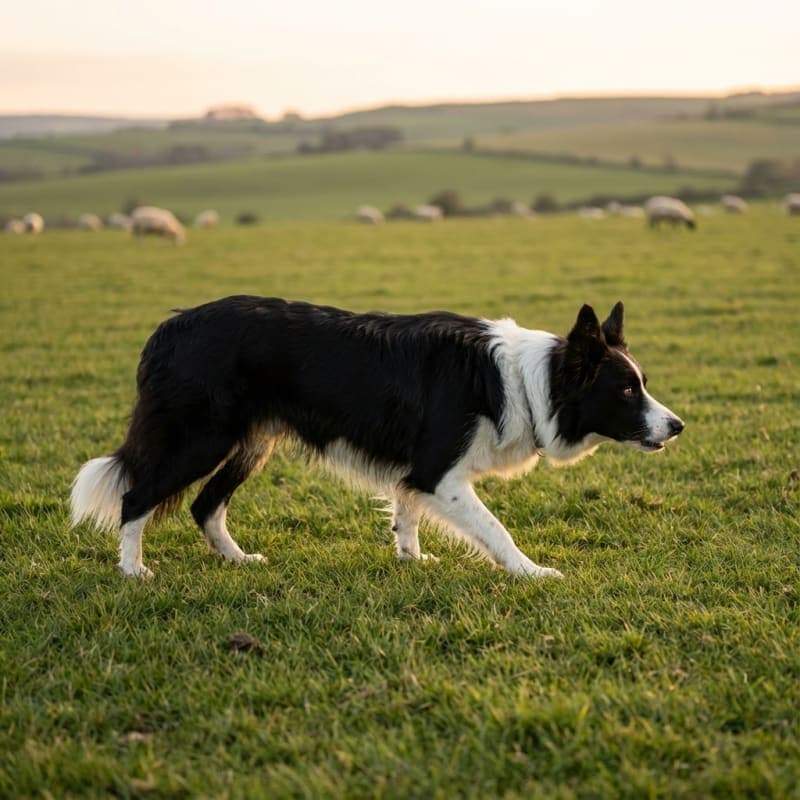
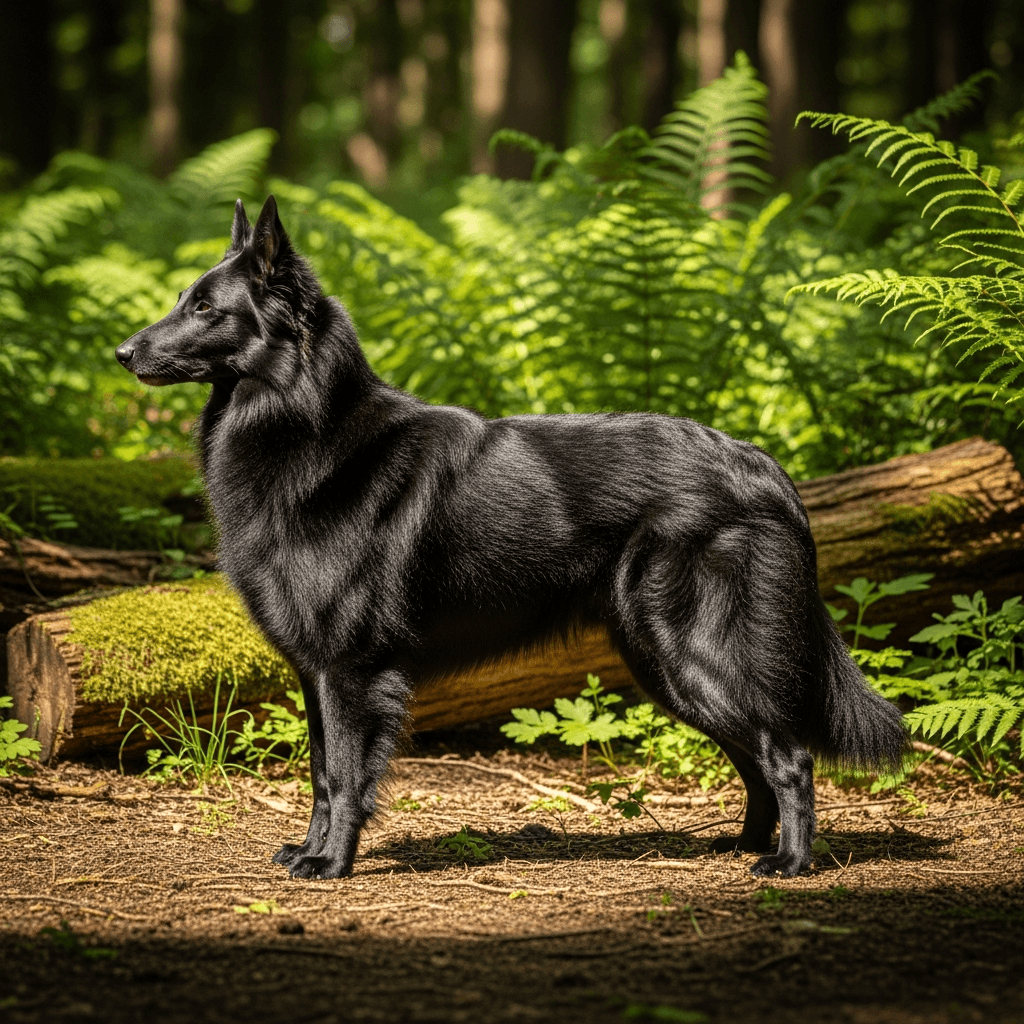
The Australian Kelpie is a fascinating breed that attracts dog lovers around the world due to its exceptional intelligence and extraordinary energy. Originating from 19th-century Australia, this breed was specifically developed for herding sheep in the vast, dry areas of the continent. The Kelpie is a medium-sized dog with a strong build that impresses with its agility and remarkable endurance. Its coat is diverse, ranging from deep black to blue, as well as various shades of red and brown. Characteristic of this breed is the double, water-resistant coat, which perfectly protects against the harsh weather conditions found in the Australian bush.
The Kelpie is an extremely active dog that requires a large amount of exercise and intense mental stimulation. With regular activity, this breed not only maintains excellent physical condition but also avoids behavioral problems that can arise from a lack of adequate physical and mental effort. Potential owners must be aware that living with a Kelpie means an active lifestyle and daily commitment to providing the dog with the appropriate amount of exercise and intellectual challenges. The Australian Kelpie forms exceptionally strong bonds with one chosen family member, making it an incredibly loyal and devoted companion. However, it is important to remember that due to its deeply rooted herding instinct, it may exhibit tendencies to chase small animals and children, which requires proper early socialization from puppyhood.
This amazing dog also stands out for its extraordinary enthusiasm for work and learning new skills. It eagerly engages in various activities, making it an ideal partner for those who enjoy spending time outdoors and participating in canine sports. This breed is highly adaptable, meaning it easily adjusts to different living conditions, provided it is given sufficient physical activity and tasks to perform. Kelpies excel in agility, flyball, and dog frisbee. In this guide, you will find detailed information about the health, grooming, training, nutrition, and fascinating history of this exceptional herding breed.
The Australian Kelpie is a medium-sized dog with a strong, compact, and agile body structure. The height at the withers ranges from 43 to 51 cm, with males being slightly taller than females. The weight varies from 11 to 20 kg depending on gender and individual build. The Kelpie features a characteristic head with a proportional shape, a slightly rounded skull, and a relatively flat forehead. Its eyes have a distinctive almond shape and can come in various shades of brown - from light to dark, with an expression that is always intelligent and alert.
The ears of Kelpies are erect or semi-erect, set high on the head, which gives them a characteristic, attentive appearance. The coat of Kelpies is short, dense, tough, and waterproof, with a well-developed undercoat, making them perfectly adapted to various, often extreme weather conditions. The coloration can be very diverse, including:
- Black
- Black with tan
- Red
- Red with tan
- Chocolate
- Blue
- Fawn
The tail of Kelpies is of medium length, usually hanging down at rest, carried in a horizontal or slightly raised position during activity. The overall appearance of the dog exudes agility and athleticism, perfectly reflecting its working abilities and high physical fitness.
The Australian Shepherd Kelpie is a dog with a unique and complex temperament. It is extremely intelligent, sharp, and full of boundless energy. The Kelpie is known for forming particularly strong bonds with one chosen family member, becoming their incredibly loyal and devoted companion. In relation to other household members, it may be less emotionally engaged, although it generally remains friendly and sociable towards all family members.
This breed exhibits a strong herding instinct, which is deeply rooted in its nature, potentially leading to attempts to herd other pets or children. For this reason, proper, systematic socialization from the youngest weeks of life is crucial. The Kelpie is a dog that requires a tremendous amount of both mental and physical stimulation - otherwise, it may become destructive, seeking ways to release its excess energy.
On the other hand, a well-trained and adequately occupied Kelpie is very obedient and relatively easy to train. This breed has a moderate territorial instinct and can be somewhat suspicious of strangers, making it a good watchdog that always vigilantly observes its surroundings. Owners should remember that Kelpies do not tolerate long periods of solitude, and a lack of companionship and activity can lead to serious emotional issues, such as separation anxiety, excessive barking, or destruction of objects. This is a breed for experienced owners who understand the needs of working dogs.
The Australian Kelpie generally enjoys very good health, with an average life expectancy of 12 to 15 years, although with proper care, many individuals can live up to 16-17 years. This breed is resilient, strong, and extremely durable, perfectly adapted to work in the harsh, often extreme climatic conditions of Australia. However, like most purebred dogs, this breed can be prone to certain health issues that may arise as they age.
The most common conditions found in Kelpies include:
- Hip dysplasia - a developmental defect of the joints, leading to lameness and pain
- Elbow dysplasia - abnormal development of the elbow joint
- Patellar luxation - dislocation of the kneecap from its natural position
- Cerebellar abiotrophy - a genetic neurological disorder
- Progressive retinal atrophy (PRA) - a hereditary eye condition
- Collie Eye Anomaly (CEA) - a congenital eye developmental defect
Owners should be aware of these potential issues and regularly monitor the health of their pet through annual veterinary visits and provide appropriate veterinary care. Although the Kelpie is adapted to work in the heat, it is important to always ensure access to shade and plenty of fresh water, especially during hot summer days. A proper, balanced diet and regular, vigorous physical activity are crucial for maintaining optimal condition and longevity in dogs.
The Australian Kelpie is a breed with very low grooming requirements, making it an ideal choice for people who do not have time for time-consuming grooming procedures. Its short, double coat with a tough outer layer requires only occasional brushing, usually once or twice a week, to minimize shedding and keep the skin in good condition.
During natural shedding periods, which occur in spring and autumn when the coat sheds more intensively, it is advisable to increase the brushing frequency to 3-4 times a week to effectively reduce the amount of dead hair in the home. Natural bristle brushes or rubber grooming gloves work best for grooming.
Bathing should not be too frequent - washing the dog 3-4 times a year or as needed when they get dirty during outdoor play is sufficient. Too frequent baths can disrupt the natural protective fatty layer of the skin. When the Kelpie is regularly active outdoors, its nails usually wear down naturally, but their length should be checked regularly and trimmed with special clippers if necessary. Owners should also take care of their dog's oral hygiene by regularly brushing their teeth with dog-specific toothpaste (2-3 times a week) and checking their ears at least once a week to ensure they are clean and free from debris, excess wax, or signs of infection.
The Australian Kelpie is a breed that requires a really large amount of exercise and very intense physical activity. Long-term sheep herding and working in the tough, extreme conditions of the Australian bush have made the Kelpie a dog with practically inexhaustible energy. It is recommended that a Kelpie has at least two to three hours of intense activity every day, which can include long walks, running alongside a bike, playing fetch, frisbee, as well as various interactive games that engage both the body and mind.
Excellent activities for Kelpies include:
- Agility - an obstacle course that perfectly engages the body and mind
- Flyball - a dynamic game with a ball
- Dog frisbee - catching a flying disc
- Canicross - running with a dog
- Bikejoring - pulling a cyclist
- Treibball - herding balls (replaces sheep herding)
- Nosework - working with the nose
Without the appropriate level of activity, a Kelpie can become hyperactive and destructive, desperately seeking ways to release its excess energy by destroying furniture, digging holes in the garden, or excessive barking. Owners should be prepared for very long walks, intense running, or other forms of demanding physical and mental effort to ensure their dog has not only excellent physical health but also mental well-being and good spirits. This is definitely not a breed for those who prefer a calm, sedentary lifestyle.
The Australian Kelpie is a remarkably intelligent dog that quickly learns new commands and complex skills. Due to its exceptional mental sharpness and deep desire to cooperate and learn, the Kelpie is relatively easy to train; however, it requires a consistent approach and the use of positive reinforcement methods. Owners should employ a variety of creative training methods to keep the dog engaged and prevent boredom, which can lead to a reluctance to cooperate.
Key training principles for Kelpies:
- Start training from the youngest weeks of life
- Use positive reinforcement (rewards, praise)
- Be consistent in expectations
- Diversify exercises to prevent boredom
- Incorporate mentally engaging tasks (puzzles, searching)
- Regularly introduce new challenges
Socialization is absolutely crucial for Kelpies to teach them appropriate behaviors in various social and environmental situations. Due to their very strong, innate herding instinct, Kelpies may intensely try to chase other animals, cyclists, or runners, making the learning of basic obedience commands such as Sit, Stay, Come, Lie Down, or Leave It extremely important and a priority.
Regular training sessions (preferably short but frequent - 2-3 times a day for 10-15 minutes), introducing mental exercises like dog puzzles, snack searching, or learning tricks, as well as tasks that actively engage the dog, will help keep its mind in excellent condition and effectively prevent behavioral problems arising from frustration and lack of activity. Kelpies excel in canine sports and happily participate in advanced training.
The Australian Kelpie needs a carefully balanced diet that precisely meets its high level of activity and specific health needs. As a typical working dog with a very intense metabolism, the Kelpie has a significantly higher calorie requirement than an average family dog, which is why it is extremely important for its diet to be rich in high-quality protein (at least 25-30%) and healthy fats that provide long-lasting energy.
Owners should choose high-quality premium or super premium dog food that is specifically dedicated to active and working dogs, and also meticulously adjust portion sizes to the actual activity level of the dog. Very active dogs may need as much as 30-50% more calories than standard feeding charts suggest.
Feeding recommendations:
- Feed twice a day at regular times
- Adjust portions according to activity level
- Choose food with high animal protein content
- Avoid grains if the dog shows allergies
- Ensure constant access to fresh water
- Consider joint supplements (glucosamine, chondroitin)
Regular meals should be given at consistent times of the day to maintain stable energy balance and avoid digestive issues. It is also important to ensure unlimited access to fresh water throughout the day, especially after intense physical exertion, to ensure proper hydration. In case of any doubts regarding diet, deficiency states, or health issues, it is advisable to consult a veterinarian specializing in dog nutrition to collaboratively develop an optimal, individualized feeding plan perfectly tailored to the specific needs of the Kelpie.
Characteristic Traits
Pros
- Exceptional intelligence and rapid learning
- inexhaustible energy and impressive endurance
- absolute loyalty to the owner
- an excellent companion for very active individuals
- minimal grooming requirements
- a great working and sporting dog.
Cons
- Requires a lot of exercise and intense stimulation
- Can be destructive without proper activity
- Strong tendency to chase small animals and children
- Does not tolerate loneliness
- Not suitable for novice owners.
Behavioral Ratings
Breed History
The Australian Kelpie has a fascinating and deeply rooted history in Australia that dates back to the early days of intense European settlement on the continent in the second half of the 19th century. This breed was developed in direct response to the rapidly growing needs for effective sheep herding on vast, expansive lands that were decidedly too large for traditional European herding methods to be effective and economically viable.
After the opening of vast areas of land in the Australian states of New South Wales and Victoria, the number of sheep increased so dramatically that some properties exceeded two million acres and managed over a quarter of a million sheep. On such enormous areas, traditional herding by shepherds became impractical and very costly. Barbed wire fences were erected, and sheep were left to graze freely. It was then that the need arose to create a unique dog that could effectively work in the extreme conditions present in Australia - heat, difficult terrain, dust storms, and over vast distances.
The Kelpie was bred from dogs brought from Scotland, which were a type of collie - black and tan, long-haired with semi-erect ears, medium-sized. Others were smooth-coated with upright ears, but still of the collie type. Litters from these dogs also produced red (liver) puppies. The breed's name likely comes from a female dog named Kelpie (which in Scottish mythology means a water spirit), who was an exceptionally talented herding dog and became the foundation for the breed's development.
The Kelpie quickly gained a reputation as one of the best herding dogs in the world, known for its incredible endurance, independence in work, and unique skills. Over the following decades, this breed became not only an invaluable helper on sheep farms across Australia but also a popular companion dog for families who value an active lifestyle. Today, the Kelpie is valued not only in its homeland but also worldwide, where it is used in various fields - from professional herding, through canine sports (agility, flyball), to animal-assisted therapy and service dogs. Officially recognized by the FCI in 1973, the Kelpie remains a living testament to successful breeding aimed at specific working tasks.