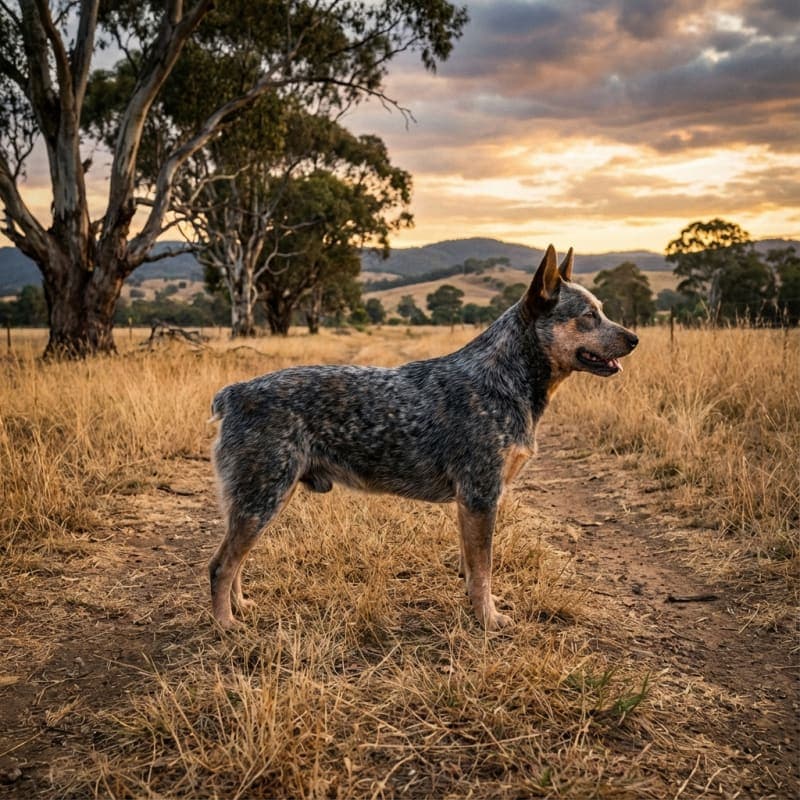
Australian Stumpy Tail Cattle Dog
FCI Group
1• FCI 351
Size
Medium
Origin Country
AU
Height
43-51 cm
Weight
16-25 kg
Lifespan
10-15 years
Temperament
Overview
The Australian Stumpy Tail Cattle Dog, also known as ASTCD, is a fascinating herding dog breed with a rich history dating back to the 19th century in Australia. Bred specifically for cattle work in the challenging conditions of Australian farms, this dog is distinguished by its unparalleled intelligence, courage, and unwavering dedication to its duties. Its ability to watch over and control cattle both in open spaces and confined areas is unmatched, making it an ideal partner for farmers and ranchers.
The ASTCD features a proportional, strong build that allows it to perform heavy physical tasks for hours without fatigue. Its energy and vitality reflect the temperament of a dog designed for intense work, and its undeniable loyalty to its owner makes it an excellent companion. While it may be wary of strangers, this trait makes it an outstanding guardian of the farm. Modern Australian Stumpy Tail Cattle Dogs are increasingly taking on the role of wonderful family companions, gaining popularity not only in Australia but also around the world.
Their unique character traits and fascinating history set them apart from other Australian herding dogs. The versatility, intelligence, and innate herding instincts of these dogs are valued not only in their homeland but also in countries across Europe and North America. However, potential owners must be aware of their high exercise needs and need for mental stimulation, which are absolutely crucial for the physical and mental health of this breed.
The Australian Stumpy Tail Cattle Dog requires significant physical activity and continuous mental challenges. Therefore, it is an ideal choice for active families, dog sports enthusiasts, or farmers who can meet its demands. We invite you to explore the following sections of this comprehensive guide, which detail the appearance, health, grooming, training, nutrition, and other essential aspects of this extraordinary Australian herding breed.
The Australian Stumpy Tail Cattle Dog is a dog of medium size and proportional, solid build, which perfectly adapts it for intensive herding work. Their silhouette is almost square, emphasizing a strong and durable structure, capable of working for hours in difficult terrain conditions.
Dimensions and proportions: Males reach a height at the withers of 46 to 51 cm, while females are slightly smaller, measuring from 43 to 48 cm. According to the FCI standard, the ideal height range is 43-51 cm. This compact build provides an excellent balance between strength and agility.
Head and muzzle: The head is wide and proportional to the body, with a clearly defined stop. The muzzle is moderately long, strong, and well-filled under the eyes, giving it a characteristic, determined appearance. The jaws are strong with an excellent, regular scissor bite.
Eyes and ears: The eyes are medium-sized, oval, and have a dark brown color, giving them an intelligent, alert, and attentive expression. The ears are relatively small, erect, and slightly rounded at the tips, set wide on the skull, which adds to their characteristic, alert appearance.
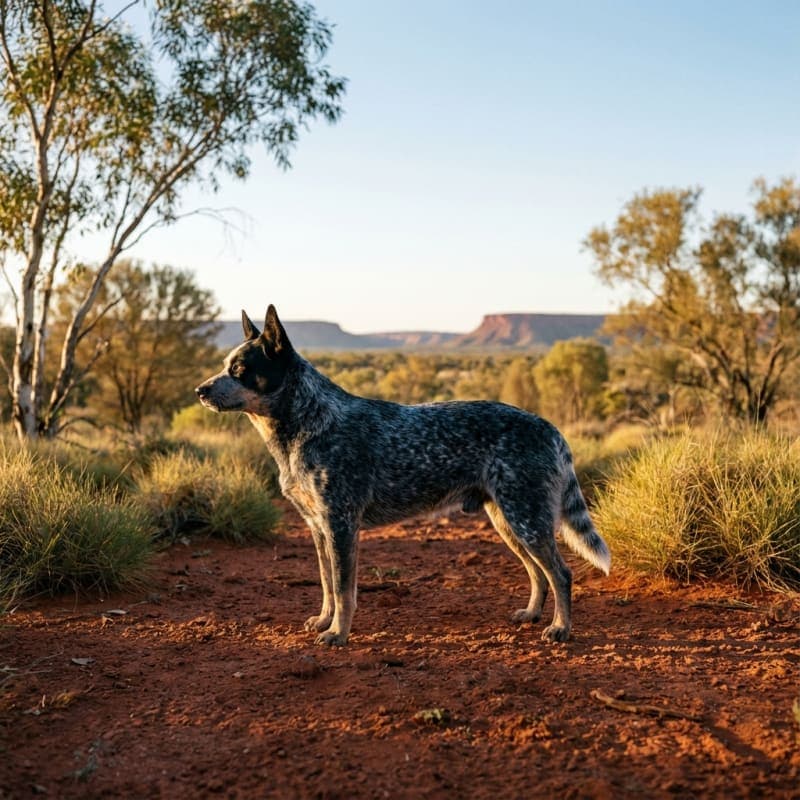
Coat: The coat is short, dense, and hard to the touch, with a well-developed, short undercoat, making the dogs perfectly adapted to various weather conditions – both heat and cold. The coat can be blue (blue) or red (red speckle), often with various shades, speckling, and characteristic patterns.
Limbs and movement: The dogs have strong, muscular limbs that are perfectly straight and parallel, allowing for free movement and sudden turns and accelerations while working with cattle. The movement is decisive, free, and spacious, with excellent coordination, enabling effective execution of herding tasks.
Tail (characteristic feature): The tail is naturally short, usually not exceeding 10 cm in length, which is the most recognizable feature of the breed and is the source of its name Stumpy Tail (stump tail). This is an innate trait, not resulting from docking.
The Australian Stumpy Tail Cattle Dog is characterized by a remarkably active, alert, and energetic temperament, typical of Australian herding dogs. These dogs possess innate, deeply rooted skills for controlling and directing cattle, making them brave, determined, dedicated, and absolutely trustworthy in their work.
Alertness and guarding instinct: Their exceptional alertness makes them excellent guardians of the farm and home, always on standby and ready to react. They can be skeptical and reserved towards strangers, which is typical and desirable for herding dogs – this trait allows them to protect the flock and territory entrusted to them.
Family bond: At home, the Australian Stumpy Tail Cattle Dog is very attached to its family and shows deep devotion to its caregivers. While it may be possessive towards family members, it is also full of love and loyalty. It forms strong emotional bonds and needs regular contact with its owner.
Herding instinct: Owners should be aware that a strong herding instinct can lead to undesirable behaviors in the home environment, such as nipping at heels, herding children, controlling the movement of other pets, or attempting to organize family members. Therefore, proper early socialization and consistent training from puppyhood are absolutely essential.
Intelligence and mental needs: The Australian Stumpy Tail Cattle Dog is among the most intelligent dog breeds, requiring both intense physical challenges and continuous mental stimulation to be happy and balanced. Regular interactive play, advanced obedience training, dog sports, and various activities with the owner are absolutely necessary to meet their needs and prevent behavioral problems.
Energy and work enthusiasm: Their unmatched energy, endurance, and enthusiasm for work can be surprising for inexperienced owners. It is important to provide them with an appropriate living environment – ideally a farm, a home with a large garden, or access to areas where they can thrive, run, and fulfill their natural herding functions. A dog confined to a small apartment without appropriate activities will quickly develop behavioral problems.
The Australian Stumpy Tail Cattle Dog, like many working breeds with an active lifestyle, can be prone to certain genetic and age-related health issues. Understanding potential health problems allows owners to provide appropriate prevention and prompt intervention when necessary.
Joint disorders: One of the most common issues is joint diseases, including hip dysplasia (HD) and elbow dysplasia (ED). These degenerative conditions can lead to chronic pain, progressive stiffness, and significantly limited mobility, which is particularly detrimental for dogs actively used in herding work. Responsible breeders perform X-ray examinations of the parents before breeding to minimize the risk of inheriting these conditions.
Eye diseases: Another significant health issue is various eye disorders, including progressive retinal atrophy (PRA), which can lead to gradual vision loss and even total blindness. Other ophthalmic problems include cataracts, retinal dysplasia, and collie eye anomaly (CEA). Regular eye examinations by a veterinary specialist are crucial for early detection of problems.
Congenital deafness: Dogs with a blue speckle coat may experience congenital deafness related to coat color genetics. Responsible breeders conduct hearing tests (BAER) on puppies before sale.
Prevention and care: Owners should regularly monitor the health of their dogs through annual veterinary visits, performing recommended preventive tests, and closely collaborating with the veterinarian to monitor health status. Keeping the dog in good physical condition through a proper, balanced diet and regular, but not excessive, exercise can significantly minimize the risk of many health problems, especially those related to the joints.
Life expectancy: With proper care, the Australian Stumpy Tail Cattle Dog can live 12-15 years. Regular vaccinations, deworming, external parasite prevention, and prompt response to the first signs of illness are key to a long, healthy, and active life for these resilient dogs.
The care of the Australian Stumpy Tail Cattle Dog is relatively simple and low-maintenance, making this breed attractive for owners who do not have the time or ability for complicated grooming procedures. Their natural, functional coat has been bred to work in tough conditions and does not require excessive intervention.
Coat brushing: Their coat is short, dense, and coarse to the touch, which means it does not require daily brushing. Regular brushing once or twice a week with a natural bristle brush or grooming glove is sufficient to remove dead hair, stimulate skin circulation, and prevent dirt accumulation and skin problems.
Shedding: During the intense shedding period, which usually occurs twice a year (in spring and autumn), you may notice significantly more hair loss, especially of the dense undercoat. During this time, more frequent brushing – even daily – will be beneficial and help speed up the hair replacement process and keep the home clean.
Bathing: The Australian Stumpy Tail Cattle Dog does not require frequent baths. You should only bathe the dog when it is actually dirty or starts to smell unpleasant. Bathing too often can remove natural protective oils from the skin and coat, leading to dryness and irritation. Mild dog shampoos should be used.
Ear, eye, and teeth checks: It is worth regularly paying attention to the condition of the ears (especially after working in the field), eyes, and teeth to keep the dog in good health. Regular ear checks and cleaning once a week will help avoid infections, especially if the dog works in a dusty or damp environment. The eyes should be clean and free of discharge. Brushing teeth 2-3 times a week with a special dog toothbrush and toothpaste prevents tartar and periodontal disease.
Nail care: Trimming nails is equally important, especially if the dog does not have a natural opportunity to wear them down by running on hard, rocky ground or asphalt. Overgrown nails can cause discomfort, walking problems, and even joint injuries. Checking and trimming every 3-4 weeks is optimal.
Professional consultations: If you have any doubts regarding grooming, changes in coat condition, skin, or the overall appearance of the dog, it is advisable to consult an experienced groomer or veterinarian who can provide appropriate solutions.
The Australian Stumpy Tail Cattle Dog is a breed that requires a large amount of intense exercise and physical activity on a daily basis. Their innate herding traits, work energy, and endurance make them extremely energetic dogs with very high exercise requirements – significantly higher than average dog breeds.
Daily exercise needs: A minimum of 2 hours of intense activity per day is absolutely essential to keep this breed in good physical and mental health. Short, leisurely walks are not enough – the dog needs opportunities to run, make quick turns, and use its body to its full potential.
Types of activities: They are ideally suited for active families that can provide them with various forms of movement:
- Long walks and hikes – a minimum of 60-90 minutes daily
- Running – an excellent companion for jogging, cycling, or rollerblading
- Agility – agility sports perfectly utilize their intelligence and agility
- Frisbee and fetch – playing fetch with balls, frisbees, or other objects
- Swimming – many individuals love water
- Herding trials – herding competitions, a natural use of instincts
- Cattle work – an ideal environment for this breed
Mental stimulation: In addition to physical activity, the Australian Stumpy Tail Cattle Dog also needs continuous mental stimulation. These dogs love to be mentally engaged, so it is important to provide various forms of intellectual activity: scent games, searching for hidden treats, dog puzzles, learning new commands and tricks.
Canine sports: The breed excels in canine sports such as agility, flyball, obedience, rally-obedience, or treibball. Participating in such activities can be a great way to comprehensively meet both physical movement and mental challenge needs.
Consequences of lack of exercise: Insufficient exercise inevitably leads to serious behavioral problems, such as:
- Excessive, destructive energy
- Anxiety and stress
- Destructive behaviors (destroying furniture, chewing)
- Excessive barking
- Compulsive behaviors
- Aggression from frustration
Recommendations: Owners should absolutely strive to provide daily, multi-hour sessions of physical and mental activity. The Australian Stumpy Tail Cattle Dog is not a breed for people leading a sedentary lifestyle or living in small apartments without access to space. This is a dog for active families, farmers, people involved in canine sports, or those with farms where the dog can fulfill its natural function.
The Australian Stumpy Tail Cattle Dog is a breed that is extremely intelligent and very easy to train, making them one of the best working dogs in the world. Their natural eagerness to learn, strong bond with their owner, and innate ability to understand and follow commands allow them to quickly and efficiently absorb new commands, skills, and complex sequences of actions.
Early socialization (key): Although ASTCDs are easy to train, it requires a consistent, firm, but positive approach from a young age. Early socialization of puppies – starting from 8-12 weeks of age – is absolutely crucial to ensure that the adult dog behaves well in various social situations. Puppies should be gradually, but systematically exposed to:
- Different people (adults, children, seniors)
- Other dogs and pets
- Diverse environments (city, countryside, shops, crowds)
- Various sounds and environmental stimuli
- Positive experiences at the veterinary clinic
Basic obedience training: Basic commands should be taught from the first days in their new home. Typical commands such as Sit, Lie down, Stay, Come, Leave it should be practiced daily in short, but regular training sessions (10-15 minutes, 2-3 times a day).
Positive reinforcement methods: The most effective are positive training methods based on rewards and praise. The Australian Stumpy Tail Cattle Dog responds excellently to:
- Training treats (small, healthy snacks)
- Verbal praise (enthusiastic, cheerful tone of voice)
- Play as a reward (ball, frisbee, tug-of-war)
- Petting and stroking
Avoid physical punishment or aggressive methods – they are completely unnecessary and can destroy the bond with the dog and provoke fear or defensive aggression.
Control of herding instinct: Due to their strong herding instincts, it is particularly important to teach the dog self-control and how to appropriately channel their energy. The dog must learn that it cannot nip at people's heels, chase children, control other pets, or herd family members. This requires patience, consistency, and redirecting the instinct to acceptable activities (toys, canine sports, controlled work).
Advanced training and work: Due to their exceptional herding and working instincts, Australian Stumpy Tail Cattle Dogs can be trained to perform very advanced tasks related to farm work:
- Controlling and directing a herd of cattle
- Grouping a scattered herd
- Leading animals to pens
- Separating individual cattle
- Searching for lost animals
This makes them versatile and extremely useful in farming and herding contexts.
Structure and variety: Regular training sessions should be varied, creative, and engaging to maintain the dog's attention and prevent boredom. Monotonous repetition of the same exercises can lead to boredom and a decrease in motivation. Introduce new challenges, tricks, and games.
Professional help: Working with a experienced herding dog trainer or obedience instructor can be extremely helpful, especially for new owners who have no prior experience training highly intelligent working dogs with strong instincts. A professional can help avoid mistakes and effectively utilize the breed's potential.
Continuous challenges: Remember that the Australian Stumpy Tail Cattle Dog needs continuous mental challenges throughout its life. Even an adult, well-trained dog should regularly learn new things to keep its mind sharp and active.
The diet of the Australian Stumpy Tail Cattle Dog should be carefully balanced and tailored to their high energy needs resulting from their active lifestyle. As active working dogs with high energy levels, they require high-quality food rich in nutrients to support muscle development and maintenance, healthy joints, and overall physical condition.
High-quality protein: The basis of the diet should be high-quality animal protein sourced from meat (chicken, beef, turkey, fish, lamb). The protein content in the food should be at least 25-30% for adult dogs and 28-32% for puppies in the growth phase. Protein is crucial for building and repairing muscles, especially in such physically active dogs.
Fats and omega acids: An appropriate amount of healthy fats (15-20%) and omega-3 and omega-6 fatty acids supports skin health, coat quality, and the functioning of the nervous system and joints. Sources can include fish oil, flaxseed oil, or salmon.
Carbohydrates and fiber: Low glycemic index carbohydrates (brown rice, oats, sweet potatoes) provide stable energy throughout the day. Fiber supports digestive health.
Choosing the right food: Owners should choose premium or super-premium foods that are appropriate for:
- Dog's age – puppies, adult dogs, seniors have different needs
- Activity level – working dogs need higher-calorie foods
- Health status – in cases of allergies, joint issues, or other conditions
It is important to avoid low-quality foods that may contain unhealthy fillers (corn, excessive wheat), artificial colors, chemical preservatives, and low-nutritional-value by-products.
Meal frequency: Regular meals divided into two or three smaller portions per day (instead of one large one) will help maintain stable energy levels, prevent digestive issues, and reduce the risk of bloat – a dangerous condition in medium and large breed dogs. Puppies should receive 3-4 meals a day.
Access to fresh water: Fresh, clean water should always be available for the dog, especially after intense exercise, on hot days, or during work. Change the water regularly and clean the bowl.
Dietary supplements: Before introducing any dietary supplements (glucosamine for joints, vitamins, minerals, prebiotics), it is advisable to consult with a veterinarian to ensure that the dog receives all necessary nutrients in the right proportions. Excess of certain vitamins or minerals can be harmful.
Weight control: Regularly monitoring the dog's weight (at least once a month) and adjusting the amount of food based on their physical activity, age, and condition will help maintain optimal body weight. Obesity leads to serious health problems, particularly joint, heart, and diabetes issues. On the other hand, underweight in such an active dog may indicate insufficient energy intake.
Prohibited products: Never feed the dog: chocolate, grapes, raisins, onions, garlic, avocado, xylitol, cooked bones (risk of choking), fatty table scraps, or alcohol – these products are toxic to dogs.
Dietary consultations: If you have doubts regarding nutrition, food allergies, digestive issues, or special dietary needs, consult a veterinarian or an animal nutrition specialist who can help develop a personalized feeding plan tailored to the specific dog.
Characteristic Traits
Pros
- High intelligence and quick learning
- Reliable guardian and defender
- Boundless devotion to family
- Versatile in pastoral work
- Simple coat care.
Cons
- Requires a lot of movement and activity
- May be distrustful and reserved towards strangers
- Needs constant mental stimulation
- Strong herding instinct can be problematic at home
- Not suitable for apartment living.
Behavioral Ratings
Breed History
The history of the Australian Stumpy Tail Cattle Dog dates back to the early 19th century, when the breed was intentionally developed in Australia specifically for the demanding and challenging work of herding and controlling cattle in the harsh, unpredictable conditions of Australian farms and ranches. The development of this breed is closely linked to the colonization of Australia and the growth of the livestock industry on the continent.
Two theories of breed origin: There are two main, competing theories regarding the origin of the Australian Stumpy Tail Cattle Dog, although both point to a similar time period and breeding methodology:
First theory – Thomas Simpson Hall (circa 1830): The first version attributes the breed to Thomas Simpson Hall, a farmer from northern England who settled in New South Wales. Hall is said to have intentionally crossed herding dogs from northern England known as Smithfield – medium-sized working dogs used for controlling cattle – with Australian dingoes, wild dogs native to Australia. The goal was to create dogs that combined the herding instincts, intelligence, and obedience of European dogs with the endurance, resilience to harsh climates, and natural hunting abilities of dingoes. The result of these crosses were dogs known as Hall's Heelers (heeler refers to a dog that nips cattle at the heels).
Second theory – Timmins from Bathurst (circa 1830): An alternative version points to a cattle drover named Timmins from Bathurst in New South Wales, who around 1830 also crossed Smithfield herding dogs with Australian dingoes. The offspring from these crosses – red dogs with short, stumpy tails – were named Timmins Biters. These dogs proved to be excellent workers, but they were too aggressive and harsh in handling cattle, often causing injuries to the animals. It was deemed necessary to conduct further breeding to temper their temperament while maintaining their working abilities.
Further breed improvements: Regardless of the version, breeders introduced additional crosses with smooth-coated blue merle collies (Scottish herding dogs), which helped stabilize the breed and create an excellent, versatile herding dog. These dogs combined the best traits of all the component breeds:
- Intelligence and herding abilities from collies
- Endurance and resilience from dingoes
- Strength and determination from Smithfields
- Naturally short tail (stumpy tail)
Recognition and popularity: The Australian Stumpy Tail Cattle Dog quickly gained recognition among Australian farmers and cattle breeders due to its exceptional working abilities. These dogs were able to work in extremely challenging conditions – in the open, vast spaces of the Australian bush, in heat, dust, and harsh climates. Their ability to control, group, and direct herds of cattle was invaluable.
Long period of local breeding: For a long time, the breed was primarily bred locally in Australia, mainly on farms in New South Wales and Queensland, where it was functionally used for work. Only a small number of dogs were formally registered in pedigree books, reflecting the prioritization of working abilities over appearance or show standards.
Official recognition and current name (2001): In 2001, the breed received its current, official name Australian Stumpy Tail Cattle Dog, which significantly contributed to its popularity, standardization of breeding, and recognition on the international stage. The breed was officially recognized by the FCI (Fédération Cynologique Internationale) as a Australian breed in the herding dog group.
FCI Standard No. 351: The current breed standard (FCI Standard No. 351) was published in 2005 and precisely defines the desired traits of appearance, character, and working functions. The breed is classified in Group 1 FCI (Herding dogs and cattle dogs, except Swiss herding dogs), Section 2 (Cattle dogs, except Swiss herding dogs).
Modern times: Today, the Australian Stumpy Tail Cattle Dog remains a relatively rare breed, even in Australia, but is gradually gaining popularity among herding dog enthusiasts, farmers, and dog sports enthusiasts worldwide. Their exceptional working abilities, intelligence, loyalty, and distinctive appearance with a naturally short tail make them valued both as working dogs and wonderful family companions for active owners.