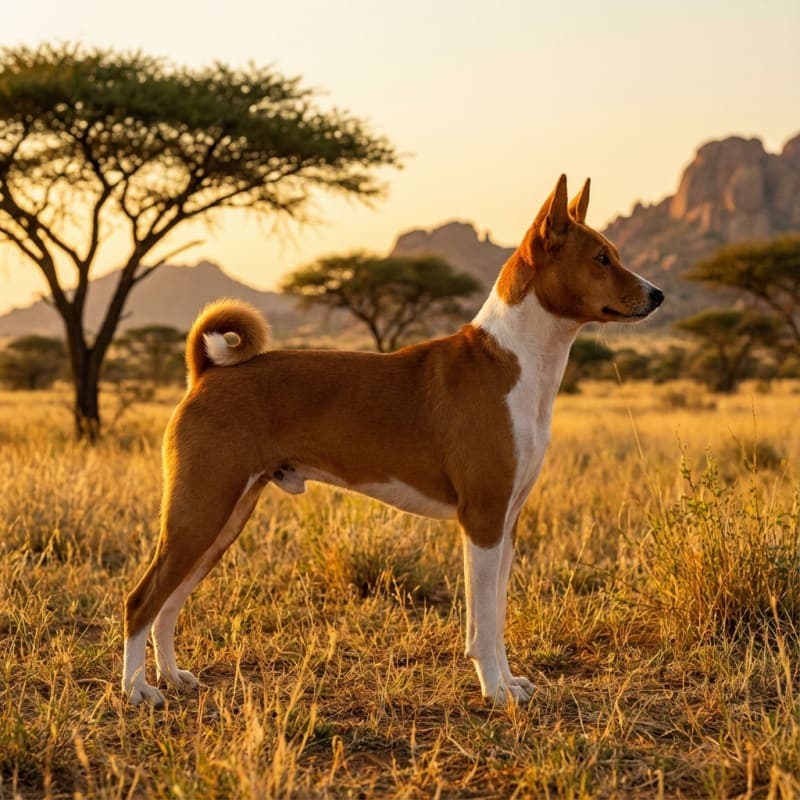
Basenji
FCI Group
5• FCI 43
Size
Medium
Origin Country
XX
Height
40-43 cm
Weight
9.5-12 kg
Lifespan
13-15 years
Temperament
Overview
Basenji is an extraordinary breed of dog originating from Central Africa, known for its exceptionally independent character and fascinating way of communication. Unlike most dogs, Basenjis do not bark – instead, they produce unique sounds reminiscent of yodeling or soft murmurs. This trait makes them ideal companions for those who value peace and quiet at home, while still allowing owners to enjoy the presence of a four-legged friend.
These medium-sized dogs are distinguished by their extremely elegant and harmonious silhouette. Their slender body structure, long legs in relation to their torso length, and characteristic wrinkles on their forehead give them an aristocratic appearance that attracts attention at shows and during walks. Basenjis are also known for their remarkable cleanliness – like cats, they regularly groom their fur, which significantly facilitates maintaining hygiene in the home.
Basenjis are full of energy and innate curiosity, requiring active owners ready to provide them with the right amount of exercise and mental stimulation. Their hunting instincts, inherited from ancestors used by African tribes to hunt small animals, mean they thrive best in homes with gardens where they can run freely and explore their surroundings. It is important to remember that Basenjis have a strong tendency to escape, so proper fencing of the area is an absolute necessity.
By choosing a Basenji, you gain not only a unique four-legged companion but also a piece of African history and culture. This ancient breed, whose roots go back thousands of years, has preserved its unique traits and behaviors to this day, which fascinates dog lovers around the world. In the following sections of this guide, you will find detailed information about the health, grooming, training, nutrition, and history of this exceptional breed, which will help you better understand and care for your Basenji.
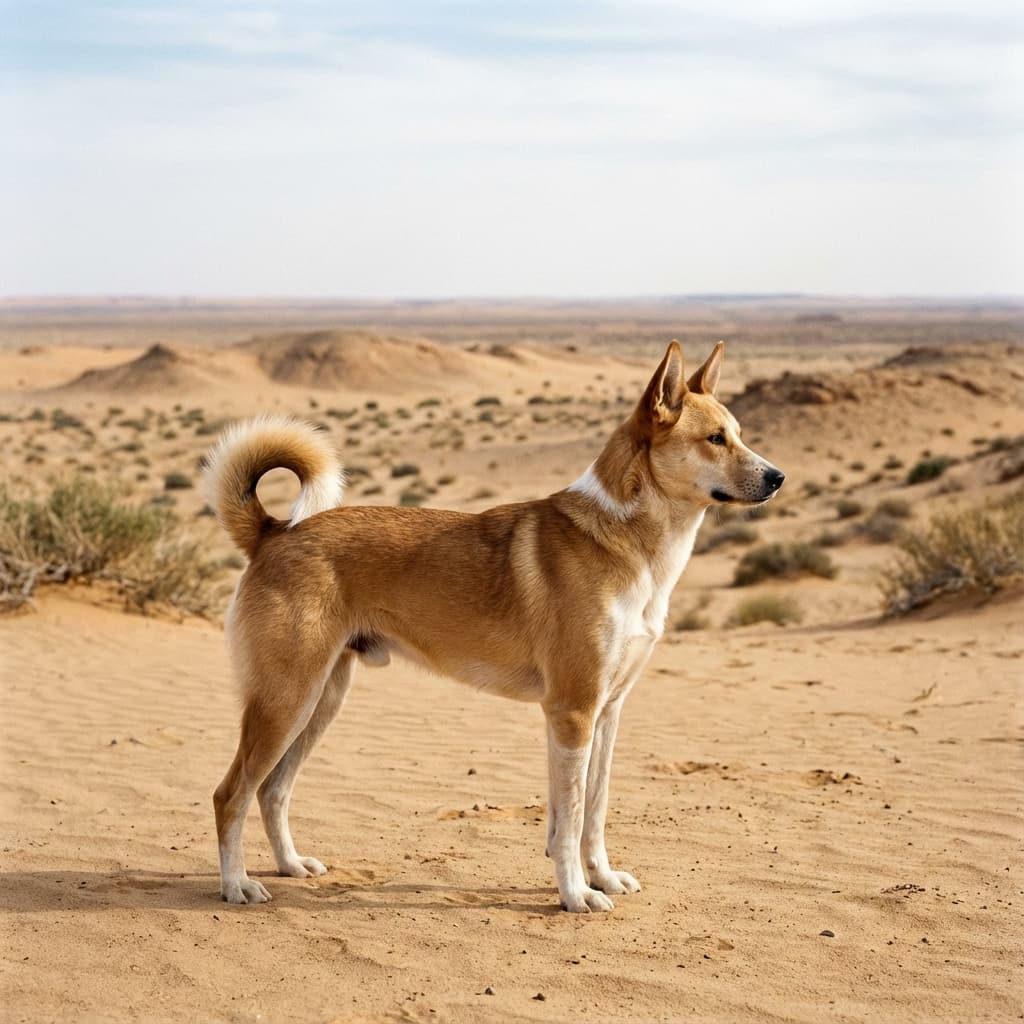
The Basenji is a dog with an incredibly distinctive and elegant silhouette that captures attention at first glance. Their build is light, delicate, yet athletic, and their high-set legs in relation to the length of the body give them an aristocratic, almost gazelle-like appearance. The proportions of the head are harmonious – the length of the skull is slightly greater than the length of the muzzle, creating a balanced profile.
A characteristic feature of the Basenji is the delicate wrinkles on the forehead, which become more pronounced when the dog perks up its ears or is alert. The ears are small, pointed, erect, and set high on the head, further emphasizing their alertness. The eyes have a beautiful, dark, almond shape and gaze into the distance with an expression of intelligence and a hint of mystery. The look of a Basenji often attracts and intrigues observers.
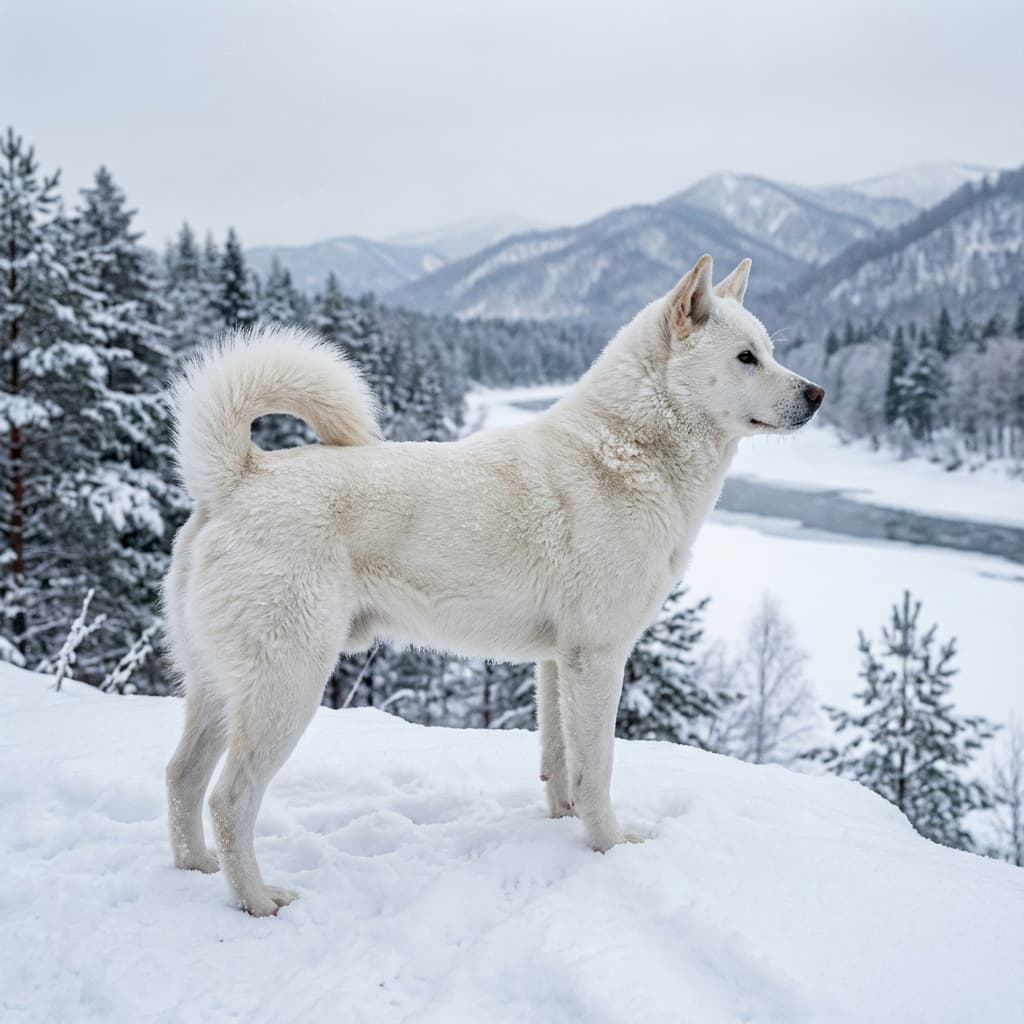
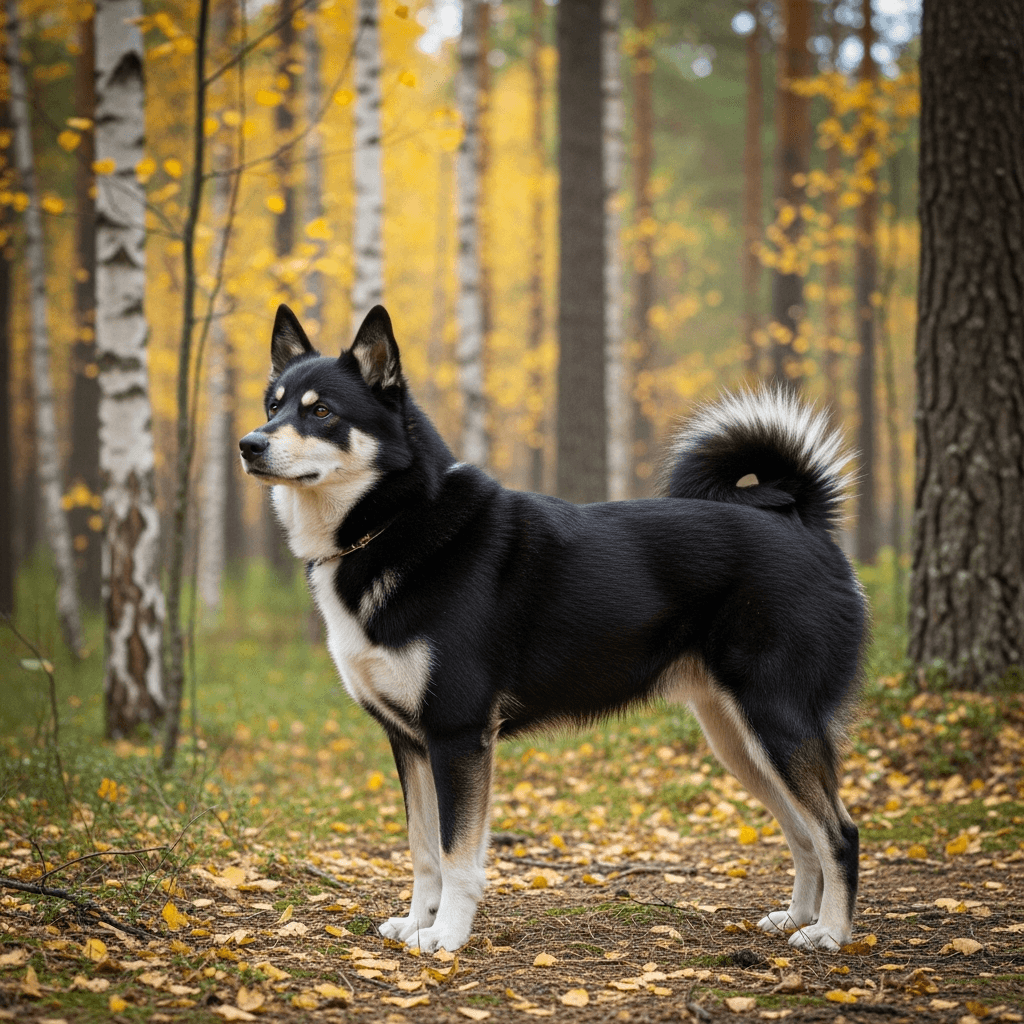
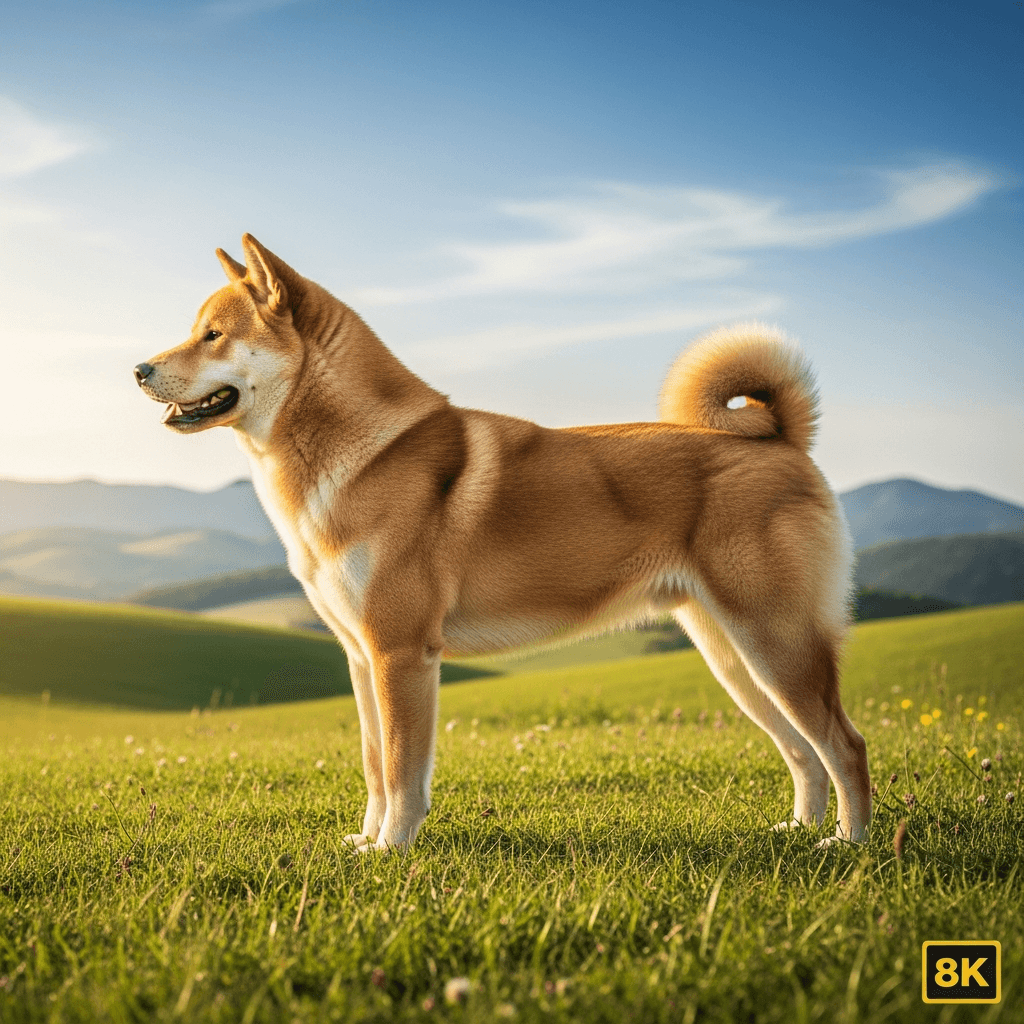
The coat of these dogs is short, smooth, shiny, and closely adheres to the body, making the dog always appear neat and well-groomed. Basenjis come in several classic colorations: black with white markings, red with white markings, and brindle with white markings. The white markings typically appear on the chest, legs, and tip of the tail. Another distinguishing feature is the tightly curled tail, which the dog carries high over its back, forming a characteristic, tight ring.
The size of the Basenji is moderate – the height at the withers ranges from 40 to 43 cm, and the weight falls between 9.5 to 11 kg. These proportions make the Basenji an ideal medium-sized dog, compact enough to accompany owners in various situations while still maintaining an impressive presence and elegance.
Basenji is a breed with an exceptionally fascinating and complex character, combining traits of an ancient hunting dog and a loyal companion. Their temperament is definitely independent and self-sufficient, which means they can sometimes be reserved and distant towards strangers. They are not dogs that immediately throw themselves into the arms of every guest – they prefer to assess the situation first and then decide whether they want to make contact.
In their relationship with their owners, however, Basenjis are incredibly affectionate, loyal, and attached. They form strong emotional bonds with family members, although they never become intrusive or overly dependent. These are dogs that value their personal space but at the same time enjoy closeness and spending time together. It is worth noting that Basenjis have a distinctly marked trait that sets them apart from most breeds – they do not bark. Instead of traditional barking, they make unique sounds resembling yodeling, grunting, or soft growling, which makes them ideal for people living in apartment buildings.
Basenjis possess a strong hunting instinct, inherited from their African ancestors. This means that during walks, they can be very interested in the scent of other animals, and their attention can easily be drawn to birds, squirrels, or other small creatures. For this reason, Basenjis require special attention when being walked – they may try to escape after an interesting scent, so leashed walks and safe, fenced areas are a must. Their agility and speed make them capable of escaping effectively whenever the opportunity arises.
In contact with children, Basenjis can be wonderful playmates, provided that the children are old enough to understand and respect the dog's space. Due to their energy and liveliness, Basenjis love active play, but they also need rest and tranquility. Their independent nature allows them to occupy themselves well, making them suitable for owners who may not always be home. However, it is important to remember that their independence does not mean a lack of need for companionship – Basenjis do not cope well with prolonged solitude and may develop destructive behaviors. They are intelligent dogs that require not only physical activity but also mental stimulation and engagement from their owner.
Basenji is a breed considered to be relatively healthy; however, like all purebred dogs, they can be prone to certain genetic disorders and specific health issues. The average lifespan of a Basenji is between 13 to 15 years, which is an impressive result for a medium-sized dog and reflects the overall vitality of this breed. Proper veterinary care, regular check-ups, and attention to prevention can significantly contribute to a long and happy life for the dog.
One of the most serious conditions that Basenjis may be susceptible to is Fanconi syndrome – a hereditary kidney disease that leads to impaired absorption of glucose and other nutrients by the kidneys. This disease may manifest as excessive thirst, frequent urination, weight loss, and general weakness. Early diagnosis and appropriate treatment can significantly improve the quality of life for the affected dog. Therefore, it is important to conduct regular urine tests, especially in middle-aged dogs.
Another issue that may affect Basenjis is hip dysplasia – a genetic developmental defect that causes improper fitting of the hip joint socket to the head of the femur. This can lead to pain, limping, and arthritis in later years. Responsible breeders perform X-ray examinations of the parents before breeding to minimize the risk of this disease in puppies. Maintaining a proper body weight and moderate, regular physical activity also helps in the prevention of dysplasia.
Other conditions to be aware of include persistent pupillary membranes (PPM), urinary stones, and various autoimmune diseases. Basenjis also have short coats, which makes them not well-suited for very cold climatic conditions. On cooler days, it is advisable to provide additional protection in the form of a dog coat or sweater to avoid hypothermia.
Despite the mentioned potential health issues, Basenjis remain generally strong, resilient dogs that do well in various environmental conditions. The key to maintaining good health is regular veterinary care, a balanced diet, an appropriate amount of exercise, and monitoring any concerning symptoms. Working with a reputable breeder who conducts genetic testing on the parents significantly increases the chances of a healthy, long life for a Basenji.
Basenji is a breed that requires minimal grooming, making it exceptionally convenient for owners who do not have much time for daily grooming routines. Their short, smooth, and shiny coat does not require frequent brushing – a gentle combing once every few weeks is enough to remove dead hair and maintain its aesthetic appearance. Basenjis are also dogs that do not shed heavily, which further simplifies keeping the house clean.
What is particularly fascinating is that Basenjis have a unique, cat-like tendency to take care of their own cleanliness. It is often observed that they groom their fur by licking and smoothing it just like cats do. This natural cleanliness means that Basenjis rarely need baths – they should only be bathed when they are truly dirty or start to emit an unpleasant odor. Too frequent bathing can strip the natural protective lipid layer from their skin, so it is better to limit it to the necessary minimum.
In addition to caring for their coat, regular tooth brushing is extremely important. Basenjis, like many medium-sized breeds, can be prone to dental issues such as tartar, gum disease, or periodontal disease. Brushing their teeth a few times a week with special dog toothpaste will help maintain oral health and prevent bad breath.
Nail trimming is another essential aspect of grooming. If a Basenji does not naturally wear down its nails while walking on hard surfaces, regular trimming will be necessary to prevent excessive growth, which can lead to discomfort, limping, or even injuries. It is also important to regularly check the condition of their ears and eyes – ears should be clean, pink, and free of unpleasant odors, while eyes should be bright and without excessive discharge. If any concerning symptoms arise, such as redness, itching, or discharge, a consultation with a veterinarian is advised.
Basenji is an incredibly energetic and active breed that requires a large amount of exercise and physical stimulation every day. Due to their hunting nature and heritage, these dogs need at least two hours of intense exercise daily to remain happy, healthy, and emotionally balanced. A lack of proper physical activity can lead to boredom, frustration, and the development of destructive behaviors such as chewing furniture, excessive barking, or attempts to escape.
An ideal exercise plan for Basenji combines long, vigorous walks with time spent running freely in a safe, fenced area. It's important to remember that Basenji have a strong hunting instinct, so letting them off-leash in unfenced areas can be risky—they may take off in pursuit of a bird, squirrel, or other animal and disappear from sight in the blink of an eye. A safe, well-fenced yard is the perfect place for Basenji to expend their energy and enjoy freedom.
Basenji respond excellently to various forms of activity, such as fetching, running alongside a bicycle, jogging with their owner, or playing with other dogs. Many Basenji also excel in dog sports such as agility—their agility, speed, and intelligence allow them to achieve excellent results in these types of disciplines. Such activities not only provide the necessary dose of exercise but also stimulate the dog's mind, which is equally important for their well-being.
In addition to physical exercise, Basenji also need mental stimulation. They are incredibly bright dogs that quickly become bored if they don't have enough intellectual challenges. Interactive toys, scent games, training new commands, or hiding treats in various places are excellent ways to engage a Basenji's mind and provide them with satisfaction. Combining physical activity with mental stimulation is the key to a happy and balanced Basenji.
Training a Basenji can be a real challenge, even for experienced dog owners. These dogs are characterized by their independent and stubborn nature, which means they do not always willingly comply with commands. Unlike breeds that have been developed for close cooperation with humans, Basenjis have retained many primitive traits of their ancestors, which manifests in a strong instinct for independence and a certain degree of stubbornness.
The key to effective training of a Basenji is patience, consistency, and positive reinforcement. Basenjis respond much better to praise, treats, and play than to traditional, harsh training methods. Punishing or raising one's voice can provoke resistance in them and cause them to lose interest in training. It is worth remembering that Basenjis are extremely intelligent – they can quickly learn new commands if they find motivation in it. The problem is that they are not always interested in following commands just because the owner wants them to.
Due to their independent nature, Basenjis are not the best choice for novice dog owners. They require experience, confidence, and the ability to consistently apply rules without using force. Regular, short training sessions that are interesting and varied will help maintain the dog's attention and maximize learning effectiveness. Basenjis quickly get bored with monotonous repetitions, so it is worth introducing new exercises, challenges, and forms of play.
An important aspect of training is also early socialization. Basenjis that have had contact with various people, dogs, sounds, and situations since puppyhood are more balanced, confident, and less reserved towards strangers. Socialization also helps minimize issues with distrust or fear. It is also important to remember about recall training – due to their strong hunting instinct, teaching the command come is crucial for the safety of Basenjis during walks.
In summary, training a Basenji requires time, patience, and the right approach. Owners who can create a positive, engaging training atmosphere and understand the independent nature of this breed can achieve great results and enjoy a well-behaved, obedient Basenji.
The Basenji diet should be carefully balanced and tailored to their level of activity, age, health status, and individual metabolic needs. These dogs are relatively small, so their daily caloric requirement is moderate – an average adult Basenji needs about 700-900 calories per day, depending on exercise intensity. Puppies, working dogs, or particularly active Basenjis may require more calories, while older, less active dogs may need less.
A key element of a healthy Basenji diet is high-quality animal protein. As descendants of African hunting dogs, Basenjis are carnivores that thrive on a diet rich in meat, poultry, or fish. It is advisable to choose premium or super-premium foods that list real meat as the first ingredient, rather than by-products or grain fillers. The appropriate protein content helps in building and repairing muscles, maintaining a healthy coat, and supporting overall vitality.
In addition to protein, the diet should include healthy fats that provide energy and aid in the absorption of fat-soluble vitamins. Omega-3 and omega-6 fatty acids, derived from fish oil or flaxseed oil, are particularly important for skin and coat health, as well as for cognitive function and the immune system. Carbohydrates should come from healthy sources, such as sweet potatoes, brown rice, or vegetables, providing additional energy and fiber to support digestive health.
Basenjis are not particularly prone to obesity, but it is important not to overfeed them, especially if they do not get enough exercise. Being overweight can lead to health issues such as hip dysplasia, heart disease, or diabetes. Regularly weighing the dog, monitoring body condition, and adjusting portions based on physical activity are key to maintaining a healthy weight.
It is also extremely important to regularly provide fresh water – Basenjis should have constant access to clean, fresh drinking water throughout the day. It is advisable to avoid giving the dog human food, such as spices, sugar, chocolate, onions, or garlic, which can be toxic or harmful to dogs. Regular consultations with a veterinarian will help tailor the diet to the individual needs of the Basenji and monitor their health throughout their life.
Characteristic Traits
Pros
- Quiet and non-barking
- Elegant and aristocratic appearance
- High intelligence
- Exceptional cleanliness and ease of care
- Healthy breed with a long lifespan.
Cons
- They require a lot of exercise and stimulation
- Independent and stubborn in training
- Strong hunting instinct and tendency to escape
- Not suitable for small apartments without a garden.
Behavioral Ratings
Breed History
The Basenji has one of the richest and oldest histories among all dog breeds, dating back several thousand years. This breed originates from Central Africa, where it was bred and used by local tribes, such as the Pygmies and other peoples inhabiting the areas of present-day Congo, South Sudan, and surrounding regions. Basenjis were invaluable helpers during hunts – their extraordinary sense of smell, agility, speed, and ability to approach silently made them perfect for tracking and flushing small animals, such as antelopes, rabbits, or birds.
Ancient depictions of dogs very similar to modern Basenjis can be found in Egyptian wall paintings and sculptures from the time of the pharaohs, suggesting that this breed was known and valued even in ancient Egypt. Some historians believe that Basenjis may have been gifted to pharaohs as precious, exotic hunting dogs, symbolizing power and prestige.
Europeans first encountered Basenjis in the 19th century when travelers and explorers, such as George Schweinfurth, began exploring Central Africa and documenting its fauna and flora. Schweinfurth was one of the first to describe these fascinating dogs in detail, noting their unique characteristics, such as the lack of barking and their pure, elegant silhouette. However, the first attempts to bring Basenjis to Europe ended in failure – these dogs were susceptible to diseases they had not encountered before, such as distemper and other infections, leading to high mortality rates.
It was not until the 1930s that the breed was successfully stabilized in Great Britain, mainly thanks to the efforts of breeders like Mrs. Olivia Burn, who imported healthy individuals from Africa and carefully managed a breeding program. Since then, Basenjis have begun to gain popularity, first in Great Britain, and then in the United States and other countries around the world. Today, Basenjis are valued not only as hunting dogs but primarily as wonderful companions for families who appreciate their unique character and rich history.
Basenjis remain a symbol of African culture and heritage, and their unique traits, such as the lack of barking, self-cleaning coat, and independent nature, make them one of the most fascinating dog breeds in the world.